Lukasz Bugaj: CAREER Award
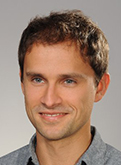 Therapies that use engineered cells to treat diseases, infections, and chronic illnesses are opening doors to solutions for longstanding medical challenges. Lukasz Bugaj, an assistant professor in bioengineering, has been awarded a National Science Foundation CAREER Award for research that may be key to opening some of those doors.
Such cellular therapies take advantage of the complex molecular mechanisms that cells naturally use to interact with one another, enabling them to be more precise and less toxic than traditional pharmaceutical drugs, which are based on simpler small molecules. Cellular therapies that use engineered immune system cells, for example, have recently been shown to be highly successful in treating certain cancers and protecting against viral infections.
However, there is still a need to further fine-tune the behavior of cells in these targeted therapies. Dr. Bugaj and his colleagues are addressing that need by developing new ways to communicate with engineered cells once they are in the body, such as turning molecular events on and off at specific times.
The research team recently discovered that both temperature and light can act as triggers of a specific fungal protein, dynamically controlling its location within a mammalian cell. By using light or temperature to instruct that protein to migrate toward or away from the cell’s membrane, Dr. Bugaj and his colleagues showed how it could serve as a key component in controlling the behavior of human cells.
The aim of the initial study was to develop probes that would take advantage of the light-responsive properties of the protein and to characterize its unique sensitivity to both light and temperature. Now, funded by the CAREER Award, they plan to research how to control it with only temperature as an input.
“We are looking for ways to talk to the cells in the body,” said Dr. Bugaj. “We can use light to communicate very precisely with cells, but light can only penetrate through a few millimeters of skin. When we discovered that this protein responds to both light and temperature, we thought we could modify it for purely thermal control, which would provide a new method to communicate with cells deeper in the body.”
Anthea Butler: 2022 Marty Award
 Anthea Butler, the Geraldine R. Segal Professor of American Social Thought in the School of Arts and Sciences, has received the 2022 Martin E. Marty Award for the Public Understanding of Religion from the American Academy of Religion.
The Marty Award is given annually to an individual whose work helps advance the public understanding of religion. The Academy of Religion’s Committee on the Public Understanding of Religion praised Dr. Butler for her “distinguished record of scholarship on race, gender, and religion in American religious history as well as her innovative and multidimensional efforts to engage diverse publics and the media.” Her numerous articles and opinion pieces have been featured in the New York Times, The Washington Post, CNN, NBC, and The Guardian. She appears regularly on MSNBC and has also served as a consultant to the PBS documentary series Billy Graham, The Black Church, God in America, and Aimee Semple McPherson.
Dr. Butler serves as chair of the department of religious studies at Penn and is president of the American Society of Church History. Her most recent book is White Evangelical Racism: The Politics of Morality in America.
Narasimhan Jegadeesh and Sheridan Titman: Wharton-Jacobs Levy Prize
The Wharton-Jacobs Levy Prize for Quantitative Financial Innovation has been awarded to Narasimhan Jegadeesh and Sheridan Titman at a conference hosted by the Jacobs Levy Equity Management Center for Quantitative Financial Research at the Wharton School of the University of Pennsylvania.
Drs. Jegadeesh and Titman will receive the Wharton-Jacobs Levy Prize for their research on momentum investing from their 1993 Journal of Finance paper, “Returns to Buying Winners and Selling Losers: Implications for Stock Market Efficiency.” Their article showed that strategies of buying recent stock winners and selling recent losers led to significant positive returns.
“Narasimhan Jegadeesh and Sheridan Titman’s work on momentum investing is as creative as it is rigorous,” said Erika James, dean of the Wharton School. “We honor them for improving our understanding of complex financial phenomena, which exemplifies Wharton’s commitment to elevating the impact of high-quality scholarship to drive innovation in finance and progress in business and in society.”
Dr. Jegadeesh is the Dean’s Distinguished Chair in Finance at the Goizueta Business School at Emory University, and Dr. Titman is the Walter W. McAllister Centennial Chair in Financial Services at the McCombs School of Business at the University of Texas at Austin.
In addition to the prize ceremony, the conference program will feature paper presentations and a panel discussion on the past, present, and future of momentum investing. Speakers include Jeremy Siegel of Wharton, Mark Carhart of Kepos Capital, and Tobias Moskowitz of the Yale School of Management and AQR Capital Management.
Many studies, some looking as far back as the 19th century, have confirmed the initial findings by Drs. Jegadeesh and Titman. Their research also led fund managers to adopt new strategies.
“Their work challenged the expanding view of the superiority of passive investment strategies and had an enormous impact on the world of investing,” said Craig MacKinlay, the Joseph P. Wargrove Professor of Finance and co-academic director of the Jacobs Levy Center.
Carl June: 2022 Keio Medical Science Prize
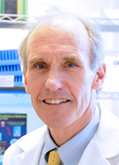 Carl June, the Richard W. Vague Professor in Immunotherapy in the department of pathology and laboratory medicine in the Perelman School of Medicine and director of the Center for Cellular Immunotherapies at Penn’s Abramson Cancer Center, has been named a 2022 Keio Medical Science Prize Laureate. He is recognized for his pioneering role in the development of CAR T cell therapy for cancer, which uses modified versions of patients’ own immune cells to attack their cancer.
The Keio Medical Science Prize is an annual award endowed by Keio University, Japan’s oldest private university, which recognizes researchers who have made an outstanding contribution to the fields of medicine or the life sciences. It is the only prize of its kind awarded by a Japanese university, and eight laureates of this prize have later won the Nobel Prize. Now in its 27th year, the prize encourages the expansion of researcher networks throughout the world and contributes to the well-being of humankind.
“Dr. June exemplifies the spirit of curiosity and fortitude that makes Penn home to so many ‘firsts’ in science and medicine,” said Penn President Liz Magill. “His work provides hope to cancer patients and their families across the world, and inspiration to our global community of physicians and scientists who are working to develop the next generation of treatments and cures for diseases of all kinds.”
Dr. June has been widely recognized for his role in pioneering the CAR T cell therapy, which became the first U.S. Food and Drug Administration-approved personalized cellular therapy for cancer in August of 2017. Clinical trials of this approach began at Penn in 2010, with long-lasting remissions stretching past 10 years in some of the earliest children and adults treated. There are now six FDA-approved CAR T cell therapies, for six different cancers, including pediatric and young adult acute lymphoblastic leukemia and several other blood cancers. More than 15,000 patients across the world who had run out of options have now received these transformative treatments. Dozens more clinical trials are in progress, including those for breast, ovarian, and pancreatic cancer, plus other diseases including HIV/AIDS, diabetes, and lupus. Additional laboratory work in progress is aimed at harnessing the approach for heart disease and dementia.
“Dr. June’s work and its global impact have given us a road map for unlocking the potential of the immune system to fight disease,” said J. Larry Jameson, executive vice president of the University of Pennsylvania for the Health System and dean of the Perelman School of Medicine. “He is one of Penn’s most distinguished faculty members and we are thrilled for him to receive this impressive global recognition.”
Dr. June, who is also the director of the Parker Institute for Cancer Immunotherapy at Penn, is a graduate of the U.S. Naval Academy and the Baylor College of Medicine. He is the recipient of many prestigious scientific achievement awards and is a member of the National Academy of Medicine and the National Academy of Sciences. In addition to his scientific accolades, Dr. June has been featured in hundreds of news outlets across the world, was named to the 2018 TIME 100 list of the most influential people in the world by TIME magazine, and is the subject of a new documentary film, Of Medicine and Miracles, which made its debut at the 2022 Tribeca Film Festival.
The Keio Medical Science Prize is an international award for which academics and researchers from around the world are invited to nominate a candidate who has demonstrated innovation and notable developments in medicine and the life sciences. Laureates are then selected through a rigorous review process by around 90 Japanese academics from both within and outside of Keio University. Via this extensive review process, Dr. June and Yoshihiro Kawaoka of the National Center for Global Health and Medicine Research Institute and the University of Tokyo, were selected as this year’s laureates.
An award ceremony and commemorative lecture to recognize the 2022 Keio Medical Science Prize Laureates will take place on November 28 at Keio University School of Medicine in Tokyo. Laureates receive a certificate of merit, a medal, and a monetary award of 10 million yen, the equivalent of roughly $70,000.
Inaugural Class of Lauder Fellows
Penn Nursing is excited to announce the inaugural cohort of the Leonard A. Lauder Community Care Nurse Practitioner Program, comprised of 10 fellows from across the country who will begin full-time studies towards a nurse practitioner degree. They are the first-ever students in a pioneering, tuition-free program dedicated to building a nurse practitioner workforce committed to working in and with underserved communities, both rural and urban.
“With the first of the Leonard A. Lauder program fellows joining us at Penn Nursing, we begin the work of preparing these excellent nurses to be leaders in providing care in under-resourced communities,” said Penn Nursing Dean Antonia Villarruel. “The impact this program will have in communities that face barriers to care cannot be overstated—and all of us at Penn Nursing are grateful to Leonard A. Lauder for his vision and commitment to improving health and health care in areas where it is most needed.”
The Leonard A. Lauder program at Penn Nursing is a two-year, rigorous primary care nurse practitioner program. It was borne of a $125 million gift—the largest ever to an American nursing school—by Penn alumnus Leonard A. Lauder, chairman emeritus of the Estée Lauder Companies.
“The first class of fellows are models for all those who will follow: talented healthcare professionals who are deeply committed to further developing their skills, and then sharing those skills in the American communities that need them most,” said Mr. Lauder. “I offer my sincere congratulations to this fine group of individuals who will pave the way for the ensuing years of the program, and—most importantly—make a tangible difference in the lives of our fellow Americans.”
Each fellow will complete at least 50 percent of their clinical education at community partner sites and/or comparable sites that provide direct patient care, an invaluable experience that will prepare fellows to meet the complex needs of patients and families throughout their careers. Every fellow will be expected to commit to practice or service in an underserved community for two years after graduation.
The first ten fellows come from a variety of backgrounds and share a commitment to using this unique opportunity to further their education and clinical experience to help solve the challenges they see in their chosen field.
- Gabrielle Domingo
- Rebecca Hosey
- Erica Iglesias
- Sandya Janardhan
- Aleksandr Kasyanchuk
- Ethan Murdock
- Julie Nguyen
- Lauren Odegaard
- Azucena Villalobos
- Carly Wasserbach
Mary Naylor: Lienhard Award from National Academy of Medicine
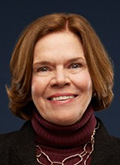 The National Academy of Medicine has announced that Mary D. Naylor, the Marian S. Ware Professor in Gerontology and director of the NewCourtland Center for Transitions and Health, is the recipient of the 2022 Gustav O. Lienhard Award for Advancement of Health Care for improving the lives of millions of older adults living with complex health and social needs through her role as the architect of the Transitional Care Model and pioneer of the field of transitional care. The award will be presented at the National Academy of Medicine’s annual meeting on October 16. Dr. Naylor is one of four University of Pennsylvania faculty, and the third from the School of Nursing, to have received this national honor.
“Penn Nursing has a legacy of innovation, discovery, and advocacy to provide health care for the most vulnerable in our health care system,” said Penn Nursing Dean Antonia M. Villarruel. “Dr. Naylor has been a leader in building that legacy. We are incredibly proud of her accomplishments and the impact she has had and continues to have on health care—this is a well-deserved honor that reflects the excellence of her scholarship and the innovation-centered environment we embrace at Penn Nursing to build the future of nursing. We congratulate Dr. Naylor on this prestigious honor.”
For more than 20 years, Dr. Naylor has led a multidisciplinary team in generating and disseminating research findings to enhance care and outcomes for chronically ill older adults and their caregivers. The hallmarks of the transitional care model (TCM) that Dr. Naylor developed include engaging at-risk older adults and caregivers during episodes of acute illness; establishing trusting relationships between advanced practice registered nurses (APRNs) and older adults and their caregivers; identifying and then advocating for older adults’ goals to drive their plans of care; providing continuity of care by the same APRN throughout a patients’ illness experiences; and coordinating care with multiple clinicians and staff across settings.
Findings from three consecutive National Institutes of Health-funded randomized controlled trials led by Dr. Naylor consistently demonstrated the effectiveness of the TCM in enhancing the care experiences of at-risk hospitalized older adults as they transitioned to home, while improving their functional status and quality of life. These outcomes were achieved by different racial groups and accompanied by significant reductions in avoidable re-hospitalizations and substantial health care savings. Currently, Arnold Ventures’ Moving the Needle initiative is supporting a multisite replication of the TCM in healthcare systems across the U.S. According to the Center for Health Care Strategies, the TCM has been implemented in hundreds of health care organizations and communities in 46 states across the U.S.
As director of Penn Nursing’s NewCourtland Center for Transitions and Health, Dr. Naylor leads faculty members and pre-doctoral and postdoctoral fellows on initiatives designed to translate findings generated from a range of evidence-based solutions that will enhance older adults’ health and well-being and advance health equity. For more than a decade, she has led a National Institute of Nursing Research-funded training grant to prepare the next generation of nurse scholars to generate and translate new knowledge focused on improving the care experience, health and quality of life of at-risk older adults and their caregivers. Dr. Naylor also has mentored and collaborated with hundreds of clinicians and clinical scholars representing a range of disciplines throughout the U.S. and abroad who are committed to implementing high-quality transitional services.
“Overcoming barriers to initial implementation of the transitional care model, and more recently the added challenges due to the COVID-19 pandemic, Dr. Naylor’s persistence over the past two decades has enabled older adults to receive the quality and continuity of care they deserve,” said National Academy of Medicine President Victor J. Dzau. “Her pioneering research placed a national spotlight on what is possible when health and social care systems are aligned with people’s goals and changing needs, in order to address social determinants at the point of care. Dr. Naylor’s tireless efforts to establish the field of transitional care for older adults and their caregivers, coupled with her championing of nurses and preparing the next generation for care transitions, make her most deserving of this prestigious award.”
Given annually, the Lienhard Award recognizes outstanding national achievement in improving personal health care in the United States. Nominees are eligible for consideration without regard to education or profession, and award recipients are selected by a committee of experts convened by the National Academy of Medicine.
2022 Presidential PhD Fellows
The recipients in the 2022 cohort of Presidential PhD Fellows at the University of Pennsylvania have been announced. Drawn from the incoming class of PhD students, the 2022 fellows come from the nine schools at Penn that offer PhD programs.
The announcement was made by President Liz Magill, Interim Provost Beth Winkelstein, and Vice Provost for Education Karen Detlefsen.
Each Presidential PhD fellow will receive a three-year fellowship, including funds to support their research. The fellowship includes a 12-month stipend, tuition, fees, Penn Student Insurance coverage, and research funds. In 2022-2023, the annual stipend is $39,615 with research funds of $10,000 per year. The fellowship will renew automatically for students in good academic standing.
Twenty-seven fellows were selected this year; combined with the inaugural class of 33 fellows, there are now 60 Presidential Fellows on campus pursuing a diverse array of scholarly research.
“I am proud to see the Presidential PhD Fellows program thriving,” said President Magill. “Every one of these accomplished scholars is doing significant work that demonstrates a true passion for their fields. Supporting them with these fellowships helps ensure that their work continues to grow and flourish in the years ahead.”
The 2022 Presidential PhD Fellows are:
- Ahlenne Abreu, Perelman School of Medicine
- Shaneaka Anderson, Perelman School of Medicine
- Nakiera Carty, School of Nursing
- Jose Cervantez, Wharton School
- Katherine Chen, Wharton School
- Arianna Chinchilla, Graduate School of Education
- Callie Crawford, Perelman School of Medicine
- Gwynne Evans-Lomayesva, School of Arts and Sciences
- Jennifer Gil, School of Nursing
- Joel Hayford, School of Engineering and Applied Science
- Amanda Igwe, School of Engineering and Applied Science
- Athi Mongezeleli Joja, School of Arts and Sciences
- Yining Lei, Stuart Weitzman School of Design
- Sheridan Marsh, School of Arts and Sciences
- Marina De Melo Do Nascimento, School of Arts and Sciences
- Estefanie Aguilar Padilla, Graduate School of Education
- Rebecca Pepe, School of Social Policy and Practice
- Mira Philips, School of Social Policy and Practice
- Devon Probol, Annenberg School for Communication
- Fabian Ramos-Almodovar, Perelman School of Medicine
- Rachel Richards, Perelman School of Medicine
- Naira Sealy, Perelman School of Medicine
- Tiffany Tran, Stuart Weitzman School of Design
- Lizeth Lopez Vazquez, School of Arts and Sciences
- Christopher Wodicka, School of Social Policy and Practice
- Amina Youssef, School of Arts and Sciences
- Zukolwenkosi Zikala, School of Arts and Sciences
Penn Medicine Awards and Accolades: August 2022

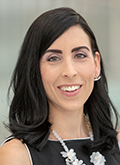

 Venkata (Sai) Chaluvadi, a graduate student in neuroscience, has been awarded the Regeneron Prize for Creative Innovation, which comprises a $50,000 award to continue his innovative research. He began exploring the intersections between immunology and other fields such as oncology and neurology at the Perelman School of Medicine. He is also a member of the Frederick (Chris) Bennett Lab, studying the contributions of diseased immune cells to the progression of Krabbe disease — a fatal neurodegenerative condition with limited available therapies.
Holly Fernandez Lynch, an assistant professor of medical ethics and health policy, has been named an Emerging Leader in Health and Medicine (ELHM) by the National Academy of Medicine (NAM) for a three-year term. Each year, the NAM selects 10 exceptional ELHM Scholars to engage around, and learn from, activities under the umbrella of the NAM, addressing topics that are shaping the future of health and medicine.
Sarah Rowley, a third-year medical student at the Perelman School of Medicine, has received a Herbert W. Nickens Medical Student Scholarship. Ms. Rowley is one of five students selected for the prestigious scholarship, which is given to students entering their third year of medical school who have shown leadership in efforts to eliminate inequities in medical education and health care. Each recipient receives a $5,000 scholarship.
Mark Sellmyer, an assistant professor of radiology, is among 21 early career researchers on 10 multidisciplinary teams to receive nearly $1.2 million in combined funding from the Research Corporation for Science Advancement, the Chan Zuckerberg Initiative, the Frederick Gardner Cottrell Foundation, and Walder Foundation in the second year of Scialog: Advancing BioImaging, an initiative that aims to accelerate the development of the next generation of imaging technologies. The 21 individual awards are for $50,000 each in direct costs.
The emergency department at Penn Presbyterian Medical Center has been awarded a Lantern Award by the Emergency Nurses Association. The honor is given to emergency departments demonstrating exceptional and innovative performance in leadership, practice, education, advocacy, and research.
Jolyon Thomas: Japan-U.S. Friendship Commission
 Jolyon Thomas, an associate professor of religious studies in the School of Arts and Sciences, was recently appointed to the Japan-U.S. Friendship Commission (JUSFC), with a joint appointment to the U.S.-Japan Conference on Cultural and Educational Interchange (CULCON).
Dr. Thomas researches religion in Japan and the U.S. His books include Drawing on Tradition: Manga, Anime, and Religion in Contemporary Japan and Faking Liberties: Religious Freedom in American-Occupied Japan.
Established in 1975, JUSFC is a federal agency that supports cultural and educational aspects of the U.S.-Japan alliance by awarding institutional grants in support of Japan studies in the U.S. The commission also supports American studies in Japan, bilateral artist exchanges, policy dialogues, legislative exchanges, and student mobility.
Created in 1961, CULCON is a U.S.-Japan advisory committee that meets biannually in alternating years between Japan and the U.S. The U.S. CULCON is a high-level, proactive organization that emphasizes the implementation of recommendations, and creates important interventions in U.S.-Japan educational and cultural exchange.

 Amber Wiley, an award-winning architectural and urban historian whose teaching and research center on the social aspects of design and how it affects urban communities, will join the University of Pennsylvania Stuart Weitzman School of Design as Presidential Associate Professor and the inaugural Matt and Erika Nord Director of the Center for the Preservation of Civil Rights Sites (CPCRS). She will teach principally in the graduate program in historic preservation.

 A. Bruce Mainwaring, C’47, Trustee Emeritus and chair emeritus of the Penn Museum Board of Advisors, died on September 6, 2022. He was 95.
 John J. (Jack) Patrick, Sr., former comptroller in the business office of the Perelman School of Medicine, died September 13, 2022. He was 88.
 Vivian Seltzer, professor emerita of human development and behavior in the school of Social Policy and Practice, died on August 20, 2022. She was 91.
 Richard S. Tobey, Jr., D’75, former director of clinical studies and assistant professor of restorative dentistry, at Penn’s School of Dental Medicine, died August 26, 2022. He was 76.
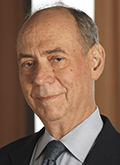 Michael L. Wachter, William B. and Mary Barb Johnson Professor of Law and Economics Emeritus in the Carey Law School, a faculty member in the School of Arts and Sciences and the Wharton School, and Penn’s former interim provost, passed away on September 3.