News

$55 Million Gift from Mindy and Jon Gray to Establish a New Basser Cancer Interception Institute
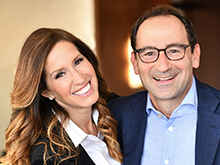
caption: Mindy and Jon GrayOn September 17, the University of Pennsylvania’s Basser Center for BRCA at the Abramson Cancer Center announced a $55 million gift from Penn alumni Mindy and Jon Gray to establish a new Basser Cancer Interception Institute, creating a new weapon to target hereditary cancers at their earliest stages.

The institute will aim to dramatically disrupt the timeline of cancer treatment, “intercepting” disease when the very first abnormal BRCA1/2 cells develop—or even stopping cancer from developing at all—rather than reducing cancer risk through surgery or treating cancer once it has grown enough to become visible through imaging and testing. The Basser team will pioneer efforts ranging from drugs and immune-based approaches to intercept BRCA-related cancers to new methods of detecting cancer cells with biomarkers and artificial intelligence.

“Over the past 10 years, Basser has become the global epicenter for BRCA research, education, and testing,” said Susan Domchek, executive director of the Basser Center for BRCA and the Basser Professor in Oncology in the Perelman School of Medicine. “We now sit at an inflection point where we have the ability to revolutionize the timeline of cancer care. Mindy and Jon’s gift to create this institute holds tremendous promise for families who are living with BRCA mutations—and for the broader field of hereditary cancers—where we are so eager to empower patients with options to erase the cancers that have followed their families for generations.”

The Grays’ total commitment to Penn over the last decade has now surpassed $125 million, including their transformative $25 million gift that established the Basser Center in 2012 in honor of Mindy’s sister, Faith Basser, who passed away at age 44 of BRCA-related ovarian cancer (Almanac May 22, 2012). Their subsequent gifts have supported advances in BRCA gene mutation-related science around the world and sparked donations to the Basser Center from nearly 5,000 other supporters. In total, the Grays have given over $250 million to philanthropic causes, including maximizing access to education, health care, and other opportunities for low-income children in New York.

“Mindy and Jon are philanthropic visionaries who give of themselves in many creative ways that have made profound differences in the way we educate, care for, and engage with patients and families who are coping with and at risk of hereditary cancers,” said Penn President Liz Magill. “We are so proud to partner with them to transform the outlook for individuals with BRCA mutations and give them better, nonsurgical, options to live healthy, long lives.”

“The dream of intercepting these cancers at their earliest stages or preventing them in the first place is no longer science fiction,” said Mindy and Jon Gray. “We are thrilled to build on the decade of success at the Basser Center and work towards what should be a transformation in how future generations face these diseases.”

Since its establishment as the world’s first center devoted to the study of BRCA-related cancers, Basser physicians, scientists, and genetic counselors have propelled improvements in prevention, screening, and treatment for men and women with BRCA gene mutations. Educational efforts have focused on Latino and Black populations with BRCA mutations, a Jewish outreach campaign reached more than 1,500 synagogues, and a host of virtual programming has engaged and empowered individuals across the world. Today, the Basser Center includes and collaborates with hundreds of professionals from an array of disciplines. The Grays’ latest gift enables the team to focus on a new frontier: cancer interception.

“At Penn Medicine, we are proud to pursue bold, paradigm-changing strategies to improve health and treat and cure disease—this ethos is a common trait among our faculty, staff, and students, and it is brought to life in the most inspiring ways through the generosity of donors such as Mindy and Jon Gray,” said J. Larry Jameson, executive vice president of the University of Pennsylvania for the health system and dean of the Perelman School of Medicine.

Everyone has BRCA1 and BRCA2 genes, but some people are born with an error, or mutation, in one of these genes. Men and women with either of these inherited gene mutations are at increased risk for certain cancers, including breast, ovarian, prostate, and pancreatic cancers. Today, options for prevention of BRCA-related cancers are largely limited to surgical options such as the removal of healthy breasts and ovaries, both of which can bring significant side effects and tradeoffs. Other patients typically undergo close monitoring, but there are currently no reliable early detection methods for ovarian and pancreatic cancer.

The goal of interception, Dr. Domchek said, is to identify and deploy a toolkit of strategies that can be used much like HPV testing for cervical cancer screening and colonoscopies for colon cancer—both tests allow identification of pre-cancerous cells and opportunities to intervene before they develop into disease.

An interception plan for BRCA mutation carriers could potentially include a series of timed interventions designed to keep cancerous cells at bay. In the case of a 25-year-old woman who learns she has a BRCA mutation, for example, future initial care might include close monitoring—with, for instance, “liquid biopsies”—to detect even the most minute amounts of abnormal cells that are on the path to becoming cancer. At age 40, as the risk of cancer increases, her care team could administer a cancer vaccine, “setting back” the biological clock and stopping the growth of precancerous cells. At age 55, doctors could again intercept, perhaps with a drug from the class known as PARP inhibitors, which are already approved for both treatment and recurrence prevention of BRCA-related cancers. At age 70, another interception might be administered, such as preventive radiation or immunotherapy.

Additional pillars of the Cancer Interception Institute’s work will include discovery science leveraging samples in the Basser Biobank and the Gray Foundation Pre-Cancer Atlas to identify the earliest changes associated with BRCA-related cancers and markers to target with prevention and treatment tactics. The team also plans to study pathways associated with these diseases and pinpoint ways to short-circuit abnormal cell growth, and develop new early detection strategies employing AI and new forms of imaging. The Grays’ gift will also support creation of a prevention clinical trials unit for novel studies, including “window of opportunity” trials designed to test safety of drugs beforerisk-reducing mastectomies to identify drugs to be used for prevention.
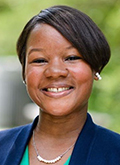
Renita Miller: Chief Diversity, Equity & Inclusion Officer at Wharton

caption: Renita MillerThe Wharton School has announced Renita Miller as its inaugural Chief Diversity, Equity & Inclusion Officer (CDO), effective October 1, 2022.


In her role at Wharton, Dr. Miller will report directly to Dean Erika James to align and amplify the school’s existing and exploratory DEI practices to solidify a culture of dignity, respect, and transparency through the appreciation of differences. In collaboration with the deputy dean, Dr. Miller will assist in outlining inclusive practices for integration into the core academic activities of the school, including faculty hiring and retention. Through partnerships with program offices, Dr. Miller will support diversity practices in recruitment and collaborate to promote the numerous student-facing and student-led programming across the school’s suite of programs. She will engage with Wharton and Penn’s offices of HR on staff hiring and development, as well as increasing opportunities for conversations on culture and belonging capable of enacting meaningful progress. Further, in association with External Affairs, Dr. Miller will provide insights on programming to promote DEI understanding and engagement among and across many alumni audiences.

Dr. Miller joins Wharton from the Graduate School at Princeton University, where she most recently served as associate dean for access, diversity & inclusion and executive director of the pre-doctoral fellowship initiative for more than four years. Her work included the establishment of several foundational pipeline and community-building programs to advance graduate and PhD diversity efforts through internal and external partnerships. Through these and other efforts, Princeton saw a historic increase in the number of underrepresented minority graduate students applying to, and accepting offers for, Princeton degree programs. Her previous experiences include serving as dean of Berkeley College at Yale University as well as in several administrative positions within Princeton’s broader academic community.

“Renita is well-versed in the data-informed practices necessary for success in this position, and will bring a spirit of leadership, empirical thinking and open perspective to the school,” Wharton Dean Erika James said.

“I am delighted to take my expertise, passion, and joy for this work to the Wharton School and work under the incredible leadership of Dean Erika James where I will continue to serve a mission towards enhancing equity, opportunity, and belonging in even more impactful ways,” Dr. Miller said. “I look forward to joining the amazing community of faculty, staff, students, and alumni of the Wharton School and Penn!”

Stuart Weitzman Theatre to Be Constructed at the Annenberg Center for the Performing Arts for Penn Live Arts

caption: A rendering of the proposed Stuart Weitzman Theatre.

On September 12, the University of Pennsylvania announced that it will build a new theatre adjoining the current Annenberg Center for the Performing Arts, to be named for Stuart Weitzman, Wharton Class of 1963, award-winning designer, and footwear icon, in honor of his leadership gift to the project.  

“This is a pivotal project for the performing arts,” said Penn President Liz Magill.  “Stuart Weitzman’s gift comes at the perfect time, just as the Annenberg Center for the Performing Arts, headquarters for Penn Live Arts, embarks on a year-long 50th-anniversary celebration. Naming the theatre for Stuart honors his enduring commitment to Penn students, his love of the performing arts, and our shared desire to make the performing arts even more visible and widely accessible on campus and throughout the greater Philadelphia region.”  

“It’s no exaggeration to say that this gift will change everything,” said Christopher Gruits, executive and artistic director of Penn Live Arts. “This modern jewel of a space right in the center of campus will be put to immediate use by students—for everything from ‘table reads’ with visiting playwrights, dance troupe rehearsals and student cabaret nights, to film screenings, improv performances and chamber music concerts. The Stuart Weitzman Theatre also will provide a new venue for some of the Penn Live Arts professional performances, for which this flexible, indoor-outdoor space will be ideal. I envision the theater in constant use from the moment its doors open, serving students, faculty, Philadelphia area residents, and Penn alumni, families, and friends.”   

The Stuart Weitzman Theatre will be connected to the south side of the Annenberg Center for the Performing Arts, using a portion of the plaza between Locust Walk and Walnut Street. Preliminary plans call for a 3,100 square foot theatre constructed of glass, steel, and concrete. It is anticipated to have an audience capacity of 300-350 people, with flexibility for multiple stage configurations and will feature a soaring ceiling, a glass wall that opens to the plaza for indoor/outdoor performances, a combination of natural light sources and state-of-the-art theatre lighting, and an immersive quadraphonic audio system.   

The new Weitzman Theatre will be added to the existing Annenberg Center, a beloved example of mid-century modern, “brutalist” architecture constructed in 1971. In the intervening decades, as interest and participation in the performing arts have blossomed at Penn, the center has been the venue of choice for innovative and transformative performing arts experiences in the Philadelphia region and has served as a vital campus resource. 

This project is the first significant expansion to the Annenberg Center since its opening half a century ago. It is the anchor project in phase one of an ambitious, multi-year capital plan that will include renovation of the existing Montgomery Theatre into a state-of-the-art art film screening center, and the renovation and expansion of a new campus gateway entrance from the Annenberg Plaza.

Stuart Weitzman, who founded his eponymous company in 1986, is one of the most recognizable names in luxury designer footwear. In the ensuing decades, he built Stuart Weitzman into one of the world’s most renowned fashion footwear brands. In 2015, he orchestrated the sale of Stuart Weitzman, LLC to Coach (renamed Tapestry in October 2017). He stayed on as a shoe designer and creative director for the company through May 2017 and remained chairman emeritus through 2018.   

Since stepping down from an active role in business, Mr. Weitzman has pursued myriad interests. Notably, he co-produced the Tony® Award-winning Broadway musical, Ain’t Too Proud–The Life and Times of the Temptations. He is a sought-after lecturer at universities around the world, and he also mentors the many students who seek his counsel on starting their own businesses. He is currently supporting the development of a museum in Madrid, Spain, dedicated to Spanish-Jewish history. As a member of the board of the U.S. Olympic and Paralympic Foundation, he also contributes to the success of aspiring Olympic athletes, and recently medaled in table tennis at the Maccabiah Olympic Games.  

“I am thrilled on so many levels to be supporting this new project,” said Mr. Weitzman. “The performing arts have always been an essential element of the Penn experience. So many high-profile alumni have gotten their start at Penn: John Legend, Marc Platt, Harold Prince, Candice Bergen…the list goes on. This new theatre will convey, in a very tangible way, to student and professional performers alike, that their craft is valued, supported, and nurtured by Penn.”

At the University of Pennsylvania, Stuart Weitzman’s philanthropy is further reflected in the Weitzman School of Design, Weitzman Hall, and the Weitzman Speaker Series on High Impact Philanthropy. Elsewhere in Philadelphia, he has also supported the Weitzman National Museum of American Jewish History.

25 Year Club: New Members for 2022

The Division of Human Resources will celebrate members of the Penn community who have worked at the University for 25 or more years at the annual 25 Year Club Celebration. The event will be held on Thursday, October 6 in Houston Hall from 5 p.m. to 7 p.m. Registration is required, and attendance is by invitation only.

To attend, please register by Thursday, September 29 at www.hr.upenn.edu/25yearclub

For more information call (215) 898-3463 or email 25yearclub@hr.upenn.edu.

As with all Penn events, your health and safety are important. While masks are not required at this event, guests are encouraged to wear them while on campus. For updated health and safety guidelines, please visit https://coronavirus.upenn.edu/content/visitors.

Here is a list of the new members of the 25 Year Club.

25 Year Club: New Members for 2022

  • Lamont Abrams, School of Engineering and Applied Science
  • Donna Adamoli, Perelman School of Medicine
  • Antonyo Adams, Perelman School of Medicine
  • Ivan Alferiev, Perelman School of Medicine
  • Angela Allen, Perelman School of Medicine
  • Rajeev Alur, School of Engineering and Applied Science
  • Terry Anderson, Perelman School of Medicine
  • Patricia Antes, School of Veterinary Medicine
  • Michele Arlotta, Perelman School of Medicine
  • Lillian Aronson, School of Veterinary Medicine
  • Alan Askenase, Perelman School of Medicine
  • Mark Aufdemberge, Development and Alumni Relations
  • Shawn Ballard, Perelman School of Medicine
  • Zubair Baloch, Perelman School of Medicine
  • Dimitry Baranov, Perelman School of Medicine
  • Aba Barden-Maja, Perelman School of Medicine
  • Peter Bayne, Office of the Provost
  • Theodore Beres, School of Engineering and Applied Science
  • Nancy Bernard, Perelman School of Medicine
  • Wade Berrettini, Perelman School of Medicine
  • Peggy Bishop Lane, Wharton School
  • Julie Blendy, Perelman School of Medicine
  • Christopher Blickley, Information Systems and Computing
  • Gerd Blobel, Perelman School of Medicine
  • Victoria Bowen, Associate Provost - Residential Life
  • Colleen Brensinger, Perelman School of Medicine
  • John Bruza, Perelman School of Medicine
  • Elizabeth Butler, Perelman School of Medicine
  • Kimberly Charlier, Office of the President
  • Et-Tsu Chen, Perelman School of Medicine
  • I-Wei Chen, School of Engineering and Applied Science
  • Jane Chybinski, Facilities and Real Estate Services
  • Latonia Clayton, Perelman School of Medicine
  • Scott Cook-Sather, Perelman School of Medicine
  • Mary Ann Crissey, Perelman School of Medicine
  • Patrick Cuozzo, School of Dental Medicine
  • David Curran, Information Systems and Computing
  • Joseph Daley, Facilities and Real Estate Services
  • Tony Dallas, Information Systems and Computing
  • Jody Dantzig, Perelman School of Medicine
  • Joseph Darden, Facilities and Real Estate Services
  • Alexa Davis, Perelman School of Medicine
  • Valerie De Cruz, Student Services
  • Tzvete Dentchev, Perelman School of Medicine
  • Scott Diamond, School of Engineering and Applied Science
  • Edward Dickinson, Perelman School of Medicine
  • Robert Ditto, Wharton School
  • Keith Dixon, Division of Finance
  • Brian Doherty, School of Arts and Sciences
  • Derrick Dow, Office of the Provost
  • Brian Drachman, Perelman School of Medicine
  • Colleen Dunn, Perelman School of Medicine
  • Stephen Durborow, Perelman School of Medicine
  • Ellen Eckert, School of Engineering and Applied Science
  • David Eisenhower, Annenberg School for Communication
  • Deborah Evans, Perelman School of Medicine
  • Theodore Farrell, Division of Public Safety
  • Joel Fiedler, Perelman School of Medicine
  • Franz Fogt, Perelman School of Medicine
  • Jacqueline Fowlkes, Perelman School of Medicine
  • Emily Fox Conant, Perelman School of Medicine
  • Stacy Franks, Wharton School
  • Christopher Geczy, Wharton School
  • Joan Gilmore, Perelman School of Medicine
  • Kristina Gingras, School of Arts and Sciences
  • Rikki Godshall, Perelman School of Medicine
  • Joao Gomes, Wharton School
  • Marie Gottschalk, School of Arts and Sciences
  • Donna Graber, Office of the President
  • Janet Greco, School of Arts and Sciences
  • Wayne Guay, Wharton School
  • Coral Haas, Graduate School of Education
  • Renee Hadam, Information Systems and Computing
  • Margaret Hampshire, Perelman School of Medicine
  • Laura Harlan, Perelman School of Medicine
  • Janet Harvey, Wharton School
  • Elizabeth Hawley, Morris Arboretum
  • Charlotte Higgins, School of Veterinary Medicine
  • Mayumi Hirtzel, Information Systems and Computing
  • Claire Ingulli, School of Arts and Sciences
  • Meg Insall, Information Systems and Computing
  • Ian Jacobs, Perelman School of Medicine
  • Jeffrey Jaeger, Perelman School of Medicine
  • Stephanie Jones, School of Arts and Sciences
  • Klaus Kaestner, Perelman School of Medicine
  • Dana Kaminstein, School of Arts and Sciences
  • Eric Kaplan, Graduate School of Education
  • Jason Karlawish, Perelman School of Medicine
  • Daniel Katzenberg, Executive Vice President
  • Thomas Kecskemethy, Annenberg School for Communication
  • Darrin Kehoe, Facilities and Real Estate Services
  • Marie Kerr, Perelman School of Medicine
  • Mahadevan Khantha, School of Engineering and Applied Science
  • Kimberly Kiefer, Perelman School of Medicine
  • Arthur Kiron, University Library
  • Michele Klekotka, Wharton School
  • Marisa Kozlowski, School of Arts and Sciences
  • I. Joseph Kroll, School of Arts and Sciences
  • Vera Krymskaya, Perelman School of Medicine
  • Deborah Leahy, Perelman School of Medicine
  • Neil Levin, Perelman School of Medicine
  • Robert Levy, Perelman School of Medicine
  • Eugene Lew, School of Arts and Sciences
  • Paul Lewis, School of Arts and Sciences
  • Robert Li, Perelman School of Medicine
  • Ellen Liebman, School of Arts and Sciences
  • Jennifer Macomber, School of Veterinary Medicine
  • Houssein Mahamoud, Facilities and Real Estate Services
  • Michael Mahoney, Facilities and Real Estate Services
  • Katie Malitsky, Perelman School of Medicine
  • Susan Mandel, Perelman School of Medicine
  • Roberto Mansfield, School of Arts and Sciences
  • Michael Marco, Office of the President
  • Beth Mark, Health and Wellness
  • Bruce Mason, University Museum
  • William Matthai, Perelman School of Medicine
  • Steven Matthews, School of Arts and Sciences
  • Kathleen McWilliams, Perelman School of Medicine
  • Francis McIntyre, Facilities and Real Estate Services
  • Victoria McManus, Wharton School
  • Kim Meyers McCombs, Perelman School of Medicine
  • Amy Miller, Information Systems and Computing
  • Peggy Molli, Perelman School of Medicine
  • Michelle Myers, Facilities and Real Estate Services
  • Michele Narcavage, Information Systems and Computing
  • Mary Nepps, Office of the President
  • Rosemary Nissley, Information Systems and Computing
  • Anne Norris, Perelman School of Medicine
  • Joyce Okawa, Perelman School of Medicine
  • Jennifer O’Keefe, Wharton School
  • Michael Ostap, Perelman School of Medicine
  • Tony Pantev, School of Arts and Sciences
  • Vesselina Panteva, Perelman School of Medicine
  • Mary Piccillo, School of Veterinary Medicine
  • Marc Possoff, Business Services
  • James Press, Information Systems and Computing
  • Deneen Purdie-Lewis, Office of the Provost
  • John Rapczynski, Information Systems and Computing
  • Larry Rayborn, WXPN
  • Chantal Reme, School of Veterinary Medicine
  • Janine Remillard, Graduate School of Education
  • B. Mingo Reynolds, School of Arts and Sciences
  • Glenda Reynolds, School of Veterinary Medicine
  • Philomena Rhoades, Wharton School
  • Jennifer Rizzi, Facilities and Real Estate Services
  • Reni Roberts, Information Systems and Computing
  • Derrick Rochester, Facilities and Real Estate Services
  • Carol Romani, Development and Alumni Relations
  • Beatrice Santorini, School of Arts and Sciences
  • Jeffery Saven, School of Arts and Sciences
  • Stacey Shelle, Perelman School of Medicine
  • Jeanne Shuttleworth, University Library
  • Lila Sierra, School of Veterinary Medicine
  • Antoinette Simon, Wharton School
  • Shyrmaine Sin, Penn Global
  • Todd Sinai, Wharton School
  • Sandra Smith, Perelman School of Medicine
  • Paul Sniegowski, School of Arts and Sciences
  • Louis Soslowsky, Perelman School of Medicine
  • Elaine Spangler, Perelman School of Medicine
  • Rebecca Stein, Office of the Provost
  • Meera Sundaram, Perelman School of Medicine
  • Jonathan Supovitz, Graduate School of Education
  • Gregory Tausz, Graduate School of Education
  • Nickol Taylor, Division of Public Safety
  • Camillo Taylor, School of Engineering and Applied Science
  • Ambachew Tesfai, Facilities and Real Estate Services
  • Tamika Thomas-Jackson, Development and Alumni Relations
  • Andrei Thomas-Tikhonenko, Perelman School of Medicine
  • Ruthenia Thompson, Facilities and Real Estate Services
  • John Toth, School of Veterinary Medicine
  • Frank Tresnan, Office of Audit, Compliance and Privacy
  • Regina Turner, School of Veterinary Medicine
  • Christophe Van Den Bulte, Wharton School
  • Enrique Vargas, School of Arts and Sciences
  • Sergei Vinogradov, Perelman School of Medicine
  • Claire Wallace, Law School
  • Harvey Waxman, Perelman School of Medicine
  • Anna Weesner, School of Arts and Sciences
  • Richard Weiss, Perelman School of Medicine
  • Drew Weissman, Perelman School of Medicine
  • Deidre Wood, Facilities and Real Estate Services
  • Gordon Yu, Perelman School of Medicine
  • Barbie Zelizer, Annenberg School for Communication
  • Yan Zhu, Perelman School of Medicine
  • Ross Zimmer, Perelman School of Medicine

Deaths

Sarah Katz, SAS undergraduate

caption: Sarah KatzSarah Katz, C’24, a student in the College of Arts and Sciences in SAS, died September 10, 2022, at Penn Presbyterian Medical Center. She was 21.
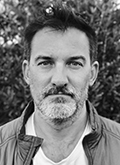
Ms. Katz was pursuing majors in international relations and health & societies and a minor in East Asian language and civilization. She was a native of Jersey City, New Jersey, and graduated from Elisabeth Irwin High School in New York City. Before enrolling at Penn, Ms. Katz completed a gap year at the University of Electronic Science and Technology of China, where she was granted a full merit scholarship to learn Mandarin.

Since 2011, Ms. Katz served as Red Cap Ambassador with the American Heart Association, teaching CPR in high schools and underserved communities. During her first year at Penn, she worked as a research assistant at the Children’s Hospital of Philadelphia, where she introduced a bill to Pennsylvania state legislators advocating that all Pennsylvania schools become certified “heart safe” spaces. She returned to campus this semester eager to begin working for the Centers for Disease Control and Prevention as a health communications intern.

Ms. Katz was deeply involved at Penn, serving as a leader in the Penn John Marshall Pre-Law Honor Society, a membership coordinator for the Student Committee on Undergraduate Education, the social chair of Sigma Kappa sorority, and an active member in Penn Hillel.

Her family issued the following statement: “We are devastated by this tragic passing of our beloved Sarah. She loved the University of Pennsylvania so much and was so happy and thriving. Sarah was fully engaged in so many aspects of campus life, academics, clubs, socially, and through internships. Words cannot express how much of a loss we are feeling. We so appreciate everything.”

A funeral service was held on September 13. 

Donald Morrison, Statistics

Donald F. (Don) Morrison, an emeritus professor of statistics in the Wharton School, passed away peacefully on July 11. He was 91. 

Born in Stoneham, Massachusetts, Dr. Morrison graduated from Melrose High School, then attended Boston University, where he received a BS in business administration in 1953. Four years later, he received an MS in statistics from the University of North Carolina, followed by a PhD, also in statistics, from Virginia Tech in 1960. After graduating, Dr. Morrison briefly worked at MIT’s Lincoln Laboratory, the National Institutes of Health, and Bell Laboratories, then he joined Penn’s faculty in 1963 as an associate professor of statistics in Wharton. Ten years later, he was promoted to a full professor. During his time at Penn, Dr. Morrison was an active faculty member, serving for over two decades on the University Council’s library and research committees. From 1978 to 1985, he chaired the department of statistics. 

Outside of Penn, Dr. Morrison took on leadership roles and worked extensively as a consultant. Teaching inspired him to write two textbooks: Applied Linear Statistical Methods, which was published in 1983, and Multivariate Statistical Methods, which was published in 1967 and went through four printings (most recently in 2004). Dr. Morrison became a fellow of the American Statistical Association in 1968 and of the Institute of Mathematical Statistics in 1975. During the 1970s, he served as editor of American Statistician and as associate editor of Biometrics. He had a passion for trains and contributed to the Boston & Maine Railroad Historical Society and the Norfolk & Western Historical Society. However, he most relished spending time in the classroom with students. 

Dr. Morrison is fondly remembered for mentoring current and former students, helping them find jobs and scholarships. “He wasn’t like that only to me. He treated everyone like a human being,” said Cyrus Mohebbi, now a head of wealth management strategies at Morgan Stanley, in a tribute to Dr. Morrison. “He invited students for Thanksgiving and Christmas to his house. He was a very nice, very sweet guy with an open-door policy.” Dr. Morrison’s kindness also extended to colleagues. “When I interviewed back in 1977, I think it was Don pushing for me that got me the job, so I have very strong feelings for him,” said fellow emeritus statistics professor Paul Shaman. “He had a gentleness in dealing with people. He didn’t have a mean bone in his body.”

In 1999, Dr. Morrison retired from active duty, taking emeritus status. After retiring, he remained active in the statistics department, serving as secretary to the department. In his retirement, he served as a trainman at the Wilmington & Western Railroad from 2001 to 2011.

Dr. Morrison is survived by his wife, Phyllis; his two sons, Norman (Gail) and Stephen (Emiko); three grandchildren; and his sister, Eleanor. A memorial service was held on August 27. Donations in Dr. Morrison’s memory should be made to the Melrose High School Scholarship Fund. 

Leonard Rico, Management

Leonard Rico, an emeritus associate professor of management and industrial relations in the Wharton School and an eminent scholar of labor relations, passed away on June 30. He was 92. 

Dr. Rico earned a BS in 1952 from Rutgers University in social studies, English, and education. He then attended the University of Illinois, where he graduated three years later with a MA in labor and industrial relations, writing his thesis about the policies of the United Automobile Workers toward technological change. In 1961, he received a PhD in labor relations from MIT, where he wrote a dissertation looking at the important changes that companies were forced to make in the ways they handle information processing, inter-personal relationships, and manpower planning and forecasting. His thesis later became the basis for his book, The Advance Against Paperwork: Computers, Systems, and Personnel, published in 1967. At MIT, Dr. Rico was awarded a Sloan teaching fellowship. 

After graduating from MIT, Dr. Rico came to the Wharton School in 1961 as an assistant professor of industry. Four years later, he was promoted to associate professor of management and labor relations. He taught at the Wharton School for most of his career, except for leaves of absence to teach at the University of Pittsburgh (1968-1969), to conduct research at MIT on the functionality of urban and marginal labor markets (1978), and to serve as an academic visitor at the London School of Economics (1985). While at Wharton, Dr. Rico was a long-time teacher of human resources, labor, and industrial relations courses to graduate, undergraduate, and evening school program students. 

Dr. Rico worked to align the University of Pennsylvania with affirmative action standards in the 1970s, serving on Penn’s Council of Equal Opportunity. In addition, he served on several other University Council committees, such as Recreation and Intercollegiate Athletics and Minority Faculty Recruitment, as well as several committees in the Wharton School. In 1987, he served as vice president of the University of Pennsylvania’s Faculty Club. In 1993, he won the Sigma Kappa Phi Honor Fraternity Outstanding Professor Award, given for outstanding undergraduate teaching in the Wharton School, and he was also voted the outstanding professor in the Wharton Evening School program for 1987-1988. When he retired from the Wharton School, he was awarded emeritus status. 

Dr. Rico published research on a wide range of topics, such as the automation of work, employment discrimination, the personnel function in the firm, and the evolution of trade unions. He published peer-reviewed articles includng “Finding Jobs for the Jobless,” “The New Industrial Relations: British Electricians’ New-Style Agreements,” “Legislating Against Unfair Dismissals,” “Organizational Conflict,” “The Dynamics of Industrial Innovation,” “British Trade Unions in Transition: Resurgence of the Friendly Society,” and “Automation and Manufacturing Employment: A Reappraisal.” His research was funded by grants from the Wharton School Labor Relations Council, the Ford Foundation, and the General Electric Foundation. 

In addition to his teaching and research, Dr. Rico consulted for the United States Civil Service Commission, presided over several field-wide conferences, and testified in trials relating to city-level and federal-level employment discrimination. For many years, he served as an arbitrator for the U.S. Postal Service. Dr. Rico was a member of several learned societies, including the American Arbitration Association, the American Association of University Professors, and the Industrial Relations Research Association. 

He is survived by his wife, Marilyn McLaughlin; his daughter, Susan Rico Connolly (Kevin); his son, Robert Rico; and his grandson, William Leo Rico Connolly. Dr. Rico’s memorial service is planned for October 8 at 2 p.m. at the Kendal at Longwood retirement community.
--

To Report A Death

Almanac appreciates being informed of the deaths of current and former faculty and staff members, students and other members of the University community. Call (215) 898-5274 or email almanac@upenn.edu

However, notices of alumni deaths should be directed to the Alumni Records Office at Suite 300, 2929 Walnut St., (215) 898-8136 or email record@ben.dev.upenn.edu.

Governance

University Council September Meeting Coverage

The University Council’s meeting on September 14 took place in the Hall of Flags at Houston Hall. President M. Elizabeth Magill requested a moment of silence for Sarah Katz, C’24, the undergraduate student who passed away on September 10. During her status report, President Magill also thanked council for being a model of University citizenship. 

Melissa Wilde, professor and chair of sociology, was appointed moderator for the 2022-2023 year. Vivian Gadsden, William T. Carter Professor of Child Development and Education and chair of the Faculty Senate, announced the focus issues for the upcoming year.

A proposed bylaw amendment to add a position on University Council for postdoctoral trainees was discussed. It was approved by the steering committee and the Secretary’s Office will assist with the appointment process. During the new business portion of the meeting, many leaders of student organizations expressed their support for topics such as: the Coalition to Save the UC Townhomes; the Middle East Center, which lost its federal funding; a request for expanded services on campus to address sexual misconduct; and Penn Chavurah, a new Jewish student group, requested support.

The next meeting of the University Council will take place on October 26 at Houston Hall’s Bodek Lounge.

Honors

Scott Burkhardt: Humanitas Prize

caption: Scott BurkhardtScott Burkhardt, a screenwriting professor in the department of English, won the Humanitas Prize in the best short film category for Girls Are Strong Here. The short film also won the 2021 Grand Jury Prize at the 2021 Independent Film Festival Boston, and the script won a production grant from the Sun Valley Film Festival.
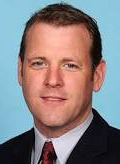
Hosted by comedian Larry Wilmore, the 46th annual Humanitas Prize event presented awards and $10,000 cash prizes to screenwriters across ten categories. 

Mr. Burkhardt is a graduate of Columbia University’s School of the Arts, where he received an MFA in film. He was a dean’s scholar at Columbia and received support for his work from New Line Cinema, the Milos Forman Foundation, the Caucus Foundation, and the Carole and Robert Daly Foundation. His thesis film, The Assastant, won multiple awards at the Columbia University Film Festival and went on to be nominated for a Student Academy Award. The film aired on PBS and Hulu for five years. 

Mr. Burkhardt has written for television (NBC’s Smash) and developed projects for NBC Universal, CBS Studios, and Flower Films. He is currently working on various writing projects and will be directing his first feature film this year.

Nathaniel Graham: Supplier Diversity Impact Award

caption: Nathaniel GrahamNathaniel “Nat” Graham, the K. Gelb Family Associate Head Coach of Penn’s Men’s Basketball Team, has received this year’s Penn Supplier Diversity Impact Award, which honors faculty and staff who have made outstanding contributions in the areas of supplier diversity and inclusion.   

From his position at the Division of Recreation and Intercollegiate Athletics (DRIA), Mr. Graham,  a Penn alumnus from the Class of ’97, is a founding member of the division’s Quaker Forward committee, a group committed to maximizing DRIA’s impact in diversity, equity, and inclusion, and chaired its Black-owned business subcommittee. Currently, he chairs its building community subcommittee.  

From his work with Quaker Forward, he has connected DRIA’s procurement team to numerous groups such as the West Philadelphia Corridor Collaborative and University City District. These relationships resulted in the selection of West Philadelphia, Black-owned business Sweet Treat Hut as a new tenant at Pottruck Health and Fitness Center.  

Mr. Graham’s commitment to diversity and inclusion is also evident within the Men’s Basketball program, as spending is directed to local and minority-owned restaurants for post-game meals. Staff also provides visiting teams with a list of diverse businesses that can meet their operational needs during their road trip. 

Mr. Graham models the ideals that were the basis for Penn Procurement Services’ creation of this award last year, according to Mark Mills, Penn’s chief procurement officer. “Nat intentionally makes choices as he directs business to local and minority-owned companies and establishments. The relationships he has nurtured are driving diverse spending to the University’s neighboring community and throughout Philadelphia.” 

The award was presented at the Penn Supplier Diversity Forum & Expo on June 16.  

Features

The University of Pennsylvania 2022 Annual Security & Fire Safety Report 

(Statistics for 2019, 2020, & 2021)

The federal Jeanne Clery Disclosure of Campus Security Policy and Campus Crime Statistics Act, as amended, requires colleges and universities to provide information related to security policies and procedures and specific statistics for criminal incidents, arrests, and disciplinary referrals to students and employees, and to make the information and statistics available to prospective students and employees upon request.  Federal law also requires institutions with on-campus housing to share an annual fire report with the campus community.

In addition, the Uniform Crime Reporting Act requires Pennsylvania colleges and universities to provide information related to security policies and procedures to students, employees and applicants; to provide certain crime statistics to students and employees; and to make those statistics available to applicants and prospective employees upon request.

To review the University’s most recent annual report containing this information, please visit: https://www.publicsafety.upenn.edu/ASR/2022_ASR_PENN.pdf

You may request a paper copy of the report by calling the Office of the Vice President for Public Safety at (215) 898-7515 or by emailing vp@publicsafety.upenn.edu.

Events

Morris Arboretum’s 15th Annual Scarecrow Design Contest

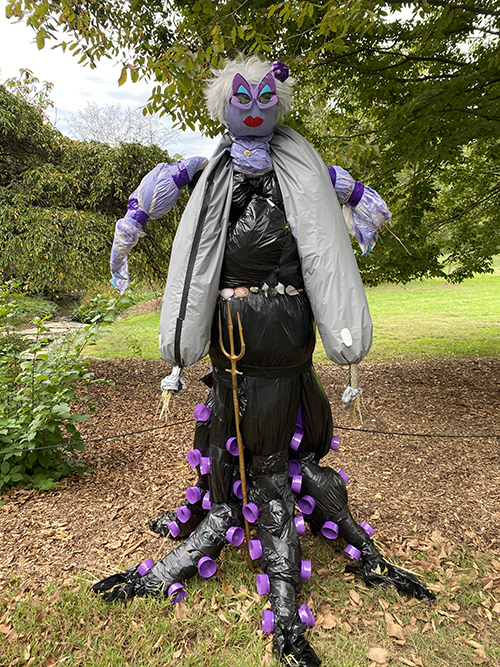
caption: A scarecrow of Ursula from a previous year’s design contest at Morris Arboretum.

Morris Arboretum’s Scarecrow Design Contest is back for its 15th year. Spooky Scarecrow is this year’s design theme. Participants can recreate a scarecrow version of their favorite spooky Halloween character for display at the Morris Arboretum.

Scarecrows will be on display throughout the arboretum from October 1 through October 31. Visitors will vote for their favorite scarecrow online to determine the winners. The top three scarecrow designs win a cash prize—top prize is $250. Visitors can wear a costume for trick-or-treating along the scarecrow walk October 29 and 30 from 1-3 p.m.

The design contest registration deadline is Thursday, September 22. The cost is $25 for members and $30 for non-members. Supplies can be picked up through September 25. Pickup of the scarecrow frame, straw, burlap and twine occurs at the arboretum’s front gate during public hours.

Scarecrows can be dropped off September 26-27 at the Bloomfield Farm, directly across from the entrance to the arboretum.

For more information and to register, visit https://www.morrisarboretum.org/events_scarecrow.shtml

PPSA Employee Resource Fair: October 6

The Penn Professional Staff Assembly (PPSA) welcomes all Penn staff and faculty to visit the 2022 Employee Resource Fair, on Thursday, October 6, 2022 from noon-1:30 p.m. at Pottruck Health & Fitness Center, 3701 Walnut Street. 

The fair aims to provide easy access to information on the vast and varied campus resources and services available to staff and faculty. Tours of Pottruck will be running during the fair. 

For an updated schedule of events and to inquire about vendor pre-registration, please visit https://ppsa.upenn.edu/.

Fall Activities at Morris Arboretum

Fall is particularly beautiful at Morris Arboretum, and you can enjoy the changing leaves along a spooky scarecrow walk, learn to grind corn on a pedal-powered mill, take a wine and cheese wander through the trees, and have fun at a pumpkin carving party. Join us as we celebrate the season with events and classes that are fun for everyone! 

“Fall is an especially exciting time to come to the arboretum,” said Bryan Thompson-Nowak, director of education. “The garden is absolutely spectacular, and when you have such beautiful surroundings and these great events, it makes your visit all the more worth it.”

See the miniature replica of the Jersey Shore’s Lucy the Elephant during Garden Railway: America’s Roadside Attractions while perusing the arboretum’s popular model trains chugging along on a quarter mile of outdoor track. Don’t miss the finale of our Summer of Swings exhibition, extended by popular demand, where you can play on swings and try cool experiments. Morris Arboretum is open weekdays 10 a.m.-5 p.m., weekends 9 a.m.–5 p.m. 

For more information, visit morrisarboretum.org.

Update: September AT PENN

Films

27        Free Cece; screening of a documentary about Chrishaun Reed “CeCe” McDonald, a transgender woman who killed a man in self-defense and was incarcerated in a men’s prison; 7 p.m.; Hill College House (Gender, Sexuality & Women’s Studies).


Fitness & Learning

21        Your Portfolio is Missing Something; Kortni Bottini, design manager, takes a deep dive into what hiring managers are looking for and tips on how to make the most impact when sharing your work; 5:30 p.m.; Zoom webinar; register: https://tinyurl.com/bottini-workshop-sep-21 (Fine Arts).

26        2022 Career Summit for Master’s Students; receive job search advice specifically designed to meet the unique professional development needs of master’s students; noon; Zoom webinar; register: https://tinyurl.com/weitzman-career-summit-sep-26 (Weitzman School). Also September 27-30, noon.

27        Master in Law Information Session for Penn Faculty, Staff, and Students; learn about the Master in Law (ML) Program, which invites students to incorporate a legal perspective on the issues that intersect with their professional fields and academic interests; noon; Zoom webinar; register: https://tinyurl.com/mil-workshop-sep-27 (Carey Law School).

            Center for Research in Feminist, Queer, and Transgender Studies Open House; meet FQT faculty, staff, and community members; 3:30 p.m.; courtyard behind Fisher-Bennett Hall (FQT).


Graduate School of Education (GSE)
Unless noted, online webinars. Info: https://www.gse.upenn.edu/news/events-calendar.

21        One Book One GSE - Insights with David Eng; noon; 3440 Market Street.

22        GSE Staff & Faculty Break with Teacher Education; for GSE faculty and staff; 9:30 a.m.; room TBA, 3700 Walnut Street.

27        GSE Staff & Faculty Break with Admissions; for GSE faculty and staff; 9:30 a.m.; room TBA, 3700 Walnut Street.

            Information Session for the Mid-Career Doctoral Program in Educational Leadership; 6 p.m.


Penn Nursing
Online events. Info: https://www.nursing.upenn.edu/calendar/.

21        Information Session: Leonard A. Lauder Community Care Nurse Practitioner Program; 6 p.m.

            Information Session: Post-Master’s DNP and Executive Leadership DNP Programs; 6 p.m.

23        Admissions Information Session: Accelerated Nursing Program; noon.                


Readings & Signings

Kelly Writers House
Unless noted, hybrid events at Arts Café, Kelly Writers House, and YouTube livestream. Info: https://writing.upenn.edu/wh/calendar/0922.php.

20        Zine Workshop; 6 p.m.

22        Careers in Journalism and New Media; 5 p.m.; panel of speakers.


Talks

20        On the Obsession with Observation: The Narrow Vision of Tuberculosis Care Delivery from the Sanatorium to the Digital Era; Ramnath Subbaraman, Tufts University; noon; Zoom webinar; register: https://tinyurl.com/subbaraman-talk-sep-20 (Medical Ethics & Health Policy).

            Maoism and Memoir: Political Life Writing Across India and Peru; Nico Millman, English; 5:30 p.m.; Zoom webinar; join: https://upenn.zoom.us/j/98087811012 (English).

21        Behavioral Insights, Public Consultation, and Regulatory Policy: Perspectives from Europe; Nicoletta Rangone, LUMSA University; noon; Zoom webinar; register: https://tinyurl.com/rangone-talk-sep-21 (Carey Law School).

            Early Investigations into MERS-CoV and the Identification of its Zoonotic Reservoir; Ranawaka Perera, infectious diseases; noon; Austrian Auditorium, CRB, and BlueJeans webinar; join: https://primetime.bluejeans.com/a2m/live-event/xqbzwhrb (Microbiology).

            Explainable AI via Semantic Information Pursuit; René Vidal, Johns Hopkins University; noon; room 307, Levine Hall (Computer & Information Science ASSET Seminar).

            Quantitative Insights for Rapid Improvement of Sustainable Energy and Chemical Technologies; Micah Ziegler, Massachusetts Institute of Technology; 3:30 p.m.; Wu and Chen Auditorium, Levine Hall (Chemical & Biomolecular Engineering).

22        Airway Tissue Engineering and Drug Delivery; Riccardo Gottardi, CHOP; noon; room 213, Stemmler Hall (Penn-CHOP Lung Biology Institute).

            Children’s Environmental Health Seminar: Does Air Pollution Contribute to Unique Asthma Subtypes? Hyunok Choi, Lehigh University; 3 p.m.; online webinar; info: jessica.gupta@pennmedicine.upenn.edu (Perelman School of Medicine).

            In Conversation; Steve Kornacki, MSNBC; John Lapinski, political science; 3 p.m.; auditorium, PCPSE; register: https://upenn.co1.qualtrics.com/jfe/form/SV_81XCckqgdeDFfym (Penn Program on Opinion Research and Election Studies).

            “Not a Song of Golden Greek”: Laura Cornelius Kellogg and Native North American Writing on Greco-Roman Antiquity; Craig Williams, University of Illinois, Urbana-Champaign; 4:45 p.m.; room 402, Cohen Hall (Classical Studies).

23        Daring to Struggle: China's Global Ambitions Under Xi Jinping; Bates Gill, Macquarie University; 12:30 p.m.; room 418, PCPSE (Center for the Study of Contemporary China).

            Manually-Operated, Slider Cassette for Multiplexed Molecular Detection at the Point of Care; Qingtian Yin, MEAM; 1:30 p.m.; room 337, Towne Building (Mechanical Engineering & Applied Mechanics).

            Ironing Out Life’s First Breaths; Jennifer Glass, Georgia Institute of Technology; 3 p.m.; room 358, Hayden Hall (Earth & Environmental Science).

            Review of Strokes and Neurologic Diseases; Michael McGarvey, neurology; 7 p.m.; online webinar; register: https://tinyurl.com/mcgarvey-talk-sep-23 (Penn Dental).

26        Motherhood Penalties in Latin America: Pondering the Role of Labor Informality; Aida Villanueva Montalvo, University of Massachusetts Amherst; noon; room 309, McNeil Building (Population Studies Center).

            Compromised Nuclear Envelope Integrity Leads to Tumor Cell Invasion; Guilherme Nader, CHOP; 1 p.m.; room 225, Towne Building, and Zoom webinar; info: manu@sas.upenn.edu (Physical Sciences Oncology Center).

27        Development of Astronomical Instrumentation to Study the Birth and Evolution of the Universe; Mark Devlin, astronomy and astrophysics; 10 a.m.; room 101, Levine Hall (Mechanical Engineering & Applied Mechanics).

            Interesting Statistical Lessons in Providing Real World Evidence that the ensoETM Device Protects the Esophagus from Thermal Injury During Radiofrequency Ablation; Babette Brumback, University of Florida; 3:30 p.m.; Zoom webinar; https://tinyurl.com/brumback-talk-sep-27 (Center for Clinical Epidemiology and Biostatistics).

            International Organizations and Japan's Role in the World; Christina Davis, Harvard University; 5:15 p.m.; room 111, Annenberg School; register: https://www.eventbrite.com/e/410735740657 (Center for East Asian Studies).


Economics
In-person events. Info: https://economics.sas.upenn.edu/events.

20        Prison as a School of Crime: Evidence From Cell-Level Interactions; Priyanka Goonetileke, economics; noon; room 200, PCPSE.

            Stable Matching in Decentralized Teacher Labor Markets; Kristen Beamer, economics; 12:30 p.m.; room 200, PCPSE.

            Costly Monitoring in Signaling Games; Tommaso Denti, Cornell University; 4 p.m.; room 101, PCPSE.

21        Exchange Rates and Monetary Policy with Heterogeneous Agents: Sizing up the Real Income Channel; Ludwig Straub, Harvard University; 4 p.m.; room 101, PCPSE.

26        Bayesian Bullshit; Rakesh Vohra, economics; noon; room 101, PCPSE.

27        Dynamic Effects of Common Ownership; Jonathan Arnold, economics; noon; room 200, PCPSE.

            Robust Model Misspecification and Paradigm Shifts; Cuimin Ba, economics; 4 p.m.; room 101, PCPSE.


Mathematics
In-person and online events. Info: https://www.math.upenn.edu/events.

20        Multiplicative Hitchin System and Higgs-Vinberg Bundles II; Marielle Ong, mathematics; 3:30 p.m.; room 4C6, DRL.

21        Introduction to Decoupling in Fourier Analysis; Larry Guth, Massachusetts Institute of Technology; 3:45 p.m.; Zoom webinar.

27        Groupoid $C^\infty$-rings and d-Manifolds; Quincy Frias, George Mason University; 3:30 p.m.; room 4C6, DRL.

            Relaxing Turing's Idealization: Heterogeneous and Evolving Domains in Reaction-Diffusion Pattern Formation; Andrew Krause, Durham University; 4 p.m.; Zoom webinar.


Sociology
Unless noted, in-person events at room 367, McNeil Building. Info: https://sociology.sas.upenn.edu/events.

22        Helping Students Focus on Learning, Not Just Grades; Regina Baker, sociology; Marisa Kozlowski, chemistry; noon; room 134, Van Pelt Library.

23        "Mom Knows Best”: Black Women on the Labor of Mothering; Austin Lee, sociology; noon.

26        The Cumulative Effects of Colorism: Race, Wealth, and Skin Tone; Alex Adames, sociology; 10 a.m.


This is an update to the September AT PENN calendar, which is online now. The October AT PENN calendar will be published on Tuesday, September 27. To submit an event for an upcoming calendar or weekly update, email the salient details to almanac@upenn.edu.

Crimes

Weekly Crime Reports

University of Pennsylvania Police Department Crime Report

Below are the Crimes Against Persons, Crimes Against Society and Crimes Against Property from the campus report for September 5-11, 2022. View prior weeks’ reports. —Ed.

This summary is prepared by the Division of Public Safety and includes all criminal incidents reported and made known to the University Police Department for the dates of September 5-11, 2022. The University Police actively patrol from Market St to Baltimore and from the Schuylkill River to 43rd St in conjunction with the Philadelphia Police. In this effort to provide you with a thorough and accurate report on public safety concerns, we hope that your increased awareness will lessen the opportunity for crime. For any concerns or suggestions regarding this report, please call the Division of Public Safety at (215) 898-4482.

09/05/22

5:31 PM

101 S 39th St

Secured bike taken from bike rack

09/06/22

9:00 AM

4200 Sansom St

U-lock secured bike taken

09/06/22

9:36 AM

3730 Walnut St

Airpods taken from desk

09/06/22

10:21 AM

3730 Walnut St

Cable locked electric scooter taken

09/06/22

10:46 AM

3700 Spruce St

Unknown offender attempted to use credit cards

09/06/22

4:51 PM

3737 Market St

Cable lock, secured scooter taken

09/07/22

12:28 PM

235 S 33rd St

Unsecured bike taken

09/07/22

2:27 PM

4101 Chestnut St

Complainant punched by former boyfriend

09/07/22

2:45 PM

4214 Walnut St

Package taken (computer)

09/07/22

7:42 PM

3400 Spruce St

Items taken from hospital

09/07/22

7:49 PM

4109 Locust St

Contents of package stolen from outside residence

09/07/22

8:37 PM

3900 Walnut St

Cable locked secured bike taken

09/08/22

10:18 AM

3601 Walnut St

Merchandise taken without payment

09/08/22

11:42 AM

3816 Chestnut St

Wallet taken

09/08/22

12:42 PM

210 S 34th St

Unsecured electric scooter taken

09/08/22

6:29 PM

3925 Chestnut St

Basketballs taken by juvenile offenders

09/08/22

9:22 PM

220 S 33rd St

Secured scooter taken from bike rack

09/08/22

9:47 PM

4046 Chestnut St

Unsecured package taken

09/09/22

5:54 AM

4000 Walnut St

Cellphone and wallet taken

09/09/22

8:00 AM

3400 Spruce St

iPhones and other items stolen from secured office

09/09/22

8:56 AM

4000 Pine St

Automobile stolen while left running during food delivery

09/09/22

1:30 PM

100 S 38th St

Complainant struck in the face by known offender

09/10/22

3:50 AM

210 S 34th St

Cable secured scooter stolen from rack

09/10/22

4:59 PM

51 N 39th St

Medical provider kicked in the sternum by patient

09/10/22

8:39 PM

4200 Walnut St

Attempted gunpoint robbery on highway

09/10/22

9:58 PM

3549 Chestnut St

Cable secured bike stolen from rack

09/11/22

3:01 PM

3400 Civic Center Blvd

Offender threatened to assault complainant

09/11/22

7:37 PM

215 S 33rd St

Unsecured scooter stolen from inside lobby

09/11/22

8:24 PM

4111 Walnut St

Unsecured packages stolen from lobby

09/11/22

10:19 PM

3100 Walnut St

Two unknown offenders punched the complainant

09/11/22

11:34 PM

4200 Sansom St

Probation warrant/Arrest


18th District

Below are the Crimes Against Persons from the 18th District: 11 incidents (3 robberies, 2 assault, 2 aggravated assaults, 2 domestic assaults, 1 purse snatch, and 1 rape) was reported for September 5-11, 2022 by the 18th District, covering the Schuylkill River to 49th St & Market St to Woodland Avenue.

09/07/22

12:53 PM

4725 Pine St

Purse snatch

09/07/22

2:28 PM

4101 Chestnut St

Domestic assault

09/08/22

9:59 AM

4515 Kingsessing Ave

Assault

09/08/22

7:17 PM

4301 Baltimore Ave

Aggravated assault

09/09/22

6:26 AM

4000 Blk Walnut St

Robbery

09/09/22

1:19 PM

S 38th & Sansom Sts

Domestic assault

09/10/22

4:52 AM

4813 Regent St

Aggravated assault

09/10/22

11:57 AM

3400 Blk Civic Center Blvd

Rape

09/10/22

8:06 PM

4200 Blk Walnut St

Robbery

09/11/22

5:18 PM

N 46th & Market Sts

Robbery

09/11/22

11:23 PM

3100 Blk Walnut St

Assault

Bulletins

Be in the Know Fall 2022 Biometric Screenings for Faculty and Staff

Penn’s Be in the Know 2022-2023 wellness campaign, open to all benefits-eligible faculty and staff, is your opportunity to focus on your health, connect with the Penn community, and earn rewards of up to $300.*

This fall, Penn Healthy You is pleased to offer on-campus biometric screenings again as part of Penn’s annual faculty and staff wellness campaign. Free biometric screenings are available at convenient University locations from October 4 through November 22.

Benefits-eligible faculty and staff can sign up for appointments online at the Health Advocate website. Log in with your PennKey, select Schedule a Health Screening, then select Schedule to choose an appointment time.

Rewards Start with Your Biometric Screening

Biometric screenings are the first step towards earning rewards in the Be in the Know Steps to Success program and the only activity required to receive Pulse Cash rewards for the 2022-2023 campaign. Once you complete your biometric screening, you earn $50 in Pulse Cash rewards redeemable on the Virgin Pulse wellness platform. Plus, you will qualify to earn an additional $250 when you complete your choice of qualifying well-being activities to reach higher point levels and move closer to your wellness goals. 

Be in the Know 2022-2023 offers you over 90 “Ways to Earn” opportunities to collect points between July 1, 2022 and June 30, 2023, including the online Health Check. You can use Pulse Cash to shop their Rewards Store, buy gift cards, or make charitable donations via the Virgin Pulse platform.

What You’ll Learn at the Biometric Screening

Quick, convenient, and confidential biometric screenings show you key indicators about your health. Your privacy is strictly protected. Penn will never know your individual screening results, health assessment answers, or personal health goals.

At the on-campus biometric screening, a Health Advocate educator will measure your:

  • Blood pressure
  • Total cholesterol
  • HDL cholesterol
  • Blood sugar/glucose

More Biometric Screening Options

On-campus screenings are an easy way to earn biometric screening credit, but there are other choices:

  • Submit screening results from your healthcare provider. Send biometric results obtained between July 1, 2022, and June 30, 2023, to Health Advocate using the Consent to Release Results Form available for download at www.hr.upenn.edu/beintheknow.
  • Receive a LabCorp voucher or home test kit available through Virgin Pulse. Go to the Programs tab on the Virgin Pulse platform, then select the Biometric Screenings Options at the bottom of the page for directions.
    • LabCorp voucher program: Download a voucher and schedule an appointment at a participating LabCorp facility near you.
    • Home test kits: Order online, complete at home, and return in the mail.

For complete details about Be in the Know, visit www.hr.upenn.edu/beintheknow

—Division of Human Resources

*Per IRS guidelines, all Be in the Know rewards are subject to applicable payroll taxes at the time they are earned and awarded to participants - even if rewards have not yet been redeemed (i.e., spent).

Nominations for University-Wide Teaching Awards: Due December 2

Nominations for Penn’s University-wide teaching awards are now being accepted by the Office of the Provost. Any member of the University community—past or present—may nominate a teacher for these awards. There are three awards:

  • The Lindback Award for Distinguished Teaching honors eight members of the standing faculty: four in the non-health schools (Annenberg, Weitzman, SEAS, GSE, Carey Law, SAS, SP2, Wharton) and four in the health schools (Dental Medicine, PSOM, Nursing, Veterinary Medicine).
  • The Provost’s Award for Distinguished PhD Teaching and Mentoring honors two faculty members for their teaching and mentoring of PhD students. Standing and associated faculty in any school offering the PhD are eligible for the award.
  • The Provost’s Award for Teaching Excellence by Non-Standing Faculty honors two members of the associated faculty or academic support staff who teach at Penn, one in the non-health schools and one in the health schools. 

The nomination forms are available at the Teaching Awards website. The deadline for nominations is Friday, December 2, 2022. Full nominations with complete dossiers prepared by the nominees’ department chairs are due Friday, February 4, 2023. For more information, please email provost-ed@upenn.edu or call (215) 898-7225.

Criteria and Guidelines

The Lindback and Provost’s Awards are given in recognition of distinguished teaching. “Distinguished teaching” is teaching that is intellectually demanding, unusually coherent and permanent in its effect. The distinguished teacher has the capability of changing the way in which students view the subject they are studying. The distinguished teacher provides the basis for students to look with critical and informed perception at the fundamentals of a discipline and relates that discipline to other disciplines and to the worldview of the student. The distinguished teacher is accessible to students and open to new ideas, but also expresses their own views with an articulate and informed understanding of an academic field. The distinguished teacher is fair, free from prejudice and single-minded in the pursuit of truth.

Skillful direction of dissertation students, effective supervision of student researchers, ability to organize a large course of many sections, skill in leading seminars, special talent with large classes, ability to handle discussions or structure lectures—these are all attributes of distinguished teaching, although it is unlikely that anyone will excel in all of them. At the same time, distinguished teaching means different things in different fields. While the distinguished teacher should be versatile, as much at home in large groups as in small, in beginning classes as in advanced, they may have skills of special importance in their area of specialization. The primary criteria for the Provost’s Award for Distinguished PhD Teaching and Mentoring are a record of successful doctoral student mentoring and placement, success in collaborating on doctoral committees and graduate groups, and distinguished research.

Since distinguished teaching is recognized and recorded in different ways, evaluation must also take several forms. It is not enough to look solely at letters of recommendation from students or to consider “objective” evaluations of particular classes in tabulated form. A faculty member’s influence extends beyond the classroom and individual classes. Nor is it enough to look only at a candidate’s most recent semester or opinions expressed immediately after a course is over; the influence of the best teachers lasts, while that of others may be great at first but lessen over time. It is not enough merely to gauge student adulation, for its basis is superficial; but neither should such feelings be discounted as unworthy of investigation. Rather, all these factors and more should enter into the identification and assessment of distinguished teaching.

The Lindback and Provost’s Awards have a symbolic importance that transcends the recognition of individual merit. They should be used to advance effective teaching by serving as reminders to the University community of the expectations for the quality of its mission.

Distinguished teaching occurs in all parts of the University.  Therefore, faculty members from all schools are eligible for consideration. An excellent teacher who does not receive an award in a given year may be re-nominated in some future year and receive the award then.

The Lindback and Provost’s Awards may recognize faculty members with many years of distinguished service or many years of service remaining. The teaching activities for which the awards are granted must be components of the degree programs of the University of Pennsylvania.

Back to Top