News

Penn’s 2025 Commencement Speaker and Honorary Degree Recipients

Actor, director, and producer Elizabeth Banks, a 1996 Penn graduate, will deliver the 2025 University of Pennsylvania Commencement address on Monday, May 19, at Franklin Field. The announcement was made by Vice President and University Secretary Medha Narvekar, whose office manages the honorary degree selection process and University Commencement.

The 269th Commencement begins at 10:15 a.m. and will be preceded by student and academic processions through campus. The ceremony will feature the conferral of degrees, the awarding of honorary degrees, greetings by University officials, and remarks by the Commencement speaker. It will be streamed live on the Penn website. For University Commencement information, including historical information about the ceremony, academic regalia, prior speakers, and honorary degree recipients, see https://commencement.upenn.edu/.

Commencement Speaker

Elizabeth Banks

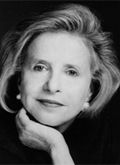
caption: Elizabeth BanksUniversity of Pennsylvania 1996 graduate Elizabeth Banks is an actor, producer, writer, and director known for her dynamic career across film, theater, television, and activism. Her work includes stand-out performances in projects including The Hunger Games franchise, Love & Mercy, and W. Ms. Banks is also a three-time Emmy nominee for her recurring roles in 30 Rock and Modern Family.

Ms. Banks made her directorial debut in 2015 with Pitch Perfect 2, which achieved the highest opening weekend for a musical, the biggest opener for a first-time director, and the second-largest opening for a female director. She then starred in and produced Pitch Perfect 3 (2017) and later directed Charlie’s Angels (2019) and the hit comedy-thriller Cocaine Bear (2023).

Ms. Banks and her husband, Max Handelman, co-founded Brownstone Productions in 2002. The company, with exclusive deals at Warner Bros. Television and Universal, is behind several successful projects, including Pitch Perfect, Shrill, Bottoms, and Cocaine Bear. Their work spans across various studios and networks such as Universal, Sony Pictures, HBO Max, and Netflix.

Beyond her creative work, Ms. Banks is passionate about charity, supporting causes like women’s rights, reproductive freedom, and gender equality in Hollywood. She has testified before Congress and produced content highlighting the importance of choice and family planning. Ms. Banks supports charities like the Center for Reproductive Rights as chair of the Creative Council, Planned Parenthood, Heifer International, and the Intrepid Fallen Heroes Fund.

Ms. Banks is also co-owner and Chief Creative Officer of Archer Roose Wines, a female-founded luxury canned wine company that has national distribution with major retailers across the United States.

This spring, she will be seen in Amazon’s The Better Sister, alongside Jessica Biel, and is currently in production on Peacock’s The Miniature Wife opposite Matthew MacFadyen. Originally from Massachusetts, Ms. Banks earned her graduate degree at the American Conservatory Theater.

Ms. Banks will be receiving an honoary Doctor of Arts.

Honorary Degree Recipients

Lonnie G. Bunch III

caption: Lonnie G. Bunch IIILonnie G. Bunch III became the 14th Secretary of the Smithsonian Institution on June 16, 2019. As such, he oversees 21 museums, 21 libraries, the National Zoo, numerous research centers, and several education units and centers.

Previously, Dr. Bunch was Director of the Smithsonian’s National Museum of African American History and Culture, the nation’s largest and most comprehensive cultural destination devoted exclusively to exploring, documenting, and showcasing the African American story and its impact on American and world history. Before his appointment as director of the museum, Dr. Bunch served as president of the Chicago Historical Society (2001–2005).

Dr. Bunch previously worked at the Smithsonian, holding several positions at the National Museum of American History from 1989 through 2000. As the museum’s Associate Director for Curatorial Affairs from 1994–2000, he oversaw the curatorial and collections management staff. Dr. Bunch served as the Curator of History and Program Manager of the California African American Museum in Los Angeles from 1983 to 1989.

Born in Belleville, New Jersey, Dr. Bunch has held numerous teaching positions at universities across the country, including American University, the University of Massachusetts, and George Washington University.

Among his many awards, he received the Freedom Medal from the Roosevelt Institute for his contribution to American culture; the W.E.B. Du Bois Medal from the Hutchins Center at Harvard University; and the National Equal Justice Award from the NAACP’s Legal Defense Fund. The Society of American Historians awarded Dr. Bunch the Tony Horwitz Prize honoring distinguished work in American history. In addition, he received the inaugural David McCullough Award for outstanding work in Public History and the Dan David Prize from Tel Aviv University, among others. In 2021, Dr. Bunch received France’s highest award, the Legion of Honor.

Dr. Bunch earned his undergraduate and graduate degrees from American University in Washington, DC.

Dr. Bunch will be receiving an honorary Doctor of Humane Letters.


Lene Vestergaard Hau

caption: Lene HauLene Vestergaard Hau is the Mallinckrodt Professor of Physics and of Applied Physics at Harvard University. Prior to joining the Harvard faculty in 1999, Dr. Hau was a Senior Scientist at the Rowland Institute for Science in Cambridge, Massachusetts. She holds a PhD in physics from the University of Aarhus, Denmark.

Dr. Hau led a team that succeeded in slowing a pulse of light to 15 miles per hour and also brought light to a stop. They took matters further as they stopped and extinguished a light pulse in one part of space, and subsequently revived it in a different location. In the process, the light pulse is converted to a perfect matter copy that can be stored, sculpted, and then turned back to light. These results represent the ultimate quantum control of light and matter.

Dr. Hau has contributed to a wide variety of research fields, including experimental and theoretical optical and atomic physics as well as condensed matter physics.

A 2001 MacArthur Fellow, Dr. Hau was also elected to the American Philosophical Society, the American Academy of Arts and Sciences, the Royal Swedish Academy of Sciences, and the Royal Danish Academy of Sciences and Letters. She is a Fellow of the American Association for the Advancement of Science and of the American Physical Society.

Dr. Hau is the recipient of numerous awards, including Harvard University’s Ledlie Prize, the Ole Roemer Medal awarded by the University of Copenhagen, and the Richtmyer Memorial Lecture Award awarded by the American Association of Physics Teachers. In 2018, she was honored with the Lise Meitner Distinguished Lecture and Medal, sponsored by The Royal Swedish Academy of Sciences through its Nobel Committee for Physics, and in 2019 with the Lars Onsager Lecture and Medal by the Norwegian University of Science and Technology, and the Dirac Medal and Lecture by the University of New South Wales, Sydney, Australia, and the Australian Institute of Physics.

Dr. Hau will be receiving an honorary Doctor of Sciences.


Barbara D. Savage

caption: Barbara D. SavageBarbara D. Savage is the Geraldine R. Segal Professor Emerita of American Social Thought and Africana Studies at the University of Pennsylvania. She was a member of the history department from 1995-2013 before serving as the inaugural chair of the department of Africana Studies, from which she retired in 2020. Dr. Savage taught graduate and undergraduate courses in twentieth century African American history; the history of American religious and social reform movements; the history of the relationship between media and politics; and Black women’s political and intellectual history.

Dr. Savage has written three award-winning books: Merze Tate: The Global Odyssey of a Black Woman Scholar (Yale, 2023); Your Spirits Walk Beside Us:  The Politics of Black Religion (Harvard, 2008); and, Broadcasting Freedom:  Radio, War, and the Politics of Race, 1938-1948 (North Carolina, 1999).  She also co-edited two field-defining volumes: Toward an Intellectual History of Black Women (North Carolina, 2015) and Women and Religion in the African Diaspora (Hopkins, 2006).

An internationally recognized scholar, Dr. Savage was in 2018-2019 the Vyvyan Harmsworth Visiting Professor of American History at the University of Oxford, where a new thesis prize in Black history was named in her honor.  She also has received fellowships at the Smithsonian Institution, the Radcliffe Institute for Advanced Studies at Harvard University, the Princeton University Center for the Study of Religion, and the Scholars-in-Residence Program at the Schomburg Center on Black Culture of the New York Public Library.

Dr. Savage received her doctorate in history from Yale University in 1995 and holds a law degree from Georgetown University and an undergraduate degree from the University of Virginia, where she was a member of its first class of women.

Dr. Savage will be receiving an honorary Doctor of Humane Letters.

From the Provost and the Vice Provost for Global Initiatives: A Message to the Penn Community About Immigration Policies

March 18, 2025

To the Penn Community:

Global engagement is critical to our mission as a leading research university, bringing the world to Penn and Penn to the world. Penn is committed to welcoming and supporting students, scholars, faculty, and staff from all over the world. We know that recent policy changes and actions related to immigration, visas, and travel are causing uncertainty and anxiety for many members of the Penn community. We are taking action to offer direct support to impacted community members, plan for disruptions caused by potential policy changes, and provide information to ensure that we can continue to support students, scholars, and others.

Below is specific guidance for impacted members of our community:

Travel Ban

reported travel ban would create three tiers of countries subject to visa restrictions or delays. Citizens from countries on the red list would be barred from entering the United States, while citizens from orange countries would experience visa issuance severely restricted. Countries on the yellow list would have a period of time, reported to be 60 days, to address concerns about passport issuance and information-sharing. The list of countries has been reported here.

Given these reports, we recommend the following:

Avoid Non-Essential Travel: International Student and Scholar Services (ISSS) is advising impacted individuals who are citizens of the countries on red and orange lists to avoid all non-essential travel outside the United States at this time. Citizens from countries on the yellow list should closely monitor news reports and make individual decisions about international travel. All international students, staff, and faculty should be aware that policies are changing quickly and consider carefully whether to travel abroad for the foreseeable future. We will continue to monitor changes carefully and update the community.

Contact ISSS Advisor and Academic Program Directors: Those impacted by the travel ban should contact their ISSS advisor and the program directors of the school or center in which they are enrolled or employed to discuss how the travel ban might impact them. We are asking deans and faculty members to consider waivers or alternative accommodations for students for whom international travel is a mandatory or key component of their academic program.

We are also making available the following support services:

Consult with Immigration Attorneys: ISSS will offer short consultation appointments with immigration attorneys for students, scholars, faculty, and staff from countries named in the travel ban to discuss specific issues related to their situation. More details, including how to sign up for a consultation, can be found at this link.

Obtain a Letter of Attendance or Employment: If you are a member of Penn’s international community and are planning to travel abroad, you should travel with a letter of attendance or employment, which can be found on this webpage that has additional information about navigating points of entry into the United States. This letter should be completed by the school or center in which you are enrolled or employed. The completed letter should only be presented at the port of entry if requested by an immigration officer.

Attend Information Sessions for Summer Planning: ISSS and University Life will host information sessions about remaining on campus this summer that will cover topics such as Curricular Practical Training (CPT) and housing options. The first session will be held in early April. Specific information on this session will be posted on ISSS social media and on this webpage.

Revocation of Student Visas

The federal government has also announced its intention to revoke visas of international students and scholars deemed to be supporters of Hamas or the attacks against Israel on October 7, 2023.

While it remains unclear who may be directly impacted, we suggest that all members of the Penn community update your emergency contact to include at least one emergency contact in the United States.

 Many community members have also raised questions about interacting with law enforcement on campus. The Penn campus is largely open to the public. All law enforcement officers may enter these public spaces without a warrant or subpoena. Most campus buildings, however, are not open to the public, and access to these buildings is limited to those individuals with valid PennCards or law enforcement officers with judicial warrants or subpoenas. If agents have an administrative warrant (as opposed to a judicial warrant or subpoena), they cannot legally access private buildings without explicit permission or invitation.

Public Safety is the official liaison with all law enforcement for the University. If you are approached by Immigration and Customs Enforcement or other law enforcement agents on our campus, contact the Division of Public Safety immediately at (215) 573-3333. You may document any interaction or ask them to wait for Penn Police, but do not interfere with or obstruct the agents. Let them know that you cannot grant them permission to enter University buildings or accept service of a warrant on behalf of the University.

If you have questions about how recent immigration policy initiatives might impact you, please reach out to the following offices:

Penn Resources

Non-Penn Legal Resources

As the situation evolves, we will continue to ensure that our community is informed and supported to care for each other.

—John L. Jackson, Jr., Provost
—Ezekiel Emanuel, Vice Provost for Global Initiatives

Kathryn Griffo: Vice President for Development and Alumni Relations

caption: Kathryn GriffoPresident J. Larry Jameson has announced that Kathryn (Kate) Griffo will serve as Penn’s next Vice President for Development and Alumni Relations (DAR), effective April 1, 2025, pending approval by the Board of Trustees.

Ms. Griffo has been a dedicated leader at Penn for nearly two decades, serving most recently as chief advancement officer in Penn Medicine Development & Alumni Relations (PMDAR). Throughout her tenure, she has partnered with donors on record-breaking philanthropic gifts to Penn Medicine, deepening donor and alumni engagement, and fostering a vibrant culture of volunteer leadership. PMDAR has effectively propelled fundraising for clinical departments and biomedical research under her leadership, fostering record-breaking successes in fundraising campaigns.

Over the last 15 years and across the Making History and Power of Penn campaigns, Ms. Griffo led PMDAR in raising more than $4B, growing and strengthening Penn Medicine across metrics and measures. This includes Penn Medicine’s physical footprint.

Ms. Griffo has been instrumental in the expansion of Penn Medicine’s campus through transformational naming opportunities, including the Perelman School of Medicine, Abramson Cancer Center, Smilow Center for Translational Research, Jordan Medical Education Center, Roberts Center for Proton Therapy and, most recently, the Clifton Center for Medical Breakthroughs. Her focus on increasing financial aid has also advanced Penn’s commitment to opportunity and support for students and scholars.

In making the announcement, President Jameson praised Ms. Griffo’s extensive experience, deep institutional knowledge, and unwavering commitment to Penn’s mission. “Kate Griffo is a highly respected leader whose strategic vision, dedication, and ability to build strong relationships have redounded to Penn Medicine’s and the University’s lasting benefit,” he said. “She is a trusted, tested partner whose leadership has strengthened donor engagement, mobilized key volunteer networks, and advanced critical priorities. PMDAR’s success has not only moved the needle for Penn Medicine but for discovery and patient lives the world over. I am confident that in this new role, Kate will continue driving Penn’s fundraising success and deepen connections within our alumni and donor community.”

Ms. Griffo’s affinity with Penn extends beyond her professional leadership. She is also a Penn parent and married to a proud alumnus (C’86), expanding her perspective on Penn’s life-changing impact on students, families, and alumni.

As Vice President for Development and Alumni Relations, Ms. Griffo will oversee Penn’s comprehensive fundraising and alumni engagement efforts, working closely with University leadership as well as deans and development teams across Penn’s schools and centers.

She will play a key role in advancing major philanthropic initiatives and ensuring that the University’s development efforts align with its highest priorities.

“The Penn community is extraordinary, and its students, faculty, staff, and alumni generate knowledge and ideas that inspire and transform lives every day,” said Ms. Griffo. “I am honored to take on this role and excited to build upon the incredible momentum that has positioned Penn as a leader in philanthropy and alumni engagement. I look forward to working with my talented colleagues across the University to further strengthen Penn’s impact and expand the support that will shape its future.”

Ms. Griffo earned her undergraduate degree from Dickinson College. She succeeds Jim Husson, who had led Penn’s development efforts since 2022.

“I extend my deepest gratitude to Jim for his exemplary leadership and contributions to Penn,” President Jameson added. “As we look to the future, Kate’s experience, vision, and deep understanding of the Penn ecosystem will ensure that our development and alumni relations efforts continue to flourish.”

Paige Wigginton: Executive Director of the Center for Community Standards and Accountability

caption: Paige WiggintonDeputy Provost Beth A. Winkelstein has announced the appointment of Paige Wigginton as executive director of the Center for Community Standards and Accountability, effective April 7, 2025.

Dr. Wigginton has served as director of special services in the Division of Public Safety since 2022. That office is a confidential resource that provides on-call support, counseling, and critical care to members of the Penn community for criminal and medical emergencies, Title IX-related cases, and other personal crises. Before joining this office in 2015, she served as associate director of Student Intervention Services in the Division of University Life and as assistant director of advising and academic services in the College of Arts & Sciences. Dr. Wigginton received an EdD and MS in higher education from the Graduate School of Education at Penn and a BA in leadership studies from the University of Richmond.

“Paige Wigginton is the ideal leader to take on the essential work of Community Standards and Accountability,” said Deputy Provost Winkelstein. “Her deep experience across crisis management, university life, policy work, and academic advising makes her uniquely positioned to address the challenges that CSA manages daily in support of our community. Her compassion and dedication to our students will be of great benefit to Penn’s community in the years ahead.”

The Center for Community Standards and Accountability works to resolve violations of the Code of Academic Integrity and the Code of Student Conduct and to proactively support community standards, prevent harm, and interrupt escalatory conflict through its Restorative Practices at Penn (RP@P) unit. RP@P coordinates University responses to incidents of bias and harm, promoting healing, accountability, and community-building through a facilitated process.

Penn Announces Inaugural Draw Down the Lightning Grant Recipients

In the culmination of a months-long process, President J. Larry Jameson, Provost John L. Jackson, Jr., and Senior Vice President for Strategic Initiatives David A. Asch have announced the recipients of the inaugural Draw Down the Lightning grants. These projects continue to lead on the great challenges of our time, advancing the inventive and engaged spirit of In Principle and Practice. The recipients are interwoven teams of faculty, students, postdoctoral scholars, and staff who are collectively anchored at eight schools and ten academic and administrative centers.

“These initiatives are a testament to the incredible ingenuity and dedication of our Penn community to tackling pressing issues both locally and globally,” said President Jameson. “From important efforts to address climate change, improve health, advance the arts, develop AI, and more, these innovative projects are sure to make a tangible impact on the Penn community and beyond.

“Impactful projects like these represent a long-term investment in research and collaboration that will blossom and bear fruit in years to come,” he continued. “Our commitment to planting seeds of change is a constant, even and especially in times of uncertainty. Sustaining our missions’ momentum is a careful balance of stewardship and a willingness to find ways to invest in what makes Penn exceptional—its people and its ideas.”

Launched last fall, the Draw Down the Lightning grants invited proposals from across the University. The winning projects were selected from among 230 total proposals and range significantly in scope and size, from solo projects to collaborations featuring a dozen team members from across multiple schools and centers.

“Penn’s greatest resource is its thinkers and doers,” said Provost Jackson. “These exciting projects speak to the strength and resilience of our academic community and the enthusiasm for collaboration and cross-disciplinary initiatives embodied in the strategic framework. Their passion and commitment to make progress on the world’s most important challenges are truly inspiring.”

The projects awarded inaugural Draw Down the Lightning grants are: 

One Campus, One Health Certificate Program will equip students and faculty with interdisciplinary skills to collaboratively address global health challenges at the intersection of human, animal, and environmental health.

Project leaders:

  • Jennifer Punt, associate dean of One Health; professor of immunology, Penn Vet
  • Julie Ellis, faculty director, Environmental Innovations Initiative, Penn Vet
  • Brittany Watson, associate professor-clinical educator, director of shelter medicine and community engagement, Penn Vet
  • Erick Gagne, assistant professor of wildlife disease ecology, Penn Vet
  • Brianna Parsons, lecturer in sustainable agriculture, Penn Vet
  • Elizabeth Woodward, clinical associate professor, Penn Vet
  • Hillary Nelson, director, Penn MPH Program; associate professor of biochemistry & biophysics and family medicine & community health, Perelman School of Medicine
  • Ricardo Castillo-Neyra, assistant professor of epidemiology, Perelman School of Medicine

AI Curriculum & Training Initiative will develop live and asynchronous training sessions tailored for instructors and staff, covering AI literacy, practical applications for teaching and productivity, and ethical considerations.

Project leaders:

  • Jaron Rhodes, director of communications, Penn Information Systems and Computing (ISC)
  • Joshua Beeman, associate vice president of information technology; associate chief information officer, ISC
  • Bruce Lenthall, executive director, Center for Excellence in Teaching, Learning and Innovation (CETLI)
  • Emily Morton-Owens, associate vice provost for technology and digital initiatives, Penn Libraries

Truth and Disinformation in the Writing Arts will investigate critical questions about the nature of truth, who defines it, and how it can be safeguarded through public forums, readings, workshops, and discussions.

Project leaders:

  • Julia Bloch, director of creative writing program, School of Arts & Sciences
  • Andrew Beal, Kelly Writers House
  • Al Filreis, professor of English, faculty director of the Kelly Writers House; director of the Center for Programs in Contemporary Writing, School of Arts & Sciences
  • Allison Katz, Kelly Writers House
  • Jessica Lowenthal, Kelly Writers House

Penn Commonwealth-Engaged Scholars will advance Penn’s role as an anchored, interwoven, and engaged institution that uses its research, teaching, and service to address pressing challenges across the Commonwealth of Pennsylvania.

Project leaders:

  • Antonia Villarruel, dean of the School of Nursing
  • Lia Howard, fellows director, SNF Paideia Program
  • Michael Smith, director of Commonwealth relations, Office of Government and Community Affairs
  • F. Hoopes Wampler, senior associate vice president, Alumni Relations

Penn as an Anchor Institution will expand Penn’s impact locally and globally, enhancing its longstanding commitment to community and economic development through research, education, and strategy development.

Project leaders:

  • Eugenie L. Birch, Lawrence C. Nussdorf Professor, Weitzman School of Design; co-director, Penn Institute for Urban Research (Penn IUR)
  • Patrick Brennan, professor of medicine, Perelman School of Medicine; chief medical officer and senior vice president, University of Pennsylvania Health System
  • Anthony Sorrentino, associate vice president, Office of the Executive Vice President
  • Susan Wachter, Albert Sussman Professor of Real Estate, Wharton School; co-director, Penn IUR

Accessing Nature will, in collaboration with the Urban Wildlife Information Network and local partners, deploy trail cameras across the city to collect wildlife data, contributing to global ecological research on climate change and urbanization.

Project leaders:

  • Julie C. Ellis, wildlife ecologist, Wildlife Futures Program, Penn Vet
  • Karen Verderame, assistant director of outreach education, Penn Vet Shelter Medicine and Community Engagement
  • Brock Geary, quantitative disease ecologist, Wildlife Futures Program, Penn Vet
  • Brooke Ezzo, communications coordinator, Wildlife Futures Program, Penn Vet
  • Erica Miller, field operations manager, Wildlife Futures Program, Penn Vet

Toll the Bell: A Cry for Peace will raise awareness around related issues of health and democracy by co-commissioning large-scale sound installations across 44 regional sites, honoring gun violence victims and raising awareness.

Project leaders:

  • Kristin Winch, director of development, Penn Live Arts
  • Christopher Gruits, executive and artistic director, Penn Live Arts
  • Leah Falk, director of education and engagement, Penn Live Arts
  • Rebecca Goering, director of marketing and communications, Penn Live Arts

Kidney Health on a Plate will address kidney health through a unique mini-series, inspired by popular cooking shows, to create flavorful recipes with kidney-friendly nutritional value.

Project leaders: Daniel Dai, C’25,  and Junle (Richard) Chen, C’25, College of Arts & Sciences

Wharton Global Health Volunteers will expand upon the goals of this student-run group whose past projects have included support of women’s health in South Africa and pharmacy services in the Philippines.

Project leader: Katie Tsui, W’25, Wharton School

Philly BENefits Partnership, in collaboration with the City of Philadelphia, will establish a real-world research and policy laboratory to test and refine outreach strategies, expand benefits access, and use state and federal data to better serve individuals and families.

Project leaders:

  • Julia Hinckley, director of policy strategy, Leonard Davis Institute (LDI)
  • Rachel Werner, executive director, LDI; professor of medicine, Penn Medicine

Penn International Climate Policy Observatory will establish the Penn International Climate Academy to train climate negotiators through accessible research summaries, multimedia outreach, and targeted training modules.

Project leader: Scott Moore, director of China Programs and Strategic Initiatives, Penn Global; practice professor of political science, School of Arts & Sciences

New Mind Workshop: Research Question Incubator will host an interdisciplinary, hackathon-style event where students and faculty collaborate on AI safety projects to foster cross-disciplinary learning, innovation, and leadership and promote responsible AI development.

Project leader: Nikola Datkova, C’25, College of Arts & Sciences

More detailed information on these projects can be found here.

Faculty Innovation Fund: Proposals Due by April 18

The Office of the Provost announces a call for proposals for the inaugural Faculty Innovation Fund, which provides financial support for innovative projects that enhance the recruitment, retention, career development, and well-being of Penn faculty. It is funded by the Office of the Provost and administered by the Office of the Vice Provost for Faculty.

The Faculty Innovation Fund is designed to advance Penn’s strategic commitment to growing opportunity and strengthening affinity by supporting projects that:

  • Improve the recruitment, retention, career progression, mentorship, leadership development, and/or well-being of Penn faculty;
  • Promote collaboration across disciplines, departments, and/or schools; and
  • Generate insights that can be used to improve Penn’s faculty-related policies and practices.

Proposals must include a one-to-one match between the school and the Office of the Provost. The maximum award per grant is $10,000.

Proposals are due by Friday, April 18, 2025.

Please see the complete Call for Proposals for more information. Please direct questions to Kristen Barnes at kabarnes@upenn.edu.
Deaths

Phyllis W. Beck, Penn Carey Law

caption: Phyllis BeckThe Honorable Phyllis Harriett Whitman Beck, a ground-breaking retired judge of the Superior Court of Pennsylvania, former vice dean of Penn Carey Law, and a former member of the Penn Nursing Board of Advisors, died on March 3. She was 97.

Born in 1927, in Brooklyn, New York, and raised in the Bronx, Judge Beck graduated from Hunter College High School in 1945, then attended Pembroke College for Women at Brown University, earning an AB magna cum laude and with honors in political science in 1949. Before pursuing law, she worked as a researcher for TIME magazine and as a reporter for the Berkshire Eagle in Pittsfield, Massachusetts. Judge Beck then attended Temple University Beasley School of Law’s evening division, earning a JD and graduating first in her class in 1967. Upon graduating, she was initially denied approval to take the bar exam by the Delaware County Ethics Committee, which questioned her moral fit as an attorney if she was “neglecting her responsibilities to her household and children.” She spoke openly about the misogyny and other obstacles she faced as a young lawyer, and described her early women colleagues in a 2005 speech as a “brave band of sisters who marched into a profession that was not ready for us.”

After graduating, Judge Beck practiced law privately for eleven years. In 1972, she became a visiting associate professor at Temple University, and two years later, she joined Temple’s faculty full time. At Temple, she directed the Beasley School of Law’s graduate legal studies and clinical programs and served as associate general counsel of the campus Legal Aid chapter. In 1976, Penn’s Law School appointed her vice dean (Almanac November 9, 1976), a role in which she led many of the school’s administrative processes and served as dean of students. While at Penn, she also served on the Committee on Open Expression. Judge Beck also held a faculty appointment at Villanova University’s Charles Widger School of Law.

In 1981, Judge Beck left Penn to become the first woman appointed to the Pennsylvania Superior Court (which was expanded that year from eight to 15 members with a series of appointments, including hers). She was only the third woman in Pennsylvania history to gain a statewide elected office, and colleagues at the Philadelphia Board of Ethics noted her “sound judgment and objective reasoning.” She brought her expertise in family law, judicial reform, and merit appointment of judges to a 25-year tenure on the bench, retiring in 2006. Then-Pennsylvania governor Robert Casey named her chair of an important judicial reform task force in 1987 that became known as the Beck Commission, and colleagues said her 1990 decision on a thorny child-custody situation was one of several that set important standards for lower courts.

After retiring from the bench, Judge Beck remained in public service as general counsel of the Barnes Foundation, chair of the advisory board of Pennsylvanians for Modern Courts, mediator for the Superior Court and in asbestos cases for the First Judicial District, and vice-chair of the Ethics Board of the City of Philadelphia. Beginning in 1993, Judge Beck also served as the chair of the Independence Foundation, a philanthropic organization investing in people and programs that enrich the life experiences of the residents of the Philadelphia area. With the support of the Independence Foundation, Judge Beck established the Phyllis W. Beck Chair in Law at Temple University, which is bestowed upon notable leaders or outstanding scholars in law or a related field to the faculty.

In 1997, Judge Beck received the Philadelphia Bar Association’s Brennan Distinguished Jurist Award, which recognizes a jurist who adheres to the highest ideals of judicial service. Eight years later, she received the Justice Sandra Day O’ Connor Award from the Philadelphia Bar Association’s Women in the Profession Committee. The O’Connor Award recognizes an outstanding woman attorney who exemplifies the qualities that Justice O’Connor has demonstrated in her life and work. In 2000, Pennsylvania governor Tom Ridge named her a Distinguished Daughter of Pennsylvania for serving as a “tireless advocate in the civic and judicial communities on behalf of women, families, racial equality, and public education.”

“Judge Beck’s pioneering career on the bench and dedication to public service have left an enduring impact on the legal community, both locally in Philadelphia and beyond,” said Sophia Z. Lee, dean of Penn Carey Law and the Bernard G. Segal Professor of Law, in a tribute to Judge Beck. “She bravely opened the door for more women to pursue the legal profession and remained committed to its integrity throughout her career. We are proud and honored that her legacy includes Penn Carey Law and mourn this tremendous loss to our community.”

Judge Beck is survived by her sons, Roy and Daniel; her daughters, Judy and Alice; 10 grandchildren; 11 great-grandchildren; and other relatives. Donations in her name may be made to the Beck Institute for Cognitive Behavior Therapy, 1 Belmont Avenue, Suite 503, Bala Cynwyd, PA 19004; and Temple University Beasley School of Law, 1719 N. Broad Street, Philadelphia, PA 19122.

David Schmittlein, Wharton

caption: David SchmittleinDavid Carl Schmittlein, former deputy dean of the Wharton School, died on March 13 after a battle with cancer. He was 69.

Dr. Schmittlein was born in Northampton, Massachusetts. He graduated from Saint Michaels School in 1973, where he was the valedictorian. He went on to earn an AB in mathematics at Brown University and a PhD and MPhil from Columbia University.

In 1980, Dr. Schmittlein began his professional career as an assistant professor at the Wharton School. He was named the Ira A. Lipman Professor of Marketing at Wharton. He was co-director at the Center for Marketing Strategy Research from 1982 to 1985. He held several leadership positions at Wharton, including serving as chairperson of the marketing department and as vice dean and director of Wharton’s doctoral programs from 1993 to 1995. During his time as deputy dean from 2000-2007, he helped to solidify Wharton’s reputation as a global leader in management education.

Dr. Schmittlein was a leader of various curricular initiatives including the adoption of the “Managing Electronic Commerce” major at the MBA level. Dr. Schmittlein was a member of the editorial board for the Journal of Marketing Research, and a member of the editorial board for Marketing Letters, and on the editorial board for the Journal of Interactive Marketing. He was an area editor for Marketing Science from 1995 to 1997. He was selected as Outstanding Reviewer for the Journal of Marketing Research, 1991-1992. He also served as chair of the editorial board for Wharton School Publishing.

Dr. Schmittlein consulted with firms regarding marketing research methods, models for marketing decisions, advertising, new product development, market segmentation, and direct marketing. He also did work related to antitrust, patent infringement, trademark and trade dress infringement, deceptive advertising, and market-based evidence pertaining to damage assessment. He was involved with research projects focused on customer purchase patterns, assessing future sales potential, direct marketing, and analyzing new product success in Japan and the U.S.

Dr. Schmittlein was honored with a Wharton Undergraduate Excellence in Teaching Award in 1993. He joined Penn’s 25-Year Club in 2005.

For a short time, he served as Wharton’s Interim Dean and then as vice dean for Global Initiatives and Brand Development in 2007. That same year, he left Penn to become Dean of the Massachusetts Institute of Technoloyg (MIT) Sloan School of Management, holding the John C Head III Deanship. He served in that role and as a professor of marketing at MIT for 17 years.

He is survived by his wife, Barbara Bickart; his children, Brigitte Schmittlein (San Francisco) and Gabe Schmittlein (Brooklyn); his five siblings, Joseph, Jeffrey (Jennifer), Carol, Mark (Lynne), and Roger Schmittlein; and several nieces and nephews.

In lieu of flowers, he requested donations to the Nantucket Conservation Foundation or to any organization that supports cancer research. A celebration of his life will be held in early fall.

----

To Report A Death

Almanac appreciates being informed of the deaths of current and former faculty and staff members, students and other members of the University community. Call (215) 898-5274 or email almanac@upenn.edu.

However, notices of alumni deaths should be directed to the Alumni Records Office at Suite 300, 2929 Walnut St., (215) 898-8136 or email record@ben.dev.upenn.edu.

Governance

From the Faculty Senate Office: Faculty Senate Executive Committee Agenda

The following agenda is published in accordance with the Faculty Senate Rules. Any member of the standing faculty may attend SEC meetings and observe by contacting Patrick Walsh, executive assistant to the Senate, either by telephone at (215) 898-6943 or by email at senate@pobox.upenn.edu.

Faculty Senate Executive Committee Agenda
Wednesday, April 2, 2025
1:30–3:50 p.m. ET

  1. Finalize Minutes of February 19, 2025, and February 28, 2025, meetings
  2. Tri-Chairs’ Report
  3. Proposed Resolution on Shared Governance and Graduate Admissions
  4. Discussion with Ramanan Raghavendran, Chair of the Trustees of the University of Pennsylvania
  5. Update from the Office of the President
    Discussion with President J. Larry Jameson
  6. New Business

From the Office of the Secretary: University Council Meeting Agenda

Wednesday, April 2, 2025
Hall of Flags, Houston Hall
4-6 p.m.

  1. Welcome.
  2. Approval of the minutes of March 5, 2025.
  3. Follow-up comments orquestions on Status Reports.
  4. Provost’s Report: Penn: An Institution Founded on Principles and Practices of Environmental Stewardship.
  5. Focus Issue: Promoting Wellness with Penn Campus Recreation.
  6. Responses to Open Forum and New Business topics raised at the March 5, 2025, University Council meeting.
  7. New Business.
  8. Adjournment.

Honors

Herman Beavers: Faculty Award of Merit

caption: Herman BeaversHerman Beavers, the Julie Beren Platt and Marc E. Platt President’s Distinguished Professor of English and Africana Studies, has been selected as the 2025 recipient of the Faculty Award of Merit, presented by Penn Alumni. This award is presented to an individual who has made an outstanding contribution to alumni education and engagement at Penn by sharing their unique scholarship work with the alumni community. Dr. Beavers will receive the award at the Alumni Award of Merit Gala on November 7, 2025, hosted by the Penn Alumni president.


For more information about the award, please visit https://www.alumni.upenn.edu/facultyawardofmerit.

Sharon Irving and Selena Ann Gilles: NAP Fellows

caption: Sharon Y. Irvingcaption: Selena Gilles

Penn Nursing’s Sharon Y. Irving, the Miriam Stirl Endowed Term Chair in Nutrition, a professor of pediatric nursing, and a standing faculty member in the department of family and community health, and Selena Ann Gilles, a practice professor in the department of biobehavioral health sciences and associate dean of school and community engagement, have been elected as distinguished fellows of the National Academies of Practice (NAP).

“I am incredibly proud to be elected to NAP,” said Dr. Irving. “As a CE faculty member whose work has always been interprofessional and inclusive, the fellowship in NAP epitomizes my passion for healthcare practice, no matter the environment. I look forward to expanding my network with NAP colleagues and contributing to this professional organization.”

“I am deeply honored to be inducted as a distinguished fellow,” said Dr. Gilles. “This year I celebrate 20 years in nursing and this recognition is a testament to my commitment to advancing health equity through interdisciplinary collaboration. At this stage in my career, this honor inspires me to continue advocating for transformative education, policy, and practice that elevate the nursing profession and improve healthcare for all.”

Founded in 1981, the NAP advances interprofessional education, scholarship, research, practice, and public policy. It educates and informs its members; facilitates collaborative scholarship and research opportunities; recruits, engages, retains, and mentors a network of members; and advocates the value of interprofessional practice to improve healthcare and policy for all.

The NAP Academies include Athletic Training, Audiology, Nursing, Nutrition and Dietetics, Occupational Therapy, Optometry, Oral Health, Pharmacy, Physical Therapy, Physician, Podiatric Medicine, Psychology, Public Health, Respiratory Care, Social Work, Speech-Language Pathology, and Veterinary Medicine. 

Membership in the NAP is an honor extended to those who have excelled in their profession and are dedicated to advancing interprofessional education, scholarship, research, practice, and policy in support of interprofessional and multidisciplinary care. Members of the Class of 2025 were inducted into the NAP during the Annual Induction Banquet and Awards Ceremony in Washington, D.C. on March 15, 2025.

Diane L. Spatz: AWHONN Lifetime Achievement Award

caption: Diane L. SpatzDiane L. Spatz, the Helen M. Shearer Professor of Nutrition and professor of perinatal nursing in the department of family and community health in Penn Nursing, has been awarded the Lifetime Achievement Award by the Association of Women’s Health, Obstetric and Neonatal Nurses (AWHONN)—the organization’s most prestigious honor.

This esteemed award recognizes an AWHONN member whose contributions to women’s health, obstetric, and neonatal nursing have demonstrated a lasting commitment to excellence. Dr. Spatz will be honored during the AWHONN 2025 Convention from June 21-25 in Orlando, Florida.

Dr. Spatz is a distinguished leader in perinatal and neonatal nursing who continues to make groundbreaking contributions to the field of human milk and breastfeeding research. In the course of dedicating an extensive career to advancing neonatal nutrition and lactation science, Dr. Spatz has served as the principal investigator or co-investigator on over fifty research grants, including several from the National Institutes of Health (NIH). She has authored and co-authored more than 265 peer-reviewed publications and more than ten book chapters, shaping the landscape of perinatal care.

“Human milk is a lifesaving medical intervention,” said Dr. Spatz. “Persistent barriers prevent families from making informed feeding choices for human milk feeding and reaching their personal breastfeeding goals. I am so honored to receive this Lifetime Achievement Award from AWHONN. I dedicate this award to all the families I have had the privilege of caring for, the students and nurses I have taught and mentored and learned from. I am proud to be an AWHONN member and to receive this honor.”

A recognized authority in lactation science, Dr. Spatz has developed position statements and evidence-based practices guidelines for AWHONN, the International Lactation Consultant Association, the Society of Pediatric Nurses, and the National Association of Neonatal Nurses. She also has served on the Congressional Task Force for Research Specific to Pregnant and Lactating Women and a World Health Organization Task Force on donor milk and milk banking. Dr. Spatz was also selected to serve on the National Academies of Science Engineering and Medicine Breastfeeding Analysis Study in 2024. Her outstanding contributions to research earned her the prestigious AWHONN Excellence in Research Award and led to her induction as an AWHONN fellow in 2023.

“This is a well-deserved honor for Dr. Spatz,” said Penn Nursing dean Antonia M. Villarruel. “She has been a leader in advancing lactation science, educating families, impacting infant health and the lives of nursing parents, as well as inspiring so many students to take up the mantle of research in human milk and breast-feeding. All of us at Penn Nursing are incredibly proud of her impact.”

In 2004, Dr. Spatz developed the groundbreaking 10-Step Model for Human Milk and Breastfeeding in Vulnerable Infants. Recognized as an Edge Runner by the American Academy of Nursing, this evidence-based model has been implemented worldwide, leading to significant improvements in breastfeeding outcomes for high-risk infants.

Dr. Spatz’s expertise has been sought at the highest levels of policy and global health. She was the only PhD nurse appointed to the Congressional Task Force on Research Specific to Pregnant Women and Lactating Women and has served on the World Health Organization’s Task Force on Donor Milk and Milk Banking.

Continuing her leadership in human milk research, Dr. Spatz currently serves as the treasurer of the International Society for Research in Human Milk and Lactation. Most recently, in 2024, she was selected to serve on the National Academies of Science, Engineering, and Medicine Breastfeeding Analysis Study, further cementing her role as a key voice in shaping breastfeeding policy and research.

School of Arts & Sciences: 20 Dean’s Scholars

Penn Arts & Sciences has named 20 students from the College of Arts & Sciences, the College of Liberal & Professional Studies, and the Graduate Division as this year’s Dean’s Scholars.

The honor is presented annually to students who exhibit exceptional academic performance and intellectual promise. They will be recognized at the Stephen A. Levin Family Dean’s Forum on April 8.

College of Arts & Sciences

  • Andrea Barajas, C’25, Criminology and Sociology, submatriculation in Master of Science in Criminology
  • Om Gandhi, C’25, Health & Societies and Neuroscience; Chemistry and Neuroscience & Healthcare Management minor; submatriculation in Bioengineering
  • Daphne Glatter, C’25, Ancient History and English; Mathematics minor
  • Joy Gong, C’25, Physics; Mathematics minor; submatriculation in Physics and Astronomy
  • Adelaide Lyall, C’25, Sociology; Hispanic Studies minor
  • Tova Tachau, C’25, Biochemistry, Comparative Literature and Russian & East European Studies; submatriculation in Comparative Literature & Theory
  • Eric Yuhua Tao, C’25, Cognitive Science, Mathematics, Logic Information & Computation, and Computational Neuroscience minor; submatriculation in Mathematics
  • Joey Wu, C’25, VIPER, Earth & Environmental Science and Bioengineering
  • Eug Xu, C’25, History; Digital Humanities minor

College of Liberal & Professional Studies—Undergraduate Programs

  • Cindy Srnka, Bachelor of Applied Arts and Sciences
  • Desra Arriyadi, Master of Environmental Studies

Graduate Division—Doctoral Programs

  • Vivian Bi, Anthropology
  • Sophia Cocozza, Music
  • Alyssa M. Hernandez, Psychology
  • Joyce Jaeyun Kim, Sociology
  • Matthew Ray Mena, Chemistry
  • James Paul Mesiti, Spanish and Portuguese
  • David Mulder, History of Art
  • Jacqueline Wallis, Philosophy
  • Caroline Wechsler, History and Sociology of Science

AT PENN

April AT PENN 2025

The 2025 April AT PENN calendar is now available. Click here to view the calendar, and click here to view a printable PDF.

Events

Take Our Children to Work Day on April 24

It’s time for Take Our Children to Work Day again. Mark your calendar for Thursday, April 24, when Penn invites faculty, staff, and postdocs to share their workday with the next generation. This annual event is designed to inspire children and engage with potential future career paths. Through a series of fun and educational activities, children will learn about Penn as a leading employer and renowned institution, while exploring various fields of work.

Advance registration for activities will open on Tuesday, April 1 at 9 a.m. Make sure to sign up early, as activities fill up quickly. Take Our Children to Work Day continues to cater to elementary and middle school children, though children of all ages are welcome. From hands-on projects to engaging educational experiences, there’s something for every young guest. Whether children are interested in robotics, the arts, or learning about cutting-edge research, Take Our Children to Work Day is a chance to spark curiosity and broaden their understanding of the world around them.

Supervisory approval is required for all employees who participate, and children must be accompanied by an adult to all activities. Please note that you may register for as many flexible registration activities as you’d like, but only one special topic activity per employee. Be sure to check out the full list of available activities and plan your day accordingly.

Schools, departments, and groups across Penn are collaborating to offer dozens of developmental activities. Some of the activities for this year include:

  • Robots in the University Library—Experience combat robotics firsthand in the battle arena and obstacle course with the 3D-printed robots designed and created by the QuakerBots. Participants will have the exclusive opportunity to navigate a timed obstacle course with a variety of showcased robots or pit the robots against each other in a match. Compete for the fastest time to win a flying drone prize. This session is open to spectators, but only registered participants are guaranteed a spot to control the robot. Suitable for ages 5 and up. 
  • Leadership Through Action with the McNulty Leadership Program at the Wharton School—This interactive session focuses on how individual and team performance resides in action and behavior rather than position. Participants will work in teams to complete a problem-solving activity to better understand the power of teams to accomplish a goal.  Suitable for ages 9-15.
  • Hands-On Fun with Simulated Patients at the School of Nursing—This interactive session explores the use of task trainers and manikins as a teaching method in preparing nursing students to care for real patients.  Participants will give injections, clean and pack “wounds,” don PPE, visit a patient, listen to heart and lung sounds, feel for pulses, and team up to “treat” the manikin for various illnesses. Most suitable for ages 6-16, but all ages are welcome.
  • Building Hope Together: A Day of Discovery at Pennovation Works—Come to the Pennovation Works complex to learn about the exciting innovations and research happening here. There will be demonstrations from member companies featuring robots, the Penn Vet Working Dog Center, and other fun activities to learn more about Pennovation’s start-up companies. Pennovation Center is looking forward to discovering ways innovation can help build hope. A continental breakfast will be provided while pre-registered guests are checking in and signing waivers. Individuals are strongly encouraged to arrive on time to make sure to not miss parts of the experience. Suitable for ages 9-14. 

In addition to these specialized activities, children and their adult guests can enjoy a wide range of attractions around campus, including the Penn Relays, the Penn Museum, getting a Penn KidsCard, ice skating at the Class of 1923 Ice Rink, and much more. 

—Division of Human Resources

Update: March AT PENN

Conferences

31        The Scales of Suffering: Neo-Lachrymosity and the Writing of Jewish History; will examine how scholars have balanced the weight of suffering with accounts of creativity, adaptation, and joy in Jewish life; 9 a.m.-6:45 p.m.; Penn Museum; register: https://tinyurl.com/katz-conf-mar-31 (Katz Center for Advanced Judaic Studies).


Exhibits

26        Brodsky Gallery Opening: Student Exhibit; will feature visual art by Philadelphia college students; Brodsky Gallery, Kelly Writers House. Opening poetry reading: March 26, 6 p.m.


Films

25        The Beautiful Summer; Ginia, seventeen, experiences the ecstasy and turmoil that characterize the mysterious journey into adulthood; 6 p.m.; room 543, Williams Hall (Cinema & Media Studies).


Fitness & Learning

26        Cyanotype Workshop with Yannick Lowery; will teach participants how to assemble and develop unique and personal cyanotype prints; 3-6 p.m.; Institute of Contemporary Art; register: https://tinyurl.com/ica-cyanotype-mar-26 (Institute of Contemporary Art).

27        Careers in the Art and Creative Industries; special panel that explores the career paths of individuals working in the art and creative industries, including artists, art administrators, and creatives working at the intersection of contemporary art, publishing, community engagement, and more; 5-8 p.m.; Institute of Contemporary Art; register: https://tinyurl.com/ica-careers-mar-27 (Institute of Contemporary Art).

30        Sunday Reset with Coach Shay; invites participants to unplug and connect with their senses through a combined meditative yoga and sound bath experience; 2-4 p.m.; Institute of Contemporary Art; register: https://tinyurl.com/ica-sunday-reset-mar-30 (Institute of Contemporary Art).  

31        Summer Housing Info Session; students staying in Philadelphia for summer break who need to find housing are invited to a session that will explain the different options for summer housing and offer tips and tricks to find a place that’s right for you; 7 p.m.; Ben Franklin Room, Houston Hall (Center for Undergraduate Research & Fellowships).


Graduate School of Education

Various locations. Info and to register: https://www.gse.upenn.edu/news/events-calendar.

26        Navigating Excellence and Uncertainty: Supporting Chinese International Students; Yingyi Ma, Syracuse University, will direct a session for faculty and staff; noon; rooms 355-357, 3700 Walnut Street. Student Session: March 27, 11:30 a.m.; rooms 355-356, 3700 Walnut Street.

27        Learning Analytics and Artificial Intelligence MSEd Virtual Information Session; 7 p.m.; online webinar.


Penn Libraries

Workshops open to the Penn community. Various locations. Info and to register: https://www.library.upenn.edu/events.

25        An Introduction to Machine Learning; information session for people interested in machine learning who don’t know where to begin; 11 a.m.; RDDSK Space, Van Pelt Library.

26        Weave Your Own Bookmark; learn how to weave your own bookmark using a laser cut frame loom; 2:30 p.m.; seminar room level B, Fisher Fine Arts Library.

27        Shop Talk: Iron Handpress & Book Imposition; participatory demonstration of the use and operation of our 19th century iron handpress, and how books were set and printed on the press; 5 p.m.; Common Press, Fisher Fine Arts Library.

28        Turn Research Into Action: Library Tools for Entrepreneurs; smart founders do their research — learn how to use Penn’s library tools to find market data, validate ideas, and gain a competitive edge; 3 p.m.; room 706, Tangen Hall.

31        Introduction to Bookbinding: Saddle Stitch, Accordions and Single Page Books; explores the fundamentals of hand bookbinding, including basic sewing and paper-folding skills, vocabulary, and the use of bookbinding tools; noon; Common Press, Fisher Fine Arts Library.


Music

28        Dischord Presents: The Oschords; Penn’s premier pop and R&B a cappella group presents a night of unforgettable performances and award-worthy music; 8:30 p.m.; Iron Gate Theater; tickets: $11-$13 (Platt Performing Arts House). Also March 29, 8:30 p.m.

            PennSori Presents “Sori Game 2”; an intense Squid Game-esque battle for survival with the greatest Korean acapella group on campus; 8:30 p.m.; Class of 1949 Auditorium, Houston Hall; tickets: $9-$13 (Platt Performing Arts House). Also March 29, 8:30 p.m.

29        Penn K-Beats Presents “You Can’t Sit With K-Beats”; Penn K-Beats brings the drama, the glam, and the killer moves straight from the K-POP stage; 11 a.m. and 1:30 p.m.; Iron Gate Theater; tickets: $12-$15 (Platt Performing Arts House).

            Penn Masala Presents “Spring Show”; experience Squid Games with Penn Masala, the world’s first South Asian a cappella group, performing a live show featuring Bollywood and Western pop mashups; 7 p.m.; Irvine Auditorium; tickets: $10-$13 (Platt Performing Arts House).


On Stage

28        Front Row Theatre Company Presents “The Wolves”; a portrait of conflict, strength, and the love and friendship that bring people together through their toughest times; 6 p.m.; Class of 1949 Auditorium, Houston Hall; tickets: $5-$10 (Platt Performing Arts House). Also March 29, 1 and 5 p.m.

            Sparks Dance Company Presents “Howdy, Sparks!”; get ready to boogie and throw down with Sparks Dance Company; 6 p.m.; Iron Gate Theater; tickets: $8-$10 (Platt Performing Arts House). Also March 29, 6 p.m.

            Penn Singers Presents “Sunday in the Park with George”; based on Georges Seurat’s painting “A Sunday Afternoon on the Island of La Grande Jatte,” this production explores an artist’s creative process, beginning with a blank canvas, and the relationships that emerge; 7 p.m.; Harold Prince Theater, Annenberg Center; tickets: $5-$10 (Platt Performing Arts House). Also March 29, 1 and 7 p.m.


Penn Live Arts

In-person events. Info and tickets: https://pennlivearts.org/events/.

27        Wharton Dance Studio Showcase 2025; a premier dance performance event that brings together MBA students and the broader Penn graduate community to celebrate movement, music, and artistic expression; 8 p.m.; Zellerbach Theater, Annenberg Center; tickets: $30.

29        TEDxPenn 2025: Volta; the largest student-run TEDx conference in the world explores the capacity in each of us for the Italian concept of “volta,” a moment that reshapes how we see the world and ourselves; 10:30 a.m.; Zellerbach Theater, Annenberg Center; tickets: $35-$55.


Readings & Signings

27        Faux Feminism; Serene Khader, City University of New York; Enemy Feminisms; Sophie Lewis, scholar; 5 p.m.; room 110, Annenberg School; register: https://tinyurl.com/khader-lewis-mar-27 (Gender, Sexuality & Women’s Studies).

            Power, Politics and Territory in the “New Northern Ireland”; Vincent Reina, Weitzman School of Design; Elizabeth DeYoung, School of Social Policy & Practice; 5:30 p.m.; room 403, McNeil Building; register: https://tinyurl.com/iur-reading-mar-27 (Penn Institute for Urban Research).


Talks

25        Cyber-Physical Security Through the Lens of AI-Enabled Systems; Zhiyuan Yu, Washington University in St. Louis; 3:30 p.m.; room 414, Amy Gutmann Hall (Computer & Information Science).

            A Transformational Approach to Gesture in Shō Performance; Toru Momii, Harvard University; 5:15 p.m.; room 101, Lerner Building (Music).

            Painting the Human Face in Classical Greece; Dimitris Plantzos, University of Athens; 6:30 p.m.; Penn Museum (Penn Museum).

26        Building Resilience Against Poverty: Examining Socioeconomic Strengthening and Mental Health Outcomes Among Young Women in Kampala, Uganda; Monica H. Swahn, Kennesaw State University; 9 a.m.; room 701, Blockley Hall, and Zoom webinar; join: https://pennmedicine.zoom.us/j/96442998641 (Center for Clinical Epidemiology and Biostatistics).

            Controlling Language Models; Xiang Lisa Li, Stanford University; noon; room 414, Amy Gutmann Hall, and Zoom webinar; join: https://upenn.zoom.us/j/93867005722 (SEAS ASSET Center).

            Multiferroic MicroElectroMechanical Systems (MEMS): Tiny Devices That Sense, Communicate, and Harvest Energy; Troy Olsson, electrical & systems engineering; noon; room 506EW, Jordan Medical Education Center; register; https://tinyurl.com/olsson-talk-mar-26 (PSOM Deans’ Distinguished Visiting Professorship Seminar).

            Presidential Endorsements: A Dying Journalistic Practice? Margaret Sullivan, Guardian U.S.; David T. Z. Mindich, Temple University; Caitlin Petre, Rutgers University; noon; room 500, Annenberg School (Center for Media at Risk).

            Harnessing Physical Intelligence for Collective Motion in Robotic Matter; Danna Ma, Cornell University; 3 p.m.; room 307, Levine Hall, and Zoom webinar; join: https://upenn.zoom.us/j/98540261772 (GRASP Lab).

            How Is Trump 2.0 Reshaping the Administrative State?; panel of speakers; 3 p.m.; Zoom webinar; register: https://tinyurl.com/carey-talk-mar-26 (Carey Law School).

            Motility Regulation as a Self-Organization Principle; Julien Tailleur, Massachusetts Institute of Technology; 3:30 p.m.; room A8, DRL (Physics & Astronomy).

            Should Educators Share Their Political Views in Classrooms?; panel of speakers; 5 p.m.; Class of 1978 Orrery Pavilion, Van Pelt Library; register: https://tinyurl.com/gse-talk-mar-26 (Graduate School of Education).

            Connection and Liberation Through Psychedelics: Ayahuasca Ceremonies with Israelis and Palestinians – A Unique Peacebuilding Approach; Leor Roseman, Imperial College London; 5:15 p.m.; room 150, McNeil Building; register: https://tinyurl.com/roseman-talk-mar-26 (Paideia Program).

            The Vietnamese Revolution in Perspective: 50 Years Since the End of War in Vietnam; Peter Zinoman, UC Berkeley; Tuong Vu, University of Oregon; Justin McDaniel, religious studies; 5:15 p.m.; room 261, Stiteler Hall; register: https://tinyurl.com/ceas-talk-mar-26 (Center for East Asian Studies).

            Craniosacral Therapy; Corrie Crowe, Thomas Jefferson University Hospital; 5:30 p.m.; online webinar; register: https://cde.dental.upenn.edu/Course/1601-Craniosacral-Therapy (Penn Dental Medicine).

27        Wavelength-Encoded Nanolaser Particles for Highly Multiplexed Single-Cell Analysis; Sangyeon (Fred) Cho, Harvard University; 11 a.m.; room 225, Towne Building (Electrical & Systems Engineering).

            The Forever Wars and the U.S. Military; Mara Karlin, Johns Hopkins University; noon; Perry World House; register: https://tinyurl.com/karlin-talk-mar-27 (Perry World House).

            The Size of Teachers as a Measure of Data Complexity: PAC-Bayes Excess Risk Bounds and Scaling Laws; Dan Roy, University of Toronto; noon; room 414, Amy Gutmann Hall, and Zoom webinar; join: https://upenn.zoom.us/j/98220304722 (SEAS IDEAS Center).

            Methodological Challenges in the Evaluation of Local Policy Effects on Overdose Outcomes; Samrachana Adhikari, New York University; 1 p.m.; room 701, Blockley Hall, and Zoom webinar; join: https://tinyurl.com/adhikari-talk-mar-27 (Biostatistics, Epidemiology & Informatics).

            Unlocking Scalable Robot Learning in the Real World; Karl Pertsch, UC Berkeley and Stanford University; 3:30 p.m.; room 307, Levine Hall (Computer & Information Science).

            Atheism and Theodicy in Classical Athens; Joshua Billings, Princeton University; 4:45 p.m.; room 402, Cohen Hall (Classical Studies).

28        Perception-Rich Robot Autonomy with Neural Environment Models; Mac Schwager, Stanford University; 10:30 a.m.; Wu & Chen Auditorium, Levine Hall, and Zoom webinar; join: https://upenn.zoom.us/j/98078542805 (GRASP Lab).

            Indigenous Voices in the Archives: Surveying Native Collections in the Kislak Center; Emily Jean Leischner, American Philosophical Society; noon; online webinar; register: https://libcal.library.upenn.edu/calendar/kislak/indigenous_voices (Kislak Center).

            Executive Leadership Dialogue; Jordan A. Harris, House Majority Appropriations Chairman; 1 p.m.; location TBA; info: https://tinyurl.com/harris-talk-mar-28 (Fels Institute of Government).

31        PIT-UN Fire PIT Chat; April Chen, Microsoft; noon; online webinar; register: https://tinyurl.com/chen-talk-mar-31 (Paideia Program).

            Deprivatized Emotions, Public Feelings: Kenneth B. Clark and the Psychologization of Antiblack Environments, 1940s–1950s; Kelsey Henry, Princeton University; 3:30 p.m.; room 392, Cohen Hall (History & Sociology of Science).


Economics

In-person events. Info: https://economics.sas.upenn.edu/events.

26        A Double Dose of Reform: Insurance and Centralized Negotiation in Drug Markets; Ashley Swanson, University of Wisconsin-Madison; 3:30 p.m.; room 100, PCPSE.

            Efficient Imperfect Competition; Guido Menzio, New York University; 4 p.m.; room 101, PCPSE.

31        “Small Data”: Inference with Occasionally Observed States; Alexandros Gilch, University of Bonn; noon; room 200, PCPSE.


Mathematics

Various locations. Info: https://www.math.upenn.edu/events.

25        Irregularity in the Multi-D Derivative Martingale; Cole Graham, University of Wisconsin-Madison3:30 p.m.; room 4C8, DRL.


This is an update to the March AT PENN calendar. To contribute events to upcoming Almanac monthly AT PENN calendars and weekly updates, email almanac@upenn.edu.

Crimes

Weekly Crime Reports

Division of Public Safety
University of Pennsylvania Police Department Crime Report

About the Crime Report: Below are the Crimes Against Persons and/or Crimes Against Property from the campus report for March 10-16, 2025. The Crime Reports are available at: https://almanac.upenn.edu/sections/crimes. Prior weeks’ reports are also online. –Eds.

This summary is prepared by the Division of Public Safety (DPS) and contains all criminal incidents reported and made known to the Penn Police, including those reported to the Philadelphia Police Department (PPD) that occurred within our patrol zone, for the dates of March 10-16, 2025. The Penn Police actively patrol from Market Street to Baltimore Avenue and from 30th Street to 43rd Street in conjunction with the Philadelphia Police.

In this effort to provide you with a thorough and accurate report on public safety concerns, we hope that your increased awareness will lessen the opportunity for crime. For any concerns or suggestions regarding this report, please call DPS at (215) 898-7297. You may view the daily crime log on the DPS website.


Penn Police Patrol Zone
Market Street to Baltimore Avenue and from 30th Street to 43rd Street

Crime Category

Date

Time

Location

Description

Assault

03/11/25

11:10 AM

3549 Chestnut St

Complainant verbally threatened by known offender


03/11/25

9:59 PM

3400 Chestnut St

Complainant bruised and scratched/Arrest

Auto Theft

03/11/25

8:02 AM

3300 Walnut St

Theft of a parked motor vehicle from highway


03/13/25

9:23 PM

1 Convention Ave

Secured scooter taken from bike rack

Bike Theft

03/15/25

8:20 PM

3300 Market St

Bicycle theft

Disorderly Conduct

03/12/25

12:40 PM

4002 Chestnut St

Offender cited for disorderly conduct

Other Offense

03/15/25

2:10 PM

4200 Chestnut St

Offender from call for disturbance on warrant/Arrest

Retail Theft

03/10/25

11:25 AM

4233 Chestnut St

Retail theft of alcohol


03/10/25

4:29 PM

4233 Chestnut St

Retail theft of alcohol


03/11/25

3:54 AM

3330 Market St

Retail theft of consumable goods


03/13/25

1:31 AM

3330 Market St

Retail theft of unspecified consumables


03/13/25

10:40 PM

3330 Market St

Retail theft of unspecified consumables


03/13/25

2:43 PM

4233 Chestnut St

Retail theft of alcohol


03/13/25

7:40 PM

3604 Chestnut St

Retail theft of unspecified consumables


03/14/25

2:04 AM

3330 Market St

Report of a retail theft


03/15/25

11:04 AM

4233 Chestnut St

Report of a retail theft


03/16/25

7:19 AM

3330 Market St

Report of a retail theft


03/16/25

7:55 AM

3330 Market St

Report of a retail theft

Robbery-
Retail

03/14/25

6:57 PM

4233 Chestnut St

Report of a retail robbery

Theft from Building

03/13/25

9:59 PM

3549 Chestnut St

iPhone taken from security desk


03/14/25

6:25 PM

121 S 41st St

Package taken from vestibule

Theft from Vehicle

03/14/25

11:24 AM

3100 Walnut St

Report of theft from a vehicle

Theft Other

03/13/25

11:03 AM

3420 Walnut St

Theft of money and other items

from a vending machine witnessed by

security/Arrest

Vandalism

03/15/25

7:23 AM

210 S 40th St

Offender threw a brick through front window


Philadelphia Police 18th District
Schuylkill River to 49th Street & Market Street to Woodland Avenue

Below are the Crimes Against Persons from the 18th District: 2 incidents were reported for March 10-16, 2025 by the 18th District, covering the Schuylkill River to 49th Street & Market Street to Woodland Avenue.

Crime Category

Date

Time

Location

Assault

03/11/25

11:53 AM

3549 Chestnut St

Assault/Arrest

03/11/25

11:15 PM

3411 Chestnut St

The Division of Public Safety offers resources and support to the Penn community. DPS developed a few helpful risk reduction strategies outlined below. Know that it is never the fault of the person impacted (victim/survivor) by crime.

  • See something concerning? Connect with Penn Public Safety 24/7 at (215) -573-3333.
  • Worried about a friend’s or colleague’s mental or physical health? Get 24/7 connection to appropriate resources at (215) 898-HELP (4357).
  • Seeking support after experiencing a crime? Call Special Services - Support and Advocacy resources at (215) 898-4481 or email an advocate at specialservices@publicsafety.upenn.edu
  • Use the Walking Escort and Riding services available to you free of charge.
  • Take a moment to update your cellphone information for the UPennAlert Emergency Notification System
  • Download the Penn Guardian App which can help Police better find your location when you call in an emergency.
  • Access free self-empowerment and defense courses through Penn DPS.
  • Stay alert and reduce distractions; using cellphones, ear buds, etc. may limit your awareness.
  • Orient yourself to your surroundings. (Identify your location, nearby exits, etc.)
  • Keep your valuables out of sight and only carry necessary documents.00..

Talk About Teaching & Learning

Making Assessment Meaningful and Fun: Using Oral Exams

Robin Pemantle

Over the past few years, I’ve been experimenting with giving students oral exams. I’m aware that there are lots of reasons that folks hesitate to use oral exams—don’t they take too much time? Don’t students get nervous? Will students share questions with each other? What can you really tell in a short exchange? I understand these questions but what I’ve found is that giving students an oral exam is a great opportunity to connect with students and see what they know. 

I give an oral exam in an advanced calculus class that has about 50 students (it might be too time-consuming in a larger class but could possibly work there, too). Each student signs up for a 15-minute time slot. In that time, I give them one easy problem and one hard problem. I have ten different problems of each type and I use a random generator to assign them to students. This way, absent a rather large consipiracy, most students have no specific information about the problems they will actually get. The student works each problem on the board in front of me, talking through their solution on the board. I give them time in the beginning to collect their thoughts while I do email or some other task that lets them know I’m not watching, hovering, or hurrying them. They’re always more eager to get started than I am, so I’ve literally never had to prompt someone to begin speaking. Sometimes I offer suggestions or support. As they work, I take notes on how they are doing. I assign students a score using a four point rubric: a four means they “nailed it,” a three means they did it with some help, a two means they struggled but got there, with more help than it should have taken, a one means in the end they still could only get bits and pieces, and a zero means they couldn’t answer the question at all. Keeping the grading rubric simple means that I don’t have to spend a lot of time worrying about what grade to give and the grade gets assigned quickly. 

In terms of the time it takes to conduct oral exams, it’s nearly a wash when there are 40 students, and is feasible even at 60 students. If there would have been two written midterms, the one oral midterm (a second is not necessary) takes way less time. Creating the exam is quick because I don’t have to vet the questions as thoroughly, there is no makeup exam, and I don’t write solutions. Some years, by popular demand for a study aid later in the term, the TAs write solutions. A written exam is usually followed by a grading party, taking up about 15 person-hours for a class this size. Add another 4.5 person-hours of proctoring and it’s clear: a traditional midterm eats up more time. True, in the oral exam the person-hours are all on me, not shared with the TAs. So for me personally, it’s still more work, not less. But the TAs make up for this later with review sessions, creating solutions to homework and exams, and a ton of communication back to me, twice weekly. 

Concerning the accuracy of the assessment, the small number of problems is more than made up for by the flexibility to respond to students if they misunderstand the question or start on an unproductive path. I also get important feedback about the questions I’m asking: I can see a bad question and fix it before it throws off the whole exam. Whether the student receives a question he or she knows, versus one that is a bit of a reach, I get to see the thinking process and hear how well each student has learned to organize, articulate, and reason. This important part of the meta-curriculum would go largely untested in a rushed 90-minute written exam with 8-10 questions. On those exams, one can’t grade on presentation much, if at all.

The 15-minute oral exam also allows a great fallback in cases where a student has a grade complaint. My rule on this is, “No problem, let’s schedule a retake where you can show me you really know this material a lot better than I gave you credit for.” Retakes are easy on oral exams:15 minutes. Despite my willingness to do this for every student who wants, no matter the reason, the uptake is under 10%. Last semester, for example, it was 3 out of 40. What if a student wants a retake because he or she didn’t really know the material the first time, and manages to learn it much better by the second time? Great! I got a student to learn a buch of stuff that he or she didn’t learn before. Do I care whether the student knew this in week 7 versus week 6? No. Does this induce students to procrastinate and get behind? No. No one wants to look bad in front of the teacher the first time. Most bad showings are due to the fact that the student had no idea how to self-assess. The oral exam helps students learn to gauge what they know, more than does a traditional written exam. On the written exam a student’s takeaway is “I got a 58”. On the oral exam, I tell them what I saw and why, e.g., “You know a lot of techniques, but they seem jumbled in your mind,” or, “You actually understand this problem, you just got thrown off by a messy calculation.” The benefit of individual feedback, targeted to each student’s needs, is huge. 

When students want do-overs because they are in denial about how much they don’t understand, that’s fine with me. For one thing, I don’t always know. For another, even if I did know, they benefit from seeing that the second time didn’t go so well either. After the second try, they are ready for my advice about how to learn better, and I’m in a better position to give advice because I have a better idea of the origin of their struggles. I can talk with them on the spot. I can better use tools like Course Action Notices because I’ve seen in person how they have come up short. I can also see class-wide struggles more clearly and address them. For example, one year I saw that lots of my students had trouble with linear algebra. Because I saw it in action, I could provide a resource that helped everyone. 

Overall, making a better connection with my students is useful to me and useful to them in taking exams. Having another person there with them gives them perspective. They see their process through my eyes, and in case they don’t, I articulate it for them. This helps my students better value their own problem solving process and take their own learning more seriously. Giving these exams is somewhat time consuming, and not for everyone, but I’ve found it much more useful, interesting, and fun than any other mode of assessment.

Robin Pemantle is a professor of mathematics and the Christopher H. Browne Distinguished Endowed Professor in the School of Arts & Sciences.

--

This essay continues the series that began in the fall of 1994 as the joint creation of the College of Arts and Sciences, the Center for Teaching and Learning and the Lindback Society for Distinguished Teaching. 

See https://almanac.upenn.edu/talk-about-teaching-and-learning-archive for previous essays.

Back to Top