News

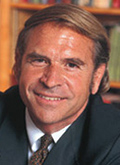
René Vidal: Penn Integrates Knowledge University Professor

caption: René VidalRené Vidal has been named a Penn Integrates Knowledge University Professor at the University of Pennsylvania. The announcement was made by President Liz Magill and Interim Provost Beth A. Winkelstein.

Dr. Vidal, a global pioneer of data science, is now the Rachleff University Professor, with joint appointments in the department of radiology in the Perelman School of Medicine and the department of electrical and systems engineering in the School of Engineering and Applied Science.

“René Vidal is an undisputed world leader in deploying data science, engineering, and medical innovation to advance the frontiers of machine learning and health care,” President Magill said. “Penn is an epicenter for such ingenuity, exemplified by our Penn Integrates Knowledge program, and Professor Vidal’s pathbreaking scholarship makes him a perfect fit. We’re excited to have him here.”

Before Penn, Dr. Vidal was the Herschel Seder Professor of Biomedical Engineering at Johns Hopkins University, where he taught since 2004. Most recently, his work has focused on the development of theory and algorithms to analyze complex data sets, such as biomedical data, images, and videos, as well as the mathematical foundations of deep learning and its applications to such new domains as computer vision and biomedical data science. His lab has created new technologies across a wide range of areas, including face and object recognition, motion segmentation, signal processing, gesture and skill recognition in robotic surgery, the assessment of surgical skill in surgical videos, and the detection, classification, and tracking of blood cells in holographic images.

Dr. Vidal received the 2021 McCluskey Award of the Institute of Electrical and Electronics Engineers Computer Society for outstanding and innovative contributions during the past 15 years, especially for his work in advancing computer vision and pattern recognition. He has received a National Science Foundation CAREER Award, a Sloan Research Fellowship, and the Aggarwal Prize of the International Association of Pattern Recognition, among numerous other awards. He is the inaugural director of the Mathematical Institute for Data Science, which brings together mathematicians, statisticians, computer scientists, and engineers to develop principles for the analysis and interpretation of massive amounts of complex data across such interdisciplinary fields as computer vision, language/speech processing, robotics, astronomy, medicine, and health. He earned a PhD and an MS in electrical engineering and computer science from the University of California, Berkeley, an MS in engineering and a BS (summa cum laude) in industrial engineering from the Catholic University of Chile.

“René Vidal’s pioneering work exemplifies the core commitments of our work at Penn,” Interim Provost Winkelstein said. “Our innovative faculty and students are forging the creative new ideas and ambitious, multi-disciplinary solutions that shape the future. Professor Vidal’s research—bringing together methods from medicine, engineering, computer science, and data science—demonstrates the power of solutions that cross traditional disciplinary and intellectual boundaries to tangibly change people’s lives around the world.”

The Penn Integrates Knowledge program is a University-wide initiative to recruit exceptional faculty members whose research and teaching exemplify the integration of knowledge across disciplines. PIK professors are appointed in at least two schools at Penn.

The Rachleff University Professorship is a gift of Debra and Andrew S. Rachleff. Andrew Rachleff is a 1980 graduate of Penn and serves as a member of the Board of Trustees and the School of Engineering and Applied Science Board of Advisors. He is co-founder and executive chair of Wealthfront Corporation, an investment services firm in Palo Alto, California.

Penn Medicine and La Salle University Receive $7.5 Million Howley Foundation Gift to Support the ASPIRE Program

Penn Medicine has partnered with the Howley Foundation and La Salle University to launch the ASPIRE Program at the Hospital of the University of Pennsylvania (HUP), marking an important investment in the future of nursing. The program will support local high school students in Philadelphia with a goal of increasing diversity in health care and offering opportunities for economic mobility. The program is supported by a commitment from the Howley Foundation of up to $7.5 million.

Each year, up to 25 outstanding high-school juniors will be selected to be ASPIRE scholars and participate in an enrichment program lasting for the reminder of their high-school careers. The enrichment program offers mentorship and exposure to health care, the role of nurses, patient safety, and more through a series of interactive and hands-on sessions at the hospital. The first cohort of high-school students begin working with juniors in early 2023.

Upon graduation and fulfillment of requirements, students then have the opportunity to pursue a bachelor of science in nursing (BSN) at La Salle University with financial support from federal grants, a school scholarship, and a scholarship from the ASPIRE Program itself—which is funded by the Howley Foundation and Penn Medicine. During that time, they will have the opportunity to apply for paid positions at HUP, where they can practice their skills and gain more relevant experience.

“ASPIRE firmly aligns with Penn Medicine’s and HUP’s goals to offer pipeline opportunities for members of our community to continue cultivating an inclusive workforce and providing outstanding patient care,” said Colleen Mattioni, the chief nurse executive at HUP. “The ASPIRE Program will welcome a diverse pool of young people into an environment of research, innovation, and evidenced based practice, and high quality clinical care. Of course, we will benefit from participants’ enthusiasm, curiosity, and passion.”

The first portion of the program consists of lecture-type lessons and hands-on learning in the hospital for the high school students. Instructors are HUP nurses and hospital staff. While the students will not participate in clinical work with hospital patients, they will have opportunities to observe and assist nurses and other clinicians. At the end of this part of ASPIRE, participants will also have a better understanding of the life of a nurse and the skills and approach required to excel at the job.

“Those who begin nursing school may not have much experience with the field unless they’ve volunteered somewhere or perhaps [if] they have family members who are nurses,” said Beth A. Smith, the corporate director of nursing professional development at HUP. “Not only will this program attract a more diverse generation of future nurses, but it will also provide a unique opportunity to see the impact nurses make while providing them with skills and giving them a strong head start in a nursing career.”

During their college years, the ASPIRE scholars will consult with advisors who will offer guidance and support on academic and other matters affecting their education. They will also have regular check-ins with their peers and instructors from the program.

“We are excited to see the ASPIRE Program grow over time and look forward to creating an environment where ASPIRE scholars can thrive academically and professionally,” said Ms. Smith.

The ASPIRE Program at HUP builds upon the model established by the Howley Foundation for the Cleveland Clinic in 2017.

“The central focus of the Howley Foundation is supporting quality educational opportunities, and the many wonderful institutions of learning in the Philadelphia region have served generations of our own family well,” said Nick Howley, chair and founder of the foundation. “We believe these programs are the keys to creating meaningful social and economic mobility, and we are thrilled to work with Penn Medicine and La Salle, whose strengths align so closely with our mission. We look forward to seeing the ASPIRE model in Philadelphia and providing the region’s students an educational continuum that spans exposure to the nursing profession, training and mentorship, and very real opportunities for employment.”

Penn Dental Medicine and Penn Nursing: Launch of Dual Degree Program in Nutritional Science

Penn Dental Medicine and Penn Nursing have announced a new dual-degree, enabling interested and qualified students to earn a Master of Science in Nutrition Science (MSNS) along with their DMD. This new offering brings the total number of dual-degree options Penn Dental Medicine offers to nine, including six funded programs and three self-funded.

The MSNS is a unique asynchronous online format consisting of ten courses and a capstone project. DMD students who pursue the MSNS can get credit for two of their dental school courses toward the ten required for the program and are eligible to apply to the MSNS in the spring of their first year.

“I think that this type of training can significantly enhance the dentist’s ability to successfully address oral health issues, as nutrition plays a vital role in both systemic and oral health,” said Uri Hangorsky, associate dean for student affairs at Penn Dental Medicine. He noted that due to the intensity of the DMD curriculum, nutrition cannot be taught in great depth as part of students’ dental education.

“The diversity of coursework offered in the MSNS allows students to build a practical evidence-based foundation to promote nutrition-focused public heath as it relates to oral health and disease,” added Kathleen Boesze-Battaglia, assistant dean for academic initiatives at Penn Dental Medicine.

As with all of the dual-degree options, this program affords students able to meet the rigors of both the DMD and dual-degree the opportunity to make the most of their time at Penn and the close association Penn Dental Medicine has with other schools within the University. Each dual-degree program sets its own admission standards and being a DMD student does not constitute automatic acceptance into a dual-degree program. In addition to the new MSNS, the other dual degree opportunities include a master of bioethics, master of science in bioengineering, master in law, master of science in higher education, master of public health, master of science in translational research, master of business administration, and juris doctor degree in law.

Office of the Provost Requests Nominations of Penn Fellows and Mellon Fellows by February 15

The Office of the Provost requests nominations for the fifteenth cohort of Penn Fellows and the third cohort of Mellon Fellows.

The Penn Fellows program provides select mid-career faculty members (newly tenured to early full professors) with opportunities to develop their leadership skills, build networks, think strategically, interact with campus leaders, and develop a cross-university network of support as they move through their careers. Previous Penn Fellows have subsequently served as deans, department chairs, and vice provosts.

The Mellon Fellows program seeks to support mid-career faculty members (newly tenured to full professors) from core humanities and arts disciplines and from departments that are strongly inflected by the humanities, and/or scholars whose work is strongly based on cultural/historical analysis. The program is intended to orient arts and humanities faculty members to the fundamentals of leadership roles, encourage collaboration and community across departments and disciplines, and imbue the next generation of higher education leaders with humanistic culture and values.

Participants are expected to participate in the leadership development sessions that are created for these programs. These sessions will be scheduled over the course of the 2023-2024 academic year. Participants also will be invited to participate in the Provost’s Leadership Academy.

Candidates for both programs should be mid-career faculty members (newly tenured to full professors) with a demonstrated record of academic excellence, administrative leadership potential, and interest in higher education leadership. Of particular interest are faculty members who have not yet held senior higher education leadership positions, faculty members from groups that are historically underrepresented in higher education leadership, and faculty members who can further contribute to the excellence and diversity of our campus leadership.

The Mellon Fellows program is limited to faculty members in core humanities and arts disciplines, from departments that are strongly inflected by the humanities, and/or whose work is strongly based on cultural/historical analysis.

Nominations should be submitted to provost-fac@upenn.edu by February 15, 2023.

Nominations should identify the preferred program and include a letter of support from the dean or department chair and the candidate’s curriculum vitae. Previously nominated candidates may be re-nominated.

Questions can be addressed to Connie Chang, executive director of faculty affairs in the Office of the Provost, at conniech@upenn.edu.

Deaths

Samuel Diamond, General Honors

Samuel “Bud” Diamond, W’52, L’55, a former lecturer in several departments at Penn, most notably in the general honors program, died on September 15, 2022.

Dr. Diamond received an undergraduate degree from the Wharton School in 1952 and a law degree from Penn’s Law School three years later. In 1960, he co-founded the law firm Diamond, Polsky and Bauer, where he served clients until retiring in 2010. In 1990, he returned to Penn as a faculty member—a lecturer in the department of general honors, which encompassed the University Scholars and Benjamin Franklin Scholars programs and united students from Penn’s four undergraduate schools. He lectured in this program until 2006. He also held lectureship positions in Penn Law (1993-1995) and in Penn’s Center for Undergraduate Research and Fellowships (1995-2006).

He is survived by his wife, Miriam (nee Forman); his children, Jonathan (Sandra Itkoff), Deborah (Jonathan Block), and David (Audrey Kraus); and his grandchildren, Leo, Kidist Rose, Aaron, Eli, Hannah, Harry, and Benjamin. Contributions in his memory may be made to the University of Pennsylvania Carey Law School (www.law.upenn.edu) or the Jewish Federation of Greater Philadelphia (www.jewishphilly.org).

Dwight Evans, Psychiatry

caption: Dwight EvansDwight Landis Evans, a professor emeritus and former chair of psychiatry, medicine and neuroscience in the Perelman School of Medicine, died on November 19, 2022. He was 75.

Born in Lancaster, Pennsylvania, Dr. Evans enjoyed weekend shopping at the bustling Central Market, attended J.P. McCaskey High School, and spent his summers at his grandfather’s cottage in Mount Gretna, Pennsylvania. He first attended college at the University of Maryland, then received his BS in biology from Elizabethtown College in 1970. He then earned an MS in psychology and neuroendocrinology from Bucknell University in 1972 and a medical degree from Temple University in 1976. After completing a residency at the University of North Carolina Memorial Hospital and a Robert Wood Johnson Clinical Scholarship, Dr. Evans was appointed to the faculty of the UNC department of psychiatry in 1980. In 1992, he moved to the University of Florida, where he chaired the department of psychiatry and directed the Psychoneuroimmunology Laboratory. In 1997, he received one of the highest honors in the field of psychiatry, the Klerman Lifetime Research Award of the Depression and Bipolar Support Alliance.

After five years in Florida, Dr. Evans came to Penn’s School of Medicine in 1997. Two years later, he was appointed the Ruth Meltzer Professor of Psychiatry (Almanac October 5, 1999). He chaired Penn’s department of psychiatry until 2016, one of the longest tenures at Penn Medicine. In addition, Dr. Evans oversaw the establishment of Penn Behavioral Health and served as psychiatrist-in-chief of the Penn Health System, director of the Penn Comprehensive Depression Center, and co-director of the Penn Neuroscience Center. A renowned investigator and clinician, his pioneering translational research on the neurobiology of stress and depression was continuously funded by the NIH for more than 30 years. Dr. Evans led the creation of the NIH-funded Penn Mental Health AIDS Research Center and served as its inaugural director. He also served on several Penn-wide committees, and in 2000, chaired the Search Committee for an Executive Vice President/Dean of the School of Medicine. In 2015, he was named the inaugural Roehrhoff Rickels Professor of Psychiatry; the next year, he retired from Penn and took emeritus status.

Dr. Evans was known internationally for his research on the impact of stress and depression on other diseases, including cancer, AIDS and cardiac cases. As such, he and his work received many honors. He received the Award for Research in Psychiatry from the American Psychiatric Association and the William C. Menninger Memorial Award for Distinguished Contributions to the Science of Mental Health from the American College of Physicians. Outside of Penn, Dr. Evans was president of the American College of Psychiatrists and of the American Foundation for Suicide Prevention (AFSP) and served on numerous other boards and committees. He published hundreds of academic papers, served on the editorial boards for many journals, and wrote and edited several books, including the influential Treating and Preventing Adolescent Mental Health Disorders (2005), which was awarded Best Book in Clinical Medicine by the Association of American Publishers.

“Despite the enormity of his professional contributions, Dwight will be remembered best for the personal impact he had on so many,” wrote Dr. Evans’ family in an online tribute. “His generosity and compassion toward others were boundless and constant throughout his life. Never seeking praise, attention, or recognition, Dwight would stop at nothing to help those around him, be it a loved one, a colleague, friend, or stranger. Despite a career marked by many accomplishments, Dwight was above all else a loving husband, father, and grandfather.” Outside of his professional duties, he enjoyed fishing, sports, the golden oldies, animals, and a quality “dad joke.”

Dr. Evans is survived by his wife of 52 years, Janet (nee Strickler) Evans; his children, Liz Evans, Meredith Roche, Ben Evans, and Chris Evans; his sons-in-law, Hadi Halazun and Michael Roche; his daughter-in-law, Francie Wheeler Evans; and his grandchildren, Tripp, Will and Chole Roche, Zayn Halazun, and Wilder Evans. In lieu of flowers, contributions in Dr. Evans’ name may be made to the Dwight L. Evans Memorial Fund, which supports psychiatric residency training at the University of Pennsylvania’s Perelman School of Medicine (www.pennmedicine.org/dwightevansmemorialfund). Checks can be made payable to Trustees of the University of Pennsylvania, c/o Dept. of Psychiatry, 3535 Market Street, Suite 750,

Philadelphia, Pennsylvania 19104. Please note “in memory of Dwight Evans” in the memo line.

Charles Harris, DRIA

caption: Charles HarrisCharles Somerville Harris, the first Black director of the division of recreation and intercollegiate athletics at Penn and later the executive vice president at Averett University in Danville, Virginia, died on December 7, 2022. He was 71.

Born in Richmond, Virginia and raised in Clarksville, Virginia, Mr. Harris grew up attending segregated schools, including his alma mater, West End High School in Mecklenburg County. In 1973, he received a bachelor’s degree in mass media arts from Hampton Institute (now University), then launched a career on campus as a media services employee at the University Nursing School. He also held an internship as a writer at Newsweek magazine. While pursuing a degree at the University of Michigan Graduate School of Journalism, Mr. Harris worked in the University of Michigan’s department of intercollegiate athletics, eventually advancing to assistant director.

In 1979, Mr. Harris accepted the position of director of intercollegiate athletics and recreation at the University of Pennsylvania (Almanac November 15, 1979). With this appointment, he became the first Black athletic director at an Ivy League school (as well as the youngest person yet to have held the position). Under Mr. Harris, Penn adopted its first official athletic policy in three decades, won three straight Ivy football titles after he hired Jerry Berndt as head coach (1982-1984, including Penn’s first in 23 years), embarked on a program of expansion of athletic facilities, and set a school record for Ivy championships (eight in 1984). Thirteen sports won a total of 28 Ivy League championships during Mr. Harris’ tenure. In addition, the Quakers’ men’s fencing program were NCAA champions in 1980-81, and two fencers won individual NCAA titles. “He has made a great difference to the athletic program,” said President Sheldon Hackney (Almanac May 14, 1985). “We will benefit for a long time from the changes he has made and from the efforts of the coaches he has brought to Penn.”

Mr. Harris left Penn in 1985 to become director of athletics at Arizona State University, where he was the first Black athletic director of an NCAA Division I program. The next year, Mr. Harris and his wife Lenora formed a consulting practice, Excel Development Systems. In 1996, Mr. Harris became commissioner of the Mid-Eastern Athletic Conference, a position he held until 2003. He was next named director of athletics at Averett University, making him the first African American appointed in the USA South Athletic Conference. He continued to advance his career at Averett: In 2007, he took on the additional title of vice president of student services, then became executive vice president, both firsts for an African American there. Mr. Harris retired from Averett in 2021.

Over the course of his career, Mr. Harris served on nearly 30 NCAA committees and mentored 14 college athletic directors. He received the Pioneer Award from the John McLendon Foundation and was listed as one of Eighty People to Watch in 1980 by Philadelphia Magazine. The All-America Sports Foundation awarded him its Lifetime Achievement Award and its Commissioners Award, and he received the Leadership Award from the National Collegiate Athletic Association. He was inducted into the West End High School Sports Hall of Fame in 2001 and was included in the NAACP list of Who’s Who in America. Averett University will begin construction on the Charles S. Harris Field House in 2024.

Outside of his professional responsibilities, Mr. Harris co-owned a family farm and traveled to six continents.

He is survived by his wife of 48 years, Lenora Billings-Harris; his sister, the Hon. Lillian Harris Ransom; half brothers-in-law, Arthur Billings (Andrea) and Tracee Billings (Quinnetta); and numerous cousins, nieces, nephews, and friends. A celebration of life was held on December 17, 2022. In lieu of flowers, contributions can be made to Averett University, 420 West Main St., Danville, Virginia 24541, Averett Ascending Capital Campaign, designated for the Charles S. Harris Field House (https://www.averett.edu/giving/harrisfieldhouse/).

Charles McMahon, Materials Science & Engineering

caption: Charles McMahonCharles Joseph McMahon Jr., MtE’55, a professor emeritus of materials science and engineering in Penn’s School of Engineering and Applied Science, died on December 10. He was 89.

Dr. McMahon graduated from Penn’s School of Engineering with a degree in metallurgical engineering in 1955, then earned a graduate degree from MIT. In 1964, he joined Penn’s faculty as an assistant professor of metallurgy and materials science; he was promoted to associate professor in 1968 and to full professor in 1974. While at Penn, he was active in his field of study. In 1975, he earned the American Society for Metals’ Marion Howe Medal for the best paper; the following year, he won the American Institute of Mining, Metallurgical and Petroleum Engineers’ Mathewson Gold Medal Award. In 1980, he was inducted into the National Academy of Engineering; the NAE cited his “contributions to the understanding and mitigation of grain boundary embrittlement of alloy steels.” He was an early member of Penn’s Laboratory for Research on the Structure of Matter, and as computers became popular in the 1990s, he developed a CD-ROM that displayed information about 3D materials science. This “smart textbook,” which accompanied Dr. McMahon’s nationally renowned course The Bicycle and the Walkman, was one of the first online learning initiatives, and Dr. McMahon earned an NSF grant to expand on this innovation.

Dr. McMahon served on Penn’s University Council, chairing its Committee on Recreation and Intercollegiate Athletics during the 1980s. He also served in the Faculty Senate (where he chaired the Committee on the Faculty from 2001-2002) and on several ad-hoc university-wide committees (including as chair of the President’s Committee on University Life in 1989-1990). Dr. McMahon made his voice heard on athletic issues around campus, penning several op-eds in Almanac’s pages on the subject (e.g., Almanac October 27, 1987 and February 27, 2001). In 1992, he won Penn Engineering’s S. Reid Warren Award for Distinguished Teaching, and nine years later, he won a Lindback Award (Almanac April 17, 2001). “Students commented on how creative Dr. McMahon is in the classroom and colleagues noted his inventive teaching methods through the use of electronic media,” said his Lindback citation. “Students mentioned his unique role as an advisor and mentor and many wrote about the impact his classes have had on their lives and careers.” In 2002, Dr. McMahon retired from Penn and took emeritus status.

He is survived by his wife of 63 years, Helen (nee O’Brien); four children, Charles Jr. (Stacy Dutton), Elise McMahon, Robert, David (Rebecca Berman); two grandchildren, Veronica and Madeline; his siblings, Anthony, Kevin (Ellen), Mary Ellen (James Smallwood) and John (JoAnn); and many nieces and nephews. He was preceded in death by his daughter, Christine. A memorial mass is planned for the near future.

John Porter, Former Trustee

John Hill Porter, W’55, a Penn trustee from 1981 to 1986 and a member of several other boards at Penn, died in Vero Beach, Florida on November 7, 2022. He was 89.

Mr. Porter graduated from the Wharton School at Penn as a member of the class of 1955, then worked at Ogilvy & Mather in New York and London until 1972. He then left advertising to accept the position of director of Public Affairs for the Peace Corps. With his passion and talent for public relations, he also cofounded the firm Porter/Novelli. In 1981, he was invited to join Penn’s Board of Trustees, where he served until 1986. Afterwards, he remained a devoted Penn alumnus, serving on the boards of the Penn Medical Center and the School of Nursing, and on several other committees. In 1992, Mr. Porter retired, splitting his time between Philadelphia and Barbados. Barbados inspired his novel, Trouble Tree (2008), and provided a venue for him to take up tennis.

He is survived by his wife of 41 years, Louise;  her children, Cam (Lisa) Abernethy and Colin (Alexis) Abernethy; his first wife, Sandra vanFossen; children, John Clinton Porter II (Susan Mougey), Allison Porter (Michael Zucker), Gardiner (Laurie) Porter, and Dickon (Tali) Mager; 16 grandchildren; one great-granddaughter; and his beloved dog, Cooper.

Donations are appreciated to: Alzheimer and Parkinson’s Association of Indian River County, 2300 5th Ave., Vero Beach, Florida 32960.

---

To Report A Death

Almanac appreciates being informed of the deaths of current and former faculty and staff members, students and other members of the University community. Call (215) 898-5274 or email almanac@upenn.edu.

However, notices of alumni deaths should be directed to the Alumni Records Office at Suite 300, 2929 Walnut St., (215) 898-8136 or email record@ben.dev.upenn.edu.

Governance

University Council Open Forum

Section IV.3(c) of the University Council bylaws provides that a University Council meeting “shall incorporate an open forum to which all members of the University community are invited and during which any member of the University community can direct questions to the council.”

All members of the University community are invited to bring topics for consideration to the

University Council Open Forum

Wednesday, February 22, 2023 at 4:00 p.m.
Hall of Flags, Houston Hall

**A PennCard is required to attend University Council meetings

PennCard holders who want to be assured of speaking at the Open Forum must submit a request to the Office of the University Secretary (ucouncil@pobox.upenn.edu) by 10 a.m. on Friday, January 27, 2023, briefly indicating the subject of the intended remarks.

Those who have not submitted a timely request to the Office of the University Secretary will be permitted to speak only at the discretion of the moderator of University Council if time remains after the scheduled speakers.

Please see the meeting format provided below. Questions may be directed to the Office of the University Secretary at (215) 898-7005 or ucouncil@pobox.upenn.edu.

A PennCard is required to enter both Houston Hall and the University Council meeting.

—Office of the University Secretary

Format for University Council’s Open Forum

February 22, 2023

The forum is open to all members of the University community under the conditions set by the bylaws, following guidelines established by the Steering Committee of University Council:

  1. Speakers should limit their remarks to three minutes.
  2. Repetitive topics may be combined or limited.
  3. The order of Open Forum topics will be made available no later than the Tuesday before the meeting, to be published on the Office of the University Secretary website (https://secretary.upenn.edu/univ-council/open-forum) and, if deadline constraints allow, in Almanac.
  4. Speakers’ statements should be framed to present policy issues and be directed to University Council as a body through the moderator. The moderator will have discretion to interrupt statements that are directed against individuals and otherwise to maintain the decorum of the meeting.

From the Office of the University Secretary: University Council Meeting Agenda

University Council Meeting Agenda

Wednesday, February 1, 2023
4 p.m.
Hall of Flags, Houston Hall

  1. Welcome.
  2. Approval of the minutes of November 30, 2022.
  3. Follow-up questions on status reports.   
  4. Responses to Open Forum and new business topics from November 30.
  5. Focus issue presentation: University Resources in Support of Family.
  6. New business.   
  7. Adjournment.

Faculty Senate Executive Committee Actions

The following is published in accordance with the Faculty Senate Rules. Among other purposes, the publication of SEC actions is intended to stimulate discussion among the constituencies and their representatives. Please communicate your comments to Patrick Walsh, executive assistant to the Senate Office, either by telephone at (215) 898-6943 or by email at senate@pobox.upenn.edu.

Faculty Senate Executive Committee Actions
Wednesday, December 7, 2022

Report from the Senate Tri-Chairs. Chair Vivian Gadsden discussed the forthcoming “roundtable” events being assembled by the Senate leadership for the spring semester. The first will focus on the role of universities in public and the second will focus on the role of universities in systems that are ostensibly designed to improve the health and wellbeing of children and families in urban areas.

Updated and Discussion with Selected Faculty Senate Committees. Mid-year briefings were offered by Professor Iourii Manovskii in his role as chair of the Senate Committee on the Economic Status of the Faculty and by Professor Nelson Flores in his role as chair of the Senate Committee on Faculty Development, Diversity, and Equity. Both committees will issue their final reports during the spring 2023 semester.

Honors

Andre DeHon: 2023 IEEE Fellow

caption: Andre DeHonAndre DeHon, a professor in the departments of electrical & systems engineering and computer & information science in Penn Engineering, is among the members of the IEEE Computer Society to be elevated to IEEE fellow status for his “contributions to reconfigurable computing and FPGAs.”

The IEEE Board of Directors confers the title of fellow upon a person of outstanding and extraordinary qualifications and experience in IEEE-designated fields, who has made important individual contributions to one or more of those fields. The elevation to fellow recognizes exceptional distinction in the engineering profession.

Dr. DeHon is broadly interested in how humans physically implement computations from substrates, including VLSI and molecular electronics, up through architecture, CAD, and programming models. In addition to performance, cost, and energy, his work addresses security and defect and variation tolerance. He places special emphasis on spatial programmable architectures (e.g. FPGAs) and interconnect design and optimization. He is also a fellow of the Association for Computing Machinery. He was recognized as one of Technology Review’s 100 young innovators in 2003.

Penn Dental Medicine: Four Faculty Recognized by PCI for their Patents

Penn Dental Medicine faculty members were recognized for their research and innovation as part of the Penn Center for Innovation (PCI)’s 7th annual Celebration of Innovation. This annual event celebrates Penn researchers and innovators who were named as inventors on patents issued to Penn this past fiscal year and highlights significant commercialization achievements. The celebration was held on December 6, 2022 at the Singh Center for Nanotechnology.

Craig Carnaroli, Senior Executive Vice President of Penn, provided a keynote address highlighting the origins of PCI, the progression of technology innovation at Penn, and its importance in driving Philadelphia’s innovation ecosystem.

Those Penn Dental Medicine faculty issued patents in FY22 included:

  • Henry Daniell, vice chair and W.D. Miller Professor in the department of basic & translational sciences, for Oral Delivery of Angiotensin Converting Enzyme 2 (Ace2) Or Angiotensin-(1-7)-Bioencapsulated in Plant Cells Attenuates Pulmonary Hypertension, Cardiac Dysfunction and Development of Autoimmune and Experimentally Induced Ocular Disorders; Codon Optimization and Ribosome Profiling for Increasing Transgene Expression in Chloroplasts of Higher Plants; and a third patent for Compositions and Methods for Inhibiting Biofilm Deposition and Production.
  • Kathleen Boesze-Battaglia, professor in the department of basic & translational sciences and assistant dean for academic initiatives, for Compositions and Methods Useful in Treating Stargardt’s Disease and Other Ocular Disorders.
  • Gary Cohen, professor in the department of basic & translational sciences, for Modified mRNA Vaccines Encoding Herpes Simplex Virus Glycoproteins and Uses Thereof.
  • Michel Koo, professor in the department of orthodontics and divisions of pediatrics and community oral health, along with Dr. Daniell for Compositions and Methods for Inhibiting Biofilm Deposition and Production.

Weitzman School's Disrupt the Reflection Competition Winners Announced

As part of a campus-wide initiative to make Penn more hospitable to birds, a fall 2022 ideas competition asked Weitzman students to design exterior window film for select buildings in order to reduce fatal collisions (“bird strikes”), and five winning proposals have been selected.

First Place

  • “Animalia in Motion” by Sara Sterchak (MLA’23)
  • “Life Imprint” by Wenliu Tu (MArch’24) and Luxin Zhong (MArch’24)

Second Place

  • “In / Out” by Isobel (Zoe) Morrison (MLA’23)
  • “Staggered Transparencies” by Audrey Genest (MLA’23) and Andrew Reichenbach (MFA’23)

Honorable Mention

  • “Warble Symphony” by Chenxin Shao (MArch’24), Wen Qin, (MArch’24) and Jun Yue (MArch’24)

The first- and second-place winners will receive a cash award, and their designs will be posted on the Disrupt the Reflection website.

Philadelphia is located along the Atlantic Americas Flyway, which extends from the tip of South America to the Canadian Arctic. Food sources and nesting areas—from backyards to parks and street trees—support the many billions of migrating birds that travel this route annually. The Penn campus also plays a vital role, providing a seasonal or year-round habitat to some 80 species of birds, but it also presents the risk of collision with glass windows.

Eleven buildings on campus were selected as part of the competition brief because of their potential for bird strikes due to the large areas of transparent and reflective surfaces: the Perelman Center for Political Science and Economics, Lauder College House (east facade), Meyerson Hall, Pottruck Fitness Center, Vance Hall, Huntsman Hall at the Wharton School (Locust Walk entrance), Levine Hall, Tangen Hall, Larry Robbins House, Perry World House, and Van Pelt Library (Moelis Family Grand Reading Room).

The jury included Jeff Goldstein, principal and cofounding partner at DIGSAU; Eva Lew, director of architecture and planning in Penn’s Office of the University Architect; Kate Orff, founding principal of SCAPE and director of the urban design program and the Center for Resilient Cities and Landscapes at Columbia University’s Graduate School of Architecture, Planning and Preservation; Keith Russell, program manager for urban conservation of Audubon Pennsylvania; and Lucinda Sanders, adjunct professor of landscape architecture and design partner and president and CEO of OLIN.

Life Imprint (Lauder College House: East Facing Façade)

Wenliu Tu and Luxin Zhong

While we enjoy the cozy sunlight and beautiful views of nature from within a protected space made available by huge pieces of glass, we barely understand how much trouble this modern-age innovation has brought to the animals that share the environment with us. This project aims to promote awareness of the urgent issue of bird collisions on campus while serving the function of preventing birds from hitting the east-facing glass facade of the Lauder College House courtyard. Although this building is partially covered with bird-friendly film, the facade of the second floor and above is still a potential hazard due to its large spans of transparent surface, and the reflections of the sky and vegetation, particularly because the courtyard contains several trees surrounded by the glass façade. This student housing and cafeteria location is also densely populated with people and thus can serve as a great location for promoting awareness about bird strikes. This project uses the idea of the mark left by a bird hitting the window as a memorial for their death and a warning to humans, urging everyone who sees it to take action to prevent bird mortality from window collisions. Since the second story and above are the corridors of the student apartments, we avoid blocking the view from inside to the city and Woodland Walk by using the maximum distance grid with the standard of the 2x4 rule.

Animalia in Motion (Pottruck Fitness Center)

Sara Sterchak

This window film design aims to connect birds, humans, and the fitness-oriented building together through the concept of movement. The Pottruck Fitness Center, a destination for students, faculty and community members, is designed such that each floor is programmed for different kinds of movement. Each of these different exercise types activate the space in a unique way. In order to reflect and emphasize that programming, the window film design associates a different bird movement pattern to each floor of the building. The film displays not only the undulating flight path that a bird travels along, but it also displays the force of their flapping wings that propel them through the air. The exertion of energy that a bird uses to fly can be related to the energy used by the gym occupants executing their workouts. The pattern base uses an abstraction of a bird’s form to generate the rounded triangle shape. This triangle shape pointing in one direction is not only symbolic of a bird in flight, but is also a symbol for the occupants to remember to keep pushing forward on their journey to better physical and mental health.

Staggered Transparency (Larry Robbins House)

Audrey Genest and Andrew Reichenbach

Juxtaposed between historic buildings, the rear façade of the Wharton and Penn Engineering program’s Larry Robbins House has a strong relationship to the exterior courtyard and to the rest of the Penn campus. Taking inspiration from the intricate manganese iron-spot brickwork, we abstracted the image through an iterative patternmaking process. The pattern is made by a grid of circles and hexagons, each with two sizes, and then layered to create the effect of the brick surface. Along with blocking the reflection that is hazardous to birds, the intricate geometries come together to form an organic structure, mimicking the handmade texture of the brickwork.

In / Out (Moelis Family Grand Reading Room, Van Pelt Library)

Isobel (Zoe) Morrison

Inspired by the reflective quality of the window, this intervention proposes a series of stripes, where one side of the stripe is mirrored (facing the interior) and the other side is a buffed mirror-like silver color with a diminished reflection. This intervention aims to maintain what is often magical about buildings full of glass—the ability to see outside while being surrounded by reflection. The collegiate library is an ideal setting for this kind of intervention: the interaction between the interiority of intellectual thought and the exterior environment of social and communal dynamics that are enabled by the college institution. The outside texture of stripes emulates the existing architectural details and the long columns, which draw the eyes to the ground plane where the quad meets the library. Inside, the reflection of the interior alternates with views of College Green outside, creating a unique experience of being both within and outside of the library.

Warble Symphony (Larry Robbins House)

Chenxin Shao, Wen Qin, and Jun Yue

Windows and glass facades are threatening the lives of wild birds. Inspired by the melodious chirping around us on campus, our proposal began with acoustic studies of the sound frequency of common species of birds, which include gray catbirds, yellow-throated warblers, and ovenbirds. These birds constitute an important part of the biological environment of the Penn campus. We used their songs to compose the music score of the “warble symphony.” We generated the graphic pattern by further abstracting the frequency of the three species of birds into a composite image that was then pixelated to represent mountains and forests. This approach is meant to symbolize releasing the birds back to their larger population and environment.

Eight Penn Faculty Recognized in 2023 Edu-Scholar Public Influence Rankings

Education Week has announced the 2023 Edu-Scholar Public Influence Rankings. The annual list, created by Rick Hess of the American Enterprise Institute (AEI), includes eight researchers from the University of Pennsylvania, seven of whom are professors at the Graduate School of Education.

Congratulations to the following faculty for helping shape the public discussion around education:

  • Angela Duckworth (No. 2), a professor of psychology with a secondary appointment at Penn GSE
  • Jonathan Zimmerman (No. 14), a professor of the history of education. His ranking moved up from No. 19 last year.
  • Richard M. Ingersoll (No. 53), a professor of education and sociology. His ranking moved up from No. 119 last year.
  • Howard C. Stevenson (No. 76), a professor of education and Africana studies. His ranking moved up from No.  80 last year.
  • Pam Grossman (No. 88), Penn GSE Dean and a professor of education. Her ranking moved up from No. 142 last year.
  • Laura W. Perna (No. 90), Penn’s Vice Provost for Faculty and a professor of education.
  • Roberto G. Gonzales (No. 143), PIK professor of sociology and education. His ranking moved up from No. 155 last year.
  • Vivian L. Gadsden (No. 173), a professor of child development and education. Her ranking moved up from No. 190 last year.

The eight professors also were ranked in 2022—and in some cases, have been on the list for several consecutive years.

Deep Jariwala: IEEE Nano Early Career Award

caption: Deep JariwalaDeep Jariwala, an assistant professor in the department of electrical and systems engineering in Penn Engineering, is the 2023 recipient of the IEEE Nano Early Career Award.

The IEEE Nanotechnology Council (NTC) is a multidisciplinary group whose purpose is to advance and coordinate work in the field of nanotechnology carried out throughout the IEEE in scientific, literary and educational areas.

Dr. Jariwala, whose research interests lie at the intersection of new materials, surface science and solid-state devices for computing, sensing, opto-electronics and energy harvesting applications, is being honored “for breakthrough contributions in logic, memory and photonic devices from low-dimensional semiconductors.” Dr. Jariwala’s previous commendations include the IEEE Photonics Society Young Investigator Award and the Alfred P. Sloan Fellowship and the Bell Labs Prize (shared with Troy Olsson and Eric Stach) for his work on ferroelectric diode memory.

The award was established to recognize individuals who have made major contributions to the field of nanotechnology.

Seven Penn Football Players Earn First-Team All-Ivy Recognition

After the Quakers football team finished second in the Ivy League and won its most games since 2010, seven members of the football team have earned First-Team All-Ivy acclaim: fourth-year offensive lineman Trevor Radosevich, fifth-year running back Trey Flowers, fourth-year defensive lineman Jake Heimlicher, fourth-year linebacker Garrett Morris, fourth-year defensive back Kendren Smith, fourth-year punter Ben Krimm, and second-year return specialist Julien Stokes.

Penn and Princeton tied for the most First-Team selections with seven each. Players were selected following a vote from the league’s eight coaches.

Features

Penn Museum and the American Chinese Museum: CultureFest! Lunar New Year Celebration

caption: The Lunar New Year celebration includes a variety of performances, storytelling, and interactive activities.

The Penn Museum will present its annual Lunar New Year celebration on Saturday, January 21, 2023, in partnership with the American Chinese Museum. Events will take place from 10 a.m.-4 p.m. and all activities are included with museum admission. 

Many communities recognize Lunar New Year, including those who identify with Chinese, Vietnamese, Korean, and Tibetan cultures. The holiday traditionally begins with the first new moon of the lunar calendar, and ends 15 days later on the first full moon. This festive holiday originated as a time to rest from farm work and be with loved ones. The diverse customs of Lunar New Year include feasting, exchanging gifts, lighting exquisite lanterns, and making offerings to gods and ancestors.

Visitors can celebrate the Year of the Rabbit by enjoying the traditional Lion Dance, performed by Penn Lions, the University of Pennsylvania’s premiere Chinese Lion Dance troupe, as well as other traditional and contemporary music and dance performances. This celebration is perfect for all ages, with storytelling and make-and-take activities throughout the day.

Schedule:

  • 10:30-11 a.m. Little Mulan dance troupe; a traditional Chinese dance class from the Great Wall Chinese School; Harrison Auditorium.
  • 11:30-11:45 a.m. Double row keyboard performance; this special instrument combines the harpsichord’s ability to double its keyboard with the sound of a modern Steinway piano; Egypt Gallery.
  • 11:45 a.m.-noon. Storytelling; members of the American Chinese Museum will read stories about Lunar New Year; Sphinx Gallery.
  • Noon-12:20 p.m. Chinese choir music; members of the American Chinese Museum present two traditional choir songs; Harrison Auditorium.
  • 12:30-12:45 p.m. Chinese zither and erhu performance; the Chinese zither was the most popular instrument in China in ancient and medieval times, and is often played together with the erhu, a two-string, violin-like instrument that is played with a bow; Egypt Gallery.
  • 1-1:30 p.m. Traditional and contemporary dance and vocal performances; this performance will blend traditional Chinese dance with more modern street dance; following the dancing, there will be a vocal performance by a member of the American Chinese Museum; Harrison Auditorium.
  • 2:30-3:15 p.m. Philadelphia Chinese Opera Society; the Philadelphia Chinese Opera Society (PCOS) was established in 1999 as a non-profit organization with a mission to promote and preserve the cultural heritage of Chinese opera through educational activities and touring engagements; Harrison Auditorium.
  • 3:15-3:45 p.m. Storytelling; members of the American Chinese Museum will read stories about the Lunar New Year; Sphinx Gallery.
  • 3:45-4:15 p.m. Lion dance finale with Penn Lions; performance by the University of Pennsylvania’s premiere traditional Chinese Lion Dance troupe; Harrison Auditorium.
  • 10 a.m.-4 p.m. Marketplace + make and take activities: Shop and Make Art; traditional papercutting, zodiac animal coloring sheets, Year of the Rabbit crafts, and Lunar New Year lanterns; Asia Galleries.

To buy tickets, visit https://www.penn.museum/tickets/day/?t=2023-01-21

Events

Faculty Senate Webinar: How Penn Works

Faculty Senate Webinar: How Penn Works will take place Wednesday, January 18, 2023 from 4-5 p.m.

During this one-hour webinar, which is open to all faculty, senior executive vice president Craig Carnaroli will review Penn’s organizational structure and discuss three topics central to its functioning:

  • Financial stewardship and management
  • Campus development and operations
  • Community and economic development

Mr. Carnaroli will discuss the status of Penn’s endowment, how the Penn budget navigates inflation, Penn’s commitments to “going green,” and Penn’s impacts on the greater Philadelphia community and economy.

To register, visit https://primetime.bluejeans.com/a2m/register/qdrybbcj.

WXPN Policy Board Meeting: February 1

The next meeting of the WXPN Policy Board will take place Wednesday, February 1, 2023 at noon at WXPN.

For more information, email abbyn@xpn.org.

Update: January AT PENN

Conferences

22        South Asian Law Students Association Conference: Activism in the Law; panels and keynotes will cover topics like U.S. government detainment camps; hate crimes and civil rights; reproductive justice and women’s rights; and careers in law; 9 a.m.-2 p.m.; room 100, Golkin Hall; register: https://forms.gle/fdC3F19ty2zLTans8 (Carey Law School; SALSA). Also January 23, 6:30-9 p.m.


Exhibits

Penn Museum

Info: https://www.penn.museum/calendar.

20        Global Guide Tour: Middle East Galleries; 2:30 p.m.

22        Mexico & Central America Gallery Tour; 11 a.m.

            Global Guide Tour: Africa Galleries; 2:30 p.m.


Fitness & Learning

19        Master in Law Information Session; session for members of the public who wish to incorporate a legal perspective on the issues that intersect with their professional fields and academic interests; noon; Zoom webinar; register: https://tinyurl.com/law-info-session-jan-19 (Penn Carey Law School).

            Virtual Information Session: Accelerated Nursing Program; learn more about Penn Nursing’s accelerated program, including the application requirements, admissions timeline, graduate program options and more; 6 p.m.; online webinar; register: https://tinyurl.com/nursing-info-session-jan-19 (Penn Nursing).

20        Paideia Fellows Information Session; current SNF Paideia fellows and staff will share their experience in the SNF Paideia Program and be available to answer your questions; first-year students from all four undergraduate schools welcome to attend; 3 p.m.; room G09F, College Hall; register: https://tinyurl.com/paideia-info-session-jan-20 (Paideia Program).


Graduate School of Education

Online events. Info: https://www.gse.upenn.edu/news/events-calendar.

21        School Leadership MSEd Program Virtual Information Session; 10 a.m.


Readings & Signings

18        Digesting Metabolism: Artificial Land in Japan 1954-2202; Casey Mack, Public Architecture, and Ivan Rupnik, Northeastern University; 6:30 p.m.; Plaza Gallery, Meyerson Hall (Architecture).

19        Trafficking Data: How China is Winning the Battle for Digital Sovereignty; Aynne Kokas, University of Virginia; 12:15 p.m.; room 500, Annenberg School; register: https://tinyurl.com/kokas-reading-jan-19 (Center for Advanced Research in Global Communication).

20        Reading Pleasures: Everyday Living in Black America; Tara Bynum, University of Iowa; 4-6 p.m.; McNeil Center for Early American Studies; RSVP: mceas@sas.upenn.edu (Africana Studies, McNeil Center).


Talks

17        Linguistically Relevant Assessments for Early Literacy Development: Insights from the Multitudes Project; Mónica Zegers, UCSF Dyslexia Center; 10 a.m.; forum, PCPSE (Graduate School of Education).

18        Disruptive Anthropology? Biocultural Approaches to Inequity; Heather Edgar, University of New Mexico; noon; room 345, Penn Museum (Anthropology).

            Domain Adaptation Under Causally Structured Distribution Shifts; Zachary Lipton, Carnegie Mellon University; noon; room 307, Levine Hall (Computer & Information Science).

            Location Location Location: The Physical Properties of Microbial Ligands Dictate the Immune Response; Ivan Zanoni, Harvard Medical School; noon; Austrian Auditorium, CRB, and BlueJeans webinar; join: https://primetime.bluejeans.com/a2m/live-event/xqbzwhrb (Microbiology).

            Using Deep Learning as a Last Resort?! Shirley Ho, Flatiron Institute; 3:30 p.m.; room A8, DRL (Physics & Astronomy).

            The FTX Fiasco: Unpacking the Most Complex Bankruptcy in History; Christy Goldsmith Romero, CFTC Commissioner; 4:30 p.m.; room 100, Golkin Hall; register: https://tinyurl.com/romero-talk-jan-18 (Carey Law School).

19        Special Briefing: The Future of Downtowns; panel of speakers; 11 a.m.; Zoom webinar; register: https://tinyurl.com/iur-talk-jan-19 (Penn Institute for Urban Research).

            Public Space, Identity, and Public Production; Ken Lum, fine arts; Guobin Yang, Center for the Study of Contemporary China; Fariha Khan, Asian American studies; noon; Kleinman Forum, Fisher Fine Arts Library (Historic Preservation).

            Translocated Microbiome Composition Determines Immunological Outcome in Treated HIV Infection; Daniel Douek, National Institute of Allergy and Infectious Diseases; noon; Austrian Auditorium, CRB, and BlueJeans webinar; info: https://www.med.upenn.edu/cfar/seminar-series.html (Center for AIDS Research).

            Tissue Architecture Driven by Immune Cells; John Hickey, Stanford University; 3:30 p.m.; Glandt Forum, Singh Center for Nanotechnology (Bioengineering).

            Autopsy of a Satirist; Kate Meng Brassel, classical studies; 4:45 p.m.; room 402, Cohen Hall (Classical Studies).

            Digital Humanities & Black Digital Heritage; Dorothy Berry, Smithsonian National Museum of African American History and Culture; 5 p.m.; 3401 Walnut Street; register: https://tinyurl.com/berry-talk-jan-19 (Africana Studies, Price Digital Humanities Lab).

20        CBCT Join Space Consideration for the TMD Patient; Wendy Yu, Helen Jeon, and Normand Boucher, dentists; 7 a.m.; online webinar; register: https://www.dental.upenn.edu/news-events/events/ (Penn Dental).

            Rooted in Research: Greening Cities for Health, Safety, and Well-Being; panel of speakers; noon; online webinar; register: https://tinyurl.com/iur-talk-jan-20-2023 (Penn Institute for Urban Research).

            A Low Rank Tensor Approach for Nonlinear Vlasov Simulations; Jingmei Qiu, University of Delaware; 2 p.m.; room 534, 3401 Walnut Street (Penn Institute for Computational Science).

            Rivers Flow Not Past, But Through: A Fluvial Perspective on Earth’s Elemental Cycles; Mark Torres, Rice University; 3 p.m.; room 358, Hayden Hall (Earth & Environmental Science).

23        Class, Dismissed: Navigating Racial and Socioeconomic Inequality in an Affluent, Diverse Suburban School; Nadirah Farah Foley, New York University; 10 a.m.; forum, PCPSE (Graduate School of Education).

            The Blessings of Federation for Causal Inference; Larry Han, Harvard University; 11 a.m.; Brian Strom Conference Room, Blockley Hall (Biostatistics).

            Madness, Mediumship, and the Politics of Psychic Life in “Post”-Mao China; Emily Ng, University of Amsterdam; noon; room 345, Penn Museum (Anthropology).

            World Population Prospects 2022: Estimation Challenges and Analytical Strategies to Reconstruct Demographic Levels and Trends Since 1950 for 237 Countries/Areas; Patrick Gerland, United Nations; noon; room 150, McNeil Building (Population Studies Center).

            Defense of the Intestinal Barrier Across Species; Elizabeth Lennon, Penn Vet; 2 p.m.; Austrian Auditorium, CRB, and Zoom webinar; join: https://pennmedicine.zoom.us/j/99219477102 (PSOM Deans’ Distinguished Visiting Professorship Seminar).

            Mass Shift in lattice Hamiltonian Approach to Schwinger Model; Silviu Pufu, Princeton University; 2 p.m.; room 3C6, DRL (Physics & Astronomy).

            After Permanence: A Future History of Monuments; Paul Farber, Penn Monument Lab; 5:15 p.m.; Class of 1978 Pavilion, Van Pelt Library (Workshop in the History of Material Texts).

            Roots of Wisdom; Gordon Guyatt, McMaster University; 5:30 p.m.; online webinar; register: https://tinyurl.com/guyatt-interview-jan-23 (Penn Dental).

24        Shifting Paradigms in a Deprived, Cold, and Undruggable Tumor; Ben Stanger, PSOM; noon; Caplan Auditorium, Wistar Institute (Wistar Institute).

            3D Functional Mesostructures: From Neural Interfaces to Environmental Monitors; John Rogers, Northwestern University; 12:30 p.m.; Raisler Lounge, Towne Building (Electrical & Systems Engineering).

            Connecting Conversations: Culturally Competent Care & LGBTQ+ Communities; Kellan Baker, Gaurang Choksi, and David (Hyunmin) Yu, Penn Nursing; 3 p.m.; Zoom webinar; register: https://tinyurl.com/nursing-talk-jan-24 (Penn Nursing).


Economics

In-person events. Info: https://economics.sas.upenn.edu/events.

17        Dynamic Concern for Misspecification; Giacomo Lanzani, Massachusetts Institute of Technology; 4 p.m.; room 101, PCPSE.

18        A Hayekian Theory of Resilience; Stefan Kolev, University of Applied Sciences Zwickau; 4:15 p.m.; forum, PCPSE.

20        Belief Disagreement and Business Cycles; Joao Guerreiro, Northwestern University; 4 p.m.; room 101, PCPSE.

--

This is an update to the January AT PENN calendar. To submit events for an upcoming AT PENN calendar or weekly update, send the salient details to almanac@upenn.edu.

Crimes

Weekly Crime Reports

University of Pennsylvania Police Department Crime Report

Below are the Crimes Against Persons, Crimes Against Society and Crimes Against Property from the campus report for January 2-8, 2023. View prior weeks’ reports. —Ed.

This summary is prepared by the Division of Public Safety and includes all criminal incidents reported and made known to the University Police Department for the dates of January 2-8, 2023. The University Police actively patrol from Market St to Baltimore and from the Schuylkill River to 43rd St in conjunction with the Philadelphia Police. In this effort to provide you with a thorough and accurate report on public safety concerns, we hope that your increased awareness will lessen the opportunity for crime. For any concerns or suggestions regarding this report, please call the Division of Public Safety at (215) 898-4482.

01/02/23

6:04 AM

3744 Spruce St

Merchandise taken without payment

01/02/23

8:05 AM

2929 Walnut St

Catalytic converter taken

01/02/23

11:33 AM

3400 Civic Center Blvd

Merchandise taken without payment

01/03/23

9:23 AM

3700 Ludlow St

Disorderly conduct/Arrest

01/03/23

12:27 PM

4032 Walnut St

Residence entered, Microsoft X-Box taken

01/03/23

10:54 PM

101 S 39th St

Complainant shot in left foot by offender

01/04/23

12:52 AM

4000 Irving St

Attempted theft/window, steering column, and ignition broken

01/04/23

8:35 AM

4200 Baltimore Ave

Catalytic converter theft reported to PPD

01/04/23

8:36 AM

4211 Sansom St

Two packages taken

01/04/23

12:53 PM

210 S 34th St

Wallet taken from purse/Arrest

01/04/23

5:48 PM

3601 Market St

Cable secured scooter taken from bike rack

01/04/23

6:59 PM

3900 Powelton Ave

Stolen automobile reported to PPD

01/05/23

2:07 PM

3900 Locust Walk

Confidential sex investigation

01/05/23

3:57 PM

3700 Chestnut St

Theft of a license plate taken by PPD

01/05/23

5:13 PM

4217 Chestnut St

Package taken from lobby

01/06/23

1:55 PM

3600 Sansom St

FTA/Arrest

01/07/23

1:39 PM

3900 Walnut St

Unknown offenders punched and kicked complainants

01/07/23

9:13 PM

4109 Locust St

Packages stolen from front porch


18th District

Below are the Crimes Against Persons from the 18th District: 6 incidents (4 assaults, 1 aggravated assault, and 1 robbery) were reported for January 2-8, 2023 by the 18th District, covering the Schuylkill River to 49th St & Market St to Woodland Avenue.

01/03/23

9:04 AM

27 Farragut St

Robbery

01/03/23

10:56 AM

101 S 39th St

Aggravated Assault

01/05/23

8:07 AM

3500 Civic Center Blvd

Assault

01/05/23

1:04 PM

4642 Sansom St

Assault

01/07/23

1:40 PM

3900 Walnut St

Assault

01/08/23

2:10 PM

S 43rd & Walnut Sts

Assault

Bulletins

One Step Ahead: Data Minimization, Pseudonymization, and Anonymization

One Step Ahead logo

Another tip in a series provided by the Offices of Information Security, Information Systems & Computing and Audit, Compliance & Privacy

It’s that time of year again! Data Privacy Awareness Day is January 28, and we are celebrating by highlighting a fundamental principle of data privacy—data minimization.

Data minimization can be described as collecting the minimum amount of information that is relevant and necessary to accomplish a specified purpose. 

Data minimization also means only maintaining data for as long as required to fulfill the specified purpose. Data minimization prevents unauthorized access to, or disclosure of, personal data that is unnecessary to collect and maintain. 

In situations where personal data must be collected, such as University research projects, pseudonymization or anonymization of the data can further protect individuals from unauthorized exposure by rendering them temporarily or permanently unidentifiable. Note the difference between pseudonymizing and anonymizing data. 

When data is pseudonymized, an individual can be later identified through indirect or additional information, such as a coded number. Anonymized data means it is impossible to restore the identity of the individual because all identifying information has been removed.

Always carefully assess whether data is genuinely anonymized. For example: the combination of a student’s major and minor, or an employee’s department and years of service, may be enough to identify an individual. 

When crafting an anonymous survey, be mindful that you do not collect information that is too specific or data which, if combined, could indirectly identify and compromise the privacy of any individuals—then the survey would no longer be truly anonymous. 

For more information, Penn’s Privacy website is www.upenn.edu/privacy. Questions about University privacy can be addressed to privacy@upenn.edu.

--

For additional tips, see the One Step Ahead link on the Information Security website: https://www.isc.upenn.edu/security/news-alerts#One-Step-Ahead.

Back to Top