News

Welcome Back from the President: Expressing Gratitude

caption: Liz MagillUndergraduate applicants to the University of Pennsylvania are encountering a new question this year. They are being asked to write a thank you note to someone they have not yet thanked and want to acknowledge, and to reflect on the experience. And this effort is catching. This fall, groups of Penn students launched gratitude projects, encouraging their classmates out on Locust Walk to write a thank you note, which they arranged to deliver. Inspired by our students and the start of 2023, it’s an ideal time to take on that assignment as a broader community: expressing gratitude.

There is so much to be grateful for, but let me focus on one group of people I have been lucky enough to get to know in my first six months at Penn. The tens of thousands of people who, every day, make this always humming place go: the dedicated and talented staff at the University of Pennsylvania. Each of us, no doubt, work to acknowledge and thank our staff colleagues regularly, but we cannot do it often enough.

All of us encounter our exceptional staff every day we come to work. Fewer of us recognize that this is a twenty-four-hours-a-day, 365-days-a-year operation. We have over 40,000 staff at the University of Pennsylvania and Penn Medicine. Every day of the year, at each hour of the day, some of our Penn staff colleagues are doing the vital work that permits Penn to do what it exists to do at the very highest level of excellence—enroll students and educate them in their chosen fields, conduct research, provide patient care, and serve the community and the wider world.

The last several years have made that work even harder, which is yet another reason to express our gratitude in words and action. So as we enter 2023, let us all take the time to express thanks to those who—among countless others performing essential work that keeps our University smoothly functioning—keep our buildings running, our grounds maintained, our classrooms and labs geared up, our emergency rooms open, our students coached and directed, our budgets balanced, our technology services functioning, our admissions files read, our dining halls serving, our rarest and most precious books and materials cared for, and our community safe. I look forward to all that we will achieve together in the year ahead.

Liz Magill signature

—M. Elizabeth Magill, President

Penn Medicine: $9.7 Million from the Warren Alpert Foundation for Genetic Counselor Continuing Education

caption: Kathleen Valverdecaption: Daniel RaderPenn Medicine has received a $9.7 million grant from the Warren Alpert Foundation (WAF) that will fund continuing education efforts for genetic counselors, which will ensure opportunities for continued training that will keep them on the leading edge of their profession interpreting genomic data and explaining its implications to patients. This grant will position genetic counselors to advance research to address the many critical questions in the implementation of genomic information into clinical practice.

Spearheaded by genetics researchers and faculty members in the Perelman School of Medicine (PSOM) at the University of Pennsylvania, the WAF-Career Ladder Education Program for Genetic Counseling will allow genetic counselors to continue their education and learn about new and emerging research trends. This advanced training will further inform their work helping individuals learn about specific hereditary disorders, assess risks, and make proactive decisions in areas from cancer prevention to family planning. Penn will lead these efforts in close collaboration with four other leading institutions: Baylor College of Medicine, Northwestern University Feinberg School of Medicine, Vanderbilt University School of Medicine, and the University of Washington School of Medicine.

According to the U.S. Bureau of Labor Statistics, the genetics counseling field is expected to see rapid growth over the next decade. To enter the field, genetic counselors typically must complete a bachelors degree and a masters degree related to the field. However, unlike other health professions, there are currently few opportunities to formally continue and advance their training with this career. “Genetic counseling is only about 50 years old, and the world of genetics is moving at lightning speed,” said Kathleen Valverde, director of Penn’s master of science in genetic counseling program. “It can be challenging for genetic counselors to stay aware of the rapid changes in the field—especially for those based at smaller, community hospitals. It is vital for the field to keep genetic counselors on the forefront of research and education, and initiatives like this help to ensure genetic counselors are an integral part of the future of genomic medicine.”

The grant funds the newly created WAF-Career Ladder Education Program for Genetic Counseling at Penn, which aims to drive continued education for genetic counselors through multiple pathways. This includes the creation of a state-of-the-art online continuing education unit (CEU) courses for genetic counselors. Each one-credit CEU course will include 10 hours of instruction, lectures, activities, and assessments that provide in-depth coverage on designated topics in genomics and personalized medicine such as variant interpretation. Other initiatives include developing a certificate program with targeted area of advanced training, and pathways for the development of a post-graduate doctoral degree in genetic counseling, are being explored.

“Genetic counselors are crucial for all aspects of genomic medicine, including molecular diagnostics, clinical genetics, and genomics research, and are essential to modern health care systems,” said Daniel Rader, chair of genetics and chief of translational medicine and human genetics at Penn. “Creating a robust career ladder to support genetic counselors’ advanced training and professional development is critical in retaining genetic counselors in academic health systems, advancing genomics research, and implementing genomic information into clinical practice. This commitment to the career development of genetic counselors will be transformational, not just at the five participating institutions but also nationally and globally.”

PSOM’s partner institutions represent geographically diverse areas of the United States, and were chosen as recipients of a portion of the WAF grant money based on their clinical programs in genetics and genomics expertise, their existing genetic counseling masters programs, and their history of engaging in research. The five institutions will work together to create and offer programs and opportunities for genetic counselors to advance their skills.

“Given the increasing complexity of career development and the expanded roles for genetic counselors, support in career development is imperative,” said August Schiesser, WAF executive director. “We are excited to support the career ladder for genetic counselors and we are delighted to award Penn this grant.”

Penn to Increase Minimum PhD Stipend in 2023-2024

The University of Pennsylvania has announced that it will raise the minimum PhD stipend to $38,000 beginning in the coming 2023-2024 academic year, the largest one-time increase in Penn’s history.

The information was shared with current PhD students in November following a collaborative process involving Penn’s nine schools with PhD programs, the Office of the Provost, Penn Budget Planning and Analysis, and the Office of Institutional Research & Analysis, with input from the Graduate and Professional Student Assembly (GAPSA). Each Penn school with a PhD program determines its own stipend for doctoral students at or above the minimum level established by the University.

“Our doctoral students are at the heart of our mission of research and education across a wide range of academic areas,” said Interim Provost Beth A. Winkelstein. “This one-time increase recognizes the unique pressures they currently face, especially in the wake of delays to research and hiring that many experienced during the COVID-19 pandemic. It will also help to ensure that Penn remains competitive in recruiting exceptional scholars in our graduate groups. We are committed to continuing to attract the most outstanding and diverse doctoral students—and to supporting them while they are here. I am grateful to the partnership of GAPSA, the office of the Vice Provost for Education, and the leadership of our schools with PhD programs in making this important change.”

“This increase is well above our historical norm, and it reaffirms Penn’s longstanding commitment to our doctoral students,” said Vice Provost for Education Karen Detlefsen. “We identified the minimum stipend as a priority based on a survey of graduate and professional students conducted in the spring, on our discussions with GAPSA, and on our own reflections about how we can continue to best serve our students. Funding our doctoral students at this higher level enables our students to focus on the academic process of becoming scholars and our future colleagues.”

Dr. Detlefsen acknowledged GAPSA as a valued partner in the process. “Members of the GAPSA Research Council met with us about the stipend and spotlighted key issues,” she said. “Their advocacy and insights galvanized our own work to address these important matters and moved the effort forward, helping us to shape these improvements to the graduate student experience.”

“The quick actions on the University side excited and surprised us,” said Ludwig Zhao, GAPSA’s Research Council chair and a third-year PhD candidate in bioengineering. “The news of the increase has been very well received by GAPSA and the communities of research students. Together with Emily Getzen, Hoang Anh Phan, and Xinyi Wang on the Research Council and Advocacy Division, we brought the issue of the stipend to the Vice Provost of Education, and we definitely felt we were able to collaborate with the Provost’s Office to help students have a better quality of life. We are really happy at the effort to raise the stipends to better meet the needs of PhD students and to be competitive with other Ivies, and we look forward to continued communication.”

Learn more about Penn’s initiatives to support graduate students on the Valuing Graduate Students website.

Graduate Faculties to Reissue Select Diplomas

The Office of the University Secretary (OUS) has contacted a select group of graduates who received diplomas that were missing a signature from the Provost’s Office, the unfortunate result of the transition to online diploma distribution during the pandemic. The OUS will reissue both electronic and paper diplomas at no charge.

This issue affects master of arts, master of science, and doctor of philosophy diplomas printed between May 2020 and July 2022. These graduates have been assured that the degree remains valid and the status of graduation unchanged. However, the reissue upholds the traditional University of Pennsylvania diploma that recognizes the Provost’s essential role of academic oversight.

Affected graduates can obtain revised electronic diplomas immediately (Certified Electronic Diploma (CeDiploma)) via this website, which requires a log-in with a PennKey name and password. The revised CeDiploma contains a new validation code that replaces the code that may have been previously received.  Graduates who need help with their PennKey can see this website for assistance: https://pennkeysupport.upenn.edu/help-for-alumni.

To receive a new printed diploma, graduates can complete this form to provide a current mailing address. It will take approximately 10-12 weeks for the new diploma to arrive once the form has been completed.

For more information regarding diplomas, and to contact the diploma coordinator, please see information at this website: https://secretary.upenn.edu/ceremonies/diplomas.

Penn Medicine: Launch of Center for Living Donation

The Penn Transplant Institute at Penn Medicine has opened a new Center for Living Donation, which will expand Penn’s exceptional care for living donors, helping to maximize the number of lives saved through liver and kidney transplantation. For the thousands waiting on a lifesaving organ, living donation—when a living person donates an organ, or part of an organ, for transplantation to another person—can help those in need receive life-saving care sooner.

Housed at the Hospital of the University of Pennsylvania, the Center for Living Donation expands the Penn Transplant Institute’s work through a more robust, dedicated team of clinicians, donation specialists, and staff committed to delivering a supportive experience for those who donate a gift of life. The center’s experts will continue to provide high-quality care for transplant patients and donors, while creating more opportunities for those in need of transplants to receive the organs they need—and a chance at a healthy future. The center will also work to educate the greater Philadelphia community about the safety and impact of living-donor transplants through community events, informational sessions, partnerships with local organizations, and marketing campaigns.

Building on Penn’s leadership and decades of transplant and organ donation expertise, the center will counsel and care for interested donors—both those who already have a potential individual they hope to donate to, or those who would be willing to participate in a paired-kidney exchange, or donate to anyone in need through a non-directed donation to the United States transplant waiting list.

“My brother-in-law required a liver transplant last year, so I have a very deep appreciation for the extraordinary impact that organ donation and transplant can have on a family,” said Regina Cunningham, the chief executive officer of the Hospital of the University of Pennsylvania. “One person is added to the transplant waitlist every nine minutes. This growing need for transplants can be stemmed if more living donors step forward to truly help create positive change and save lives. Of course, this also builds on Penn’s leadership as top transplant and organ-donor experts, and we hope this center helps to drive more transplants in our community from the generosity of living donors at Penn.”

This center comes at a time when the need for organ donation and transplantation is higher than it has been the past. In the greater Philadelphia region alone, there are thousands of people in critical need of a liver or kidney transplant. Living donor transplantation is a life-saving measure for people with end-stage liver or kidney disease—and it is a better alternative for most transplant candidates than those from deceased donors, as organs from living donors may last longer. There are also many more individuals who require a lifesaving liver or kidney transplant than there are deceased donors, which creates a unique opportunity for those who are healthy and wish to be donors. If an individual wants to be an organ donor but does not have an intended recipient, their organ can go to someone in the region who is on the national waiting list.

“Organ transplants are one of the most effective and incredible treatments in modern medicine,” said Robert R. Redfield, III, surgical director of the Living Donor Kidney Transplant program at Penn Medicine. “Penn is especially equipped to carefully guide living donor candidates through the evaluation process—making it a thorough yet easy process for potential donors. During the evaluation process, prospective donors will be in contact with a Penn patient navigator to guide them and answer questions along the way. The attention on and care of the donor, along with the exceptional medical care the donors will receive before, during, and after the donation make the Center for Living Donation truly stand out among similar donor centers around the country.”

The center has also begun a donor mentor program where prospective donors can speak to individuals who have already been through the process of donation. These connections can help donors feel more comfortable and informed about donation and recovery.

There are no medical costs for living donors throughout the entire donation process. For those interested in donating but who are concerned about potential costs associated with lodging or being out of work during any necessary recovery, the center’s patient navigators connect them directly with organizations that help fund living donors.

Penn has close to 60 years of transplant experience, beginning with the success of its first kidney transplant in 1966. Today, Penn performs more total transplants than any other institution in the region. In the summer of 2022, a multidisciplinary team at Penn performed its 1,500th lung transplant, a milestone only a handful of healthcare centers have reached. Penn is also a leader in uterus transplant innovation, with five babies born to women who have received these life-changing transplants. The first came in 2019, with the birth of baby Benjamin to parents Jennifer and Drew Gobrecht.

Deaths

Maurice Campbell, II, College of Arts and Sciences

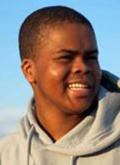
caption: Maurice CampbellMaurice Anthony Campbell, II, C’25, a student in the College of Arts and Sciences, died on December 20 after a four-and-a-half-year battle with cancer. He was 19.

Mr. Campbell attended the Horace Mann School in the Bronx, New York. There, he participated in the school basketball, lacrosse, swim, and cross-country teams. Outside of school, he was an avid figure skater and gymnast and played for the Westchester Vipers, the White Plains Plainsmen, and the Connecticut Junior Rangers. Mr. Campbell was a defenseman on the nationally-ranked 15U New Jersey Avalanche hockey team. “When I was first diagnosed with a type of sarcoma cancer, it was my hockey team and coach that visited me at the hospital the next day and assured me that everything would be okay, and that I just needed to keep a positive attitude,” said Mr. Campbell. “They continue to be with me every step of the way as I continue the fight against this ugly disease. I don’t know where I would be right now if it weren’t for the tremendous support I continue to receive from them.”

While battling cancer, Mr. Campbell applied and was admitted to Penn. At Penn, he was interested in studying health and societies, and he was a contributing writer for the Daily Pennsylvanian. “Maurice was a valued member of the Daily Pennsylvanian community, specifically within the sports department, where he covered a variety of sports, including volleyball and basketball, and was always looking to be more involved,” said his colleagues. “His constant positivity and kindness drew people to him and made him someone members of the Daily Pennsylvanian always looked forward to seeing in the office.” During his illness, he still cared deeply for his family and friends and the doctors and nurses who treated him.

“To know Maurice is to have laughed with or to have shared a nice word, whether a close friend or a stranger,” said his family in an online tribute. “Those around him were drawn to his infectious and ebullient personality. Maurice touched the lives of so many people in a very short period; he was able to accomplish so much before his passing.”

Mr. Campbell is survived by his parents, Maurice and Janet; and his older sister, Grace; as well as life-long friends, teammates, coaches, classmates and teachers. Penn will hold a memorial service for Mr. Campbell during the spring semester. Contributions in his memory may be made to Cycle for Survival-Memorial Sloan Kettering Cancer (http://mskcc.convio.net/goto/InMemoryofMauriceCampbell).

Benjamin Hammond, Penn Dental

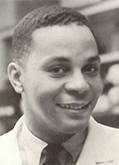
caption: Benjamin HammondBenjamin Franklin Hammond, PhD’62, an emeritus professor of microbiology in Penn’s School of Dental Medicine and the school’s former associate dean of academic affairs, died on May 14, 2022. He was 88.

Born in Austin, Texas, Dr. Hammond received his BA from the University of Kansas in 1954, then a DDS from Meharry Medical College four years later. While completing his PhD at Penn Dental (which he received in 1962), Dr. Hammond joined its faculty as an assistant instructor of microbiology. He came on board full-time in 1962 as an assistant professor, then was promoted to an associate professor in 1965 and a full professor in 1970. He earned a Lindback Foundation Award for Distinguished Teaching in 1969. Dr. Hammond served a variety of governance roles at Penn, including on the Senate Advisory Committee and on several University Council committees, as well as on several ad hoc Penn-wide committees, and Penn’s chapter of the American Association of University Professors. He also participated in governance at the school level, chairing a committee that in 1974 decided to establish a Penn Dental Faculty Senate. From 1972 to 1985, he chaired the department of microbiology, and in 1981, he delivered the President’s Lecture, “Oral Microbial Ecology: A Sociological Approach.”

In 1985, Dr. Hammond became Penn Dental Medicine’s associate dean of academic affairs. He also headed the school’s periodontal microbiology laboratory. He retired from Penn in 1991 and took emeritus status; he has since been lauded as a pioneering Black member of Penn Dental Medicine’s faculty. “The most relevant thing a student can do is to present himself with a non-negotiable demand for excellence in scholarship,” he said. “The most significant confrontation will occur when students become militant towards mediocrity.” After retiring from Penn, Dr. Hammond taught at Temple University and at the Medical College of Pennsylvania.

Dr. Hammond’s work was lauded in his field. He was named to the National Advisory Dental Research Council of the National Institutes of Health, was a member of the National Institutes of Health, and served as president of the American Association for Dental Research. “Until the contributions and needs of dental research are spelled out, made known, and separated from those of the other health professions, notably medicine, it is difficult to see how the true potential of dental research can be realized,” he said in his 1978 AADR inaugural speech. “There are needs specific to dental research which are different from those of medicine, and I submit that the long-established policy of linking the two areas together has been to the detriment of dental research.” Also in 1978, Dr. Hammond spent a year as a guest faculty member at the Faculté de Chirurgie Dentaire of University Louis Pasteur in Strasbourg, Germany. He later served guest professorships at Paul Sabatier University in Toulouse, France, and at Marquette University in Milwaukee, Wisconsin.

Hyman Myers, Historic Preservation

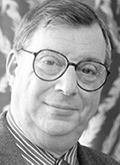
caption: Hyman MyersHyman “Hy” Myers, BArch’64, MArch’65, a nationally recognized architect and former lecturer in the Weitzman School’s graduate program in historic preservation, died on October 17, 2022 from respiratory failure. He was 80.

Born in Philadelphia, Mr. Myers grew up in West Oak Lane and graduated from Central High School in 1959. He then came to Penn, where he earned a bachelor’s degree in architectural engineering in 1964 and a master’s degree in architecture in 1965. He spent time in the Peace Corps and, in 1973, joined Vitetta Architects & Engineers, a renowned architecture firm. Until his retirement in 2008, Mr. Myers led Vitetta’s historic preservation program, in which he led the design development and documentation of projects involving the restoration, rehabilitation, and reuse of existing buildings, as well as planning and design of museum facilities. He lectured in Penn’s department of historic preservation for several decades, teaching the annual Theories of Historic Preservation course. In 1996, he led the restoration of the Morris Arboretum’s Dorrance H. Hamilton Fernery (Almanac June 18, 1996).

Mr. Myers was a passionate advocate for historic preservation in the public sphere. He helped spearhead the listing of a World Heritage Site, more than 60 National Historic Landmarks, over 60 listings on the National Register of Historic Places, and over 70 state and local landmarks, including the Academy of Music in Philadelphia, the Pennsylvania Academy of Fine Arts, the National Gallery of Art, and Pennsylvania’s Capitol Building in Harrisburg. Mr. Myers served as the president of action for Preservation Philadelphia and the Philadelphia-based Preservation Pennsylvania, board chair of the Bureau for Historic Preservation of the Commonwealth of Pennsylvania, and on the designation committee of the Philadelphia Historical Commission. He was president of the Philadelphia chapter of the Society of Architectural Historians from 1972-1974 and was active in the Victorian Society in America and the National Trust for Historic Preservation.

Mr. Myers’ love for Victorian architecture extended into his personal life—he was an aficionado of Frank Furness (the architect of PAFA and Penn’s Fisher Fine Arts Building) and was an avid collector of Victorian furniture and memorabilia, often punching holes in walls of buildings he was working on to find hidden treasures. He was recognized widely for his service to the field, including the F. Otto Haas Award from Preservation Pennsylvania in 1992, the James Biddle Award for Lifetime Achievement of the Preservation Alliance for Greater Philadelphia in 2009, the John Frederick Harbeson Award of the Philadelphia chapter of the AIA in 2013, and induction into the AIA College of Fellows in 2005.

He is survived by his wife, Sandra; his son, Benjamin; his sister, Sheila Bell; his niece, June Bell; and other relatives. Donations in his name may be made to the Victorian Society in America, 24 Wilkins Ave., Haddonfield, N.J. 08033, and the Jewish National Fund, 78 Randall Ave., Rockville Centre, N.Y. 11570.

---

To Report A Death

Almanac appreciates being informed of the deaths of current and former faculty and staff members, students and other members of the University community. Call (215) 898-5274 or email almanac@upenn.edu.

Governance

From the Senate Office: SEC Agenda

Faculty Senate Executive Committee Agenda
Wednesday, January 18, 2023
3–5 p.m. EDT
Via Zoom


  1. Finalize the Minutes of December 7, 2022
  2. Report from the Tri-Chairs
  3. Finalize Roster for 2022–2023 Senate Nominating Committee
  4. Internal Discussion and New Business
  5. Update from the Office of the Executive Vice President
  6. Discussion with Senior Executive Vice President Craig Carnaroli

Honors

Mia Bay: Order of the Coif 2022 Book Award

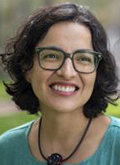
caption: Mia BayMia Bay, the Roy F. and Jeannette P. Nichols Professor of American History in the School of Arts and Sciences, has received the Order of the Coif 2022 Book Award for Traveling Black: A Story of Race and Resistance. From stagecoaches and trains to buses, cars, and planes, Traveling Black explores when, how, and why racial restrictions took shape and what it was like to live with them.

Dr. Bay is a scholar of American and African American intellectual, cultural, and social history. Traveling Black previously won the prestigious Bancroft Prize (Almanac March 29, 2022). She is also the author of The White Image in the Black Mind: African-American Ideas About White People, 1830-1925 and To Tell the Truth Freely: The Life of Ida B. Wells.

The Order of the Coif Book Award is given to authors that evidence creative talent “of the highest order.” The awarded books have advanced a field, illuminated new areas of thought and research, or explored the many hard questions that law raises.

Jennifer Morton: 2023 Grawemeyer Award in Education

caption: Jennifer MortonJennifer Morton, the Presidential Penn Compact Associate Professor of Philosophy in the School of Arts and Sciences, is the 2023 recipient of the Grawemeyer Award in Education. This prestigious honor recognizes Dr. Morton’s work on the ethical sacrifices made by first-generation and low-income university students.

The Grawemeyer Award in Education is intended to stimulate the dissemination and implementation of ideas that can bring about significant improvement in educational practice and advances in educational attainment. Designed to recognize a specific recent idea or study, the award was created not only to reward the individuals responsible, but also to draw attention to their ideas, proposals, and achievements.

Dr. Morton was honored for her book Moving Up Without Losing Your Way: The Ethical Costs of Upward Mobility, which focuses on the hidden costs faced by first-generation and low-income students. She found the dream of achieving success by attending college is deeply flawed for some, often forcing students to turn away from family and friends to achieve academic success. The book also won the Association of American Colleges and Universities’ Frederic W. Ness Book Award.

“By focusing on the dilemmas first-generation and low-income students can face when pursuing a degree, Dr. Morton shed light on an important but often neglected issue,” said Jeff Valentine, director of the Grawemeyer Award in Education. “She also offers strategies that colleges, faculty and students themselves can use to navigate these challenges.”

Dr. Morton is a scholar of the philosophy of education, with a particular emphasis on educational injustice. She is highly engaged in public philosophy and has been interviewed for The Atlantic, Inside Higher Education, PBS, and IAI News. She has also written pieces for Aeon, The Philosophers’ Magazine, The Chronicle of Higher Education, and New York Daily News.

Sarah Kane, Amy Krimm, and Carson Eckhard: 2023 Marshall Scholars

caption: (Left to Right): Sarah Kane, Amy Krimm, and Carson Eckhard.University of Pennsylvania fourth-years Sarah Kane and Amy Krimm and 2021 graduate Carson Eckhard have been named 2023 Marshall Scholars. Established by the British government, the Marshall Scholarship funds as many as three years of study for a graduate degree in any field at an institution in the United Kingdom.

Ms. Kane, Ms. Krimm, and Ms. Eckhard are among the 40 Marshall Scholars for 2023 representing 32 institutions in the United States. The prestigious scholarship, meant to strengthen U.S.-U.K. relations, is offered to as many as 50 Americans each year.

Ms. Kane, from Mendham, New Jersey, is majoring in physics with a concentration in astrophysics in the College of Arts and Sciences. She started her astronomy research with Bhuvnesh Jain through the Penn Undergraduate Research Mentoring program in 2020 and worked with him through May 2022. Last summer, she worked with astronomy faculty at the University of Texas at Austin, funded by the National Science Foundation and U.S. Department of Defense. Ms. Kane has continued her summer research through a senior honors thesis co-advised by Keith Hawkins of UT Austin and Robyn Sanderson of Penn.

A member of Phi Beta Kappa, Ms. Kane has received the School of Arts and Sciences’ Roy and Diana Vagelos Science Challenge Award and the Thomas H. Wood Prize in the department of physics and astronomy, as well as the Michael J. McGowan Leadership Scholarship awarded by the National Organization for Albinism and Hypopigmentation (NOAH). In addition to her academic and research activities, Ms. Kane is the co-director of Science Olympiad at Penn’s Urban Initiative, which offers after-school science programming in Philadelphia public schools. She is the co-president of J-Bagel, Penn’s Jewish and LGBTQ+ affinity student group, and a research peer advisor with the Center for Undergraduate Research and Fellowships (CURF). She is also the co-founder and co-host of NOAH STEM Connections. As a Marshall Scholar, she plans to study for her PhD at the Institute of Astronomy at the University of Cambridge.

Ms. Krimm, from Silver Spring, Maryland, is a fourth-year majoring in visual studies with a concentration in the philosophy and science of seeing and minoring in American Sign Language and deaf studies in the College of Arts and Sciences. Ms. Krimm is interested in exploring the relationship between art and science, specifically how both fields can be used to strengthen and inform the other. As a research assistant at the Penn Center for Neuroaesthetics in the Perelman School of Medicine, Ms. Krimm studies the differences in how people engage with art in a museum versus digital context.

Ms. Krimm is a co-director of the Civic House Community Engagement Program, where she serves as the community partner coordinator for Moder Patshala. She is also a student leader for the PennCORP pre-orientation program, a College of Arts and Sciences peer advisor, a writing fellow at Penn’s Marks Family Writing Center, an illustrator for the student-run 34th Street Magazine, a student board member at the Institute of Contemporary Art, and a figure skating coach at the Class of 1923 Arena. A SNF Paideia Fellow, Ms. Krimm is dedicated to using her background as an artist to promote dialogue between disciplines with the goal of using art to promote community wellness and identity formation. With the Marshall, Ms. Krimm plans to pursue master’s degrees in psychology of the arts, neuroaesthetics, and creativity at Goldsmiths, University of London and in fine arts at Lancaster University.

Ms. Eckhard, from Tampa, Florida, graduated summa cum laude in 2021 from the College of Arts and Sciences with honors in history and English. Ms. Eckhard currently works as the practice assistant for McDermott, Will & Emery’s Supreme Court Practice in Washington, D.C., and serves as vice chair of the Liberation Foundation in Philadelphia. In 2021, Ms. Eckhard and two fourth-year classmates were awarded the Penn’s President’s Engagement Prize to form Project HOPE to address the lack of reentry support for Pennsylvanians preparing to return from incarceration. The project grew from work Ms. Eckhard did with exoneree Terrance Lewis to establish the Liberation Foundation, a nonprofit that advocates for incarcerated Pennsylvanians.

While at Penn, Ms. Eckhard was a youth leader for Vote That Jawn and a researcher on the Penn & Slavery Project. She was a Dean’s Scholar, a University Scholar, a Mellon Mays Undergraduate Fellow, an Andrea Mitchell Research Fellow, and a member of Phi Beta Kappa. She was chair of the Student Committee on Undergraduate Education and a co-president of the student group Beyond Arrests: Rethinking Systematic Oppression. Committed to criminal justice reform, Ms. Eckhard also interned at the Conviction Integrity Unit in the Philadelphia District Attorney’s Office and at the Philadelphia Reentry Coalition. With the Marshall Scholarship, she plans to pursue master’s degrees in economic and social history at University of Edinburgh and socio-legal research at the University of Oxford.

Ms. Kane, Ms. Krimm, and Ms. Eckhard applied for the Marshall Scholarship with assistance from the Center for Undergraduate Research and Fellowships. Penn has had 24 Marshall Scholars since the scholarship’s launch in 1953.

Matthew McHugh: Claire M. Fagin Distinguished Researcher Award

caption: Matthew McHughThe Claire M. Fagin Distinguished Researcher Award honors the best scholarly qualities that Dr. Fagin, Penn Nursing’s third dean, exemplified. It is given to a Penn Nursing faculty member, or a graduate from the school’s doctoral program, who has made a distinguished contribution to nursing scholarship. Matthew D. McHugh, the Independence Chair for Nursing Education, a professor of nursing, and director of the school’s Center for Health Outcomes and Policy Research, is a nurse scientist with national and international stature. He is renowned for addressing critical problems that affect the nursing profession and enhances health system quality. The award will be presented on April 13, 2023.

Dr. McHugh’s research has demonstrated in large-scale studies that almost all policy-mandated healthcare quality performance measures are associated with nursing care and nurse resources. His work shows that a broad range of patient outcomes are better in institutions where nurses care for fewer patients, where a higher proportion of nurses has bachelor’s degrees, and where the quality of the nurse work environment is supportive of professional nursing practice. His research shows that nursing care is a major driver in improving patient satisfaction, reducing hospital mortality and failure-to-rescue rates, readmissions, poor glycemic control and other adverse outcomes, and high cost-low value care including excessive ICU use. Cumulative knowledge from his research makes a convincing case that treating nursing as a soft target for cost reductions actually increases rather than decreases costs due to expensive adverse outcomes. Dr. McHugh’s research on Magnet-recognized hospitals has increased adoption of Magnet best practices in U.S. and abroad. His research evaluating outcomes of health system redesign shows that replicating the structure of successful integrated systems often fails to translate into better outcomes if not accompanied by investments in nurses and nurse-led interventions.

Morris Arboretum: Wawa Foundation Grant

The Morris Arboretum has received a first-time grant from Wawa in support of its active-duty military free admission program.

The $15,000 Wawa grant supports the program, which provides free general admission to Army, Navy, Air Force, Marine Corps and Coast Guard active duty and reservists, National Guard members (regardless of status), U.S. Public Health Commissioned Corps, NOAA Commissioned Corps, and up to five family members.

The arboretum began offering free admission to active military members in 2019, inspired by the story of a longtime visitor who found solace and healing in the gardens after returning from military service during the Cold War.

“Morris Arboretum has long been a place for people to replenish themselves physically and mentally,” said William Cullina, the F. Otto Haas Executive Director of Morris Arboretum. “Our active-duty free admission program is our way of saying thank you and to provide comfort in a beautiful setting to those who give so much for our country. The arboretum is proud of this program and grateful for Wawa’s support.”

“Wawa is committed to building stronger communities in three focus areas of health, hunger and everyday heroes, with a long history of honoring service members—from its annual Hoagie Day tradition of serving 30,000 hoagies in honor of those who serve, to its in-store fundraising campaign benefiting USO, to its signature Hoagies for Heroes hoagie-building competition at new store openings to honor everyday heroes,” said Jay Culotta, president of the Wawa Foundation. “We’re delighted to build on this support by providing free admission to Morris Arboretum and hope it provides a tranquil experience and lets service members know how much we value their commitment to our country.”

To qualify for the program, service members simply need to show a valid military ID, a Geneva Convention Common Access Card (CAC), DD Form 1173 ID card (dependent ID), or a DD Form 1173-1 ID card at the entrance kiosk. This program does not include ticketed and promotional events at the arboretum.

Wawa formally presented the grant to Morris Arboretum at the grand opening of its newest store in Glenside, Pennsylvania, on December 15, 2022.

Zhi Ren: American Society for Microbiology Award

caption: Zhi RenZhi Ren, a current NIDCR R90 postdoctoral trainee in the Center for Innovation & Precision Dentistry (CiPD) – Penn Dental Medicine’s collaborative center with Penn Engineering — was awarded the 2022 American Society for Microbiology (ASM)’s Early Career Symposium (ECS) Best Presentation Award. The award was presented as part of the ASM Conference on Biofilms, held in Charlotte, N.C., in fall 2022. Dr. Ren was among the nine finalists pre-selected to present their research at the pre-conference ECS session, sponsored by the Mark Shirtliff Biofilm Foundation.

A postdoctoral fellow in Hyun (Michel) Koo’s and Kathleen Stebe’s groups, Dr. Ren focuses on understanding how bacterial and fungal pathogens interact in the oral cavity to form a sticky plaque biofilm on teeth, which gives rise to severe childhood tooth decay that affects millions of children worldwide. In his recent project, for which he received the award from ASM, Dr. Ren discovered that bacteria and fungi naturally present in the saliva of toddlers with severe decay can form superorganisms able to “walk” and “leap” on tooth surfaces. These unusual abilities allow the microbial assemblages to spread faster and farther than either organism alone, causing more extensive tooth decay.

Tyshawn Sorey: Serge Koussevitzky Music Foundation Commission

Tyshawn Sorey, Presidential Assistant Professor of Music in the School of Arts and Sciences, is among seven composers chosen to receive commissions for new musical works from the Serge Koussevitzky Music Foundation in the Library of Congress. The commissions are granted jointly by the foundation and the performing organizations that will present the world premiere of each work. Dr. Sorey’s composition will be presented by Yarn/Wire, a new music quartet dedicated to the promotion of creative, experimental new music in the U.S. and abroad.

The award is named for Serge Koussevitzky, conductor of the Boston Symphony Orchestra from 1924 to 1949 and a leading champion of contemporary music. He established the Koussevitzky Foundation in 1942 and passed operations to the Library of Congress in 1949.

Dr. Sorey’s work spans a multitude of musical and performance media, defying distinctions between musical genres, composition, and improvisation. A drummer, percussionist, trombonist, pianist, conductor, educator, and ensemble leader, Dr. Sorey has released twelve recordings that feature his work as a composer, improviser, multi-instrumentalist, and conceptualist. Dr. Sorey was named a McArthur Fellow in 2017, and a United States Artists Fellow in 2018.

Features

2023 Reverend Dr. Martin Luther King, Jr. Commemorative Symposium on Social Change: Penn’s Commitment to the Legacy

Please note: Visit https://aarc.upenn.edu for up-to-date information. Events are sponsored by the African American Resource Center and MLK Executive Planning Committee with additional sponsors listed in parentheses.

Ongoing Penn Reads Book Donation Project; this service activity supports Philadelphia preschools/daycare centers/local bookstores; help a young child develop a love of reading by purchasing books from a curated list of short multicultural, anti-bias children’s books; book donation info: https://tinyurl.com/PennReadsBookList2023; ship books to African American Resource Center, 3643 Locust Walk, Philadelphia, PA 19104. Through February 3.

14           MLK Sports & Wellness Event; YoungQuakers Community Athletics’ (YQCA) annual MLK Sports & Wellness Event serves as a kickoff for the month-long symposium; YQCA invites families from across Penn and West Philadelphia to engage in sports and wellness activities under the guidance and encouragement of Penn students and staff; participating families will join us at Pottruck Health and Fitness Center for yoga, bodyweight fitness exercises, and sports performance activities; participants will also hear from speakers about how they’ve embraced Dr. King’s principles; 10:30 a.m.-noon; Pottruck Health and Fitness Center; info: https://tinyurl.com/y5dad7y7 (Recreation and Intercollegiate Athletics, Netter Center for Community Partnerships).

16            MLK Day of Service Kick-Off Breakfast; includes guest speakers David Johns and Senator Vincent Hughes; entertainment provided by violinist Jack Drummond and vocalist Jade Winn-McNeil; 8:30-10 a.m., doors open at 8 a.m.; Hall of Flags, Houston Hall; register: https://bit.ly/MLKDayofServiceKickOff2023.

                Free Dog and Cat Wellness and Vaccination Clinic; the clinic will be run by appointment “only”; appointment calls will be accepted between 8-10 a.m. weekday mornings; call the veterinary hospital’s appointment desk at (215) 898-4680 to schedule a visit; clinic is limited to two pets per household; clients should wear masks when interacting with the volunteers; 9 a.m.-4 p.m.; 3800 Spruce St.

                City-Wide Donation Project; donors can choose from pre-selected donation sites, purchase items from their site “needed supply” list and photograph document the donation with a photograph using  #upennmlk to post these pictures to your social media platform; for more information, email uofpmlk@gmail.com; register: https://bit.ly/CitywideDonations2023. Through February 3.

                Beautification Project: Henry C. Lea Elementary School; volunteers will paint, move items, clean designated areas and tile; daycare will be provided for youth 4 and over; dress appropriately; light refreshments and water will be provided; 10 a.m.-1:30 p.m.; meet at 9:45 a.m. at Houston Hall for transportation to school; for more information, contact Darin Toliver at toliverd@upenn.edu or 215-898-0105.

                Community Wellness + Colon Cancer Screening; a health and colon cancer prevention event including free at-home colon cancer screening kits, scheduling a mammogram, learning about your family history of cancer, and finding out how to participate in cancer research; 10 a.m.-1 p.m.; Class of ’49, Houston Hall.

               Prediabetes Workshop; prediabetes means your blood sugar is higher than normal but not high enough for type 2 diabetes; this workshop will discuss risk factors and identify preventative measures to cut these risks; 11 a.m.-noon; 2nd floor, Golkin, Houston Hall; info: (215) 898-0104; register: https://bit.ly/CommunityWellnessEvents2023.

               Stop the Bleed; learn how to save a life with the Stop the Bleed campaign, whose purpose is to make our nation more resilient by better preparing the public to save lives if people nearby are severely bleeding; noon-1 p.m.; 2nd floor, Class of ’49, Houston Hall; info: (215) 898-0104; register: https://bit.ly/CommunityWellnessEvents2023.

               A Pocketbook Full of Toiletries Project; volunteers will fill pre-constructed bags with personal items that will be donated to area shelters for women; 10:30-11:30 a.m.; Bodek Lounge, Houston Hall; info: (215) 898-0104; no registration needed.

               Sock Stuffing Project; volunteers will assemble and stuff “wearable” crew socks and fill with personal items; these items will be donated to area shelters; 10:30-11:30 a.m.; Bodek Lounge, Houston Hall; info: (215) 898-0104; no registration needed.

              Penn Reads Literacy Project; Martin Luther King, Jr. imagined a world where his four little children would “not be judged by the color of their skin, but by the content of their character”; children, ages 3 to 8, are invited to come imagine with us while we create and learn more about Dr. King’s vision; young readers will be able to participate in a theatrical storytime experience (beginning at 11:15 a.m.), explore the uniqueness of a university library, and even illustrate and write about their vision–creating a book to take home; storytellers, literacy coaches & librarians will guide us in this creation; pizza and snacks will be provided; 11 a.m.-2 p.m.; Class of 1978 Orrery Pavilion, 6th floor, Van Pelt Library; register: https://bit.ly/PennReadsLiteracyProgram2023.

              So You Want To Go To College? A Virtual Workshop; the college admissions and financial aid application process can be overwhelming, time consuming and confusing; this workshop was designed to assist parents and students to better understand and navigate the college and admissions process; 1-2:30 p.m.; register: https://bit.ly/SoYouWantoGotoCollege2023; for more information, email aarc@upenn.edu.

              Dr. Martin Luther King, Jr. Day Virtual Vigil; walkers will join the distinguished gentlemen of Alpha Phi Alpha fraternity’s Mighty Psi chapter for the annual candlelight vigil; the vigil will begin outside Du Bois College House and proceed with songs and quotes from Dr. King during the walk through the campus that will end at College Green; 7-8 p.m.; Du Bois College House; for more information, email mcgruder@sas.upenn.edu; register: https://bit.ly/MLKCandlelightVigil2023.

17          King the Preacher Series; Martin Luther King, Jr. was a pastor and preacher; his work for justice was grounded in his faith, yet we hear less about his sermons than we do about his speeches; hear a sermon Tuesdays and Fridays, and a link will be posted online; noon-1 p.m.; Christian Association, 118 S. 37th St.; for more information, email lecluyse@upenn.edu. Through February 3.

18          Women of Color at Penn WOCAP/MLK Program: Resetting and Relaxing with Crystals, Gemstones, and Color; Martin Luther King, Jr., stated, “of all the forms of inequality, injustice in health is the most shocking and the most inhuman because it often results in physical death”; with the ancient world and Dr. King’s words as your inspiration, come out to learn about an alternative healing…the healing power of gemstones; this session will be facilitated by trained gemologist, Adrianne Sanogo; 5:30-7 p.m.; location TBA.

              Trigger: A Documentary; featuring storytellers from Philadelphia sharing their lived experiences with gun violence and their shared search for hope with a vengeance; there will be a talk back after showing; 5:30-8 p.m.; Paul Robeson High School, 4125 Ludlow St.; for more information, email uofpmlk@gmail.com; register: https://bit.ly/TriggerDocumentaryonViolence2023.

19          Financial Wellness; an Introduction to Personal Finance presentation by Financial Wellness @ Penn; after the presentation, break out rooms will be available for more personalized financial assistance; dinner provided; 5-6:30 p.m.; Student Service Center, Franklin Building; register: https://bit.ly/s231-reg (Financial Wellness @ Penn).

               The Rev. Dr. Martin Luther King, Jr.: An Interfaith Commemoration and Awards Presentation; the Interfaith Commemoration and Conversation in Social Justice will honor and celebrate the life and legacy of Dr. King; the Dr. Martin Luther King, Jr. Community Involvement Awards will be presented along with musical entertainment; this event will feature a conversation with Nipun Mehta, founder of ServiceSpace, and performances by The Inspiration, Shabbatones, and Penn Masti; 6-7:30 p.m.; Bodek Lounge, Houston Hall; for more information, call (215) 898-8456 (Office of the Chaplain, Office of the President, Center for Africana Studies).

20           Live Arts Program: Dance Theatre of Harlem Dance, and Talk Back; the iconic Dance Theatre of Harlem returns to Penn Live Arts’s stage with the world premiere of Blake Works IV (The Barre Project) by William Forsythe; 8-9:30 p.m.; Annenberg Center; info: https://pennlivearts.org/event/dance-theatre-of-harlem-2022 (Penn Live Arts). Also January 21.

23           Hallmark Program-The Role of Religious Communities in Social Justice; 5-7 p.m.; 2nd floor, Penn Hillel; for more information, call (215) 898-2020.

24           Access to Reproductive Care: Past and Present; join Elisa Foster (Penn Women’s Center) and Jackie Recktenwald (Student Wellness) for a conversation about reproductive healthcare at Penn and beyond, including the impact of the Dobbs decision, background on reproductive healthcare resources at Penn, and the reproductive justice movement’s connection to civil rights and MLK; 4-5:30 p.m.; Penn Women’s Center, 3643 Locust Walk; info: elisaf@upenn.edu (Penn Women’s Center, Wellness at Penn).

25           Creating the Beloved Community; moderated by the Rev. Dr. Joe E. Nock, Pastor 2nd Antioch; refreshments served 5:10-5:30 p.m.; event from 5-7 p.m.; Paul Robeson House & Museum and livestreamed; info: https://www.nettercenter.upenn.edu/get-involved/upcoming-events/creating-beloved-community (Community Advisory Board, Anti-Racism Working Group of the Netter Center).

                Dr. Martin Luther King, Jr. Lecture in Social Justice; the 2023 Reverend Dr. Martin Luther King, Jr. Lecture in Social Justice will feature Nikole Hannah Jones, professors and journalist; 5-7 p.m.; Zellerbach Theater, Annenberg Center, Penn Live Arts; for more information, email africana@sas.upenn.edu (Center for Africana Studies, Annenberg School for Communication, Office of the Provost, Black Alumni Society).

26            Men of Color Series: Our Responsibility to Young Men; 1-2:30 p.m.; register: https://bit.ly/MOCOurResponsibility2023 or call (215) 898-0105.

                Jazz for King; join us for our annual jazz event; enjoy the sweet sounds of Glenn Bryan & Friends and MC Diane Leslie; 6 p.m.; for more information, call (215) 898-0104; register: https://bit.ly/JazzForKing2023.
Events

The Resilience Dividend: Keeping Penn Strong in a World Where Things Go Wrong

Penn’s Mission Continuity Program (MCP) is sponsoring an event that celebrates Penn’s resilience in the face of adverse events.

The Resilience Dividend: Keeping Penn Strong in a World Where Things Go Wrong will take place on Tuesday, January 17 in Bodek Lounge, Houston Hall. It will start at 2:30 p.m. with snacks, networking, and a meet and greet with former Penn President Judith Rodin, who is the author of The Resilience Dividend: Being Strong in a World Where Things Go Wrong​.

The conversation between Dr. Rodin, and Tom Murphy, University Chief Information Officer, will begin at 3:30 p.m.

To register for the event, click here. This event is free and open to the entire Penn community.

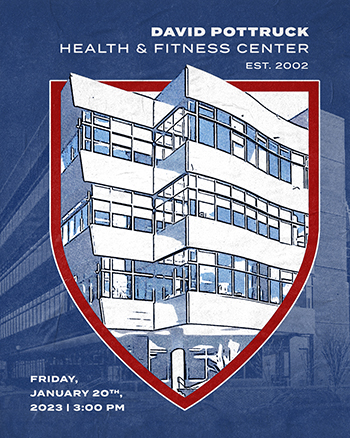
Pottruck Fitness Center 20th Anniversary Open House: January 20

Pottruck Fitness Center 20th Anniversary graphic

All Penn faculty, staff, students, and health system employees are invited to celebrate 20 years of the David Pottruck Health & Fitness Center at its open house on Friday, January 20, 2023, from 3-5 p.m.

The event will feature free t-shirts for the first 500 attendees. Guests can also enjoy a live DJ, a scavenger hunt to win prizes, free use of the golf simulator, and facility tours. A free spin class will take place at 3:15 p.m. Additional prizes will be raffled off throughout the event.

Birthday cake and other light refreshments will be served. Information about spring semester programming from the Division of Recreation and Intercollegiate Athletics, as well as information about its social and physical wellness outlets for the Penn community will be available.

First Annual CHOP/Penn Science Slam Competition

Children’s Hospital of Philadelphia and University of Pennsylvania have joined to host the first annual CHOP/Penn Science Slam Competition.  

All researchers, including faculty, researchers-in-training, students, and research staff, are invited to compete for monetary prizes and institutional recognition.

The Science Slam Competition will follow guidelines established by Three Minute Thesis (3MT). 3MT develops the ability of researchers to communicate the significance and outcomes of their projects in a short space of time and was designed to give researchers an important career advantage. 

This competition is open to all in the CHOP and Penn community, with monetary prizes awarded to competition winners in the following categories: 

  • Research Faculty Award (including instructors and comparable faculty-level titles)—$400 prize
  • Predoctoral Graduate Student/Postdoctoral Fellow Award (including physician fellows and other non-faculty doctoral-level researchers-in-training)—$400 prize
  • Research Staff Award (all other CHOP and Penn researchers, including undergraduate students)—$400 prize
  • Audience Choice Award (for best in-person presentation at the Awards Ceremony)—$400 prize

Competitors will submit a recording of their Science Slam presentation in late January for evaluation by program judges. Participants and winners will be celebrated at the Awards Ceremony and 100th Anniversary Celebration Lunch on March 7, 2023. 

Register as a Science Slam Competitor by January 13, 2023. Learn more and register to compete.

Update: January AT PENN

Exhibits

Penn Museum

Info and to register: https://www.penn.museum/calendar/.

13        Global Guide Tour: Asia Galleries; 2:30 p.m. Also January 14, 2:30 p.m.

14        Rome Gallery Tour; 11 a.m. Also January 15, 11 a.m.

15        Global Guide Tour: Middle East Galleries; 2:30 p.m.


Fitness & Learning

11        Virtual Information Session: Post-Master’s DNP and Executive Leadership DNP Programs; join Penn Nursing faculty and admissions staff members for an overview of its post-master’s DNP and executive leadership DNP programs; 6 p.m.; online webinar; register: https://tinyurl.com/dnp-info-jan-11 (Nursing).

12        2023 Penn Summer Opportunities and Funding Resources Fair; learn about research and other internship opportunities for summer 2023, as well as sources of funding for unpaid or underpaid internships at this opportunities fair co-sponsored by CURF and Career Services; 3-4:30 p.m.; Bodek Lounge, Houston Hall (Center for Undergraduate Research & Fellowships).


Graduate School of Education

Online events. Info: https://www.gse.upenn.edu/news/events-calendar.

13        IEDP UNESCO Fellowship Information Session; 10:45 a.m.


Special Events

15        Philadelphia Wings Lacrosse Meet and Greet; join the Philadelphia Wings lacrosse team as they honor their Indigenous heritage with a visit to the Penn Museum to talk through the origins of lacrosse and its connections to the Indigenous team sport of stickball; noon; Penn Museum; tickets: https://www.penn.museum/calendar/1463/philadelphia-wings-lacrosse (Penn Museum).


Talks

10        Remodeling Chromatin in Cancer; Emily Bernstein, Icahn School of Medicine at Mt. Sinai; noon; Caplan Auditorium, Wistar Institute (Wistar Institute).

            Synthetic Applications of Metalloradical Catalysis; Bas de Bruin, University of Amsterdam; noon; Carol Lynch Lecture Hall, Chemistry Complex (Chemistry).

11        Regulation of Immunity and Inflammation at Barrier Surfaces; David Artis, Cornell University; noon; Austrian Auditorium, CRB, and BlueJeans webinar; join: https://primetime.bluejeans.com/a2m/live-event/xqbzwhrb (Microbiology).

12        Role of Water in the Mechanics of Cells and Tissues; Sean Sun, Johns Hopkins University; 10 a.m.; Glandt Forum, Singh Center for Nanotechnology (Mechanical Engineering & Applied Mechanics).

            Healing Choruses and Therapeutic Landscapes of Roman Greece; Hanna Golab, Columbia University; 4:45 p.m.; room 402, Cohen Hall (Classical Studies).

            Fels Public Policy in Practice Speaker Series; William Bradley, Allen & Company, LLC; 6 p.m.; Zoom webinar; register: https://www.fels.upenn.edu/events/ppp-speaker-series-bill-bradley (Fels Institute of Government).

13        New Tristichopterids (Sarcopterygii, Tetrapodomorpha) from the Late Devonian Catskill Formation of Pennsylvania, U.S.A.: Implications for the Phylogeny of the Group; Jason Downs, Drexel University; 3 p.m.; room 358, Hayden Hall (Earth & Environmental Science).

17        Multifunctional Soft Materials for Electronics, Robots, and Adhesives; Michael Bartlett, Virginia Tech; 10 a.m.; Wu & Chen Auditorium, Levine Hall (Mechanical Engineering & Applied Mechanics).

            Understanding Energy Conversion at Heterogeneous Interfaces From Many-Body Perturbation Theory; Zhenfei Liu, Wayne State University; noon; Carol Lynch Lecture Hall, Chemistry Complex (Chemistry).


Medical Ethics & Health Policy

Unless noted, Zoom webinars. Info: https://medicalethicshealthpolicy.med.upenn.edu/events.

10        Prenatal Genetic Testing, Abortion, and Disability Rights; Amber Knight, University of North Carolina at Charlotte; noon.

11        Ethical Issues in Psychedelics Research; Dominic Sisti, psychiatry; noon; room B102AB, Richards Building.

17        Policy Supports for Formal and Family Caregivers; Katherine Miller, medical ethics & health policy; noon.


This is an update to the January AT PENN calendar. To submit events for an upcoming AT PENN calendar or weekly update, send the salient details to almanac@upenn.edu.

Crimes

Weekly Crime Reports

University of Pennsylvania Police Department Crime Report

Below are the Crimes Against Persons, Crimes Against Society and Crimes Against Property from the campus report for December 26, 2022-January 1, 2023. View prior weeks’ reports. —Ed.

This summary is prepared by the Division of Public Safety and includes all criminal incidents reported and made known to the University Police Department for the dates of December 26, 2022-January 1, 2023. The University Police actively patrol from Market St to Baltimore and from the Schuylkill River to 43rd St in conjunction with the Philadelphia Police. In this effort to provide you with a thorough and accurate report on public safety concerns, we hope that your increased awareness will lessen the opportunity for crime. For any concerns or suggestions regarding this report, please call the Division of Public Safety at (215) 898-4482.

12/26/22

4:02 PM

100 S 40th St

Offender, in automobile, threatened complainant with a handgun

12/27/22

12:48 AM

3400 Spruce St

Cellphone stolen from patient by known offender

12/28/22

7:08 AM

3400 Spruce St

Offender struck complainant in the face

12/28/22

7:08 AM

3400 Spruce St

FTA warrants by offender/Arrest

12/29/22

4:58 PM

3408 Sansom St

Unsecured wallet taken from top of bar

12/29/22

6:04 PM

201 S 34th St

Cable secured scooter taken


18th District

Below are the Crimes Against Persons from the 18th District: 3 incidents (2 assaults, and 1 aggravated assault) with 1 arrest were reported for December 26, 2022-January 1, 2023 by the 18th District, covering the Schuylkill River to 49th St & Market St to Woodland Avenue.

12/26/22

4:41 PM

100 S 40th St

Aggravated Assault

12/28/22

7:49 AM

3400 Spruce St

Assault/Arrest

12/31/22

12:23 AM

202 S 43rd St

Assault

Bulletins

Call for Information on Penn Summer Camps and Programs

Almanac publishes a supplement early each year featuring the camps and programs taking place at Penn over the summer. Offerings listed are camps for children, teens, and young adults for an array of activities from academic enrichment—including anthropology, business, law, veterinary medicine, and music—to numerous recreation and sports camps. To submit information about a camp, email almanac@upenn.edu with the following information:

  • Name of camp
  • Dates held (if multiple sessions, indicate dates for each)
  • Age range for participants
  • Short summary of the program
  • Cost (note any scholarships, financial aid, or discounts)
  • URL for enrollment/application forms
  • Deadline to apply/enroll (if applicable)
  • An email, link, and/or phone number to obtain more information.

If possible, please submit information by Monday, January 23, 2024. If additional time is needed to gather submission details, please email almanac@upenn.edu.

Back to Top