
News

Wendell Pritchett to Serve as Interim President
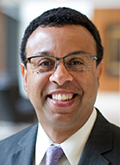
caption: Wendell PritchettScott Bok, Chair of the University of Pennsylvania Board of Trustees, announced on Friday, February 4 that former Provost Wendell Pritchett has been selected to serve as Interim President of the University of Pennsylvania, effective at such time as Amy Gutmann may be confirmed and resign to serve as Ambassador to Germany. President Gutmann, who had previously announced that she would conclude her presidency this year, would step down from her position if confirmed and prior to being sworn in as Ambassador. Dr. Pritchett would serve in the role through June 30, 2022. On July 1, 2022, M. Elizabeth “Liz” Magill will begin her tenure as the ninth President of Penn, subject to a vote by the full Board of Trustees at their March meeting.

“Pending Amy’s confirmation, we are very fortunate to have someone with Wendell’s experience and stature to be able to step in and lead Penn through the transition to the start of Liz Magill’s presidency,” said Mr. Bok. “Wendell did an exceptional job as Provost. He knows the issues, he knows the people, and he has a deep understanding of Penn’s values and priorities. All of us who care about Penn are pleased and grateful that Wendell Pritchett has agreed to fill this important role for our University.”

Dr. Pritchett served as Penn Provost from July 1, 2017 through December 31, 2021. He took a leave from his post during the fall semester to attend to a medical issue, and following a successful recovery, he returned January 1 as Senior Advisor to the President. He plans to return to his faculty position in the Carey Law School in July.

“I’m very pleased to help during this important transition at Penn,” said Dr. Pritchett. “I care passionately about this institution—its faculty, staff and students. As we continue to work our way through the pandemic, there are many challenges ahead of us this semester, but we have an extraordinary team in place and I have every confidence that the months ahead will see the University continue to shine with new research discoveries, extraordinary patient care, continued excellence in the classroom, and a caring commitment to our community.”

Dr. Pritchett earned a BA in political science from Brown University in 1986 and received his JD from Yale Law School in 1991. In 1997, he earned a PhD in history from Penn.

After completing his doctorate, he joined the faculty at Baruch College-City University of New York, where he taught courses in post-bellum American history, American legal history, nonprofit law, and the history of immigration to the United States. He joined the Carey Law School faculty in 2002 as an assistant professor of law, was promoted to full professor in 2006, and served as associate dean for academic affairs in 2006-2007.

Dr. Pritchett served as vice chair (2008-2010) and chair (2010-2011) of the Redevelopment Authority of Philadelphia and served as Mayor Nutter’s appointee to the School Reform Commission from 2011 to 2014. He chaired the board of Community Legal Services of Philadelphia from 2005 to 2008 and was co-chair of the World Class Great Philadelphia Initiative of the Economy League of Greater Philadelphia.

After serving as Chancellor of Rutgers-Camden, which he led from 2009-2014, Dr. Pritchett rejoined Penn in 2014 and is currently the James S. Riepe Presidential Professor of Law and Education.

University of Pennsylvania and Henry C. Lea School to Formalize Partnership

Expanding on the University of Pennsylvania’s more than 50-year connection to and increasingly strong partnership with the Henry C. Lea School, Penn and its Graduate School of Education (GSE) plan to enter into an agreement with the School District of Philadelphia and the Philadelphia Federation of Teachers that will help support the West Philadelphia K-8 school’s key initiatives over the next five years.

“The Lea School community is excited about the opportunity this collaboration will afford our students, staff, and families,” said Lea School Principal Aaron Gerwer, who came to the school in 2020. “The strengthening of our partnership with Penn opens up a world of new possibilities, and I look forward to working directly with the community to reimagine Lea in a way that benefits us all.”

Principal Gerwer has begun holding community meetings to describe his goals for the school and to gather feedback on the initiatives that will benefit from the dedicated funding. At Penn, the new partnership with Lea will be led by GSE Dean Pam Grossman. The financial support will be a mix of funding and in-kind resources, valued at $816,500 annually for the term of the agreement. This builds on investments from Penn’s Office of the President and GSE of more than $300,000 annually in recent years, which has supported professional development for teachers, support for families, and resources for students. School District of Philadelphia Superintendent William R. Hite, Jr. was authorized to negotiate a memorandum of agreement by the Philadelphia School Board at its January 27, 2022 meeting.

“Now is a great time to make major advances in our partnership with the Lea School so students and teachers have the resources they need to come back stronger than ever on the heels of the disruption caused by the pandemic,” said Penn President Amy Gutmann. “This agreement is a historic milestone in the longstanding collaboration between Penn, our Graduate School of Education, and Lea. This collaboration with the School District and the PFT adds another important component to Penn’s expansive commitment to Philadelphia’s schools. I am confident that, guided by Principal Gerwer, with the support and leadership of Dr. Hite, Mr. Jordan, and Dean Grossman, the milestone of this extra commitment will have a pathbreaking and positive impact on countless Lea students, teachers, and families for years to come.”

Penn has had a long-standing relationship with the Lea School since the 1960s. Efforts within the past decade have boosted general student and teacher support, after-school and summer programs, free dental care, music education opportunities, counseling services, and much more. The engagement has been multifold. In addition to Lea benefiting from its institutional partnership with Penn through additional human and capital resources, it contributes significantly to the vision and mission of Penn as a site of learning, apprenticeship, and collaborations each school year.

“We are inspired by the work being done at the Lea School, which for generations has been vibrant and diverse—from the many languages spoken in its classrooms and hallways, to its skilled and dedicated faculty, to its strong commitment to its students with special needs,” said Dean Grossman. “We have taken a responsive stance in our partnership over the last few years, with a focus on pulling together resources and opportunities based on requests from the principal, faculty, and families. It was important to me that we formalize our relationship in order to create deeper and more flexible support for Principal Gerwer’s ambitious vision as he continues to improve student performance. We are so very appreciative of our partnership with the School District of Philadelphia and the Philadelphia Federation of Teachers, who have come together to build on this success.”

One of President Gutmann’s strategic goals when she became Penn’s leader nearly 18 years ago was to significantly increase Penn’s impact locally, nationally, and globally. Her efforts to connect Penn’s mission to public education problem-solving resulted in the $100 million gift announced in 2020 to the School District of Philadelphia—the largest private contribution to the district in its history (Almanac November 24, 2020)—to be used to remediate environmental hazards in public school buildings.

“We are grateful for the University of Pennsylvania’s support of the Henry C. Lea School with more than $4 million committed over the next five years,” said Dr. Hite. “With this new partnership, Penn and the Lea School, in collaboration with the district and the Philadelphia Federation of Teachers, will be able to create more innovative and flexible learning opportunities for students by working to enhance instruction and school culture, while also meeting the needs of students with staffing and other supports. When organizations are committed to working together for our young people, our students have more opportunities to thrive.”

Dean Grossman’s vision has also included growing partnerships between Penn and the Philadelphia schools since becoming GSE dean in 2015. Shortly after her arrival, she established the Office of School and Community Engagement (OSCE), which has a particular focus on West Philadelphia neighborhoods and schools. OSCE has most recently developed cross-school initiatives like the Responsive Math Teaching program to help improve elementary level math instruction, and (with the Netter Center for Community Partnerships) the Bridging Gaps and Building Capacity program, which helped ready students returning to in-person school this past fall after extended at-home learning due to COVID-19.

“The resources that Penn is poised to invest in the Lea community will ensure that the students who attend the school, a majority of whom are Black and brown and experiencing poverty, will have access to myriad resources that will help them thrive,” said Philadelphia Federation of Teachers President Jerry T. Jordan. “As we continue our broad, holistic fight for equity to ensure that every child has the resources they need and deserve, this investment will be impactful for thousands of students.”

Teledentistry and Educational Videos Expand Penn Dental Services to Persons with Disabilities

Penn Dental Medicine is continuing to build upon its services to persons with disabilities through the development of two new resources—a teledentistry assessment portal and a series of education videos, being made possible in great part through recent gifts from CareQuest Institute for Oral Health and the Eagles Autism Foundation, respectively.

“We are tremendously grateful to the CareQuest Institute and the Eagles Autism Foundation for their support,” said Miriam Robbins, director of Penn Dental Medicine’s Care Center for Persons with Disabilities. “The service we are able to provide to our patients will truly be enhanced through these new resources.”

The teledentistry assessment portal, piloted this fall through a $67,600 grant from CareQuest, is helping to maximize access to the school’s personalized care suite within its Care Center for Persons with Disabilities. The care suite, which became fully operational in early 2021, is specially designed and staffed to treat individuals with wide-ranging disabilities.

“The teledentistry program will help our patients and their families navigate access to appropriate oral care,” said Dr. Robbins. “The difficulty for many is obtaining care advice and pre-visit consultation. We see utilizing teledentistry to provide counseling on oral health maintenance, ameliorate non-urgent dental problems, and triage true emergencies.”

The primary application of the teledentistry program since its launch is as a pre-visit platform to facilitate gathering essential medical and behavioral information ahead of a patient’s first in-person visit so that the first appointment can focus on beginning the evaluation of necessary services. The center’s patient navigator collects pre-visit demographic information to help patients make appointments and to ensure that any identified special needs of the patient can be accommodated. A nurse practitioner on staff at the center and DMD students conduct a pre-visit teledentistry call to collect necessary medical information, including identifying the need to obtain information from other health care professionals.

The goal is to establish a baseline of teledentistry services over the next three years with metrics captured to evaluate patient satisfaction and value. “We want to provide an enhanced patient experience both pre- and post-appointment with follow-up calls and instructions as needed,” said Dr. Robbins. “Utilizing teledentistry can add this extra level of support for patients, their families, and caregivers.”

Another part of this patient/caregiver support are plans to develop educational tools that can be easily accessed by patients, their families, caregivers, and other health care professionals through the Penn Dental Medicine web site.  A new series of orientation videos supported by a $20,000 grant from the Eagles Autism Foundation will be a key resource in this area.

Targeted to both the patient and caregiver, these videos will provide an introduction to the care suite facility and what is involved in a visit to the dentist, helping patients prepare for their visit. The care suite has two specialized treatment rooms specially designed with low lighting and soundproofing to serve patients with light and noise sensitivities.

“We recognize that going to the dentist can be anxiety-producing for anyone,” says Dr. Robbins. “Add to that the challenges with communication for an autistic person and the anxiety can skyrocket. Using videos to acquaint patients to the dental environment and what it means to go to the dentist ahead of a visit can be tremendously beneficial.”

The educational videos will be used in conjunction with teledentistry visits before and after in-person appointments and will be available to the general public as well.

Individuals interested in making an appointment at Penn Dental Medicine’s Care Center for Persons with Disabilities should call (215) 898-8180, or visit www.dental.upenn.edu/PersonalizedCareSuite.

Thomas B. and Jeannette E. Laws McCabe Fund Fellow and Pilot Fund Applications for FY2023: Due May 11

The McCabe Fund Advisory Committee is calling for applications from junior faculty in the Perelman School of Medicine (PSOM) and the School of Veterinary Medicine for the annual Thomas B. and Jeannette E. Laws McCabe Fund Fellow and Pilot awards.

The McCabe awards were established in 1969 by a generous gift from Thomas B. and Jeannette E. Laws McCabe to the Perelman School of Medicine. The purpose of this gift is to support junior faculty who initiate fresh and innovative biomedical, clinical, and surgical research projects.

Tenure track faculty are not eligible. Applications from clinical track physicians are encouraged and will receive special consideration. Eligible faculty are those who have received either limited or no external research funding while in their first through third years on the faculty at the PSOM or the School of Veterinary Medicine at Penn.

Junior faculty in these schools should contact their department chair for information and application forms. The guidelines and instructions to determine eligibility are also available on the PSOM website: https://www.med.upenn.edu/evdresearch/mccabe-fund.html.

The deadline for submission is Wednesday, May 11, 2022. The McCabe Fund Advisory Committee will select the winners at its annual meeting in June.

Last year there were four winners of fellow awards of $50,000 each: Michael Ibrahim, surgery; Michele M. Kim, radiation oncology; Hannah H. Lee, orthopaedic surgery; and Karthik M. Sundaram, radiology.

There were eighteen Pilot Award winners who received $24,375 each: Daniel Ackerman, radiology; Jonathan B. Edelson, pediatrics; Ari Friedman, emergency medicine; Rebecca Hamm, obstetrics & gynecology; Stefan Harmsen, radiology; Margaret Lowenstein, medicine; Nadim Mahmoud, medicine; Constantine D. Mavroudis, surgery; David M. Merrick, medicine; Olivia Nelson, anesthesiology & critical care; Hamideh Parhiz, medicine; Ima Paydar, radiation oncology; Erica N. Pettke, surgery; Benjamin Scholl, neuroscience; Jacob E. Shabason, radiation oncology; Jenny M. Shao, surgery; Kelly L. Sloane, neurology; and Emily A. Vail, anesthesiology & critical care.

Deaths

Richard Dunn, History

Richard Dunn, History

caption: Richard DunnRichard Slator Dunn, the Roy F. and Jeannette P. Nichols Professor Emeritus in the department of history in the School of Arts and Sciences, passed away recently. He was 93.

Dr. Dunn completed his BA in 1950 at Harvard College, then went on to receive an MA from Princeton University in 1952, and a PhD in history from Princeton University in 1955. In 1957, he joined Penn’s faculty as an assistant professor of history. Six years later, he was promoted to associate professor, and in 1968, he became a full professor. 

In 1961, Dr. Dunn received a grant from the American Council of Learned Societies to study revolutions in the U.K. and U.S., work that was published the following year as Puritans and Yankees. Five years later, he received a Guggenheim fellowship and also assumed acting directorship of Penn’s General Honors program. Also in 1966, he penned a piece in Almanac (April 1966) opining that Penn’s general honors program was too generic: “The general honors philosophy is that students who enter the program must take it in toto, and cannot skip courses in uncongenial fields.” In accord with these thoughts, in the late 1960s, he served on a committee to decide on the direction of the School of Arts and Sciences. He also served on several other governance committees at Penn, including a 1972 University Commission and a 1976 Task Force on Black Presence. 

In 1972, Dr. Dunn was named the chair of Penn’s history department (a position he held for five years). Also in 1972, Dr. Dunn published a monograph, Sugar and Slaves, that contained groundbreaking revelations about colonial Jamaica (and was the subject of a 50th anniversary retrospective in 2021). The next year, he co-led (with faculty from Bryn Mawr College) an archaeological expedition in York, England. He was tapped to lead a prominent project again in 1979, when he spearheaded the publication of Pennsylvania founder William Penn’s papers, held by Penn, on the tercentenary of the state’s founding (Almanac May 8, 1979). During the 1980s, the papers came out in four volumes, edited by Dr. Dunn and his wife, Mary Maples Dunn. 

Dr. Dunn’s defining contribution to Penn crystallized in 1977, when he launched the new Philadelphia Center for Early American Studies using a grant from the Andrew W. Mellon Foundation (Almanac October 25, 1977) and from the National Endowment for the Humanities (Almanac December 18, 1973). The center was renamed the McNeil Center for Early American Studies in 1998. As Emma Hart, today’s Richard S. Dunn Director of the center, stated, “the McNeil Center would not exist without Richard. He created the community of early Americanists at Penn that became the Philadelphia Center for Early American Studies. He then secured donations from Robert L. McNeil, Jr., and the Barra Foundation that endowed the vast expansion of the center’s fellowship programs, the establishment of its publication program, and, of course, funding for the directorship bearing his name that I am now honored to occupy. He and his spouse Mary Maples Dunn also repeatedly made extremely generous financial contributions to the center during the past two decades.” 

Dr. Dunn chaired the McNeil Center from 1977 to 1980, then became the chair of the center’s Advisory Council. In 1984, he was named the first Roy F. and Jeannette P. Nichols Professor of American History (Almanac September 4, 1984). During the academic year 1987-1988, he was elected to the Harold Vyvyan Harmsworth Professorship of American History at Oxford University, but he remained active at Penn; in 1994, he chaired a community to select a new deputy provost. Dr. Dunn retired from Penn and took emeritus status in 1996, but his retirement did not prevent him from continuing to contribute to the field of early American history; in 2000, he was elected to the American Academy of Arts and Sciences. Two years later, he was named an executive officer of the American Philosophical Society. 

A Richard S. Dunn directorship of the McNeil Center and a Richard S. Dunn Teaching Award in the department of history have been established in Dr. Dunn’s honor. Dr. Dunn is survived by his two children, Rebecca (Andrea Kurtz) and Ceci (Lee Campbell); and three grandchildren. 

Nicholas Gonedes, Accounting

caption: Nicholas GonedesNicholas J. Gonedes, W’67, a former professor of accounting in the Wharton School, passed away on January 21 after a battle with cancer. He was 75. 

Dr. Gonedes was raised in the Flatbush Avenue neighborhood of Brooklyn, New York. His interest in accounting began when one of his high school teachers recognized his talent and enlisted him to balance the records for the school’s audio/visual club. He earned an SB in economics from the Wharton School in 1967, then a PhD from the University of Texas at Austin two years later, where he wrote his dissertation on Accounting for Common Stockholders: A Decision Making and Motivational Approach. After graduating, he joined the faculty of the University of Chicago Graduate School of Business as an assistant professor of accounting. Over the next decade, he rose through the ranks at Chicago, becoming an associate professor in 1974 and a full professor two years later.

In July 1979, Dr. Gonedes joined Wharton’s faculty as a professor of accounting and finance. At Wharton, he was instrumental in the early growth of economics- and statistics-based research in accounting. His research earned several awards over the years, including the Pennsylvania Society of Public Accountants Award. During the 1970s and 1980s, he published widely on the topics of mathematical models in accounting, external accounting and capital market equilibrium, corporation finance, portfolio theory, and model comparison and selection. Dr. Gonedes served on the board of the American Accounting Association during the 1970s and on the editorial board of the Journal of Accounting Research. According to his colleague Brian Bushee, a Wharton accounting professor, Dr. Gonedes transformed accounting research “from a normative, arm-chair reasoning field into a rigorous economics-based discipline.” 

Dr. Gonedes was most renowned for his teaching. “We were tremendously fortunate that Nick chose Wharton as the place to call home for so many decades,” said Wharton School Dean Erika James. “His dedication to his students was unmatched. He wanted each and every one of them to succeed.” 

“Nothing, not even his illness, stopped him from giving everything he had to the classroom and the research seminar room,” said Deputy Dean Nancy Rothbard. His family remarked in an online tribute that Dr. Gonedes’ passion was evident in his determination to remain in the classroom years after he discovered that his medical condition was terminal, and in his push to continue teaching in-person during the COVID pandemic so that his students could have a lively classroom experience. 

Outside the classroom, Dr. Gonedes was an avid music fan and musician. His band Rail 3 (named after the electrified third rail of New York City’s subway lines), which featured him on guitar and a rotating cast of friends and students playing other instruments, was a popular draw among the West Philadelphia community. At Penn, Dr. Gonedes founded the popular Up On Stage open mic night. He also enjoyed shooting, squash, and cooking traditional dishes of his native Greece. “When he was interested in learning more about something, he delved in,” said his family in a statement. “He found great joy in discovering how a clock or record player that was created 100 years ago worked and enjoyed restoring well-crafted pieces to their original beauty. He had so much optimism, courage, and strength, and it was a privilege to be part of his world.”

Dr. Gonedes is survived by his brother, Thomas; nieces, Tara (Nikos) and Georgia; nephew, Andrew (Jaime); and five grand-nieces and nephews.

--
To Report A Death

Almanac appreciates being informed of the deaths of current and former faculty and staff members, students and other members of the University community. Call (215) 898-5274 or email almanac@upenn.edu.

Governance

From The Faculty Senate Office: Faculty Senate Executive Committee Agenda

The following agenda is published in accordance with the Faculty Senate Rules. Any member of the standing faculty may attend SEC meetings and observe by contacting Patrick Walsh, executive assistant to the Senate, either by telephone at (215) 898-6943 or by email at senate@pobox.upenn.edu.

Faculty Senate Executive Committee Agenda

Wednesday, February 16, 2022

3–5 p.m. EST

1.  Finalize the Minutes of January 26, 2022

2.  Tri-Chairs’ Report

3.  Update from the Office of the Provost
     Discussion with Interim Provost Beth Winkelstein

4. (4 p.m. EST) The Limits of Free Speech, Conduct, and Academic Freedom in a System of Faculty Tenure, Diversity, and Inclusion:  A Proposed Framework
     Presentation by and Discussion with Anita L. Allen, Henry R. Silverman Professor of Law and Professor of Philosophy
     Open to All Standing Faculty.
     Registration Link: https://upenn.zoom.us/meeting/register/tJwvd-2sqjwsGNY3_DkCRSAXai23FBYSSnwW

5.  New Business

University Council February Meeting Coverage

At the University Council meeting on Wednesday, February 2, Chief Wellness Officer Benoit Dubé and his colleagues gave the second focus issue presentation of the year on the topic of wellness.

Dr. Dubé said wellness at Penn used to consist of three siloed offices—Student Health Service, Counseling and Psychological Services (CAPS), and Campus Health—but they have now joined together under the Wellness at Penn umbrella. Its mission is to infuse wellness across its eight domains throughout the Penn experience through inclusive, innovative, and impactful initiatives.

The new pillars of wellness are: Student Health and Counseling and Public Health and Well-Being.

Student Health and Counseling focuses on caring for students during their academic journey. This means meeting students where they are, when needed, and continuously adjusting to feedback, Dr. Dubé said.

Batsirai Bvunzawabaya, director of integrated care initiatives, said students need options to receive care. The Let’s Talk drop-in service grew from five locations in 2019 to ten locations this semester. Students can talk about stress and anxiety they are feeling, bounce around ideas, and work through their emotions.

The other pillar, Public Health and Well-Being, extends to faculty, staff, and postdocs, Dr. Dubé said.

Rebecca Huxta, associate director of Campus Health, discussed the well-being educational programs. There were 99 events in the fall of 2021, with 3,915 attendees. The most popular event was the I CARE program—an interactive training for students and staff. There was also a flu clinic that resulted in 13,803 people getting vaccinated.

President Amy Gutmann expressed thanks to the wellness team on behalf of all students, faculty, and staff. There was not this level of expert care and service many years ago, she said.

“I can’t say this too often, and very rarely can I say with certainty—it’s been life-saving,” said President Gutmann.

At the beginning of the meeting, Lizann Boyle Rode, associate vice president in the Office of the University Secretary, addressed the eight open forum topics brought up at the December council meeting. In the new business portion, topics were brought up by two speakers—one about the CCTV policy concerning destroying footage and student participation in a sexual assault committee; the other requesting a timeline be released related to the University procedure governing sanctions taken against Amy Wax, the Robert Mundheim Professor of Law in the Carey Law School.

The next meeting of the University Council will be an Open Forum on Wednesday, February 23 at Bodek Lounge, Houston Hall (Almanac January 25, 2022).

Trustees Meeting Coverage

During a virtual executive committee meeting of the Trustees on Friday, February 4, 2022, two resolutions were approved.

The first resolution extended Beth Winkelstein’s term as Interim Provost. The second resolution was to appoint Wendell Pritchett as Interim President of the University of Pennsylvania upon the resignation of President Amy Gutmann, through June 30, 2022. M. Elizabeth Magill, whose election is pending a vote of the full Board of Trustees on March 4, is expected to assume the role of President on July 1, 2022. Trustees Chair Scott Bok and others in attendance expressed their appreciation for Dr. Pritchett’s willingness to serve.

Honors

Ten Penn Faculty: AAAS Fellows

Ten scholars representing five schools across the University of Pennsylvania have been named to the 2021 class of American Association for the Advancement of Science Fellows. They are among 564 scientists, engineers, and innovators recognized by the organization for their “scientifically and socially distinguished achievements.”

The American Association for the Advancement of Science (AAAS) is the world’s largest scientific society and publisher of the Science family of journals. AAAS Fellows are nominated and elected by current AAAS members in a tradition that stretches back to 1874.

Penn’s new AAAS Fellows are:

caption: Sara CherrySara Cherry is a professor of pathology and laboratory medicine in the Perelman School of Medicine. She is being recognized for her contributions to the field of virology and the development of novel technologies used to identify new pathways in and treatment of virus-induced diseases.
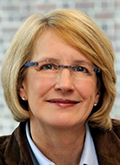
Recently, Dr. Cherry has expanded her studies to include the screening of thousands of compounds to combat SARS-CoV-2. Her lab has discovered many new potential treatments to prevent or reduce symptoms of the virus.

caption: Susan DavidsonSusan Davidson is the Weiss Professor in the School of Engineering and Applied Science’s department of computer and information science. She is the co-director of the school’s data science program and the founder of Advancing Women in Engineering.

Dr. Davidson’s research interests include data management for data science, database and web-based systems, provenance, crowdsourcing, and data citation.

She recently received the 2021 Ruth and Joel Spira Award for Excellence in Teaching.

caption: Douglas DurianDouglas Durian is the Mary Amanda Wood Professor of Physics in the department of physics and astronomy in the School of Arts & Sciences. Specializing in soft matter physics, his research interests center on elucidating the microscopic origin of behavior in dense packings of particles ranging from colloids and bubbles to grains and pebbles.

Besides physics, Dr. Durian’s work impacts disciplines such as mechanics engineering, materials science, and geology. Dr. Durian serves on several editorial boards and is co-founder and associated director for Penn’s new Center for Soft and Living Matter.

caption: K. Hall JamiesonKathleen Hall Jamieson is the Elizabeth Ware Packard Professor at the Annenberg School for Communication and director of the Annenberg Public Policy Center, where she co-founded FactCheck.org. Her research examines the science of science communication as well as strategies to combat misinformation. Dr. Jamieson was honored in 2020 with the National Academy of Sciences’ Public Welfare Medal.
She is a member of the American Philosophical Society and the National Academy of Sciences and a distinguished scholar of the National Communication Association. She is a fellow of the American Academy of Arts and Sciences, the American Academy of Political and Social Science, and the International Communication Association and is a past chair of Penn’s Faculty Senate.

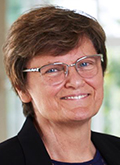
caption: Katalin KarikóKatalin Karikó, an adjunct professor of neurosurgery at the Perelman School of Medicine and a senior vice president at BioNTech, is being honored for her prescient foundational and pioneering mRNA-vaccine research conducted with Drew Weissman, the Roberts Family Professor in Vaccine Research.
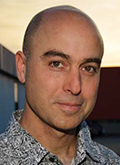
Their technology was used by Pfizer/BioNTech and Moderna for their creation of COVID-19 mRNA vaccines, and the vaccine platform Dr. Karikó helped establish creates gigantic potential for vaccines, infectious-diseases prevention, and immunotherapy. Dr. Karikó is the recipient of numerous awards, including the Lasker-Debakey Clinical Medical Research Award.

caption: I. Joseph KrollI. Joseph Kroll is a professor in the department of physics and astronomy in the School of Arts & Sciences. His research is in the field of particle physics at colliding-beam experiments. He is currently a member of the ATLAS experiment at the CERN Large Hadron Collider in Geneva.

There, his group has played a leading role in the search and discovery of the Higgs boson and in searches for as-yet-undiscovered particles that may explain unanswered questions in the current standard model of particle physics. Dr. Kroll is the co-recipient of the 2013 and 2019 European Physical Society (EPS) High Energy and Particle Physics prizes.

caption: Mingyao LiMingyao Li is a professor of biostatistics in the Perelman School of Medicine. Dr. Li is being recognized for her distinguished contributions to statistical genetics and genomics methodology, particularly using single cell genomics to study genetics of cardiovascular disease and age-related macular degeneration.

She is chair of Penn’s Biostatistics Graduate Program and director of biostatistics for the Gene Therapy Program. Dr. Li also serves as an associate editor of Annals of Applied Statistics, Statistics in Biosciences, PLOS Genetics, and PLOS Computational Biology.

caption: Hongjun SongHongjun Song is the Perelman Professor of Neuroscience, co-director of the IRM Neurodevelopment & Regeneration program, and director of the Epigenetics Institute neuroepigenetics interest group at the Perelman School of Medicine.

His research focuses on neurodevelopment, neural plasticity, and brain disorders. He also studies how epigenetic and epitranscriptomic mechanisms impact neurodevelopment and brain plasticity. His insights are paving the way to new and better treatments for mental illness and neurological disease.

caption: Duncan WattsDuncan Watts is a computational social scientist interested in social and organizational networks, collective dynamics of human systems, web-based experiments, and analysis of large-scale digital data, including the production, consumption, and absorption of news.

He is the Stevens University Professor and the 23rd Penn Integrates Knowledge University Professor.

In addition to his appointment at the Annenberg School for Communication, he holds faculty appointments in the School of Engineering and Applied Science and the Wharton School.

caption: E. John Wherry IIIE. John Wherry III, director of the Penn Institute for Immunology and chair of the department of systems pharmacology and translational therapeutics in the Perelman School of Medicine, is an international leader in the study of T cell exhaustion, which prevents optimal control of infections and can hamper anti-tumor immune responses. Most recently, his efforts have also focused on dissecting the immunology of COVID-19 and SARS-CoV-2 vaccination. Dr. Wherry has received numerous distinctions for his contributions to infectious disease and cancer immunology research. His work has advanced scientific understanding of the immune system and has led to strategies to improve the effectiveness of T cell targeting immunotherapies.

Joseph Francisco: 2022 Willard Gibbs Award

caption: Joseph FranciscoJoseph S. Francisco, the President’s Distinguished Professor of Earth and Environmental Sciences and Chemistry in the School of Arts & Sciences, has received the 2022 Willard Gibbs Award from the Chicago Section of the American Chemical Society (ACS).

The Gibbs Award was founded in 1910 by William A. Converse, a former chair and secretary of the Chicago Section of ACS. Named for Josiah Willard Gibbs of Yale University, the award recognizes “eminent chemists who, through years of application and devotion, have brought to the world developments that enable everyone to live more comfortably and to understand this world better.”

Dr. Francisco’s work focuses on atmospheric chemistry, bringing new tools from experimental physical and theoretical chemistry to enhance our understanding of chemistry in the atmosphere at the molecular level.

Zachary Ives: 2021 ACM Fellow

caption: Zachary IvesZachary Ives, the Adani President’s Distinguished Professor and chair of the department of computer and information science, has been named a 2021 fellow of the Association for Computing Machinery (ACM).
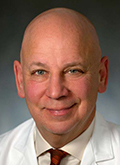
Dr. Ives was honored for his “contributions to data integration, sharing, and management for scientific applications.”

The ACM Fellows program recognizes the top 1% of ACM members for their outstanding accomplishments in computing and information technology or outstanding service to ACM and the larger computing community. Fellows are nominated by their peers, with nominations reviewed by a distinguished selection committee.

Dr. Ives’s research interests include data integration and sharing, managing “big data,” sensor networks, and data provenance and authoritativeness. He is also a recipient of a National Science Foundation CAREER Award and the Christian R. and Mary F. Lindback Foundation Award for Distinguished Teaching.

Dr. Ives is one of 71 ACM members to be  newly named fellows for wide-ranging and fundamental contributions in areas including algorithms, computer science education, cryptography, data security and privacy, medical informatics, and mobile and networked systems.

L. Scott Levin: AAOS Kappa Delta Award

caption: L. Scott LevinL. Scott Levin, the Paul B. Magnuson Professor and chair of orthopaedic surgery and a professor of surgery at the Perelman School of Medicine at the University of Pennsylvania, is the winner of the 2022 Kappa Delta Elizabeth Winston Lanier Award for establishing and evolving those fields’ approach to the care of serious extremity injuries. Administered by the American Academy of Orthopaedic Surgeons (AAOS), it is one of the most prestigious awards in the field of orthopaedic surgery, recognizing those who have made significant advances in research that have the potential to significantly improve patient care.

Dr. Levin summarized his work in a paper that outlines how microsurgery (in which operating microscopes and precision instruments are used for delicate operations) and orthoplastic surgery (the melding of concepts from both plastic and orthopaedic surgery) evolved over the years and took the field of extremity repair forward. In the paper, Dr. Levin described the “microsurgery ladder” that he first wrote about in 1993, which created a guide for microsurgical techniques for any orthopaedic condition. Additionally, Dr. Levin described the origins and evolution of orthoplastic surgery, starting with his inspiration from combat care of wounded warriors to current-day allotransplantation—such as the bilateral hand transplants he has performed with the multidisciplinary Penn Hand Transplant team—and the development of free tissue transplantation and vascularized (meaning the inclusion of functioning blood vessels) bone grafting. Dr. Levin wrote that work in vascularized elbow transplantation is proving promising for eventual use in young patients who have suffered trauma to that part of their arm. 

Kappa Delta Awards have been awarded since 1947, and several current Penn Medicine faculty members have been winners. As this year’s honoree, Dr. Levin will be awarded $20,000 and celebrated at the AAOS’ annual meeting in Chicago in late March.

Michael Mitchell: 2022 SFB Young Investigator Award

caption: Michael MitchellMichael Mitchell, Skirkanich Assistant Professor of Innovation in the department of bioengineering in Penn Engineering, has been awarded the 2022 Society for Biomaterials (SFB) Young Investigator Award for his “outstanding achievements in the field of biomaterials research.”

The Society for Biomaterials is a multidisciplinary society of academic, healthcare, governmental and business professionals dedicated to promoting advancements in all aspects of biomaterial science, education and professional standards to enhance human health and quality of life.

Dr. Mitchell, whose research lies at the interface of biomaterials science, drug delivery, and cellular and molecular bioengineering to fundamentally understand and therapeutically target biological barriers, is specifically being recognized for his development of the first nanoparticle RNAi therapy to treat multiple myeloma, an incurable hematologic cancer that colonizes in bone marrow.

“Before this, no one in the drug delivery field has developed an effective gene delivery system to target bone marrow,” said United States National Medal of Science recipient Robert S. Langer in Dr. Mitchell’s award citation. “Mike is a standout young investigator and leader that intimately understands the importance of research and collaboration at the interface of nanotechnology and medicine.”

Academic recipients of the SFB Young Investigator Award should not exceed the rank of assistant professor and must not be tenured at the time of nomination. The award includes a $1,000 endowment.

Dorothy Roberts and Sarah Tishkoff: NASEM Committee

caption: Dorothy Robertscaption: Sarah TishkoffDorothy Roberts, the George A. Weiss University Professor of Law and Sociology, and Sarah Tishkoff, the David and Lyn Silfen University Professor of Genetics and Biology, have been selected by the National Academies of Sciences, Engineering, and Medicine (NASEM) to serve on the Committee on Use of Race, Ethnicity, and Ancestry as Population Descriptors in Genomics Research. The committee will conduct a study to review and assess existing methodologies, benefits, and challenges in the use of race and ethnicity and other population descriptors in genomics research and is expected to issue a report that will describe best practices.

NASEM works to provide independent, objective advice to inform policy with evidence, spark progress and innovation, and confront challenging issues for the benefit of society.

Features

Penn Medicine: Decade-Long Remission for Two Patients After CAR T Cell Therapy

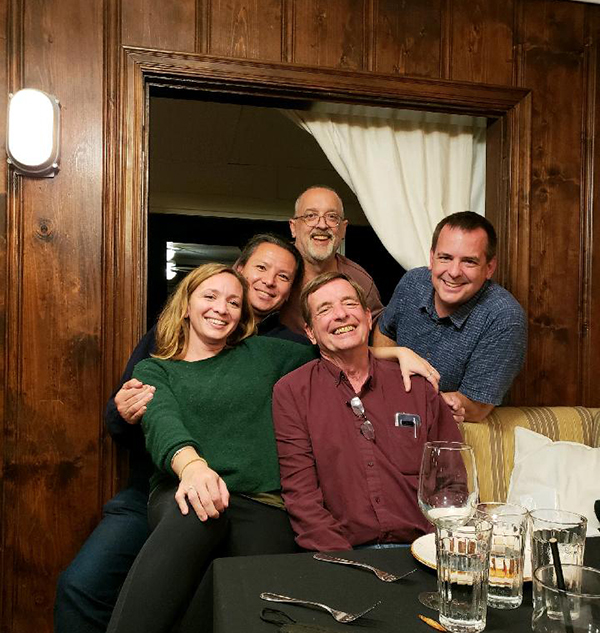
caption: Bill Ludwig, left, was the first patient to receive CAR T cells as part of clinical trials at Abramson Cancer Center. Carl June, right, has played a pioneering role in the therapeutic use of CAR T cells. Photo courtesy of Penn Medicine.In the summer of 2010, Bill Ludwig and Doug Olson were battling an insidious blood cancer called chronic lymphocytic leukemia (CLL). They’d both received numerous treatments, and as remaining options were becoming scarce, they volunteered to become the first participants in a clinical trial of an experimental therapy underway at the Abramson Cancer Center and the Perelman School of Medicine at the University of Pennsylvania. The treatment would eradicate their end-stage leukemia, generate headlines across the globe, and usher in a new era of highly personalized medicine. Called Chimeric Antigen Receptor (CAR) T cells, these genetically modified tumor-targeting cells are a living drug made for each patient out of their own cells.

Now, an analysis of these two patients published in Nature from the Penn researchers and colleagues at Children’s Hospital of Philadelphia explains the longest persistence of CAR T cell therapy recorded to date against CLL, and shows that the CAR T cells remained detectable at least a decade after infusion, with sustained remission in both patients.

“This long-term remission is remarkable, and witnessing patients living cancer-free is a testament to the tremendous potency of this ‘living drug’ that works effectively against cancer cells,” said primary author J. Joseph Melenhorst, a research professor of pathology and laboratory medicine at Penn. “Witnessing our patients respond well to this innovative cellular therapy makes all of our efforts so worthwhile, being able to give them more time to live and to spend it with loved ones.”

CLL, the first cancer in which CAR T cells were studied and used at Penn, is the most common type of leukemia in adults. While treatment of the disease has improved, it remains incurable with standard approaches. Eventually, patients can become resistant to most therapies, and many still die of their disease.  

Mr. Olson was diagnosed with CLL in 1996 and Mr. Ludwig in 2000. By 2010, their cancers had mutated and no longer responded to standard therapy. But as CAR T cell patient pioneers, both achieved complete remission that year. Mr. Olson, a former scientist, has taken up distance running and completed six half marathons. He also fundraises for the Leukemia and Lymphoma Society and helps newly diagnosed patients. After his treatment, Mr. Ludwig, a retired corrections officer, traveled the country with his wife in a motor home and celebrated milestone events with his family, from holidays to the arrival of new grandchildren. In early 2021, he died due to COVID-19 complications.

While durable remissions have been demonstrated in relapsed, refractory B cell malignancies with CD19-specific CAR T cells, before now, little has been known about the long-term potential and stability of the infused cells. In their latest analysis, the researchers observed an evolution of the CAR T cells over time, with a highly activated CD4+ cell population emerging and becoming dominant in both patients. The data suggest two distinct phases of CAR T-cell therapy responses in these patients, with the initial phase dominated by killer T cells, and long-term remission controlled by CD4+ T cells. In the ensuing years, these CD4+ cells continued to demonstrate tumor-cell-killing characteristics and ongoing proliferation, which is a hallmark of CAR T cells’ efficacy against cancer: its intense ability to survive and thrive inside the body. The CD4 protein is encoded by the CD4 gene. CD4+ T helper cells are white blood cells that are a vital part of the immune system. In one patient, CD4+ cells made up 97.5% of CAR T cells at year 1.4 and then more than 99.6% from year 3.4 to the latest time point (9.3 years) after infusion. In the second patient, CD4+ cells made up 97.6% of CAR T cells 7.2 years after infusion. This surprising finding of CD4+ cell dominance led researchers to rethink the possibility that CD4+ T cells may be primarily responsible for distinguishing T-helper from T-cytotoxic cells.

“CAR T cell therapy has been extremely effective for specific leukemias and lymphomas, and we look forward to continuing our efforts in these cancers, while also looking at their impact on solid tumors with research in this area to see more development in the coming years,” said David L. Porter, the Jodi Fisher Horowitz Professor in Leukemia Care Excellence and director of cell therapy and transplantation at Penn. “We often say that we learn something from every patient we treat with these therapies, and Bill and Doug, in particular, have given us so many clues that keep us focused on the next generation of personalized therapies.”

“Penn has begun testing next-generation T cells in more blood cancers, including lymphomas, and against the challenging solid tumor cancers,” said senior author Carl H. June, the Richard W. Vague Professor in Immunotherapy in the department of pathology and laboratory medicine at Penn and director of the Center for Cellular Immunotherapies and the Parker Institute for Cancer Immunotherapy at the University of Pennsylvania.  “A considerable amount of deep learning goes into studies that will fine tune the way cancer patients are treated with CAR T cells, and we look forward to the next phase of research and enhancements, including how best to use this approach to target other cancers and diseases.”

Penn scientists led research, development, and clinical trials of this pioneering CAR T therapy in collaboration with Novartis and Children’s Hospital of Philadelphia. In 2017, the experimental therapy Mr. Ludwig and Mr. Olson received, now known as Kymriah®, became the first CAR T cell approved by the U.S. Food and Drug Administration, for the treatment of pediatric and young adult patients with acute lymphoblastic leukemia. The therapy was also approved for certain types of lymphoma in 2018.

Adapted from a Penn Today article by Caren Begun, February 2, 2022.

caption: Doug Olson and his family celebrate his 75th birthday after more than a decade in remission from leukemia following CAR T cell therapy. Photo courtesy of Penn Medicine.

Events

The Letters: Marian & Orpheus: A Love Story

caption: Marian Anderson and Orpheus “King” Fisher. Photograph courtesy of Penn Museum.

A performance of The Letters: Marian & Orpheus: A Love Story will take place at the Penn Museum on Sunday, February 13 from 4-5:30 p.m.

As the first Black woman to perform with the New York Metropolitan Opera in 1955, groundbreaking contralto Marian Anderson became an iconic figure in the struggle for civil rights. Documenting her 70-year courtship with her husband, noted African-American architect Orpheus “King” Fisher, The Letters is a dramatic reading of their enchanting love letters. The National Marian Anderson Museum & Historical Society co-hosts this performance telling one of the great romantic stories of all time.

The Letters features award-winning stage and screen actor Brian Anthony Wilson reading as Orpheus “King” Fisher and soprano Jillian Patricia Pirtle reading as Marian Anderson. Classical love arias (solo vocal performances) will accompany this reading experience. Attendees will also be treated to music from the Marian Anderson Historical Society Scholars Program.

The ticket price includes same-day museum admission from 10 a.m.-5 p.m. to enjoy collections from around the world, as well as The Stories We Wear, a new exhibition that shines a spotlight on a stunning merlot velvet gown worn by Marian Anderson throughout her career. On loan from the National Marian Anderson Museum & Historical Society, the gown is one of 250 remarkable objects showcasing 2,500 years of style—making archaeology and anthropology more accessible through fashion.

After the performance in the historic Harrison Auditorium, benefactors and guests with reception tickets will enjoy a private wine and dessert reception with the artists in the Sphinx Gallery.

To buy tickets, visit https://tinyurl.com/penn-museum-the-letters

Update: February AT PENN

Conferences

9      Women in Data Science (WiDS) Philadelphia @ Penn; emphasizes the diversity of data science, both in subject matter and personnel, and welcomes academic, student, and industry speakers from across the data science landscape; noon-3 p.m.; online event; register: https://whr.tn/wids2022 (Wharton, Penn Engineering). Also February 10, noon-3 p.m.


Exhibits

15    Mark Stockton: 100 People; examines who and how we venerate and connect, using a group of 100 hand drawn portraits, photo-referent, made with graphite on paper, and intended to be received as a single work in form and experience; Feintuch Family Lobby, Annenberg Center. Through May 15


Fitness & Learning

    Wellness and the Good Life; will consider the relational nature of wellness, challenging a narrowly individualistic view of wellbeing and seeking to understand how individual flourishing and communal flourishing are related; 5:45 p.m.; room M20, Harrison College House; register: https://www.collegiuminstitute.org/calendar/wellness-and-the-good-life (Paideia Program). Also February 16, 23.

10     Alumni Panel: Navigating Life Through and Beyond Annenberg; a forum for Annenberg School for Communication graduate students and post-docs to learn tips to navigate the program and beyond; noon; online event; register: https://tinyurl.com/annenberg-alumni-feb-10 (Annenberg School).

11     Andean-Amazonian Reading Group; discussion of two films about Indigenous communities from the Andean-Amazonian region; 6 p.m.; Zoom meeting; info: mervic@sas.upenn.edu or jpcvw@sas.upenn.edu (Hispanic & Portuguese Studies).  

14     Douglass Day: Celebrating 19th-Century Black Achievement; help celebrate Black achievement and transcribe the activities of Black women in the Colored Conventions Project; noon-3 p.m.; Class of 1978 Pavilion, Van Pelt Library, and Zoom meeting; info: https://www.library.upenn.edu/about/exhibits-events/douglass-day (Penn Libraries). 

         Valentine’s Skate; 6-7 p.m.; Penn Ice Rink. 


Center for Undergraduate Research & Fellowships (CURF)
Zoom webinars. Info: https://www.curf.upenn.edu/curf-events.

11     How It Started vs. How It’s Going; 2 p.m. 


Music

10     No Ocean Between Us: PennYo Performance; performance by America’s first collegiate Chinese a cappella group; 5:30 p.m.; Arthur Ross Gallery and Zoom livestream; join: https://tinyurl.com/pennyo-feb-10 (Arthur Ross Gallery). 


Readings & Signings

10     Wayward Distractions: Ornament, Emotion, Zombies, and the Study of Buddhism in Thailand; book launch featuring author Justin McDaniel, religious studies; 3:30 p.m.; Zoom webinar; info: doschaef@upenn.edu (Religious Studies). 


Talks

8          Lozenge Tilings and the Gaussian Free Field on a Cylinder; Marianna Russkikh, MIT; 3:30 p.m.; room 4C8, DRL (Mathematics).

            Registration for Wearable Device Data with Application to Circadian Rhythm Chronotype Discovery; Julia Wrobel, Colorado School of Public Health; 3:30 p.m.; Zoom webinar; join: https://tinyurl.com/wrobel-talk-feb-8 (Center for Clinical Epidemiology & Biostatistics).

            Russia's Disinformation Campaign Against the U.S.; Konstantin Natanovich Borovoi, Western Choice Party; 4 p.m.; Zoom webinar; register: https://tinyurl.com/borovoi-talk-feb-8 (Russian & East European Studies).

            Spatially Heterogeneous Formations Due to Biases in Movement; Patrick Murphy, Rice University; 4 p.m.; Zoom webinar; join: https://tinyurl.com/murphy-talk-feb-8 (Biology).

9          Community Collaboration for Co-Creation, Designing Technology for Social Justice & Health; panel of speakers; noon; BlueJeans webinar; register: https://primetime.bluejeans.com/a2m/register/uwssygzj (Nursing).

            Freedom of Information Act in Higher Education; Jessica Huseman, journalist; Nate Jones, The Washington Post; 12:30 p.m.; Zoom webinar; join: upenn.zoom.us/my/ascmediarisk (Center for Media at Risk).

            The Synergy of Biophysics and Active Materials; Arnold Mathijssen, physics; 3:30 p.m.; room A8, DRL, and Zoom webinar; join: https://tinyurl.com/mathijssen-talk-feb-9 (Physics & Astronomy).

            Fireside Chat and Q&A; Kimberly Sherman Stamler, Related Beal; 6 p.m.; online webinar; register: https://tinyurl.com/stamler-talk-feb-9 (Penn Student Women in Real Estate).

10        Action at the Nanoscale:  Single-Molecule Studies of Protein Motion; Gabriela Schlau-Cohen, MIT; 1 p.m.; Zoom webinar; join: https://upenn.zoom.us/j/91526139467 (Chemistry).

            ARDS Pathogenesis Through the Prism of Host-Pathogen Interactions; Janet So-Jong Lee, University of Pittsburgh; 4 p.m.; Zoom webinar; join: https://tinyurl.com/lee-talk-feb-10 (Penn-CHOP Lung Biology Institute).

11        African American Girlishness in Black Women's Photography 1970-2003; Destiny Crockett, English; Older Adults on the Dating Market: The Role of Family and Caregiving Responsibilities; Lauren Harris, sociology; noon; online webinar; register: https://tinyurl.com/crockett-harris-feb-11 (Gender, Sexuality & Women’s Studies).

            Masters in Miniature: Future Horizons for Italian Manuscript Studies; Bryan Keene, Riverside City College; 1 p.m.; location TBA; register: https://libcal.library.upenn.edu/calendar/kislak/MastersInMiniature (Italian Studies).

14        Radical Honesty as Black Feminist Praxis: Teaching and Organizing within the Movement for Black Lives; Bianca Williams, CUNY; noon; online webinar; info: https://anthropology.sas.upenn.edu/events (Anthropology).

15        The Role of Social Work in Advancing Black Equity; Douglass Brooks, Gilead; David Satcher, Satcher Health Leadership Institute; Tamara Cadet, SP2; noon; Zoom webinar; join: https://upenn.zoom.us/j/96626562844 (SP2).

            Engineering for Everyone: Centering Diversity, Equity, and Inclusion; Gilda A. Barabino, Olin College of Engineering; 3:30 p.m.; Wu and Chen Auditorium, Levine Hall (Penn Engineering Joseph Bordogna Forum).

            From the Back of the Church: Irreverent Religion in African American History; Vaughn Booker, Dartmouth; 3:30 p.m.; Zoom webinar; register: https://tinyurl.com/booker-talk-feb-15 (Africana Studies).


Computer and Information Science (CIS)
Wu and Chen Auditorium, Levine Hall, and Zoom webinars. Info: https://www.cis.upenn.edu/events/.

9          Learning with Feedback from Strategic Stakeholders Algorithms and Systems; Kirthevasan Kandasamy, University of California, Berkeley; 3:30 p.m.

10        Improving the Privacy, Scalability, and Ecological Impact of Blockchains; Benedikt Bunz, Stanford; 3:30 p.m.

15        Foundations of Cryptographic Proof Systems; Alex Lombardi, MIT; 3:30 p.m.


Penn Dental
Unless noted, online events. Info: https://www.dental.upenn.edu/news-events/events/.

8          Additive and Stress Reducing Restorative Dentistry in the Anterior and Posterior Area; Simone Deliperi, Academy of Biomimetic Dentistry; 6 p.m.

10        EIF2AK3: A Multifaceted Target for Adjunctive Therapy in HIV-Associated Neurocognitive Disorders; Cagla Akay-Espinoza, basic & translational sciences; noon.


Economics
Online events. Info: https://economics.sas.upenn.edu/events.

14        Monitoring Team Members: Information Waste and the Self-Promotion Trap; Matteo Camboni, Northwestern University; noon.


Population Studies Center (PSC)
Unless noted, in-person events at room 150, McNeil Building. Info: https://www.pop.upenn.edu/.

14        Where Racial and Ethnic Disparities in Policing Come From: The Spatial Concentration of Arrests Across Six Cities; John MacDonald, criminology; noon.


Sociology
Unless noted, in-person events at room 367, McNeil Building. Info: https://sociology.sas.upenn.edu/events.

10        Investments Without Returns? What Asian American Parents Want From a Good Education for Their Children; Ziyao Tian, Princeton; 9:30 a.m.


---
AT PENN Information

For more events, visit the online version of this update. The February AT PENN calendar is online now. To submit an event for a future calendar or weekly update, email the details to almanac@upenn.edu.

Crimes

Weekly Crime Reports

University of Pennsylvania Police Department Crime Report

Below are the Crimes Against Persons, Crimes Against Society and Crimes Against Property from the campus report for January 24-30, 2022. View prior weeks’ reports. —Ed.

This summary is prepared by the Division of Public Safety and includes all criminal incidents reported and made known to the University Police Department for the dates of January 24-30, 2022. The University Police actively patrol from Market St to Baltimore and from the Schuylkill River to 43rd St in conjunction with the Philadelphia Police. In this effort to provide you with a thorough and accurate report on public safety concerns, we hope that your increased awareness will lessen the opportunity for crime. For any concerns or suggestions regarding this report, please call the Division of Public Safety at (215) 898-4482.

01/25/22

5:23 PM

3808 Sansom St

Tires slashed and flattened

01/25/22

7:37 PM

3600 Chestnut St

Pickpocket of wallet from jacket

01/26/22

1:10 AM

200 St. Marks Sq

Car stolen by force/handgun

01/26/22

7:40 AM

3101 Ludlow St

Drexel building entered unlawfully; tools and equipment stolen

01/27/22

7:35 AM

4201 Walnut St

Vehicle taken

01/27/22

9:59 AM

4205 Pine St

Two unsecured packages taken from porch

01/27/22

11:37 AM

51 N 39th St

Boxes of implants taken

01/27/22

6:21 PM

4055 Sansom St

Unsecured package taken

01/28/22

2:59 AM

236 S 34th St

Complainant threatened by coworker

01/28/22

4:45 AM

4200 Pine St

Offender attempted to take complainant’s vehicle

01/28/22

5:36 AM

4200 Pine St

Vehicle taken

01/28/22

5:57 AM

4100 Locust St

Offender attempted to take vehicle

01/28/22

11:34 AM

2930 Chestnut St

Fraudulent computer transaction by unknown offender

01/29/22

11:45 AM

4000 Chestnut St

Warrant from other jurisdiction/Arrest

01/29/22

1:20 PM

3925 Walnut St

Merchandise removed without payment/Arrest

01/30/22

11:43 AM

1 Convention Ave

Unsecured contents of wallet stolen

01/30/22

12:49 PM

3701 Walnut St

Unsecured contents of wallet stolen

01/30/22

3:56 PM

3441A Chestnut St

Merchandise removed without payment


18th District

Below are the Crimes Against Persons from the 18th District: 5 incidents (3 robberies and 2 assaults) were reported for January 24-30, 2022 by the 18th District, covering the Schuylkill River to 49th St & Market St to Woodland Avenue.

01/26/22

1:26 AM

200 St. Marks Sq

Robbery

01/28/22

4:47 AM

4200 Pine St

Robbery

01/28/22

6:38 AM

4100 Locust St

Assault

01/28/22

6:42 AM

S. 42nd & Pine Sts

Robbery

01/29/22

2:38 PM

217 S. Melville St

Assault

Bulletins

Nominations Sought for 2022 Penn Supplier Diversity Impact Award

The call for nominations is now open for the 2022 Penn Supplier Diversity Impact Award. This award recognizes the outstanding contributions of Penn individuals or teams that are driving intentional impact in the area of supplier diversity and economic inclusion at Penn. It is intended to honor faculty and staff who are championing supplier diversity and inclusion across campus, as well as celebrating projects that are fueling economic impact locally with diversity-owned businesses. 

Visit the Supplier Diversity Impact Award page to review the nomination guidelines and information about the submittal process. Nominations will remain open until Friday, April 1, 2022. Award recipients will be honored at Penn’s annual supplier diversity and inclusion event. Questions may be directed to DiversitySupplier@upenn.edu.

Back to Top