Vijay Kumar Reappointed Dean of Penn’s School of Engineering and Applied Science
 Vijay Kumar has been reappointed the Nemirovsky Family Dean of the School of Engineering and Applied Science at the University of Pennsylvania. His term will run through June 30, 2027.
The announcement was made on May 25 by President Amy Gutmann and Provost Wendell Pritchett.
Under Dean Kumar’s leadership during the previous six years, the school’s strategic plan, Penn Engineering 2020, has catalyzed growth across all of the school’s dimensions, especially in engineering health, computer and information science, and energy science and technology. Dean Kumar and the Penn Engineering community continue to focus their collective efforts on critical areas of school-wide importance, including diversity, equity, and inclusion; collaborative and translational research; and pedagogic innovation in online learning and investment in educational technologies.
“Penn Engineering has achieved truly remarkable growth under Dean Kumar,” said President Gutmann. She cited growth in its preeminent faculty, adding 44 new tenure-track faculty from 2015 to 2020; modernization and growth in its physical campus, highlighted by the soon-to-come Data Science Building; growth in student selectivity and diversity; growth in cross-school, interdisciplinary partnerships, with prominent examples including the Penn Center for Health, Devices and Technology (Penn Health-Tech); energy science and technology initiatives; growth in innovative new degree programs, most notably the first-of-its-kind online Master of Computer and Information Technology (MCIT); and student entrepreneurship programming.
“Under Dean Kumar’s exemplary leadership, the school’s response to the pandemic was nothing short of heroic,” President Gutmann said. “Students banded together to manufacture and mass produce critical, life-saving PPE; researchers developed diagnostics, treatments, and therapeutics in partnership with Penn Medicine and other health science schools; and faculty members reconfigured hundreds of longstanding courses for a virtual format.”
Provost Pritchett said, “We believe that Dean Kumar is exceptionally well-positioned to lead Penn Engineering through an exciting period of growth and as it continues its ascent to international preeminence.”
Dean Kumar’s reappointment was recommended by a Review Committee chaired by Erika James, dean of the Wharton School. The committee conducted informational interviews and conversations with various members of the faculty, staff, student body, and alumni community and held open meetings for faculty, staff, and students within the school. The committee also examined a comprehensive selection of data and documents concerning the school, including detailed budget, enrollment, and employment data.
At its stated meeting on June 11, Penn’s Board of Trustees passed a resolution to reappoint Dean Kumar.
Boris Striepen: Mark Whittier and Lila Griswold Allam Professor of Microbiology and Immunology
 Boris Striepen, professor of pathobiology at the University of Pennsylvania’s School of Veterinary Medicine (Penn Vet), an internationally recognized parasitologist, has been named the Mark Whittier and Lila Griswold Allam Professor of Microbiology and Immunology.
Dr. Striepen has an extraordinary record of scholarly accomplishments. His research program focuses on Cryptosporidium parvum, which causes cryptosporidiosis, a zoonotic disease causing diarrhea in millions of children and adults each year, especially in low-resource countries with poor-quality drinking water. Dr. Striepen seeks to understand the biology of Cryptosporidium and its interaction with the host immune system by using innovative strategies for genetic manipulation of both. He is currently PI on three NIH grants and co-PI on one, and received funding through the Bill and Melinda Gates Foundation from 2015 to 2020.
“Dr. Striepen’s scientific work has resulted in over 140 peer reviewed publications in high-impact journals that include Nature, Cell Host and Microbe, Nature Microbiology, and PNAS,” said James “Sparky” Lok, interim chair of the department of pathobiology and professor of parasitology. “His outstanding achievements have garnered him numerous awards, including the 2017 William Trager Award from the American Society of Tropical Medicine and Hygiene, and have made him highly sought after by editorial boards for top journals such as Eukaryotic Cell and PloS Pathogens, and as a reviewer for Science and other top-flight journals.”
Following a postdoctoral fellowship with David Roos at the department of biology in the School of Arts and Sciences at the University of Pennsylvania, Dr. Striepen’s early career advanced at the University of Georgia from assistant professor to associate professor to professor and then to endowed distinguished research professor in the departments of cellular biology, microbiology and biochemistry, and molecular biology. He also served as a prominent faculty member at the University of Georgia’s Center for Tropical and Emerging Global Diseases. Dr. Striepen joined Penn Vet’s department of pathobiology in 2017 as a professor of pathobiology.
The awarding of a named, endowed professorship is the highest honor bestowed upon a faculty member at the University of Pennsylvania and reflects excellence in scholarly achievement. The Mark Whittier and Lila Griswold Allam Professorship was established in 1980 by Elizabeth R. Moran in honor of Mark Allam, who was Penn Vet’s eighth dean and co-founder of the American College of Veterinary Surgeons.
Alanna Shanahan: Director of Athletics and Recreation
 The University of Pennsylvania has announced the appointment of Alanna Shanahan, C’96, as the T. Gibbs Kane, Jr., W’69, Director of Athletics and Recreation, starting July 19, 2021.
“We set out to bring to Penn a trailblazing leader in intercollegiate athletics and that is exactly what we have with Alanna Shanahan,” said Penn President Amy Gutmann. “Alanna has the vision, experience, expertise, and energy to ensure that Penn Athletics continues its commitment to excellence both on and off the playing field. For nearly two decades, Alanna proudly donned the Red and Blue as a student athlete, coach, and administrator. Today, we are thrilled to welcome her back home to Penn.”
Dr. Shanahan is currently Vice Provost for Student Affairs at Johns Hopkins University. She served there from 2016 to 2019 as director of Athletics and Recreation. At Penn, she was deputy director of Athletics and senior women’s administrator from 2013 to 2016 and executive director of the Penn Relays from 2011 to 2016, capping an almost-twenty-year career at Penn that she began as assistant (and then interim head) women’s lacrosse coach. She played women’s lacrosse as an undergraduate anthropology major in the Class of 1996 and went on to earn an EdD and MS in higher education administration from Penn’s Graduate School of Education, all while working as an assistant, associate, and senior associate athletic director.
“Alanna Shanahan is the ideal leader to chart the future of Penn Athletics and Recreation,” said Provost Wendell Pritchett. “She has been a dynamic member of our community for more than half her life—across a brilliant career that brought her from Captain and MVP of the women’s lacrosse team to deputy director of Athletics and executive director of the Penn Relays. She has a deep understanding of the role of athletics and recreation in our shared life on campus, which will be invaluable as we emerge from the pandemic together in the years ahead.”
“It’s an honor to return to Penn, a University and athletics department with a storied history which continues to excel today,” Dr. Shanahan said. “Penn provides student-athletes with an unrivaled experience—an outstanding education coupled with the opportunity to achieve competitive excellence. As a former Penn student-athlete, coach and administrator, there is no place I’d rather be. The opportunity to lead a program that had such a profound impact on my life is a dream come true.”
As deputy director of Athletics, Dr. Shanahan managed all aspects of Penn’s highly successful 33-sport intercollegiate athletics program—with direct oversight of the football, basketball, and lacrosse programs—including recruiting, budgeting, Title IX compliance, academic services, and alumni relations. As director of Athletics and Recreation at Johns Hopkins from 2016 to 2019, she oversaw the University’s 24-sport athletic program, leading it to the most successful years in the school’s history, with 37 conference titles and three consecutive top ten finishes in the Learfield IMG College Directors’ Cup standings, including a second-place finish in the 2018-2019 academic year.
At Johns Hopkins, Dr. Shanahan has made a priority of advancing the academic and personal development of student-athletes, creating the first full-time directorship of Student-Athlete Success and launching a leadership development program for student-athletes. As Vice Provost for Student Affairs at Johns Hopkins since August 2019, she has continued to focus on student well-being, developing a new Hopkins Student Center, expanding the O’Connor Center for Recreation and Well-Being, leading the University’s efforts to reimagine the student experience during the pandemic, and managing all aspects of academic, residential, and extracurricular university life for more than 8,000 graduate and undergraduate students.
“President Gutmann, EVP Carnaroli, and I are deeply grateful to the Advisory Committee who helped us arrive at this outstanding result, as well as to all the members of the Penn community who offered their ideas and to Rudy Fuller for his exceptional service as interim director,” said Provost Pritchett. “We look forward to working together under the exciting leadership of Alanna Shanahan in the years ahead.”
William Adelman: Executive Director of Student Health and Counseling
 William Adelman has been named the new Executive Director of Student Health and Counseling, effective July 1. This position was created to support the further integration of Penn’s clinical services.
Dr. Adelman has more than two decades of experience in adolescent medicine.He joins Penn from his most recent role as division director of Adolescent Medicine at Children’s Mercy Hospital in Kansas City, Missouri. Dr. Adelman previously served as chief of Adolescent and Young Adult Medicine and chief of Pediatric Primary Care Services at Walter Reed National Military Medical Center, deputy commander of clinical services at Kirk U.S. Army Medical Health Clinic, and as the adolescent medicine consultant to the U.S. Army Surgeon General. In addition to many other prominent leadership positions, Dr. Adelman is an accomplished academician and a professor in the department of pediatrics at the University of Missouri Kansas City School of Medicine.
Dr. Adelman has published on varied subjects, including quality adolescent health care, adolescent risk behavior, tobacco use and cessation, and marijuana. He has served on numerous national committees, including the Society for Adolescent Health and Medicine subcommittee on Alcohol and other Drugs (chair), the Department of Defense/Veterans Administration committee on tobacco use cessation, and the American Academy of Pediatrics Committee on Adolescence. Dr. Adelman is a retired United States Army Colonel.
“We are thrilled to be welcoming Dr. Adelman to our Wellness team at Penn,” said Benoit Dubé, Associate Provost and Chief Wellness Officer at Penn. “His unique and extensive experience in adolescent medicine will be a tremendous addition to our already expansive clinical team, further broadening our abilities to provide a full spectrum of comprehensive wellness services to our diverse student body.”
In his role at Penn, Dr. Adelman will assist the current leadership team in advancing its ongoing transformative initiative to integrate physical and behavioral health clinical services to create a new, all-inclusive Student Health and Counseling Services (SHCS). This position will oversee departments that provide comprehensive, world-class physical, mental, and behavioral health services that nurture the resilience and success of the more than 26,000 undergraduate, graduate, and professional students at Penn.
“I am honored to join such a stellar group at Penn and to assist with the holistic approach to health and wellbeing to maximize wellness and achievement for all students in all aspects of life,” said Dr. Adelman. “I have dedicated my professional career to improving the health and wellness of adolescents and young adults from diverse backgrounds and in a range of settings, and I look forward to continuing that passionate pursuit while at Penn. I am also thrilled to return to Philadelphia where I can agonize over the Eagles with friends and relatives and unabashedly root for the Phillies, Flyers, and Sixers!”
2021 Penn Graduate School of Education Faculty Recognition Awards
This year, the Graduate School of Education (GSE) is honoring faculty members for their service to students. This award goes to faculty who have gone above and beyond to assist, support, and/or mentor students during this academic year. Those honorees are:

 Yumi Matsumoto, an assistant professor in the educational linguistics division, is an expert on English as a lingua franca—a shared language used among speakers with different linguistic and cultural backgrounds. She is particularly interested in how multilingual speakers use multimodal communication practices—such as gestures, laughter, and actions—to resolve miscommunication. Dr. Matsumoto is also interested in studying how second language teachers develop professionally through the lens of sociocultural theory.
Rand Quinn, an associate professor in the division of teaching, learning and leadership, is affiliated with the division’s educational leadership program. He is a faculty affiliate with the educational policy division and the education, culture, and society program and is a senior researcher at the Consortium for Policy Research in Education and a faculty affiliate of the Center for the Study of Race and Equity in Education. Dr. Quinn teaches courses on the politics, organization, and leadership of education.

 Sharon M. Ravitch is a professor of practice in the teaching, learning and leadership division. She is the principal investigator of Semillas Digitales, a school-based program in the coffee-producing regions of Nicaragua that aims to give students digital literacy. Dr. Ravitch’s scholarship integrates the fields of education, qualitative research, educational anthropology, human and organizational development, psychology, and business. Dr. Ravitch earned two master’s degrees from Harvard University and received a Fulbright Fellowship. She has published seven books.
Amy Stornaiuolo, an associate professor in the division of literacy, culture and international education, examines adolescents’ multimodal composing practices, teachers’ uses of digital technologies, and shifting relationships between authors and audiences in online, networked spaces. More broadly, her work centers on how to create equitable and accessible learning opportunities for young people by examining how they draw on diverse cultural and linguistic repertoires as they participate in richly literate lives. In prior work, Dr. Stornaiuolo has taught post-secondary composition and reading at the college level and conducted research on reading/writing relationships, the social construction of remediation, and learning transfer across contexts.
 Krystal Strong is an assistant professor in the literacy, culture, and international education division. Dr. Strong’s research and teaching focus on student and community activism, the cultural and political power of youth, new media and popular culture, and the role of education as a site of political struggle, with a geographic focus on Africa and the African Diaspora. As a scholar and active organizer in the city of Philadelphia, her hometown, Dr. Strong brings a commitment to local communities and the lessons of activism to bear on her scholarship and pedagogy.
2021 Penn Dental Medicine Teaching Awards
Penn Dental Medicine faculty members were honored for excellence in teaching by the Class of 2021. Each academic year, the graduating class recognizes members of the faculty who have had a significant impact of their educational experience.
 This year’s awards and recipients included the following:
The Basic Science Award
This award is presented for excellence in teaching within the basic sciences. This year’s recipient is Michael Speirs, a lecturer in the department of basic & translational sciences. Dr. Speirs has been teaching at Penn Dental Medicine since 2006 and a member of the Penn faculty since 1996. Since the most recent redesign of the Penn Dental Medicine curriculum, Dr. Speirs has taught systemic and clinical anatomy across the two-year basic science track and directed both the first-year and second-year cadaveric anatomy lab courses. This was the third time Dr. Speirs has received this award, also having been honored in 2020 and 2015.
The Robert E. DeRevere Award
 This award is presented for excellence in preclinical teaching by a part-time faculty member. The award is named in honor of Robert DeRevere, a member of the Penn Dental Medicine Class of 1945 who served on the school’s faculty.
This year’s recipient is Frank Smithgall, C’79, D’83, a clinical associate professor of restorative dentistry who has been a member of the school’s part-time faculty since 1984. Dr. Smithgall lectures in preclinical courses, and for the past six years, he has been course director of “Partial Removable Dental Prosthesis.” This is the seventh time Dr. Smithgall has been recognized with this award, also receiving it in 1990, 2010, 2011, 2016, 2018, and 2020.
The Joseph L. T. Appleton Award
 This award is presented to a part-time faculty member for excellence in clinical teaching. This year’s recipient is Alan Nathanson, a clinical assistant professor of restorative dentistry. Dr. Nathanson has been part of the school’s clinical faculty since 2012.
The Appleton Award is named in honor of Joseph Appleton, a 1914 alumnus of Penn Dental Medicine, who served as dean of the school from 1941 to 1951. The award was founded in 1979 by Abram Cohen, a member of the Class of 1923 and father of Dean Emeritus D. Walter Cohen, Class of 1950.
The Earle Bank Hoyt Award
This award is presented for excellence in teaching to a faculty member who is a Penn Dental Medicine graduate. The award was established by a grateful patient in honor of Dr. Hoyt, a distinguished clinician and educator and member of the Class of 1918.
 This year’s recipient was Frank Setzer, GD’06, MS’07, D’10. Dr. Setzer is an assistant professor of endodontics and director of the predoctoral endodontics program and the Endodontic Clinic. He teaches endodontic courses/seminars in both the pre- and postdoctoral programs. This is the second year in a row that Dr. Setzer has been recognized with this award.
The Senior Outstanding Teaching Award
This award is presented to a faculty member who has gone beyond the scope of their responsibilities to significantly impact the class’s education at Penn Dental Medicine. This year’s recipient is Artur Kofman, director of laboratory affairs and the Office of Laboratory Affairs supervisor for the clinical labs at the school; this is the fifth year in a row that he is recognized with this award. Mr. Kofman has been sharing his knowledge and expertise in dental lab work with students as a member of the school’s staff for the past 20 years.
 Among his responsibilities, he coordinates students’ lab work at the school with commercial laboratories and vice versa, guides dental students in lab-related technical issues, and provides hands-on assistance as needed for minor adjustments to dental appliances in a chair-side setting. In addition, he operates the newly established 3D printing lab for fabricating 3D models, occlusal guards, and surgical guides.
Of Record: Revised Salary Guidelines for 2021-2022
We announced the salary guidelines for the upcoming academic year in Almanac at the end of March (Almanac March 30, 2021). Since then, we have continued to monitor the economic landscape and the University’s financial outlook. Based on this assessment, we are revising the salary guidelines to further increase the merit pool.
The University’s merit increase program is designed to recognize and reward the valuable contributions of faculty and staff to the University’s commitment to the highest levels of excellence in teaching, research and administration by paying market competitive salaries in a fiscally responsible manner.
Revised Faculty Increase Guidelines
Below are the standards for faculty increases that the Deans are asked to follow. The Deans will give the department chairs their own guidelines at the school level regarding available resources.
- The minimum academic salary for new assistant professors will be $74,050.
- Merit increases for faculty should be based solely on performance as evidenced by scholarship, research, teaching and service to the University and the profession. As in previous years, there will be no cost of living increase for continuing faculty.
- The aggregated merit increase pool for faculty will be 3.0 percent. Some schools and centers may have financial constraints that can only support budget growth of less than 3.0 percent. Salary increase recommendations that are below 1.0 percent for non-meritorious performance, as contrasted with general limits applied to an entire class of faculty, must be made in consultation with the Provost. Likewise, salary increases that exceed 5.0 percent must also be made in consultation with the Provost. Deans may wish to give careful consideration to salary adjustments for faculty who have a strong performance record but whose salaries may have lagged behind the market.
Revised Staff Increase Guidelines
Presented below are the merit increase guidelines for July 1, 2021.
- This year’s aggregate salary increase pool is 3.0 percent for staff. The merit increase range is zero to 5.0 percent.
- Monthly, weekly, and hourly paid staff members are eligible for a merit increase if they are regular full-time, regular part-time or limited service status employees, and were employed by the University on or before February 28, 2021. The following groups are not covered under these guidelines: student workers, interns, residents, occasional and temporary workers, staff on unpaid leave of absence, staff on long term disability, and staff who are covered by collective bargaining agreements.
- The merit increase program is designed to recognize and reward performance. The foundation of this program is the Performance and Staff Development Plan. Salary increases should be based on performance contributions within the parameters of the merit increase budget. The Performance Appraisal System documents each employee’s performance and contributions and establishes performance goals for the new fiscal year. All employees must receive Performance and Staff Development Plans for the next review cycle, whether or not they receive merit increases. Schools and centers were requested to submit performance appraisals by June 1, 2021. The Division of Human Resources’ Staff and Labor Relations team is available to discuss performance management issues.
- Merit increases should average no more than 3.0 percent for staff and may average less if a school or center establishes a lower percentage merit pool based on financial considerations. The aggregated salary increases within a school or center may not exceed 3.0 percent regardless of performance rating distributions. Performance expectations should be raised each year as employees grow in experience and job mastery. Performance ratings and raises should reflect a normal distribution for all employees. Employees with unacceptable performance are not eligible for a merit increase.
- There will be no bonuses, in keeping with the elimination of discretionary bonuses announced in prior years.
The Division of Human Resources Compensation office is available to discuss specific merit increase parameters with schools and centers. Staff and Labor Relations team members are available to discuss performance management issues.
—Amy Gutmann, President
—Wendell Pritchett, Provost
—Craig Carnaroli, Executive Vice President
Recognized Holidays for Fiscal Year 2022
The following holidays will be observed by the University in the upcoming fiscal year (July 1, 2021 through June 30, 2022) on the dates listed below:
- Independence Day, Monday, July 5, 2021 (observed)
- Labor Day, Monday, September 6, 2021
- Thanksgiving, Thursday and Friday, November 25 & 26, 2021
- Christmas Day, Friday, December 24, 2021 (observed)
- New Year’s Day, Friday, December 31, 2021 (observed)
- Martin Luther King, Jr. Day, Monday, January 17, 2022
- Memorial Day, Monday, May 30, 2022
To the University Community:
Each year, the President, Provost and Executive Vice President assess the feasibility of observing Penn’s traditional Special Winter Vacation. Thus, the Special Winter Vacation granted to faculty and staff will be December 27, 28, 29, and 30 2021. If an employee is required to work to continue departmental operations for part or all of this period, the Special Winter Vacation can be rescheduled for some other time.
Staff members who are absent from work either the work day before a holiday, the work day after a holiday, or both days, will receive holiday pay if that absence is charged to pre-approved paid time off or to sick time substantiated by a written note from the staff member’s health care provider.
Vacations and holidays for hospital employees or those staff members in collective bargaining units are governed by the terms of hospital policies or their respective collective bargaining agreements.
—Division of Human Resources
|
|
Fiscal Year 2022
|
Fiscal Year 2023
|
Fiscal Year 2024
|
|
Independence Day
|
Mon., 7/5/21 (observed)
|
Mon., 7/4/22
|
Tues., 7/4/23
|
|
Labor Day
|
Mon., 9/6/21
|
Mon., 9/5/22
|
Mon., 9/4/23
|
|
Thanksgiving
|
Thurs. & Fri.,
11/25 & 11/26/21
|
Thurs. & Fr.,
11/24 & 11/25/22
|
Thurs. & Fr.,
11/23 & 11/24/23
|
|
Christmas Day
|
Fri., 12/24/21
|
Mon., 12/26/22
(observed)
|
Mon., 12/25/23 (observed)
|
|
New Year’s Day
|
Fri., 12/31/21
|
Mon., 1/2/23 (observed)
|
Mon., 1/1/24
|
|
Dr. Martin Luther King, Jr. Day
|
Mon., 1/17/22
|
Mon., 1/16/23
|
Mon., 1/15/24
|
|
Memorial Day
|
Mon., 5/30/22
|
Mon., 5/29/23
|
Mon., 5/27/24
|
NOTE: This has been updated to include the Juneteenth holiday. Visit https://almanac.upenn.edu/volume-68-number3#update-to-the-recognized-holidays-for-fiscal-year-2022 for the latest version.
Michael Kahana and Team: $3.4 Million Grant to Study the Treatment of Memory Loss in Patients with Traumatic Brain Injury
 A team of neuroscientists led by Michael Kahana, the Edmund J. and Louise W. Kahn Term Professor of Psychology and director of the Computational Memory Lab, has launched a $3.4 million project aimed at developing and testing new therapeutics for treating memory loss in patients with traumatic brain injury. The project, sponsored by the U.S. Army Medical Research and Development Command (USAMRDC) and awarded through the Medical Technology Enterprise Consortium, will fund clinical studies of neurosurgical patients at Thomas Jefferson University Hospital, UT Southwestern Medical Center, the University of Texas at San Antonio, Emory University, and Dartmouth University. It will also support basic research on electrophysiological biomarkers of memory at Penn and technology development at Nia Therapeutics, a team of visionary scientists, engineers, and medical device experts dedicated to improving human memory using safe, secure neurotechnology.
The project builds on a recently completed $24.5 million DARPA-funded study. Dr. Kahana, principal investigator of both the completed and present study, explained, “Our prior work demonstrated that stimulating the brain precisely at moments when memory is predicted to fail can boost memory by 18-20 percent. By evaluating the longer-term impacts of closed-loop brain stimulation on both memory and physiology, and also fabricating a prototype of a fully implantable device, this project will bring us closer to a therapy for treating memory loss in patients suffering from traumatic brain injury or neurological disease.” Although the present vision is to develop an implantable technology to treat memory loss, another objective of this effort is to evaluate the potential of decoding memory lapses non-invasively with a net of electrodes placed on the scalp.
Brain stimulation has recently emerged as an effective therapy for Parkinson’s disease, epilepsy, and certain forms of hearing and visual impairments. Researchers are now evaluating the potential use of implanted brain stimulators to treat other indications such as depression and obsessive-compulsive disorders. “Our team’s recent studies demonstrate that closed-loop brain stimulation could provide a life-changing therapy for patients with memory loss,” said Dr. Kahana. “The present USAMRDC project hopes to bring that vision closer to reality.”
Penn Nursing-Led Philly Team: $1.4 Million NIH Grant to Expand COVID-19 Outreach

 José A. Bauermeister and Antonia M. Villarruel are leading one of 10 research teams from across the country that received National Institutes of Health (NIH) grants totaling $14 million to extend the reach of the NIH’s Community Engagement Alliance (CEAL) Against COVID-19 Disparities. The Philly CEAL team was awarded $1.4 million from the NIH, with additional support from Penn Nursing and the University of Pennsylvania, bringing the total funding for the project to $1.53 million. The team includes researchers Penn Medicine, Annenberg School for Communication professors John Jemmott and Andy Tan, and researchers at the Philadelphia Department of Public Health and Philly Counts.
“The toll of the pandemic among racial/ethnic populations in Philadelphia cannot be understated. Alongside the stark morbidity and mortality COVID-19 estimates reported by the city, racial/ethnic minorities in Philadelphia have also been most likely to experience job loss, income reduction, and decreased access to social resources,” said Dr. Bauermeister, the Albert M. Greenfield Professor of Human Relations and chair of the department of family & community health in Penn Nursing. “As a result, we have witnessed deepening health inequities in our communities. The Philadelphia CEAL project is an opportunity to coordinate evidence-based planning efforts to address COVID-19 inequities in Philadelphia.”
CEAL’s mission is to create a multisectoral coalition in Philadelphia focused on identifying opportunities and evaluating ongoing COVID-19 strategies to mitigate disparities across COVID-19 testing, vaccine uptake, and therapeutics. Together, the Philly CEAL team will propose and evaluate strategies that meet the needs of people hardest-hit by the COVID-19 pandemic, including African Americans, Hispanics/Latinos, Asian Americans, and Native Americans/Alaska Natives, with the goal of building long-lasting partnerships and improving diversity and inclusion in Penn’s research response to COVID-19.
“We are excited to be working with the City of Philadelphia Public Health Department, Philly Counts, our partners across Penn, including Penn Medicine and the Annenberg School for Communication, and community members,” said Dean Villarruel, professor and Margaret Bond Simon Dean of Nursing. “We will work to synergize efforts to address the disproportionate impact of COVID 19 on underserved communities.”
Over the next year, CEAL researchers will work with community leaders, trusted organizations, and experts familiar to diverse communities across Philadelphia to strengthen a local response to COVID-19. Philly Counts will help provide materials and support to the grantees to ensure the greatest impact on communities. As teams within the CEAL Alliance personalize these outreach strategies, they will also share their findings with each other and the broader community of those working to move the country past the pandemic.
Using data collected from Philadelphia residents, city epidemiologic data and trends, and feedback from communities, the Philly CEAL team will propose programs that align with the needs of the community, synergize existing efforts across the city, and evaluate new COVID-19 initiatives as they are rolled out in Philadelphia.
In alignment with the city’s goal to vaccinate Philadelphians against COVID-19, the Philly CEAL coalition’s efforts will facilitate access to COVID-19 testing and vaccines and promote participation in COVID-19 therapeutic trials among underserved communities in the region. “The use of community-engaged research is central to the success of our project,” said Dr. Bauermeister. “We must be ready to bring to the table leaders from the community, healthcare systems, community health and social support agencies, the private sector, universities, faith-based institutions, philanthropy, and policy and advocacy groups. With their voices and support, we can continually pivot and respond to the shifts in the pandemic, and consider its short- and long-term impact in our community.”
CEAL is an NIH-wide effort co-led by the National Institute on Minority Health and Health Disparities (NIMHD) and the National Heart, Lung, and Blood Institute (NHLBI).
University of Pennsylvania Carey Law School: Harold Cramer Memorial Scholarship
With support of a multi-year gift from Penn National Gaming, Inc., the University of Pennsylvania Carey Law School has announced the launch of the Harold Cramer Memorial Scholarship Program. The gift, which takes the form of a multi-year $100,000 commitment, and scholarship program will support the Law School’s Post-9/11 GI Bill Yellow Ribbon Program, which provides financial assistance to veterans pursuing a juris doctor degree.
The Yellow Ribbon Program is a provision of the Post-9/11 Veterans Educational Assistance Act of 2008, under which the Department of Veterans Affairs matches school aid contributions made to eligible veterans. In recognition of the importance of service, the Law School has created a learning environment that is ideal for students who seek a career in public service and which supports the unique perspective of law students who have served in the military. It provides support to students making the transition from military to civilian life and encourages those with service backgrounds to apply.
“The Harold Cramer Memorial Scholarship Program underlines the Law School’s continued dedication to service,” said Law School Dean Ted Ruger. “Harold Cramer, L’51, was a giant in his field, and I can think of no better way to honor his legacy by supporting servicemembers [who] desire to pursue a degree in the law at the University of Pennsylvania Carey Law School.”
Upon graduation from the Law School, Mr. Cramer was drafted into the U.S. Army and sent to Korea as a commissioned officer. He later attended the Judge Advocate General’s School and became the chief prosecutor for the Eighth Army in Korea. He was ultimately awarded a Bronze Star for his service, as well as the Korean Service Medal with three battle stars, the United Nations Korea Medal, the National Defense Medal, and the Republic of Korea Presidential Unit Citation (twice).
Following his military service, Mr. Cramer worked as a lawyer specializing in corporate and commercial law. He was a highly influential and iconic member of the Philadelphia legal and business community until his passing in 2017.
“We are proud to establish the Harold Cramer Memorial Scholarship Program in honor of one of Penn National Gaming’s original and most beloved board members,” said Jay Snowden, President and CEO of Penn National Gaming. “As a distinguished veteran, past president of the Law School’s Alumni Society and a longtime generous benefactor to the Law School, I know helping other young veterans pursue a law degree at his alma mater is something Harold would have loved.”
“Supporting our nation’s heroes is a personal passion of mine and it’s one of Penn National’s top priorities, which extends to our recruitment efforts, team member recognition and ongoing charitable and community support,” said Mr. Snowden.
With the nation’s largest and most diversified regional gaming footprint, including 41 properties across 19 states, Penn National Gaming continues to evolve into a highly innovative omni-channel provider of retail and online gaming, live racing and sports betting entertainment.
Of Record: New IT Security Policy and IT Security Standard
University of Pennsylvania Vice President of Information Technology & University Chief Information Officer Tom Murphy approved a consolidation of IT Security related policies into an IT Security Policy and IT Security Standard. Effective immediately, the new policy and standard replace the following policies:
- Computer Security Policy
- Information Systems Security Incident Response Policy
- Mobile Device Encryption Policy
- Web Application Security Policy
- Policy on the Definition of a PennName
- Policy on PennNames Compliance
- Policy on Requirements for Authenticated Access at Public Jacks, Kiosk, Wireless Networks, and Lab Computers on PennNet
- Policy on Server-Managed Personal Digital Assistants (PDS’s)
The consolidation, while not introducing any substantial new requirements, modernizes and clarifies requirements for managing and securing Penn information technology infrastructure.
The IT Security Policy and IT Security Standard may be accessed at:
https://www.isc.upenn.edu/ITPC/sec-standards
https://www.isc.upenn.edu/ITPC/security-policy
Questions regarding the IT Security Policy and IT Security Standard may be addressed to Nick Falcone, executive director of Information Security & University Information Security Officer, nfalcone@upenn.edu.
—Information Systems and Computing
From the President, Provost, and Executive Vice Presidents: Hatred Has No Place at Penn
June 8, 2021
Our country has recently witnessed a deeply disturbing increase in anti-Semitism and instances of prejudice and bigotry directed toward people of Asian or African descent and other diverse groups. This is wholly unacceptable anywhere. It is all the more unconscionable in a free and educated nation that anyone should fear for their safety or be forced to endure the vile rantings and sickening symbols of bigotry.
Penn is deeply committed to ensuring that every member of our community feels safe and supported. No individual or group—whether defined by race, nationality, gender identity, sexual orientation, or religion—should be subjected to intimidation or hostility. Hatred has no place on our campus or in our world. It is inimical to our values, and it is time for all of us to stand up to the hatred and to speak out against the prejudice that infects too much of society.
We are extraordinarily proud of the strong, vibrant, and diverse communities that we have at Penn. Differences of religion, race, nationality, sexual orientation, or gender identity and myriad other individual and group identities are critical in shaping a richly informative and innovative educational landscape. A diverse and inclusive campus is an essential part of who we are and aspire to be as a learning community. The past year has been one of the most challenging in our nation’s history. At all times, but especially in this difficult time, we want to assure every member of the Penn community of how much we value their presence at Penn, how fully we support them, and how deeply committed we are toward doing everything in our power to create a more just and inclusive society—one that rejects discrimination and bigotry and champions inclusion.
By working together, Penn is doing its part to meet the challenge of a worldwide pandemic. More remains to be done here at home and across the globe. We must also work together to defeat the diseases of hatred, prejudice, and bigotry. There can be no higher priority for us as a university.
—Amy Gutmann, President
—Wendell Pritchett, Provost
—Craig Carnaroli, Executive Vice President
—J. Larry Jameson, Dean, Perelman School of Medicine and Executive Vice President University of Pennsylvania for the Health System
From the President, Provost and Executive Vice President: A Message to Faculty, Staff, and Postdocs on Vaccination Status and Return to Campus
June 1, 2021
As we look ahead to a vibrant fall semester with a full resumption of in-person teaching, research, and University operations, maintaining a safe and healthy environment for the entire Penn community remains our highest priority.
Vaccine Requirement
The single most important measure each of us can take to protect ourselves along with those on campus and in our surrounding communities is to get vaccinated against COVID-19. With well-grounded confidence in the safety, effectiveness, and broad availability of COVID-19 vaccines, we previously announced that all students are required to be vaccinated for the fall semester with exemptions provided only for medical and religious reasons.
Today we are announcing that all current faculty, staff, and post-doctoral trainees are required to be fully vaccinated against COVID-19 no later than August 1, 2021. Employees of Penn’s health schools must follow any additional school-specific guidelines.
In the next two weeks, we will launch a simple process in Workday for all employees and post-doctoral trainees to record their COVID-19 vaccination status securely and confidentially. Vaccinated faculty, staff, and post-docs should enter their vaccination information by July 1. When the process launches, you will receive step-by-step instructions and reminders on how to complete this task in Workday. New hires and those vaccinated after July 1 should update their record as soon as possible.
Effective July 1, individuals who have recorded being fully vaccinated against COVID-19 in their Workday record will be exempt from regular Penn Cares screening testing. Individuals who report their vaccination status after July 1 will be exempt thereafter. Penn Cares testing remains a highly effective public health tool on campus. We thank those of you who have been participating diligently throughout the fall, spring, and early summer semesters.
We recognize that some individuals will choose not to obtain vaccines for medical and religious reasons, and some may choose not to disclose their vaccine status. Faculty, staff, and post-doctoral trainees who are not fully vaccinated will be required to continue to participate in daily symptom checks on PennOpen Pass and weekly Penn Cares screening testing, as well as to continue to wear masks indoors.
Vaccine Availability
There is clear evidence that vaccines are both safe and highly effective at stopping the spread of COVID-19. More than 1.7 billion vaccine doses have been administered worldwide and half of the adult population in the U.S. are vaccinated. The protection provided by the vaccines is proven to be very high. Unvaccinated individuals, however, still have a high COVID-19 case rate.
COVID-19 vaccines are now widely available through most retail pharmacy chains such as CVS, Rite Aid, and Walgreens. You can also visit vaccines.gov to find a location near you or use a link on your Green PennOpen Pass to call the Penn Medicine COVID-19 Vaccine Scheduling Hotline for assistance.
Other Safety Measures
As we previously announced, for gatherings, classes, meetings, and returning to the office, we will follow the guidance of the Philadelphia Department of Public Health. The City of Philadelphia will lift physical distancing restrictions on June 2. Accordingly, classrooms, labs, and other University spaces will be used at 100 percent capacity.
While requirements for mask use while outdoors on campus for those who are fully vaccinated were lifted last week, mask use has been shown to be an effective disease prevention tool. Eventually, mask use will not be required indoors, but it will remain an effective preventative measure, especially during cold and flu season.
Beginning July 1, use of PennOpen Pass will be required just for employees who have not reported their vaccine status. PennOpen Pass will support testing compliance and daily symptom checking for those individuals, but it will no longer be used to enter campus buildings. Vaccinated individuals should expect to return to pre-pandemic conditions while on campus. We are actively evaluating when we can phase out other campus health measures instituted in the wake of the pandemic. These timetables will depend upon the widespread vaccination of our employees.
For more than a year, we have all worked tirelessly to fulfill our mission of delivering exceptional education and research, while keeping the Penn community and those around us safe from illness. We have followed the science and the guidelines established by federal, state, and local authorities. Vaccines have proven to be safe and highly effective in preventing hospitalizations, death, and the spread of the virus. Getting vaccinated and recording your vaccination status are the next and most critical steps in our collective efforts to end this crisis and return to normalcy.
We look forward to seeing you on campus very soon.
—Amy Gutmann, President
—Wendell Pritchett, Provost
—Craig Carnaroli, Executive Vice President
 David Frederick Babbel, a professor emeritus of business economics and public policy and a professor of finance in the Wharton School, passed away on May 20 from complications of leukemia. He was 72.
 Anthony C. Ruggerio, GD’62, an assistant professor of periodontics at Penn Dental Medicine, passed away peacefully in his home on January 17, 2021. He was 93.
 The Center for Teaching and Learning (CTL) at Penn has awarded doctoral candidate Lauren Bridges a 2021-22 Graduate Fellowship for Teaching Excellence.
 Rachel French, a postdoctoral fellow in the National Clinician Scholars Program at Penn Nursing and Penn Medicine, has been named a 2021-22 American Academy of Nursing (AAN) Jonas Policy Scholar.
 Penn’s Asian American Studies Program (ASAM) has announced the winners of the 2021 Dr. Rosane Rocher Prize in Best Undergraduate Essay in Asian American Studies.
 César de la Fuente, a Presidential Assistant Professor in psychiatry, microbiology, chemical & biomolecular engineering, and bioengineering, has been recognized with the 2021 Princess of Girona Foundation Scientific Research Award by the Princess of Girona Foundation.
 Terence P. Gade, an assistant professor of radiology and co-director of the Penn Image-Guided Interventions Lab, received the 2021 RRA New Investigator Award from the Association of University Radiologists during its 69th annual meeting. The award is given to a clinician-scientist in their early to mid-career who is on their way to becoming an independent investigator.
 Avery Posey, an assistant professor of pharmacology in the department of systems pharmacology and translational therapeutics, received a $200,000 V Scholar grant from the V Foundation for Cancer Research, funded by the foundation’s Stuart Scott Memorial Cancer Research Fund. The award recognizes researchers from the Black community, which is underrepresented in scientific research. Dr. Posey’s research focuses on novel immunotherapies for multiple myeloma. In addition, he received the Lustgarten Foundation-AACR Career Development Award in Pancreatic Cancer Research, given in honor of the late Congressman John Lewis, at the annual meeting of the American Association for Cancer Research.
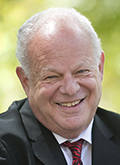 Martin Seligman, the Zellerbach Family Professor of Psychology in the School of Arts and Sciences and director of the Positive Psychology Center, was awarded an Honorary Doctorate by RCSI University of Medicine and Health Sciences in Dublin at the 2021 RCSI School of Medicine conferring ceremony.
 USRowing, the American governing body for the sport of rowing, recently announced the list of athletes who would be competing at this summer’s Tokyo Olympic Games. The list includes a Penn alumna, Regina Salmons. Ms. Salmons, C’18, was a team captain of women’s rowing during her time at Penn and will compete in the Women’s Eight. Ms. Salmons is the 15th Penn women’s rowing team member to participate in the Olympics and the third since 2000. Most recently, Susan Francia, C’04, won gold medals in both the 2008 and 2012 Women’s Eight. Ms. Salmons was a decorated athlete during her time at Penn, winning the All-Ivy and Collegiate Rowing Coaches Association (CRCA) All-Conference with her team in 2018 and leading Penn’s Varsity Eight to third place at the Ivy League Championship.
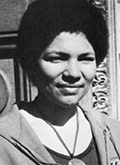 As Penn’s student body diversified during the second half of the twentieth century, so did its Olympic team members. The first woman athlete with Penn ties to compete in the Olympics was Mary G. Freeman Kelly, C’52, who competed on the 1952 U.S. swimming team. In 1968, Eleanor Drye, G’74, won a gold, a silver and a bronze medal in swimming, and in 1972, crew team member Anita DeFrantz, L’77, won two bronze medals. Ms. DeFrantz, the first Black woman with Penn ties to compete in the Olympics, returned in 1976, the first year women’s rowing was a sport, and has remained involved with Olympic committees since. In 1972, Larry Dean Bader, E’72, an ice hockey player, was the first Quaker to compete in Winter Olympics games.
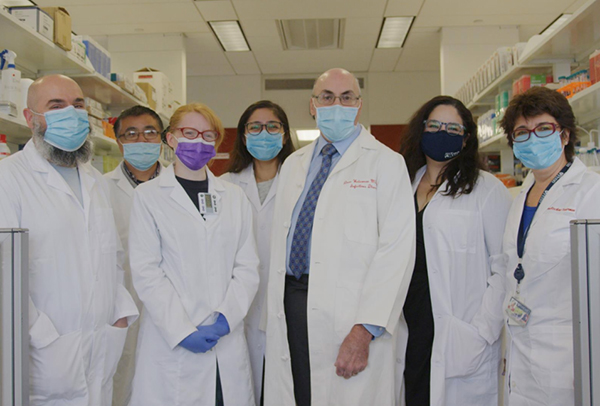
 COVID vaccines use messenger RNA, or mRNA, to instruct the body to produce specific proteins called spike proteins. These proteins look similar to those of the virus, and this antigen triggers the body’s immune system to create specific antibodies that can fight off the real virus should the body become exposed. Drew Weissman, a professor of infectious diseases at the Perelman School of Medicine, and Katalin Karikó, an adjunct associate professor of neurosurgery, helped pave the way for the COVID-19 vaccines from Pfizer/BioNTech and Moderna with their 2005 mRNA discoveries.