
News

From the President: An Update to the Penn Community on Tomorrow, Together

An Update to the Penn Community on Tomorrow, Together

June 28, 2023

What does the world need from Penn?
How do we cultivate a community that will rise to that challenge?

caption: Liz MagillLast October, I asked our community to explore these questions and envision Penn’s future. I charged the Red and Blue Advisory Committee of faculty, staff, and student leaders to hear from all corners of our Penn community; to be forward-looking and bold; and to consider where we, together, might take Penn.

The committee sought input from across the University and our global alumni, families, and friends. Committee members held more than forty focused meetings with the University community; facilitated three open forums for students, faculty, and staff; closely read hundreds of comments submitted online; and engaged deeply with all twelve schools.

And you responded. So many of you shared your insights through conversations, emails, and meetings with the Red and Blue Advisory Committee. At their core, your thoughts centered on how to advance Penn’s excellence across the board: from the transformative Penn student experience to our world-class teaching, research, and clinical care, from our cross-disciplinary strengths to our partnerships both local and global. I have been inspired by the breadth and depth of the ideas we have heard and by the keen interest in shaping a shared path forward worthy of Penn’s past achievements and future promise.

The Red and Blue Advisory Committee members, led by Provost John L. Jackson, Jr., collated and condensed all they heard from our Penn community and recently reported their findings to me. Major themes that emerged included furthering Penn’s interdisciplinary teaching and research; building on Penn’s signature strengths to address pressing challenges such as climate change and global health; and continuing to ensure that we undertake Penn’s academic missions with a clear eye toward improving lives and communities in our great city and across the globe.

With one voice, the committee has conveyed your thinking. I’m now considering their work as well as reflecting on my own observations and taking into account the many sources of input I have received in the past twelve months. Early in the academic year, I will share next steps for shaping a vision for this remarkable institution.

For now, some thanks are in order. I want to express my great appreciation for the work and dedication of the faculty, staff, and students of the Red and Blue Advisory Committee. These University citizens took on a considerable task, and they have been unfailingly wise, collaborative, and singularly focused on fulfilling their charge.

What does the world need from Penn, and how do we cultivate a community that will meet that challenge? I am grateful that each of you, in all that you do, pursue your own answer to these critical questions every day. Together, we will create a new vision for Penn’s extraordinary future.

Thank you all. My best wishes for a restful summer.

—Liz Magill, President

2023 School of Social Policy & Practice Excellence in Teaching Awards

Excellence in Teaching Awards are presented to members of the standing and non-standing faculty of SP2 in recognition of excellence in teaching and mentoring.

Winners of this award are chosen by the Student Policies and Procedures Committee from the pool of five full-time and five part-time faculty with the highest quantitative scores for “overall quality of the instructor” on the course evaluations.

The full-time faculty awardees are Kim McKay, a lecturer in the MSW and MSSP programs; and Meredith Myers, a lecturer in the NPL program and a senior fellow in the Wharton School’s Center for Leadership & Change Management.

The part-time lecturer awardees are Valerie Dorsey Allen, a lecturer in the MSW program; and  Jeannine Cicco Barker, a lecturer in the MSW program.

caption: Kim McKayKim McKay has a PhD in social work and an MEd in human sexuality studies from Widener University, as well as an MSW in social work and BS in child and family development from the University of Utah. Dr. McKay has over 20 years of social work experience, including case management, administration, supervision, policy, and clinical work. They have taught undergraduate and graduate students in social work programs for more than a decade. Dr. McKay has taught many courses throughout the social work curriculum, with a particular focus on the integration of gender and sexuality. They have presented their work at national and international conferences, including the Council on Social Work Education (CSWE), the Society for Social Work and Research (SSWR), the American Association of Sexuality Educators, the Counselors, and Therapists (AASECT), the American Public Health Association (APHA), and the International Social Work and Sexualities conferences in Montreal, Canada and Olten, Switzerland.
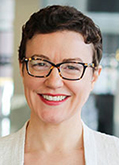
caption: Meredith MyersMeredith Myers is a senior fellow in the Wharton School’s Center for Leadership and Change Management. She has been a member of the Penn faculty since 2009, working at the Wharton School, SP2, and the Positive Psychology Center. Dr. Myers has won teaching awards in the Wharton School and SP2’s MS in Nonprofit Leadership program. Dr. Myers is also the executive director of Job Crafting LLC, an organization that helps people bring more purpose and engagement to their work. In her research and consulting, she has coached international leaders, executives, and board members in corporations, non-profits, government, and mission-critical teams. Her key areas of interest include optimal human performance, leadership, collaborating in contentious contexts, training the trainer, bias in decision-making, and the science of emotions. Dr. Myers holds a PhD in organizational behavior from Case Western Reserve University. She is also a graduate of the University of Pennsylvania’s Huntsman Program in International Studies & Business, having earned a BS in economics from the Wharton School and a BA in international studies from the College of Arts & Sciences.
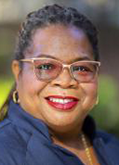
caption: Valerie Dorsey Allencaption: Jeannine Cicco BarkerValerie Dorsey Allen received her DSW from Penn’s School of Social Policy & Practice in 2010 with a dissertation titled “Educational-Entertainment as an Intervention for Adolescents Exposed to Community Violence.” Dr. Allen has extensive experience as a counselor, career development officer, and administrator with the Department of Labor’s Job Corps Program. As the director of Penn’s African American Resource Center (AARC), she focuses on addressing the needs of the Penn community and on improving the quality of life for faculty, staff, and students, especially those of African descent.

Jeannine Cicco Barker is a licensed psychologist and board-certified art therapist. She has a therapy and consulting private practice in Philadelphia. Previously, she was a psychologist at Counseling and Psychological Services (CAPS) of the University of Pennsylvania for several years. At CAPS, she led the interdisciplinary Eating Concerns Team and focused on the wellness of first-generation low-income students and students with marginalized identities. She has presented widely on the intersection of mental health and social justice, advocating for the needs of underrepresented and marginalized students and communities, and systemic trauma and internalized oppression. She holds doctorate and master’s degrees in clinical psychology from Widener University, a master’s degree in art therapy from Drexel University, and a bachelor’s degree in fine arts from the University of Pennsylvania, which she attended as a Philadelphia Mayor’s Scholar. At SP2, Dr. Ciccio Barker teaches in the racism sequence and brings a lifetime of personal and professional experience living in and working with marginalized and underserved communities. She serves on the board of directors at Food Empowerment Project, a vegan food justice organization based in California.

SP2 Community Award of Excellence for Staff

caption: Bre BonnerThis recognition is presented annually to an SP2 staff member who demonstrates a commitment to the SP2 community through service, collegiality, and overall community engagement.

This year’s awardee is Bre Bonner, associate director of student affairs at SP2. She works closely with SP2’s associate dean to provide advocacy, mentoring, and support for students in all degree programs and to support the creation and delivery of programs and services that foster a positive student experience. Ms. Bonner received her BS in psychology with minor in art from Ursinus College and her MA in counseling from Rosemont College. Before joining SP2, she was a survivor services clinician in an outpatient mental health facility that offered evidence-based treatments for those suffering from the effects of trauma.

Hal Levin Award

This award is presented to meritorious students in the Doctor of Philosophy in Social Welfare program who are continuing the process of completing course work. The awardees are Samaita Jana and Codi Smith.

Dr. Ram Cnaan Award

This award is presented to a meritorious student in the Doctorate in Clinical Social Work program who has completed their third year of coursework. The awardee is Amber Ann Flanigan-Bodrick.

Wilson Spigner Award for Social Policy Excellence

This award is presented to a graduating student in the Master of Science in Social Policy program who has a demonstrated record of intellectual inquiry and academic excellence and who is committed to using research to analyze and shape social policy locally, nationally, and/or globally. The award is named in honor of the Reverend Dr. Welford Robinson Wilson II, and his daughter, Carol Wilson Spigner, the first faculty director of the MSSP program, who have notably increased equity and equality among marginalized groups through research-based change in policy and organizations. The awardee is Jin Ye.

Excellence in Social Impact Award

This award is presented to a meritorious graduating student in the Nonprofit Leadership Program who has a record of academic excellence and has shown promise in using their talents and knowledge to create positive social impact. The awardee is Delaney Quinn Bantillo Pearlman.

Richard J. Estes Global Citizenship Award

This award is presented to a graduating international student in the Nonprofit Leadership Program who embodies a commitment to social impact, who has a record of academic excellence, and who is committed to using their talents and knowledge to make a difference in the world. The awardee is Maria Andrea Giraldo Gallo.

Rosa Wessel Award

This award is presented to a meritorious graduating student in the Master of Social Work program who is selected based on academic performance and one or more of the following: exemplary student leadership, innovative activities in the field practicum, and exceptional community service. The awardee is Sarah Meher Pallivalapil-Karerat.

Dr. Ruth E. Smalley Award in International Social Welfare

This award is presented to a member of the Master of Social Work graduating class who, through their writing, participation in class discussions, and experience, has demonstrated an interest in, and a working knowledge of, the international and cultural dimensions of social work practice, and the application of practice to research. The awardee is Marissa Louise Heath.

2023 Graduate School of Education Teaching & Service Awards

Awarded to current students, faculty, and staff, the annual Penn GSE Awards recognize outstanding service and commitment to the Penn GSE community. The 2023 honorees are:

William E. Arnold Award for Outstanding Contributions by a Student
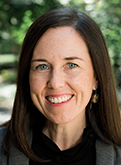
caption: Elizabeth DunensElizabeth Dunens, GR’23, is a PhD candidate studying higher education in the policy, organizations, leadership and systems division at Penn GSE. Her professional and scholarly experience focus on university-community partnerships, student engagement, higher education leadership, and postsecondary governance. As a doctoral student at Penn GSE, she has served as a research assistant to GSE professor Matthew Hartley, as a TA and graduate instructor in the higher education department, as a Center for Teaching and Learning (CTL) graduate fellow, and as the vice president of finance for Penn GSE’s student government.

As a CTL fellow, Ms. Dunens contributed to Penn GSE students’ development as educators, completing one-on-one teaching observations with students, and organizing a teaching workshop series featuring the school’s faculty on topics ranging from syllabus design to facilitating classroom discussion in a polarized political climate. Through her role in student government, Ms. Dunens collaborated on numerous initiatives to support Penn GSE students’ academic, social, and professional development. These initiatives included providing over 80 research and conference grants to Penn GSE students, hosting monthly writing retreats for master’s and doctoral students, and organizing cross-school social events.

A people-centered educator and leader, Ms. Dunens counts cultivating relationships with Penn GSE students, staff, and faculty among the most rewarding of her doctoral experience. After graduating, she aims for postsecondary leadership roles that will allow her to contribute toward realizing a more inclusive, community-focused, and sustainable future for U.S. higher education.

Excellence in Promoting Diversity, Equity, and Inclusion Award

caption: Mitali TemurnikarA graduate of the mental health counseling program at Penn GSE, Mitali Temurnikar, GED’22, GED’23, is a multiculturally-equipped counselor who aims to increase access to therapy in our communities. She served as the graduate assistant for the Office of the Dean, Diversity, Equity, and Inclusion in the academic year 2022–2023, where she facilitated school-wide programming that aimed to highlight student, staff, and faculty voices; developed collaborations with campus partners; co-chaired the Disability, Inclusion, and Ableism Committee and served on the Race, Equity, and Inclusion Committee. She also conducted “open hours” for students.

Ms. Temurnikar has also provided career counseling to Penn GSE students and alumni through her work at Penn Career Services. She founded and ran three cohorts of a job search club for international students, facilitated group sessions for career development, and served on first-generation and international student services subcommittees. At the Netter Center for Community Partnerships, Ms. Temurnikar has created a “Safe Spaces” toolkit based on qualitative interviews conducted with the center’s staff, students, and educators. She also developed a “SAFE” questionnaire and designed scalable DEI-oriented interventions and resources to facilitate interpersonal communication and foster safe spaces.

Ms. Temurnikar is a dedicated advocate for DEI initiatives and is committed to creating spaces where every individual feels valued, heard, and that they belong. She is originally from India and is a first-generation graduate student.

Student Recognition of Service Award

caption: Zhanar BeketovaZhanar Beketova, GED’23, is an international master’s student-parent from Kazakhstan. Her teaching experience spans from middle school classrooms to Zoom classrooms for international mid-career graduate students.

Ms. Beketova is a strong advocate for non-traditional students, especially student-parents pursuing master’s degrees. As a student-parent herself—her daughter was born during her first semester at Penn GSE and her son has recently turned two—Ms. Beketova’s commitment to equity and advocacy for student-parents originates from her own journey navigating the rigorous graduate program, student employment, and parental responsibilities along with numerous limitations pertaining to her status as an international student.

Student Recognition of Service Award

caption: Mohamad Djodi Hardi PrajuriDuring his time at Penn, Mohamad Djodi Hardi Prajuri, GED’23, has served as an official Penn GSE student ambassador and as a speaker for more than 30 webinars, promoting the school and providing information about its programs, services, and campus life through campus tours, virtual chats, panels, webinars, and mentorships.

As an active member of the GAPSA executive board, Mr. Hardi Prajuri has led a variety of programs that have enriched the experiences of a great number of graduate and professional students at Penn. Beginning as a member of the International Student Affairs Committee in 2021 and then as director of social programming, he and the programming division have worked continually to organize inclusive, accessible, and memorable campus events that bring students together and foster a sense of community.

Mr. Hardi Prajuri grew up in Malang, Indonesia, and became interested in education after discovering how much he enjoyed asking his classmates stimulating questions before tests. Following his graduation from Penn GSE, he hopes to continue developing the microschool he started in 2020 as a new educational alternative in Indonesia.

Staff Recognition of Service Awards

  • Imani Harvin, GED’20, associate director and case manager, Office of Student Services
  • Laura Stern, GED’23, program assistant, Interdisciplinary Studies in Human Development
  • Nicole Guerrero, associate director, Student Records Office

Excellence in Teaching Award

Alan R. Ruby, senior fellow, Alliance for Higher Education and Democracy and director, Global Engagement Office

Laurie Wagman Award for Visual and Performing Arts in Education

caption: Jacqueline Winschcaption: Gordon Divine AsaahJacqueline Winsch, GR’26, is a rising third-year PhD student in the reading/writing/literacy department at GSE, where she studies the ways drama integration can influence elementary students and teachers. Specifically, Ms. Winsch’s research considers how to prepare elementary homeroom teachers to use drama in their literacy classrooms, particularly teachers without prior experiences with drama. An advisee of GSE professor Gerald Campano, she looks forward to using this award to partner with elementary teachers to develop a drama integration community of practice.

Jolley Bruce Christman and Steven S. Goldberg Annual Award for Best Dissertation in Urban Education

Gordon Divine (Dee) Asaah, GR’21, is the founder and CEO of the Asaah Group, LLC, a company that specializes in course creation and teaching. He is the founder and executive director of Nawee Afrika Education Foundation, Inc., an international nonprofit that focuses on innovating teaching and learning to support African students in reaching their full potential. Mr. Asaah’s scholarly interests encompass reading, writing, and literacy; international educational development; social, cognitive, and affective neuroscience; education entrepreneurship; and filmmaking. He is the author of the children’s book Raymon and the Summer Snowman, and the producer/director of the documentary features I Am Home: A Partnership for Better Education, and Grounds That Shout And Others Merely Shaking. He is also a lecturer in the education entrepreneurship program at Penn GSE.

 Ms. Asaah holds a master’s degree in literature and creative writing from Harvard University, where he earned the Thomas Small Prize “for academic achievement and character.” Before attenting Harvard, he studied performing arts at the University of Yaoundé in Cameroon and at Aristotle University in Thessaloniki, Greece.

From the President and Provost: Supreme Court Ruling on Race-Conscious Admissions

Supreme Court Ruling on Race-Conscious Admissions

June 29, 2023

This morning, the Supreme Court ruled on two related cases challenging race-conscious admissions in higher education. For decades, universities like Penn have been permitted to assemble a diverse class by considering an applicant’s race as one factor among many in their holistic admissions review process. Today’s ruling changes this by declaring the race-conscious admissions programs at Harvard and the University of North Carolina unlawful under the Equal Protection Clause of the U.S. Constitution and Title VI of the Civil Rights Act.

In these first hours following the release of these rulings, we have two messages. First, we are studying the court’s opinion to ensure that we admit students in compliance with the law. Second, we remain firm in our belief that our academic community is at its best when it is diverse across many dimensions.

 At Penn, our students join the most vibrant and diverse community they may ever know. This type of community is essential to their preparation to lead in a pluralistic, global society and to contribute to the creation of knowledge, all at the highest levels of excellence. To do this, our students must live and learn with others who, owing to their paths through life, bring many and varied perspectives, experiences, personal qualities, interests, ambitions, and insights.

 This decision will require changes in our admissions practices. But our values and beliefs will not change. Bringing together individuals who have wide-ranging experiences that inform their approach to their time at Penn is fundamental to excellent teaching, learning, and research. In full compliance with the Supreme Court’s decision, we will seek ways to admit individual students who will contribute to the kind of exceptional community that is essential to Penn’s educational mission.

—Liz Magill, President
—John L. Jackson, Jr., Provost

Nikhil Anand: Associate Faculty Director of CASI

On July 1, Nikhil Anand, an associate professor of anthropology in the School of Arts & Sciences, became the first associate faculty director of the Center for the Advanced Study of India (CASI).

Dr. Anand will serve a range of roles that will help broaden the center’s intellectual mission and reinforce its role in the wider University. These activities include expanding CASI’s research into new areas; mentoring students participating in CASI student programs; hosting scholars, policymakers, and practitioners on campus; and organizing events and activities in India.

Dr. Anand’s research focuses on cities, infrastructure, state power, and climate change. He addresses these topics by studying the political ecology of cities, read through the different lives of water. Dr. Anand is the author of numerous books, including the award-winning Hydraulic City: Water and the Infrastructures of Politics in Mumbai, which examines the everyday ways in which cities and citizens are made through the everyday management of water infrastructure. His new book project, Urban Seas, decenters the grounds of urban planning by drawing attention to the ways in which climate-changed seas are remaking coastal cities today.

Since its founding in 1992 as the first academic research center in the U.S. for the study of contemporary India, CASI has continued to uphold Penn’s global reputation as a leading U.S. institution of research in South Asian studies and scholarship on India. Recognized as a national resource, CASI fulfills Penn’s mission of providing students a durable foundation for critical and creative thinking by engaging in policy-relevant research focused on the challenges facing contemporary India.

Launch of the Center for Quantum Information, Engineering, Science and Technology (Penn QUIEST)

Dawn Bonnell, Senior Vice Provost for Research at the University of Pennsylvania, along with Vijay Kumar, Nemirovsky Family Dean of the School of Engineering and Applied Science, and Steven J. Fluharty, dean of the School of Arts & Sciences and Thomas S. Gates, Jr. Professor of Psychology, Pharmacology, and Neuroscience, have announced the formation of the Center for Quantum Information, Engineering, Science and Technology (Penn QUIEST).

QUIEST is a transdisciplinary field that draws from physics, materials science, and information science. “We are at an inflection point in science and technology akin to the digital revolution of the 1960s or nanotechnology revolution of the 1990s,” said Dr. Bonnell. “As with these earlier transformations, we cannot foresee where the technology will go. But Penn has a long and extensive history in leading the way in information science, and with QUIEST we are prepared to capitalize on the inevitable surprises and opportunities that will emerge.”

The new center brings together around 30 faculty from the School of Engineering and Applied Science and the School of Arts & Sciences. Through a strategic hiring initiative in the School of Engineering and Applied Science, Penn will recruit a group of new faculty members who will further expand research and teaching capabilities in QUIEST, leveraging and amplifying existing strengths. “Quantum technology is not only poised to revolutionize Data Science, it will also advance Penn Engineering’s signature initiatives in Engineering Health and in Energy and Sustainability,” said Dean Kumar.

Penn QUIEST will facilitate interdepartmental and cross-school academic collaboration and scholarship, support the initiation of new transdisciplinary research projects, and help to coordinate academic programs in QUIEST. “This center will create a cohesive, collaborative community for students and researchers from across Penn to lead the world in advancing the boundaries of quantum science and technology towards meaningful, positive global impact,” said Dean Fluharty.

Penn QUIEST will be led by director Lee C. Bassett, an associate professor in electrical and systems engineering, together with an executive committee of faculty from the School of Engineering and Applied Science and the School of Arts & Sciences. “This is an exciting moment,” said Dr. Bassett. “As the only center of its kind in the Philadelphia area, Penn QUIEST will advance the near-term objectives of quantum information science, helping to develop quantum computers, quantum networks, and quantum sensors in our city. In the longer term, it will advance Penn’s mission to pursue knowledge and design technologies to benefit society at large.”


Deaths

Dan Ben-Amos, Near Eastern Languages & Civilizations

caption: Dan Ben-AmosDan Ben-Amos, a former professor of Near Eastern languages and civilizations in the School of Arts & Sciences and a renowned expert in folklore, died on March 26. He was 88.

Dr. Ben-Amos received his BA in 1961 from the Hebrew University of Jerusalem, then earned an MA (1964) and a PhD (1967) from Indiana University at Bloomington. While earning his PhD, he spent a year as an assistant professor at the University of California, Los Angeles, but joined the faculty at Penn immediately after graduating in 1967. Appointed as an assistant professor of anthropology, he was promoted to associate professor in 1971, and in 1977, he became a full professor of folklore and folklife. In 1999, he joined Penn’s department of Asian and Middle Eastern studies, and after that department was split into sub-specialties in 2004, joined the department of Near Eastern languages and civilizations. 

“Dan was a great mentor, committed teacher, and wonderful colleague and friend,” said his colleagues in Near Eastern languages and civilizations in an online tribute. “Learning and scholarship meant the world to him. Full of energy and enthusiasm, he was teaching his classes in NELC (Jewish Folklore and Jewish Humor) until a week before spring break. We will miss the joy of bumping into Dan in Williams Hall or on Locust Walk and launching into conversations full of his trademark insight, verve, and indeed, humor.”

Dr. Ben-Amos was a leading specialist in folklore and folklife trained in the comparativist tradition. He edited a series of translations of folklore classics by European scholars and published many articles on folklore theory and the history of the field. His books include Sweet Words: Storytelling Events in Benin (1975), Cultural Memory and the Construction of Identity (1999), which he co-edited with Liliane Weissberg, and Folklore Concepts: Histories and Critiques (2020). In 2006, his edited volume, Folktales of the Jews, Volume 1: Tales from the Sephardic Dispersion, won National Jewish Book Award in the Sephardic Culture category. Dr. Ben-Amos was a fellow of the American Folklore Society (AFS) and won its Lifetime Scholarly Achievement Award in 2014.

“Dan was 88, and still holding to his vow never to retire, thereby, as Barbara Kirshenblatt-Gimblett put it, holding ‘the folklore flame at the University of Pennsylvania to the very end,’” said Mary Hufford, president of the AFS fellows and former director of Penn’s Center for Folklore and Ethnography. “His signature, pivotal contributions to the field are legion, but it is the chance of running into Dan in a corridor at Penn or an AFS meeting, and the ensuing exchange—both jocular and erudite—that I grieve and want to celebrate.”

A funeral was held on March 30 at West Laurel Hill Cemetery in Bala Cynwyd, Pennsylvania.

Richard Creech, Medicine

caption: Richard Creech,Richard Creech, MD’65, a former faculty member in clinical medicine in Penn’s School of Medicine, died on July 1. He was 83.


Dr. Creech received a bachelor’s degree in 1961 from Johns Hopkins University, then attended medical school at the University of Pennsylvania, graduating in 1965. He would later return to Penn to complete a medical oncology fellowship. After finishing his medical training at Johns Hopkins University and the National Cancer Institute, he began working for Philadelphia’s American Oncologic Hospital in 1972, where he was one of four medical oncologists. Dr. Creech remained at this institution as an adjunct associate professor of medicine after it expanded and was renamed the Fox Chase Cancer Center. While there, he cared for breast cancer patients, served as principal investigator of the eastern cooperative oncology group clinical trials organization at Fox Chase, and taught medical students, residents, and fellows from Penn and Temple University.

Dr. Creech served as an assistant professor of clinical medicine at Penn’s School of Medicine from 1973 to 1979, then as an adjunct assistant professor from 1979 to 1982. He also served as chief of medical oncology on the Penn service at the Philadelphia General Hospital. His biggest contribution to the Philadelphia-area medical field was at Temple University, where he spent 22 years as chairman of medicine at Temple University Hospital’s Jeanes campus (1992 to 2014), where he practiced hematology and medical oncology. He also served as the division chief of medical oncology at Temple and as an adjunct professor of medicine at the Temple University School of Medicine.

He is survived by his wife of 59 years, Charlotte (nee Goetz); his daughter, Susan (Brian) Passman and their daughters, Chloe and Grace; his daughter, Nancy Cullum and her daughters, Kaitlyn and Alexa; and his sister, Joan Kraft. A private memorial service was held on July 15.

In lieu of flowers, contributions in memory of Dr. Creech can be made to: Creative Beginnings, 121 Huntingdon Pike, Suite 1, Rockledge, PA 19046; American Association for Cancer Research, c/o Margaret Foti, 615 Chestnut St., 17th Floor, Philadelphia, PA 19106; American Cancer Society, 1818 Market St., Philadelphia, PA 19103; or Anna T. Jeanes Foundation, 7600 Central Ave., Philadelphia, PA 10111.

H. Terry Fortune, Physics

caption: Terry Fortune

H. Terry Fortune, a professor emeritus in the department of physics & astronomy in the School of Arts & Sciences, died on June 16 after a long illness. He was 82.

Born in Ramer, Tennessee, Dr. Fortune grew up helping his sharecropper parents with farming. He graduated from Ramer High School and, with the assistance of his teacher Estel Mills, received a full scholarship to Memphis State University, where he graduated summa cum laude in 1963. He received his PhD in nuclear physics from Florida State University in 1967, then spent two years as a postdoctoral fellow at Argonne National Laboratory. He joined Penn’s faculty in 1969 as an assistant professor of physics and was promoted to an associate professor in 1972, and then to a full professor in 1976. At Penn, Dr. Fortune served on the graduate council of elected representatives of graduate faculty, the University Council, and the Faculty Senate Executive Committee. He retired from Penn in 2011.

Dr. Fortune was renowned in the field of nuclear physics and gave invited guest lectures at other universities around the world. He spent the 1977-1978 academic year conducting research in nuclear structure physics at Oxford University and Groningen University in the Netherlands. He also collected data from high energy accelerators in Los Alamos, Vancouver, New York City, and Norfolk, Virginia. An engaging speaker, he spoke at several special conferences honoring nuclear physicists. He was also a prolific scholar, publishing over 500 peer-reviewed articles. Dr. Fortune was highly regarded as a teacher at the undergraduate and graduate levels and mentored dozens of PhD students over the decades.

Dr. Fortune is survived by his son, Jonathan Forsyth; his daughter, Maury Kenworthy (Drew); his brother, Jerry (Sandy) Fortune; his sister, Judy Perry (Steve); two grandchildren; many nieces and nephews; and his long-term companion, Marlynne Micalizzi. In lieu of flowers, please donate to your favorite charity or plant a tree.

Murray Grossman, Neurology

caption: Murray GrossmanMurray Howard Grossman, an emeritus professor of neurology in the Perelman School of Medicine, died on April 4 from metastatic melanoma. He was 71.

Born in Montreal, Canada, Dr. Grossman earned his BA in psychology, sociology, and English in 1972 from Union College, followed by a master’s degree a year later in special education from Boston University. He earned his EdD in 1977 from the Boston VA Aphasia Research Center, then completed a postdoctoral fellowship at MIT. He obtained his MD from McGill University in 1985 and completed his residency at Penn’s department of neurology in 1989. After completing his residency at Penn, he joined Penn’s neurology faculty as an assistant professor of neurology; he was promoted to an associate professor in 1995 and then to a full professor in 2008. He also held secondary appointments in the departments of otorhinolaryngology and psychiatry, as well as lecturing in the College of Liberal and Professional Studies in the School of Arts & Sciences.

Dr. Grossman was a renowned physician-scientist, developing pioneering treatments for frontotemporal degeneration (FTD), Alzheimer’s disease, and related dementias. A leader in the field, he authored over 600 publications during a 30-year career at Penn. In 2010, he was the founding director of the Penn Frontotemporal Degeneration Center, an internationally-recognized research center that has made strides forward in multi-disciplinary care for individuals with dementia. With the FTD Center, Dr. Grossman contributed to the study of familial FTD by pioneering genetic counseling and outreach to families at risk for early-onset neurodegenerative disease.

“Dr. Grossman was an extraordinary mentor who considered his many trainees and collaborators friends and family,” said the department of neurology in an online tribute. “He brought together collaborators from various fields, emphasizing that a strong community is essential to achieve collective success in our fields. Dr. Grossman’s legacy will undoubtedly have a lasting impact on the scientific community.” Dr. Grossman retired from Penn in 2016 and took emeritus status.

Dr. Grossman is survived by his wife of 45 years, Fran Nelson-Grossman; his sons, Josh (Nicki) Grossman and Scott Grossman (Gabriel Barcia Duran); and his grandchildren, Isaac and Gili Grossman. A memorial will be planned at a later date.

In lieu of flowers, the family requests memorial donations to the Penn Frontotemporal Degeneration Center to continue Dr. Grossman’s life’s work. Donate online at https://pennmedicine.org/grossmanmemorialfund or by check, sent to Attn: Penn FTD Center, 3535 Market Street, Suite 750, Philadelphia, PA 19104. Please note “In Memory of Dr. Murray Grossman” when making your gift.

To read more about Dr. Grossman, click here.

Alan M. Kelly, Penn Vet

caption: Alan KellyAlan M. Kelly, PhD’68, dean of Penn’s School of Veterinary Medicine from 1994 to 2005, died recently. He was 88.
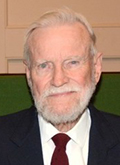
Born in Scotland, Dr. Kelly completed his undergraduate work at the University of Reading and received his veterinary degree from the University of Bristol, both in England, in 1958 and 1962, respectively. After graduating from Bristol, he did his postdoctoral training at Penn Vet from 1962 to 1967. He received his PhD in pathology from Penn in 1967 and joined the faculty of Penn Vet the same year as an assistant professor of pathobiology. Five years later, he was promoted to associate professor; he became a full professor in 1979. Dr. Kelly served as chair of the school’s department of pathobiology from 1990 until his appointment as acting dean in January 1994. He was appointed dean of the school a year later (Almanac December 6, 1994). “[Dr. Kelly] is a distinguished scientist and an excellent teacher, and we are confident that under his leadership, the School of Veterinary Medicine will continue to strengthen its research, curriculum development, clinical activities and professional programs, and enhance its leadership role in veterinary education and care,” said then-Provost Stanley Chodorow upon Dr. Kelly’s appointment.

As dean of Penn Vet for eleven years, Dr. Kelly transformed the school, advancing its status as one of the most renowned veterinary schools in the U.S. He spearheaded laboratory renovations and construction of several new buildings and facilities, both at Penn Vet’s Philadelphia campus and at the suburban New Bolton Center. The school’s appropriation from the Commonwealth of Pennsylvania grew from $11 million to $37.3 million during his tenure, allowing students to attend with greater financial aid than before. “Throughout his tenure, Alan has worked successfully to solidify the school’s financial base,” said then-interim Provost Peter Conn (Almanac December 7, 2004). “He secured $50 million for a new teaching and research building and successfully led the most ambitious fund-raising initiative in the school’s history. Alan also has overseen the Veterinary School’s growth in NIH funding from $7.4 million to $17.8 million and a growth in sponsored research from $11.1 million to $25.2 million during that same time period.”

“We owe Alan an enormous debt of gratitude for his extraordinary leadership and service,” said Penn President emerita Amy Gutmann upon Dr. Kelly’s departure as dean in 2005. “He has been a wonderfully creative and energetic dean and has worked tirelessly and effectively to enhance the school’s reputation as the preeminent veterinary school in basic scientific research and superb clinical care.”

After taking a year-long sabbatical, Dr. Kelly remained involved with Penn Vet, continuing to teach until 2010, when he retired from Penn and took emeritus status. In his retirement, Dr. Kelly returned to Penn frequently to give guest lectures.

A renowned researcher on muscle disease and muscular dystrophy, Dr. Kelly authored more than 100 book chapters and scientific papers and was a member of the Royal College of Veterinary Surgeons, the American Society for Cell Biology, and the Pennsylvania Muscle Institute. He received Penn’s Lindback Award for Distinguished Teaching in 1974.

Paul Moorhead, Human Genetics and Pediatrics

caption: Paul MoorheadPaul Sydney Moorhead, a former associate professor of human genetics and pediatrics in Penn’s School of Medicine, died on April 17. He was 99.
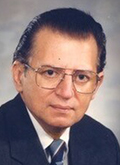
Born in El Dorado, Arkansas, Dr. Moorhead grew up in Depression-era Little Rock. After one year of study at Southwestern at Memphis (now Rhodes College), he joined the Naval Officers’ training in 1943 while attending the University of the South in Sewanee, Tennessee, and the University of North Carolina, Chapel Hill. The war ended before he was deployed to the Pacific Theater. After his discharge from the Navy in 1946, he continued his studies. He earned his PhD in zoology, focusing on cell biology/chromosomes and genetics, from the University of Texas in 1954. While at Chapel Hill, Dr. Moorhead became politically active in progressive causes and served as a bodyguard for anti-segregationist presidential candidate Henry Wallace during his historic desegregated 1948 campaign tour of the south. This experience stirred a lifetime passion for civil rights.

Dr. Moorhead began his scientific career at the University of Texas Medical Branch in Galveston, Texas, then moved to University of Pittsburgh School of Medicine. In 1959, he joined the Wistar Institute of Anatomy and Biology in Philadelphia, Pennsylvania, where he and his colleague Len Hayflick conducted groundbreaking research introducing cellular senescence. This discovery led to the development of a foundational cell line used for the production of billions of doses of life-saving human vaccines. In 2014, they both received the City of Philadelphia’s prestigious John Scott Award, given for inventions that have contributed to the “comfort, welfare and happiness” of mankind. In 1969, Dr. Moorhead became an associate professor of human genetics and pediatrics at the University of Pennsylvania School of Medicine. During his time at Penn, Dr. Moorhead held numerous administrative and leadership appointments in professional societies, including as president of the Tissue Culture Association from 1980 to 1982, and was renowned in his field. He retired from Penn in 1985 after the death of his wife, Betty Belk Moorhead.

Dr. Moorhead is predeceased by his first wife, Betty Belk Moorhead, and his youngest daughter, Mary Knox Moorhead. He is survived by his second wife, Rebecca Otter; his daughters, Ann Belk Moorhead and Emily McBride Moorhead Watts; his stepchildren, Jonathan Williams and Nancy Otter; and grandchildren, nieces and nephews, colleagues, and beloved friends.

A gathering to celebrate the lives of both Dr. Moorhead and his daughter Mary was held on July 16. Donations in Dr. Moorhead’s name may be made to Southern Poverty Law Center or the Union of Concerned Scientists.

To read more about Dr. Moorhead, click here.

Frank Pepe, Anatomy

caption: Frank PepeFrank Albert Pepe, an emeritus professor in the department of anatomy of the Perelman School of Medicine, died on June 20. He was 92. 
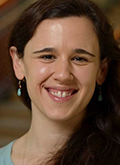
Dr. Pepe did his undergraduate work at Union College, taking a BS in 1953, and went on to Yale University, earning a doctorate in 1957. Dr. Pepe came to Penn that year, after a postdoctoral fellowship at Yale, as an instructor in anatomy and research in the department of anatomy in Yale’s School of Medicine. In 1963 he was named an assistant professor of anatomy, in 1965 an associate professor, and in 1970 a professor of anatomy. He became the department chair in 1977, serving until 1990. In 1984, he was named the Joseph Leidy Professor of Anatomy (Almanac February 21, 1984). He served on the University Council and on several other University-wide committees. He retired from Penn in 1997 and took emeritus status. 

Dr. Pepe was renowned for his research in the structural molecular anatomy of muscular fiber myosin and his use of highly specific monoclonal antibodies to study myofibrillar organization in fluorescence and electron microscopy. His work focused on the molecular organization of the contractile apparatus of muscle cells. While at Penn, Dr. Pepe received several University Research Foundation (URF) awards to support this research. Dr. Pepe held memberships in numerous professional and scientific societies, including the American Association of Anatomists, the American Chemical Society, the American Association for the Advancement of Science, the John Morgan Society, and the American Institute of Biological Sciences. He also served on the editorial boards of several journals. 

He is preceded in death by his sister, Mary P. (Pepe) DeMarco; his father, Rocco Pepe; his mother, Margherita (Ruggiero) Pepe; and his nephew, Paul R. DeMarco. He is survived by his nephews, Bruce A. DeMarco (Laurie), Brian A. DeMarco (Kara), and Michael A. DeMarco (Carla); and many great-nephews and great-nieces.  

Governance

From the Senate Office: Senate Nominations 2023, Part 2

Pursuant to the Faculty Senate Rules, formal notification to members may be accomplished by publication in Almanac. The following is published under that rule.

TO: Members of the Faculty Senate
FROM: Claire Mitchell, Chair, Nominating Committee
SUBJECT: Senate Nominations 2023, Part Two

In accordance with the Faculty Senate Rules, official notice is given of the Senate Nominating Committee’s remaining slate of nominees for the incoming Senate Officers. The nominees, all of whom have indicated their willingness to serve, are:

Secretary-Elect:

  • Matthew McHugh (Nursing)

At-Large Members of the Senate Executive Committee
to serve a 3-year term beginning upon election:

  • Monica Calkins (PSOM/Psychiatry)
  • Anne Norton (SAS/Political Science)
  • Akhilesh Reddy (PSOM/Pharmacology)
  • Andrew Vaughan (Veterinary Medicine)

Assistant Professor Member of the Senate Executive Committee
to serve a 2-year term beginning upon election:

  • Brian Kim (SAS/Russian and East European Studies)
  • Marc Miskin (SEAS/Electrical and Systems Engineering)

Senate Committee on Academic Freedom and Responsibility
to serve a 3-year term beginning upon election:

  • Raina Merchant (PSOM/Emergency Medicine)
  • Eric Orts (Wharton)
  • Karen Tani (Law)
  • Jonathan Zimmerman (Education)

Senate Committee on Economic Status of the Faculty
to serve a 3-year term beginning upon election:

  • Femida Handy (Social Policy and Practice)

Also in accordance with the Faculty Senate Rules, you are invited to submit additional nominations, which shall be accomplished via petitions containing at least twenty-five valid names and the signed approval of the candidate. All such petitions must be received no later than fourteen days after circulation of the nominees of the Nominating Committee by email to the Faculty Senate, senate@pobox.upenn.edu, or Tuesday, August 15, 2023.

Under the same provision of the rules, if no additional nominations are received, the slate nominated by the Nominating Committee will be declared elected.

Honors

University of Pennsylvania: 2023 Honoree of the Civic 50 Greater Philadelphia

The University of Pennsylvania has been named a 2023 honoree of the Civic 50 Greater Philadelphia by Philadelphia Foundation, in partnership with Points of Light and local partners. Modeled after Points of Light’s national program, the Civic 50 Greater Philadelphia provides a standard for corporate citizenship and showcases how employers use their time, skills, and resources to drive social impact in their communities and company.

The Civic 50 Greater Philadelphia honorees are private and public companies and other employers operating in the Philadelphia region. They have been selected based on four dimensions of their community engagement program:

  • Investment of resources
  • Integration across business functions
  • Institutionalization through policies and system
  • Impact measurement

Since 2011, the Civic 50 list has provided a national standard for superior corporate citizenship and has showcased how companies use their time, skills and other resources to drive social impact in their business and community.

For more information, visit www.philafound.org/civic-50-honorees.

Rebecca Clark: Betty Irene Moore Fellowship

caption: Rebecca ClarkRebecca Clark, an assistant professor of perinatal nursing, midwifery, and women’s health at Penn Nursing and a nurse scientist at Pennsylvania Hospital, is one of 16 nurse scientists accepted to the fourth cohort of the Betty Irene Moore Fellowship for Nurse Leaders and Innovators. She is the first nurse scientist from Penn to be accepted to this program.

This fellowship program, funded by an initial $37.5 million grant from the Gordon and Betty Moore Foundation and an additional $7.5 million grant awarded this year to expand the program’s capacity, recognizes early- to mid-career nursing scholars and innovators with a high potential to accelerate leadership in nursing research, practice, education, policy and entrepreneurship. As part of the three-year fellowship program, fellows receive $450,000 to conduct an innovative project or study with the potential to address a gap in knowledge, meet a vital need, alter care delivery, or design a new solution to advance health. Per Dr. Clark, “Communication is a leading root cause of preventable maternal morbidity and mortality, and a critical part of your experience when you give birth. Sports teams watch video recordings of their games to get even better. We plan to use the same method to help our high-performing health team up our communication game during maternity stays to improve patient satisfaction and outcomes.”

“Penn Nursing could not be more enthusiastic in its support of Dr. Clark,” said Penn Nursing Dean Antonia Villarruel. “Her leadership, productivity, and impact at this point in her career is impressive. Further, her role as a clinician-educator within Pennsylvania Hospital and Penn Medicine provides her with the resources to maximize impact to improve birth outcomes in the practice and academic settings. Dr. Clark’s potential is limitless. We are confident she will immerse herself in all the fellowship has to offer and leverage it to develop and grow her research and leadership skills.”

In addition to the project, the fellowship program features a hybrid online and classroom curriculum designed and taught in partnership with the UC Davis Graduate School of Management and national experts to enhance leadership and innovation capacity, strengthen strategic thinking and collaborative skills, expand professional networks, develop entrepreneurial skills, and propel innovative ideas to fruition. A mentor selected by the fellow and an additional mentor provided by the national program office round out the educational experience.

The fellowship program is made possible by Betty Irene Moore’s passion to advance nursing with the goal of better outcomes for individuals, families, and communities. The foundation seeks to prepare nurses as collaborative leaders with the skills and confidence to inspire others, enact change, and challenge the status quo. With the creation of the Betty Irene Moore Fellowship for Nurse Leaders and Innovators, the foundation supports nurse leaders who take ideas to scale that advance high-quality, high-value care and optimal health outcomes.

James Corner and Alkis Tsolakis: ASLA Honors

James Corner, MLA’86, founder and CEO of James Corner Field Operations, a professor emeritus of landscape architecture in the Weitzman School of Design, and past chair of the department of landscape architecture, has earned the ASLA Design Medal for 2023 from the American Society of Landscape Architects. Alumnus Alkis Tsolakis, BA’70, professor of architecture and dean of the LSU College of Art & Design who received his undergraduate degree in fine arts from Penn, earned an honorary membership in the ASLA.

Since earning his Master of Landscape Architecture degree in 1986, Mr. Corner has devoted his career to advancing the field of landscape architecture and urbanism, primarily through his leadership on high-visibility, complex urban projects around the world, as well as through teaching, public speaking (including a keynote at the Weitzman School’s 2021 Commencement Ceremony), and writing. His firm’s projects include New York’s High Line; Seattle’s Central Waterfront; San Francisco’s Presidio Tunnel Tops; Chicago’s Navy Pier; London’s South Park Plaza at Queen Elizabeth Olympic Park; Hong Kong’s Victoria Dockside; and Shenzhen’s new development of Qianhai.

In a statement published by the ASLA, Mr. Corner described the opportunity for today’s practitioners to contribute to the public good as unprecedented. “Landscape architecture has probably never had so much to offer society than it does today,” he said. “The field’s capacity to work creatively with complex natural systems combined with social experience, public space, and community, places it squarely in the vanguard of today’s built environment and urbanization.”

Mr. Corner joined the faculty in the department of landscape architecture at Penn in 1989 and was the department chair from 2000 through 2012. Among his many other honors, he was elected to the American Academy of Arts and Letters in 2021 (Almanac March 30, 2021).

Currently a professor of architecture and dean of the LSU College of Art & Design, Alkis Tsolakis was a founding faculty member of the Hammons School of Architecture at Drury University in Springfield, Missouri, where he held several administrative posts and was acting director of the art department. He has practiced architecture and sculpture in Greece, France, and the United States. He was a founder and director of the Drury University Center in Greece and the head of the department of architecture at the American University of Sharjah in the United Arab Emirates. He currently serves as the interim director of the Robert Reich School of Landscape Architecture.

The eight honorary members inducted by ASLA are non-landscape architecture professionals recognized for notable service to the profession. Since its founding in 1899, ASLA has inducted only 255 honorary members. The honorees are selected by ASLA’s board of trustees. Announced on June 13, the 2023 recipients are documented on the ASLA website with letters of nomination and portfolios.

Founded in 1899, the American Society of Landscape Architects (ASLA) is the professional association for landscape architects in the United States, representing more than 15,000 members. ASLA’s mission is empowering its members to design a sustainable and equitable world through landscape architecture.

Penn Nursing: Faculty Fellowships

Four Penn Nursing professors have been selected for new fellowships from national organizations in their respective fields: José A. Bauermeister, Diane Spatz, Abigail Howe-Heyman, and Dawn Elizabeth Bent. 

José A. Bauermeister, the Albert M. Greenfield Professor of Human Relations, chair of the department of family & community health, and founding director of the Eidos LGBTQ+ Health Initiative, has been inducted as a 2023 SMB fellow of the Society of Behavioral Medicine (SBM). This distinction is in recognition of outstanding contributions to the advancement of the science and practice of behavioral medicine. Among the considerations for this distinction are academic, professional, clinical, legislative, or other meritorious accomplishments. 

Diane Spatz, the Helen M. Shearer Term Professor of Nutrition and a professor of perinatal nursing, has been selected as a 2023 fellow of the Association of Women’s Health, Obstetric and Neonatal Nurses (AWHONN). This honor recognizes nurse leaders who have made substantive and sustained contributions to the health of women and newborns beyond expectations of their role. AWHONN fellows have demonstrated outstanding contributions to clinical practice, research, education, advocacy, or policy at the regional, national, or global level that reflects AWHONN’s mission and vision. 

Abigail Howe-Heyman, practice assistant professor and director of the midwifery track, has been inducted as a 2023 ACNM fellow of the American College of Nurse Midwives (ACNM). This honor is bestowed upon those midwives who have demonstrated leadership within ACNM, clinical excellence, outstanding scholarship, and professional achievement.

Dawn Elizabeth Bent, a practice assistant professor, will be inducted as a 2023 fellow of the American Association of Nurse Anesthesiology (AANA). The FAANA designation is a major career achievement that recognizes CRNAs as outstanding practitioners, educators, researchers, and advocates for the profession. Acceptance criteria include professional achievements demonstrating impactful contributions that continue to promote and advance the profession in the areas of clinical practice, education, research, and professional advocacy and are consistent with the high standards of AANA.

School of Arts & Sciences Faculty in Psychology: Early Career Honors

Three faculty members in the department of psychology in the School of Arts & Sciences have received early career awards recognizing the contributions they have already made to the field and fostering their continuing research.

Associate professor Sudeep Bhatia has won a 2023 Early Career Impact Award from the Federation of Associations in Behavioral and Brain Sciences (FABBS). The FABBS Early Career Impact Awards recognize scientists who are in the early stages of their professional careers and have already shown promise as a leading researcher.

Dr. Bhatia has also been awarded membership in and received the Early Investigator Award from the Society of Experimental Psychologists. The award is given to individuals who early in their careers have already made significant contributions to experimental psychology.

Dr. Bhatia specializes in the study of decision-making processes and cognitive neuroscience. His work has focused on unraveling the complexities of human behavior and exploring the underlying neural mechanisms that govern our choices, using computational behavioral science such as behavioral experiments, large-scale digital data, and computational modeling. His research has shed light on topics such as risk-taking, judgment, and the impact of emotions on decision-making.

Assistant professor Michael Arcaro has won an American Psychological Association Distinguished Scientific Award for Early Career Contribution in the areas of perception and motor performance. This award honors early career scientists who have advanced the psychology discipline with extraordinary scholarly accomplishments.

Dr. Arcaro specializes in the study of visual perception and the neural processes that underlie it. His current work focuses on understanding how the brain processes and interprets visual information, with a particular emphasis on the visual cortex. His research has provided insights into the organization and function of the visual system. He is also involved in the development and application of advanced neuroimaging techniques, such as functional magnetic resonance imaging (fMRI), to explore the neural mechanisms of perception.

Assistant professor Anna Schapiro has won the 2023 Cognitive Neuroscience Society’s (CNS) Young Investigator Award, which recognizes outstanding contributions by scientists early in their career. Dr. Schapiro was one of two awardees and was honored at the CNS Annual Meeting. Dr. Schapiro specializes in the study of memory, learning, and cognitive control. Her work investigates how the human brain processes and retains information, with a particular emphasis on the interplay between memory and decision-making. Her research has provided insights into the mechanisms underlying memory formation and retrieval, as well as the factors that influence our ability to make informed choices.

Five IRCA All-American Honorees

Rising junior Sam Sullivan of the men’s heavyweight crew team has been named a Empacher-IRCA First-Team All-American by the Intercollegiate Rowing Coaches Association (IRCA) and rising junior Matt Davis has received Empacher-IRCA Second-Team All-American accolades. Rising senior Ben Rutherford has been selected IRCA Comeback Athlete of the Year.

In their first year under Al Monte, the Nicholas B. Paumgarten Head Coach, the men’s heavyweight crew team won the Clayton W. Chapman Trophy, awarded to the most improved crew team, at the Intercollegiate Rowing Association (IRA) National Championships in early June. All three Eights earned top-12 finishes at IRAs, and the Varsity Eight earned its best placement since 2016. He was also a finalist for the IRCA Division I Coach of the Year Award.

Rising juniors Simon Dubiel and Nathaniel Sass of the men’s lightweight rowing team picked up Empacher-IRCA First-Team All-American honors and rising junior Troy Riesenberger received Second-Team All-American recognition.

Led by Colin Farrell, the Fred W. Leonard Head Coach, the Varsity Eight lightweight crew team earned the bronze medal at the IRA National Championships, the fourth time in the last six Championships that the boat had a top-three finish.

Nominated student-athletes are selected to the First-Team or Second-Team by the IRCA Board of Directors based on strength of finish of the institution’s varsity boat, nomination rank within the institution, and coach’s comments, individual achievements, and erg score. Rowing is the oldest intercollegiate sport in the U.S.

Richard Weller: LAF Legacy Award

caption: Richard WellerRichard Weller, a professor of landscape architecture in the Weitzman School and co-executive director of the Ian L. McHarg Center for Urbanism & Ecology, was presented with the inaugural LAF Legacy Award at the Landscape Architecture Foundation’s June 14 annual awards event.
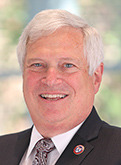
The LAF Legacy Award was created in 2023 by the LAF to recognize past members of the LAF Board of Directors who provided extraordinary service and contributions to the organization and its legacy. Mr. Weller served on the LAF board from 2014 to 2018 and was recognized for “help[ing] the organization turn ideas into action.”

Among Mr. Weller’s contributions to the field cited by the LAF were his role in organizing LAF’s 2016 Summit on Landscape Architecture and the Future and the resulting new landscape declaration. Mr. Weller also conceptualized the Green New Deal Superstudio and served on its core planning team. The superstudio, which ran from 2020 to 2021, was an open call to design schools, professional practices, individuals, and others to translate the core goals of the Green New Deal (decarbonization, justice, and jobs) into design and planning projects. Some 670 projects were submitted by over 90 universities in 39 states and 10 countries—including Penn—as well as hundreds of practitioners from across the design disciplines.

“We are forever grateful for Richard’s service and dedication to LAF, and for bringing the hopes and aspirations of the discipline together in clear and impactful ways,” said LAF CEO Barbara Deutsch.

“Through its programs and events, particularly in the last decade or so, the LAF has confronted the issues of the times and connected those issues to design intelligence across all scales in both practical and visionary ways,” Mr. Weller said. “Being on the board is a labor of love and all the board members, along with the LAF staff, are the ones we should thank.”

Mark Wolff: City of Philadelphia Brighter Futures Award

caption: Mark WolffPenn Dental Medicine’s Morton Amsterdam Dean, Mark S. Wolff, was honored by the City of Philadelphia for his service to individuals with disabilities as a 2023 recipient of a “My City, My Place” Brighter Futures Award. This was the 31st year of this annual award, presented by the City of Philadelphia Department of Behavioral Health and Intellectual disAbility Services (DBHIDS) and the IDS Public Awareness Committee.

“My City, My Place” awards recognize community members or groups who support and serve individuals registered with Philadelphia Intellectual disAbility Services.

Dean Wolff was recognized for his commitment to expanding access to oral healthcare for individuals with disabilities through such initiatives as Penn Dental Medicine’s Care Center for Disabilities, the Penn Dental Medicine at Woods Mikey Faulkner Dental Care Center, and the training of dental students to gain the skills and experience to care for these individuals.

The award was presented on June 23 as part of a full-day celebration held at Hilton Philadelphia City Avenue that also included a resource fair and workshops.

John Yurkow: East Region Coach of the Year

caption: John YurkowJohn Yurkow, the W. Joseph Blood Head Coach of the baseball team, has been selected East Region Coach of the Year by the American Baseball Coaches Association and ATEC.

Mr. Yurkow, in his 10th year managing the Quakers, led the Red & Blue to 34 wins, a school record, their first outright Ivy League title in 28 years, and their first NCAA Tournament appearance in 28 years. Penn finished the season 34-16, including a 16-5 record in conference play. Mr. Yurkow was also named the Ivy League Coach of the Year.

In the NCAA Regionals, the Quakers upset Auburn, the 13th-ranked team in the country and the top seed in their region, and then bested Samford before falling to Southern Mississippi. The Red & Blue had won 10 straight games, their longest streak in nine years, before the loss to the Golden Eagles.

Mr. Yurkow earned his 200th win against Harvard on May 21 at Tommy Lasorda Field at Meiklejohn Stadium. The top-seeded Quakers topped the Crimson 10-7 to advance to the Ivy League Championship Game, where they beat third-seeded Princeton 16-3.

Across his decade in the dugout, Mr. Yurkow has amassed a 203-163-1 overall record and a 106-57-1 mark in the Ivy League. He is the coach with the third-most wins in school history. Before he was promoted to head coach, he was an assistant coach for the Quakers for seven years.

Yu Zhang: IADR Peyton-Skinner Award

caption: Yu ZhangYu Zhang, a professor in the department of preventive & restorative sciences in Penn Dental Medicine, has been recognized for his research and innovation by the International Association for Dental Research (IADR)with the 2023 IADR DMG Peyton-Skinner Award. This annual award, presented by the IADR Dental Materials Group (DMG), honors scientists who throughout their careers have made outstanding contributions to innovation in dental materials. The award is named after Floyd Peyton and Eugene Skinner, two of the founders of the DMG.

With a background in physics and material science, Dr. Zhang has become a highly respected researcher in the area of dental ceramics. His work has involved adjusting the composition and microstructure of zirconia to make it more esthetic while maintaining its durability. He is also working on developing new protocols for ductile machining and ultrafast sintering of ceramics.

“Dr. Zhang has contributed greatly to advancing dental materials and this is well-deserved recognition of the innovative approaches he is continuing to develop that are moving the field forward,” said Markus Blatz, chair of the department of preventive & restorative sciences.

Features

University of Pennsylvania Libraries Acquires Leandre Jackson Photograph Collection

caption: Card game by Leandre Jackson.The University of Pennsylvania Libraries has acquired a collection of photographs by Leandre K. Jackson, a photographer known for his vibrant candid shots depicting Black life in Philadelphia and around the world, as well as his striking portraits of eminent Black cultural figures, writers, and musicians. The Penn Libraries will preserve and provide access to the photographs with the expert guidance of Samantha Hill, curator for civic engagement.

“Leandre Jackson’s photography encompasses quintessential moments of life in Philadelphia and beyond,” Ms. Hill said. “His subjects, ranging from portraiture to cityscapes, document captivating scenes from the Black experience.”

“We are delighted that Leandre has chosen to place his archive with Penn, where it will be preserved and made accessible both to scholars and the general public, and where it serves to further enhance the civic engagement program that Samantha Hill is developing here,” said Sean Quimby, associate university librarian, director of the Jay I. Kislak Center for Special Collections, Rare Books and Manuscripts, and director of the Schoenberg Institute for Manuscript Studies.  

The photographs acquired by Penn are a product of Mr. Jackson’s decades-long collaboration with historian James G. Spady—a partnership that launched Mr. Jackson’s career. The images depict scenes in Philadelphia, New York, and Washington, D.C., and many were published in the Philadelphia New Observer Weekly, magazines, scholarly newsletters, and books.

A Lifelong Passion

Mr. Jackson was introduced to photography in 1970, as a high school student. He got to use his first camera, a Nikon F, during the Swarthmore College Summer Studies Program.

“Once I began developing and printing my own black and white negatives, I was hooked,” Mr. Jackson said. “By the time I graduated from high school, I had spent numerous hours in darkrooms at Swarthmore College.”

He knew he wanted to be a photographer when he entered his first year of college at Swarthmore, “to the chagrin of my family and friends,” he said. While taking classes in English literature and Black studies, Mr. Jackson followed his own curriculum on photography. “During these years I read everything I could and spent hours at night in the darkroom,” he said. “I enlisted fellow students as unpaid models while learning studio lighting, use of props, and other techniques. I read as many books as possible about and by photographers, alongside the many textbooks we were assigned.”

Meanwhile, he became increasingly involved in conferences and symposia on different aspects of Black culture. Mr. Jackson then met historian and activist James G. Spady, who came to Swarthmore as a consultant for a conference called the UMUM Black Music Seminar. (Mr. Spady used the word “UMUM” in the titles of many events and publications, claiming that it meant “timeless.”) Mr. Jackson would go on to collaborate with Mr. Spady on two more UMUM symposia after graduating from Swarthmore, where he had taken a job as director of the school’s Black Cultural Center while continuing to pursue photography. The symposia brought a number of influential speakers and writers to the campus, among them composer T.J. Anderson, drummer Milford Graves, and poet Sonia Sanchez.

“It was during this period that two major events took place,” Mr. Jackson said. “First, I began being published and exhibited; secondly, James and I decided to collaborate going forward.”

A Fruitful Partnership

The pair’s first journalistic collaboration was a profile of nuclear scientist, mechanical engineer, and mathematician Jesse Ernest Wilkins, Jr., who at the time had just become the first African American president of the American Nuclear Society. Dr. Wilkins had attended the University of Chicago at age 13 and was hailed in national media as “the Negro Genius.”

“This single interview led to almost three decades of work together on newspapers, books, newsletters, magazines, and other media,” Mr. Jackson said.

Mr. Jackson and Mr. Spady were inspired by the partnership between photographer Roy DeCarava and writer Langston Hughes as evidenced in their collaborative work, The Sweet Flypaper of Life, which uniquely brought words and images together to form what writer Sonia Weiner calls “composite modes of expression.” As Mr. Jackson explained in an essay for Swarthmore Magazine, “While I was still an undergraduate at Swarthmore College, we would spend hours—on campus and off—discussing creative methods of ‘fusing’ words and images.”

For each interview, Mr. Spady chose and contacted subjects. Then Mr. Jackson joined him, often taking candid shots during the interview as well as portraits of the subject. If the subject was a performer, Mr. Jackson would often attend a performance to take shots of them exercising their craft. His online gallery displays many of these photographs, and visitors will see plenty of familiar faces as well as plenty of people that they do not recognize.

Explaining their shared philosophy toward the work, Mr. Jackson said, “It was always our intent to elevate the stories and history of those being excised from our common history. To do the latter, we knew we had to tell—in words and photographs—the stories of the culture, the well-known and little-known. Thus, alongside the images and interviews of Eartha Kitt, Nina Simone, Dizzy Gillespie, and Pulitzer Prize winner Charles Fuller, are the narratives of Walter Dean Myers, Professor Darlene Clark Hine, and North Philadelphia bookstore owner Ms. Hilda Bryan.”

Indeed, the pair interviewed and photographed countless prominent African American figures, including many who were culturally and historically significant but not well known. Mr. Jackson had developed a preference for portrait photography early in his career: “I have always photographed those around me as generally, people—and their actions—were far more interesting than empty barns, flowers, hallways,” and the like, he said. This preference aided his partnership with Mr. Spady, as the written word and photographs together captured the subjects’ personalities and ways of carrying themselves.

“Part of what was so powerful about Leandre’s work and their work together was it was about capturing people in their everyday environment,” said Samir Meghelli, C’04, a mentee of Mr. Spady’s who frequently worked with both men. Of their work with prominent figures, Dr. Meghelli continues, “I think that a really key part of the work of both Leandre and James was humanizing these figures that people often thought of as stars, but to understand them as rooted in a particular context in a particular community or set of communities, in a particular history. I think both Leandre and James’ work did that incredibly well. And since they had worked together for so many years, there obviously was a common understanding of the approach and the desired outcomes.”

Mr. Spady also converted Mr. Jackson to his own views on hip-hop music, convincing him that it was an art form to be taken seriously. Mr. Jackson photographed many hip-hop legends, including Public Enemy, DMX, and Wu-Tang Clan, so his favorite experience from this time may come as a surprise: “My favorite rapper—despite his other career—was Shaquille O’Neal,” Mr. Jackson said. “He released his debut rap album, Shaq Diesel, in 1993.  Despite some critical noise, the album was a success and reached No. 25 on Billboard, becoming platinum in 1994.” (Mr. Spady’s interview with Shaq, accompanied by Mr. Jackson’s photographs, is featured in the second volume of Street Conscious Rap and also appeared in the Observer).

More Stories to Tell

The Jackson acquisition arrives in tandem with Mr. Spady’s archive, which was recently donated by the historian’s family. Once catalogued, both collections will be made available for academic research and showcased together in exhibits and events, allowing viewers to gain further context and insight into each by seeing the ways in which they work together.

“Those connections are deeply intertwined,” said Dr. Meghelli.

Another mentee of Mr. Spady’s, the Rev. Charles (Chaz) Lattimore Howard, C’00, Penn’s University Chaplain and Vice President for Social Equity & Community, said of Mr. Jackson and Mr. Spady, “They were a dynamic duo.” Dr. Howard is thrilled that Penn will “preserve the legacy of two … I don’t think it’s too strong to say two geniuses.”

Ms. Hill is ready to dig into both of these collections and explore the best ways to exhibit them together.

“Jackson and Spady weave together significant elements about their subjects through words and images,” she said. “Their collaboration is a compelling form of storytelling that allows audiences to engage and discover intriguing details about Black intellectuals and cultural producers. The rich content within these two collections performs together in perfect harmony to develop an exhibition full of energy, and excitement that features highlights from Black culture.”

Adapted from a Penn Libraries press release

Events

Penn’s 2023-2024 Be in the Know Wellness Campaign

Step into a healthier year and exciting rewards with Penn’s Be in the Know wellness campaign. The 2023–2024 campaign launched on July 1, and continues to provide comprehensive programs, resources, and rewards to support your health and overall well-being. 

Highlights include:

  • “Steps for Success” campaign design, with the opportunity to earn up to $300 in Pulse Cash rewards, plus VIP special recognition.
  • Special emphasis on completing a biometric screening, with four free, convenient options to earn credit, including on-campus offerings.
  • A wide array of “Ways to Earn” activities to support your well-being. Plus, earn points toward rewards, choosing from preventative health, Penn wellness, and Virgin Pulse online options.

Watch for upcoming communications on the 2023–2024 Be in the Know wellness campaign. For complete campaign details, visit www.hr.upenn.edu/beintheknow. To access the Virgin Pulse platform, visit https://join.virginpulse.com/penn.

Update: Summer AT PENN

Children’s Events

7/21     At-Home Anthro Live: Make Your Own Roman Mosaic; students will explore the history of this ancient art form and learn how to make their own; 1 p.m.; online webinar; register: https://www.penn.museum/calendar/1639/at-home-anthro-live (Penn Museum).

7/22     Design Your Own Senet Game Workshop; learn how Ancient Egyptians may have played this ancient game, which dates to around 3100 BC, and make your own Senet game to take home and play with friends; 11 a.m.; Penn Museum; free with museum registration (Penn Museum). Also July 22, 1:30 p.m.; July 23, 11 a.m. and 1:30 p.m.


Exhibits

Penn Museum

In-person tours at Penn Museum. Info: https://www.penn.museum/calendar.

7/19     Eastern Mediterranean Gallery Tour; 2 p.m.

7/22     Rome Gallery Tour; 11 a.m.

            Global Guide Tour: Africa Galleries; 2 p.m.

7/23     Asia Galleries Tour; 11 a.m.


Fitness & Learning

7/18     Introduction to Research Posters & Poster Design; Barbara Kountouzi, Biotech Commons, will discuss poster dos and don’ts, using examples of actual posters, and will also give some tips and tricks for PowerPoint; 4 p.m.; Zoom webinar; register: https://tinyurl.com/curf-workshop-july-18 (Center for Undergraduate Research & Fellowships).

7/19     Best Practices for Advancing DEI in the Nonprofit Sector; a conversation on the unique challenges of effectively and authentically creating a culture of equity and inclusion within the nonprofit landscape; noon; location TBA; info and to register: inclusion@law.upenn.edu (Carey Law School).

            Information Session: Leonard A. Lauder Community Care Nurse Practitioner Program; learn about the Lauder program, dedicated to the education of nurse practitioners who will be a leading force in the advancement of health and health equity; 6 p.m.; online webinar; register: https://tinyurl.com/lauder-info-session-july-19 (Penn Nursing).

7/25     Burnout Immunity Workshop; for GSE faculty and staff; explore what truly matters to you and motivates you, what forms the contours of your purpose and how you go about enacting it; 1:30 p.m.; Zoom webinar; register: https://tinyurl.com/gse-workshop-july-25 (Graduate School of Education).

            Communicating Your Research: Effective Poster Presentations; learn how to communicate your research more effectively, including an example presentation and guidance for poster presentations; 4 p.m.; Zoom webinar; register: https://tinyurl.com/curf-workshop-july-25 (Center for Undergraduate Research & Fellowships).


Readings & Signings

7/19     Celebrating Ashley Bryan's 100th Birthday with Poetry; celebrate Ashley Bryan's life and legacy at the Penn Libraries on the centenary of his birth by participating in a community poetry reading with his friends and family and eating birthday cake; 3-6 p.m.; Class of 1978 Orrery Pavilion, Van Pelt Library; register: https://libcal.library.upenn.edu/calendar/kislak/Ashley_100th (Penn Libraries).


Talks

7/18     Hydrogel (Fracture) Mechanics with Applications to the Study of Blood Clots; Konstantinos Garyfallogiannis, mechanical engineering & applied mechanics; 10 a.m.; room 212, Moore Building (Mechanical Engineering & Applied Mechanics).

7/19     Africa and South Asia: Diasporas and Connections; Jazmin Graves Eyssallenne, University of North Carolina at Greensboro; Rosie Llewellyn-Jones, author; Rupa Pillai, Asian American studies; Ken Robbins, author; 10 a.m.; Zoom webinar; register: https://tinyurl.com/libraries-talk-july-19 (Penn Libraries).

            After Blinken’s Visit: Prospects for US-China Cooperation on Climate and Other Issues; Scott Moore, Penn Global; 12:30 p.m.; room 418, PSPCE (Center for the Study of Contemporary China).

            Sensory-Integrated Dental Care; Ben Hudson, Sensory Health; 5:30 p.m.; online webinar; register: https://tinyurl.com/hudson-talk-july-19 (Penn Dental Medicine).

7/24     Roots of Wisdom Interview Series; Julia Belluz, Vox; noon; online webinar; register: https://tinyurl.com/belluz-talk-july-24 (Penn Dental Medicine).

7/25     Bistable Robots: Leveraging Task Features for Actuator Reduction; Jessica Weakly, mechanical engineering & applied mechanics; 10 a.m.; room 212, Moore Building (Mechanical Engineering & Applied Mechanics).


This is an update to the Summer AT PENN calendar, which is online now. To submit an event for a future AT PENN calendar or weekly update, email almanac@upenn.edu.

Crimes

Weekly Crime Reports

University of Pennsylvania Police Department Crime Report

Below are the Crimes Against Persons, Crimes Against Society and Crimes Against Property from the campus report for July 3-9, 2023. View prior weeks’ reports. —Ed.

This summary is prepared by the Division of Public Safety and includes all criminal incidents reported and made known to the University Police Department for July 3-9, 2023. The University Police actively patrol from Market St to Baltimore and from the Schuylkill River to 43rd St in conjunction with the Philadelphia Police. In this effort to provide you with a thorough and accurate report on public safety concerns, we hope that your increased awareness will lessen the opportunity for crime. For any concerns or suggestions regarding this report, please call the Division of Public Safety at (215) 898-4482.

07/03/23

1:01 AM

3000 Market St

Unknown offenders struck the complainant with fists and stole cell phone and other items

07/03/23

7:05 AM

4000 Baltimore Ave

Unknown offender attempted to steal a parked automobile

07/04/23

2:16 AM

3549 Chestnut St

Complainant punched in the head and body by unknown offender

07/04/23

8:25 AM

4000 Baltimore Ave

Attempted theft of an automobile parked on the highway

07/04/23

12:40 PM

200 S 42nd St

Theft of an automobile parked on the highway

07/04/23

9:26 PM

1 Convention Ave

Patient struck complainant on his head

07/05/23

8:27 AM

4000 Spruce St

Report of an attempted theft of a parked automobile

07/05/23

7:44 PM

3401 Market St

MacBook and various Apple items taken

07/06/23

9:09 AM

3737 Market St

Male threatened staff during a verbal dispute/Arrest

07/06/23

12:31 PM

3330 Market St

Retail theft

07/06/23

3:22 PM

3930 Chestnut St

Package containing four mobile hotspot routers taken

07/06/23

6:43 PM

3611 Walnut St

Wallet taken from canvas bag

07/06/23

7:41 PM

4233 Chestnut St

Retail theft of alcohol

07/07/23

12:23 PM

4235 Sansom St

Residence burglarized and jewelry/other personal items taken

07/07/23

1:58 PM

3701 Chestnut St

Offender shoved and threatened complainant/Arrest

07/07/23

7:43 PM

4100 Baltimore Ave

Theft of a parked automobile

07/07/23

9:19 PM

3400 Spruce St

A known offender threatened his girlfriend inside the hospital and was escorted out

07/08/23

9:14 AM

4233 Chestnut St

A retail theft of liquor by an unknown offender

07/08/23

10:33 AM

100 S 40th St

Unknown offender exposed himself to the complainant

07/08/23

11:15 AM

100 S 41st St

Stolen vehicle from highway

07/08/23

11:30 AM

3400 Spruce St

Cable secured scooter stolen from bike rack

07/08/23

12:50 PM

Unit N 38th St

Hubcaps stolen from vehicle parked on highway

07/08/23

8:18 PM

4233 Chestnut St

Retail theft of liquor by an unknown offender

07/08/23

9:43 PM

4109 Walnut St

Two laptops were stolen from a guest of the hotel

07/09/23

3:19 PM

4233 Chestnut St

Retail theft of liquor by an unknown offender


18th District

Below are the Crimes Against Persons from the 18th District: 8 incidents (4 assaults, 2 robberies, 1 aggravated assault, and 1 domestic assault) with 1 arrest were reported for July 3-9, 2023 by the 18th District, covering the Schuylkill River to 49th St & Market St to Woodland Avenue.

07/03/23

1:22 AM

3000 Market St

Robbery

07/04/23

2:16 AM

3549 Chestnut St

Domestic Assault

07/04/23

4:44 PM

4930 Warrington Ave

Assault

07/04/23

9:27 PM

1 Convention Ave

Assault

07/05/23

8:07 AM

S 47th & Warrington Ave

Aggravated Assault

07/06/23

12:31 PM

3330 Market St

Assault

07/07/23

11:02 AM

4301 Walnut St

Robbery/Arrest

07/07/23

2:04 PM

3701 Chestnut St

Assault

Bulletins

Announcing the Release of the 2023-2024 University Catalog

The Office of the University Registrar is pleased to announce the release of the 2023-2024 University Catalog for the University of Pennsylvania. This new edition of the University Catalog will serve as a single source of information about all academic programs at Penn, including undergraduate, graduate, and professional programs, as well as courses at all levels of study. The catalog also includes the Pennbook (a collection of University policies that relate to student life), the Faculty Handbook, and other important academic policies and resources.

This edition of the catalog is available thanks to the many people who contribute enormous time and effort to prepare for this publication, including central offices and other partners from across campus. Thank you!

The University Catalog can be found at https://catalog.upenn.edu.  

Please send all questions and comments to catalog@registrar.upenn.edu.

—Margaret Kip, University Registrar
—Rob Nelson, Executive Director for Academic and Technology Planning, Office of the Provost
—Matthew Sessa, Associate Vice President, Student Registration and Financial Services

Penn Libraries Announces Free Access to Unlimited Cloud Storage for Zotero Users

For University of Pennsylvania community members who use Zotero for citation management, file storage is about to get easier. The Penn Libraries have subscribed to Zotero Institution, which provides free, unlimited cloud storage for all current students, faculty, and staff.  

Like its popular counterparts EndNote and RefWorks, Zotero allows users to organize their research materials by creating a database of citations. Users can format their bibliography and add notes, tags, attachments, and even document annotations to each citation record. Zotero provides free cloud storage for attached documents up to 300 MB, but, until now, Penn account holders who use beyond that limit have had to pay for individual storage. With Penn Libraries’ subscription to Zotero Institution, individual storage limits and fees have been eliminated.  

This solution reflects the ways researchers have increasingly used Zotero and other citation management systems. Scholars often import thousands of citations at once, each with attached metadata and documents. Storage quickly fills up. With Zotero Institution, Penn users no longer have to find storage workarounds; all current students, faculty, and staff can store their documents in Zotero’s cloud.  

Current Zotero users should add their Penn-affiliated email address at https://www.zotero.org/settings/account under “Manage Email Addresses.” Zotero will automatically update the account storage to unlimited. Any users who manage their Zotero account with a personal email address can simply add their Penn-affiliated email as an additional address on the account.  

New users should simply register for a free account (using a personal email, if they want to continue use after their time at Penn), and then add their Penn-affiliated email address as explained above.

Already paying for individual storage? Once Zotero Institution is activated with a Penn-affiliated email address, Zotero will automatically set individual storage plans to not renew. Upon graduation, students can reactivate their individual storage plans.  

Detailed instructions and a complete FAQ can be found on the Penn Libraries Zotero Guide

From the Division of Public Safety – Summer Safety at Penn

June 21, 2023

The Division of Public Safety (DPS) is committed to the safety and well-being of the Penn and West Philadelphia communities which we serve. As we enter the summer season on campus, we would like to provide a few safety reminders and a list of the many resources available.

Throughout the summer months, Public Safety maintains the same deployment levels, regardless of campus population. As a reminder, the Penn Patrol Zone extends from 30th Street to 43rd Street (east to west) and Market Street to Baltimore Avenue (north to south).

DPS offers safety presentations, self-defense courses, and emergency procedures training to the Penn Community. Groups may request presentations via the form on our website. We inform the community about recent crime trends and more through our website and social media.

If you should have any concerns or see someone exhibiting suspicious behavior, call the PennComm Emergency Communications Center at (215) 573-3333. We are here for you 24 hours a day, 7 days a week—call any time. If you feel unsafe outside of the Penn Patrol Zone, call 911 for local police (in the U.S.).

Your safety and well-being remain our highest priority.

Emergency Contact Information

How you may connect with us:

  • Emergencies: Dial (215) 573-3333 or 511 (from any campus phone). Dial 911 outside of the Penn Patrol Zone.
  • Penn Guardian App: Penn Guardian is a free app that allows Penn affiliates to rapidly provide information about themselves to the Division of Public Safety during an emergency.
  • Blue Light Emergency Phones: If you observe a potential safety hazard, require assistance, notice suspicious activity, feel unsafe, or need a walking escort, you can reach Public Safety directly through any emergency phone on campus. Just pick up the receiver or press the button.

How we connect with you:
UPennAlert Emergency Notification System:  The UPennAlert Emergency Notification System enables the University to quickly notify the Penn and surrounding Philadelphia community of critical information during significant emergencies or dangerous situations involving an immediate threat to the health or safety of students or employees occurring on campus.

Update your UPennAlert emergency contact information here.

Risk Reduction Strategies

  • Stay alert and reduce distractions; using cell phones, earbuds, etc. may limit your awareness.
  • Orient yourself to your surroundings (location, exits, etc.)
  • Use 24/7/365 walking escort services by dialing (215) 898-WALK (9255)

Safety & Wellness Resources

We encourage you to use the free services below, provided for your safety and well-being.

Walking Escort: (215) 898-WALK (9255). Public Safety officers provide walking escort services 24 hours a day, 7 days a week, between 30th to 43rd Streets and Market Street to Baltimore Avenue. This service is available to all community members – no PennCard needed! Call (215) 898-9255 (898-WALK).

Penn Transit Ride Service: (215) 898-RIDE (7433). Penn Transit’s buses and shuttles help students travel between campus and the neighboring communities safely and efficiently. Penn Transit Services are free of charge to all Penn community members holding a valid PennCard.

The HELP Line: (215) 898-HELP (4357). Any member of the Penn community may call 24 hours a day, 7 days a week to request mental health resources and information.

Special Services: (215) 898-4481 or (215) 898-6600 (24 hours). Members of the Penn community may inquire and receive support services when victimized by any type of crime. Highly trained personnel are available to offer immediate assistance, including crisis intervention, accompaniment to legal and medical proceedings, options counseling and advocacy, and linkages to other University and community resources.

Student Health and Counseling: SHAC services are part of Wellness at Penn and are here to support you throughout your Penn experience.

  • Medical Care
    Call (215) 746-3535 for information, support, to schedule an appointment, and to speak with an on-call provider.
  • Counseling
    Call (215) 898-7021 for information, support, to schedule an appointment, and to speak with an on-call provider.

Employee Assistance Program (EAP): 1 (866) 799-2329. Penn’s Employee Assistance Program (EAP) can provide counseling and referral services to you and your families, as well as connect you to resources to help you work through the grief these events can create. EAP offers materials for coping with traumatic experiences and ways to help those who struggle with feeling safe at school, home, or work.

More about Penn Guardian: Use the Penn Guardian app to stay in touch with Public Safety.

  • Penn Guardian is a free app that allows Penn affiliates to rapidly provide information about themselves to the Division of Public Safety during an emergency.
  • Calls from a registered phone will allow Penn Police to determine the GPS location of the caller’s cell phone, which can expedite response time. This information will only be available to Penn Police when the subscriber calls PennComm directly, either through the app or at (215) 573-3333.
  • If a call is made to PennComm, and the caller is unable to speak—perhaps because of an allergic reaction —a call taker will send a text message to the caller’s phone, allowing for communication directly via text.
  • The app provides a confidential way to submit a tip to Penn Police—with a photo, if necessary—through a text message.


—Penn Public Safety

Research at Penn

Research at Penn highlights trailblazing research from each of the University’s 12 schools. Guided by the Office of the Vice Provost for Research and produced by the Office of University Communications, the brochure showcases fundamental connections between research and the pursuit of solutions to important issues, such as social justice, cancer treatment, and health inequality.

Read Research at Penn online or on the Vice Provost for Research website.

Back to Top