Download Supplement

News

Robin and Marc Wolpow’s Arbour Way Foundation Make $10 Million Gift to Fund Healthcare Entrepreneurship Opportunities at Penn’s Venture Lab

Penn President Liz Magill and Wharton Dean Erika James have announced a $10 million gift to establish the Robin S. Wolpow, PAR’14 and Marc B. Wolpow, W’80, PAR’14 Fund for Healthcare Entrepreneurship at Venture Lab, the center for student entrepreneurship at the University of Pennsylvania. The Wolpows’ landmark gift, made through their Arbour Way Foundation (“AWF”), will create vibrant programming focused on healthcare innovation and co-curricular learning and collaboration across the University of Pennsylvania.  

“We are extraordinarily grateful to Robin and Marc Wolpow for sharing in Penn’s goal to ignite innovation across disciplines,” said President Magill. “Their visionary gift will provide the resources for students and faculty to develop, test, and scale more of their innovative ideas to have a long-lasting impact on healthcare. It will spur the launch of startups that will make a meaningful difference in the lives of patients and the broader community.”

The Wolpows’ commitment will establish and enhance connections across Penn to nurture student opportunities in healthcare entrepreneurship. With the Wolpows’ gift, Venture Lab will invite seasoned executives with experience in entrepreneurship to lead a healthcare vertical and provide invaluable insights to students. It will create a launchpad for student exploration through events, workshops, and internships—as well as awards and prizes supporting pre-seed startup development and discovery costs. An incubator and accelerator will engage Penn faculty and alumni experts and support student ventures in the healthcare space. The Wolpows’ gift will also fund case studies, research, a dedicated course, and an acceleration lab enabling students to examine alumni ventures and undertake consulting projects.  

 “I am deeply grateful for Robin and Marc’s devotion to expanding upon the Venture Lab ecosystem through healthcare entrepreneurship,” said Dean James. “Venture Lab is a true destination for incubating and launching startups, providing Wharton and Penn students with the tools and the support they need to bring their ideas to fruition. The Wolpows’ philanthropic vision and involvement will match the entrepreneurial ambitions of students, bringing them together with one another as well as alumni and faculty leaders to tackle problems and create imperative solutions in healthcare.”

This leadership donation from the Wolpows coincides with their establishment of the Arbour Way Foundation, which supports health equity, educational opportunity, reproductive rights, and environmental defense. While Marc Wolpow earned his undergraduate degree from the Wharton School in 1980, he started his Penn education as a student of Arts and Sciences, with the intention of studying medicine. Mr. Wolpow went on to lead a purposeful career in finance and private equity, and has remained strongly interested in healthcare.  

The Wolpows have been dedicated champions of healthcare and the arts, as well as loyal and committed sponsors of Wharton and Penn. The Wolpows are joined in their support of Penn by their daughter and Penn alumna, Nina W. Rosborough, C’14, who currently serves on the advisory board of Kelly Writers House.  

“Student entrepreneurs at Wharton and Penn possess unparalleled drive, enthusiasm, and creativity,” said Lori Rosenkopf, vice dean of entrepreneurship, Simon and Midge Palley Professor, and Wharton faculty director at Venture Lab. “I am thrilled to partner with the Wolpows in offering these new opportunities to Venture Lab’s innovators. The healthcare space is one that is ripe for disruption, and I know we will see impactful businesses, products, and ideas launched in the coming years.” Ms. Rosenkopf continued, “The Wolpows have extended their generosity of time and insight from the start, providing a sturdy foundation with a multitude of supportive resources to build momentum in the years ahead.”  

The Wolpows have been deeply involved with Penn and Wharton for decades, making diverse contributions to various causes. They have strengthened creative programs at Penn through several initiatives, including the Kelly Writers House, the RealArts Internship Fund, the Creative Ventures Fund, and the Wolpow Family Support Fund. These programs provide support for Penn undergraduate student summer internships, projects, programs, and mentoring. Additionally, the Wolpows have established the Wolpow Family Endowed Scholarship for undergraduate students at Wharton and the Wolpow Family Faculty Scholar Award for junior faculty at the school. They are also consistent donors to the Wharton Fund and the Penn Fund, which provide important unrestricted funding for the school and University, respectively.

“We are delighted to provide foundational support to the Venture Lab and to partner with Wharton and Penn in creating an entrepreneurial ecosystem that spurs innovation in healthcare,” said Marc Wolpow. “Robin and I want to provide an enduring platform that catalyzes collaboration and allows budding entrepreneurs and students to push the boundaries of what is possible and bring their most audacious ideas to life. With this gift, Robin and I hope to provide opportunities and help support future leaders, as much as future businesses.”  

Marc Wolpow is co-Chief Executive Officer and co-founder of Audax Group, a leading alternative investment manager with offices in Boston, New York, San Francisco, and London. The Wolpows launched AWF in 2022 and over the past year, the foundation has supported Boston Children’s Hospital, Memorial Sloan Kettering Cancer Center, the American Civil Liberties Union, and the Natural Resources Defense Council (NRDC), among other philanthropic organizations. Mr. Wolpow has extensive experience serving public organizations through prior memberships on the boards of trustees of Boston Children’s Hospital, Dartmouth Health, the Belmont Hill School, and the Park School. He is also an emeritus member of Wharton’s Undergraduate Executive Board.

Venture Lab, housed in one of Penn’s newest buildings, Tangen Hall, is a partnership between the Wharton School, Penn Engineering, and the Stuart Weitzman School of Design. The program was initially launched as Wharton Entrepreneurial Programs and evolved into Penn Wharton Entrepreneurship before being revamped as Venture Lab. Venture Lab is merely the newest incarnation of the 50-year history f entrepreneurship on campus.  

Through Venture Lab and its former iterations, Wharton and Penn have supported many young entrepreneurs in dreaming up and starting their new business ideas, giving founders the knowledge, experience, and backing necessary to bring innovation to the world. 

New Student Performing Arts Center Design Advances

caption: Architect’s rendering of the new Student Performing Arts Center as viewed along Woodland Walk. Photograph Courtesy of Steven Holl Architects.

The University of Pennsylvania Board of Trustees have reviewed the design for a new $75 million, 37,300-square-foot Student Performing Arts Center, moving the project forward. The building will provide a dedicated, flexible, and modern facility for the University’s student performing arts community, which includes dance, theater arts, and a cappella groups as well as musical ensembles.

Designed by New York-based, internationally renowned Steven Holl Architects, the new Student Performing Arts Center will include performance, teaching, rehearsal, and practice spaces. The center will be built within a prominent triangular site adjacent to Lauder and Hill College Houses and bounded by Woodland Walk, Jenny Holzer’s 125 Years text-based sculpture celebrating the history of women at Penn, and 33rd Street.  

“This exciting project will expand the existing spaces that help Penn’s student performing arts scene thrive,” said Penn President Liz Magill. “The new Student Performing Arts Center, together with Platt Student Performing Arts House, Houston Hall, Irvine Auditorium, the Annenberg Center, and a consortium of other spaces on campus, will support and amplify arts programming for students across Penn.

“The Student Performing Arts Center is made possible thanks to the forward-thinking leadership of campus partners from the Office of the Provost, University Life, and Penn Live Arts,” President Magill said. “Here at Penn nearly one-fifth of undergraduate students are involved in performing arts and film and we anticipate the Student Performing Arts Center will maximize visibility of creative life on campus.”

With more than 70 student performing arts groups, more than half of which are organized into the Performing Arts Council, the new center will serve as a dynamic and flexible space for student groups for dance, theater, singing, comedy, and other artforms.  

The proposal for the center grew out of recommendations identified through a study completed in 2019 by University Life, which concluded that additional performance and rehearsal space was needed to meet current and future demand.  

The design for the Student Performing Arts Center includes a 300-seat proscenium theater with a full fly tower and an orchestra pit, a 125-seat studio theater with flexible performance and rehearsal capabilities, and five rehearsal studios, as well as performance support spaces and a loading dock. The main entrance will face Woodland Walk and its stacked rehearsal spaces will form a beacon of light and activity at the prominent University gateway facing 33rd and Chestnut Streets. The building will target LEED silver certification and serve as an exemplar of sustainable performing arts design.   

“The design team led by Steven Holl has carefully composed a vibrant massing of trapezoidal forms lifted above a transparent glazed base that reflect a complimentary appreciation of the iconic Frank Furness designed Fisher Fine Arts Library,” noted University Architect Mark Kocent.

The Student Performing Arts Center is expected to begin construction in fall of 2024, with completion anticipated in winter 2027.

Klaus Hopster and Holly Stewart: Endowed Chairs at Penn Vet

Andrew M. Hoffman, the Gilbert S. Kahn Dean of the School of Veterinary Medicine at Penn, has announced professorship appointments for two faculty members. Klaus Hopster has been appointed the Marilyn M. Simpson Associate Professor of Large Animal Anesthesia and Holly Stewart has been appointed the Charles W. Raker Assistant Professor of Equine Orthopedic Surgery. The appointments will take effect on July 1, 2023.

caption: Klaus HopsterKlaus Hopster serves as chief of the Anesthesia Service at Penn Vet’s New Bolton Center (NBC). Dr. Hopster joined Penn Vet’s faculty in 2016 as an assistant professor on the clinician-educator track; and in 2021 he was promoted to associate professor. His research explores equine cardiopulmonary physiology as it relates to homeostasis during anesthesia, to minimize the negative effects of anesthesia on peripheral tissue perfusion and oxygen delivery. He is the author of 79 peer-reviewed research papers, and his research program has become integral to other disciplines at NBC.

Dr. Hopster started his academic career at Germany’s University of Hannover. In 2006, he obtained his veterinary degree from Hannover. He completed his internship and residency in veterinary anesthesiology while at Hannover and defended two theses during his time there. Dr. Hopster then went on to become senior lecturer and chief of the equine anesthesia service at Hannover in 2012. Dr. Hopster is board-certified by the ECVAA, with an additional certification as a specialist in anesthesiology and intensive care medicine. He serves on the executive committee of the ECVAA and is a board member of the International Initiative to Improve Pain Management in Horses.

Marilyn M. Simpson Professorships are awarded to outstanding faculty members at the School of Veterinary Medicine whose work is dedicated to equine medicine.

caption: Holly Stewart Holly Stewart joined Penn Vet’s faculty in 2023 as an assistant professor of large animal surgery in the clinician-educator track. Dr. Stewart was a post-doctoral fellow in the Preclinical Surgical Research Laboratory at Colorado State University (CSU), where she also received her PhD in orthopedics in 2021. Before this, Dr. Stewart completed an internship in private equine practice, followed by a residency in large animal surgery at the New Bolton Center.

Dr. Stewart obtained fellowship funding through CSU’s NIH Institutional National Research Service Award T32 Training Grant for her project on the development and imaging optimization of an in vivo ovine model of bone marrow lesions, an area in which she continues to study. Her research program provides valuable support for other researchers at the New Bolton Center, including a collaboration with the Comparative Orthopedic Research Laboratory. Dr. Stewart has 15 original publications in refereed journals, seven manuscripts currently submitted for publication, and has written six refereed reviews and book chapters. She is actively involved and board-certified by the American College of Veterinary Surgeons (ACVS) and is also affiliated with the Veterinary Orthopedic Society, the Orthopedic Research Society, and the American Association of Equine Practitioners.

The Charles W. Raker Professorship is intended for a faculty member at the School of Veterinary Medicine engaged in orthopedic research and clinical service, and mentoring. This professorship is designated for exceptional, early-career faculty.

“Doctors Hopster and Stewart are the consummate blend of scientist, teacher, and mentor that our endowed professors should embody,” said Dean Hoffman. “The two of them reflect the values and dedication that are vital to the mission of Penn Vet. I am delighted to have them on our faculty; their curiosity, their areas of research, and their mentorship are unquestionably fitting for these professorships.”

The awarding of a named professorship is the highest honor bestowed upon faculty at the University of Pennsylvania. Endowed professorships reflect excellence in scholarly achievement, clinical excellence, mentorship, and service.

Anna Cowenhoven: VP for University Communications at Penn

caption: Anna CowenhovenAnna Cowenhoven has been named Vice President for University Communications at the University of Pennsylvania, effective August 21, 2023. The announcement was made on May 30 by Penn President Liz Magill.

Ms. Cowenhoven comes to Penn from Harvard University, where she has held a variety of strategic communications leadership roles over the past decade. Since 2017, she has served as senior executive director and associate dean for communications for Harvard’s Faculty of Arts and Sciences (FAS).

In making the announcement, President Magill noted Ms. Cowenhoven’s record of accomplishment and wide-ranging communications experience, which spans higher education, healthcare, and financial services. “Anna brings a track record of great achievement in communications, and she will be an exceptional Penn leader,” said President Magill. “She cares deeply about communicating the value of higher education to society, and she brings a strategic, creative, and collaborative approach to leading in an ever-changing media landscape. We are thrilled to have her join us at Penn.”

As Vice President for University Communications, Ms. Cowenhoven will be responsible for the development and implementation of a long-term communications strategy for Penn. Serving as a key strategic advisor to the president and other senior officers of the University, she will oversee Penn’s internal and external communications operations and promote the widespread recognition of Penn’s contributions to the community, country, and world.

“I am honored to join the Penn community and to support President Magill, her vision, and aspirations for the future,” said Ms. Cowenhoven. “I have long admired Penn’s rich history as America’s first University and its commitment to educational access, interdisciplinary discovery and applied knowledge, and public service. I look forward to working alongside communicators across the University to help tell Penn’s powerful story.”

In her current role at Harvard, Ms. Cowenhoven leads communications and engagement for the FAS, the largest division and the historic heart of the University. The FAS is home to Harvard College, the Harvard Kenneth C. Griffin Graduate School of Arts and Sciences, and the Harvard John A. Paulson School of Engineering and Applied Sciences, as well as four academic divisions, 50 museums, more than 25 libraries, and Harvard Athletics. Ms. Cowenhoven is a key partner to Edgerley Family Dean of the FAS Claudine Gay, who will become Harvard’s 30th president on July 1, and a senior member of the University’s central communications team. She began her Harvard tenure as director of development communications of the Harvard Kennedy School, where she helped launch its capital campaign.

Ms. Cowenhoven is a graduate of Indiana University, Bloomington. She is married to Peter Cowenhoven, chief financial officer of Harrell Holdings. They have a daughter, Grace.

She succeeds Stephen J. MacCarthy, who will retire on June 30 after leading University Communications for more than 11 years. Moira Baylson, associate vice president for university communications, will serve as acting vice president for university communications upon Mr. MacCarthy’s departure and before Ms. Cowenhoven’s arrival in August.

“Since arriving on campus in 2011, Steve has been a transformative Penn leader, an invaluable advisor to my predecessors and to me, and an extraordinary colleague and friend to people across campus and beyond,” said President Magill. “Anna Cowenhoven is an ideal successor who will build on the tradition of excellence that Steve has established.”

The Newly Retired Faculty

The following faculty retired during the 2022-2023 academic year. The year each one joined the Penn faculty ranks is noted in parentheses.

Richard Assoian, Professor, Pharmacology, PSOM (’98)
Richard Bellah, Associate Professor Emeritus C-E, Radiology, PSOM (’88)
Donald Berry, Professor Emeritus, Chemistry, SAS (’85)
Christine Bradway, Professor Emeritus C-E, Biobehavioral and Health Sciences, Nursing (’88)
Brenda Casper, Professor Emeritus, Biology, SAS (’82)
William Dailey III, Associate Professor Emeritus, Chemistry, SAS (’85)
Cynthia Damon, Professor Emeritus, Classical Studies, SAS (’07)
Peter Davies, Professor Emeritus, Materials Science and Engineering, SEAS (’83)
Michael Delli Carpini, Professor Emeritus, Annenberg (’02)
Robert DeRubeis, Professor Emeritus, Psychology, SAS (’83)
Kenneth Drobatz, Professor Emeritus C-E, Clinical Sciences & Advanced Medicine, Veterinary Medicine (’87)
Arthur Dunham, Professor Emeritus, Biology, SAS (’79)
Ricardo Eiraldi, Professor C-E, Pediatrics, PSOM (’95)
Michal Elovitz, Professor Emeritus, Obstetrics and Gynecology, PSOM (’01)
Julie Fairman, Professor Emeritus, Biobehavioral and Health Sciences, Nursing (’84)
Harold Feldman, Professor Emeritus, Biostatistics and Epidemiology, PSOM (’85)
Michael Feldman, Professor Emeritus C-E, Pathology and Laboratory Medicine, PSOM (’92)
Lee Fleisher, Professor Emeritus, Anesthesia and Critical Care, PSOM (’04)
Henry Glick, Professor Emeritus C-E, Medicine, PSOM (’77)
Avery Goldstein, Professor Emeritus, Political Science, SAS (’85)
Sarah Gordon, Professor Emeritus, Law (’94)
Raymond Gorte, Professor Emeritus, Chemical and Biomolecular Engineering, SEAS (’81)
David Harbater, Professor Emeritus, Mathematics, SAS (’78)
Elizabeth Hembree, Associate Professor C-E, Psychiatry, PSOM (’99)
Elliot Hersh, Professor Emeritus, Oral Surgery and Pharmacology, Dental Medicine (’88)
Daniel Janzen, Professor Emeritus, Biology, SAS (’76)
Samuel Kuna, Professor Emeritus, Sleep Medicine, PSOM (’99)
Annette Lareau, Professor Emeritus, Sociology, SAS (’08)
Daniel Licht, Professor Emeritus C-E, Neurology-CHOP, PSOM (’97)
Terri Lipman, Professor Emeritus, Family and Community Health, Nursing (’89)
James Lok, Professor Emeritus, Pathobiology, Veterinary Medicine (’81)
Cary Mazer, Professor Emeritus, English, SAS (’79)
Gary Molander, Professor Emeritus, Chemistry, SAS (’99)
Burt Ovrut, Professor Emeritus, Physics and Astronomy, SAS (’84)
Kathy Peiss, Professor Emeritus, History, SAS (’01)
Thomas Power, Professor C-E, Pediatrics, PSOM (’94)
Adrian Raine, Professor Emeritus, Criminology, SAS (’07)
Dean Richardson, Professor Emeritus, Clinical Studies-New Bolton Center, Veterinary Medicine (’79)
Daniel Richter, Professor Emeritus, History, SAS (’99)
Michael Robinson, Professor Emeritus, Pediatrics, PSOM (’88)
David Roth, Professor Emeritus, Pathology and Laboratory Medicine, PSOM (’11)
Dieter Schifferli, Professor Emeritus, Pathobiology, Veterinary Medicine (’90)
Rogers Smith, Professor Emeritus, Political Science, SAS (’01)
Robert St. George, Associate Professor Emeritus, History, SAS (’89)
Corinne Sweeney, Professor Emeritus, Clinical Studies-New Bolton Center, Veterinary Medicine (’78)
Raymond Sweeney, Professor Emeritus, Clinical Studies-New Bolton Center, Veterinary Medicine (’82)
Thomas Wadden, Professor, Psychiatry, PSOM (’81)
Alan Wein, Professor Emeritus, Surgery, PSOM (’74)
Robert Wilensky, Professor Emeritus C-E, Medicine, PSOM (’96)
Yin-Ling Wong, Professor Emeritus, Social Policy and Practice, SP2 (’95)

FY2024 Parking Rates

Dear Penn Permit Holders:

Parking rates for FY2024 are now available and represent a 5% increase over FY2023. The increase represents an average of $10/month, and these rates remain favorable to comparable parking facilities in University City. Importantly, we have listened to your feedback about other areas and anticipate significant investments in technological advancements and equipment. Among the many enhancements we are pursuing are the modernization of equipment that will reduce garage access failures; upgraded payment kiosks with additional payment options and less processing time; dynamic signage that can provide targeted messages; two-way communication applications to live customer-service personnel; and improvements to the permit parking application process and payment options.

We have worked diligently to minimize the impact on permit rates to the extent possible while maintaining our responsibility to invest resources in Penn’s parking and transportation infrastructure in support of the campus community. Improvement projects totaling $10M to improve garages and lots that were deferred due to the pandemic-related delays are now planned.

Examples include, but are not limited to, elevator car replacement at Chestnut 34 garage; concrete repairs throughout our locations; preventative maintenance and repairs to Spruce 38 garage; painting, restriping, and updated signage; and engineering assessments that support the maintenance and life extension of our facilities.

Location

Annual

Monthly1

University Weekly1

HUP Bi-
Weekly1

Currie Boulevard and Penn Museum

$2,772

$231

$57.75

$115.50

Chancellor 32, Chestnut 34, Health Sciences 51, Hollenback, Lower Walnut, Ludlow 34, Medical School Courtyard, Nursing, Palestra, Penn-Museum Kress, Richards, Sansom 38, Sports Medicine, Spruce 38, Walnut 32, Walnut 38, and Walnut 40

$2,640

$220

$55

$110

River Fields

$2,160

$180

$45

$90

Weekday Evenings (after 4pm) and Weekends

$1,320

$110

$27.50

$55

Motorcycle

$876

$73

$18.25

$36.50

1 Rates reflect the permit holder’s payroll deduction

The new permit rates will be implemented in your first July 2023 payroll.

Permit holders are encouraged to review all of Penn’s commuting programs, many which are supported by pre-savings offered as part of the University’s Sustainable Transit Initiative. They are designed to accommodate a variety of circumstances, and some include discounted, pre-tax purchases of passes that can be used for the robust network of public transportation systems serving Penn’s campus. Currently, up to $300 of monthly commuter fare costs may be paid for through pre-tax payroll deductions.

Penn’s Occasional Parking Program–The Occasional Parking Program is for faculty and staff who usually commute to work by mass transit but find that they need to park from time to time. The program allows an individual to purchase up to 10 passes for Penn's Walnut 40 Garage at $6.50 per parking pass.  The passes may only be purchased once in a calendar year.  Payment must be made by payroll deduction using pre-tax benefit dollars. Passes can be requested and paid for at the Penn Parking & Commuter Services Office, located at 3401 Walnut Street, Suite 447a. 

Local and Regional Public Transit–Commuters can travel to and from campus by bus, trolley, subway, or rail via transit authorities such as SEPTA, PATCO, NJ Transit, DART, and Amtrak. Discounts of up to 10% are available along with options for monthly payroll deduction. Effective September 1, the commuter discount increases to 50% with a maximum amount of $105 per month for transportation options including SEPTA’s Monthly City TransPass and Monthly Regional TrailPass (does not include SEPTA Key’s Travel Wallet),  PATCO, New Jersey Transit, and Amtrak (prepaid 10-pack tickets and Monthly Pass).

Health Equity Commuter Cards–Commuter Cards are accepted at transit agencies, fare vending machines, and designated transit retail centers that sell transit passes, tickets, fare cards, and accept VISA cards for payment. They can also be used in SEPTA commuter parking lots.  Payroll deductions are made with pre-tax dollars and the Commuter Card offers a 5% discount.  

VanpoolsEnterprise Rideshare, a national leader in vanpooling and sustainable transportation, offers vanpooling options that are available throughout the region, including Delaware and New Jersey.  Program participants benefit from reduced commuting costs. 

Carpools–Parking permit patrons can take advantage of parking discounts by teaming up with fellow Penn or UPHS employees to form a carpool. Discounts are based on the number of participants in the carpool.

Bike Commuter Expense Reimbursement Program–Offers reimbursement of bicycle commuting expenses to eligible faculty and staff for qualified out-of-pocket expenses up to $240 annually.

Customer Service Options–For questions regarding a new or existing commuter card order, please call Health Equity at 1-877-924-3967 and follow the prompts.

Inquiries about the SEPTA Key Card and available transportation fare products may be directed to SEPTA Key Card Customer Service at 1-855-56-SEPTA (1-855-567-3782).

Penn Parking & Commuter Services is your information resource for questions regarding campus parking sites, rates, and availability, or any issues with point-of-sale payment in our garages or lots.  Please contact our staff at parking@upenn.edu.

—Penn Parking & Commuter Services

Deaths

Christopher M. Cieri, Linguistic Data Consortium

caption: Chris CieriChristopher M. (“Chris”) Cieri, C’85, G’85, GR’05, the executive director of the Linguistic Data Consortium at Penn, died on March 25. He was 59.

A native Philadelphian who grew up in South Philadelphia, Dr. Cieri had a lifelong affinity for the Italian language. When he attended Penn for his undergraduate studies, he chose linguistics as his major, graduating in 1985 with both a bachelor’s and master’s degree. His thesis “Italian Lexical Items in the English Speech of Italo-Americans,” expanded on his passion for Italian, as did his thesis when he returned to Penn for his PhD in 2005, “Modeling Phonological Variation in Multidialectal Italy.”

Beginning during his undergraduate studies, Dr. Cieri was a research specialist at the Language Analysis Center at Penn, which developed software and other tools for linguistic analysis. In 1990, he became director of Penn Law School’s Computer Services, and in 1998, he joined Penn’s Linguistic Data Consortium (LDC), a position he considered his true calling. There, he pursued his dual research interests in linguistics (linguistic variation, phonetics, phonology, morphology, dialectology) and in language-related technologies (linguistic databases, annotation and computer-assisted linguistic analysis and language learning). While at LDC, he supervised its evolution from a small data repository and burgeoning research hub to a prominent global data center. Dr. Cieri made LDC a player in a vital global network that supported the growing language technology/natural language processing community.

While executive director of LDC, Dr. Cieri continued to pursue his research interests. He authored numerous papers, made many presentations around the globe, and served on various advisory boards and committees. His most recent projects included work with the Children’s Hospital of Philadelphia to explore the relationship between language and autism spectrum disorder (in conjunction with LDC director Mark Liberman) and co-editing and contributing to a volume on linguistic variation that is forthcoming from Oxford University Press.

Dr. Cieri is survived by his wife, Mimi; and his daughter, Caitlin. Donations in his memory may be made to the Abramson Cancer Center.

W. James Harman, Development

caption: Jim HarmanWilliam James (“Jim”) Harman, C’56, a staff member of the office of Development and Alumni Relations, died peacefully on March 25. He was 92.

Born in Trenton, New Jersey, Mr. Harman served in the U.S. Army as a Staff Sergeant with the 924th Engineer Aviation Group during the Korean War, then graduated from the College of Arts and Sciences at Penn in 1956. He pursued graduate studies in international relations and law at Penn and at the Hague Academy of International Law in the Netherlands, then took senior management positions in nonprofit organizations and management consulting. Mr. Harman directed the bequest program at Penn from 1958 to 1961, then returned in 1974 as an associate development officer in the office of Development and Alumni Relations (specifically as a representative for the Wharton School). After leaving Penn in 1978, Mr. Harman joined the National Trust for Historic Preservation as director of resources management. He later worked with Embry-Riddle Aeronautical University, then joined New College Foundation in 1995 as executive vice president, retiring in 2006. On two occasions, he served as interim president of the foundation.

Mr. Harman was heavily involved in civic life in Sarasota, Florida, where he spent his retirement. His lifelong passions were art, painting, photography, woodworking, travel, and German folk music, and he wrote four novels.

Mr. Harman is survived by his sons, James Reginald II (Quirina) and Christoph Hauber (Ruth); his daughters, Elizabeth “Lisa” Herron Hines and Laura Lacy Harman; his sisters, Mary Ann Wagner and Catherine White; five grandchildren; and four great-grandchildren. A service was held on March 31. Memorial contributions may be made to Darrow School, 110 Darrow Road, New Lebanon, New York 12125.

Akira Kaji, Microbiology

caption: Akira KajiAkira Kaji, a longtime professor of microbiology in the Perelman School of Medicine, died on May 13. He was 93.

Born in Japan, Dr. Kaji completed his BS at the University of Tokyo in 1953 and his PhD at the McCollum Pratt Institute of Johns Hopkins University in 1958. In 1963, Dr. Kaji joined Penn Medicine's School faculty as an associate of microbiology. The next year, he became an associate professor, and in 1973, he became a full professor.

Dr. Kaji was an important contributor to research on protein synthesis in the early days of molecular biology. He discovered that dedicated machinery was required to terminate translation and recycle ribosomes (Almanac July 13, 2004). He also contributed to important studies of tRNA binding to translation complexes and the functional outcomes.

In 1972, Dr. Kaji earned a Guggenheim Fellowship to support his early work in protein recycling.

A memorial service was held on May 20.

James Stinnett, Psychiatry

caption: James StinnettJames L. Stinnett, M’65, an emeritus professor of psychiatry in the Perelman School of Medicine, died on April 6 from complications related to Multiple Myeloma. He was 84.

Born in Washington, DC, Dr. Stinnett graduated from Princeton University in 1960. He obtained his medical degree from the University of Pennsylvania School of Medicine five years later. During the latter half of the 1960s, Dr. Stinnett served in the U.S. Army, eventually achieving the rank of Captain and receiving a Distinguished Service Award. He returned to Penn afterwards, completing his residency there in 1970. Soon after, in 1972, Dr. Stinnett joined the Penn faculty as an associate professor of psychiatry; he was promoted to a full professor in 1985. In 1978, he was appointed director of consultation and laison psychiatry, a position he held until 2005. He also held many other leadership roles in the Penn Medicine community, including director of clinical services in the department of psychiatry, chair of the medical board, acting director of clinical practices, and acting vice dean of clinical affairs.

During his career, Dr. Stinnett received numerous accolades, awards and honors, including the I.S. Ravdin Master Clinician Award from the University of Pennsylvania Health System and the Philadelphia Psychiatric Society’s “Practitioner of the Year” award. His clinical excellence was recognized both regionally and nationally: He was designated a “Top Doc” by Philadelphia Magazine and recognized as one of the Best Doctors in America several times. He received the Resident Teaching Award from the department of psychiatry many times and received the Penn Pearl Teaching Award, the Lindback Award for Distinguished Teaching, and the Albert Stunkard Faculty Recognition Award. In 2005, a portrait of Dr. Stinnett was commissioned for the Clinical Research Building’s second-floor lobby, where it hangs today. Dr. Stinnett retired and took emeritus status that same year; in his retirement, he served on the board of Penn Medicine’s Association of Senior and Emeritus Faculty (ASEF).

While a faculty member at Penn, Dr. Stinnett earned the respect of his students and colleagues for his wisdom and compassion. In an online tribute, former students note that “many decades of Penn medical students, residents, and faculty are better physicians because of him” and that “he taught hundreds of residents, many of whom went on to share the lessons he taught with hundreds more.”

In his free time, Dr. Stinnett loved traveling to his family home on Hamloaf Island off the coast of Harpswell, Maine, where he enjoyed many summers with family and friends.

He is survived by his wife, Carol Anderson Stinnett; his three sons, Jonathan (Kelly), David (Teresa Synn), Nathaniel (Melanie Wachtel Stinnett); his stepdaughter, Rachel Forrest (James Chiavaroli); his grandchildren, Avalon, James, Skye, Aaron and Olivia; and his sisters, Karen Gelband and Savannah Lewis.

A private celebration of life gathering will be held at a future date. Contributions in Dr. Stinnett’s memory can be made to the Multiple Myeloma Research Foundation (www.themmrf.org) or to Doctors Without Borders (www.doctorswithoutborders.org). 

Governance

Faculty Senate Leadership 2023-2024

caption: Vivian Gadsdencaption: Tulia Falleticaption: Eric Feldman

The Faculty Senate announced its leadership for academic year 2023-2024: Past Chair: Vivian L. Gadsden (GSE); Chair: Tulia G. Falleti (SAS/Political Science); Chair Elect: Eric A. Feldman (Penn Carey Law). Annual Reports of the Faculty Senate Committees appear in this issue of Almanac.

Trustees June Meeting Coverage

The Board of Trustees of the University of Pennsylvania held a stated meeting on June 16, 2023 at the Inn at Penn. University Chaplain and Vice President for Social Equity and Community Charles Howard gave the invocation. Chair of the Board of Trustees Scott Bok presented three resolutions of appreciation to three trustees: Kenneth D. Moelis;  Andrew R. Heyer who was designated as a Trustee Emeritus; and Ann Nolan Reese and her designation as Trustee Emerita. All three resolutions were approved.

Vice Chair of the Board of Trustees Julie Beren Platt presented the vice chair’s report, which included a resolution to re-elect Scott Bok as chair of the Board of Trustees for the term July 1, 2023 through June 30, 2024. The resolution was approved.

During the President’s report, President Liz Magill presented the following nine resolutions, all of which were approved:

  • A resolution of appreciation for outgoing GSE dean Pam Grossman
  • A resolution of appreciation for Provost John L. Jackson, Jr., for his leadership as dean of the Annenberg School for Communication
  • A resolution of appreciation for outgoing Penn Carey Law School dean Theodore Ruger
  • A resolution of appreciation for Beth A. Winkelstein for serving as Interim Provost from 2021 to 2023
  • A resolution of appreciation for Stephen MacCarthy for his contributions as Vice President for University Communications
  • A resolution to appoint Sophia Lee as dean of Penn Carey Law School
  • A resolution to appoint Katharine Struck as dean of Penn GSE
  • A resolution to appoint Michael X. Delli Carpini as Interim dean of the Annenberg School for Communication
  • A resolution to appoint Anna Cowenhoven as Vice President for University Communications

During the Provost’s report, Provost Jackson acknowledged Karu Kozuma’s appointment as Vice Provost for University Life; that Penn’s reaccreditation by the Middle States Commission on Higher Education was progressing well; and Penn Baseball’s Ivy League title. He then presented a resolution on faculty appointments and promotions, which was approved.

Vice President for Finance and Treasurer Mark Dingfield presented the financial report. For the 2023 fiscal year ending June 30, total net assets for the consolidated University are forecasted to increase $333 million to $29.2 billion, with $20.5 billion in the academic component and $8.7 billion in the health system. In the budget for FY24 ending June 30, 2024, total net assets for the consolidated University are budgeted to increase $1.4 billion to $30.6 billion, with $21.2 billion in the academic component and $9.3 billion in the health system.

J. Larry Jameson, dean of the Perelman School of Medicine and Executive Vice President for the Health System, presented the Penn Medicine report. Vice Provost and Dean of Admissions Whitney Soule reported a 5.8% admit rate for the class of 2027 with 2,415 new students expected to enroll in the fall.

The Trustees heard reports from Board committees and approved a number of resolutions, including to: establish a department of cinema and media studies in the School of Arts and Sciences; establish a department of historic preservation in the Weitzman School of Design; authorize the spending rule for endowments for FY24; authorize the FY24 operating budget and capital budgets for the academic component; authorize the FY24 operating and capital budgets for Penn’s health system; declare the University’s intent to reimburse capital costs with proceeds of borrowings; declare Penn’s health system’s intent to reimburse capital costs with proceeds of borrowings; authorize the purchase of a leasehold interest in the Metropolis Portfolio in the amount of $6.4 million; authorize design development and construction documentation in the amount of $5.88 million for the Student Performing Arts Center; and approve the Lancaster General Insurance Company Ltd. merger into Quaker Insurance Company, Limited.

Mr. Bok presented resolutions for appointments to Penn Medicine and other boards. Six nominating committee report resolutions were presented, including the resolution to re-elect Julie Beren Platt as vice chair of the Board of Trustees. All resolutions were approved.

Interpretative Guidelines Adopted by the 2022-2023 Committee on Open Expression

The Committee on Open Expression (https://secretary.upenn.edu/univ-council/committees/open-expression) was established as an independent committee of the University Council to ensure openness and effectiveness of channels of communication among members of the University community on questions of common interest. Among its responsibilities is the interpretation of the Guidelines on Open Expression (https://catalog.upenn.edu/pennbook/open-expression/#text). The committee has been deeply engaged in interpreting the current guidelines in a manner that provides an operational framework for the University community. As per the Guidelines on Open Expression (IV.B.1), an open hearing was held on April 26, 2023, to hear comments on a proposed interpretation of the existing language. The committee subsequently finalized its interpretation of the Guidelines on Open Expression, which are recorded below.

These interpretative guidelines are adopted by the members of the 2014-2015 Committee on Open Expression of the University (Sections I and II, available here: https://catalog.upenn.edu/pennbook/open-expression/#interpretativeguidelinestext) and by the members of the 2022-2023 committee (Section III below), pursuant to the Guidelines on Open Expression, Section IV.B.

The Committee on Open Expression has as its major tasks: “participating in the resolution of conflicts that may arise from incidents or disturbances implicating these guidelines; mediating among the parties to prevent conflicts and violations of these guidelines; interpreting these guidelines; advising administrative officers when appropriate; and recommending policies and procedures for the improvement of all levels of communication” (Section I.C) 

This interpretation provides clarification to the University community regarding the role of the Committee on Open Expression (COE) on campus. Parenthetical references below are to the Guidelines on Open Expression (guidelines). This interpretation is adopted in accordance with Section IV.B.1 of the guidelines and will be published as Section III of the Interpretive Guidelines.

III. Clarification of the Role of the Committee on Open Expression within the University Community

1. The Vice Provost for University Life (VPUL) or its delegate (VPUL-D) has the authority to determine if the guidelines are being violated by any member of the University community. The COE is advisory to the VPUL and to members of the University community regarding interpretations of the guidelines (Section II.B). COE members may assist in offering real time advice to requesting parties regarding the Open Expression guidelines if they are present during a situation that involves possible violations of the guidelines. Currently, the VPUL refers to its delegates as “Open Expression Observers,” which has led some members of the University community, including some students, to view them incorrectly as representatives of the COE. In order to avoid confusion, the COE recommends that VPUL refer to its delegates instead as VPUL-delegates charged with enforcing the guidelines (Section III) but who do not represent the COE.

2. The VPUL or a VPUL-D may intervene to address in real time any conduct that it has declared to be in violation of the guidelines (Section V.C). Intervention may include instructions to participants to modify or terminate their behavior (Id.). The COE interprets these provisions to mean the following: 

  • For students, compliance with instructions from the VPUL or a VPUL-D will have the consequence that no referral will be made by the VPUL to the Center for Community Standards and Accountability (CSA) for a disciplinary hearing or penalty. (The CSA was formerly known as the Office of Student Conduct and renamed in 2022.)
  • Refusal to comply with these instructions may lead to a referral by the VPUL to the CSA, who will investigate the event and decide what disciplinary proceedings, if any, to pursue.

3. Whenever feasible, the VPUL and its delegates shall, in carrying out their responsibility for safeguarding the rights of open expression, obtain the advice and recommendation of the representatives of the Committee on Open Expression (Section V.C.2). The COE interprets this requirement to mean that the chair of the COE should be advised of any likely future possible controversial conduct or events (see also Section V.B.2) to determine if the COE should meet and provide anticipatory guidance. The COE recognizes that the VPUL and its delegates may sometimes need to act expeditiously in situations about which they did not have advance notice or warning.  Even in these situations, all instructions given by the VPUL or its delegates to members of the University community to modify or terminate their behavior under the authority of the guidelines should be reported to the COE as soon as practical and in a manner agreed with the COE chair. (See Section IV.B.6.b.)

4. Any member of the University community (including, without limitation, the VPUL and any of its delegates, as well as students or student groups) may request advice from the COE. Although the COE may sometimes be requested to provide advisory opinions in advance about its interpretation of the guidelines (Section IV.B.3 & 4), its primary role is to review incidents in retrospect to provide guidance to the University community for future action (Section IV.B.6 & 7).  The COE interprets these provisions to mean that the VPUL and its delegates, or any other members of the University community, including students and student groups, may consult with the COE in advance of meetings, events or demonstrations, but this is optional and choosing not to consult the COE in advance cannot be used as grounds for punitive action against any member of the University community. Advance consultation with COE does not offer any blanket protection with respect to VPUL’s enforcement jurisdiction. The COE shall respect the privacy of individuals as general policy and maintains the right to declare the confidentiality of its proceedings.

5. With respect to COE’s responsibilities in reviewing administrative decisions for the purpose of providing advice for future action (Section IV.B.6 & 7), the COE interprets these provisions to mean that it may provide advice to the appropriate governing body (VPUL for students, deans for faculty, supervisors for staff, etc.) prior to referral regarding the application/interpretation of the guidelines. The COE may suggest that their advice be included in any referrals for consideration of any further adjudication and/or restorative practice. However, the COE acts in an advisory capacity only in this context, and its advice is not binding with respect to either a decision to bring a disciplinary action or the nature of such disciplinary actions.

Penn Professional Staff Assembly: 2023-2024 Executive Board Members

2023-2024 Executive Board

Chair: Natalie Dury Green, Director of Operations, Master in Law Program, Penn Carey Law School
Chair-Elect: Tonya Bennett, Director of Educational Technology, PennVet
Past Chair: Anne Corcoran-Petela, Associate Director, Faculty Compensation, Wharton School Executive Education

Members at Large (2-year terms)

2023-2024 Term:

  • Alisha George, Assistant/Web Editor, Almanac
  • Erin Johansen, Senior Director of Principal Gifts, Development and Alumni Relations
  • Justin Purohit, Manager of Accounting Operations, Office of the Comptroller
  • Xime Trujillo, Research Coordinator, Environmental Innovations Initiative
  • Kenisha Askew, Director of Operations, Toll Public Interest Center, Penn Carey Law School (one-year term, 2023-2024)

2022-2024 Term:

  • Kyle Czarnecki, Research Specialist, Heller Lab, Systems Pharmacology, Perelman School of Medicine
  • Dawn M. Deitch, Executive Director, Office of Government and Community Affairs
  • Katherine Toder, Research Project Manager, Orthopaedic Surgery, Perelman School of Medicine

Supplements

Policies

Of Record: Policy for Postdoctoral Trainees at the University of Pennsylvania

Note: The policy for postdoctoral trainees at the University of Pennsylvania has been updated to reflect the recent changes to health insurance and retirement benefits that were adopted and approved for implementation. This policy becomes effective on July 1, 2023, and supersedes the prior version, which was published on June 21, 2022.

Policy for Postdoctoral Trainees at the University of Pennsylvania

Effective July 1, 2023

Preamble

Postdoctoral trainees (PDTs) come to the University for further training in their chosen discipline. An individual who has been designated as a PDT by their school receives training conducted in an apprenticeship mode under the supervision of an established faculty member who serves as a mentor. As dictated by the nature of the program, the trainee may be undertaking scholarship, research, service, and teaching activities, all of which provide training essential for career development. Because education is a preeminent mission of the University and because PDTs are professionals in training, it is important that PDT programs be designed to advance their careers. This policy is intended to address the distinct position of PDTs in the University community.

This policy applies to all three categories of postdoctoral trainees that are identified in the payroll system of the University, based upon funding source: postdoctoral researcher (supported from a research grant), NRSA-postdoctoral fellow (supported by an individual or institutional National Research Service Award), and postdoctoral fellow (supported by a private foundation, non-profit charitable organization, or other sources). Funding sources may have their own guidelines governing participation in their programs. In instances where these guidelines differ from the University policy, the guidelines of the funding source take precedence.

Appointment and Resignation

Letter of Appointment

When a faculty member offers an appointment to a PDT candidate, a letter should be written to the candidate prior to commencement of training. This letter should set forth the period of appointment (dates of appointment), the stipend amount, any benefits, and a statement that the candidate’s appointment is subject to all University policies. The letter must be accompanied by a copy of the University Patent Policy and the corresponding Participation Agreement. If the appointment is renewed or extended, that action should be documented by a letter, which includes the aforementioned information.

The candidate must return a countersigned copy of each letter of appointment or renewal indicating acceptance of the terms set forth, as well as a signed Patent Policy Participation Agreement. The letters (countersigned copies) and signed agreement or electronic record of the appointment/agreement should be maintained by the office of the appropriate department. If the faculty member is not affiliated with a specific department, the file may be kept in the office of the institute or center with which the faculty member is associated. The letters of appointment and renewal should indicate whether the mentor has available funding to fulfill the terms of the appointment; if not, the letter should indicate the duration of assured funding. When the appointment is to be coterminous with external funding, research grant, contract, training grant, etc., that fact should be included in the letter of appointment, including the end date of the funding even if renewal is expected.

Proof of Doctoral Degree

Eligibility for appointment as a PDT requires a candidate to hold, or to have completed the requirements for, an advanced degree, e.g., PhD, MD, or equivalent. Candidates from non-U.S. universities must hold advanced degrees equivalent to those awarded in U.S. institutions in order to qualify for appointment as postdoctoral fellows. It is the candidate’s responsibility to provide transcripts and/or a diploma certifying that the PDT has received their degree, and although this may be delegated, it is the mentor’s responsibility to review this documentation and ensure that it is satisfactory and included in the candidate’s file. Candidates who have completed the requirements for an advanced degree, but not yet been awarded such degree, must be able to demonstrate in a manner verifiable by the University that such requirements have been completed. In no event shall a PDT be reappointed without the degree having been awarded.

Duration of Appointment

Postdoctoral appointments are for one year and may be renewed annually based on satisfactory performance and availability of funding. Under current University policy, the cumulative PDT experience should not exceed five years total. Under exceptional circumstances, such as a prolonged period of leave (e.g., extended medical leave) or other extraordinary situation (e.g., pandemic) during any of these five years, upon request of a faculty mentor, an extension may be granted by the appropriate Dean or Vice Provost for Research.

Termination

Mentors may terminate a PDT during an appointment period for any reason with three months’ written notice. The letter of termination must state the reason for termination using the PDT obligations as guidelines (see below).

Under certain circumstances, it may be appropriate to terminate a PDT immediately. Such circumstances may include (but are not limited to) gross or willful misconduct, gross insubordination, prohibited harassment, unethical behavior (including disclosure or misuse of confidential information, misuse of University resources, or other violations of University policy). In such event an appropriate administrative office (e.g., the Office of the Vice Provost for Research) must be consulted and approve the termination.

Stipend Level

Minimum stipend levels for PDTs are set annually by the Vice Provost for Research, in consultation with the Provost’s Council on Research, representing all of the schools of the University. When a funding sponsor mandates stipend levels higher than the University minimum, mentors are obligated to pay the higher amount.

PDT Notice of Resignation

PDTs are expected to provide at least 20 business days’ notice of resignation provided to both the mentor and the department or school business office. When appropriate to the discipline, it is the obligation of the PDT to ensure that all research materials and records/databases are left in a state to allow continuation of the project. Records include both hard copies and electronic materials, properly labeled and shared in secure servers as per laboratories/funding source protocols.

Benefits and Leave

Health Insurance

PDTs are required to have health insurance. The plan under which PDTs obtain coverage depends on their funding source. PDTs who are classified as postdoctoral researchers or postdoctoral fellows are eligible to receive health insurance through the University of Pennsylvania Health and Welfare Program. PDTs who are classified as NRSA-postdoctoral fellows are eligible to receive health insurance through the University of Pennsylvania Postdoctoral Insurance Plan for NRSA Fellows.

For all PDTs, the enrollment rate for insurance coverage that is associated with the benefits elected will be deducted from the PDT’s monthly stipend payment; however, if the PDT elects family coverage, the difference between the single and family premium can be reimbursed from one of two sources: (1) it can be reimbursed by the funding source if it is an allowable expense or (2) it can be reimbursed by the unit that recruited the PDT.

For all PDTs, if PDTs elect to waive health insurance coverage through the University, PDTs must certify that they have alternate health insurance that provides at least comparable coverage.

Vacation and Mentor-Approved Flexibility of Observed Holidays and Winter Break

In any appointment year, a PDT may elect to take up to ten University business days as paid vacation days, on which days the PDT will continue to receive their stipend. PDTs are also entitled to the eight official holidays observed by the University and are eligible to take the University’s special winter vacation, during which time the University is typically closed. If a PDT wishes to work and/or perform research during an official holiday or special winter vacation, the postdoc can use the equivalent time as additional paid vacation days. PDTs forfeit any unused vacation days or holidays at the end of any appointment year. 

Sick Leave

PDTs may continue to receive stipends for up to 15 University business days of sick leave per year. PDTs forfeit any unused sick leave at the end of the appointment year. Under exceptional circumstances, a period of leave due to illness or incapacity may be extended at the discretion of the mentor. Mentors may request for any extended absence medical documentation from a healthcare provider, to be provided to an appropriate administrative office consistent with confidentiality. Additional sick leave may be approved in the discretion of the mentor.

New Child Leave

PDTs are entitled to receive stipends for no more than 60 calendar days of leave per appointment year for adoption or birth of a child. Either parent is eligible. PDTs must discuss the use of new child leave in advance with the mentor. A mentor may not deny a request to use new child leave without the authorization of the appropriate administrative office. Unused sick leave or vacation days may be used, with approval, to extend the period of new child leave. Additional new child leave may be approved at the discretion of the mentor.

Unpaid Leave

PDTs requesting extended periods of time away from their training experience, including leave in excess of available sick and/or parental leave, must obtain approval for a leave of absence without stipend continuation. Approval for such leave must be requested and approved by the mentor in advance. 

Record of Paid and Unpaid Leave

All paid and unpaid leave must be approved in advance by the mentor; additional leave may be approved at the mentor’s discretion. PDT and mentors are responsible of keeping accurate record of paid and unpaid leave.

Retirement Benefits

PDTs who are classified as postdoctoral researchers or postdoctoral fellows are eligible to participate in the Supplemental Retirement Annuity Plan of the University of Pennsylvania.  Under this retirement plan, eligible PDTs may defer a portion of their eligible compensation each payroll period to the retirement plan.

Obligations and Responsibilities

Obligations of Mentors

Mentors’ responsibilities include: (i) developing in consultation with the PDT a mutually satisfactory research project or scholarly program; (ii) encouraging PDTs to present their work and to publish their results in a timely fashion; (iii) encouraging PDTs to acquire and enhance their knowledge and technical skills as dictated by their current and future needs; (iv) arrangement and oversight of teaching opportunities as appropriate to their discipline and program; (v) encouraging PDTs to apply for training and research support as appropriate; (vi) meeting regularly with their PDTs to discuss progress in their research; (vii) providing an annual review of performance that includes a discussion of the individualized development plan (IDP) or equivalent performance document; (viii) ensuring that PDTs are aware of University policies regarding postdoctoral training and are instructed about research policies of the University; and (ix) providing career counseling.

Obligations of Postdoctoral Fellows

PDTs have certain obligations to their mentor, the group in which they are working, the department with which they are associated, the sponsor whose funds support them, and the University. These obligations include but are not limited to: (i) the conscientious discharge of their research, scholarly, and teaching responsibilities, as applicable; (ii) conformity with ethical standards in research and scholarship; (iii) compliance with good scholarly practice, including the maintenance of adequate research records; (iv) observation of appropriate guidelines regarding human subjects and due observation of University standards regarding use of isotopes, chemicals, infectious agents, animals, and the like, if applicable; (v) open and timely discussion with their mentor regarding possession or distribution of tangible property such as materials, reagents, and the like; (vi) discussion of laboratory records or scholarly materials, if relevant; (vii) prior disclosure of appropriate scholarly information, findings or techniques proposed for dissemination privately, at scholarly meetings, or in publications; (viii) collegial conduct toward all members of the University community; (ix) compliance with all applicable University policies; (x) completing IDPs or equivalent performance appraisal with mentor yearly at the beginning of each appointment year starting year 2; and (xi) attending a minimum required contact hours of Responsible Conduct of Research (RCR) training per career stage.

Extramural Activities

At times a PDT may wish to engage in activities outside of the University and/or beyond the scope of their appointment. Before undertaking such activity, the PDT must secure approval, in writing, from their mentor and business administrator. The approval for such activities should include a description of the activity, include a specific end date no longer than one year later (which may be subject to renewal) and must be signed by both the mentor and the PDT. These activities may not give rise to a conflict of interest or divert or diminish the training of the PDT, and they should be reviewed regularly if approved. Approval may be withdrawn if the activity no longer is appropriate under policy or interferes with the PDT’s appointment. It is the PDT’s responsibility to update this documentation and notify their mentor should there be any changes.

Research Records

Primary research records created by PDTs during the tenure of their training at the University of Pennsylvania are the property of the University and are retained by the University when the PDT leaves. If a PDT obtains written permission from their mentor, they may retain a copy of such records as agreed upon by the mentor and the PDT.

Exceptions to this practice may be granted, subject to written prior approval of the Provost’s Office, in fields where it can be convincingly demonstrated that there is a well-established practice that individual scholars retain ownership of data generated through their research efforts. In such cases the PDTs may be permitted to retain notes and records associated with their research and publish their findings subsequent to leaving the University, provided an appropriate acknowledgement is made of the University’s contribution to the work (e.g., in the form of funding).

Training

Orientation

A compendium of information should be provided to each PDT upon arrival at the University. This compendium should be available on an appropriate University website and could include a registration form to be completed by the PDT; a copy of these guidelines; conflict of interest and financial disclosure policies; intellectual property policies; Procedures Regarding Misconduct in Research; the Sexual Misconduct Policy and Equal Opportunity and Affirmative Action Policy and nondiscrimination policies; parking policies; a clear statement about benefits; information regarding taxation; a list of sources of information within the University; and information regarding the Office of the Ombuds. Faculty mentors are encouraged to conduct orientation sessions for all new PDTs. Departments should arrange e-mail accounts for their PDTs.

Training Program Elements

PDTs are considered professionals in training. One goal of their professional experience at Penn is to provide training relevant to the performance of responsible and high-quality research. All postdocs must receive training in the Responsible Conduct of Research (RCR). Key elements of this training should include scientific rigor and reproducibility and mitigating unconscious bias. NIH recognizes that the following topics1 have been incorporated in to most acceptable training plans, as appropriate to the individual trainee, and therefore should be included in the PDT training plan: (i) data acquisition and analysis; laboratory tools (e.g., tools for analyzing data and creating or working with digital images): recordkeeping practices, including methods such as electronic laboratory notebooks; (ii) secure and ethical data use; data confidentiality, management, sharing and ownership; (iii) mentor/mentee responsibilities and relationships; (iv) responsible authorship and publication practices; (v) peer review, including the responsibility for maintaining confidentiality and security in peer review; (vi) collaborative research, including collaborations with industry and investigators and institutions in other countries; (vii) policies regarding human subjects, live vertebrate animal subjects in research, and safe laboratory practices; (viii) research misconduct and policies for handling misconduct; (ix) conflict of interest–personal, professional and financial–and conflict of commitment in allocating time, effort or other research services; (x) the scientist as a responsible member of society, contemporary ethical issues in biomedical research, and the environmental and societal impacts of scientific research; (xi) safe research environments (e.g., those that promote inclusion and are free of sexual, racial, ethnic, disability and other forms of discriminatory harassment). When PDTs engage in teaching, appropriate training and didactic experience should also be provided.

Application for Grants

Each school should establish a policy, consistent with section 1.5 of the Sponsored Projects Handbook (online at www.upenn.edu/researchservices/manual/sponsoredprojectshandbook.html#_Toc84300102) regarding whether PDTs may apply for grants as principal investigator. If school policy permits such applications, it is suggested that the school require approval by a knowledgeable member of the standing faculty as well as the appropriate department chair’s and Dean’s endorsement and chair’s acceptance of responsibility.

1These topics reflect the NIH guidelines as of the date of this policy. However, the current NIH guidance should always be followed (NOT-OD-10-019: Update on the Requirement for Instruction in the Responsible Conduct of Research (nih.gov))

Additional Items of Importance

University of Pennsylvania Nondiscrimination Statement

The University of Pennsylvania values diversity and seeks talented students, postdocs, faculty and staff from diverse backgrounds. The University of Pennsylvania does not discriminate on the basis of race, color, sex, sexual orientation, gender identity, religion, creed, national or ethnic origin, citizenship status, age, disability, veteran status or any other legally protected class status in the administration of its admissions, financial aid, educational or athletic programs, or other University-administered programs or in its employment practices. Additional information can be found online at Penn: Office of Affirmative Action and Equal Opportunity Programs: Policies, Handbooks and Procedures (upenn.edu).

Sexual Misconduct Policy

The University of Pennsylvania is committed to providing a working and learning environment free from sexual misconduct. It therefore is the policy of the University that sexual misconduct is unacceptable and will not be tolerated. Detailed information regarding the Sexual Misconduct Policy can be found online at Almanac Supplement- August 14, 2020 PDF (upenn.edu) and Resources | Associate Vice President for Equity and Title IX Officer (upenn.edu).

Office of the Ombuds 

It is recognized that from time-to-time disagreements may arise between a PDT and a mentor. In such instances, the PDT may wish to utilize the services available through any ombuds in individual schools, and through the University’s Office of the Ombuds, Home | OMBUDS (upenn.edu).

The Ombuds Office welcomes any member of the Penn community who is experiencing difficulty, conflict, or confusion at work, within their studies, or throughout their life at the University more broadly. The office offers an accessible and safe place to resolve differences, explore matters of concern, improve communication, and generate and evaluate options. If interested, PDTs are encouraged to contact the Ombuds Office at the earliest stages of a problem so that assistance can be offered before the issue escalates.

Grievance Process

The University of Pennsylvania strives to promote an optimal training and educational experience for its PDT community through a professional and respectful environment. Open and routine communication between supervisors/mentors and PDTs throughout the PDT appointment is encouraged in order to clarify expectations, provide an ongoing and timely mechanism for constructive feedback from both parties, as well as offer the opportunity to identify, address/resolve any potential matters as they may arise. It is the expectation that this communication between supervisors and PDTs occurs openly and regularly.

This grievance process has been developed to provide a mechanism for resolution of PDT grievances which may include matters that have resulted in a perceived or actual negative impact upon the training/educational experience of a PDT. A matter is grievable only if it is not currently addressable through any other avenue such as University policy or division procedure (thus, for example, complaints of sexual misconduct must be addressed through the University’s Sexual Misconduct Policy). At any point, if the PDT feels as if the matter has been resolved, they may discontinue the grievance process.

Steps to address a grievance:

1. Efforts should be taken to address a matter informally:

2. Consultation by the PDT with the Program Director, Division Chief or Department Chair to discuss the matter is encouraged.

3. If informal steps as suggested above have not resulted in a resolution to the matter, a written grievance may be submitted to the Dean of Research or Dean of the applicable school. The grievance should describe the matter and include specific facts supporting the grievance as well as any available supporting documentation; the names of any parties to the matter; any witnesses known to the grievant; as well as the desired outcome. The grievance should be submitted in a timely manner and no later than 90 days after the occurrence of any event giving rise to the grievance.

  • The Dean or Dean’s designee will notify all involved parties of the grievance.
  • The Dean or designee will review the grievance. 
  • The Dean or designee may obtain any information felt necessary to evaluate and make a determination regarding the grievance.
  • The Dean or designee may elect to meet with the involved parties.
  • Any or all functions to be performed by the Dean or Dean’s designee under this section 3 may be referred by such person in their discretion to a committee of one or more persons convened for the purpose, in which case the committee shall report its findings and conclusions to the Dean or designee.
  • The Dean or designee will provide the involved parties with a response regarding the matter in writing. This response will occur within a timely manner, but generally within 60 days (unless circumstances require a longer period for review) and will include a determination as well as a summary of the basis for such determination. 

4. If the PDT believes the decision of the Dean to be inappropriate, the PDT may submit a written appeal to the Office of the Vice Provost for Research (VPR) specifying the basis for disagreement with the decision. Appeals are limited to complaints regarding policy or procedure.

  • The written appeal must be submitted no later than 30 days after receipt of the Dean’s determination.
  • General dissatisfaction with the decision is not sufficient reasoning for an appeal.
  • New issues may not be raised for the first time on appeal.
  • The VPR or a designee will review the Dean’s determination.
  • Any or all functions to be performed by the VPR or VPR’s designee under this section 4 may be referred by such person in their discretion to a committee of one or more persons convened for the purpose, in which case the committee shall report its findings and conclusions to the VPR or designee.
  • The VPR or designee will notify the parties to the grievance in writing of the decision and the grounds for the decision, generally within 45 days after the receipt of the appeal (unless circumstances require a longer period for review).
  • The decision of the VPR is final within the institution.

5. In the event a grievance is resolved without recourse to the VPR, the VPR should be notified of the grievance and resolution. Please see bullet under Additional Considerations below.

Additional Considerations:

1. University policy prohibits retaliation against any member of the community who participates in good faith in a University compliance, investigative, or review process. For more information, see Policy Against Retaliation (upenn.edu).

2. At any point in the grievance process, formal proceedings can be put aside in favor of voluntary mediation agreed to by all parties directly involved in the matter. The University Ombuds Office may be of assistance in pursuing mediation, Home | OMBUDS (upenn.edu).

3. The time frames set forth in this process may be extended by the relevant administrative officer in their discretion for good cause.

4. The Office of the Vice Provost for Research may periodically review past grievances to address recurring issues or consider modifications to this policy.

Questions concerning the grievance process should be directed to the Office of the Vice Provost for Research.


Honors

Twenty-Nine Penn Students and Alumni Awarded U.S. Student Fulbright Grants

Twenty-nine Penn students and recent alumni have been offered Fulbright U.S. Student Program grants for the 2023-2024 academic year, including eight seniors who graduated May 15.

They will conduct research, pursue graduate degrees, or teach English in Belgium, Brazil, Colombia, Denmark, Ecuador, Estonia, France, Germany, Guatemala, India, Israel, Latvia, Mexico, Nepal, New Zealand, the West Bank-Palestine territories, South Korea, Spain, Switzerland, Taiwan, and Thailand.

The Fulbright Program is the United States government’s flagship international educational exchange program, awarding grants to fund as many as 12 months of international experience.

Most of the Penn recipients applied for the Fulbright with support from the Center for Undergraduate Research and Fellowships.

Penn’s Fulbright grant recipients for 2023-2024 include:

Anuj Amin is a 2018 graduate of the College of Arts and Sciences who completed majors in religious studies, classical studies, anthropology, and Near Eastern languages and civilizations. He is currently a PhD candidate at Stanford University in the department of religious studies, specializing in traditions of late antiquity. He was offered a Fulbright fellowship to travel to Israel for his research project, “Aramaic Incantation Bowls: Traditions of Ancient Healing, Exorcisms, and the Trade of Medical Antiquities,” which explores the intersection of demonic possessions, magic, and medicine in Jewish, Christian, and Zoroastrian communities.

Ella Atsavapranee, from Cabin John, Maryland, graduated in May with a bachelor’s degree in bioengineering from the School of Engineering and Applied Science and a minor in chemistry from the College. She was offered a Fulbright to conduct research at the École Polytechnique Fédérale de Lausanne in Switzerland.

Rebecca Bean graduated in 2021 from the Huntsman Program, where she earned bachelor’s degrees from the Wharton School and College. She was offered a Fulbright in Mexico as part of the Binational Business Program, which places grantees as interns in businesses, and offers international business courses at the Instituto Tecnológico Autónomo de México.

Rachael (Viola) Bordon graduated in 2021 with a master of fine arts degree with a certification in emerging design and research from the Weitzman School of Design. She was offered a Fulbright to work with Kathmandu University in Nepal, where she will be a visiting artist within its new craft and design program. Her research focuses on shifting landscapes, climate change, craft, sustainability, and indigenous knowledge in Nepal.

Erin Brennan, from Beverly Hills, Michigan, graduated in May 2023 with a bachelor’s degree in English with a concentration in creative writing and a minor in cinema and media studies from the College. She was offered a Fulbright to teach English in Taiwan.  

Mia Cheung graduated in 2022 with a bachelor’s degree in psychology and a minor in linguistics and a certificate in French from the College and is currently a master’s student studying higher education at the Graduate School of Education. She was offered a Fulbright to teach English in France.

Allison Chou, from Needham, Massachusetts, graduated in May 2023 with a bachelor’s degree in neuroscience and a minor in chemistry from the College. She has been offered a Fulbright for research at the University of Bern in Switzerland, conducting phosphoproteomic analysis in slow wave sleep.

Teresa Christensen graduated in 2022 with a bachelor’s degree in linguistics and cognitive science from the College and is currently pursuing her master’s degree in TESOL (Teaching English to Speakers of Other Languages) at the Graduate School of Education. She was offered a Fulbright to teach English in South Korea.

Sabrina de Brito graduated in May 2023 with a master’s degree in education from the Graduate School of Education and was a fellow in the Independent School Teaching Residency program. She was offered a Fulbright to teach English in Thailand.

Ashley Fuchs graduated in 2022 with a bachelor’s degree in political science and classical studies with concentrations in American politics and classical civilization from the College. She was offered a Fulbright to teach English in Estonia.

Zacharia Hamdi graduated in 2019 with a bachelor’s degree in international relations from the College. He was offered a Fulbright to conduct research on the effectiveness of Ecuador’s new antitrust regulatory regime.

Nilesh Kavthekar graduated in 2016 as part of the Jerome Fisher Program in Management and Technology, with majors in computer engineering and economics, in a dual-degree program in the School of Engineering and Applied Science and Wharton School. He was offered a Fulbright to conduct research at Katholieke Universiteit Leuven in Belgium, the University of Copenhagen in Denmark, and the Instituto de Empresa Law School in Spain on the diverging labor protections for workers on digital labor platforms.

Vincent Kelley is a PhD candidate in ethnomusicology in the School of Arts & Sciences with a projected graduation date of 2026. He has been offered a Fulbright to pursue research on the international musical, political, and cultural interactions fostered by the Jazz Yatra festivals in post-independence Mumbai and Delhi in India.

Lauren Lamb graduated in May 2023 with a master’s degree from the Graduate School of Education and was a fellow in the Independent School Teaching Residency program. She was offered a Fulbright to teach English in Taiwan, where she also plans to conduct research comparing the Taiwanese education system and its values to those in the United States.

Esther Lee, from Milford, Pennsylvania, graduated in May 2023 with a bachelor’s degree in East Asian studies and a minor in mathematics from the College and from Wharton, where she concentrated in finance and statistics. She was offered a Fulbright to teach English in Taiwan.

Beyoncé Lightfoot graduated in 2022 with a bachelor’s degree in international relations with a specialization in foreign policy and a minor in East Asian civilizations and Chinese language from the College. She was offered a Fulbright to teach English in South Korea.

Colin Lodewick graduated in 2019 with a bachelor’s degree in English and a minor in Hispanic studies from the College, completing a creative writing honors thesis. He has been offered a Fulbright grant in Guatemala to research sound artist, composer, and writer Joaquín Orellana.

Lea Mangifesta graduated in 2022 with a bachelor’s degree in linguistics and cognitive science from the College and a master’s in linguistics from the School of Arts & Sciences. She was offered a Fulbright grant to teach English in Latvia.

Vanessa Martinez Penn graduated in 2022 with her master’s degree from the Graduate School of Education. She was offered a Fulbright to teach English in Spain.

Anya Miller, from Lancaster, Pennsylvania, graduated in May 2023 with a bachelor’s degree in sociology with a concentration in structures of opportunity and inequality and with a minor in design, from the College. She was offered a Fulbright to pursue a master’s degree in social science at University Carlos III of Madrid in Spain.

Marissa Mojena graduated in 2022 with a bachelor’s degree in neuroscience and medical anthropology and with a minor in chemistry from the College. She was offered a Fulbright to conduct research in neurodegenerative diseases at the University of Otago in New Zealand.

Priyamvada Nambrath is a PhD candidate in South Asian studies with a focus on manuscript studies and the history of science in the School of Arts & Sciences, with a projected completion in 2030. She was offered a Fulbright to conduct manuscript research in India on the history of Indian mathematics.

Trevor Núñez graduated in 2021 with a bachelor’s degree in political science with a concentration in American politics from the College. He was offered a Fulbright to teach English in Colombia.

Sriram Palepu is a third-year medical student in the Perelman School of Medicine, interested in LGBT and global health, with an expected graduation date of 2024. He was offered a Fulbright for his clinical research year at the MITR Clinic, working to understand the barriers to care that transgender women face in Hyderabad, India.

Kyra Schulman graduated in 2018 with a bachelor’s degree in history and French and Francophone studies from the College. She is a PhD candidate in history at the University of Chicago. She will use her Fulbright to conduct dissertation research in France, studying the everyday lives of Jewish women in Paris from the Vichy-era to its afterlives in the postcolonial age.

Laila Shadid of Cambridge, Massachusetts, graduated in May 2023 with a bachelor’s degree in modern Middle Eastern studies and sociology with a concentration in law and society from the College. She was offered a Fulbright to teach English in the West Bank-Palestine Territories.

Ingrid Sotelo from Mexico City graduated in May with a bachelor’s degree in neuroscience and minors in psychology and healthcare management from the College. She was awarded a Fulbright to conduct research in Germany at the Freie Universität Berlin, where she will study the role of cultural values and resilience in transgenerational trauma of Holocaust survivor offspring.

Sally Thomas from Rumson, New Jersey, graduated in May 2023 with a bachelor’s degree in philosophy, politics, and economics and a minor in Arabic and Islamic studies from the College. She was offered a Fulbright to teach English in the West Bank-Palestinian Territories.

Erin Wrightson is a PhD candidate in early modern art in the School of Arts & Sciences with a projected graduation date of 2027. She was offered a Fulbright to conduct research in Brazil for her dissertation, “Cartographies of Wood: Foraging in the Visual Archive in Colonial Brazil, 1500-1650,” which addresses the extraction of tropical materials and the representation of ecology, land, and landscape in the global early modern period. She focuses on knowledge and trade networks between Indigenous groups and Portuguese, French, and Dutch colonizers in early modern Brazil.

Last year, 27 Penn students and alumni were offered Fulbright grants, and the University was included on the list of 2022-2023 Fulbright Program “Top Producing Institutions” of Fulbright U.S. Students.

Jennifer Canose and Leah Popowich: Annie Stout Award

Jennifer Canose, associate director for education in the Office of the Provost, and Leah Popowich, assistant vice president and deputy chief of staff in the Office of the President, were co-recipients of the Annie Stout Award.

The Annie Stout Award is awarded by the Office of the Chaplain and is named after Annie Stout—one of the first women of color to work at the University, serving for nearly three decades at Penn’s Dental School.  The award is presented to staff members who have made “exemplary contributions to spiritual and religious life at Penn.”

Ms. Canose works on policies, strategic initiatives, and projects at undergraduate, graduate, and University-wide levels. She also oversees the graduate degrees team, which is responsible for the graduation and dissertation/thesis process for all PhD and research master’s students at the University. She received her BA from George Washington University and her MA from New York University and moved to Philadelphia in 2016 when she joined Penn.

Ms. Popowich is a Philadelphia native who graduated from Penn in 2000. She went on to receive a graduate degree from the Fels Institute of Government at Penn. She has worked in the President’s Office since 2000—with Penn Presidents Judith Rodin, Amy Gutmann, and now President Liz Magill.  In her position, she works as a student affairs/student liaison. She also manages communications and external affairs work.  

Past recipients of the Annie Stout Award include Erica Gross, Ashlee Halbritter, and Valerie De Cruz. Their names will be engraved on a plaque in the Chaplain’s Office in Houston Hall.

María Cioè-Peña: NAEd/Spencer Postdoctoral Fellowship

Assistant professor in the Graduate School of Education María Cioè-Peña has been named a 2023 NAEd/Spencer Postdoctoral Fellow.

The recognition comes with a grant to support her research and for her to attend professional development retreats over the next year. She was selected as one of 25 fellows from a very competitive pool of early-career scholars.

Administered by the National Academy of Education and funded by the Spencer Foundation, the prestigious fellowship program boasts an alum network of more than 800 influential education researchers.

Erin Cross: Pennsylvania Pride Power 100

caption: Erin CrossErin Cross, most recent director of Penn’s LGBT Center, has been named to Pennsylvania’s 2023 Pride Power 100 list, which lists the most influential figures in the state’s LGBTQ+ community. This year’s Pride 100 List was compiled by City & State staff and freelance writer Jeremy Rodriguez.
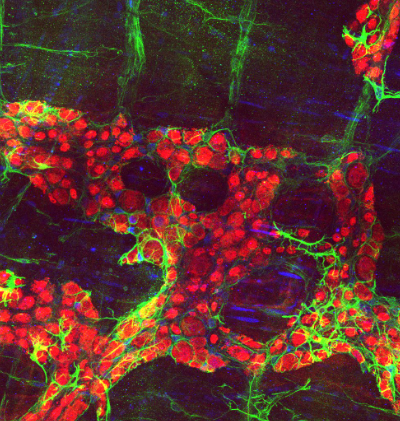
Dr. Cross has advocated for and expanded LGBTQ+ campus support systems for more than 20 years. She is known for her innovative partnerships on- and off-campus, working across constituencies, educational outreach and consulting, advocacy for all-gender restrooms, and creating a welcoming space where people feel they belong. Most recently, she secured a $2 million anonymous gift to create a residency program to bring prominent leaders to Penn’s campus.

Dr. Cross left her position on June 5 after more than two decades at Penn. 

Steve Viscelli: U.S. Department of Transportation Task Force

Steve Viscelli, an associate professor of practice in the department of sociology in the School of Arts & Sciences, was named by Secretary of Transportation Pete Buttigieg to the Truck Leasing Task Force of the U.S. Department of Transportation’s Federal Motor Carrier Safety Administration. The task force will investigate predatory leasing practices in the trucking industry, practices Dr. Viscelli had documented in his 2016 book, The Big Rig: Trucking and the Decline of the American Dream.

The appointment of Dr. Viscelli, who is also a Kleinman Center for Energy Policy faculty fellow, will last two years.

Research

New Research Identifies Cells Linking Chronic Psychological Stress to Inflammatory Bowel Disease

caption: Neurons and glia in the enteric nervous system in the gastrointestinal tract.For the first time, cells involved with the communication between stress responses in the brain and inflammation in the gastrointestinal (GI) tract have been identified in animal models, according to findings from the Perelman School of Medicine at the University of Pennsylvania, published recently in Cell. Glial cells, which support neurons, communicate stress signals from the central nervous system (CNS) to the semi-autonomous nervous system within the gastrointestinal (GI) tract, called the enteric nervous system (ENS). These psychological stress signals can cause inflammation and exacerbate symptoms of inflammatory bowel disease (IBD).

An estimated 1.6 million Americans currently have IBD, which refers to two conditions – Crohn’s disease and ulcerative colitis – characterized by inflammation of the GI tract, and can cause symptoms like persistent diarrhea, abdominal pain, and bloody stools. Prolonged inflammation can also lead to permanent damage to the GI tract. Current treatments consist of anti-inflammatory drugs, immune suppressants, dietary changes, and steroids.

“Clinicians have long observed that chronic stress can worsen IBD symptoms, but until now, no biological connection has been identified to explain how the digestive system knows when someone is stressed,” said senior author Christoph Thaiss, an assistant professor of microbiology.

In the study, researchers found that, like humans, mice with IBD developed severe symptoms when stressed. They traced the initial stress response signals to the adrenal cortex, which releases glucocorticoids—steroid hormones that activate the physiological responses to stress throughout the body. The researchers found that neurons and glia in the ENS responded to chronically elevated glucocorticoid levels, suggesting that they are the link between stress perception by the brain and intestinal inflammation.

While glucocorticoids typically have an anti-inflammatory effect in the body, the researchers found that when glia in the ENS were exposed to the steroid hormones for a prolonged period, such as during chronic stress, they attract white blood cells to the GI tract that increase inflammation. The researchers also found that when exposed to chronic stress, the neurons in the ENS in the GI tract stop functioning as they normally do, which can lead to impaired bowel movements and exacerbated IBD symptoms.

Dr. Thaiss and collaborators verified the connection between psychological stress and IBD symptoms in humans using the U.K. Biobank and a patient cohort from the IBD Immunology Initiative at Penn Medicine. They found that the in patients with an IBD diagnosis, the level of reported stress correlated with an increased severity of IBD symptoms.

“This finding highlights the importance of psychological evaluations in patients being treated for IBD, as well as to inform treatment protocols,” said Maayan Levy, an assistant professor of microbiology and co-senior author of the study. “One of the most common treatments for IBD flare-ups is steroids, and our research indicates that in patients with IBD who experience chronic stress, the efficiency of this treatment could be impaired.”

Researchers underscore the opportunity for more research into the biology of enteric glial cells, and the role they play in many regulatory systems within the body, including the communication between the nervous system and the immune system.

Adapted from a June 8, 2023 Penn Medicine News release.

Penn Dental Medicine Collaboration Identifies New Bacterial Species Involved in Tooth Decay

Collaborating researchers from Penn’s School of Dental Medicine and the Adams School of Dentistry and Gillings School of Global Public Health at the University of North Carolina at Chapel Hill have discovered that a bacterial species called Selenomonas sputigena can have a major role in causing tooth decay.

Scientists have long considered another bacterial species, the plaque-forming, acid-making Streptococcus mutans, as the principal cause of tooth decay—also known as dental caries. However, in the study, published in Nature Communications, the Penn Dental Medicine and UNC researchers showed that S. sputigena, previously associated only with gum disease, can work as a key partner of S. mutans, greatly enhancing its cavity-making power.

“This was an unexpected finding that gives us new insights into the development of caries, highlights potential future targets for cavity prevention, and reveals novel mechanisms of bacterial biofilm formation that may be relevant in other clinical contexts,” said study co-senior author Hyun (Michel) Koo, a professor in the department of orthodontics and in the divisions of pediatrics and community oral health and co-director of the Center for Innovation & Precision Dentistry at Penn Dental Medicine.

The other two co-senior authors of the study were Kimon Divaris, a professor at UNC’s Adams School of Dentistry, and Di Wu, an associate professor at the Adams School and at the UNC Gillings School of Global Public Health.

“This was a perfect example of collaborative science that couldn’t have been done without the complementary expertise of many groups and individual investigators and trainees,” Dr. Divaris said.

Caries are considered the most common chronic disease in children and adults in the U.S. and worldwide. It arises when S. mutans and other acid-making bacteria are insufficiently removed by teeth-brushing and other oral care methods, and end up forming a protective biofilm, or “plaque,” on teeth. Within plaque, these bacteria consume sugars from drinks or food, converting them to acids. If the plaque is left in place for too long, these acids start to erode the enamel of affected teeth, in time creating cavities.

Scientists in past studies of plaque bacterial contents have identified a variety of other species in addition to S. mutans. These include species of Selenomonas, an “anaerobic,” non oxygen-requiring group of bacteria that are more commonly found beneath the gum in cases of gum disease. But the new study is the first to identify a cavity-causing role for a specific Selenomonas species.

The UNC researchers took samples of plaque from the teeth of 300 children aged 3-5 years, half of whom had caries, and, with key assistance from Dr. Koo’s laboratory, analyzed the samples using an array of advanced tests. The tests included sequencing of bacterial gene activity in the samples, analyses of the biological pathways implied by this bacterial activity, and even direct microscopic imaging. The researchers then validated their findings on a further set of 116 plaque samples from 3- to 5-year-olds.

The data showed that although S. sputigena is only one of several caries-linked bacterial species in plaque besides S. mutans, and does not cause caries on its own, it has a striking ability to partner with S. mutans to boost the caries process.

S. mutans is known to use available sugar to build sticky constructions called glucans that are part of the protective plaque environment. The researchers observed that S. sputigena, which possesses small appendages allowing it to move across surfaces, can become trapped by these glucans. Once trapped, S. sputigena proliferates rapidly, using its own cells to make honeycomb-shaped “superstructures” that encapsulate and protect S. mutans. The result of this unexpected partnership, as the researchers showed using animal models, is a greatly increased and concentrated production of acid, which significantly worsens caries severity.

The findings, Dr. Koo said, show a more complex microbial interaction than was thought to occur, and provide a better understanding of how childhood cavities develop—an understanding that could lead to better ways of preventing cavities.

“Disrupting these protective S. sputigena superstructures using specific enzymes or more precise and effective methods of tooth-brushing could be one approach,” Dr. Koo said.

The researchers now plan to study in more detail how this anaerobic motile bacterium ends up in the aerobic environment of the tooth surface.

“This phenomenon in which a bacterium from one type of environment moves into a new environment and interacts with the bacteria living there, building these remarkable superstructures, should be of broad interest to microbiologists,” Dr. Koo said.

Adapted from a June 9, 2023 Penn Today article.

Events

Update: Summer AT PENN

Children’s Events

6/23     At-Home Anthro Live; students will learn the history of the “Royal Game of Ur,” the oldest board game in human history, and how it influenced other games in the ancient world, before designing their own game; 1 p.m.; online webinar; info: https://www.penn.museum/calendar/1636/at-home-anthro-live (Penn Museum).


Morris Arboretum

In-person events at Morris Arboretum. Prices and info: https://www.morrisarboretum.org/see-do/events-calendar.

6/21     June Storytime; story time in the arboretum’s outdoor classroom, followed by a fun activity; 10:30 a.m.


Exhibits

6/25     ICA Gather: Infinite Swarm; ICA welcomes neighbors, creatives, and families for an afternoon in celebration of Terence Nance: Swarm, including guided meditation and other drop-in activities; noon-6 p.m.; ICA; register: https://tinyurl.com/ica-gather-jun-25 (Institute of Contemporary Art).


Talks

6/20     Computationally-Constrained Dynamically-Feasible Search-Based Motion Planning; Laura Jarin-Lipschitz, mechanical engineering & applied mechanics; 10 a.m.; room 337, Towne Building (MEAM).

6/22     Implementation Science at Penn: Past, Present, and Future; Karen Glanz, George A. Weiss University Professor; John Kimberly, Wharton; Meghan Lane-Fall, biostatistics, epidemiology, and informatics; noon; Law Auditorium, Jordan Medical Education Center; register: https://tinyurl.com/ldi-talk-jun-22 (Leonard Davis Institute).

6/26     Roots of Wisdom; Tim Ricks, assistant surgeon general from 2018-2022; 5:30 p.m.; online webinar; register: https://tinyurl.com/ricks-talk-jun-26 (Penn Dental Medicine).

--

This is an update to the Summer AT PENN calendar, which is online now. To submit an event for a future AT PENN calendar or weekly update, email almanac@upenn.edu.

Crimes

Weekly Crime Reports

University of Pennsylvania Police Department Crime Report

Below are the Crimes Against Persons, Crimes Against Society and Crimes Against Property from the campus report for June 5-11, 2023. View prior weeks’ reports. —Ed.

This summary is prepared by the Division of Public Safety and includes all criminal incidents reported and made known to the University Police Department for June 5-11, 2023. The University Police actively patrol from Market St to Baltimore and from the Schuylkill River to 43rd St in conjunction with the Philadelphia Police. In this effort to provide you with a thorough and accurate report on public safety concerns, we hope that your increased awareness will lessen the opportunity for crime. For any concerns or suggestions regarding this report, please call the Division of Public Safety at (215) 898-4482.

06/05/23

8:08 AM

4211 Sansom St

Unknown offender entered the rear yard and removed tools from the shed

06/05/23

8:04 PM

220 S 40th St

Complainant struck in the face with a closed fist by offender

06/05/23

8:05 PM

3300 Walnut St

Backpack containing currency and electronics taken

06/06/23

6:10 AM

243 S 41st St

Burglary by offender for entering an unoccupied residence/Arrest

06/06/23

9:02 AM

3400 Spruce St

Unknown offender in an SUV pointed a gun at the complainant while riding his bike on the highway

06/06/23

1:00 PM

3408 Sansom St

Wallet taken from purse /credit card used fraudulently

06/06/23

1:07 PM

3550 Market St

Known offender attacked complainant with pepper spray and metal stand

06/06/23

4:24 PM

3700 Hamilton Walk

Scooter taken from bike rack

06/06/23

8:00 PM

3900 Chestnut St

Complainant defrauded of $412,100 on three separate occasions

06/06/23

11:02 PM

4000 Ludlow St

Unknown offenders spray painted construction fence

06/07/23

7:42 AM

4109 Locust St

Residence was entered and two pairs of sneakers were taken

06/07/23

10:30 AM

4233 Chestnut St

Retail theft of three bottles of liquor by an unknown offender

06/07/23

3:35 PM

3600 Civic Center Blvd

Unsecured electric bike taken

06/08/23

7:06 AM

100 S 31st St

Complainant threatened with a gun during a verbal dispute on the highway

06/08/23

10:04 PM

3921 Pine St

An unknown offender entered an apartment, but unknown if anything was stolen

06/09/23

9:16 AM

4211 Sansom St

Front gate taken

06/09/23

1:57 PM

4231 Baltimore Ave

Theft of mail from locked mailbox outside of residence

06/09/23

3:33 PM

4238 Pine St

Bicycle theft from front porch of residence

06/09/23

4:05 PM

4233 Chestnut St

Retail theft of alcohol

06/10/23

9:39 AM

3400 Civic Center Blvd

Medication taken from pharmacy

06/10/23

1:57 PM

3620 Hamilton Walk

Vehicle taken from parking space

06/10/23

3:06 PM

3100 Market St

Theft of bicycle parts from bike rack on highway

06/10/23

3:15 PM

4117 Pine St

Theft of a parked vehicle

06/11/23

2:17 AM

4228 Walnut St

Robbery of offering box inside of location/Arrest

06/11/23

2:07 PM

3925 Walnut St

Retail theft

06/11/23

2:58 PM

51 N 39th St

Offender made threats toward complainant


18th District

Below are the Crimes Against Persons from the 18th District: 6 incidents (3 aggravated assaults, 2 robberies, and 1 assault) with 1 arrest were reported for June 5-11, 2023 by the 18th District, covering the Schuylkill River to 49th St & Market St to Woodland Avenue.

06/05/23

11:25 PM

220 S 40th St

Assault

06/06/23

9:02 AM

3400 Blk Spruce St

Aggravated Assault

06/06/23

1:38 PM

3550 Market St

Aggravated Assault

06/08/23

7:05 AM

100 Blk S 31st St

Aggravated Assault

06/09/23

5:23 PM

4412 Sansom St

Robbery

06/11/23

2:18 AM

4228 Walnut St

Robbery/Arrest

Bulletins

Recognized Holidays for Fiscal Year 2024

The following holidays will be observed by the University in the upcoming fiscal year (July 1, 2023 through June 30, 2024) on the dates listed below:

  • Independence Day, Tuesday, July 4, 2023
  • Labor Day, Monday, September 4, 2023
  • Thanksgiving, Thursday and Friday, November 23 & 24, 2023
  • Christmas Day, Monday, December 25, 2023
  • New Year’s Day, Monday, January 1, 2024
  • Martin Luther King, Jr. Day, Monday, January 15, 2024
  • Memorial Day, Monday, May 27, 2024
  • Juneteenth, Wednesday, June 19, 2024

To the University Community:

Each year, the President, Provost, and Senior Executive Vice President assess the feasibility of observing Penn’s traditional Special Winter Vacation. This year, the Special Winter Vacation granted to faculty and staff will be on December 26, 27, 28, and 29, 2023. If an employee is required to work to continue departmental operations for part or all of this period, the Special Winter Vacation can be rescheduled for some other time.

Staff members who are absent from work either the workday before a holiday, the workday after a holiday, or both days, will receive holiday pay if that absence is charged to pre-approved paid time off or to sick time substantiated by a written note from the staff member’s healthcare provider.

Vacations and holidays for hospital employees or those staff members in collective bargaining units are governed by the terms of hospital policies or their respective collective bargaining agreements.

—Division of Human Resources


Fiscal Year 2024

Fiscal Year 2025

Fiscal Year 2026

Independence Day

Tues., 7/4/23

Thurs., 7/4/24

Fri., 7/4/25

Labor Day

Mon., 9/4/23

Mon., 9/2/24

Mon. 9/1/25

Thanksgiving

Thurs. & Fri., 11/23 & 11/24/23

Thurs. & Fri., 11/28 & 11/29/24

Thurs., & Fri., 11/27 & 11/28/25

Christmas Day

Mon., 12/25/23

Wed., 12/25/24

Thurs., 12/25/25

New Year’s Day

Mon., 1/1/24

Wed., 1/1/25

Thurs., 1/1/26

Dr. Martin Luther King Jr. Day

Mon., 1/15/24

Mon., 1/20/25

Mon., 1/19/26

Memorial Day

Mon., 5/27/24

Mon., 5/26/25

Mon., 5/25/26

Juneteenth

Wed., 6/19/24

Thurs., 6/19/25

Fri., 6/19/26

Penn IT Strategic Plan Project Identifies Themes

Penn is developing an updated University Information Technology Strategic Plan, prioritizing IT activities for the next three to five years. 

Led by Information Systems & Computing and launched in February, the project spans four phases: discovery, theme definition, analysis and recommendations, and report.

The discovery and theme definition phases have recently been completed. The project team conducted 68 interviews with key stakeholders and groups from across the University and received 300 responses to a campus-wide online survey.

From this wealth of informed input, four major themes emerged: student experience, academic technology, data & artificial intelligence, and research computing—each encompassing several sub-themes. Three additional cross-sectional themes—operational efficiency and standardization, IT staffing and labor reskilling, and information security and privacy—will inform analysis of the others. Teams of academic and administrative leaders are now being assembled to investigate opportunities and implications for Penn in each of these major themes.

This work will result in recommendations to be incorporated into Penn’s IT strategy, identifying prioritized activities that will best position the University over the next several years.

More information about this project and the themes derived from the discovery phase is available at https://www.isc.upenn.edu/penn-it-strategic-plan.

—Joshua Beeman, Associate Vice President, Information Technology and Associate Chief Information Officer

Penn to Increase the Discount for Faculty and Staff Commuter Program

Penn’s department of Parking & Commuter Services has announced that there will be a significant increase in the discount the University provides to faculty and staff who use public transportation to commute to work. Currently, Penn’s commuter benefit provides a discount of 5% on commuter fares and passes purchased through pre-tax payroll deductions (10% on SEPTA monthly passes).  The University plans to raise the discount on Philadelphia regional passes to 50% with a maximum discount of $105 per month.  The new discount is scheduled to take effect September 1, 2023, coinciding with a system migration to a new program management platform that will offer an enhanced user interface and related support services. This discount will be available for transportation options including SEPTA’s Monthly City TransPass and Monthly Regional TrailPass (does not include SEPTA Key’s Travel Wallet), PATCO, New Jersey Transit, and Amtrak (prepaid 10-pack tickets and Monthly Pass). The Commuter Card, which allows loading pre-tax contributions onto a debit card that can be used to pay for a variety of eligible transit expenses, will continue to be offered with a discount of 5%. The pre-tax deduction of up to $300 per month will still be available, adding additional savings potential to riders.

“Over the years, the University has observed significant changes in the commuting patterns and preferences of faculty and staff, especially in the post-pandemic time period,” said Marie Witt, vice president of the division of business services. “We felt it was an opportune time to revisit the commuter benefit with an eye toward making the utilization of public transportation more affordable and the choice for sustainable transportation options more attractive.”

According to Joe Russo, Senior Director of Business Services, Penn looked at a number of factors, including program participation over time, implications of hybrid work accommodations, and the value of Penn’s commuter benefit relative to other options outside the current program.

“It was important to ensure that the commuter benefit Penn provides takes an inclusive approach to the variety of local and regional transit providers that faculty and staff rely upon for transportation,” said Jack Heuer, senior vice president for human resources. “After careful analysis, we determined that a substantial increase to the current discount was the most effective way to offer more value to program participants while expanding our commitment to sustainable commuting to and from campus,” Heuer explained.

Program participants are not required to make any changes to their selection at this time.  Additional communications, including enrollment guidance and deadlines, will be widely distributed before the September rollout. Webinars and other information are also planned to ease the transition into this exciting new offering.

Increasing the commuter discount is part of a broader Sustainable Transportation Initiative which has most recently included the introduction of electric vehicles to the Penn transit fleet, as well as a new mobile app for accessing Penn Transit’s free and convenient campus transportation network.

Back to Top