
News

Penn’s 2022 Commencement Speaker and Honorary Degree Recipients

Award-winning documentary filmmaker Ken Burns will be Penn’s Commencement Speaker at the 2022 University of Pennsylvania Commencement on Monday, May 16. He and seven other individuals will each receive an honorary degree from Penn.

Medha Narvekar, Penn’s Vice President and University Secretary, has announced the 2022 honorary degree recipients and the Commencement Speaker for the University of Pennsylvania. The Office of the University Secretary manages the honorary degree selection process and University Commencement.

The 266th Commencement begins at 10:15 a.m. on Monday, May 16 and will be preceded by student and academic processions through campus. The ceremony will feature the conferral of degrees, the awarding of honorary degrees, greetings by University officials and remarks by the Commencement Speaker. It will be streamed live on the Penn website. For University of Pennsylvania Commencement information, including historical information about the ceremony, academic regalia, prior speakers and honorary degree recipients, see www.upenn.edu/commencement.

Ken Burns

caption: Ken BurnsKen Burns has been making documentary films for more than 40 years. Since creating the Academy Award-nominated Brooklyn Bridge in 1981, Mr. Burns has gone on to direct and produce many documentaries, primarily focused on American history, culture, politics, and luminaries.

His films have explored a long list of subjects, evidenced by a small sampling of titles: The National Parks: America’s Best Idea; The Roosevelts: An Intimate History; Jackie Robinson; The Vietnam War; Country Music; Cancer: The Emperor of All Maladies; and The Central Park Five. His latest effort, Benjamin Franklin, will premiere in April 2022.

Mr. Burns’s trilogy of epic documentaries began with The Civil War, a landmark television series for which he served as director, producer, co-writer, chief cinematographer, music director, and executive producer. It attracted an audience of 40 million during its premiere in September 1990.

Next came Baseball, which debuted on PBS over nine nights in September 1994. The film covers the history of baseball from the 1840s to the present, and through the extensive use of archival photographs and newsreel footage, depicts baseball as a mirror of our larger society.

Co-produced with Lynn Novick, Jazz rounded out the trilogy in 2001. This 19-hour, ten-part film explores in detail the culture, politics, and dreams that gave birth to jazz music, and follows this most American of art forms from its origins in blues and ragtime through swing, bebop, and fusion.

Mr. Burns’s films have been honored with dozens of major awards, including 16 Emmy Awards, two Grammy Awards, and two Oscar nominations. In September 2008, at the News & Documentary Emmy Awards, he was honored by the Academy of Television Arts & Sciences with a Lifetime Achievement Award.

A native of Brooklyn, New York, Mr. Burns graduated from Hampshire College in Amherst, Massachusetts, and went on to co-found Florentine Films.

Mr. Burns will be receiving an honorary Doctor of Arts.

Mary Frances Berry
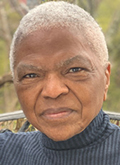
caption: Mary Frances BerryMary Frances Berry is the Geraldine R. Segal Professor of American Social Thought, History, and Africana Studies emerita at the University of Pennsylvania, where she has taught since 1987. Dr. Berry teaches the History of American Law and the History of Law and Social Policy and advises students in African American History and Legal History.

In addition to her work in academia, Dr. Berry has, since her college years, been politically active in the pursuit of civil rights, gender equality, and social justice and has received numerous honors for her activism. Among them, Dr. Berry was recognized with the 2021 Lewis Award for History and Social Justice by the American Historical Association. Named in memory of renowned civil rights leader and Georgia Congressman John Lewis, the award recognizes a historian for leadership and sustained engagement at the intersection of historical work, public culture, and social justice. In 2012, she received the Nelson Mandela Award from the South African government for her role in organizing the Free South Africa Movement in the U.S., which was instrumental in passing legislation to establish sanctions against trade with South Africa—an achievement that helped to end apartheid.

Dr. Berry has also had a distinguished career in public service. She was the Assistant Secretary for Education in the U.S. Department of Health, Education, and Welfare during the Carter administration and served on the U.S. Commission on Civil Rights under five presidential administrations, first as a member, and then as chair.

Dr. Berry is the author of 13 books whose subjects include the history of constitutional racism in America and the reasons behind the failure of the Equal Rights Amendment. Her latest book is History Teaches Us to Resist: How Progressive Movements Have Succeeded in Challenging Times (2018).

A native of Nashville, Tennessee, Dr. Berry earned a bachelor’s degree from Howard University and doctoral and law degrees from the University of Michigan.

Dr. Berry will be receiving an honorary Doctor of Humane Letters.

Atul Gawande

caption: Atul GawandeA renowned surgeon, writer, and public health leader, Atul Gawande leads global health at the U.S. Agency for International Development. Prior to joining the Biden-Harris administration, he was a practicing general and endocrine surgeon at Brigham and Women’s Hospital and a professor at Harvard Medical School and the Harvard T.H. Chan School of Public Health.

Dr. Gawande’s research and leadership has long focused on developing systems innovations to transform safety and quality in healthcare. He was the founder and chair of Ariadne Labs, whose work includes testing implementation of a safe childbirth coaching and checklist intervention in India to improve neonatal and maternal outcomes; roll-out of a suite of systems tools that reduced the mortality of surgical care globally; and a randomized trial in collaboration with the Dana-Farber Cancer Institute to improve care and decision-making for patients at the end of life. He also co-founded and chaired Lifebox, a nonprofit organization aimed at making surgery safer globally, as well as CIC Health, which operates COVID-19 testing and vaccination nationally.

In addition, Dr. Gawande has been a staff writer for The New Yorker since 1998. He has written four New York Times best-selling books: Complications (2002), Better (2007), The Checklist Manifesto (2009), and Being Mortal (2014). He is the winner of two National Magazine Awards, AcademyHealth’s Impact Award for highest research impact on healthcare, a MacArthur Fellowship, and the Lewis Thomas Award for writing about science.

Named one of Boston’s best doctors by Boston magazine, Dr. Gawande received his medical degree from Harvard Medical School and a master’s in public health from the Harvard School of Public Health.  Board certified in surgery, he completed his general surgery residency at Brigham and Women’s Hospital.

Dr. Gawande will be receiving an honorary Doctor of Sciences.

Amy Gutmann

caption: Amy GutmannAmy Gutmann served as the eighth President of the University of Pennsylvania from 2004 to 2022. Named by Fortune magazine in 2018 as one of the “World’s 50 Greatest Leaders,” Dr. Gutmann is renowned for championing affordable access to education and healthcare, innovative discoveries that save lives and propel economies, global engagement, and public-private partnerships.  She was confirmed as the United States Ambassador to Germany in February of 2022.

First in her family to graduate college, Dr. Gutmann made affordable educational access a priority, more than doubling the number of students from low-income and first-generation college families and making Penn the largest U.S. university offering all-grant financial aid that meets the full need of undergraduates.

As the leader of Philadelphia’s largest private employer, Dr. Gutmann oversaw the creation of a robust innovation ecosystem on Penn’s expanded campus, including the 23-acre Pennovation Works and its flagship Pennovation Center business incubator and laboratory.

A longtime advocate of collaborating across disciplines, Dr. Gutmann created the Penn Integrates Knowledge (PIK) University Professorships, which bring preeminent faculty to Penn from around the world. PIK University professors hold joint appointments in two or more of Penn’s 12 schools. With $1 billion in annual research funding and recognition as a global leader in immunotherapy and mRNA technology development, Penn has been consistently ranked as one of the most innovative universities in the world.

Dr. Gutmann is an award-winning author and editor of 17 books, including her most recent with Penn Integrates Knowledge Professor Jonathan Moreno, Everybody Wants to Go to Heaven But Nobody Wants to Die: Bioethics and the Transformation of Health Care in America. She chaired President Barack Obama’s Presidential Commission for the Study of Bioethical Issues from 2009 until 2017.

At Penn, Dr. Gutmann was the Christopher H. Browne Distinguished Professor of Political Science and a professor of communication. A graduate from Radcliffe College of Harvard University, she earned her master’s degree from the London School of Economics, and her doctorate from Harvard.

Dr. Gutmann will be receiving an honorary Doctor of Laws.

Carla D. Hayden
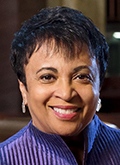
caption: Carla HaydenCarla D. Hayden was sworn in as the 14th Librarian of Congress on September 14, 2016. Nominated to the position by President Barack Obama, she is the first woman and the first African American to lead the national library.

Prior to the Library of Congress, Dr. Hayden served as Chief Executive Officer of the Enoch Pratt Free Library in Baltimore, Maryland, for 23 years. During her tenure, she led a revitalization of the historic library, prioritizing community access and technological innovations. Understanding the library’s significance to residents, she famously made sure its doors remained open during a period of civil unrest following the death of Freddie Gray.

Dr. Hayden began her career with the Chicago Public Library, serving as a library associate and children’s librarian from 1973 to 1979, and as the young adult services coordinator from 1979 to 1982. Dr. Hayden was the library services coordinator for the Museum of Science and Industry in Chicago from 1982 to 1987. She then moved to Pittsburgh to become assistant professor of library and information science at the University of Pittsburgh from 1987 to 1991. Prior to joining the Pratt Library, Dr. Hayden was deputy commissioner and chief librarian of the Chicago Public Library from 1991 to 1993.

In 2003, Dr. Hayden was elected president of the American Library Association. In 1995, she was the first African American to receive Library Journal’s Librarian of the Year Award in recognition of her outreach services at the Pratt Library, which included an after-school center for Baltimore teens offering homework assistance and college and career counseling. In January 2010, President Obama nominated her to be a member of the National Museum and Library Services Board and she was confirmed to that post by the Senate in June of the same year.

Dr. Hayden received a BA from Roosevelt University and an MA and PhD from the Graduate Library School of the University of Chicago.

Dr. Hayden will be receiving an honorary Doctor of Humane Letters.

George E. Lewis
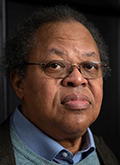
caption: George LewisAmerican composer, musicologist, and trombonist George E. Lewis is the Edwin H. Case Professor of American Music at Columbia University.   After completing his undergraduate degree in philosophy at Yale University, he joined the Association for the Advancement of Creative Musicians (AACM), an African American collective now widely recognized for innovative American music.

After 13 years at the University of California, San Diego, Professor Lewis joined Columbia’s department of music in 2004, serving as Area Chair in Composition and faculty member in Historical Musicology. Professor Lewis teaches courses in composition, computer music, and histories of 20th century music and experimentalism.

Professor Lewis’s music, including The Will To Adorn (2011), for sixteen instruments, Emergent (2014), for flute and spatialized audio processing, and the opera Afterword (2015), has been presented worldwide. He is also a pioneer in creating computer programs that draw on artificial intelligence techniques to improvise in concert with human musicians.

His scholarship explores technology, improvisation, race, and identity. His book, A Power Stronger Than Itself: The AACM and American Experimental Music (2008), received the American Book Award and the American Musicological Society’s first Music in American Culture Award.  His articles include “Improvised Music After 1950: Afrological and Eurological Perspectives” (Black Music Research Journal, 1996); “Too Many Notes: Computers, Complexity and Culture in Voyager” (Leonardo Music Journal, 2000); and “The Situation of a Creole” (Twentieth Century Music, 2017).  He co-edited (with Benjamin Piekut) the two-volume Oxford Handbook of Critical Improvisation Studies (2016), which presents perspectives from scholars working in both artistic and nominally non-artistic fields in the humanities, arts, and the social and natural sciences.

Professor Lewis has been elected to the Akademie der Künste Berlin, the American Academy of Arts and Sciences, and the American Academy of Arts and Letters, and he is a Corresponding Fellow of the British Academy. His other honors include a MacArthur Fellowship (2002), a Guggenheim Fellowship (2015), and a Doris Duke Artist Award (2019).

Professor Lewis will be receiving an honorary Doctor of Music.

Margaret H. Marshall

caption: Margaret MarshallMargaret H. Marshall is Senior Counsel at the Boston law firm Choate Hall & Stewart. Previously, beginning in 1999, she served as Chief Justice of the Supreme Judicial Court of Massachusetts, the first woman to be named to the position in its then 307-year history. She was appointed to the court as Associate Justice in 1996.

During her tenure on the court, Chief Justice Marshall wrote many groundbreaking opinions, including Goodridge v. Department of Public Health (2003), which declared that the Massachusetts Constitution prohibits the state from denying same-sex couples’ access to civil marriage. The ruling made Massachusetts the first state in the United States to legalize gay marriage.

As Chief Justice, she was widely recognized as a champion for an independent judiciary and as a leader in the promotion of administrative reforms within the judicial branch. A long-time advocate of access to justice for all, she implemented innovative procedures for self-represented litigants and strengthened pro bono services by the bar.

Chief Justice Marshall was born in South Africa when apartheid, the oppressive system of white minority rule, was in place. While earning her baccalaureate from the University of the Witwatersrand in Johannesburg, she was elected President of the National Union of South African Students, at the time a leading anti-apartheid organization. She came to the U.S. to pursue a master’s degree at Harvard University and then received her J.D. from Yale Law School. Following graduation, Chief Justice Marshall practiced law in Boston, becoming a partner at Choate.  Before joining the court, Chief Justice Marshall served as Vice President and General Counsel of Harvard University, the first woman to hold the position.

Chief Justice Marshall has been involved in numerous professional activities, including serving as President of the United States Conference of Chief Justices, and as Chair of the Board of the National Center for State Courts. In 2004, she became a Trustee of Yale University and until 2016 served as Senior Trustee, the first woman to do so.

Chief Justice Marshall will be receiving an honorary Doctor of Laws degree.

Edward Witten
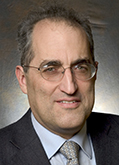
caption: Edward WittenEdward Witten is a highly influential figure in theoretical physics and a leading expert on string theory, the best current candidate to unify all forces and matter, including gravity, by regarding elementary particles as vibrating one-dimensional “strings.” It attempts no less than to be the fundamental description of reality.

The Charles Simonyi Professor in the School of Natural Sciences at the Institute for Advanced Study (IAS), Dr. Witten conjectured in 1995 that the then-five competing notions of string theory could be unified under a single description. This hypothesis was widely influential and played a major role in what became known as the “second superstring revolution.’’

Dr. Witten has made significant contributions in many areas of physics, from cosmology to particle physics, with some applications to condensed matter physics as well. He is the most cited scientist in the physical sciences. With IAS physicist Nathan Seiberg, he solved an outstanding puzzle in the dynamics of gauge theories, which govern the behavior of matter within atomic nuclei.

Dr. Witten is also an important figure in pure mathematics, where his ideas about applying quantum physics to mathematical questions, from knots to geometry, have had a substantial impact. He is the sole physicist to have won the Fields Medal (1990), the premier prize in mathematics research. He has also garnered numerous other awards, including the Fundamental Physics Prize (2012), the Lorentz Medal (2010), the Isaac Newton Medal (2010), the Crafoord Prize (2008), the Henri Poincaré Prize (2006), and the National Medal of Science (2002).

A lifelong advocate for peace in the Middle East, Dr. Witten serves on the Board of Directors of Americans for Peace Now and on the Advisory Council of J Street. He holds a BA from Brandeis University and an MA and PhD from Princeton University.

Dr. Witten will be receiving an honorary Doctor of Sciences.
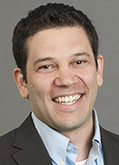
Judd B. Kessler: Howard Marks Endowed Associate Professor

caption: Judd KesslerJudd B. Kessler has been named the inaugural Howard Marks Associate Professor at the Wharton School of the University of Pennsylvania. The associate professorship, which has been funded by Howard S. Marks, W’67, is dedicated to Wharton faculty in the field of behavioral economics and behavioral investing.

Dr. Kessler, a faculty member in Wharton’s business economics and public policy department, joined the school in 2011. His research uses a combination of laboratory and field experiments to answer questions in public economics, behavioral economics, and market design. Dr. Kessler investigates the economic and psychological forces that motivate individuals to contribute to the public good, with applications including organ donation, worker effort, and charitable giving. He was awarded the Vernon L. Smith Ascending Scholar Prize in 2021, and his research has appeared in journals including the American Economic Review, the Quarterly Journal of Economics, the Proceedings of the National Academy of Sciences, and Management Science.

“As a scholar and specialist in experimental economics and market design innovation, Judd embodies Wharton’s commitment to preparing the next generation of great business leaders with the tools to translate theory into practice and drive meaningful change,” said Wharton School Dean Erika James. “Howard’s generosity furthers this vision and is an investment in the faculty leaders who will guide Wharton students in this journey. We are sincerely grateful for his longstanding partnership with the school and the University, and for his support which elevates the work of such exceptional faculty.”

Mr. Marks has been actively involved with Penn for three decades, combining his philanthropy with dedicated service. He served as a member of Wharton’s Undergraduate Executive Board, remains an emeritus trustee of the University, and chaired Penn’s Investment Board in the economically tumultuous years between 2000 and 2010, in addition to his membership on other trustee committees.

“The behavioral aspects of economics and investing are something I’m most interested in, and I think understanding them often makes the difference between average participants and those who are exceptional,” said Mr. Marks. “I am thrilled that this professorship will support such an important area of study, ensuring that today’s students understand and explore the intersection of behavior and business in the global marketplace, and advancing knowledge and outcomes in industry and community.”

In addition to this newly established professorship, Mr. Marks has contributed to programs across Penn, including the Howard Marks Professorship for faculty in economic history, currently held by Marc Flandreau (Almanac September 26, 2017), as well as the Howard Marks Endowed Scholarship, which supports diverse undergraduate students residing in Los Angeles or Southern California. He established the Howard Marks Investor Speaker Series at Wharton to bring the insights of investors to campus for the undergraduate and MBA communities. He recently endowed the Marks Family Center for Excellence in Writing (Almanac May 26, 2020) at Penn Arts & Sciences, a University-wide resource dedicated to teaching writing and creating a community of writers across Penn’s undergraduate schools.

Howard Marks has led a career in finance and is the co-founder and co-chair of Oaktree Capital Management. He is the author of two books: The Most Important Thing: Uncommon Sense for the Thoughtful Investor and Mastering the Market Cycle: Getting the Odds on Your Side. He earned his undergraduate degree in finance cum laude from the Wharton School in 1967, and his MBA in accounting and marketing from the University of Chicago Booth School of Business, where he received the George Hay Brown Prize. He is a CFA charterholder. Mr. Marks is a trustee and a member of the Investment Committee at the Metropolitan Museum of Art, a member of the Investment Committee of the Royal Drawing School, and a professor of practice at King’s Business School. He serves on the Shanghai International Financial Advisory Council and the Advisory Board of Duke Kunshan University.

From the University Leadership: A Message to the Penn Community Concerning Masking Restrictions

February 22, 2022

We continue to monitor our shared progress in lowering the COVID positivity rate on campus. We are very pleased that the campus positivity rate, as posted today on the University Dashboard, is now at a remarkably low 0.97%.

As a result, we are now taking the next step in lifting the restrictions that were implemented temporarily on January 12. Double masking or wearing a KN95/KF94/N95 mask is no longer required in campus buildings. The City of Philadelphia continues to require masks in indoor public places and has established specific metrics to determine when it will end that mandate. We therefore still require masking in campus buildings and strongly encourage you to wear a surgical mask or KN95/KF94/N95 mask, as these masks have been shown to be more effective than cloth masks. 

February 28 is the deadline for those who are eligible for a booster to upload your information to Workday or the Student Health Portal. We remind you that—to further encourage participation in testing and documentation—we are sponsoring ongoing competitions, until February 28, for both undergraduate and graduate/professional students.
 
We are grateful to every member of the Penn community for these highly positive trends. We are actively assessing our campus policies, and we will continue to update you as the situation moves forward.


—Wendell Pritchett, Interim President

—Beth Winkelstein, Interim Provost

—Craig Carnaroli, Senior Executive Vice President

—J. Larry Jameson, Executive Vice President for the Health System

Penn Medical Communication Research Institute Seeks Remedy for Medical Misinformation

How often have you woken up with a mysterious ache or pain, and immediately turned to Google instead of getting in touch with your doctor? Internet searches are a common, quick way to get answers, but also a profound shift in how many of us now access medical information.

While online medical information has the potential to make people more informed and health literate, it can also be harmful—as demonstrated by the rampant and ongoing spread of medical misinformation during the COVID-19 pandemic. How can medical messages do the most good while reducing the harmful side effects?

The Penn Medical Communication Research Institute (PMCRI) is a new collaboration between the Annenberg School for Communication and Perelman School of Medicine at the University of Pennsylvania aiming to find out how to reduce medical misinformation. Led by Anne R. Cappola, a professor of endocrinology, diabetes, and metabolism, PMCRI supports research that helps determine how patients, especially those in vulnerable groups, can best access reliable, effective information. It also seeks strategies to boost trust in scientific research and healthcare providers—rather than search engine results—as primary sources of medical knowledge.

As director, Dr. Cappola brings comprehensive expertise as a clinician, investigator, and medical journal editor. Her role is to connect and support the many experts across Penn who have expertise in different facets of the problem, including researchers from the Annenberg School for Communication, Penn Nursing, the Perelman School of Medicine, and School of Engineering and Applied Sciences.

“Surprisingly little research has been performed to understand the flow of medical communication and how medical misinformation propagates,” Dr. Cappola said.

PMCRI’s research is already underway, having awarded grants to five pilot projects:

  • Assessing Misinformation in Healthcare Advertising
  • Reducing Medical Bias Among Clinicians-in-Training
  • Increasing COVID-19 Vaccination Rates in Lower-Income Communities
  • Communicating with Parents About COVID-19 Vaccines for Children
  • Improving Diversity and Inclusion in Pediatric Clinical Research Trials

“Our mission at the Annenberg School is to be at the vanguard of research that can make an impact on the world,” said John L. Jackson, Jr., Walter H. Annenberg Dean of the Annenberg School and Richard Perry University Professor. “We are thrilled that PMCRI is not only focused on one of the most critical issues of our day, but also providing a hub for researchers from across the University of Pennsylvania to share and augment their expertise.”

PMCRI will also collaborate with other institutes and centers across Penn, including the Leonard Davis Institute, the Institute for Biomedical Informatics, the Institute for Translational Medicine and Therapeutics, the Center for Health Care Innovation, the Alzheimer’s Disease Research Center, the Center for Digital Health, and the Center for Community Health Workers.

Ashon Crawley: Visiting Artist, Center for Public Art and Space

caption: Ashon CrawleyThis spring, the Center for Public Art and Space (CPAS) at Weitzman will host renowned writer, artist, and educator Ashon Crawley, C’03, as its 2022 visiting scholar artist. Dr. Crawley’s work explores the intersection of performance, blackness, queerness, and spirituality.

Dr. Crawley is author of Blackpentecostal Breath: The Aesthetics of Possibility (Fordham University Press) and The Lonely Letters (Duke University Press), a winner of 2021 Lambda Literary Award in LGBTQ Nonfiction. He is the founder of Otherwise Arts Lab, an integrative arts space and experimental practice. A MacDowell interdisciplinary arts fellow and a New City Arts Initiative Fellow, Dr. Crawley has had his work presented at Second Street Gallery, Welcome Gallery, Bridge Projects and the California African American Museum. Dr. Crawley is an associate professor of religious studies and African American and African Studies at the University of Virginia.

“We are thrilled to invite Dr. Crawley back to Penn as a preeminent scholar-artist, a crucial and critical thinker on matters of public installation and engagement, and as an alum,” said Paul Farber, senior research scholar at CPAS and director of Monument Lab.

Dr. Crawley will visit campus for a public lecture on April 6, 2022.

Deaths

Mia Bezar, SAS Junior

caption: Mia BezarMia Bezar, a junior in Penn’s College of Arts and Sciences, passed away on February 13. She was 20. 
Ms. Bezar was a Philadelphia native and she attended the William Penn Charter and Baldwin Schools, graduating in 2019. She then came to Penn, where she studied political science with minors in urban studies and French and Francophone studies. While in high school, she became involved with the Model United Nations, an association she continued in college at Penn’s Model UN Economic and Social Council. 

Ms. Bezar was passionate about environmental studies and climate change. She served as a partnerships and public relations officer at Earth Refuge, the planet’s first legal think tank dedicated to climate migrants. There, she worked in outreach and launched the organization’s Spotlight Series, a series of articles that saw Ms. Bezar interview local thought leaders on environmental policy. 

“She was profoundly kind and compassionate and surely left this world better than she found it,” said her family in an online tribute. “We will remember her for her love of being outdoors in any weather, running, all things French and Italian, cooking, travel and adventure, her boundless energy and wonderful sense of humor but mostly for her love of her family and dear friends.” 

Ms. Bezar is survived by her parents, Nadeem and Gina (nee Stuardi) Bezar; her siblings, Giovanna and Mark Conway; her nephews, Jackson and Brady; and her grandmother, Sultana. A memorial service was held on February 26.

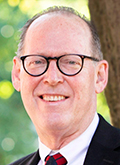
Paul Farmer, Honorary Degree Recipient

caption: Paul FarmerPaul Farmer, a medical anthropologist and physician who co-founded Partners in Health (PIH) to help treat some of the world’s poorest populations, passed away on February 21 in Rwanda. He was 62. 

PIH is an international non-profit organization that provides direct healthcare services to and advocacy for the world’s most impoverished communities, including Haiti and several African nations. Dr. Farmer received an honorary doctor of science from Penn in 2010 (Almanac February 23, 2010). 

Dr. Farmer began working in Haiti in 1983, establishing a small clinic there four years later. In 2009, former President Bill Clinton appointed Dr. Farmer the United Nations Deputy Special Envoy to Haiti.  Following a devastating 2010 earthquake in Haiti, Dr. Farmer and his colleagues organized colleagues to attend to its victims and the World Health Organization named PIH the primary coordinator of the University Hospital in Port-au-Prince. Dr. Farmer wrote several books and journal articles on health and human rights issues and held faculty positions at Harvard Medical School and Brigham and Women’s Hospital. 

Dr. Farmer is survived by his wife, Didi Bertrand; their three children, Catherine, Elizabeth and Sebastian; his mother, Ginny; his brothers, James and Jeffrey; and his sisters, Katy, Jennifer and Peggy.

John Trojanowski, Pathology & Laboratory Medicine

caption: John TrojanowskiJohn Q. Trojanowski, the William Maul Measey-Truman G. Schnabel, Jr. Professor of Geriatric Medicine and Gerontology in the department of pathology and laboratory medicine in the Perelman School of Medicine, passed away on February 8. He was 75.

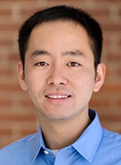
Dr. Trojanowski was born in Bridgeport, CT, and was one of seven children. His father was a Captain in the U.S. Air Force and Dr. Trojanowski grew up attending military schools as his family moved frequently to various Air Force Bases in the U.S. and overseas. After graduating from high school, he majored in German at Kings College before receiving his medical and doctoral degrees at Tufts University School of Medicine. He completed graduate training in Rotterdam, then returned to the U.S. for his residency in neuropathology at Massachusetts General and Harvard Medical School. He met his wife, Virginia Man-Yee Lee, in Massachusetts and they moved to Pennsylvania after Dr. Lee was offered a job at a Philadelphia pharmaceutical company in 1979. Dr. Trojanowski joined Penn’s faculty in 1981.

Dr. Trojanowski shared his scientific and personal life with Dr. Lee, who became the John H. Ware 3rd Endowed Professor in Alzheimer’s Research in the department of pathology and laboratory medicine at Penn, also in 1981. Their findings identifying different forms of the tau protein opened up new avenues of research in neurodegenerative diseases. Little was known about Alzheimer’s disease in the 1980s, and senior faculty advised Drs. Trojanowski and Lee to steer clear of the topic, considered a career killer. They and their colleagues at Penn went on to make a series of groundbreaking discoveries showing that the aggregation and cell-to-cell spread of specific disease proteins is a common mechanism underlying Alzheimer’s and related disorders. 

Over the decades, Drs. Trojanowski and Lee’s evolving research program kept Penn at the forefront in the field. The patient-oriented focus of their extensive basic and clinical work helped to identify numerous targets for potential drug therapies and treatments. Their lab also got some of the first federal grant money to open an Alzheimer’s Disease Research Center, and there they began recruiting and training the next generations of scientists. Dr. Trojanowski helped establish and expand a robust network of aging-related research at Penn. In 1991, he became co-director with Dr. Lee of the Center for Neurodegenerative Disease Research. Eleven years later, Dr. Trojanowski was appointed director of the Penn Institute on Aging, which he helped shape into a model center, catalyzing a wide range of innovative work on aging and aging-related diseases across the entire Penn campus. 

Beyond his far-reaching impact at Penn, Dr. Trojanowski also worked at the national and international level, promoting and advancing aging research, especially related to neurodegenerative diseases. In 1991, he became director of the National Institute on Aging (NIA) Alzheimer’s Disease Center Core, and elsewhere in the NIA, he was active on the Board of Scientific Counselors, the National Advisory Council on Aging, and the Neuroscience, Behavior and Sociology of Aging Review Committee. Among many other national leadership positions, he served as president of the American Association of Neuropathologists. Dr. Trojanowski led the Biomarker Core of the Alzheimer’s Disease Neuroimaging Initiative, a longitudinal study that has changed how patients are diagnosed. His pioneering research and transformative leadership helped to establish Penn as a leading center of research on aging-related neurodegenerative disease and helped make Penn one of the top institutions in the country receiving NIA funding. Programs he helped establish at Penn include the Marian S. Ware Alzheimer Program, the Penn Alzheimer’s Disease Center, the Morris K. Udall Center of Excellence for Parkinson’s Disease Research, and the NIA Penn U19 Center on Alpha-Synuclein Strains in Alzheimer’s Disease and Related Dementias.

Over the course of his distinguished career, Dr. Trojanowski gained the respect of his peers across the country and around the world. Colleagues remember Dr. Trojanowski as a passionate scientist who was also extremely modest about his accomplishments, emphasizing the collaborative nature of his work and the teamwork that went into it. He received numerous awards and honors for his work, including election to the National Academy of Medicine in 2002 and the 2018 Alzheimer’s Association Lifetime Achievement Award. Until nearly the end of his life, he was still writing grants and papers, and overseeing tens of millions of research dollars to better understand the many pathological proteins that he and his wife had identified or studied during their 45 years together. To read several fond remembrances of Dr. Trojanowski from friends and peers, visit https://www.alzforum.org/news/community-news/john-trojanowski-75-giant-field-neuropathology

He is survived by his wife, Dr. Lee; and five siblings. Dr. Lee and his other colleagues are planning a memorial symposium on neurodegeneration in the fall.

---

To Report A Death

Almanac appreciates being informed of the deaths of current and former faculty and staff members, students and other members of the University community. Call (215) 898-5274 or email almanac@upenn.edu.

Governance

From the Senate Chair: Senate Nominating Committee 2022

Under the Faculty Senate Rules, formal notification to members may be accomplished by publication in Almanac. The following is published under that rule.

TO:               Members of the Faculty Senate

FROM:          William W. Braham, Chair

SUBJECT:    Senate Nominating Committee 2022

1. In accordance with the requirements of the Faculty Senate Rules, notice is given to the Senate Membership of the Senate Executive Committee’s nine-member slate of nominees for the 2022 Nominating Committee. The Nominating Committee’s function is to nominate candidates for appointments to all committees and positions for which the Faculty Senate has responsibility in appointing. The Nominating Committee consists of nine members: the Chair, Chair-Elect, and Past Chair, three incumbent members of the Senate Executive Committee, and three members of the Faculty Senate selected by the constituency representatives of the Senate Executive Committee.  The nominees, all of whom have agreed to serve, are:

  • William Braham, Professor of Architecture, Weitzman School of Design; Faculty Senate Chair 
  • Ezekiel Dixon-Román, Associate Professor of Social Policy and Practice, Senate Executive Committee Member
  • Vivian Gadsden, William T. Carter Professor of Child Development and Education, Graduate School of Education; Faculty Senate Chair-Elect
  • Kathleen Hall Jamieson, Elizabeth Ware Packard Professor of Communication, Annenberg School for Communication; Faculty Senate Past Chair
  • Andrea Liu, Hepburn Professor of Physics, School of Arts and Sciences
  • Catherine McDonald, Associate Professor of Nursing; Senate Executive Committee Member
  • Daniel Raff, Associate Professor of Management, Wharton School; Senate Executive Committee Member
  • Kermit Roosevelt, David Berger Professor for the Administration of Justice, Carey Law School
  • Megan Ryerson, Associate Professor of City Planning and UPS Chair of Transportation, Weitzman School of Design

2. Pursuant to the rules, additional nominations may be submitted by petition containing at least 25 signed names and the signed approval of the candidate. All such petitions must be received by Tuesday, March 15, 2022. If no additional nominations are received, the slate nominated by the Executive Committee will be declared elected. 

If additional nominations are received, an email ballot will be distributed to the Faculty Senate membership. Please forward any nominations-by-petition via email to the Faculty Senate office, senate@pobox.upenn.edu. Questions may be directed to Patrick Walsh by email to the address above or by telephone at (215) 898-6943.

University of Pennsylvania Trustees Meetings: March 3-4, 2022

On Thursday, March 3 and Friday, March 4, there will be meetings of the Trustees. Observers may attend the public meetings via conference phone.

The meetings are:

Thursday, March 3

  • Local, National, and Global Engagement Committee, 8:30–10 a.m.
  • Facilities and Campus Planning Committee, 10:15–11:45 a.m.
  • Student Life Committee, 1:45–3:15 p.m.
  • Joint Meeting- Ad Hoc Committee on Diversity and the Academic Policy Committee, 3:30–5 p.m.
  • Budget and Finance Committee, 3:30–5 p.m.

Friday, March 4

  • Alumni Trustee Meeting, 8-9 a.m.
  • Stated Meeting of the Trustees, 11:30 a.m.–12:30 p.m.

Anyone wishing to attend an open public committee meeting can find the attendee link on the Secretary’s website, https://secretary.upenn.edu/trustees-governance/open-trustee-meeting, on the day of the meeting.

Agenda and call-in information will be posted at https://secretary.upenn.edu/trustees-governance/open-trustee-meeting

Please contact the Office of the University Secretary at (215) 898-7005 or ofcsec@pobox.upenn.edu with questions regarding trustee meetings or your attendance plans.

University Council Meeting Coverage

At the University Council Open Forum meeting on Wednesday, February 23, Senior Vice President for Institutional Affairs and Chief Diversity Officer Joann Mitchell and Frederick Steiner, Dean of the Weitzman School of Design, presented the report of the Campus Iconography Group (Almanac April 6, 2021).

The group was charged with making a set of recommendations to ensure the placement and presence of statues and other prominent iconography reflects Penn’s achievements and aspirations to increase diversity, as well as be inclusive, innovative, and impactful. The group recommended the adoption of its proposed frameworks; use of campus planning efforts to make Penn more inclusive and welcoming; increased diversity on design review and arts committees; land acknowledgment of the Lenapehoking people; an updated and expanded Discover Penn Initiative; establishment of a fund to diversify iconography; and development of a website or other central repository for policies, protocols, and procedures.

Eight registered speakers discussed the following topics during the open forum:

  • Revoking Penn’s COVID-19 booster mandate.
  • Ending the indoor mask mandate and other COVID-19 restrictions.
  • Divestment in fossil fuels and action on other social justice concerns.
  • Status of the investigation of Amy Wax, Robert Mundheim Professor of Law.
  • Improvement of available computational re sources at Penn.
  • Threat of evictions from University City Townhomes and the general decrease in affordable housing in areas surrounding Penn.
  • Centralization of survivor and sexual misconduct policy resources.
  • Availability of broadband in campus housing and the reliance on mobile devices on applications such as Penn OpenPass since all students do not own a smartphone.

A ninth speaker who had not registered discussed a proposal that student-athletes receive excused absences from class to participate in athletic competitions.

The next meeting of the University Council will be on Wednesday, March 30 at 4 p.m. in Bodek Lounge, Houston Hall. For more information, visit https://secretary.upenn.edu/univ-council.

Honors

Deep Jariwala and Yuxin Chen: 2022 Sloan Research Fellows

caption: Deep Jariwalacaption: Yuxin ChenDeep Jariwala and Yuxin Chen are among the 118 recipients of the 2022 Sloan Research Fellowship.

Dr. Chen is an associate professor in the department of statistics and data science in the Wharton School and holds a secondary appointment in the School of Engineering and Applied Science’s department of electrical and systems engineering. His research includes statistics, optimization, reinforcement learning, statistical learning theory, and information theory and their applications to medical imaging, power electronics, and computational biology. Dr. Chen, who has authored more than 30 journal articles and more than 30 conference papers, is the recipient of the Army Research Office and the Air Force Office of Scientific Research Young Investigator Program awards and the International Consortium of Chinese Mathematicians Best Paper Award Gold Medal.

Dr. Jariwala is an assistant professor in the School of Engineering and Applied Science’s department of electrical and systems engineering. Focused on the study of nanometer and atomic scale devices, materials and interfaces for applications in computing, sensing, information technology, and renewable energy, Dr. Jariwala combines new techniques to assemble, grow, and integrate nanostructured materials to create novel electronic and photonic devices. He has previously been recognized for his groundbreaking work with the Frontiers of Materials Award, as well as Young Investigator awards from the Army Research Office, the journal Nanomaterials, the IEEE Photonics Society, and the International Union of Pure and Applied Physics.

Open to scholars in chemistry, computational and evolutionary molecular biology, computer science, Earth system science, economics, mathematics, neuroscience, and physics, the Sloan Research Fellowships are awarded in close coordination with the scientific community. Candidates must be nominated by fellow scientists, and winning fellows are selected by independent panels of senior scholars on the basis of research accomplishments, creativity, and potential to become leaders in their fields. Awarded annually since 1955, the fellowships honor extraordinary early-career researchers in the United States and Canada whose creativity, innovation, and research make them stand out as the next generation of leaders. A Sloan Research Fellowship is one of the most prestigious awards available to young researchers, and recipients receive a two-year, $75,000 award to support their research. Since the first Sloan Research Fellowships were awarded in 1955, 126 faculty from University of Pennsylvania, including this year’s winners, have received a Sloan Research Fellowship.

Chinedum Osuji: Intel Outstanding Researcher Award

caption: Chinedum OsujiChinedum Osuji, the Eduardo D. Glandt Presidential Professor and chair of the department of chemical and biomolecular engineering at Penn Engineering, has been awarded a 2021 Intel Outstanding Researcher Award (ORA) for his project titled “Patterning at Nano-Length Scales by Directed Assembly.”

Intel Labs, the interdisciplinary branch of Intel Corporation that presents the award, is a global research organization committed to discovering and developing new technologies and computing forms to unleash the exponential power of data. The annual award program recognizes the exceptional contributions made through Intel university-sponsored research in areas such as secure computing technologies, novel sensing technologies, machine programming, artificial intelligence, and many more.

Dr. Osuji’s research focuses on understanding and controlling the structure and dynamics of the soft materials and complex fluids that are ubiquitous in natural and synthetic systems. He is also the recipient of a National Science Foundation (NSF) CAREER Award, the Office of Naval Research’s Young Investigator Award, and the American Physical Society Dillon Medal.

“This project focuses on patterning at sub-10 nm length scales by synergizing the concept of block-copolymer-based bottom-up self-assembly with novel liquid-crystal molecular chemistry,” stated the award citation. “This research will enable a new class of novel materials that could play a key role in continued scaling of device structures.”

Dr. Osuji is one of 17 academic researchers from around the globe to receive a 2021 Intel ORA. Intel’s ORAs are part of its Corporate Research Council, which participates in research initiatives with prominent university science and technology centers, the National Science Foundation, ecosystem partners, and the Semiconductor Research Corporation.

Awards & Accolades for Perelman School of Medicine Postdocs

Sushant Kumar, a postdoctoral scholar in hematology and oncology, has been recognized as one of nine emerging scientists for the 2022 Young Investigator Draft Class by Uplifting Athletes, a nonprofit organization that funds collaborative basic bench research in order to positively impact treatments and potential cures for the rare disease community. The Young Investigator Draft, inspired by the NFL Draft, recognizes the next generation of promising young medical researchers in the rare disease space. Dr. Kumar was nominated by the Aplastic Anemia and MDS International Foundation and is the recipient of a $20,000 unrestricted grant prize for rare disease research. He is a member of the laboratory of Daria V. Babushok, where he conducts his postdoctoral research on rare bone marrow failure disorders. His long-term goal is to become an independent investigator and to apply his research training to solve the challenging scientific problems in rare immune diseases.

Elle Lett, a postdoctoral fellow and medical student, won the 2021 Rising Black Scientists Award for a post-graduate scholar by Cell Press and Cell Signaling Technology. For the award, Cell asked emerging Black scientists to share the experiences that sparked their interest in life sciences, their vision, and goals, and how they want to contribute to a more inclusive scientific community. Dr. Lett was chosen by a selection committee of Cell Press editors and an academic advisory board comprised of scientists and scholars who were moved by her insightful essay.

Kebadire Tlotleng and Matthew Martinez: Martin and Pamela Winter Infectious Disease Fellows

The Institute for Infectious and Zoonotic Diseases at Penn Vet announced inaugural Martin and Pamela Winter Infectious Disease Fellowships of $35,000 each to two, early-career biomedical scientists. The fellowships represent the Institute’s long-term vision of supporting research investigators and future leaders in the biomedical field to understand the challenges associated with zoonotic infectious diseases of wildlife and humans.  

The Martin and Pamela Winter Infectious Disease Fellows are Kebadire Tlotleng of Botswana University of Agriculture & Natural Resources for his project Identification of Canine Parvovirus Variants, and Matthew Martinez of the University of Pennsylvania for his project Defining Invasion Strategies of Malaria Parasites.

“We are pleased to select Kebadire and Matthew as our inaugural Martin and Pamela Winter Infectious Disease Fellows,” said De’Broski R. Herbert, Presidential Associate Professor, associate professor of pathobiology, and associate director of global affairs and education at Penn Vet’s Institute for Infectious and Zoonotic Diseases. “The unique perspectives and abilities of these trainees will be highly valuable in Penn Vet’s mission to confront emerging and re-emerging zoonotic and vector-borne diseases.” 

The basic laboratories participating in this fellowship program are focused on infectious disease investigations of enteric pathogens, vector biology, vaccine development, tropical medicine, public health, microbiome and functional genomics, immunology, and ecology. In addition to laboratory or field-based research, the fellowship integrates coursework along with programming that highlights Penn Vet’s infectious disease research and expertise, and assurance to the career development of early-career scientists. 

“The public’s awareness of infectious diseases has never been higher; the COVID pandemic has made it clear that there is an imperative to expand our focus and approach to infectious diseases.” said Christopher Hunter, the Mindy Halikman Heyer Distinguished Professor of Pathobiology and director of Penn Vet’s Institute for Infectious and Zoonotic Diseases. “These fellowships represent our longer-term commitment to prepare scientists not only for their future careers, but to support vital public health initiatives related to infectious diseases.”

Features

Healing Hands: the History, and Future, of Black Doctors at Penn

caption: Eve HigginbothamStudents come to the Perelman School of Medicine eager to learn the art and science of medicine. To become truly well-rounded doctors, though, they are wise to also study history—including the contributions that Black students turned physicians have made to Penn Medicine, the city of Philadelphia, and the profession as a whole. For far too long, so many important figures in medical history were overlooked or underappreciated, despite the extraordinary hardships they had to overcome to succeed based on their marginalized backgrounds.

Becoming immersed in the stories of these pioneers has real and valuable meaning, as Eve Higginbotham, vice dean for Inclusion, Diversity and Equity in the Perelman School of Medicine (PSOM) at the University of Pennsylvania, pointed out in a recent Penn Medicine magazine article: “History matters. Words matter. Having all of our pivotal predecessors appropriately represented, being reflective of the words we use, being reflective of whose histories we honor through the use of their names and personal narratives, are all part of the way we can acknowledge and reaffirm our commitment to inclusivity.”

Born Into Slavery, Then a Physician Pioneer

Penn’s medical school opened its doors in 1765, and graduated just 10 students in 1768; however, neither women nor people of color were represented among these first graduates. But during the late 1700s, some Black practitioners were providing medical care, including one Philadelphia native who played a small but interesting part in Penn’s medical education history.

James Derham, who is considered the first Black physician in the United States, was enslaved from the time of his birth and over the years by various doctors who trained him in medicine. In 1783, while still enslaved, he was transferred to a physician in New Orleans who he served as an assistant. Dr. Derham then bought his freedom and opened up his own practice, until a man who would go on to become one of Penn’s most famous faculty members encouraged him to come home.

“I conversed with him on medicine and surgery and found him learned,” said renowned Penn professor, Continental Army Surgeon General, and Declaration of Independence signer Benjamin Rush, according to a historical report from the Journal of the National Medical Association, after a visit to New Orleans. “I thought I could give him information concerning the treatment of disease, but I learned more from him than he could expect from me.”  

In 1788, Dr. Derham returned to Philadelphia and became a well-known throat disease expert, but headed back to New Orleans shortly thereafter to help fight the yellow fever epidemic.

Dr. Derham and Dr. Rush, who was now teaching at the medical school, continued to correspond via letters, exchanging ideas—and even a pamphlet on how to treat chickenpox—and other personal matters. Dr. Rush, who adamantly opposed slavery, appears to have learned a lot about medicine from Dr. Derham. He was reportedly so impressed with Dr. Derham’s ability to treat diphtheria patients, that he read Dr. Derham’s paper on the disease before the College of Physicians of Philadelphia, though they snubbed the content. Later, it was believed that Dr. Derham was shut down by local authorities in New Orleans because of a lack of an official medical degree, and then he disappeared from historical records. He was thought to have died of a heart attack in 1802.

Standout Students

caption: Nathan Francis Mossell

Photograph Courtesy of University of Pennsylvania Archives.

One of the most noteworthy events next on the school’s timeline happened in 1879: the year it admitted a Black man for the first time.

A standout among his peers, Nathan Francis Mossell, took second honors in his graduating class and was trained first by D. Hayes Agnew, an anatomy professor and chair of surgery at Penn, in the Outpatient Surgical Clinic of the University Hospital. As described in a 2017 Penn Medicine News Blog post about Dr. Mossell, the experience wasn’t without incident—even without the ostracism he faced from some (but not all) students, he learned that at least one faculty member had voted against his admission. This motivated him to work even harder, to prove his detractors wrong: “I prepared myself so thoroughly on the subjects, taught by those whom I suspected; it would have been impossible for them to flunk me without committing rank injustice.”

After leaving the colonies for Europe to secure an internship after graduation—it was much easier for Black physicians to train overseas—Dr. Mossell returned to Philadelphia in 1888 and was elected to the Philadelphia County Medical Society, making him the first Black physician to achieve this honor.

He founded the country’s second Black hospital, at which he made it a point to include female physicians—the Frederick Douglass Memorial Hospital and Training School, a forerunner of the city’s Mercy Douglass Hospital. Dr. Mossell also helped found the Philadelphia chapter of the NAACP. Today, Dr. Mossell’s legacy lives on at Penn in the name of one of the four “houses” designed to foster interaction between classes in PSOM.

Although Dr. Mossell was the most prominent Black student of his time at Penn, it’s also worth mentioning one of his contemporaries, Albert Monroe Wilson, who Dr. Mossell described as a man with “considerable ability” in his biography. Dr. Wilson was not officially enrolled in the medical school, but he was permitted to attend many of the lectures during the end of his tenure at Penn, where he worked as a janitor, a messenger, and eventually a laboratory assistant in the medical school. Dr. Wilson was charged with setting up equipment for professor John Fries Frazer’s lectures and experiments in chemistry and physics. He went on to become a respected “medical healer” in the Black community.

Trailblazing Women

In 1959, the first Black woman was accepted into the school of medicine at Penn. During the years of her medical training, the Civil Rights movement was in full swing, with many colleges and universities finally opening the doors to women and people of color following the passage of the Civil Rights Act in 1964, the year that Arlene Bennett graduated from Penn. Dr. Bennett, a Philadelphia native, had joined the United States Air Force as a radio mechanic so she could attend college through the G.I Bill. One of only six women in her class at Penn (and the only woman of color), after her graduation she went on to become a successful psychiatrist in private practice which included a stint in Community Mental Health at Pennsylvania Hospital.

In 2014, she spoke at PSOM’s commencement, which also marked the 50th anniversary of her graduation, and in December of that year received the Elizabeth Kirk Rose award at the annual Women in Medicine luncheon at Penn for her work. When accepting the award, she paused to note how far the school had come in terms of inclusivity and equity: “It is a joy to see so many women, and so many women of color, among the ranks of students and recent alumni.”

caption: Helen Octavia Dickens, a physician and advocate for women’s health, preventive care, and health equity for Black women and girls, was influential in her profession from the 1930s until her death in 2001.

Photograph Courtesy of Jayne Henderson Brown.

Another important milestone in Penn’s history took place five years after Dr. Bennett graduated, though this doctor’s impact dates further back than that. In 1969, Helen Octavia Dickens became the medical school’s first African American female full professor. Dr. Dickens is a figure whose importance to PSOM has recently been pushed to a new place of prominence through an expanded biographical display surrounding her portrait in a new, central location in Penn’s Stemmler Hall—the focus of a recent Penn Medicine magazine feature story by the exhibit’s curator.

caption: The expanded exhibit and new home for Helen Octavia Dickens’ portrait was installed in late August 2021 and dedicated in early December.Dr. Dickens was a woman of firsts. Before coming to Penn, she worked as an obstetrician/gynecologist, including stints at the Frederick Douglass Memorial Hospital founded by Nathan Mossell and its successor, Mercy Douglass, and in the 1940s she became an early proponent of Pap smear testing for cancer prevention. In 1945, she became the first African American woman to receive a Master of Medical Science degree from Penn’s now-defunct Graduate School of Medicine, and five years later she became the first African American woman admitted to the American College of Surgeons.

The daughter of a domestic servant and a janitor who was formerly enslaved, Dr. Dickens joined Penn Medicine’s obstetrics and gynecology department in 1956 and became the first female African American board-certified OB/GYN in Philadelphia. She later went on to found the Teen Clinic at the University of Pennsylvania, providing care for school-age mothers in the city and advocating for family planning and contraception. She also established the Office of Minority Affairs in 1969, serving as associate dean, and within five years had increased minority enrollment from three students to 64. That office has preserved the school’s commitment to diversity and inclusion through the 1970s, 80s, and 90s up to today. 

Striving Toward Equity

Building on that commitment, in 2013, Dr. Higginbotham was named the first Vice Dean for Inclusion, Diversity, and Equity at PSOM’s renamed Office of Minority Affairs, highlighting the importance of an institutional climate in building a more diverse PSOM community. The office coordinates and interacts with a number of programs aimed at building a culture of inclusion, including Inclusion, Diversity, Equity, and Learner Experience Program in Medical Education (IDEAL MEd) led by Horace DeLisser, an associate professor of medicine and Associate Dean for Diversity and Inclusion.

Together with Dwaine Duckett, the first Black vice president of Human Resources at the University of Pennsylvania Health System, Dr. Higginbotham serves as a leader of the Action for Cultural Transformation (ACT), which seeks to transform Penn Medicine into an anti-racist, equitable, diverse, and inclusive institution.

It’s important work worth doing. Over 100 years ago, Dr. Mossell noted that widespread reports of his story helped encourage other young Black students in the area to make the leaps he made: “There were about five colored physicians serving the city [64 years ago]. Three of these were regular graduates. Now there are more than two hundred practicing colored physicians.”

caption: Arlene BennettEven today, representation still matters, in a very tangible way, for young people interested in medicine. On the occasion of her graduation from PSOM in 2019, Kenyan-born student Ivy Maina, now a Penn otolaryngology resident, penned these words in the Philadelphia Inquirer: “Fifty-five years ago, Dr. Arlene Bennett became the first Black woman to graduate from the Perelman School of Medicine at the University of Pennsylvania. Through her perseverance, she paved the way for so many women who look like me. I’ll be proudly walking in her footsteps as I cross the stage during graduation in May.”

Adapted from the Penn Medicine News blog, February 18, 2022.

Events

Sachs Program for Arts Innovation and Penn Live Arts Present Mark Stockton: 100 People

The Sachs Program for Arts Innovation and Penn Live Arts at the Annenberg Center are pleased to present an exhibition of new work by Philadelphia artist Mark Stockton. Mark Stockton: 100 People comprises a group of one hundred hand-drawn portraits intended to be received as a single work in form and experience, while each portrayed subject’s direct eye contact with the viewer addresses the objectifying nature of portraiture head-on.

The exhibition will be on view until May 31, 2022, with one hundred works installed throughout the public spaces of the Annenberg Center, filling the main Arts Lounge as well as the galleries adjacent to the Zellerbach Theater.

Update: March AT PENN

Conferences

3          Unseen Struggles: Women’s Rights in the Criminal Justice System; includes four panels examining the various hurdles that women—particularly women of color—face during, and after, incarceration; 9 a.m.-4 p.m.; Zoom webinars; register: https://tinyurl.com/law-conference-mar-3 (Carey Law School; Journal of Law & Public Affairs).


Exhibits

Penn Museum
In-person and online events. Info: https://penn.museum/calendar.

4          Virtual Global Guide Tour: Middle East Galleries; 2:30 p.m. Also March 11, 2:30 p.m.

5          Rome Gallery Tour; 11 a.m.

            Global Guide Tour: Middle East Galleries; 2:30 p.m.

6          Egypt Galleries Tour; 11 a.m. Also March 13, 11 a.m.

            Global Guide Tour: Africa Galleries; 2:30 p.m. Also March 13, 2:30 p.m.

12        Middle East Galleries Tour; 11 a.m.

            Global Guide Tour: Mexico & Central America Gallery; 2:30 p.m.


Fitness & Learning

3          What Penn Owes Philadelphia Families: A Teach-in on Housing and Education Justice; a conversation about Penn’s impact on West Philadelphia, including information about Coalition to Save the University Townhomes and Penn for PILOTs; 5:30 p.m.; online event; register: https://tinyurl.com/C78FTVU6 (Penn AAUP).


Graduate School of Education (GSE)
Unless noted, online events. Info: https://www.gse.upenn.edu/news/events-calendar.

1          Yoga and Meditation Sessions with Dr. Charru Sharma; noon-5 p.m.; room TBA, GSE.

9          Radical Resilience Workshop; for faculty and staff; 10 a.m.

10        Caring for the Caregiver; for faculty and staff; 10:15 a.m.

15        Avoiding Burnout; for faculty and staff; 12:30 p.m.


Penn Nursing
Info: https://www.nursing.upenn.edu/calendar/.

14        Anti-Bias Curriculum Project: Dialogues to Advance Health Equity; all day. Through March 16.


Talks

1          The Bukharan Crisis: A Connected History of 18th Century Central Asia; Scott Levi, Ohio State University; 5 p.m.; Stephanie Grauman Wolf Room, McNeil Center for Early American Studies (History).

            The “Grand Experiment”: Sato Eisaku and The Remaking of Postwar Japan; Ryota Murai, Komazawa University; 5:15 p.m.; room 402, Cohen Hall; register: https://www.eventbrite.com/e/274270268757 (Center for East Asian Studies).

2          The Water We Swim In: A Discussion on Water and Equity; panel of speakers; noon; online webinar; register: https:// https://tinyurl.com/water-center-talk-mar-2 (Water Center at Penn).

3          Learning to Interact With the World: When Generality Meets Precision; Maria Bauza Villalonga, MIT; 11 a.m.; room 225, Towne Building, and Zoom webinar; join: https://tinyurl.com/villalonga-talk-mar-3 (Electrical & Systems Engineering).

4          Why Black Women Media Makers Matter; Sarah Jackson, Annenberg School; Sara Lomax-Reese, WURD Radio; noon; Zoom webinar; register: https://tinyurl.com/lomax-reese-mar-4 (Annenberg School).

            Mechanics of Polymeric Gels; Shawn Chester, New Jersey Institute of Technology; 2 p.m.; PICS Conference Room, 3401 Walnut Street (Penn Institute for Computational Science).

            Digging Deeper to Understand How Soils Respond to Climate Change; Caitlin Hicks Pries, Dartmouth; 3 p.m.; room 358, Hayden Hall (Earth & Environmental Science).

7          Molecular Regulation of Lipid Droplet Catabolism; David Kast, Washington University in St. Louis; 2 p.m.; Austrian Auditorium, CRB, and BlueJeans webinar; join: https://pennmedicine.bluejeans.com/832338401576/571349048955 (Pennsylvania Muscle Institute).

15        The Queer Atlantic Triangle; Jill Richards, Yale; 5 p.m.; Zoom webinar; info: https://www.english.upenn.edu/events (English).


Chemistry
Unless noted, in-person events at Carol Lynch Lecture Hall, Chemistry Complex. Info: https://www.chem.upenn.edu/events.

1          Bioinspired Small Molecule Activation for Energy-Related Catalysis; Franc Meyer, Georg-August-University Göttingen; noon.

4          Wood, Light and Electricity – Three Flavors of Synthetic Chemistry; Till Opatz, Institute of Mainz, Germany; noon.

14        New Methods for the Chemoselective Functionalization of Peptides; Caroline Proulx, North Carolina State University; noon; Zoom webinar.


Computer & Information Science (CIS)
Hybrid events at various locations and Zoom webinars. Info: https://www.cis.upenn.edu/events/.

1          Neural Representation and Rendering of 3D Real-world Scenes; Lingjie Liu, Max Plank Institute; 3:30 p.m.; Wu & Chen Auditorium, Levine Hall.

2          Theoretical Foundations of Pre-Trained Models; Qi Lei, Princeton; 3:30 p.m.; room 307, Levine Hall.

3          Privacy and Scalability for Decentralized Cryptographic Systems; Pratyush Mishra, UC Berkeley; 3:30 p.m.; Wu & Chen Auditorium, Levine Hall.

14        Unleashing the Potential of In-Network Computing; Daehyeok Kim, Microsoft; 3:30 p.m.; room 307, Levine Hall.


Economics
Unless noted, in-person events at room 101, PCPSE. Info: https://economics.sas.upenn.edu/events.

2          Constrained Efficient Allocation of Household Financial Sophistication and Wealth; Min Kim, economics; noon; room 200, PCPSE.

3          Learning Through Repetition? A Dynamic Evaluation of Grade Retention in Portugal; Emilio Borghesan, economics; 3:30 p.m.

15        Outside Options, Reputations, and the Partial Success of the Coase Conjecture; Jack Fanning, Brown University; 3:30 p.m.


Graduate School of Education (GSE)
Unless noted, hybrid events at room 203, GSE and Zoom webinars. Info: https://www.gse.upenn.edu/news/events-calendar.

2          Open Education Resources (OER) as Disruptive Innovation; Richard Baraniuk, Rice University; 1 p.m.; online webinar.


Mathematics
Locations vary. Info: https://www.math.upenn.edu/events.

1          Intracellular Droplet Dynamics in Phase Separated Systems; Kelsey Gasior, University of Ottowa; 4 p.m.; room A1, DRL, and Zoom webinar.

2          Beyond the Frontier: Algorithm Design for Fair Machine Learning; Michael Kearns, mathematics; 3:45 p.m.; room A6, DRL.

3          Scalar Curvature, Minimal Surfaces, and Hyperbolizable 3-Manifolds; Ben Lowe, Princeton; 5:15 p.m.; Zoom webinar.


Sociology
Unless noted, hybrid events at room 367, McNeil Building, and Zoom webinars. Info: https://sociology.sas.upenn.edu/events.

2          How the State Shapes Human Potential; Heba Gowayed, Boston University; noon; room 150, McNeil Building.

---

AT PENN Information
This is an update to the March AT PENN calendar, which is online now. The deadline to submit events for our upcoming April AT PENN calendar is Monday, March 14. To submit an event for that calendar or an upcoming weekly update, email almanac@upenn.edu.

WXPN Board Meeting: March 23

The next meeting of the WXPN Policy Board will take place Wednesday, March 23 at noon at WXPN. 

For more information, email tess@xpn.org or call (215) 898-0628 during business hours.

Crimes

Weekly Crime Reports

University of Pennsylvania Police Department Crime Report

Below are the Crimes Against Persons, Crimes Against Society and Crimes Against Property from the campus report for February 14-20, 2022. View prior weeks’ reports. —Ed.

This summary is prepared by the Division of Public Safety and includes all criminal incidents reported and made known to the University Police Department for the dates of February 14-20, 2022. The University Police actively patrol from Market St to Baltimore and from the Schuylkill River to 43rd St in conjunction with the Philadelphia Police. In this effort to provide you with a thorough and accurate report on public safety concerns, we hope that your increased awareness will lessen the opportunity for crime. For any concerns or suggestions regarding this report, please call the Division of Public Safety at (215) 898-4482.

02/14/22

10:03 PM

Sloan St

Vehicle taken from highway

02/15/22

11:00 AM

Sloan St

Vehicle taken from highway

02/15/22

11:06 AM

3945 Chestnut St

Unsecured packages taken from lobby

02/15/22

1:09 PM

3730 Walnut St

Unsecured ear buds taken from room

02/15/22

4:24 PM

3720 Chestnut St

Unknown person using complainant’s identity

02/16/22

12:02 PM

4034 Walnut St

Unknown offender carved letters into window glass

02/16/22

4:13 PM

3627 Locust Walk

Unsecured package taken

02/17/22

2:26 PM

240 S 40th St

Secured scooter taken from bike rack

02/18/22

9:48 PM

4000 Locust Walk

Complainant left her wallet unsecured in back of uber; wallet contents taken

02/19/22

2:37 AM

4100 Walnut St

Complainant struck by known male

02/19/22

6:41 AM

3945 Chestnut St

Unknown person shattered entry door window

02/19/22

2:46 PM

3924 Spruce St

Unsecured golf clubs taken from rear of house

02/19/22

9:46 PM

3900 Chestnut St

Complainant vehicle taken at gunpoint/Arrest

02/20/22

6:37 AM

1 Convention Ave

Defiant trespass by offender/Arrest

02/20/22

1:25 PM

3945 Chestnut St

Unsecured package taken from lobby


18th District

Below are the Crimes Against Persons from the 18th District: 10 incidents (4 aggravated assault, 3 robberies, 2 assaults, and 1 domestic assault) with 2 arrests were reported for February 14-20, 2022 by the 18th District, covering the Schuylkill River to 49th St & Market St to Woodland Avenue.

02/15/22

5:23 PM

4520 Walnut St

Assault/Arrest

02/15/22

6:39 PM

125 31st St

Assault

02/15/22

8:30 PM

4500 Ludlow St

Aggravated Assault

02/15/22

11:49 PM

1116 S 47th St

Robbery

02/16/22

5:40 PM

418 S 47th St

Robbery

02/17/22

10:19 PM

3149 Convention Ave

Aggravated Assault

02/18/22

9:23 AM

4801 Greenway Ave

Aggravated Assault

02/18/22

11:51 AM

4600 Chestnut Ave

Aggravated Assault

02/19/22

3:10 AM

4100 Walnut St

Domestic Assault

02/19/22

9:48 PM

3900 Chestnut St

Robbery/Arrest

Bulletins

Student System Outage in Preparation for NGSS: March 3-13, 2022

The Next Generation Student Systems (NGSS) project, which is building and implementing Penn’s new student information system, is preparing for its second release of Pennant Records and Pennant Aid on March 14, 2022. 

The second release includes the launch of Advising@Penn and Path@Penn, replacements for Advisor InTouch and Penn InTouch, respectively. 

To prepare for the second release, a widespread outage will be in effect during spring break, March 3-13, 2022. Systems will return to operation on March 14. 

During the system outage, users will not be able to access Penn InTouch, Advising InTouch, Courses InTouch, or any systems managed by Student Registration and Financial Services, which include financial aid-related systems. Canvas will still be available during the outage. 

The full list of applications affected by the outage can be found on the NGSS website at https://ngss.srfs.upenn.edu//ngss-systems-blackout-overview.html

—Jeanne Curtis, Executive Director of Application and Information Services, Information Systems and Computing

—Dave Ishmael, Executive Director, Financial Systems & Training Leadership, Division of Finance

—Rob Nelson, Executive Director for Academic Technology & Planning, Office of the Provost

—Matt Sessa, Executive Director, Student Registration and Financial Services, Division of Finance

ABCS Course Development Grants Due April 15

The Barbara and Edward Netter Center for Community Partnerships announces course development grants for fall 2022 and spring 2023 to promote Academically Based Community Service (ABCS) courses that integrate research, teaching, learning and service. Over 150 courses from a wide range of disciplines and Penn schools have linked Penn undergraduate and graduate students to work in the community. The grants support University faculty to develop new courses or adapt existing courses that combine research with school and community projects.

To see a list of the ABCS courses, visit https://www.nettercenter.upenn.edu/what-we-do/courses

Grants will be for no more than $10,000 over two years per project. These funds can be used to provide graduate and undergraduate support, course support and/or summer salary (amount is inclusive of employee benefits if taken as summer salary).

Funded by the Netter Center, course development grants are designed to assist faculty with developing new and substantially restructured undergraduate and graduate level courses that engage students in real-world problem-solving projects in partnership with schools and community organizations located in West Philadelphia.

The Netter Center will support the course beyond the duration of the grant by providing undergraduate work-study teaching assistants, transportation, and ongoing facilitation of community partnerships.

The following criteria will be used to evaluate proposals:

  1. Academic excellence
  2. Integration of research, teaching, and service
  3. Partnership with schools, community groups, service agencies, etc.
  4. Focus on Philadelphia, especially West Philadelphia
  5. Evidence that the course activity will involve participation or interaction with the community as well as contribute to improving the community
  6. Evidence that the course activity will engage undergraduate and/or graduate students in real-world problem-solving research opportunities
  7. Potential for sustainability

Please format proposals as follows:

  1. Cover page (name, title, department, school, mailing address; title of the proposal; total amount of funding you would like; 100-word abstract of the proposal, including a description of how the course will involve interaction with the community and benefit the community)
  2. A one-page biographical sketch of the applicant
  3. A two-to-four-page mini-proposal
  4. Budget detailing how you intend to use the requested funding

The Netter Center would be pleased to provide feedback on draft proposals before final submission. Proposals for fall 2022 and spring 2023 courses should be submitted to the Netter Center for Community Partnerships by April 15, 2022.

Please contact the Netter Center’s ABCS Coordinator at abcscoordinator@sas.upenn.edu for more information or to submit proposals.

—Dennis DeTurck, Robert A. Fox Leadership Professor
Professor of Mathematics, School of Arts & Sciences
Provost’s Senior Faculty Fellow at the Netter Center
Faculty Advisory Board Co-Chair, Netter Center for Community Partnerships 

—John Jackson Jr., Richard Perry University Professor
Walter H. Annenberg Dean, Annenberg School for Communication
Faculty Advisory Board Co-Chair, Netter Center for Community Partnerships 

—Terri H. Lipman, Miriam Stirl Endowed Term Professor of Nutrition
Professor of Nursing of Children; Assistant Dean for Community Engagement, School of Nursing
Faculty Advisory Board Co-Chair, Netter Center for Community Partnerships 

—Loretta Flanagan-Cato, Co-Director, Undergraduate Neuroscience Program
Associate Professor of Psychology, School of Arts & Sciences
Provost’s Faculty Fellow at the Netter Center 

—Ira Harkavy, Associate Vice President
Founding Director, Barbara and Edward Netter Center for Community Partnerships

One Step Ahead: You’ve Been Scammed: Now What?

One Step Ahead logo

Another tip in a series provided by the Offices of Information Security, Information Systems & Computing and Audit, Compliance & Privacy.

Uh-oh, you just got scammed: You clicked on a phishing link and submitted your personal information by accident. You ordered something that isn’t at all what was described. Somebody just got you to disclose your password. What do you do next to protect yourself and repair the damage?

First, don’t panic and don’t feel ashamed. Scammers specialize in compromising people: it’s their job. Now move ahead to contain the damage and protect yourself and your information.

  • Immediately scan your computer or devices for viruses or malware. 
  • After scanning, change all your passwords and ensure you are not reusing the same password across multiple accounts. The University makes LastPass, a password manager that makes using complex and unique passwords easier, available free of charge to eligible active Penn affiliates. 
  • Use two-factor verification wherever possible (such as on your PennKey). 
  • For social media accounts, restrict access to friends and family only and always be mindful of what information you are sharing and who you are sharing it with. 
  • If the scam involves finances: 
  • Check your credit reports to ensure that new accounts have not been created. Temporarily freeze your accounts with the major credit bureaus to prevent new credit accounts from being created in your name. 
  • File a police report: how to file a report depends on your locality. 
  • Inform your bank and credit card companies by calling the numbers on the back of your credit cards or from the bank’s website. The credit card companies may issue new cards as well.

Make sure to regularly scan all your devices for viruses and malware, and also periodically check your financial and social media accounts to ensure you are still secure.

LastPass: https://www.isc.upenn.edu/how-to/lastpass.

Annual credit reports (authorized by US federal law): https://www.annualcreditreport.com/index.action.

Investor.gov (how to protect social media accounts): https://www.investor.gov/protect-your-investments/fraud/how-avoid-fraud/protect-your-social-media-account.

---

For additional tips, see the One Step Ahead link on the Information Security website: https://www.isc.upenn.edu/security/news-alerts#One-Step-Ahead.

Almanac Publication Schedule

There will be no Tuesday, March 8 edition of Almanac because of spring break. The next issue of Almanac will be published Tuesday, March 15.

The March AT PENN calendar is online, and the April AT PENN calendar will be published Tuesday, March 29.

For submission deadlines and the publication schedule for the remainder of the spring semester, visit https://almanac.upenn.edu/publication-schedule-deadlines.

Back to Top