Penn’s 2019 Alumni Award of Merit Gala Awards
Penn honored seven distinguished alumni at the recent Alumni Award of Merit Gala.
Creative Spirit Award
 Award-winning composer Jennifer Higdon received the 2019 Creative Spirit Award for her life-long commitment to and excellence in the arts. She received her PhD and master’s degrees from Penn following a certificate from the Curtis Institute of Music and bachelor’s from Bowling Green State University. A Pulitzer Prize and two-time Grammy Award winner, Dr. Higdon is one of this country’s most frequently performed living composers. As the Milton L. Rock Chair in Composition at the Curtis Institute of Music and a frequent composer-in-residence at universities throughout the country, she is known as a dynamic and committed teacher. One of the nation’s most distinguished queer composers, she has also been an engaging role model for the LGBT community. In addition to returning to Penn for music department colloquia and University talks, she welcomed Penn students into a behind-the-scenes experience at Opera Philadelphia’s production of her opera, Cold Mountain.
Alumni Award of Merit
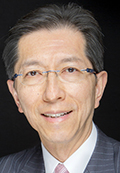 William W. M. Cheung, a 1982 alumnus of the School of Dental Medicine, has developed a thriving dental practice in his native Hong Kong while serving Penn as a leader and global bridge builder. An emeritus trustee, his leadership extends to two decades of service as a member of the Penn Dental Board of Overseers, including a tenure as chair. Currently, he serves as campaign co-chair for the Power of Penn Dental Medicine campaign. His own philanthropy includes gifts to Penn Dental, funding the Cheung Advanced Dental Care Center and the Cheung Auditorium and creating the Cheung Family World Scholars. Expanding Penn’s global reach and engagement in East Asia has been a part of his legacy, recruiting internationally recognized faculty and fortifying the Cheung Center’s curriculum. He also oversaw Penn’s establishment of the Hong Kong Foundation and was a key supporter in the development of the Penn Wharton China Center. He is father to two involved alumnae, Stefani and Liana.
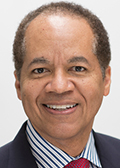 Dean A. Henry is a member of the Wharton Class of 1974. After retiring from a distinguished career in information technology, he started a business specializing in African-American genealogy. Inspired by the graduation of his daughter Kristen from Penn in 2004 and by Penn President Amy Gutmann’s Penn Compact with its emphasis on diversity and inclusion, he became an active member of the Black Alumni Society. Soon after he joined and took up leading roles in the James Brister Society, the alumni group dedicated to improving the campus experience for students, faculty and administrators of color. In 2006, Mr. Henry chaired the Finance Committee for the 125th Anniversary Commemoration of James Brister, Penn’s first African-American graduate. Beginning in 2013, he served a two-year term as the society’s co-chair, helping to hone the group’s priorities, reconfigure programming and reach out to a broad range of alumni. Most recently, in addition to serving on his class’s reunion committee, he has been active in the Brister Society’s efforts to support first-generation/low-income students.
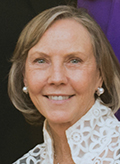 Nursing alumna Andrea “Andie” Berry Laporte, class of 1969, is a trustee emerita. She joined the Board of Trustees as an alumni trustee in 2010 and in 2015 was named a Term Trustee. In addition, she has served on the Penn Alumni Board of Directors, as a member and chair of the Board of Overseers of the Institute for Contemporary Art (ICA) and as a member and chair of the Penn Nursing Board of Overseers. Her philanthropic support spans Nursing, the ICA and the School of Dental Medicine. At Nursing, she helped to endow the Theresa I. Lynch Fund and established the Killebrew-Laporte Center for Admissions & Student Affairs and the Andrea B. Laporte Endowed Professorship, as well as supporting the Center for Global Women’s Health. At the ICA, she created the Andrea B. Laporte Curator Fund. The daughter of Penn alumni Dorothy Thornburg Berry and Harrison M. Berry, Jr., she recently honored her father’s 30-year tenure at Penn Dental with the creation of an endowed scholarship in his name. Having served on the University’s steering committee for the Making History Campaign, she currently serves in the same capacity on The Power of Penn campaign.
 Wharton Class of 1978 alum Jeffrey L. Seltzer has, since 2003, served as an overseer for the University Libraries. In this capacity, he helped to cultivate a strong bond between the Penn Libraries and his class, negotiating such gifts as the Class of 1978 Orrery Pavilion to house the David Rittenhouse Orrery, the Class of 1978 Group Study Room and the Library Scholars Alcove. His generosity to Penn includes establishing the Seltzer Family Digital Media Awards, the Seltzer Family eMedicine Fund and the Seltzer Family Studio, home to Penn’s student radio station, WQHS. In 1998, as a member of the Advisory Board for what has become the Huntsman Program, he established the Seltzer Family International Studies and Business Scholarship. Since 2005, he has provided his expertise in sports management to the Alumni Advisory Committee for the Wharton Sports Business Initiative and has for nearly two decades participated in the Penn Alumni Interview Program. In addition to making other contributions to Penn Medicine, he joined with family in establishing the Dr. Ramon Sifre Prize for Excellence in Diagnostic Medicine honoring his father-in-law and grandfather-in-law, both alumni of what is now the Perelman School of Medicine.
 Stacey Deutsch Shoer, Class of 1989, began volunteering her time at Penn as a student guide for the Kite and Key Society. As an alumna, she has enhanced Penn’s presence in South Florida. Serving as the president of the Penn Club of Miami, she has expanded the membership of the club, quadrupling the number of members in her first year. She also serves as the Alumni Interview Committee chair for the Miami area as part of her involvement with the Alumni Interview Program. In 2014, she helped the Class of 1989 achieve the Class Award of Merit for its fundraising efforts. In addition, as an active member of the Trustees’ Council of Penn Women (TCPW), she has served as co-chair of the Miami Regional Event Committee and the Leadership Committee, creating signature events for Homecoming Weekend, volunteer leadership retreats and twice-yearly TCPW conferences. Her Penn alumni family members include sister, Alison Schonwald; husband, Howard Shoe; and sons, Carter and Maxwell.
 Shannon Hedvat holds three Penn degrees. She earned her undergraduate and master’s degrees in engineering in 2007 and 2008 before graduating from Penn Law in 2011. As an intellectual property attorney, she has won awards for her commitment to pro bono work. Her volunteerism at Penn began while an undergraduate. She earned a Penn Alumni Student Award of Merit in 2007 for service as president of both the Kite and Key Society and the Engineering Student Activities Council and as co-chair for the University Honor Council and the Class of 2007 Gift Drive. She continues to volunteer for Penn Law Admissions, the Alumni Interview Program, Host Committees for various Penn events and The Penn Fund Executive Board. Her service to the Class of 2007 includes leadership roles such as vice president of the class and gift chair. She has also been a guest lecturer on the legal aspects of entrepreneurship and been a mentor to current engineering students. Together, with her active alumni siblings, sister, Lauren; and brother, Brandon, she established the Mikail Hedvat Ijadi Family Scholarship.
Other Awards
In addition to the individual awards, the Class of 1994 received the Class Award of Merit and the Class of 1989 received the David N. Tyre Award for Excellence in Class Communications. A special acknowledgement was made to the Penn Club of Southwest Florida for outstanding leadership and alumni engagement within its region.
Faculty Award of Merit
 The Faculty Award of Merit went to Gwendolyn DuBois Shaw of the School of Arts and Sciences. Associate professor in the history of art, Dr. DuBois Shaw is a scholar and a curator who explores race, gender, sexuality and class in art from the United States, Latin America and the Caribbean. She has engaged alumni in numerous ways: as a faculty host for Penn Alumni Travel for 10 years, leading trips to Peru, Spain, Portugal, France, Argentina, Chile, Cuba and the Caribbean; as a speaker at Trustees’ Council of Penn Women and Penn Spectrum events; and as part of Experience Penn, accompanying alumni on behind-the-scenes tours at the Contemporary Arts Center in New Orleans and Art Basel in Miami.
2019 Perelman School of Medicine Awards of Excellence
The following faculty members will receive this year’s Perelman School of Medicine Awards of Excellence at the 24th annual dinner on Monday, November 25. The awards recognize outstanding performance by faculty in the research, clinical and mentoring areas.
 Sara Cherry, professor of microbiology, is the winner of this year’s Stanley N. Cohen Biomedical Research Award. Dr. Cherry’s research centers on the discovery of novel pathways involved in the replication of diverse viruses. Vector-borne diseases are globally responsible for more than 725,000 deaths annually, disproportionately affecting underprivileged individuals. There are no specific chemotherapeutics for these diseases and only a handful of approved vaccines. Dr. Cherry has made fundamental discoveries on virus-host interactions and is widely regarded as a leader in the application of functional genomic cell-based screening to identify host factors that control viral infections. She pioneered the development of genetic and small molecule screens against viruses from each of the families of human arboviruses, including Zika virus. She has made fundamental discoveries in the role of nutrient signaling and autophagy in antiviral defenses. The Cherry Lab has also discovered that many cellular RNA binding proteins have antiviral activity against arboviruses and initiated the use of Drosophila to study enterovirus infection. Dr. Cherry has had a transformative impact on the scientific community across the University through her role as the inaugural scientific director of the High-Throughput Screening Core and her initiation of a new precision oncology program in the Penn Center for Precision Medicine. Her accomplishments have brought her significant national and international recognition, including a Burroughs Wellcome Fund Investigator Award in the Pathogenesis of Infectious Disease.
 Yvette I. Sheline, McLure Professor of Psychiatry and Behavioral Research, is the winner of this year’s William Osler Patient Oriented Research Award. Dr. Sheline is known for her pioneering studies, widely cited in psychiatric literature, of hippocampal volume loss in major depressive disorder (MDD) and the moderating effects of antidepressant treatment. She and her group were also the first to show that depressed patients had overactive responses to emotional face stimuli in fMRI studies of the amygdala, and subsequent work incorporated the effects of comorbid illness, depression effects on white matter tracts and integrated neuropsychological measures in studies of depression treatment response. Her recent research has focused on three areas: dimensional aspects of mood dysregulation across disorders, brain mechanisms of depression treatment effects, and the potential for SSRIs to lower brain amyloid in pre-clinical Alzheimer’s disease. With the receipt of a Human Connectome grant, these efforts will culminate in the development of biomarkers improving personalized interventions. Her most recent work employs neuroimaging to examine treatment effects of cognitive behavioral therapy, transcranial magnetic stimulation and real time fMRI feedback, as well as the effects of elevated levels of inflammation in hampering successful treatment in major depression.
 Rebecca Hubbard, associate professor of biostatistics in biostatistics and epidemiology at HUP, is the recipient of this year’s Samuel Martin Health Evaluation Sciences Research Award. Dr. Hubbard’s research focuses on the development and application of methods to improve analyses using healthcare databases, including electronic health records (EHR) and health insurance claims data, with emphasis on improving our understanding of the use, performance and results of cancer screening tests. She has made key contributions to research that directly informs national screening guidelines for breast and colorectal cancer. Through collaborations with national and international screening and surveillance networks, she has advanced high-quality assessment and evaluation of cancer screening programs around the world. In addition, Dr. Hubbard has worked to develop and apply statistical methods to improve the validity of inference in research using healthcare databases across a range of clinical research areas. Her methodologic contributions to the analysis of EHR data have helped to open up a major new frontier in clinical and health services research. In recognition of her contributions, Dr. Hubbard was elected a Fellow of the American Statistical Association in 2019.
 Jorge Henao-Mejia, assistant professor of pathology and laboratory medicine, is the winner of this year’s Michael S. Brown New Investigator Research Award. Dr. Henao-Mejia’s work at Penn and CHOP integrates two broad areas: gene expression regulation by non-coding RNAs and how these molecules control inflammatory processes in the context of inflammatory disorders. His research explores the biochemical mechanisms that control the duration and intensity of immune responses and how their dysregulation promotes the development of chronic inflammation in the context of modern human pathologies such as obesity, type 2 diabetes, atherosclerosis, autoimmunity, neurodegenerative disorders and cancer. His recent studies on long non-coding RNAs represent a critical building block for illuminating an uncharted landscape of regulatory mechanisms that are critical for immune and tissue homeostasis. They are the foundation for ongoing studies aimed to elucidate the mechanisms by which these molecules control gene expression, the nature of the signals that regulate them and the identity of novel non-coding RNAs that control resident immune cells in different tissues. In addition to this research, Dr. Henao-Mejia was one of the pioneers in adopting the CRISPR/Cas9 gene editing system for targeting one-cell mouse embryos for the purpose of generating new genetically engineered mouse models. He has generated over 150 new mouse models for 60 researchers at Penn/CHOP and nationwide.
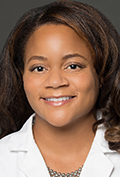 Allison Willis, associate professor of neurology and of epidemiology, is the recipient of this year’s Marjorie A. Bowman New Investigator Research Award. Dr. Willis is a pioneer and innovator in the field of translational neuroepidemiology and neurology health services research, a discipline that has substantial implications for the growing population of adults and children with neurological disorders, particularly older adults who are at risk for a neurodegenerative disease. Dr. Willis combines her skills in analytical and spatial epidemiology to produce research focused on translational neuroepidemiology research questions to inform basic science research, health care practices and healthcare policy. She is an emergent leader in health services, pharmacoepidemiology and outcomes research in neurology. Dr. Willis published one of the first studies demonstrating that there are substantial gaps in guideline adherent care for Parkinson’s disease (PD), even among uniformly insured populations. She then quantified the burden of avoidable health events associated therewith, and identified specific targets for reducing these disparities. She recently led a PCORI-funded team to build a 10-site research network for the study of sex differences and disparities in PD, the Women and PD Teams to Advance Learning and Knowledge (Women and PD TALK). Dr. Willis received the 2015 American Academy of Neurology’s Jon Stolk Award, given annually to the most outstanding young clinician-scientist in Movement Disorders in the United States.
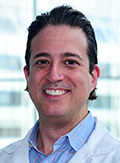 Joel M. Gelfand, professor of dermatology and epidemiology, is the winner of this year’s Lady Barbara Colyton Prize for Autoimmune Research. Dr. Gelfand’s research program focuses on observational and experimental studies primarily in patients with psoriasis, a chronic, immune mediated disease that affects over 125 million people worldwide. In addition to his work in the clinical development of the immunomodulating drugs used to treat psoriasis, he was the first to rigorously establish psoriasis as an independent risk factor for major adverse cardiovascular events. As a result of Dr. Gelfand’s research, it is now accepted that psoriasis patients, especially those with more severe skin presentations, have an increased risk of myocardial infarction, stroke, diabetes, chronic kidney disease and a decrease in life expectancy. Dr. Gelfand’s work has directly resulted in the reclassification of psoriasis as a systemic disease and has led to improved standards of care for patients. Clinicians are now recommended to counsel their psoriasis patients about and monitor them for cardiometabolic diseases and other comorbidities. Dr. Gelfand is now conducting translational and mechanistic clinical trials to determine how immune-targeted treatments impact vascular inflammation, lipid metabolism, glucose metabolism and serum biomarkers of inflammation linked to cardiovascular events. Dr. Gelfand is a recipient of the American Skin Association’s Psoriasis Research Award and the National Psoriasis Foundation’s Excellence in Research Award.
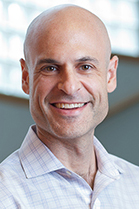 Scott D. Halpern, professor of medicine, epidemiology and medical ethics and health policy, is the recipient of this year’s Arthur Asbury Outstanding Faculty Mentor Award. Dr. Halpern is a pulmonary and critical care specialist who is among the world’s leading scholars in the areas of organization and delivery of critical care; the management of decisions at the end of life; research ethics; and tobacco cessation. He is the founding director of the Palliative and Advanced Illness Research Center. His uncompromising pursuit of excellence in these areas also defines his approach to mentorship, which is distinguished not just for his generosity, empathy and caring, but also for the discipline and rigor he applies to the process. He has been the single most sought-after dry-bench research mentor at Penn Medicine. Dr. Halpern approaches mentorship as a skill that can be improved with study and experience, soliciting advice from colleagues on ways to surmount challenges in mentoring. He has created and implemented several innovative mentoring programs, including a flexible approach to scheduling mentor-mentee meetings. He also developed the Junior Faculty Visiting Professor Program in Pulmonary and Critical Care Medicine, which spans eight leading academic medical centers across North America.
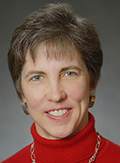 Kristy L. Weber, Abramson Family Professor in Sarcoma Care Excellence, is the first recipient of the Duncan Van Dusen Professionalism Award for Faculty. Dr. Weber is a skilled and compassionate physician who has dedicated her life to adults and children afflicted with benign and malignant bone and soft tissue tumors, as well as patients with metastatic bone disease. Her maturity and commitment to excellence in everything she does has had a positive influence on Penn Medicine. She has an unwavering commitment to diversity, she has built bridges to CHOP as a faculty academic mentor and has helped build the sarcoma clinical and research program as a collaborative effort with Penn Veterinary Medicine and CHOP. Dr. Weber epitomizes the core values of the award: professionalism, respect, integrity and personal accountability. Noted for her precise and detailed communication skills, she sets high expectations for herself and her team, and she is honest, fair and an exceptional role model. One colleague noted, “Importantly, she is not only a role model about how to be a great doctor, teacher and researcher; she is a great role model because she models for us every day how we should treat one another.”
 Stephen J. Schuster, Robert and Margarita Louis-Dreyfus Professor in Chronic Lymphocytic Leukemia and Lymphoma Clinical Care and Research, is the winner of this year’s Louis Duhring Outstanding Clinical Specialist Award. Dr. Schuster is an internationally renowned lymphoma expert who combines exceptional patient care with innovative investigation and a deep commitment to teaching and mentoring. His track record as a clinical investigator and translational researcher has been exceptional and, over his 25-year career, he has changed the trajectory and outcome for patients with lymphoma. He has developed and led innovative clinical trials, including therapeutic monoclonal antibody-based therapies for B cell lymphomas as well as therapeutic vaccine strategies. He played a key role in the development of anti-PD-1 therapy Nivolumab for patients with lymphoma as well as other new agents, and is recognized as the go-to person in the world for using CAR T cell therapy for lymphomas. Dr. Schuster led the pivotal, multi-center trial that resulted in FDA approval for tisagenlecleucel, a genetically modified CAR T cell therapy, and continues to be a leader in this field, investigating the next generation of approaches for cellular therapy. In addition to his clinical research activities, he has an extraordinary ability to connect with his patients and their loved ones and he is sought out by patients from all over the world for his expertise in managing the most complex lymphoma cases.
 John M. Bruza, associate professor of clinical medicine, is the winner of this year’s Sylvan Eisman Outstanding Primary Care Physician Award. Since joining Penn Medicine in 1997, Dr. Bruza has provided primary care to older adults who range from vibrant to frail in a variety of settings including ambulatory Penn Medicine Geriatric clinics in West Philadelphia and Radnor, and in long-term care nursing facilities. In each setting, he delivers outstanding care that takes into account the patient’s goals and care preferences, consistently providing high-quality care to patients, including those with complex multiple chronic conditions. He has been consistently named a Top Doctor in geriatric medicine by Philadelphia Magazine since 2011 and has earned the esteem of his patients and their families, as well as of his colleagues. As medical director for the Acute Care for Elders (ACE) unit at Penn Presbyterian, he plays a pivotal role in the training of residents and medical students who receive geriatrics training on the ACE unit. As vice chief for clinical affairs for the division of geriatrics, he supervises all care provided and has led the charge to transform the delivery of care by serving as the physician lead for the implementation of Comprehensive Primary Care Plus, a Centers for Medicare and Medicaid pilot program.
 Daniel Licht, professor of neurology at the Children’s Hospital of Philadelphia (CHOP), is the recipient of the Luigi Mastroianni, Jr., Clinical Innovator Award. Dr. Licht’s research focuses on the impact of critical congenital heart disease on fetal brain development and how this increases the risk for neonatal white matter brain injury that occurs at the time of a patient’s first heart surgery. Dr. Licht uses novel diffuse optical instruments, developed here at Penn, to assess cerebral blood flow and cerebral oxygen delivery in neonatal critical congenital heart disease, with the goal of increasing our understanding of the impact that abnormal oxygenation has on the developing brain. Utilizing diffuse optics, Dr. Licht’s group found that the risk for white matter brain injury increases with time from birth to heart surgery. As a result, the CHOP Cardiac Center is altering its surgical practice to correct heart defects within the first week of life, with the goal of decreasing the risk of white matter brain injury. Dr. Licht is among the first clinician-scientists to combine MRI and optics to evaluate cerebral oxygen metabolism in clinically relevant scenarios, which is important for patient care and outcomes. His work is the first integration of combined optical measurements of cerebral blood flow, hemoglobin concentration and blood oxygen saturation in neonatal congenital heart disease patients, which he applied to the assessment of heart surgery and treatment efficacy.
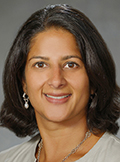 Sindhu Srinivas, associate professor of obstetrics and gynecology at HUP, is the winner of this year’s Alfred Stengel Health System Champion Award. Since her appointment as director of obstetrical services in 2012 and as vice chair for quality and safety in 2015, Dr. Srinivas has had a transformative impact on safety culture, and on the development and implementation of clinical pathways/guidelines that serve as a model for Penn Medicine. Among her many accomplishments, she implemented and now oversees a system-wide OB quality and safety reorganization designed to standardize care across all Penn Medicine OB programs. Under her leadership, a comprehensive postpartum hemorrhage prevention and treatment program was developed. She was the champion of the Performance Improvement in Action project: “Improving Handoffs between Triage and Labor & Delivery.” There is now a resident rotation devoted exclusively to obstetrical triage, 24/7 coverage by a nurse practitioner or midwife and significantly increased involvement by attending physicians in the Perinatal Evaluation Center. As a result, patients receive streamlined care by providers with appropriate levels of experience, promoting better clinical outcomes and improved satisfaction by patients and staff.


 Charmaine Hamilton, registrar support specialist at Penn, died November 5 at Penn Presbyterian Hospital. She was 60.