News

From the President: Welcome to a New Year at Penn

caption: J. Larry JamesonTo the University Community,

As a student and then a faculty member, I have been privileged to spend most of my life on university campuses. Learning, teaching, and leading in higher education has been deeply fulfilling for me. I can always find joy at Penn and in our amazing community.

This joy has been top of mind for me as the new academic year begins. I saw and felt it myself during Move-In last week. Moving carts were coming and going in all directions (1,100 carts total, I was interested to learn). Every family I met was energized. I heard many times how organized and helpful the Penn team was, and of course, the pride of parents was evident. I remember these feelings well from moving my own children into college.

Our beautiful campus never takes a break, even during summer. This fast-paced cycle moves quickly from New Student Orientation to Convocation to the first day of classes, the return of our graduate and professional students, faculty revving up their classes and welcoming new people to their labs, student-athletes drilling on our fields, courts, and the Schuylkill—all of this brings renewal and an incredible uptick in energy. 

In the coming year, students will encounter many new concepts, and share their own ideas and experiences. Some will unexpectedly find a new interest, as I did as an undergraduate. Lifelong friends will be made. Faculty will continue to expand the frontiers of knowledge further than at any other time in history. Our thousands of alumni, here and abroad, will use their skills and passions for major impact. Each has an amazing story that they often trace to Penn. We will heal patients, enrich lives, and serve the world.

Along with these inspiring elements, we also know that this is a challenging time for higher education. I am confident, however, that we will listen to concerns and adapt as needed. I am also rightly proud of our University, and we will champion everything Penn does to bring value to individuals and to society. Everyone here is part of these exceptional contributions. We all carry the culture that has sustained this institution over decades and through previous challenges. Keep it up and keep finding joy in what we are here to do.

I look forward to being in touch throughout the year to share updates on how Penn will continue to lead far into the future. I am excited for everything we will achieve together. I hope you feel the same way. Welcome to a new year at Penn.

—J. Larry Jameson, President

Leigh N. Whitaker: Vice President for Government and Community Affairs Effective October 1, 2025

caption: Leigh WhitakerLeigh N. Whitaker has been named Penn’s vice president for government and community affairs (OGCA), effective October 1, 2025, pending approval by the University Board of Trustees.

Ms. Whitaker will return to Penn after serving as a principal at Buchanan Ingersoll & Rooney, where she launched and leads the firm’s Philadelphia Government Relations practice. A broadly respected and accomplished public affairs strategist with more than two decades of experience in government relations, communications, and civic affairs, Ms. Whitaker will oversee Penn’s engagement with city, state, and federal government officials, as well as its partnerships with Philadelphia communities.

“Leigh is a trusted and principled leader who brings exceptional expertise, a commitment to service, and deep understanding of Penn’s missions, our city, the commonwealth, and the legislative and political landscape,” said Penn President J. Larry Jameson. “At this moment of significant complexity and opportunity for Penn and higher education, her return to the University is timely and energizing.”

Previously, as Penn’s director of city relations, Ms. Whitaker played a pivotal role in advancing the University’s academic, operational, and capital priorities in collaboration with the City of Philadelphia. She facilitated the successful launch of the PennAssist pre-apprenticeship program, helped secure legislative approvals for over $2 billion in campus development, and served as a key advisor to senior leadership on a broad range of municipal issues.

Ms. Whitaker’s career spans leadership roles in the public, private, and nonprofit sectors. Before her time at Penn, she was vice president of communications at Rivers Casino Philadelphia, where she guided the company through its launch and $165 million expansion, built partnerships with local communities, and led crisis and government relations strategy. Earlier, as deputy chief of staff for external affairs at the School District of Philadelphia, she led legislative efforts that secured more than $50 million annually in state and federal discretionary appropriations.

As vice president for government and community affairs, Ms. Whitaker will lead Penn’s Office of Government and Community Affairs (OGCA), overseeing Penn’s engagement with policymakers and civic leaders while championing initiatives that strengthen Penn’s partnerships across the city and region.

Ms. Whitaker earned her JD from Temple University’s Beasley School of Law and a BA in psychology from Clark Atlanta University. She is a licensed attorney in Pennsylvania and a highly active civic leader, currently serving on several nonprofit and public boards, including the Philadelphia Regional Port Authority, Mission First Housing Group, and the Committee of Seventy.

“It is a privilege to return to Penn and serve in this role at such a pivotal time,” said Ms. Whitaker. “The importance of Penn’s contributions and its relationships at the local, state, and national levels cannot be overstated. I look forward to working closely with our faculty, students, alumni, staff, and neighbors to further strengthen Penn’s civic impact and champion our University’s life-changing and life-saving work.”

Ms. Whitaker succeeds Jeffrey Cooper, who has served as Penn’s vice president for government and community affairs since 2008.

“I am grateful to Jeff for his unsurpassed commitment to Penn and his remarkable legacy of leadership and advocacy on behalf of our University and higher education,” said President Jameson. “It has been a joy to work with him. As we position Penn for the path ahead, I am confident that Leigh’s breadth of experience and dynamic leadership will prove instrumental in advancing our missions in productive partnership with city, state, and national leaders and our local communities.”

Colleen Tewksbury: Class of 1940 Bicentennial Term Chair

caption: Colleen TewksburyProvost John L. Jackson, Jr. and Vice Provost for Faculty Laura W. Perna announce the appointment of Colleen Tewksbury, assistant professor in the department of biobehavioral health sciences of the School of Nursing, to the Class of 1940 Bicentennial Term Chair.

Dr. Tewksbury is a nationally recognized expert in weight management and nutrition science, especially the treatment of severe adult obesity and the roles of food and nutrition in weight management. Her research focuses on improving access to and optimizing the outcomes of bariatric surgery, including how preoperative requirements and interactions with the treatment team can improve patient engagement and completion of care. She is a registered dietitian who also serves as an assistant professor of nursing in surgery in the Perelman School of Medicine, working closely with the Penn Metabolic and Bariatric Surgery Program. 

This year, she received the LEAD Award for Excellence in Nutrition from the TREO Foundation, the highest national honor from the foundation supporting the American Society for Metabolic and Bariatric Surgery. She serves as chair-elect of the Commission on Dietetic Registration, the organization that oversees all credentialing and certification for registered dietitians; served in 2020-2021 as president of the Pennsylvania Academy of Nutrition and Dietetics; and received the Academy’s 2024 Keystone Award for a dietitian in Pennsylvania who exemplifies leadership, professional ability, and the high standards of the profession. She earned a PhD from Temple University, an MPH from West Chester University, and a BS from LaSalle University. 

The Class of 1940 Bicentennial Term Chair was established by the Class of 1940 at its 50th reunion to recognize outstanding young professors, rotating among the four undergraduate schools for five-year terms. It was held from 2020-2025 by Gwendolyn DuBois Shaw of the department of history of art in the School of Arts & Sciences. 

Ayako Kano: Director of the Wolf Humanities Center

caption: Ayako KanoAyako Kano, a professor in the department of East Asian languages and civilizations in the School of Arts & Sciences, has been appointed director of the Wolf Humanities Center. Dr. Kano is a cultural historian specializing in the history of gender and performance in Japan and has been teaching at Penn since 1995. Her affiliations include the graduate groups in comparative literature, history, and the history of art, and she is a core faculty member in the gender, sexuality and women’s studies program. She is the author of numerous books, including Rethinking Japanese Feminisms and Japanese Feminist Debates: A Century of Contention on Sex, Love, and Labor.

Dr. Kano joins the Wolf Humanities Center as it begins its 2025–2026 Forum on Truth. She was previously a Penn Faculty Fellow during the then Penn Humanities Forum’s 2011–2012 Forum on Adaptations and 2014–2015 Forum on Color, and director of the center’s Undergraduate Humanities Forum in 2018–2019 and 2019–2020.

SAS’s associate dean for arts and letters Josephine Park said of Dr. Kano’s appointment, “Ayako Kano is a renowned scholar of Japanese feminism whose work spans a wide range of cultural texts. Professor Kano is a vital presence on campus: her workshops on feminism are lively, generative spaces, and she is a legendary mentor to students and colleagues across the humanities at SAS. She has a gift for sustaining intellectual communities—and then there is her writing bootcamp! She has spurred so many of us to get cracking on our work, and I know she will be an inspirational force for the Wolf Humanities Center.”

Dr. Kano was spotlighted in OMNIA’s Origin Stories series in April 2024.

Deaths

Zalman Agus, Perelman School of Medicine
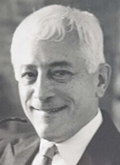
caption: Zalman S. AgusZalman S. Agus, an emeritus professor of medicine in the Perelman School of Medicine and a former associate dean in the school, died on May 7 after a short battle with cancer. He was 84. 

Dr. Agus earned his AB in liberal studies from Johns Hopkins University in 1941 and his MD from the University of Maryland in 1965 (the latter after he was denied admission to Johns Hopkins University because of a quota for Jewish students). He then completed his residency at the University of Maryland and a nephrology fellowship at Penn. 

After completing his fellowship, Dr. Agus served as a Major in the U.S. Air Force in the early 1970s, stationed at Lackland Air Force Base in San Antonio, Texas. He then joined Penn’s faculty in 1973 as an assistant professor of medicine in the renal, electrolyte, and hypertension division. In 1979, he became an associate professor, and two years later, he became the division chief, a position he held until 1991. He became a full professor in 1986; around the same time, he took a secondary position as a professor of physiology. He retired from his teaching positions and took emeritus status in 1996 but continued to serve the School of Medicine as an associate dean during a tenure that lasted from 2002 until 2015. 

Outside of his teaching and administrative duties at Penn, Dr. Agus was an active member of the American Society of Nephrology, where he served as vice chair of the program committee, chair of the nephrology training program directors’ executive committee, and chair of the informatics committee. He also served on the executive committee of the National Medical Advisory Board, on the board of directors of the National Kidney Foundation (which gave Dr. Agus its Distinguished Service Award in 1986), and as chair of the Council on Kidney and Cardiovascular Disease of the American Heart Association. He was an elected member of the American Society for Clinical Investigation and a fellow of the American College of Physicians. Dr. Agus helped found a Jewish day school in San Antonio, Texas, and served on the board of the Kellman Academy Day School in Cherry Hill, New Jersey.

Dr. Agus is survived by his wife, Sondra; his sons, David, Joel, and Michael; his daughters-in-law, Amy Povich Agus, Beth Agus, and Elisa Deener-Agus; his grandchildren, Eytan, Sydney, Noah, Eli, Miles, Kayla, Kobe, Sammy, and Marley; and his sisters, Edna and Deborah.

Benjamin Ashcom, History, GSE, and Penn Museum

Benjamin M. Ashcom, GRD’74, a former faculty member in the College of Arts & Sciences and in the Graduate School of Education and a board member of the Graduate School of Education and the Penn Museum, died on May 5. He was 89.

Born in Detroit, Michigan, to two professors at Wayne State University, Dr. Ashcom graduated from the University of Michigan, then came to Penn to earn a graduate degree in archaeology. While at Penn, he discovered a fascination with Maslovian psychology and its influence on education, and eventually earned his doctorate from the Graduate School of Education in 1974. While at Penn, Dr. Ashcom served as an assistant instructor of history in the College of Arts & Science and as a lecturer in the Graduate School of Education.

After earning his doctorate, Dr. Ashcom taught education at Harvard University and Antioch University. He then served as chief operating officer of American Health Systems, Inc. for 13 years and as president of Healthcare America for 12 years. He remained a dedicated member of the Penn community, serving as a Charles E. Merrill Fellow in the Wharton School and as a member of the Graduate School of Education’s Board of Advisors. Starting in 2011, he was a member of Penn Museum’s Board of Advisors, serving on the board’s education committee and developing interactive curricula for student tours of the museum’s Classical and Egyptian Galleries. Dr. Ashcom also served as a docent for the museum’s Etruscan and Roman galleries and was a member of the museum’s Sphinx Circle and Loren Eiseley Leadership Giving Program. 

After his retirement, Dr. Ashcom consulted in the design and construction of fourteen Abbott-New Jersey Supreme Court-mandated schools and secured the required $375 million construction cost for three demonstration schools. He was also a longtime season pass holder of the Philadelphia Orchestra. 

Dr. Ashcom is survived by his wife, Jane N. Ashcom; his son, Jonathan Benjamin Ashcom; two step-sons, Nathan David Balsham and William Frank Balsham; three granddaughters: Darcy Jane Balsham, Samantha Kelly Balsham, and Jessica Frances Balsham; a brother, Charles Ashcom; and two nieces, Julia Ashcom and Genevieve Ashcom King. 

April Mae Chmielinski, Nursing

caption: April ChmielinskiApril Mae (Ripple) Chmielinski, GNU’94, a lecturer in biobehavioral and health sciences in Penn Nursing, died unexpectedly on July 27. She was 60. 

Born in Hesse, Germany, Ms. Chmielinski graduated from Central Bucks West High School in Doylestown, Pennsylvania. She went on to earn a BS in nursing from Bloomsburg University and a master’s degree from Penn Nursing. In 1988, Ms. Chmielinski joined the U.S. Air Force, where she served until her 2008 retirement with the rank of Lieutenant Colonel. While in the Air Force, she joined the staff of the Hospital of the University of Pennsylvania in 1991. In 2002, she also joined the faculty of Penn’s School of Nursing as a clinical lecturer in biobehavioral and health sciences. She would continue to hold this position off and on for the rest of her life. 

“April was known for her boundless kindness, compassion, and generosity,” said Ms. Chmielinski’s family. “She touched many lives and left behind a large circle of friends, colleagues, and loved ones who will miss her dearly.”

She is survived by her children, Jacqueline Chmielinski, Christina Chmielinski (Frankie), and Stephen Chmielinski (Emi); her sister, Eva Stein (Thomas); her granddaughter, Vanessa; and her goddaughters, Jacqueline and Debbie Coleman. 

The family requests that donations be made to the April Chmielinski Memorial Fund at the University of Pennsylvania. Donations can be made online at RememberingApril or checks may be made payable to “Trustees of the University of Pennsylvania,” with a note indicating the gift is in memory of April Chmielinski, and mailed to Penn Medicine Development, Attention: Mike Hugel, 3535 Market Street, Suite 750, Philadelphia, PA 19104.

Karl Rickels, Psychiatry

caption: Karl RickelsKarl Rickels, an emeritus professor of psychiatry in the Perelman School of Medicine, died on July 16. He was 100.

Born in Wilhelmshaven, Germany in 1924, Dr. Rickels was the son of Karl Eduard, CEO of a chocolate company, and Stephanie Roehrhoff, an elementary school teacher. He graduated from Abitur Berlin-Lichtenberg in 1942, then served briefly in the German Africa Corps during WWII, was captured, and became a prisoner of war in the U.S. for over two years. After returning to Germany in 1946, he enrolled in the University of Muenster, where he earned his MD in 1951. He moved to the U.S. in 1954, accepting a psychiatric residency at the Mental Health Institute in Cherokee, Iowa. A year later, he came to Penn to finish his psychiatry residency. He joined Penn’s faculty in 1957 as an associate professor of psychiatry. He became a full professor in 1969.

While at Penn, Dr. Rickels studied and developed outpatient drug therapy for individuals affected by anxiety, panic, and depressive disorders, becoming one of the first psychiatrists to study antianxiety and antidepressant medications in outpatients. Over time, his work expanded to include the treatment of premenstrual dysphoric disorder, and in 1977 he was named the Stuart and Emily Mudd Professor of Human Behavior and Reproduction. Dr. Rickels’s research was funded by the NIH’s National Institute of Mental Health continuously from 1959 to 2009 and contributed to the FDA approvals of the first and subsequent benzodiazepines (e.g. Librium, Valium, Ativan, Xanax), the anxiolytic Buspar, and several antidepressant SSRIs (e.g. Prozac) and SNRIs (e.g. Effexor). Dr. Rickels was the first physician scientist to demonstrate the efficacy of these antidepressants in the treatment of anxiety disorders.

Dr. Rickels’s contributions to medicine, which continue to be relevant today in the treatment of mental illness, earned him the National Institutes of Health Merit Award (1988), the Philadelphia Psychiatric Society Lifetime Achievement Award (2003), the University of Pennsylvania William Osler Patient-Oriented Research Award (2008), the International College of Neuro-Psychopharmacology Pioneer in Psychopharmacology Award (2012), and Penn Medicine’s Distinguished Graduate Award (2018). During his career at Penn, Dr. Rickels endowed three professorships in the department of psychiatry: the Karl Eduard Rickels Chair (1993), the Karl and Linda Rickels Chair (1999), and the Roehrhoff Rickels Chair (2015). Dr. Rickels authored more than 600 scientific publications, books, chapters, and reviews, including the 2011 autobiography A Serendipitous Life: From German POW to American Psychiatrist. He continued his research well into his 90s, retiring from Penn (and assuming emeritus status) in 2019.

“‘Opa,’ as Karl was affectionately known to his grandchildren and their friends, will long be remembered as an intrepid adventurer, partner in crime, dependable doughnut supplier, trusted confidant, and all-time favorite pal,” said the Rickels family. “Opa provided his loved ones and colleagues with the most priceless gifts: undivided attention, dedicated mentorship, and perpetual encouragement. Larger than life, Karl loved and was loved unreservedly. He will be greatly missed.”

Dr. Rickels is survived by his sons, Laurence, Stephen, and Michael; his daughters-in-law, Alyssa and Heidi; his grandchildren, Karl “Andrew,” Peter, Caroline, Claudia, Aiden, and Ashley; and his caregiver Marta Kubisiak.

In lieu of flowers, donations may be made to the Gladwyne Library League. 

Peggy Reeves Sanday, Anthropology

caption: Peggy SandayPeggy Reeves Sanday, a professor emerita of anthropology in the School of Arts & Sciences, died on June 13. She was 87.

Born in Long Island City, New York, Dr. Sanday forged a path in academia at a time when few women occupied such spaces. She received her BS in anthropology from Columbia University in 1960, followed by a PhD from the University of Pittsburgh in 1966. She served as a Mellon Postdoctoral Fellow at the University of Pittsburgh until 1967, then briefly joined the faculty of the School of Urban and Public Affairs at Carnegie-Mellon University as an assistant professor of anthropology and urban affairs before coming to Penn.

Dr. Sanday joined Penn’s Faculty of Arts & Sciences (today the School of Arts & Sciences) in 1972 as an associate professor of anthropology. She also had a faculty affiliation with the Penn Museum, where she did much of her teaching. She became a full professor in 1985 and in 2001 was named the R. Jean Brownlee Endowed Term Chair (Almanac March 6, 2001). While at Penn, Dr. Sanday also taught in the College of General Studies, the precursor to today’s College of Liberal & Professional Studies; lectured in SAS’s Center for Programs in Contemporary Writing; and helped to form the Center for Public Interest Anthropology (CPIA). She retired from Penn in 2007 and assumed emeritus status.

Over the course of a career that spanned four decades, Dr. Sanday conducted pioneering research in women’s studies, Southeast Asia, the anthropology of gender, multiculturalism, sexual culture, and public interest anthropology. She created an influential theory of “matrifocality,” which challenged western assumptions about male dominance in human societies. Her work took her around the world from Indonesia to West Africa, where she studied cultures that embraced female-centered social structures, leading to her seminal book Female Power and Male Dominance: On the Origins of Sexual Inequality. In particular, she spent 20 years living with and studying Minangkabau, the fourth largest ethnic group in Indonesia and the largest and most modern matrilineal society in the world today; this research led to the book Women at the Center: Life in a Modern Matriarchy. Through this research, she offered a powerful counter-narrative to male-centric anthropological models.

In addition to her ethnographic research, Dr. Sanday conducted field work on American college campuses, exploring institutional responses to sexual assault. Her books Fraternity Gang Rape: Sex, Brotherhood, and Privilege on Campus and A Woman Scorned: Acquaintance Rape on Trial were landmarks in feminist scholarship and social advocacy, drawing national attention to issues of consent, culture, and justice. Her later work, including Divine Hunger: Cannibalism as a Cultural System, explored the intersection of culture, ritual, and art through a symbolic and feminist lens. She also studied Aboriginal art, emphasizing the importance of Aboriginal perspectives in interpreting cultural and spiritual meaning. Dr. Sanday was a Guggenheim Fellow and a National Science Foundation grant recipient.

“Peggy Reeves Sanday lived with extraordinary intellectual courage and deep commitment to social change,” said her family. “Her work will continue to shape the field of anthropology and gender studies for generations to come.”

Dr. Sanday is survived by her son, Eric; her daughter, Julie; her daughter-in-law, Eve; her son-in-law, Greg; and her grandson, Alex.

Norton Taichman, Penn Dental Medicine
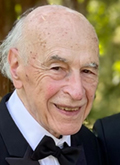
caption: Norton TaichmanNorton Stanley Taichman, an emeritus professor of pathology and former chair of the department of pathology in Penn Dental Medicine, died on June 21. He was 89. 

Dr. Taichman earned his DDS from the University of Toronto, then pursued graduate dental studies in periodontology at Harvard University. Afterwards, he returned to the University of Toronto to earn a PhD in pathology. After raising a family in Toronto, Dr. Taichman and his wife, Louise, immigrated to the United States, where, in 1972, Dr. Taichman accepted a position as department chair of pathology at Penn Dental Medicine. During his tenure at Penn Dental Medicine, he also served as associate dean of academic affairs in the school. In 1977, he won Penn’s Lindback Award for Distinguished Teaching (Almanac April 26, 1977). “His major research project, Pathogenesis of Inflammation in Periodontal Disease, is trying to find out what leukocytes do when they interact with oral bacteria,” noted his citation. “They’re both exhausting, both rewarding, teaching and research,” said Dr. Taichman. “I know the teaching would suffer without the research, but I can’t say what would happen the other way around because I never think about that. I do both. I enjoy both.” He was active in Dental School governance, serving on multiple committees during the 1980s to find new deans for the school, and chairing one such committee in 1987. 

Dr. Taichman was a dental scientist, an academic, an inspiring educator, and an esteemed mentor. He did pioneering work on identifying fundamental mechanisms of periodontal pathogenesis, and this work inspired generations of scholars with his ability to bring science to life. He received awards including a 1976 Lady Davis Fellowship to teach at the Hebrew University in Jerusalem as part of the Penn-Israel Exchange and a 1979 John E. Fogarty International Center fellowship. Outside of his teaching, he was also a dedicated genealogist, helping preserve the memories of life in the shtetl and publishing an e-newsletter on the subject for many years. Dr. Taichman retired from Penn in 2001 and took emeritus status. 

He is survived by his wife, Louise (née Sheffer) Taichman; his children, Russell Taichman (L. Susan), Susan Taichman-Robins; Darren Taichman (Lilach), and Audrey (Joseph); his grandchildren, Elya (Jennifer), Mira, Ariel, Rebecca, Gabrielle, Nathan, Josh and Jack; and his great-grandchild, Henry; his brother, Lorne; his sister-in-law, Ettie; his nieces, Marsha, Laura, Rebecca, Bonnie, and Sandy; his nephews, Steven and Barry; and a large extended family from across the globe.

---

To Report A Death

Almanac appreciates being informed of the deaths of current and former faculty and staff members, students and other members of the University community. Call (215) 898-5274 or email almanac@upenn.edu.

However, notices of alumni deaths should be directed to the Alumni Records Office at Suite 300, 2929 Walnut St., (215) 898-8136 or email record@ben.dev.upenn.edu.

Governance

From the Faculty Senate Office: Senate Nominations 2025 (Part Three)

Pursuant to the Faculty Senate Rules, formal notification to members may be accomplished by publication in Almanac. The following is published under that rule.

TO: Members of the Faculty Senate
FROM: Iwan Barankay, Chair, Nominating Committee

SUBJECT: Senate Nominations 2025 (Part Three)

In accordance with the Faculty Senate Rules, official notice is given of the Senate Nominating Committee’s final nominee for the incoming Senate Officers. The nominees, all of whom have indicated their willingness to serve, are:

Senate Committee on Economic Status of the Faculty
to serve a 3-year term beginning retroactively on July 1, 2025:

  • Iourii Manovskii (SAS/Economics)

Also in accordance with the Faculty Senate Rules, you are invited to submit additional nominations, which shall be accomplished via petitions containing at least twenty-five valid names and the signed approval of the candidate. All such petitions must be received no later than fourteen days after circulation of the nominees of the Nominating Committee by email to the Faculty Senate, senate@pobox.upenn.edu, or Tuesday, September 9, 2025.

Under the same provision of the rules, if no additional nominations are received, the slate nominated by the Nominating Committee will be declared elected.

Faculty Senate Executive Committee Agenda

Faculty Senate Executive Committee Agenda
Wednesday, September 3, 2025
3–5 p.m. ET

  1. Welcome
  2. Getting acquainted
  3. Rules of the Road for 2025-2026: order of meeting business; rules for discussion and voting
  4. Finalize the minutes of May 14, 2025
  5. Issues requiring a vote (by general consent)
    • Finalize the 2025-2026 hearing list for the Center for Community Standards and Accountability
    • Finalize the 2025-2026 hearing list for the Faculty Grievance Commission
    • Finalize the faculty membership on the 2025-2026 Committee on Open Expression
    • Finalize the draft charges for Senate Standing Committees, 2025-2026
  6. How do we communicate with our constituencies? Best practices and practical steps to improvement
  7. Recommendations for the 2025-2026 SEC agenda
  8. New Business 
    • Faculty impact conversations and survey
    • Building community and forging alliances
  9. Discussion with Rev. Charles L. Howard, University Chaplain and Vice President for Social Equity & Community

Policies

From the Provost and Vice Provost for Faculty: Selection of External Reviewers for Appointments and Promotions and Solicitation of Letters from External Reviewers

Letters of evaluation from experts outside of the University are a key component of the University’s promotion and appointment processes. The Office of the Provost has long had requirements for who may serve as external reviewers and the letters that must be used to solicit these assessments, which are periodically updated. To increase visibility and awareness, an overview of these requirements has been published as sections II.D.2.1 and II.D.2.2 of the Faculty Handbook.

—John L. Jackson, Jr., Provost
—Laura W. Perna, Vice Provost for Faculty 


II.D.2.1. Selection of External Reviewers for Appointments and Promotions

Letters of evaluation from experts outside of the University (that is, “external consultants”) are a key component of the University’s appointment and promotion processes. For an appointment or promotion to the rank of associate professor or professor in the standing faculty, standing faculty-clinician educator, and research faculty, external evaluations must be solicited from up to three external consultants identified by the candidate and at least eight external consultants identified by the department/school. Before soliciting any external consultant evaluations, the list of external consultants must be reviewed and approved by the school’s dean. 

The final review packet sent to the Provost’s staff conference must include all letters received from approved external consultants. The packet must include at least six letters from external consultants nominated by the department/school as well as all letters received from external consultants nominated by the candidate.

Consultants are expected to be the foremost experts in the candidate’s field and come from the leading programs at institutions in the United States and other nations. The school’s dean is responsible for ensuring that all approved external consultants are highly qualified to provide an evaluation and that the list of approved external consultants meets the University’s guidelines.

The candidate should not be privy to the selection of the department/school consultants and should not be involved in any discussion about the selection of department/school consultants.

The complete current requirements for the selection of external consultants are available here: https://faculty.upenn.edu/faculty/appointments-promotions/#consultants.


II.D.2.2. Solicitation of Letters from External Reviewers

All requests for assessments from external consultants must be made using the University-approved template. The required template letter specifies the University’s expectations for appointment and promotion and asks external consultants to:

  • evaluate the impact and trajectory of the candidate’s scholarly achievements and their importance in the general discipline;
  • comment on the candidate’s most distinctive contributions to their discipline(s);
  • evaluate the candidate’s likelihood of achieving a similar faculty position and rank at the leading institutions in this discipline with which the consultant is familiar;
  • provide any information or insight on the candidate’s skill and effectiveness as a teacher, mentor, and communicator;
  • provide any additional insights that may be helpful in determining whether or not to recommend promotion/appointment, including intellectual and leadership contributions through professional service.

The complete required template for soliciting evaluations from external reviewers is available here: https://faculty.upenn.edu/faculty/appointments-promotions/#consultants.

Honors

Thomas Parsons and AgriGates: Pennsylvania Agricultural Innovation Grant

caption: Thomas ParsonsThomas D. Parsons, the Marie A. Moore Endowed Chair at Penn Vet and director of Penn Vet’s Swine Teaching and Research Center, and Daniel Foy, co-founder and CEO of the tech firm AgriGates, are among the first recipients of Pennsylvania’s newly created Agricultural Innovation Grants. 

Together, they have formed a partnership that is harnessing advances like AI and machine learning to make new discoveries about swine behavior that will benefit state farmers and impact farming practices. Dr. Parsons has pioneered a more efficient, humane way to feed mother pigs and AgriGates is turning technology into a next-generation tool for raising and managing livestock. Dr. Parsons and Mr. Foy were both honored on July 30, 2025 by state Agriculture Secretary Russell Redding at Penn Vet’s New Bolton Center as local recipients of the inaugural grant program.

The state awarded $10 million, out of $68 million in competitive funding requests, to 88 innovators from 45 counties that best put forth cutting-edge solutions and technologies to move Pennsylvania agriculture into the future.

Andrew Hoffman, Penn Vet’s Gilbert S. Kahn Dean of Veterinary Medicine, who attended the New Bolton Center event and delivered opening remarks, thanked Governor Shapiro and Secretary Redding and his team for their support and recognition of the innovative spirit of farmers and veterinarians in the Commonwealth.

“We will continue to be fearless in our innovation and focus on the public benefits of science,” said Dean Hoffman. “In agriculture, we will continue to be intrepid innovators in a variety of key areas of sustainability in animal agriculture. It is a privilege to serve the Commonwealth and its agriculture industry, and to take this journey together. We congratulate Dr. Parsons, Mr. Foy, and their collaborators on these novel projects.”

Dr. Parsons and Mr. Foy, who each received $31,000, are using the grant in combination with state funding from the Center for Poultry and Livestock Excellence to further their joint research.

Yu Zhang: IADR Distinguished Scientist Wilmer Souder Award

caption: Yu ZhangPenn Dental Medicine’s Yu Zhang, a professor in the department of preventive & restorative sciences and director of restorative research, has been recognized for his leadership in advancing the field of dental materials as the 2025 recipient of the International Association for Dental Research (IADR) Distinguished Scientist Wilmer Souder Award.

The IADR Wilmer Souder Award recognizes excellence in the field of dental materials research among those scientists who, through research in this field, bring about outstanding advances in dental health. Established and supported by an endowment provided by IADR’s Dental Materials Group, the award is intended to confer the highest honor in the field of dental materials research and is one of the 17 IADR Distinguished Scientist Awards.

Applying a background in physics and material science, Dr. Zhang is a highly respected researcher in dental ceramics, with a focus on zirconia. His work has involved tailoring the composition and microstructure of zirconia, using a gradient approach to combine it with porcelain to make it more esthetic and better cement bonding while improving its durability. 

Applying the same gradient approach to calcium phosphate glass and zirconia, Dr. Zhang has also produced a strong material that promotes bone integration while repelling microbes. In addition, he is working on developing new protocols for ductile machining and ultrafast sintering of ceramics.

Dr. Zhang was also recognized by the IADR in 2023 with the IADR Dental Materials Group (DMG) Peyton-Skinner Award. This annual award honors scientists who throughout their careers have made outstanding contributions to innovation in dental materials.

Edward Humes: Penn Libraries Book Prize in Sustainability

Total Garbage: How We Can Fix Our Waste and Heal Our World by Edward Humes (Avery, 2024) has been named the winner of the 2025 Penn Libraries Book Prize in Sustainability. Mr. Humes will discuss his work and the stories behind Total Garbage at a ceremony on October 15, 2025 during Climate Week at Penn.

Now in its second year, the Penn Libraries Book Prize in Sustainability acknowledges outstanding contributions to the global discourse on environmental sustainability, with a specific focus on books that have a substantial impact on the public’s understanding of these crucial issues. 

Penn Libraries Board of Advisors member Haniel J. Lynn, ENG’91, WG’95, PAR’23, and his wife, Anita Hsueh Lynn, ENG’91, PAR’23, generously provided funding to establish the annual prize.

The reception and ceremony will take place October 15, 2025 from 4-6 p.m. at the Kislak Center Class of 1978 Orrery Pavilion on the 6th floor of the Van Pelt-Dietrich Library Center. It is open to the public but registration is required. Visit https://www.library.upenn.edu/events/penn-libraries-book-prize-0 to register. 

This annual award recognizes outstanding contributions to the global discourse on environmental sustainability. A cocktail reception will precede the formal award ceremony.

Research

Many Smokers Have Misperceptions About Nicotine; Researchers Are Using Curiosity To Correct These Beliefs

Misperceptions about nicotine abound. Nicotine is not the main cancer-causing component in cigarettes, but many still believe it is. Nicotine makes cigarettes addictive, but many people believe it does not.

Researchers from the Annenberg School for Communication at the University of Pennsylvania and the Institute for Nicotine & Tobacco Studies (INTS) at Rutgers University want to make sure consumers understand the effects of nicotine in advance of a proposed nicotine-level mandate by the U.S. Food and Drug Administration that would cap nicotine levels in cigarettes at 0.7 milligrams (mg) per gram of tobacco, significantly lower than the average level of 10 to 12 mg of nicotine in traditional cigarettes.

Manufacturers are offering low-nicotine-content cigarettes, and while they are less addictive than regular tobacco cigarettes, they still aren’t healthy, said Xinyi Wang, PhD ’25, a postdoctoral fellow at the Health Communication and Equity Lab at Annenberg. “Smoking any type of tobacco can cause lung cancer, emphysema, and other diseases, no matter the nicotine content,” she said. “At the same time, very low-nicotine-content cigarettes can help those who smoke to stop smoking, so we want to make sure they know these types of cigarettes are less addictive than regular tobacco cigarettes.”

In a new study published in Scientific Reports, Dr. Wang and a research team consisting of Annenberg associate professors Andy Tan and David Lydon-Staley, doctoral candidate Benjamin Muzekari, and INTS researcher Melissa Mercincavage tested several ways to educate people about nicotine, focusing on three groups of people who have been targeted by the tobacco industry and tend to hold more false beliefs about nicotine than other populations: Black/African American adults who smoke, rural adults who smoke, and young adults who smoke.

The team found that educational messages about nicotine that spark a person’s sense of curiosity are better at reducing nicotine false beliefs than typical nicotine educational messages that simply state facts about nicotine.

Three types of message framing have been regularly shown to elicit curiosity: using questions rather than statements (e.g., “What substance in tobacco cigarettes makes them addictive?”), encouraging active participation rather than just passive exposure to facts (e.g., “On a scale from 1 to 10, how interesting do you find this fact about nicotine?”), and including cues that indicate that others found the facts interesting (e.g., “Over 63% of United States adults were surprised to learn that…”).

“States of curiosity are associated with better learning—people are more likely to remember information they are exposed to when experiencing higher-than-usual levels of curiosity,” Dr. Wang said. “In our previous research, we’ve found that curiosity can help those who smoke learn and recall facts about smoking, even when those facts point out that smoking is bad for you.”

For this study, the team first tested which of these three curiosity-eliciting techniques had the greatest likelihood of reducing nicotine false beliefs among these three populations.

They found that certain curiosity-eliciting message components that worked for some populations didn’t work for others. For example, among Black/African American adults who smoke, the use of questions was determined to have the greatest likelihood of success, while among young adults who smoke, questions were unhelpful, and the use of social signals was determined to have the greatest likelihood of success.

“This shows how important it is to customize messages for specific populations,” Dr. Wang said.

The research team hopes their findings will lay the groundwork for future studies on how to educate Americans about nicotine and create interventions to help people stop smoking, especially as more low-nicotine-content cigarettes appear on shelves.

“There’s so much still to learn about nicotine messaging,” Dr. Wang said. “Our hope is to better understand how long people remember facts about smoking and nicotine, how social and psychological factors contribute to the different effectiveness of nicotine messaging, and how curiosity can be used in widespread health campaigns.”

Adapted from an Annenberg School of Communication news release by Hailey Weissman, July 30, 2025. 

Students Use Art to Change How We Communicate About Research

Sneha Chandrashekar, a sophomore neuroscience major at Penn, hadn’t touched a paintbrush since elementary school, but she did so to depict her post-traumatic stress disorder (PTSD) research through art.

She painted her research on a ceramic shield, which became a literal and metaphorical symbol of protection and expression.

Sharing her creation with community members at a public showcase at the end of a summer science program she attended gave her an entirely new way to communicate the “why” behind her work. “Putting together the presentation to go along with my shield really made me think differently,” she said. “It wasn’t just the art, I also had to explain why I decided to design it the way I did.”

The discovery of new medical innovations can come with apprehension, skepticism and confusion, mostly because the way researchers talk about their work often doesn’t align with how the community is able to understand it.

The Translational Research Immersion Program for undergraduate students at Penn’s Institute for Translational Medicine and Therapeutics is trying to bridge that gap by transforming how future scientists communicate about their research and connect with the community. The program’s artist-in-residence initiative introduces a simple yet revolutionary idea: what if scientists thought more like artists? Could creativity help decode research for the public, foster community engagement, and improve health outcomes?

In the program, students immerse themselves in the world of translational research, taking discoveries from the lab—like how something works in the human body—and turning them into medicine, tools, or treatments that doctors can use to help people feel better. The artist-in-residence program is designed to take that experience a step further, finding new ways to use art to make communicating about new scientific discoveries more powerful, engaging, and far-reaching.

Now in its fourth year, the design of the program has the artist-in-residence shadow students in their labs, workshops, seminars and presentations so the artist can experience what the students are learning and researching. Then both the artist and the students produce art as a way to share their research with the community, which helps break down some of the barriers to understanding science.

Through this process, the artists aren’t the only ones learning something new. As the students advance through the program, they begin to see their research not just as results and reports, but as stories waiting to be told. Through collaboration and reflection, they are challenged to translate complex research into visual art that connects the broader community with revolutionary discoveries in medicine.

Assistant professor of psychiatry Nicholas Balderston is Sneha Chandrashekar’s mentor, and also participated in the program, creating a shield of his own. He found it a grounding exercise and a way to filter out noise and distill his research to its core premise. “It helps you think about your science from the most fundamental perspective,” he said. “How do I boil this down into one piece, one idea, one image?”

Julie Rainbow, the program’s inaugural artist-in-residence in 2022, described her project Invisible Threads as a journey into the unseen connections that bind us and transcend physical and ideological divides. “Art becomes a bridge between past and future,” she reflected, “a way to deepen understanding and push the boundaries of a discipline like science.” Her work underscores how ambiguity and intuition can reveal truths that data alone cannot.

Angela McQuillen, who assumed the residency the following year, found herself on a steep learning curve when confronted with the highly technical information. “It was a challenge because a lot of it I did not immediately understand and I had to narrow down the information that I was most interested in taking a deeper dive into,” she said.

Even with this challenge, the experience reinforced her belief in the power of creative collaboration. “In a group of people from many different educational experiences, backgrounds, and age groups, we connected so easily when we focused on our shared creativity and humanity,” she said. 

Marguerita Hagan, the most recent artist-in-residence, worked with the students to have them create a ceramic shield to represent their research and helped them develop presentations to explain their shield and how it embodied their work. “The shield is a thing of protection and demonstrates strength,” she explained. “Using it as a storytelling medium helps break down the silos between science and the public while reinforcing the power of healthy communities.” Simply put, as she said in a recent story on the program in the Philadelphia Inquirer, “It’s taking this intense science and making it visual.”

The Translational Research Immersion Program, one of a suite of educational programs comprising ITMAT Education, is a competitive internship that brings together students from 12 partner institutions, including Penn. Over ten weeks, students conduct mentored research with guidance from Penn Medicine and Children’s Hospital of Philadelphia (CHOP) scientists while participating in research seminars, professional development, social events, and artistic collaborations.

Adapted from a Penn Medicine news release by Carmen Lennon, August 18, 2025. 

AT PENN

September AT PENN 2025 Calendar Now Available

The September AT PENN calendar is now available. Click here to view the calendar, and click here to view a printable PDF version. 

Events

Update: Summer AT PENN

Fitness & Learning

8/28     Korean Studies Show & Tell; introduce yourself, share your research topics, and get to know your colleagues in Korean Studies at Penn; noon; suite 310, 3600 Market Street (Korean Studies).

8/29     Almuerzo de Bienvenida; annual welcome lunch, featuring a demonstration by muralist and artist César Viveros; noon; room 403 and 2nd floor atrium, McNeil Building; register: https://tinyurl.com/clals-aug-29 (Center for Latin American & Latinx Studies).

            Kelly Writers House Activities Fair; learn about student-led Writers House activities and initiatives, including magazines, writing groups, film production, and more; noon-2 p.m.; Kelly Writers House; register: https://forms.gle/NEV2sxPkD86oXooM9 (Kelly Writers House).


On Stage

8/26     Penn Singers Presents: Singers Cabaret; mix and mingle with members of one of Penn’s premiere singing theater troupes; 8 p.m.; lobby, Platt Performing Arts House (Student Performing Arts Council).

8/28     Student Performing Arts Night; brings together 50+ student performing arts groups and hundreds of new Penn performing artists for a whirlwind collage of short, get-to-know-you performances; 7 p.m.; Zellerbach Theater, Annenberg Center; register: https://pennlivearts.org/event/SPAN25 (Penn Live Arts, Student Performing Arts Council).

8/29     Mask & Wig and Bloomers Presents: Free Show; Penn’s two premier comedy groups will be performing some of their best sketches and musical numbers in a one-night-only, no-holds barred, anything goes extravaganza; 8 p.m.; Zellerbach Theater, Annenberg Center (Student Performing Arts Council).


Talks

8/26     Working Time Reductions and Monopsony Power; Antoine Germain, School of Social Policy & Practice; noon; room 101, PCPSE (Economics).

8/27     Entrepreneur Breakthroughs: Teacher Voice to Drive Retention; Karen (Stephan) Borchert, Alpaca; Maria H. Andersen, Socrait; 2 p.m.; online webinar; register: https://calendly.com/johngamba/breakthroughs?month=2025-08 (Graduate School of Education).

            Rupture, Instability, and Phase Transitions Via Constrained Expansion; Abigail Plummer, Boston University; 3:30 p.m.; room A8, DRL (Physics & Astronomy).

8/28     The Question Mark Function, Welding, and Complex Dynamics; Curtis McMullen, Harvard University; 3:30 p.m.; room A2, DRL (Mathematics).


This is an update to the Summer AT PENN calendar. The September AT PENN calendar is online now. To submit events for the monthly AT PENN calendar or weekly calendar updates, email almanac@upenn.edu.

Crimes

Weekly Crime Reports

Division of Public Safety
University of Pennsylvania Police Department Crime Report

About the Crime Report: Below are the Crimes Against Persons and/or Crimes Against Property from the campus report for August 11-17, 2025. The Crime Reports are available at: https://almanac.upenn.edu/sections/crimes. Prior weeks’ reports are also online. –Eds.

This summary is prepared by the Division of Public Safety (DPS) and contains all criminal incidents reported and made known to the Penn Police, including those reported to the Philadelphia Police Department (PPD) that occurred within our patrol zone, for the dates of August 11-17, 2025. The Penn Police actively patrol from Market Street to Baltimore Avenue and from 30th Street to 43rd Street in conjunction with the Philadelphia Police.

In this effort to provide you with a thorough and accurate report on public safety concerns, we hope that your increased awareness will lessen the opportunity for crime. For any concerns or suggestions regarding this report, please call DPS at (215) 898-7297. You may view the daily crime log on the DPS website.

Penn Police Patrol Zone
Market Street to Baltimore Avenue and from 30th Street to 43rd Street

Crime Category

Date

Time

Location

Description

Assault

08/15/25

8:32 AM

200 S 42nd St

Offender struck complainant with a plastic bottle and fled the area

Auto Theft

08/12/25

9:40 AM

4000 Pine St

Theft of a parked motor vehicle from highway


08/13/25

5:06 PM

4045 Baltimore Ave

Theft of a motorized scooter


08/13/25

5:38 PM

3320 Smith Walk

Theft of a motorized scooter


08/16/25

10:43 AM

3711 Market St

Theft of an electric scooter


08/17/25

12:08 PM

3300 Market St

Theft of an unsecured electric scooter from highway

Disorderly Conduct

08/11/25

6:47 PM

3731 Walnut St

Offender cited for defiant trespass after refusing to leave business


08/13/25

7:06 PM

3601 Walnut St

Subject cited for disorderly conduct

Other Offense

08/15/25

7:45 AM

200 S 41st St

Pedestrian stop for suspicion of package theft/Arrest

Retail Theft

08/11/25

6:43 PM

4233 Chestnut St

Retail theft of alcohol


08/11/25

8:25 PM

4233 Chestnut St

Retail theft of alcohol


08/12/25

6:16 AM

3330 Market St

Retail theft


08/14/25

12:45 PM

3330 Market St

Retail theft of consumable goods/Arrest


08/16/25

1:34 PM

3744 Spruce St

Retail theft of consumable goods


08/16/25

1:00 PM

4001 Walnut St

Retail theft of consumable items


08/16/25

5:01 PM

4233 Chestnut St

Retail theft of alcohol

Robbery

08/15/25

12:28 AM

3600 Ludlow St

Complainant was robbed by a group of juvenile offenders; 7 involved in incident/Arrests

Theft from Building

08/11/25

8:43 AM

3720 Chestnut St

Theft of a purse from restaurant


08/12/25

12:33 PM

4210 Chestnut St

Package theft


08/13/25

3:21 PM

4046 Chestnut St

Package theft from inside apartment building


08/15/25

3:33 PM

3816 Chestnut St

Theft of a wallet from backpack inside of a restaurant

Theft from Vehicle

08/14/25

10:32 AM

117 S 43rd St

Theft of a license plate

Theft Other

08/13/25

6:50 PM

4240 Chestnut St

Package theft


Philadelphia Police 18th District
Schuylkill River to 49th Street & Market Street to Woodland Avenue

Below are the Crimes Against Persons from the 18th District: 5 incidents were reported for August 11-17, 2025 by the 18th District, covering the Schuylkill River to 49th Street & Market Street to Woodland Avenue.

Crime Category

Date

Time

Location

Aggravated Assault

08/15/25

9:00 AM

200 Blk S 42nd St

Assault

08/13/25

7:45 PM

2970 Market St


08/15/25

6:34 PM

4100 Blk Chester Ave

Robbery

08/11/25

4:49 AM

4314 Locust St


08/14/25

2:28 AM

3000 Blk Chestnut St

The Division of Public Safety offers resources and support to the Penn community. DPS developed a few helpful risk reduction strategies outlined below. Know that it is never the fault of the person impacted (victim/survivor) by crime.

  • See something concerning? Connect with Penn Public Safety 24/7 at (215) -573-3333.
  • Worried about a friend’s or colleague’s mental or physical health? Get 24/7 connection to appropriate resources at (215) 898-HELP (4357).
  • Seeking support after experiencing a crime? Call Special Services - Support and Advocacy resources at (215) 898-4481 or email an advocate at specialservices@publicsafety.upenn.edu
  • Use the Walking Escort and Riding services available to you free of charge.
  • Take a moment to update your cellphone information for the UPennAlert Emergency Notification System
  • Download the Penn Guardian App which can help Police better find your location when you call in an emergency.
  • Access free self-empowerment and defense courses through Penn DPS.
  • Stay alert and reduce distractions; using cellphones, ear buds, etc. may limit your awareness.
  • Orient yourself to your surroundings. (Identify your location, nearby exits, etc.)
  • Keep your valuables out of sight and only carry necessary documents.

Bulletins

Preparing for SEPTA Service Reductions

To Faculty and Staff,

SEPTA has announced significant service cuts that will soon modify or eliminate many bus, metro, and regional rail routes. We understand that a substantial portion of the Penn community relies on SEPTA to get to and from campus, and that major changes to public transportation can disrupt your daily routines and affect your ability to work, teach, or care for patients. Please note key dates below.

  • August 24, 2025: Reductions and elimination of many bus, metro, and regional rail services take effect.
  • September 1, 2025: A 21.5% fare increase takes effect.
  • January 2026: Additional reductions and elimination of service, including a 9 p.m. curfew for all rail lines, take effect.

In response to the fare increase, the University announced an enhancement to its Commuter Benefits program, which offers benefits-eligible employees a discount of 50% on regional transit passes and a discount of 5% on contributions to the Health Equity Commuter Card. This enhancement increases the maximum benefit from $105 per month to $130 per month.

While we remain hopeful that the commonwealth will pass a budget providing sustainable public transit funding, we must be prepared for the changes that may come. These changes, effective at the start of the fall semester, will have wide-ranging impacts across Penn, the city, and the region. Please review the information and guidance below to help you plan. For additional details, visit Penn’s new—and regularly updated—website dedicated to resources related to SEPTA’s changes or contact commuterservices@upenn.edu for support.

Understand If You’re Impacted

To see how the SEPTA changes may affect your travel, refer to SEPTA’s service cuts website, which includes an interactive map that lists adjustments to impacted routes. 

Learn About Alternative Transportation Options

While we can’t replace lost transit options, we are committed to helping you navigate these changes.

  • Plan alternative SEPTA routes via SEPTA’s trip-planning tool and schedules website. To view the service cut schedules on these sites, enter a date after the cuts go into effect (8/24 and 8/25 for bus/metro and 9/2 for regional rail). If you’re using the SEPTA app, make sure you have downloaded the latest version of the app to view the updated schedules. 
  • Use campus parking options that accommodate a variety of schedules, including every day, as well as discounted business-hours permits for 12 parks per month, occasional, and carpool parking. Parking permit locations, availability, and rates can be found here.
  • Discuss carpooling or ride-sharing options with your colleagues or consider enrolling in a discounted Indego 365 bike-share membership.
  • Explore Penn Transit’s bus and shuttle system, LUCY (Loop Around University City) buses, or Drexel University shuttles (free with PennCard).
  • Stay informed of traffic, transit, and road-closure advisories by signing up for the Division of Public Safety’s notification system. 

Communicate Early and Often

If you are concerned that changes to SEPTA service may affect your work schedule, please speak with your manager as soon as possible.

Managers, we are asking you to:

  • Actively engage your teams to identify, address, and understand operational disruptions.
  • Be flexible as team members adapt to new SEPTA schedules or adjust their commuting options.
  • Agree with each team member on a reasonable time frame for having a new solution in place.

Please know that Penn’s leadership is actively communicating with our elected officials, engaging the Philadelphia business community, and partnering with peer institutions to advocate for sustainable public transit funding.

As we navigate this period of uncertainty, our goals remain clear: to support each other and ensure that Penn’s mission of teaching, research, and service continues to thrive. We appreciate your patience, flexibility, and understanding as we face these challenges together.

—Michael D. Scales, Vice President of Business Services  
— Felicia A. Washington, Vice President of Human Resources

URF Research & Conference Grant Applications Due September 30

The University Research Foundation (URF) is now accepting applications for the 2026 program with a deadline of September 30, 2025. Projects can begin no sooner than March 2026.  The URF is an intramural funding program that provides up to $75,000 for research support grants and up to $5,000 for conference support grants. The URF provides funding for up to one year for research activities that are expected to lead to external sponsorship and/or peer-reviewed research publications.

Research Grants

The URF provides up to $75,000 for research grant support. The objectives of this program are to: (a) help junior faculty undertake pilot projects that will enable them to successfully apply for extramural sources of funding and aid in establishing their careers as independent investigators; (b) help established faculty perform novel, pioneering research to determine project feasibility and develop preliminary data to support extramural grant applications; (c) provide support in disciplines where extramural support is difficult to obtain and where significant research can be facilitated with internal funding; and (d) provide limited institutional matching funds that are required as part of a successful external peer-reviewed application. 

Conference Support Grants

This program is designed to provide funding (up to $5,000) for meetings and conferences held on Penn’s campus to enhance existing research and scholarly programs, particularly in disciplines where external funding is difficult to obtain. Conferences that promote interdisciplinary and multi-school participation are given priority. 

Disciplinary Areas

Faculty members are invited to submit their research applications to one of four disciplinary areas: humanities, social science & management, natural sciences & engineering, and biomedical science.

Eligibility

Except for the biomedical sciences panel, the URF is open to Penn assistant, associate, and full professors in any track. Note: the biomedical sciences panel limits applications to research grants to assistant and early-stage associate professors only. Instructors and research associates must provide a letter (included within the proposal) from their department chair establishing that the applicant will receive an appointment as an assistant professor by the time of the award (March 2026). Adjunct and emeritus faculty are not eligible to apply. Only one application per PI per cycle. Awards must be expended on University of Pennsylvania facilities, equipment, and/or associated University technical staff and students.

Apply at the Penn InfoReady site at:  https://upenn.infoready4.com/#ovprfunding.

—Office of the Vice Provost for Research

Provost/Netter Center Faculty-Community Partnership Award

The Provost/Netter Center Faculty-Community Partnership Award is an annual award that recognizes local, productive, and sustained faculty-community partnership projects. The amount of the award is $10,000 ($5,000 to the faculty member and $5,000 to the community partner) in order to further develop the work. Junior and senior faculty along with senior lecturers and associated faculty from any of Penn’s schools are eligible for nomination, along with their community partners. Please see below for the complete description and process of nomination. If you have any questions or concerns regarding this award, please direct them to abcscoordinator@sas.upenn.edu.

Award Nomination Process

The nomination packet deadline is Friday, October 10, 2025. The award recognizes Faculty-Community Partnership Projects. One award will be given annually for $5,000 to a faculty member and another $5,000 to the community partner to recognize, develop, and advance an existing partnership.

Criteria for Selection

The community partnership project must be affiliated with the Netter Center for Community Partnerships i.e., engaged with academically based community service (ABCS), problem solving learning (PSL) or participatory action research (PAR) style pedagogy and/or research.

The partnership project must demonstrate record of sustainable engagement.

The faculty member can be an assistant, associate, or full professor, a senior lecturer, or a member of the associated faculty.

Process of Nomination

Nominations may come from members of the University and the wider community, though the strongest nominations will be those that represent both the University and the community.  

Nominators should email a completed packet (see https://www.nettercenter.upenn.edu/about-center/advisory-boards/faculty-advisory-board/provost-netter-center-faculty-community-partnership) to abcscoordinator@sas.upenn.edu. Netter staff will submit applications to the review committee, comprised of faculty and community members.

The review committee will submit their recommendations to the Netter Center director and the provost, who will jointly make the final selection. The award decision will be announced in November.

Nomination Packet

  • Cover sheet including: name, title, department, school, and email address of faculty member, and title of organization, physical address, website (if available), and email address of the community partner
  • A biographical sketch/organizational description that highlights community engagement work of the nominees: faculty member and community partner
  • A 500-1,000 word document detailing the following items:
  1. Description of the project: Include how the project was formulated, who participated, the target audience at Penn, methods of engagement/pedagogy, and what products were created.
  2. Impact of the Project: Outline the community and academic expectations, successes, failures, and impacts of the project, both for the community and for the University.
  • Sustainability of the project: Describe how long the project has been in place, the adjustments that have been made to increase sustainability, and any future plans for further engagement with this project or for new related projects.

Letters of support 

In addition to the nomination packet, please submit two letters of support (at least one must be from the community). The letter of support may also be a letter co-signed by both University and community representatives.

Award Winners

For this award to remain tax-exempt, the award for the faculty member will be deposited in a University of Pennsylvania account to support teaching and research related activity. As long as the community partner is a non-profit organization, the award remains tax-exempt.

Volunteer Opportunities at the Netter Center

Dear Penn Community,

Thank you for your spirit of volunteerism. Many benefit from your willingness to share. Penn Volunteers In Public Service (Penn VIPS) receives many expressions of gratitude from community members and agencies with which we have partnered. The Penn community continues to work towards being good neighbors in our shared community. We thank you for your overwhelming support and for your generosity.

We are pleased to report that the Penn VIPS Change Drive collected approximately $300 for the M.K. Bogle Scholarship Program which supports graduating high school students with a history of performing community service. These students have been accepted at an accredited college or university. This sum was added to the many donations from our dedicated sponsors.  

We thank all our sponsors and supporters for their kindness and generosity. We are happy to welcome you if you choose to volunteer with the scholarship committee or participate in any Penn VIPS activities.

Please also take a look at the listings below of different volunteer activities both on and off campus. Let us help you volunteer!

August 7-21: School Supplies Drive

Help collect school supplies for the Annual Penn Volunteers in Public Service School Supplies Drive. Donations are shared with West and Southwest Philadelphia public schools involved in the University-Assisted Community (Sayre, Lea, and Comegy’s West, for example), as well as students from Mastery Charter School. We also receive requests for items from local shelters, daycare centers, and families.

Support school children by providing books, pens, pencils, book bags, calculators, crayons, rulers, dictionaries, elementary school story books and other items children need to help them be successful in school. Suggested items for donation include agendas/planners, backpacks, binders/binder dividers, feminine products, hygiene products, hand sanitizer, tissues, paper towels, stickers, highlighters, blue or black pens, pencils, mechanical pencils, erasers, glue sticks, lined paper/notebooks, three-hole punchers, index cards, folders, pencil pouches, rulers, tape, reams of paper, scissors, and books.

Drop off donated items in one of the following locations:

Department Volunteer Email Address
President's Office Brenda Gonzalez gonzalez@upenn.edu
Franklin Building Lobby Chris Hyson/Eric Stewart chyson@upenn.edu; estew@upenn.edu
Van Pelt Library Rachelle Nelson nelsonrr@upenn.edu
Netter Center Isabel Sampson-Mapp sammapp@upenn.edu
Research Services Evelyn Ford, Tina Nemetz fordej@upenn.edu; tnemetz@upenn.edu
FMC Maryanne Nuzzo nuzzo@upenn.edu
Comptroller's Office Celestine Silverman celes@upenn.edu
Nursing Landy Georges lgeorges@nursing.upenn.edu
Residential Services Linda Kromer lkromer@upenn.edu
Physics & Astronomy Michelle Last michlast@sas.upenn.edu
Public Safety  Stacy Ritchey sritchey@publicsafety.upenn.edu
SAS  Leah Dennis leahd@upenn.edu
Student Financial Services Sherell Rutlan; Mathias Stangl-Riehle srutland@upenn.edumstang@upenn.edu

Contact Isabel Sampson-Mapp at sammapp@upenn.edu for additional information.

CHOP Volunteer Opportunity

The summer months can be particularly hard for families who experience food insecurity, with rates increasing due to fewer food resources such as school lunches. As CHOP prepares to continue to host their weekly produce markets, they are recruiting volunteers to help out. 

Location 1: Cobbs Creek Market, Wednesdays 9 a.m.-noon. Sign up and available dates here.

Location 2: Karabots Market, Thursdays 9 a.m.-noon. Sign up and available dates here.  

Become a Mentor in the Penn Workplace Mentoring Program

Encourage 8th graders from a local school to do well in school. Talk to them about the importance of an education, share information about your job, and help them to think about their futures. Make a difference in the life of a young person. Mentors meet with students once a month from September–May. All sessions are held on Penn’s campus.  Training is held in September.

Contact Isabel Sampson-Mapp at sammapp@upenn.edu for additional information.

Teach at the Nonprofit Institute Sponsored by the Netter Center 

Have special knowledge in the areas of advisory boards, grant writing, risk management, strategic planning, etc.? Want to teach members of the surrounding community how to more effectively manage/create their nonprofits? The Nonprofit Institute is a five-day program offering a variety of classes designed to help start-up nonprofits gain important skills needed to create a successful organization. Classes range from 1.5 hours–3 hours, and the institute is held twice a year in the fall and spring.

Contact Isabel Sampson-Mapp at sammapp@upenn.edu for additional information.

Teach at the University Assisted Community School (UACS Nights)

Have a special talent? Want to teach it to members of the surrounding community? Share your expertise with adult learners. Teach resume writing, interviewing skills, computers, professional development, dance, cooking, sewing, and/or another subject you are passionate about.  Teach once a week for a one- or two-hour period for four to six weeks. Classes that can be taught in one two-hour session are also welcome. Classes are normally held from 6-8 p.m. on Tuesday and Thursday evenings.

Contact Isabel Sampson-Mapp at sammapp@upenn.edu for additional information.

Drop Site Volunteers

Become a drop site volunteer and participate in the various drives held throughout the course of the year. Assist with collecting donated items that are shared with a variety of agencies in the community. Penn VIPS relays the collected donations to local agencies and schools, where they make a huge difference to members of the surrounding community. Drives take place as follows:

March: Change Drive to Benefit the Scholarship Program

August: School Supplies Drive
November: Food Drive
December: Toy/Gift Drive
December: New Sneakers Drive

Drop site volunteers advertise the various drives and help designate the beneficiaries of the drives and distribution of the donated items. Contact Isabel Sampson-Mapp at sammapp@upenn.edu for additional information.

Leftover Conference Bags, T-shirts, Pens, etc.?

Donate them to Penn VIPS.  We will share them with school children and members of the community.

Contact Isabel Sampson-Mapp at sammapp@upenn.edu for additional information.

—Isabel Sampson-Mapp 

One Step Ahead: Welcome Back

One Step Ahead Security and Privacy Made Simple logo

Another tip in a series provided by the Offices of Information Security, Information Systems & Computing and Audit, Compliance & Privacy

Welcome to the 2025-2026 academic year. The Penn Office of Information Security wishes Penn faculty and staff a meaningful year. While you are back into the full swing of teaching and preparing to welcome new and returning students, we wanted to share a few security tips:  

Passphrase: Use a memorable sentence from your routine, like “Drink 1 cup of coffee at @7 am.” This creates strong, complex passwords over 16 characters.

Password Manager: Penn provides Dashlane for secure password creation and storage, free to faculty, staff, and students. You can access your stored passwords using one master password.

Penn Data Classification: Identify the type of data you work with to ensure proper storage and handling. Review Penn data classification and consult with your manager and IT support on where to store and back up the data you handle. Remember to back up Penn data on the Penn-approved data storage location. 

Device security: Install and use anti-virus software to protect your device—Penn provides Sophos for employees and students at no cost. Don’t forget to update your software and browser plugins regularly for security.

Email verification: Verify email sources before acting, check addresses, and don’t reply unless verified. Avoid clicking suspicious links or attachments, especially when urged to act quickly.

Workday training: Take the Penn Information Security Essentials training on Workday to learn more about the best recommended information security practices at the University. 

We encourage you to visit these web pages for more information: 

Have a secure year!

--

For additional tips, see the One Step Ahead link on the Information Security website: https://isc.upenn.edu/security/news-alerts%23One-Step-Ahead.

Back to Top