
News

University of Pennsylvania Signs Cooperative Agreement for AI Advising with the Commonwealth of Pennsylvania

The University of Pennsylvania and Pennsylvania Governor Josh Shapiro’s Office of Administration have signed a cooperative agreement for artificial intelligence advising services. The agreement leverages Penn’s faculty experts and leadership to support AI policy and provide the Commonwealth with expertise related to AI organizational strategy, risk assessment, and governance.

Penn President J. Larry Jameson, who was joined by Pennsylvania’s chief transformation officer Ben Kirshner, announced the agreement on October 30 at Unlocking AI for Public Good, a daylong summit hosted by the University of Pennsylvania and Governor Shapiro’s Office convening Penn leaders and experts; public sector leaders from the state, county, and local government levels; and labor partners, policy makers, and colleagues from industry.

“Pennsylvania is leading the way in this new era of artificial intelligence—just as we did during the agricultural and industrial revolutions,” said Governor Shapiro. “AI is evolving faster than any technology in decades, and to stay ahead, we’re connecting our world-class research institutions like Penn, our innovative private sector, and our forward-looking state and local governments to harness its power responsibly.”

“The University of Pennsylvania has proudly served our Commonwealth for nearly 300 years, and this new AI cooperative agreement with Governor Shapiro’s administration builds on that distinction,” said President Jameson. “Generative AI is rapidly changing how we work, learn, and innovate. In sharing Penn’s interdisciplinary expertise with Commonwealth policymakers and legislators, we aim to inform AI policies that benefit and protect all Pennsylvanians.”

The University is emerging as a national leader in AI education and research, combining technical excellence in areas such as health care, scientific discovery, and robotics, with a commitment in all disciplines to ethical, human-centered AI. Penn Engineering was the first engineering school in the Ivy League to introduce an undergraduate AI major and one of the first AI undergraduate engineering programs in the United States. Penn’s Graduate School of Education (GSE) also launched the Ivy League’s first-ever AI degree program in education. GSE also initiated PASS, a first-of-its-kind AI professional development program in collaboration with the School District of Philadelphia that is offered at no cost. In fact, Penn now offers two undergraduate and four graduate degrees with a focus in AI, as well as one concentration and five certificates.

Penn AI, which convened Unlocking AI for Public Good, centralizes Penn’s groundbreaking interdisciplinary AI research across its 12 schools and numerous research centers to elevate Penn’s strengths in AI and data science.

The cooperative agreement for AI advising services between the University of Pennsylvania and the Governor’s Office of Administration will provide greater leverage and smoother access for the Commonwealth to tap into Penn’s research, knowledge, and expertise. 

2025 Penn Medicine Awards of Excellence

Dear colleagues,

I am honored to present this year’s recipients of the Penn Medicine Awards of Excellence—individuals selected by a committee of esteemed faculty from the Perelman School of Medicine. These honorees embody the finest ideals of our profession and stand as exemplars of the excellence to which we collectively aspire. With great pride, I invite you to join me in offering congratulations to the distinguished 2025 awardees, whose profiles are featured below.

—Jonathan Epstein
Dean of the Perelman School of Medicine

Executive Vice President for the Health System

Clinical Awards

Louis Duhring Outstanding Clinical Specialist Award: Mario A. Cristancho, Associate Professor of Clinical Psychiatry

caption: Mario CristanchoThe Duhring Award recognizes a clinical specialist physician who blends biomedical science, recent advances in clinical research, and insight to provide cutting-edge services to patients and colleagues. The awardee can apply clinical knowledge innovatively and creatively and maintains a commitment to patients that goes beyond the norm and exemplifies Penn Medicine’s goal for clinical care and professionalism.

Mario Cristancho is a distinguished leader in interventional psychiatry whose expertise in complex psychopharmacology and advanced neuromodulation techniques has transformed care for patients with treatment-resistant mood disorders. As the founding director of Penn’s interventional psychiatry program and chief of interventional psychiatry, he has built a collaborative model that integrates innovative therapies across the health system while inspiring trainees and colleagues through mentorship and scholarly engagement. His clinical acumen, vision, and unwavering commitment to patient-centered care have advanced local and international practice in the treatment of refractory mood disorders.

Sylvan Eisman Outstanding Primary Care Physician Award: Kristine Pamela Garcia, Associate Professor of Clinical Family Medicine and Community Health

caption: Kristine GarciaThe Eisman Award recognizes a physician in family or general internal medicine, general pediatrics, or obstetrics/gynecology who strives for continuous improvement and the highest quality of practice, while maintaining a commitment to patients that goes beyond the norm and exemplifies the Penn Medicine goals for clinical care, professionalism, and standards for excellence.

Kristine Pamela Garcia is a dedicated physician whose exceptional care for socially and economically marginalized patients—including refugees and immigrants, individuals with substance use disorders, and those living with HIV and hepatitis—exemplifies the highest standards of clinical excellence. She has pioneered innovative programs, including mobile street medicine for communities at a high risk of overdose, co-located primary care for people living with HIV, and patient-centered primary care medical home for refugees, while providing comprehensive primary care and mentoring the next generation of physicians. Through her compassionate, community-focused approach, Dr. Garcia sets a standard of excellence in patient care and equitable healthcare delivery.

Luigi Mastroianni, Jr. Clinical Innovator Award: Scott O. Trerotola, Stanley Baum Professor of Radiology

caption: Scott TrerotolaThe Mastroianni Award recognizes a physician who has made significant contributions toward the invention and development of new techniques, approaches, procedures, or devices that change medical practice and are of major benefit to patient care.

Scott Trerotola is a leading innovator in endovascular medicine whose high-impact devices and procedural techniques have transformed patient care. His development of the Arrow-Trerotola Percutaneous Thrombolytic Device, ultra-high pressure balloon angioplasty, balloon-assisted gastrostomy placement, and the forceps technique for complex IVC filter removal have set new standards in treatment, enabling minimally invasive, outpatient procedures that benefit tens of thousands of patients. Through his extensive publications and eight medical device patents, Dr. Trerotola has ensured that these innovations are widely adopted across specialties, fundamentally advancing the field of interventional medicine.

Alfred Stengel Health System Champion Award: Jeffrey T. Tokazewski, Clinical Assistant Professor of Family Medicine and Community Health
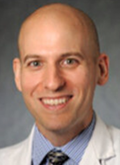
caption: Jeffrey TokazewskiThe Stengel Award recognizes a physician who has made significant contributions to the clinical integration and efficiency of the University of Pennsylvania Health System and who has also demonstrated a commitment to the improvement of quality care.

Jeffrey Tokazewski is a family physician, informaticist, and leader whose visionary work has transformed clinical efficiency and safety across Penn Medicine. His development of medication refill protocols in PennChart saves practitioners several hours each week and has made Penn a national leader in this workflow, while his service to the opioid task force has enhanced patient safety through systematic tracking and clinician education. By expanding Penn Medicine On-Demand to provide after-hours coverage for all Penn primary care practices, he has helped champion goals of reducing clinician burnout, improving patient access, and transforming call coverage into sustainable telehealth encounters.

Mentoring/Professionalism Awards

Arthur K. Asbury Outstanding Faculty Mentor Award: Kristy B. Arbogast, Professor of Pediatrics

caption: Kristy ArbogastThe Asbury Award recognizes a faculty member who has fostered the professional development of other faculty by providing inspiring and effective counsel in a manner that enables professional growth and development.

Kristy Arbogast is a leading scientist in pediatric injury prevention whose research has shaped laws, safety standards, and clinical practices worldwide. Equally distinguished is her deep and sustained commitment to mentorship: she has guided generations of students, postdocs, and faculty, many of whom are now independent leaders who advance injury prevention and public health. Through her generosity, empathy, and insight, she has strengthened the next generation of injury scientists, who continue to expand on her legacy of impact through breakthroughs in technology, clinical care, policy and education.

Duncan Van Dusen Professionalism Award for Faculty: George Dalembert, Assistant Professor of Clinical Pediatrics
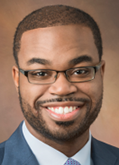
caption: George DalembertThe Van Dusen Award recognizes a faculty member whose respectful approach, integrity, self-awareness, and personal accountability are exemplary of the ongoing elevation of the culture at Penn and of the promotion of exceptional patient care experiences.

Through his visionary leadership and deep commitment to equity, George Dalembert has transformed pediatric healthcare at Penn, CHOP, and beyond. As founder of the medical financial partnership and co-founder and director of the Leadership in Equity, Advocacy, and Policy (LEAP) residency track, he has forged innovative connections between medicine, finance, and community advocacy, helping families access vital resources while training the next generation of compassionate physician-leaders. A humble and authentic role model, Dr. Dalembert embodies mission-driven leadership in all that he does, advancing health equity through quiet strength, collaboration, and a steadfast dedication to the communities he serves.

Research Awards

Marjorie A. Bowman New Investigator Research Award: Elinore J. Kaufman, Assistant Professor of Surgery

caption: Elinore KaufmanThe Bowman Award recognizes achievement in the health evaluation sciences, with a particular emphasis on patient-oriented research that addresses fundamental clinical problems as well as the organization and delivery of health care.

Elinore Kaufman is a preeminent trauma surgeon and health services researcher whose groundbreaking work in violence and firearm injury epidemiology has shaped both policy and patient care. Her seminal contributions—including advancing causal methods to evaluate injury prevention policies, improving acute care outcomes, and establishing the Penn Trauma Violence Recovery program—have transformed the care and recovery of patients affected by violence. Her work combines rigorous clinical research with policy relevance to advance both the science and practice of injury care.

Michael S. Brown New Investigator Research Award: Yi-Wei Chang, Assistant Professor of Biochemistry & Biophysics

caption: Yi-Wei ChangEstablished in honor of Nobel Laureate Michael S. Brown, a 1966 Penn School of Medicine alumnus, the Brown Award recognizes emerging faculty investigators engaged in innovative discoveries.

Yi-Wei Chang is a pioneering structural biologist whose lab uses cryo-electron tomography (cryo-ET) to study macromolecular machines directly inside cells, revealing their native conformations, interactions, and roles in complex processes like host-pathogen interactions. His work has illuminated mechanisms underlying malaria, toxoplasmosis, and cryptosporidiosis while also enabling studies of diverse systems, from influenza RNA-protein assemblies to unfixed human brain tissue. As both a structural biology innovator and a collaborative leader, Dr. Chang is transforming scientific understanding of infectious diseases and advancing in-tissue structural analysis with major translational implications.

Stanley N. Cohen Biomedical Research Award: Guo-li Ming, Perelman Professor of Neuroscience, and Hongjun Song, Perelman Professor of Neuroscience


caption: Guo-li Mingcaption: Hongjun SongThe Cohen Award was established in honor of Stanley N. Cohen, a 1960 Penn School of Medicine alumnus whose contributions launched a new era in biological research technology. The award recognizes achievement in the broad field of biomedical research.

Guo-li Ming and Hongjun Song are internationally recognized leaders in neuroscience whose groundbreaking research has transformed scientific understanding of brain development, plasticity, and disease. Their innovative work spans adult hippocampal neurogenesis, epitranscriptomics in the nervous system, and the development of next-generation brain organoid technologies—including breakthrough patient-derived tumor models that preserve critical microenvironmental features. Their multidisciplinary approaches have generated paradigm-shifting insights with profound implications for developmental disorders, brain tumors, and personalized therapeutic strategies.

Health Equity Scholarship or Research Award: Carmen E. Guerra, Ruth C. and Raymond G. Perelman Professor of Medicine

caption: Carmen GuerraThe Health Equity Award recognizes a Penn Medicine faculty member whose scholarly work has significantly advanced health equity. It honors long-term contributions that reduce health disparities, expand healthcare access, and drive transformative impact for underserved or marginalized communities.

Having dedicated her career to advancing health equity through groundbreaking research, policy leadership, and direct community impact, Carmen Guerra is the inaugural winner of the Health Equity Scholarship or Research Award. She has established cancer screening navigation programs that have helped thousands of underserved Philadelphians access life-saving care. She has also co-authored cancer screening guidelines that shape clinical practice nationwide and led the National Academies’ transformative 2024 report reframing how race and ethnicity should be understood in biomedical research. A generous mentor, colleague, and institutional citizen, Dr. Guerra’s work exemplifies how rigorous scholarship, compassionate advocacy, and sustained community engagement can drive systemic change for marginalized populations, both locally and nationally.

Samuel Martin Health Evaluation Sciences Research Award: Nandita Mitra, Professor of Biostatistics and Epidemiology

caption: Nandita MitraEstablished in 1996 to honor the late Samuel P. Martin, III, executive director of the Leonard Davis Institute of Health Economics and chair of the healthcare systems unit of the Wharton School, the Martin Award is given to a member of the Perelman School of Medicine faculty with a body of work concentrated in health services research.

Nandita Mitra is an internationally recognized leader whose work in causal inference has transformed health services research and advanced equity-driven policy evaluation. Her innovative methods have been applied to pressing issues ranging from beverage taxes and SNAP policies to exposing systemic racial bias in capital punishment trials—work that directly led to the vacating of a death sentence and which is shaping legal reform nationwide. Through this scholarship, Dr. Mitra bridges rigorous statistical innovation with urgent demands for justice and public health impact.

William Osler Patient Oriented Research Award: Kurt T. Barnhart, William Shippen, Jr. Professor of Obstetrics & Gynecology

caption: Kurt BarnhartEstablished in 1996 to honor Dr. Osler, the “Father of Clinical Medicine” who, in the 1880s, revolutionized clinical teaching research, the Osler Award recognizes achievement for research in which an investigator directly interacts with human subjects.

Kurt Barnhart is a pioneering clinician-researcher whose work in reproductive medicine has transformed the diagnosis and management of early pregnancy complications, including ectopic pregnancy and miscarriage. Through landmark clinical trials, rigorous epidemiologic studies, and the development of internationally adopted standards of care, his research has directly improved patient safety and outcomes while shaping practice guidelines worldwide. In addition to his scientific contributions, Dr. Barnhart has demonstrated enduring leadership in mentorship, research integrity, and institutional service, solidifying his legacy in women’s health.

Teaching Awards

Leonard Berwick Memorial Teaching Award: Erica B. Baller, Assistant Professor of Psychiatry

caption: Erica BallerThe Berwick Award was established in 1981 as a memorial to Leonard Berwick by his family and the department of pathology. It recognizes “a member of the medical faculty who in their teaching effectively fuses basic science and clinical medicine.” The award is intended to recognize outstanding teachers, particularly among younger faculty.

Erica Baller is dedicated to advancing trainee education in the care of medically ill patients with neuropsychiatric disorders. In addition to her role as director of neuroscience education in the department of psychiatry’s residency program, she is a national leader in the National Neuroscience Curriculum Initiative (NNCI), where her widely-adopted teaching materials have been used in 178 countries and incorporated into primary care training in Canada. She has developed more than 15 educational modules for the NNCI and actively mentors residents in creating neuroscience teaching tools that are used internationally.

Robert Dunning Dripps Memorial Award for Excellence in Graduate Medical Education: Robert E. Roses, Professor of Surgery
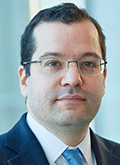
caption: Robert RosesThe Dunning Dripps Award was established by the department of anesthesia in 1984. As a pioneer in the specialty of anesthesia and chair of the department from 1943 to 1972, Dr. Dripps was instrumental in the training of more than 300 residents and fellows, many of whom went on to chair other departments. This award recognizes excellence as an educator of residents and fellows in clinical care, research, teaching, or administration.

Robert Roses is a consummate educator who has dedicated over a decade to shaping the next generation of surgeons through his leadership of the department of surgery’s principal weekly educational conference and personalized chief resident rotations. His apprenticeship-style approach and skill in granting progressive autonomy have earned him a number of resident-selected teaching awards, with trainees consistently praising his mentorship in their clinical and technical development.

Jane M. Glick Graduate Student Teaching Award: Kurt A. Engleka, Adjunct Assistant Professor of Cell & Developmental Biology

caption: Kurt EnglekaThe Glick Award was established in 2009 by the Glick family in remembrance of Jane Glick and her dedication to the biomedical graduate studies (BGS) programs.

Kurt Engleka has made lasting contributions to graduate education, inspiring students to approach science with rigor, creativity, and integrity.

Through his dedication to mentorship and curriculum leadership, he has helped shape the next generation of scientists, embodying the qualities of innovation, integrity, and educational impact that the Jane Glick Award seeks to honor.

Michael P. Nusbaum Graduate Student Mentoring Award: Akiva S. Cohen, Research Professor of Anesthesiology & Critical Care

caption: Akiva CohenThe Nusbaum Award was established in 2017 to honor Mikey Nusbaum as he stepped down from his role of director of biomedical graduate studies (BGS). Mentors embody the skills, experience, and wisdom essential to success in science; they serve as models for how one conducts their life in balance with a demanding career; and certain faculty play pivotal roles in guiding students in reaching their scholarly potential. All BGS faculty are eligible for this award, which recognizes excellence in graduate (PhD) mentoring.

Akiva Cohen is widely recognized for his dedication to mentoring and supporting graduate students. Through his work on the academic review committee and beyond, he fosters an environment in which trainees can explore their interests, pursue research opportunities, and thrive academically and professionally. His thoughtful, holistic approach to mentorship and his unwavering commitment to student success exemplify the values of guidance, engagement, and excellence that are central to BGS.

See Almanac April 8, 2025 for winners of Lindback and Provost’s Teaching Awards from the Perelman School of Medicine faculty.

Deaths

Hack R. Chung, Psychiatry

caption: Hack R. ChungHack R. Chung, a former clinical assistant professor of psychiatry in the Perelman School of Medicine, died August 3, 2025. He was 88.
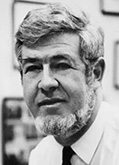
Born in Jeonju, South Korea, Dr. Chung graduated from Seoul National University with a bachelor of science in pharmacy and a master of public health. He then earned his MD from the Yonsei University College of Medicine. Dr. Chung immigrated to the United States in 1965 and began his medical career in Wilkes-Barre, Pennsylvania as an intern in emergency medicine. He later completed a residency in psychiatry and established a practice at the Northwestern Institute of Psychiatry. 

Dr. Chung was a physician for over 50 years. He was an instructor before being promoted to assistant clinical professor of psychiatry at Penn’s School of Medicine, now the Perelman School of Medicine, in 1979. He left the position in 1993.

He served as president of the Korean American Association of Greater Philadelphia and was a member of the Board of Trustees of Germantown Academy.

He is survived by his wife, Hanhee; his sons, Mike and John; his daughter-in-law, Mina Kim; his grandchildren, Eleanor and Jeremy; his stepchildren, Saehui Kim and Seung H. Kim (Eun Ju Lee); his step-grandchildren, Gabrielle Kim and Aden Kim; his siblings, Maya Yu (Doo Yul Yu), Won Ryang (Woon Sook); Cha Ryang (Shin Hee), Mun Ryang (Eun Ja), and Dae Ryang (Shin Joo); his former wife, Kyung Sun Chung; and many nieces and nephews.

Herbert Gans, Institute for Urban Studies

caption: Herbert GansHerbert Julius Gans, PhD’57, a former assistant professor of sociology and land & city planning and a former research associate in Penn’s Institute for Urban Studies, died on April 21. He was 97.

Dr. Gans was born in Cologne, Germany in 1927. He fled Nazi Germany and arrived in the U.S. in 1940, becoming a citizen in 1945. Dr. Gans studied at the University of Chicago, receiving an MA in sociology and social science in 1950 and studying with eminent sociologists David Riesman and Everett Hughes, among others. Dr. Gans then went on to receive a PhD in sociology and planning from Penn in 1957, where his dissertation was supervised by future Penn president Martin Meyerson. While earning his PhD, Dr. Gans joined Penn’s faculty in 1953 as a research associate in the Institute for Urban Studies. For the next decade, Dr. Gans advanced through Penn’s professorial ranks, eventually becoming an associate professor in the institute. While at Penn, Dr. Gans also taught land and city planning in the School of Design and taught sociology in the Wharton School. In 1964, Dr. Gans took a position at the Teachers College of Columbia University, then served as a faculty member at the Massachusetts Institute of Technology from 1969 to 1971. 

In 1971, Dr. Gans returned to Columbia University as a professor of sociology, his most enduring faculty position and one that he held until his retirement in 2007. While at Columbia, Dr. Gans conducted research and wrote books that upended popular perceptions of American communities and cultural bastions. That work began while Dr. Gans was at Penn, with his 1962 book The Urban Villagers, which studied the Italian American community in Boston’s West End, and continuing with The Levittowners (1967), which examined formal and informal social norms in a manufactured housing development in Willingboro, New Jersey. Dr. Gans went on to write several pivotal texts that reframed American cultural topics from a working-class perspective, including news media, the concept of “high culture,” and urban planning. With a bibliography spanning twelve books and hundreds of peer-reviewed articles, Dr. Gans became one of the U.S.’s most influential social critics. 

Outside of teaching and writing, Dr. Gans consulted for many civil rights, anti-poverty, and planning agencies, and for the Ford Foundation and the federal government. Dr. Gans served on the committee that prepared the Kerner Report, the 1968 government study that warned that the U.S. was moving toward a “separate and unequal” society. He also testified on behalf of Lenny Bruce when the comedian was on trial for obscenity in 1964. In 1988, Dr. Gans served as president of the American Sociological Association, which later recognized his contributions to the discipline with its 1999 Public Understanding of Sociology Award and its 2006 W.E.B. Du Bois Career of Distinguished Scholarship Award. Dr. Gans was inducted into the American Academy of Arts and Sciences and the Sociological Research Association and received a Guggenheim Fellowship and a German Marshall Fund Fellowship, among numerous other honors. 

Dr. Gans is survived by his wife, Louise Gruner; and his son, David Herman Gans. 

Marstin Alexander, Comptroller’s Office

caption: Marstin AlexanderMarstin Alexander, a former associate comptroller in Penn’s Division of Finance, died on May 31, 2025. He was 72.

Mr. Alexander started working in the comptroller’s office at Penn as a student and accepted a full-time position after he graduated in 1975. He served as an accounting clerk, accountant, an operations accountant, and a fiscal and budget coordinator, then became assistant comptroller and finally, in 1998, associate comptroller. He stayed in that position until 2003. He joined Penn’s 25-Year Club in 1997. After leaving Penn, he worked in a family business until he retired in 2018.

He is survived by his wife, Isabella (Bella); his daughters, Heather Pierce (Calvin Pierce, Jr.) and Amanda Stanley (Rob); his son, M. Nathan Alexander (Jamie); his grandchildren, Zachary and Ethan Pierce, Andrew and Aaron Stanley, and Hannah and M. Nathan Alexander; his brother, P. Nixon Alexander; his sister, Lorinda Krause; and numerous nieces and nephews. 

In lieu of flowers, donations in his name can be made to the Mayo Clinic in Jacksonville, Florida or to Agape Care of South Carolina.

Michael Zimmerman, Medical Pathology and Penn Museum

caption: Michael ZimmermanMichael R. Zimmerman, PhD’76, a former associate in medical pathology and most eminently, a former adjunct associate professor of anthropology in the School of Arts & Sciences and a consulting scholar at Penn Museum, died on September 28. He was 95.
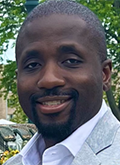
Dr. Zimmerman earned a BA from Washington and Jefferson College in 1959, then an MD from New York University School of Medicine in 1963. He began his career in the field of medical pathology, and in that capacity, joined the Hospital of the University of Pennsylvania (HUP) in 1972 as a research associate. Meanwhile, he switched gears, earning a PhD from Penn in 1976. Four years later, his primary faculty affiliation at Penn switched to the department of anthropology in the School of Arts & Sciences, where he lectured and performed research on mummy paleopathology at the Penn Museum. He continued to perform research and lecture at Penn until retiring in 2018. 

In addition to his teaching at Penn, Dr. Zimmerman was an adjunct professor of biology at Villanova University and a visiting professor at the University of Manchester’s KNH Centre for Biomedical Egyptology in the U.K. His research inquired into the evolution of diseases over time, analyzing mummies to reveal clues about what they may have suffered. He wrote several articles about his findings, including in Penn Museum’s publication Expedition. “Paleopathology, the study of disease in ancient remains, adds the dimension of time to improve our understanding of the evolution of diseases and their role in human biological and social history,” he wrote.

Dr. Zimmerman is survived by his wife, Barbara Zimmerman; his children, Jill (John) Zimmerman-Calise and Wendy (Sean) Phillips; and his grandchildren, Leah, Kara, Ethan, Jenny (Ozzy) and James. He was pre-deceased by his sister, Edith Chickie Rosenberg. In lieu of flowers, contributions in Dr. Zimmerman’s memory may be made to Temple Brith Achim (https://www.brithachim.org/). 

Governance

Board of Trustees Fall Meetings: November 6-7

The fall meetings of the Trustees of the University of Pennsylvania will be held on Thursday and Friday, November 6 and 7, 2025.

Thursday, November 6
8:30-10 a.m.: Local, National, and Global  Engagement Committee
10:45-11:45 a.m.: Facilities & Campus  Planning Committee
1:45-3:15 p.m.: Student Life Committee
3:30-5 p.m.: Academic Policy Committee
3:45-5:15 p.m.: Budget & Finance Committee

Friday, November 7
11 a.m.-12:30 p.m.: Stated Meeting of the Trustees

For more information, visit https://secretary.upenn.edu/trustees-governance/open-trustee-meeting. Please contact the Office of the University Secretary at (215) 898-7005 or ofcsec@pobox.upenn.edu with questions regarding Trustee meetings.

Policies

Principles of Responsible Conduct–Online Training Modules and Reminder to the Penn Community

The Principles of Responsible Conduct promote the highest standards of integrity and ethics at Penn. To remind the Penn community of the basic expectations that should guide our work at Penn, the Principles of Responsible Conduct are published annually and are found below. Everyone at Penn is expected to be familiar with and adhere to the Principles of Responsible Conduct, which can be found on the Office of Audit, Compliance and Privacy website at: https://oacp.upenn.edu/oacp-principles/. Information on how to access the Principles of Responsible Conduct online training modules is provided at the end of the article.

The mission of the University of Pennsylvania and its Health System is to offer a world class education to our students, train future leaders, expand and advance research and knowledge, serve our community and society both at home and abroad, and provide the most expert and outstanding health care for our patients. In pursuing this mission, and to ensure the continued excellence of the University and its reputation, all members of the University community need to understand and uphold both legal requirements and the highest ethical standards.

In the following Principles of Responsible Conduct, we articulate the basic expectations that should guide each of us in our work at Penn. These principles are embedded within many policies and practices identified throughout University and Health System handbooks, manuals, websites and other materials. We have endeavored to distill these policies, rules, and guidelines for easy review and access. The principles are not intended to be a comprehensive catalogue of all applicable rules and policies of the University and the Health System. Rather, these principles set forth the underlying expectations that we have for the conduct of University and Health System activities with the highest standards of integrity and ethics. Useful references to relevant policies and resources are included.

We urge you to read these principles closely and familiarize yourself with both the expectations and the resources provided.

—J. Larry Jameson, President
—John L. Jackson, Jr., Provost
—Mark F. Dingfield, Executive Vice President
—Jonathan A. Epstein, Executive Vice President of the University for the Health System and Dean of the Perelman School of Medicine

Penn has many policies that govern the behavior of all Penn faculty, administration and staff. The ethical expectations contained in these policies are highlighted in the text of the ten principles that follow, and supporting policies, statements and guidelines are available for each at the corresponding web link.

Ethical and Responsible Conduct. Penn’s faculty, administration, and staff should conduct themselves ethically, with the highest integrity, in compliance with all applicable laws, regulations, and University policies, in all aspects of their work. They should be fair and principled in University and Health System business transactions and other related professional activities, acting in good faith when dealing with both internal constituents and external entities. Their conduct should always reflect their positions of trust and loyalty with respect to the University, the Health System, and members of these communities. https://oacp.upenn.edu/oacp-principles/ethical-and-responsible-conduct/

Respect for Others in the Workplace. Penn recognizes that people are the most important resource for achieving eminence in accomplishing our mission in the areas of teaching, research, community service, and patient care. Penn is an institution that values academic freedom, diversity and respect for one another. Penn is committed to the principle of nondiscrimination and does not tolerate conduct that constitutes harassment on any basis, including sexual, racial, ethnic, religious, or gender harassment. https://oacp.upenn.edu/oacp-principles/respect-for-others-in-the-workplace/

Avoidance of Conflict of Interest. As more fully stated in Penn’s conflict of interest policies, Penn’s faculty, administration, and staff should avoid conflicts of interest in work at Penn. As a nonprofit institution, it is imperative, for both legal and ethical reasons, that University and Health System employees do not improperly benefit from their positions of trust at Penn. Financial conflicts must be appropriately disclosed in accordance with conflict of interest and conflict of commitment policies, so that they can be reviewed, and as appropriate, managed or eliminated. Faculty, administrators, and staff are responsible for identifying potential conflicts and seeking appropriate guidance. https://oacp.upenn.edu/oacp-principles/avoidance-of-conflict-of-interest/

Responsible Conduct in Research. As members of a complex research university, Penn faculty, administrators, and staff have significant responsibility to ensure that research is conducted with the highest integrity, and in compliance with federal, state, and local laws and regulations, as well as University and Health System policies. https://oacp.upenn.edu/oacp-principles/responsible-conduct-in-research/

Responsible Stewardship and Use of Penn Property, Funds, and Technology. Penn faculty, administration, and staff are expected to ensure that Penn property, funds, and technology are used appropriately to benefit the institution, consistent with all legal requirements and University and Health System policies. https://oacp.upenn.edu/oacp-principles/responsible-stewardship-and-use-of-penn-property-funds-and-technology/

Environmental Health and Safety. Penn is committed to the protection of the health and safety of the University community and the creation of a safe working environment. To accomplish this end, Penn provides training in health and safety regulation and policy, and Penn faculty, administration, and staff are expected to comply with sound practices and legal requirements. https://oacp.upenn.edu/oacp-principles/environmental-health-and-safety/

Respect for Privacy and Confidentiality. In their various roles and positions at Penn, faculty, administration, and staff become aware of confidential information of many different types. Such information may relate to students, employees, faculty, staff, alumni, donors, research sponsors, licensing partners, patients, and others. Penn faculty, administration, and staff are expected to inform themselves about applicable legal, contractual, and policy obligations to maintain the confidentiality of such information, so as to protect it from improper disclosure and to protect the privacy interests of members of our community. https://oacp.upenn.edu/oacp-principles/respect-for-privacy-and-confidentiality/

Appropriate Conduct with Respect to Gifts, Travel and Entertainment. Penn faculty, administration, and staff are expected to conduct themselves so as to ensure that their positions are not misused for private gain, with respect to acceptance of gifts and the undertaking of University-related travel and entertainment. https://oacp.upenn.edu/oacp-principles/appropriate-conduct-with-respect-to-gifts-travel-and-entertainment/

Appropriate Use of the University Name and Logos. Penn regulates the use of its name, its shield, and related trademarks and logos in order to protect the University’s reputation, and to ensure that their use is related to the University’s educational, research, community service, and patient care missions. Faculty, administration, and staff are expected to protect the University name and logos from improper use. https://oacp.upenn.edu/oacp-principles/appropriate-use-of-the-university-name-and-logos/

Responsible Reporting of Suspected Violations and Institutional Response. Penn faculty, administration, and staff are expected to report suspected material violations of University and Health System policies, as well as violations of applicable laws and regulations, including laws requiring the reporting of sexual abuse involving minors, to appropriate offices, as set forth in the various policies. Penn faculty, administration, and staff may be subject to discipline in accordance with the policies. https://oacp.upenn.edu/oacp-principles/responsible-reporting-of-suspected-violations-and-institutional-response/

If you have questions or concerns about possible violations of policies or legal requirements, employees may contact the (215) P-COMPLY Confidential Reporting and Help Line. The (215) P-COMPLY Confidential Reporting and Help Line is available to all employees by calling (215) P-COMPLY or visiting www.upenn.edu/215pcomply.

Principles of Responsible Conduct training videos for Penn employees are also available and may be accessed through the Workday catalog or by using the links below:

In addition, printed versions of the Principles of Responsible Conduct are available for Penn employees. If you are interested in obtaining the brochure or have questions about accessing the online training, please contact Linda E. Yoder, deputy institutional compliance officer, at (215) 573-3347 or elyoder@upenn.edu.

Honors

Miller Celestin: RWJF Health Policy Research Scholar

caption: Miller CelestinPenn Nursing PhD student Miller Celestin, a Center for Health Outcomes and Policy Research (CHOPR) fellow, and a Presidential PhD Fellow, has been selected as a Robert Wood Johnson Foundation Health Policy Research Scholar. This program connects changemakers across the country, from diverse professions and backgrounds, to learn from and work with one another in creating more just and thriving communities.

The Health Policy Research Scholars  program helps students from all fields apply their work to policies that advance equity and health while building a diverse network of leaders who reflect our changing national demographics.

Mr. Celestin’s research will focus on eliminating health disparities in emergency department outcomes. “I believe that health policy could be a lever to ensure that emergency departments are better connected to other sections of our healthcare system, particularly in high poverty and disinvested communities,” he says. “As a HPRS scholar, I hope to gain the skills to shape legislation and institutional practices that will improve access to care with emergency departments as the critical link between community health needs and systemic healthcare reform.”

Vivian Gadsden: Vice President of the National Academy of Education

caption: Vivian GadsdenVivian Gadsden, the William T. Carter Professor of Child Development and Education in the Graduate School of Education, has been elected as the next vice president of the National Academy of Education. She will begin her term in November 2025, succeeding Pam Grossman, former dean and professor emerita of education at Penn GSE, who is concluding her tenure as vice president.
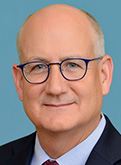
The National Academy of Education advances high-quality education research and its use in policy and practice. Its members, elected on the basis of outstanding scholarship, serve as a collective voice shaping the future of education.

A renowned scholar whose work bridges research, policy, and practice, Dr. Gadsden has held numerous national leadership roles. She served as president of the American Educational Research Association; chaired the National Academies of Sciences, Engineering, and Medicine’s Committee on Supporting Parents of Young Children; co-founded the National Center on Fathers and Families; and co-leads Penn Early Childhood and Family Research Center at Penn GSE.

“For decades, Professor Vivian Gadsden has paired rigorous inquiry with deep and abiding care for the lives of children and families, reshaping how our field understands early childhood development,” said Katharine Strunk, dean and the George and Diane Weiss Professor of Education at Penn GSE. “Her appointment as vice president of the National Academy of Education recognizes not only her intellectual leadership, but the generosity of spirit that animates her scholarship and mentorship. We are incredibly proud to call her our colleague at Penn GSE.”

Daniel P. Kelly: AHA 2025 Distinguished Scientist

caption: Daniel KellyDaniel Kelly, the Willard and Rhoda Ware Professor of Diabetes and Metabolic Diseases and director of the Penn and Children’s Hospital of Philadelphia Cardiovascular Institutes, has been named a 2025 Distinguished Scientist by the American Heart Association (AHA).

Created in 2003, the AHA’s Distinguished Scientist designation honors AHA/ASA (American Stroke Association) members who have made extraordinary contributions to cardiovascular, stroke, and brain health research.

“I am very fortunate and honored to receive the 2025 Distinguished Scientist award from an organization that means so much to me,” said Dr. Kelly. “The AHA was instrumental in providing grant support early in my career. This support helped launch my independent research career, and enabled me to become acquainted with peers, including new collaborators.”

Dr. Kelly’s research career began with an interest in rare genetic conditions affecting metabolism that cause cardiomyopathy and sudden death in children. This led to a career-long mission to understand the metabolic origins of heart disease. Among his notable work, Dr. Kelly identified the genetic cause of a common condition affecting how the body processes fats for energy in mitochondria, leading to the creation of practical newborn screening tests. “Our work has moved from fundamental discovery to identification of new therapies that rebalance fuel metabolism in the failing heart, one of which has moved to human trials,” said Dr. Kelly.

In addition to the 2025 Distinguished Scientist designation, Dr. Kelly is a member of the American Society for Clinical Investigation and the Association of American Physicians. He has won many awards from the AHA, including the 1995 Established Investigator Award, the 2008 Basic Cardiovascular Science Council Distinguished Achievement award, and the 2009 Basic Research Prize.

Dr. Kelly will receive the 2025 Distinguished Scientist designation at the 2025 American Heart Association Scientific Sessions in New Orleans this November.

Features

Reassembling a 4,300-Year-Old Architectural Marvel: Ancient Egyptian Tomb Installation

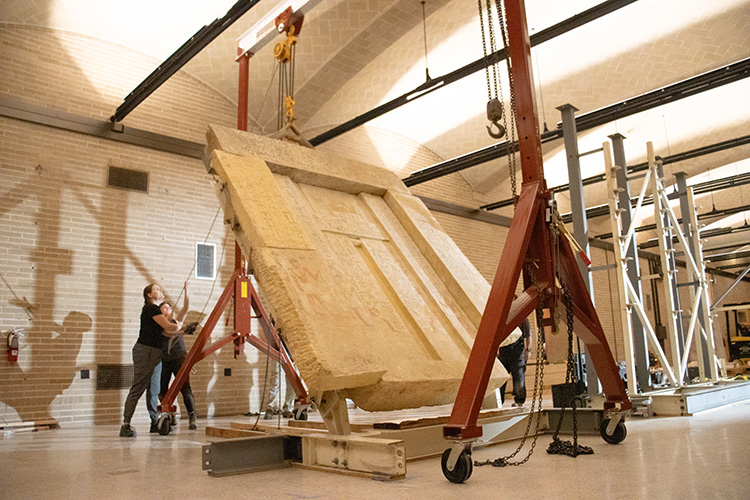
Conservators hoist a 5-ton “false door” as part of  the installation of the Tomb Chapel of Kaipure in the Penn Museum’s Ancient Egypt and Nubia Galleries.

A team of conservators and engineers from the Penn Museum have installed a massive 5-ton “false door” from the 4,300-year-old Tomb Chapel of Kaipure. Over the next few weeks, nearly 100  carved and painted limestone blocks will be added to reassemble this architectural marvel, which has not been on public view at the Museum since 1996.

The offering chamber will serve as the dramatic centerpiece of the highly anticipated Egypt Galleries: Life and Afterlife on the Main Level, which will open to the public in late 2026.

Excavated more than a century ago at Saqqara, the Tomb Chapel was the place where priests performed funerary rites and presented offerings to sustain the deceased in the Afterlife. The “false door” provided a symbolic doorway through which the deceased’s spirit would access the offerings.

“There are not many museums in the United States with such a well-preserved ancient building like the Tomb Chapel of Kaipure—a highlight of the Penn Museum’s collection,” said Egyptologist and lead curator Jennifer Houser Wegner. “One of the curatorial goals of the Egypt Galleries: Life and Afterlife is to humanize the ancient Egyptians, helping visitors to see them not as distant or exotic figures, but as real people. The individuals who made these artifacts, carved the stone, and painted the statues were people, just like us. The people these objects are commemorating were once living, breathing people who had jobs, fell in love, ate and drank, had families, worried about troubles, and celebrated joys, just like we do.”

Following extensive conservation across nearly three decades, the Tomb Chapel of Kaipure and its “false door” now more vividly display hieroglyphic inscriptions and remarkable scenes of daily life, offerings, and rituals, as well as representations of the individual buried in the tomb, Kaipure, a high-ranking treasury official of Egypt’s Old Kingdom (ca. 2350 BCE). Once the restoration is completed, visitors will be able to move through the monumental structure and experience the inside of an ancient tomb chapel.

“To preserve the experience of going into a large space like the funerary chapel, the conservation process is a complex and collaborative effort,” said Julia Commander, senior project conservator at the Penn Museum. “Every level of detail matters—from the smallest trace of original pigment to the structure’s overall layout.”

As part of the Penn Museum’s largest renovation in its 138-year history, this transformation of the 14,000-square-foot Ancient Egypt and Nubia Galleries will unveil an unprecedented experience among North American museums.  The project is unfolding in two phases:

  • Egypt Galleries: Life and Afterlife—Main Level (opens late 2026): These chronologically organized galleries will introduce visitors to daily life through professions, home life, craft production, ancient writing, and papyri manuscripts, allowing guests to explore how the ancient Egyptians lived, worked, and worshipped, as well as their vision of the Afterlife. These galleries will explain how ancient Egyptian burial practices changed over time—including artifacts related to their important preparations for eternity. Items on display will include funerary deities and the essential elements of burial, such as decorated coffins and masks, canopic jars, and shabti figurines that served the deceased in the next world.
  • Egypt and Nubia Galleries: Royalty and Religion—Upper Level (opens late 2028) Featuring the monumental 3,000-year-old palace of Pharaoh Merenptah, whose towering 30-foot columns will be displayed at their full height for the first time since their excavation more than 100 years ago, these galleries bring to life the original (1926) vision for the gallery space—with the help of modern engineering practices, like reinforced structural strength using steel tie rods.

“Everyone at the museum is tremendously excited and grateful to have completed the construction of the Egypt Galleries on the main level,” said Christopher Woods, the Williams Director of the Penn Museum and the Avalon Professor in the Humanities in the School of Arts & Sciences. “The newly conserved and assembled Tomb Chapel of Kaipure not only marks an important milestone in this once-in-a-lifetime project, but it also offers a glimpse of more monumental things to come, as these new galleries become a point of cultural pride for the Greater Philadelphia region and beyond.”

Adapted from a Penn Museum news release by Jill DiSanto, October 21, 2025.

Events

Update: November AT PENN

Films

4          Behind the Mask; screening of a film centered on Uyghur scholar and activist Abduweli Ayup’s experiences as a survivor of incarceration in the Uyghur Region and his opportunity to confront a former prison guard with questions, followed by a discussion with Mr. Ayup; 4:30 p.m.; room 402, Cohen Hall (Center for East Asian Studies).

5          Mother Joan of the Angels; screening of a 1961 Polish religious horror art film on demonic possession; 7 p.m.; sky lounge, Harnwell College House; RSVP: ashermar@sas.upenn.edu and ivancot@upenn.edu (Cinema & Media Studies).

6          Gaza: Journalists Under Fire; tells the stories of many of the 178 journalists who have been killed in Gaza; 7 p.m.; room 261, Stiteler Hall; info: https://tinyurl.com/gaza-film-nov-6 (Cinema & Media Studies).

10        Together for Water: Defending the Choco Rainforest; a documentary by Afro-descendant and indigenous youth of the Choco Rainforest in defense of their territory and against the contamination of their rivers; 5:30 p.m.; room 425, Van Pelt Library; register: https://bit.ly/TogetherForWater (Center for Latin American & Latinx Studies, Cinema & Media Studies).


Fitness & Learning

4          Thinking About Graduate School? A Discussion on Graduate Programs with Faculty, University Scholar-Practitioners, and Current Grad Students; join Penn English faculty, scholar-practitioners from across campus, and current Penn grad students for a discussion on what graduate programs are like, what you can do to prepare strong applications, and what careers may be open to you with an advanced degree; 3:30 p.m.; room 135, Fisher-Bennett Hall (English).


Center for Undergraduate Research & Fellowships

Info: https://curf.upenn.edu/events.

5          You Do-Nut Have to Be in STEM; join research peer advisors (RPAs) who are involved in humanities and social science research (history; psychology and legal studies; philosophy, politics, and economics; and international relations) for an informal conversation on what research looks like outside of STEM fields; 7:30 p.m.; room G08/09, College Hall.

6          Finding a Good Research Fit; CURF research peer advisors will share resources for identifying potential mentors and questions to think about regarding your goals and priorities; 4 p.m.; room G08/09, College Hall.


Graduate School of Education

Unless noted, online webinars. Info: https://www.gse.upenn.edu/news-and-events/events-calendar.

7          International Educational Development, MSEd Virtual Information Session; 9 a.m.


Morris Arboretum & Gardens

In-person events at Morris Arboretum & Gardens. Info: https://www.morrisarboretum.org/see-do/events-calendar.

8          Winter Wellness Walks: Nature Watch; learn how to appreciate a garden in the winter on this guided walk; look for winter interests like tree bark color/texture, tree silhouettes, buds, and even look for winter-blooming plants; 10:30 a.m.


Readings & Signings

7          Little Fires Everywhere; book club group discussion of the Celeste Ng book; all grades, backgrounds, and experiences are welcome; 1 p.m.; room 473, McNeil Building; register: https://tinyurl.com/asam-book-club-nov-7 (Asian American Studies).

10        Uncovering Your Path; Rev. Dr. Charles (Chaz) L. Howard, University Chaplain; 3 p.m.; Zoom webinar; register: https://bit.ly/SPEAK25 (Center for Social Impact Strategy, Penn Center for Inclusive Innovation & Technology).


Talks

4          Diamond and GaN: Wide-Bandgap Allies for Thermal and Power Management from Devices to 3D-Stacked Chips; Srabanti Chowdhury, Stanford University; 11 a.m.; room 225, Towne Building (Electrical & Systems Engineering).

            Good Old Fashioned Engineering Can Close the 100,000 Year “Data Gap” in Robotics; Ken Goldberg, Robot Learning Foundation; 3:30 p.m.; Wu & Chen Auditorium, Levine Hall (Computer & Information Science).

5          Context Matters: Adapting Your Teaching to Class Size, Language, and Institution; Javier Samper Vendrell, German; noon; room 344, Fisher-Bennett Hall (Gender, Sexuality & Women’s Studies).

            Galaxy Clusters as Dark Matter Laboratories; Benedikt Diemer, University of Maryland; 3:30 p.m.; room 4E19, DRL (Physics & Astronomy).

            The “Phantasie” of the “Dog-Bitten Soul”; Don James McLaughlin, University of Tulsa; 6:30 p.m.; room 135, Fisher-Bennett Hall (English).

6          ACS: An Interactive Framework for Machine-Assisted Selection With Model-Free Guarantees; Zhimei Ren, statistics and data science; noon; room 414, Amy Gutmann Hall (IDEAS Center, Statistics & Data Science, PennAI).

            Cyber Threats, Intelligence, and U.S. National Security; General (Ret.) Tim Haugh; noon; Perry World House; register: https://tinyurl.com/haugh-talk-nov-6 (Perry World House).

            Robust and Adaptive Causal Null Hypothesis Tests Under Model Uncertainty; Ted Westling, University of Massachusetts, Amherst; 1 p.m.; room 701, Blockley Hall, and Zoom webinar; join: https://tinyurl.com/westling-talk-nov-6 (Center for Causal Inference).

            Prodigal Dynasty: The Restoration of the Marcos Family in the Philippines; Adrian De Leon, New York University; 5:15 p.m.; room 209, College Hall (History).

7          The Future of Water Reuse; Jon Freedman, Veralto; John Hanula, Stantec; noon; Zoom webinar; register: https://tinyurl.com/freedman-hanula-nov-7 (Water Center at Penn).

            Moho Mission to the Foundations of Continents: The ICDP DIVE Drilling Project in the Ivrea-Verbano Zone, Alps, Italy; Mattia Pistone, University of Georgia; 3 p.m.; room 358, Hayden Hall (Earth & Environmental Science).

10        Tackling the Crisis in Rural Health: Nurse-Led Clinics, Community Activism, and the Politics of Rural Health in the 1970s; Dominique Tobbell, University of Virginia; 3:30 p.m.; room 218, Fagin Hall; register: https://www.nursing.upenn.edu/calendar/event/dominique-tobbell-seminar (Barbara Bates Center for the Study of the History of Nursing).


Asian American Studies

Various locations. Info: https://asam.sas.upenn.edu/events.

4          Asian American Across the Disciplines; Pooja Bavishi, Malai; noon; room 473, McNeil Building.


GRASP Lab

Info: https://www.grasp.upenn.edu/events/month/2025-11/.

5          UMI on Legs: Making Manipulation Policies Mobile with Manipulation-Centric Whole-Body Controllers; Huy Ha, Columbia University & Stanford University; 3 p.m.; room 307, Levine Hall.


Mathematics

Various locations. Info: https://www.math.upenn.edu/events.

6          Geometric Structures in Higher Teichmüller Theory; Sara Maloni, University of Virginia; 3:30 p.m.; room 4C8, DRL.


This is an update to the November AT PENN calendar, which is online now. To submit an event for a future AT PENN calendar or weekly update, email almanac@upenn.edu.

Crimes

Weekly Crime Reports

Division of Public Safety
University of Pennsylvania Police Department Crime Report

About the Crime Report: Below are the Crimes Against Persons and/or Crimes Against Property from the campus report for October 20-26, 2025. The Crime Reports are available at: https://almanac.upenn.edu/sections/crimes. Prior weeks’ reports are also online. –Eds.

This summary is prepared by the Division of Public Safety (DPS) and contains all criminal incidents reported and made known to the Penn Police, including those reported to the Philadelphia Police Department (PPD) that occurred within our patrol zone, for the dates of October 20-26, 2025. The Penn Police actively patrol from Market Street to Baltimore Avenue and from 30th Street to 43rd Street in conjunction with the Philadelphia Police.

In this effort to provide you with a thorough and accurate report on public safety concerns, we hope that your increased awareness will lessen the opportunity for crime. For any concerns or suggestions regarding this report, please call DPS at (215) 898-7297. You may view the daily crime log on the DPS website.

Penn Police Patrol Zone
Market Street to Baltimore Avenue and from 30th Street to 43rd Street

Crime Category

Date

Time

Location

Description

Aggravated Assault

10/25/25

11:02 PM

3604 Chestnut St

Offender threatened a staff member with a firearm/Arrest

Assault

10/20/25

2:24 AM

3549 Chestnut St

Complainant simple assault

Auto Theft

10/20/25

1:20 AM

3800 Locust Walk

Theft of a secured motorized scooter from bike rack


10/20/25

3:45 PM

3450 Hamilton Walk

Theft of a secured scooter from bike rack


10/21/25

2:07 PM

210 S 34th St

Theft of a secured scooter from bike rack


10/21/25

2:11 PM

3600 Chestnut St

Theft of a secured scooter from secured storage area


10/21/25

5:29 PM

3800 Locust Walk

Theft of an electric scooter from bike rack


10/21/25

8:38 PM

210 S 34th St

Theft of the bait scooter from bike rack/Arrest


10/23/25

5:10 PM

3901 Locust Walk

Theft of a secured scooter from bike rack


10/24/25

2:27 AM

3700 Spruce St

Theft of an unsecured electric bicycle from highway


10/24/25

12:50 PM

3300 Market St

Theft of a secured electric scooter


10/25/25

3:29 PM

3200 Chestnut St

Theft of a secured electric bike


10/26/25

11:12 AM

200 St Marks Sq

Theft of a vespa scooter secured to sidewalk outside of residence


10/26/25

3:45 PM

240 S 40th St

Scooter theft/Arrest

Bike Theft

10/21/25

3:04 PM

3333 Walnut St

Theft of a secured bicycle from bike rack


10/24/25

5:24 PM

4200 Ludlow St

Theft of a secured bicycle from apartment garage


10/24/25

8:35 PM

4200 Ludlow St

Theft of a secured bicycle from apartment building garage

Other Offense

10/26/25

5:30 PM

3744 Spruce St

Attempted retail theft, active warrant on offender/Arrest

Retail Theft

10/20/25

3:54 PM

4233 Chestnut St

Retail theft of alcohol


10/21/25

8:45 AM

125-129 S 40th St

Retail theft of consumable goods


10/21/25

6:05 PM

4233 Chestnut St

Retail theft of alcohol


10/22/25

7:32 AM

3744 Spruce St

Retail theft of consumable goods


10/22/25

9:31 AM

4233 Chestnut St

Retail theft of alcohol


10/23/25

10:24 AM

3604 Chestnut St

Retail theft of consumable goods


10/23/25

12:10 PM

3744 Spruce St

Retail theft of consumable goods/Arrest


10/24/25

7:54 AM

3744 Spruce St

Retail theft of consumable goods


10/24/25

11:57 AM

4233 Chestnut St

Retail theft of alcohol


10/24/25

12:04 PM

3744 Spruce St

Retail theft of consumable goods


10/24/25

1:13 PM

4233 Chestnut St

Retail theft of alcohol


10/24/25

9:20 PM

4233 Chestnut St

Retail theft of alcohol


10/25/25

1:13 PM

3604 Chestnut St

Retail theft of consumable goods/Arrest

Theft from Building

10/20/25

7:34 PM

4046 Chestnut St

Theft of a package containing clothing from apartment lobby


10/22/25

5:43 PM

4200 Ludlow St

Theft of a secured bicycle from bike racks in apartment garage


10/22/25

6:50 PM

4210 Chestnut St

Theft of a package from apartment lobby

Theft from Vehicle

10/22/25

9:55 AM

4200 Sansom St

Hubcaps taken from vehicle parked on street

Theft Other

10/21/25

2:26 PM

3711 Market St

Theft of a wallet from purse on chair


10/21/25

4:34 PM

210 S 34th St

Theft of personal items from unattended bag left on bicycle


10/25/25

2:31 PM

3408 Sansom St

Wallet taken from bag in the outside patio area

Vandalism

10/20/25

11:18 AM

3800 Locust Walk

Multiple bricks taken from generational bridge


10/22/25

2:30 PM

4222 Spruce St

Former tenant vandalized apartment prior to eviction


10/23/25

1:44 PM

3800 Locust Walk

Spray paint on bridge plaques


10/24/25

2:18 PM

1 Convention Ave

Complainant’s secured scooter was vandalized


Philadelphia Police 18th District
Schuylkill River to 49th Street & Market Street to Woodland Avenue

Below are the Crimes Against Persons from the 18th District: 10 incidents were reported for October 20-26, 2025 by the 18th District, covering the Schuylkill River to 49th Street & Market Street to Woodland Avenue.

Crime Category

Date

Time

Location

Aggravated Assault

10/20/25

5:48 PM

4815 Locust St


10/23/25

12:35 PM

4700 Locust St


10/23/25

6:50 PM

1217 S 47th St

Assault

10/20/25

10:56 AM

4700 Locust St


10/20/25

1:15 PM

3549 Chestnut St


10/20/25

11:15 PM

4600 Walnut St


10/21/25

1:38 PM

3550 Market St


10/22/25

11:15 PM

3330 Market St


10/24/25

2:38 PM

4700 Locust St

Robbery

10/21/25

6:16 PM

4700 Ludlow St

The Division of Public Safety offers resources and support to the Penn community. DPS developed a few helpful risk reduction strategies outlined below. Know that it is never the fault of the person impacted (victim/survivor) by crime.

  • See something concerning? Connect with Penn Public Safety 24/7 at (215) -573-3333.
  • Worried about a friend’s or colleague’s mental or physical health? Get 24/7 connection to appropriate resources at (215) 898-HELP (4357).
  • Seeking support after experiencing a crime? Call Special Services - Support and Advocacy resources at (215) 898-4481 or email an advocate at specialservices@publicsafety.upenn.edu
  • Use the Walking Escort and Riding services available to you free of charge.
  • Take a moment to update your cellphone information for the UPennAlert Emergency Notification System
  • Download the Penn Guardian App which can help Police better find your location when you call in an emergency.
  • Access free self-empowerment and defense courses through Penn DPS.
  • Stay alert and reduce distractions; using cellphones, ear buds, etc. may limit your awareness.
  • Orient yourself to your surroundings. (Identify your location, nearby exits, etc.)
  • Keep your valuables out of sight and only carry necessary documents.

Bulletins

One Step Ahead: Protect Your PennKey

One Step Ahead

Another tip in a series provided by the  Offices of Information Security, Information Systems & Computing and Audit, Compliance & Privacy

Your PennKey is a credential that gives you access to many resources. These resources are valuable; you should protect your access to them by protecting your PennKey.

Your PennKey gives you access to personal and University resources—including pay stubs, transcripts, and more. Someone who gains access to your PennKey could compromise your privacy and the University’s systems. Protecting your PennKey is essential for safeguarding your information and the University’s resources.

The first step in protecting your PennKey is using a strong password. There are requirements for the length and complexity of your PennKey password. This password should also be unique to your PennKey. Reusing passwords is a security vulnerability. A password manager can help you create a strong, complex, and unique password. The University offers Dashlane to faculty, staff, and students for this purpose.

If your PennKey account supports it, use Two-Step verification, which is an additional level of security for your PennKey. Two-Step verification combines “something you have,” such as your smartphone, and “something you know,” which is your PennKey password. The University uses Duo Mobile for Two-Step verification. 

Dashlane password manager: https://isc.upenn.edu/resources/dashlane

Duo Mobile for Two-Step verification: https://isc.upenn.edu/pennkey/twostep

---

For additional tips, see the One Step Ahead link on the Information Security website: https://isc.upenn.edu/security/news-alerts%23One-Step-Ahead

Back to Top