
News

Welcome Back From the President: Penn Never Presses Pause

caption: Liz MagillIf you’ve walked past College Hall in recent months, you may have found yourself wondering, “What’s going on here?” Since January, the west wing of College Hall has been undergoing a major renovation. The building’s most striking design features—its characteristic green serpentine stone, its majestic windows—are temporarily obstructed by scaffolding, fencing, and construction equipment. When renovations wrap up by 2025, College Hall will stand even more beautiful and ready to serve Penn’s community than it does today.

 College Hall was the first building on Penn’s West Philadelphia campus. When it opened in 1873, it housed almost all of Penn’s functions, including the library, classrooms, laboratories, and offices. Since then, the story of College Hall—like the story of Penn—has been one of reinvention. At Penn, we are always building upon what already makes our University so great. Each year, in countless ways great and small, we set out to make it even greater. In short, we never press pause.

As we mark the end of another summer and the start of a new academic year, I’ve been reflecting on the idea of reinvention. The past few months at Penn serve as an excellent case study, including several significant academic leadership transitions. John L. Jackson, Jr. began his service as Penn’s 31st provost on June 1, and three new deans—Sarah Banet-Weiser in the Annenberg School for Communication, Sophia Z. Lee in Penn Carey Law, and Katharine O. Strunk in the Graduate School of Education—are off and running in their respective Schools. Leadership transitions are opportunities for organizations to take stock of where they are and where they want to be. I know that many—including me—are energized and excited for what’s ahead.

We continued our reinvention of Penn’s physical plant. In July, we laid the final beam for Amy Gutmann Hall at 34th and Chestnut Streets. The 116,000-square-foot, six-story interdisciplinary home for data science is set to open by summer 2024. There will be laboratories for developing data-driven, cost-effective healthcare, and resources for scholars in neuroscience and network science to better understand thought processes. The third-floor Data Science Hub will offer hands-on instruction to faculty, staff, and students and help them apply the newest tools in computing and data science for their projects. This building will also make the tools of data analysis available to members of our local community and encourage their involvement. In many ways, this Hall will be a game changer in empowering data scientists and others to harness new knowledge and understanding to help shape a better future.

And, just yesterday, we engaged in one of Penn’s perennial traditions of reinvention: Convocation for the Class of 2027 and transfer students. We gathered to welcome and celebrate 2,420 first-year students and new transfers to their new home at Penn, and we’re eager to see what they make of their years here.

The next chapter in Penn’s reinvention lies ahead. Later this fall, I will share a strategic framework for Penn, informed by the great work and thoughtful recommendations of our Red and Blue Advisory Committee of faculty, staff, and student leaders. From the start of this process, I have asked our campus community to keep two overarching questions front of mind: What does the world need from Penn, and how do we cultivate a community that will rise to that challenge? Our framework will seek to answer both, boldly.

In my inaugural address last October, I spoke about how great urban universities are like great cities. They never press pause on their own reinvention. In that spirit, here’s to another academic year of reinvention at Penn. Have a great semester, Quakers.

Liz Magill signature

—Liz Magill, President

Geelsu Hwang: $2.6 Million NIH Grant to Develop Next-Gen Dental Implant Technology

caption: Geelsu HwangPenn Dental Medicine researcher Geelsu Hwang has received a large grant from the National Institutes of Health (NIH) to support his development of advanced dental implant technology.

Dr. Hwang’s next-generation implant is meant to have a lower risk of implant failure, compared to conventional implants, by preventing the infections that are the top cause of such failures. The five-year R01 grant, totaling about $2.6 million including indirect costs, will fund early tests of the bacteria-fighting properties of the experimental implant.

“This is a very ambitious project, but we believe it represents a new paradigm for implant technology and for oral health care in general,” said Dr. Hwang, an assistant professor in the division of restorative dentistry at Penn Dental Medicine.

Over the past two decades, dental implants have soared in popularity as an alternative to dental bridges and dentures for replacing lost teeth. In the United States, more than five million dental implant surgeries are now performed each year, according to the American Academy of Implant Dentistry. However, at least a few percent of these implants fail within a decade, and about 25% within two decades. The chief reason for implant failure is infection of the nearby gum, which can spread to the bone surrounding the implant, necessitating implant removal.

“The lack of a good seal between the implant structure and the surrounding gum, compared to a natural tooth, means that the risk of peri-implant disease is quite high,” Dr. Hwang said.

Trained as an engineer, Dr. Hwang is developing a new type of implant that would combat peri-implant infection in two ways:

Smart Implant

Firstly, the crown—the artificial tooth atop the implant structure—will be suffused with nanoparticles made of a chemical compound that naturally wards off bacteria. Dr. Hwang and his team have been experimenting with the compound barium titanate.

Secondly, the base of the crown, known as the abutment, will contain LEDs that deliver a daily dose of phototherapy to the surrounding gum tissue, giving off light at a wavelength—most likely near-infrared, invisible to humans, Dr. Hwang said—that has antibacterial and anti-inflammatory properties.

The LEDs will be powered by piezoelectric material in the crown that converts biting pressure to electrical energy.

Adaptive Antibiofilm Hybrid BTO Composite

The new NIH funding will support tests of the antibacterial properties of the new implant technology, using laboratory cultures of human gum tissue and, ultimately, test implants in minipigs as a preparation for human clinical trials. Albert Kim at the University of South Florida and Thomas P. Schaer at the University of Pennsylvania School of Veterinary Medicine are principal investigators of the grant and Dana T. Graves and Jonathan Korostoff at Penn Dental Medicine are co-investigators on this grant.

Dr. Hwang received a National Science Foundation grant last year to support the engineering of the new implant device. Among other research projects, he was awarded an exploratory NIH grant (R21), in April 2023, for studies of a new piezoelectric dental composite material for fillings. The material would generate an enhanced electrical charge at the interface from the mechanical pressure of chewing, and this on its own would inhibit bacterial colonization of the composite surface.

“In principle, we can use piezoelectric materials for many applications in dentistry, including the generation of electricity to speed wound healing and bone regrowth, and even the powering of biosensors that monitor oral health,” Dr. Hwang said.

Dr. Hwang is also a member of Penn Dental Medicine’s Center for Innovation and Precision Dentistry (CiPD). “We are excited about Dr. Hwang’s achievements, and he certainly embodies CiPD’s mission of bringing engineering approaches to advance innovation in dental medicine,” said Penn Dental Medicine’s  Hyun (Michel) Koo, co-founder and co-director of the CiPD. “He is an engineer and a rising star in dentistry; we are proud of having him on the CiPD faculty team.”

“I’m thrilled to be engaged in CiPD to connect various facets of engineering and dental medicine,” added Dr. Hwang. “By collaborating with researchers, dental professionals, and other experts in the field, we have the potential to significantly improve the quality of life for individuals by enhancing oral health care and reducing the prevalence of dental diseases.”

Jessie Harper: Director of Inclusion Education and Social Justice Scholars Program at SP2

caption: Jessie HarperJessie Harper has joined Penn’s School of Social Policy & Practice (SP2) as the inaugural director of inclusion education and of the Social Justice Scholars Program. Dr. Harper comes to SP2 after nearly two decades at Penn’s Graduate School of Education (GSE), where she most recently served as assistant dean of faculty affairs and diversity.

Dr. Harper propelled many of GSE’s diversity, equity, and inclusion efforts, including assisting and training faculty search committees in conducting inclusive searches, assessing the diversity climate, co-convening the Visiting Scholars of Color lecture series, and co-directing HEARD–the Hub for Equity, Anti-Oppression, Research, and Development.

At SP2, Dr. Harper will advance inclusion education across the school and serve as the senior staff leader of the Social Justice Scholars program (SJSP) — a competitive full-tuition scholarship program with the aim of enhancing the SP2’s ongoing commitment to the recruitment and retention of students with a particular interest in and demonstrated capacity for social justice leadership in their field. Dr. Harper will join SJSP faculty director Yoosun Park in leading the program.

Dr. Harper has already served with distinction in several roles at SP2, including as the Racism Sequence chair; co-director of the Penn Experience: Racism, Reconciliation and Engagement; and a lecturer in the school. In her new role, she will continue teaching SP2 students, in addition to leading an initiative to advance inclusive curricula within the school.

“I am thrilled that Dr. Harper will continue her impact at Penn in a role at SP2 that focuses on areas she is most passionate about and that are critically important to our community,” said SP2 dean Sara S. Bachman.

Dr. Harper earned her MS from Penn’s School of Arts and Sciences in 2006, an MSEd from GSE in 2010, and her doctorate from GSE in 2011. Her research interests include ex-offender reentry, especially the challenges faced by former prisoners as they reenter the workforce. Her doctoral dissertation explored how those most closely involved in assisting former prisoners to reenter the workforce conceptualize the challenges they face after a period of prisonization.

Monique Howard: Senior Director of Community Engagement at Penn Nursing

caption: Monique HowardMonique Howard, senior director of women’s health initiatives in the Center for Global Women’s Health (CGWH), has accepted a secondary role as senior director of community engagement in Penn Nursing.

In this new role, Dr. Howard will advance the school’s community-engaged research, education, and service priorities. This work will require a high level of sensitivity and deep understanding of how the community views its own needs, and how those will ultimately align with new and ongoing work of students and faculty at Penn Nursing, the University of Pennsylvania, and the Health System. Dr. Howard is well positioned to develop new connections and nurture existing community relations as she has for over 25 years as a public health practitioner.

Dr. Howard has led a statewide women-specific AIDS service organization in New Jersey, a maternal and child health organization in Chester County, Pennsylvania, and the New Jersey Department of Women’s Health. Just before joining Penn Nursing, Dr. Howard led WOAR, Philadelphia’s only rape crisis center (formerly known as Women Organized Against Rape). She excels in creating strategic alliances and mobilizing communities around sensitive topics.

In her role as senior director of women’s health initiatives, Dr. Howard has elevated the prestige of the Penn Nursing Renfield Foundation Award for Global Women’s Health and strengthened programming that originates out of the CGWH. She has grown partnerships across campus, in West Philadelphia, and in other local communities as well.

Jessica Martucci: Curator of the Bates Center for the Study of the History of Nursing

caption: Jessica MartucciThe Penn Libraries and Penn Nursing announce that Jessica Martucci has been named curator of the Barbara Bates Center for the Study of the History of Nursing, which took effect August 28, 2023.  

Working closely with recently appointed University archivist John Bence and colleagues in the Penn Libraries’ Kislak Center for Special Collections, Rare Books, and Manuscripts, Dr. Martucci will guide the Bates Center’s teaching and research services, collection strategies, and exhibition programs, fostering engagement with the center’s archives and bringing together students, faculty, and researchers from Penn and around the world. This role was created through a partnership between the Penn Libraries and Penn Nursing, driven by their mutual goal to advance research and scholarship in the history of nursing and healthcare.

“The Penn Libraries’ mission is to partner with communities at Penn and beyond to produce, preserve, and provide access to knowledge, and we are delighted to work with Penn Nursing and the Bates Center to introduce this position,” said Constantia Constantinou, the H. Carton Rogers III Vice Provost and director of Penn Libraries. “Jessica’s expertise in building connections between the history of healthcare and our contemporary systems through scholarship, public history, outreach, exhibitions, and teaching makes her uniquely qualified for this important new role.”  

“We at Penn Nursing are thrilled to welcome Jessica to our community,” said Antonia M. Villarruel, professor and Margaret Bond Simon Dean of Nursing. “With her passion for history and health care, past teaching experiences in the School of Nursing, familiarity with the Bates Center Archives, and the expanded partnership with the Penn Libraries, I am confident that she will continue to grow the center’s collections and make the Bates Center even more accessible, far beyond the walls of Claire M. Fagin Hall. We are immensely proud to be able to build on the strong foundation that Penn Nursing has created to advance scholars and scholarship in the history of nursing.”  

Dr. Martucci is a historian of medicine who has published and presented widely on the history of healthcare, often with a focus on issues of gender, equity, and social justice. She is the author of Back to the Breast: Natural Motherhood and Breastfeeding in America (University of Chicago Press, 2015), for which she used materials from the Bates Center’s collections, among other sources, to write about the role of the nurse in women’s experiences with breastfeeding in the 20th century. She is also co-creator, with Britt Dahlberg, of the Beyond Better Project, a public medical humanities and social media initiative launched in 2020.

Previously, Dr. Martucci was the associate director of undergraduate studies in the history and sociology of science department at Penn. Her previous academic and professional experience ranges from processing and developing finding aids for the Walter J. Lear U.S. Health Activism History Collection, to positions as an assistant professor of history at Mississippi State University, a bioethics researcher at Columbia University, and an oral history researcher and museum curator at the Science History Institute.  

In her new role as curator ofhe Bates Center, Dr. Martucci will be responsible for growing the center’s collections, establishing acquisition priorities, and partnering with faculty, staff, and donors to acquire new materials. She will also play a key part in ensuring that the center’s archives thrive as a hub of research, learning, and innovation.

“I have long admired the unique work and collections of the Bates Center in promoting the study of the history of nursing,” said Dr. Martucci. “Nursing as a practice, profession, and system of knowledge is a critically important part of healthcare’s past, present, and future. I am thrilled to be able to step into this new role as the center’s curator, where I look forward to developing and expanding the collection’s visibility and impact.”

Dr. Martucci holds an MA and PhD in the history and sociology of science and an MBE in bioethics, all from Penn. She also holds a BA in environmental studies and biology from Oberlin College.

Weitzman School of Design: Online Executive Education Program in Design for Sustainability

With heat records shattered across Europe and North America this summer, the immediate risks of climate change to public health, private property, and infrastructure have never been more evident. Meanwhile, the Inflation Reduction Act represents the single largest investment in climate and energy in American history, creating massive new incentives for the public and private sectors to reduce carbon emissions from the built environment, which accounts for approximately 40% of annual carbon emissions globally.

In an effort to make climate change adaptation tools more accessible and support the global transition to net-zero buildings, the University of Pennsylvania Stuart Weitzman School of Design is launching a new online Executive Program in Design for Sustainability (XDS) to empower architects and other design professionals to integrate climate action into their professional practice.

“Architects and designers have a major role to play in the response to climate change,” said architect Rob Fleming, director of online innovation at Weitzman and president of the Philadelphia chapter of the American Institute of Architects. “Many people in my field, including some very accomplished professionals, want to do more, but simply don’t know how to get started. This program was created for them. It’s also more cost-effective and less time-intensive than a degree program.”

Developed through interviews with architects at various stages of their career, seasoned educators, and design executives, XDS was designed with a maximum of flexibility to serve both emerging and established practitioners without the commitment of a residential degree program. Learners can choose to complete the program either in a traditional cohort—which provides regular live interaction with the instructors, colleagues, and experts, as well as an online summit—or as a self-paced experience. The cost ranges from $699 for a single course to as low as $3,030 for the traditional cohort program.

The 7-month program begins with a 6-week course in the Fundamentals of Bioclimatic Design followed by the core of the program which features a series of 3-week basic skills-based courses in daylight simulation, energy modeling, and assessment of embodied carbon. The program culminates in a 3-week integrative, mini-design studio where the learners will apply their knowledge to a current project from their office. Electives include biophilic design and facilitation of co-creative design processes.

“The courses are optimized for executive learners to provide the maximum amount of learning in the minimum amount of time,” said Mr. Fleming. “Regardless of what pacing a learner in the XDS program chooses, the objective is for the principles to be applied to actual projects in the real world.”

XDS learners who complete the program receive digital badges for each completed course, earn up to 23 AIA HSW Leaning Units, and receive an Executive Certificate in Design for Sustainability from Penn.

The teaching team is led by professor of architecture William Braham. Dr. Braham, the founding director of the Master in Environmental Building Design (MEBD/MSD-EBD) program and the Center for Environmental Building and Design, has 35 years of experience in research, education, and practice in environmental buildings. He is the author of Architecture and Systems Ecology: Thermodynamic Principles for Environmental Building Design (Routledge, 2016) and co-editor of Energy Accounts: Architectural Representations of Energy, Climate, and the Future (Routledge, 2016) and Architecture and Energy: Performance and Style (Routledge, 2013).

In addition to Mr. Fleming and Dr. Braham, the instruction team includes LEED-credentialed architect Janki Vyas, who teaches at Penn and has taught at Thomas Jefferson University and Temple University; LEED-credentialed Rufei Wang, a senior environmental designer at Atelier Ten; Kayleigh Houde, the global computational projects lead at Buro Happold, who also teaches at Penn; and architect Helena van Vliet, an expert in biophilic design and well-being.

Penn has a unique position in environmental design education, having equipped generations of practitioners with the latest tools and ideas for maximizing the performance and social impact of the built environment. In 1969, Ian McHarg published his landmark book, Design with Nature, which helped give birth to the American environmental movement. From 1981-1984, Penn faculty produced the 13-volume series Teaching Passive Design in Architecture with support from the U.S. Department of Energy. In 2010, Penn established a master’s program in environmental building design, and in 2014, the Kleinman Center for Energy Policy opened its doors as a hub for the clean energy transition. In 2017, the Ian L. McHarg Center for Urbanism and Ecology was founded to bring environmental and social scientists together with planners, designers, policy makers, and communities.

XDS is accepting applications and the early application deadline is September 21. Program details are available online at xds.design.upenn.edu.

XDS is the latest offering in a comprehensive suite of executive programs from Weitzman tailored to the needs of architects, planners, and other professionals interested in harnessing the power of design. The Executive Program in Design Leadership (XDL) focuses on transformational leadership, inclusion in the workplace, design thinking techniques, facilitating stakeholder engagement, and negotiation skills. The Executive Program in Social Innovation Design (XSD), offered in partnership with Penn’s Center for Social Impact Strategy at the School of Social Policy & Practice, focuses on the nuts and bolts of human-centered design, community needs assessment, performance measurement, and mobilization strategy.

Panda CommUnity Fund Establishes Panda Express Postdoctoral Fellowship in Asian American Studies

The School of Arts and Sciences has received a grant from the Panda CommUnity Fund (PCUF), the corporate giving fund of Panda Express, to support the creation of the Panda Express Postdoctoral Fellowship in Asian American Studies (ASAM) at Penn. The fellowship program will bring recent PhDs to ASAM, where they will have the opportunity to pursue their own scholarship, offer new courses, support undergraduate and graduate research, collaborate with faculty, and help organize programming.

David L. Eng, faculty director of Asian American Studies and the Richard L. Fisher Professor of English, said, “these pathbreaking fellowships are the first named postdocs supporting Asian American studies in the Ivy League. With the generous support and vision of Panda Express, ASAM is forging a path of intellectual leadership and engagement for the field on the East Coast.” ASAM co-director Fariha Khan underscored that the fellows will be a vital link in a “student to faculty pipeline” in the program, ensuring the future of the field.

“In the same way that Panda Express has been built on a foundation of bridging flavors and cultures to bring people together, the Panda Express ASAM fellowships are dedicated to honoring and uplifting identities that by definition bridge cultures to promote greater understanding and belonging,” said Andrea Cherng, C’99, WG’13, chief brand officer at Panda Restaurant Group. “Over the past 40 years, Panda Express has become synonymous with American Chinese food; and through the Panda CommUnity Fund, we hope to support education that creates progress in appreciating and celebrating the differences that make the multicultural fabric of our communities possible.”

The Panda Express Fellowship will support a total of five postdoctoral positions over the next three years. Weirong Guo, the inaugural Panda Express Postdoctoral Fellow in Asian American Studies, has been appointed for the 2023-2024 academic year. Dr. Guo received a BA in sociology from Fudan University in Shanghai, China in 2014, and a PhD in sociology from Emory University in 2023.

A cultural and political sociologist, Dr. Guo studies China’s global presence and the Asian diaspora in the U.S. In particular, her work explores how international migration—from authoritarian to democratic contexts—shapes transnational Chinese students’ shifting politics, sense of self, racial identity, and mental health issues. Her work has been published in Cultural Sociology and Social Psychology Quarterly. During her time at Emory, Dr. Guo received the Graduate Student Teaching Award and the Dean’s Teaching Fellowship. This fall, she will teach Global Chinas and Chinese Diasporas, a new seminar in ASAM and the department of sociology.

“I am profoundly honored and thrilled to be a part of this groundbreaking initiative,” said Dr. Guo. “The support from Panda Express and the opportunity to work at ASAM is a dream come true for someone in my field. I’m looking forward to not only advancing my own research and teaching but also to contributing to the nurturing and growth of this vital academic field.”

Through the efforts of the Panda CommUnity Fund, Panda Express supports national and local organizations to deliver immediate and sustainable solutions to advance greater unity in communities. To date, PCUF has committed more than $6.2 million to support 50 nonprofit organizations doing critical work to advocate for marginalized communities in need and to empower diverse representation and storytelling across various industries.

Penn Association of Senior and Emeritus Faculty (PASEF) 2023 Annual Report

PASEF, the Penn Association of Senior and Emeritus Faculty, is the organization of and for senior (age 55+) and emeritus and retired faculty from all schools and colleges of the University. PASEF encompasses both standing faculty and associated faculty with rank of associate and full professor on the academic clinician, research, and practice tracks. A new preamble to PASEF’s mission statement, adopted at the April 19, 2023 Council meeting, states that “the Penn Association of Senior and Emeritus Faculty informs and advocates on matters of concern to senior and retired faculty through dialogue with the University administration and communication with its members and the larger community.” In other words: PASEF shares important retirement-related information with its members and engages with the administration when matters of concern to the membership arise. PASEF also does much more—see below. The core mission, however, is service to faculty retirees and faculty approaching retirement and advocacy on their behalf.

PASEF Size and Scope

The size and scope of PASEF needs to be fully appreciated. PASEF’s membership is large and largely Philadelphia-based. As of May 31, 2023, PASEF had 2,107 members, including 1,276 senior faculty and 831 retired faculty. Of the retirees, 679 remain in the Philadelphia area. The PASEF Council meets monthly throughout the academic year and attendance at Council meetings is high: average attendance at our nine meetings in 2022-23 was 16.5 or 87 percent. Council members sit ex officio on the Faculty Senate Executive Committee and four of the standing committees of the Faculty Senate: Faculty Development, Diversity, and Equity; Faculty and the Academic Mission; Faculty and the Administration; and Students and Educational Policy. PASEF designates a member of Penn’s Committee on Personnel Benefits. And PASEF’s president sits on the Executive Council of our sister organization, the Association of Senior and Emeritus Faculty of the Perelman School of Medicine.

PASEF Activities

PASEF’s principal activities consist of membership programs, membership engagement and communication, community service, and engagement with the Penn administration.  

Membership programs. PASEF offers retirement-related, academic, and cultural programs for its members. This year’s retirement-related programs included Medicare and Social Security (November 15), Financial Security: Concerns of Retiring and Retired Faculty (December 7), Negotiating the Retirement Transition: What’s Next (February 28), The Nuts and Bolts of Retirement (April 12) and, new this year, Estate Planning for Penn Faculty (May 10). Our academic programs were Mitchell Orenstein, Russia’s Hybrid War on the West (September 15), Richard Leventhal, Archaeology in the 21st Century: Warfare, Communities and Climate (November 2), Greg Ridgeway, Scorecards, Benchmarking and the Search for Unusual Hospitals, Communities and Cops (February 9), and David Issadore, Diagnosing Disease on a Microchip (March 22). PASEF also sponsored a three-part Opera Philadelphia lecture series on Shakespeare and Opera (Romeo and Juliet on October 27, Othello on November 3, and A Midsummer Night’s Dream on November 17). These lectures were delivered by Opera Philadelphia scholar-in-residence Lily Kass in the Amado Recital Hall of Irvine Auditorium.  

As in past years, PASEF’s retirement-related programs have drawn the largest audiences, around 100 apiece on Zoom. The most popular program this year was The Nuts and Bolts of Retirement with 136 Zoom participants. Through May 31, the Financial Security program had the greatest number of views—226—of its video posted on the PASEF website. It would not be surprising if the video of the Estate Planning program ultimately surpassed this number since it is potentially of interest to many Penn faculty.  

It is impossible to recognize all of the people who contributed to the success of PASEF’s programs in this short report—a tip of the hat to each of them. Special thanks, however, go PASEF Program Committee chair Andy Binns and members Ed George and Eduardo Glandt, who worked tirelessly to make our programs happen.  

Membership engagement and communication. Membership in PASEF is automatic but ongoing engagement of our membership depends on effective communication. Currently, PASEF has three key channels of communication: the Hitchhiker’s Guide, PASEF newsletters, and the PASEF website.

PASEF’s flagship publication is The Hitchhiker’s Guide to Faculty Retirement, now in its 16th edition. Though not an official publication of the University, the Hitchhiker’s Guide has become the de facto retirement manual for Penn faculty. We advise PASEF members to print a copy of the Hitchhiker’s Guide and keep it with their important papers. Annual updates along with release notes are published each January.

Six PASEF newsletters were sent to members in the 2022-23 academic year. We also sent one news flash and a December holiday card. The newsletter highlights upcoming PASEF and ASEF activities and, in the president’s column, alerts members to upcoming deadlines and changes in benefits, benefits administration and other issues affecting retirees. Actual readership of the PASEF newsletter is surprisingly large: on average, 38 percent of PASEF members read our online newsletter.  

Our website is a compendium of current PASEF information as well as past activities—there are links to events as early as 2010. From June 1, 2022 to May 31 2023, there were 5,275 visits to the PASEF website by 3,960 unique users with a total of 11,226 page views. Other than the PASEF home page, the most frequently viewed webpage was the Hitchhiker’s Guide.  

Martin Pring and Janet Deatrick have ably managed annual revisions of the Hitchhiker’s Guide. Thanks to Carolyn Marvin for her light but essential touch in editing the PASEF newsletter. And PASEF coordinator Sarah Barr’s superb oversight of the PASEF website is gratefully acknowledged.  

Community service. PASEF’s community service initiatives include the work of the Community Involvement Committee and the PASEF Speakers Bureau. In 2022-23, the Community Involvement Committee developed two programs for the Walnut West Library on South 40th Street, one on robotics, another on artificial intelligence. Both programs targeted teenagers and their parents and both by all accounts were very well received. Ana Lía Obaid and Mitch Marcus deserve enormous credit for developing and delivering these programs. During 2022-23, ten community-based organizations benefitted from presentations under the auspices of the PASEF Speakers Bureau. Currently, the Speakers Bureau maintains a roster of 22 Penn faculty that includes their topic areas and direct contact information. Thanks go to the faculty who have made themselves available as speakers and, again, to Sarah Barr, who maintains the Speakers Bureau webpage and collates feedback from speakers.

Engagement with the Penn administration. PASEF’s steering committee—the president, president-elect, and past president—meet from time to time with the Vice Provost for Faculty, senior staff of the Division of Human Resources, and school-level faculty coordinators to discuss issues of mutual interest and concern. The key agenda items in 2022-23 have been:

Processing of retiree health insurance payments. In response to a PASEF survey conducted last year, Human Resources moved the processing of retiree health insurance payments from Health Equity/WageWorks to BRI Cobra with effect from last October. The transition went smoothly, and we have not heard complaints about the handling of these payments since.

Post-retirement employment for faculty opting for the Faculty Income Allowance Plan (FIAP). From discussions with the Vice Provost for Faculty and the Office of the General Counsel, it was understood that the Internal Revenue Service construes FIAP as severance pay and, as such, generally limits post-retirement employment to 20 percent of pre-retirement effort permanently. We have shared this with the PASEF membership via our newsletter and in the 2023 revision of the Hitchhiker’s Guide, where retirees taking FIAP are cautioned not to exceed the 20 percent employment limit.

Library privileges for retired members of the Associated Faculty. We have had ongoing discussions with the Vice Provost for Faculty, the library staff, and others concerning library privileges for retired members of the associated faculty—associate and full professors on the clinical, research, and practice tracks meeting the University’s criteria for retirement. These privileges include physical and online access to library resources. There is agreement in principle that library access will be available to retired associated faculty, but certain issues will require follow-up, including consistent coding of associated faculty in Workday upon retirement and the interface between Workday and the Penn Community system, the latter authorizing library access.  

PASEF Council and Committees

A list of 2022-23 PASEF Council and committee members is appended. Thanks to all and especially to Past President Janet Deatrick and President-Elect Janice Bellace for their counsel and support throughout.

In Memoriam–PASEF Council

Vivian Seltzer served as President from 2010-2011 and served as chair of PASEF’s Library Committee from 2013-2018.

—Marshall W. Meyer, 2022-2023 PASEF President


Appendix: 2022-2023 PASEF Council Members

Sherrill L. Adams—Dental Medicine (Biochemistry)-at-large member of Council; Faculty Development, Diversity & Equity (SCFDDE) Representative

Roger M. A. Allen—Arts & Sciences (Near Eastern Languages and Civilizations)-representative to Faculty and the Academic Mission (SCOF)

David P. Balamuth—Arts & Sciences (Physics & Astronomy)-at-large member of Council

Janice Bellace—Wharton (Legal Studies & Business Ethics)-President Elect, representative to University Council Committee on Personnel Benefits (PBC)

Andrew N. Binns—Arts & Sciences (Biology)-at-large member of Council; Chair, Program Committee

Peter Conn—Arts & Sciences (English)-at-large member of Council

Janet Deatrick—Nursing (Family & Community Health)-Past President, co-editor of The Hitchhiker’s Guide to Faculty Retirement

Edward I. George—Wharton (Statistics and Data Science)-at-large member of Council

Peter Kuriloff—Graduate School of Education - at-large member of Council; Faculty and the Administration (SCOA) representative

Janice Madden—Arts & Sciences (Regional Science, Sociology, Urban Studies, and Real Estate)-chair, Nominating Committee

David R. Manning—Penn Medicine (Pharmacology)-at-large member of Council; Representative to Senate Executive Committee (SEC)

Mitch Marcus—Engineering & Applied Science (Computer and Information Science)-at-large member of Council; co-chair, Community Involvement Committee

Carolyn Marvin—Annenberg School for Communication-website and communications liaison

Marshall W. Meyer—Wharton (Management)-President, chair of Steering Committee

Ana Lía Obaid—Penn Medicine (Neuroscience)-at-large member of Council; co-chair, Community Involvement Committee

Martin Pring—Penn Medicine (Physiology)-co-editor of The Hitchhiker’s Guide to Faculty Retirement

Brian M. Salzberg—Penn Medicine (Neuroscience)-Secretary

Former Presidents: Gerald J. Porter, Neville E. Strumpf, Roger M. A. Allen, Ross A. Webber, Jack H. Nagel, Anita A. Summers, Paul Shaman, Lois K. Evans, and Janice F. Madden


Deaths

Kenneth Laker, Electrical Engineering

caption: Kenneth LakerKenneth R. Laker, a professor emeritus in the department of electrical and systems engineering in Penn’s School of Engineering and Applied Science, died on August 2. He was 76. 
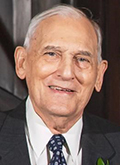
Dr. Laker received a BS in electrical engineering from Manhattan College in 1969. He earned an MS in 1970 and a PhD in electrical engineering from New York University in 1973. After graduating, he served in the U.S. Air Force as First Lieutenant, working with the Air Force Cambridge Research Labs in Cambridge, Massachusetts. Dr. Laker worked at Bell Labs before joining Penn’s faculty in 1984 as a professor and department chair of electrical engineering. In 1990, Dr. Laker became the Alfred Fitler Moore Professor of Electrical Engineering. He retired from Penn in 2016 and took emeritus status. 

At Penn, Dr. Laker conducted research in mixed mode integrated circuit design and testing. He focused on high performance, low-power data acquisition and radio-frequency systems, which have many important applications and present challenging obstacles for design, implementation, and testing. Dr. Laker was also very active with the Institute of Electrical and Electronics Engineers, where he served as president (Almanac April 7, 1998) and championed the use of the internet to bring members together and distribute publications. Dr. Laker was elected to the IEEE’s Technical Activities Board Hall of Honor in 2018 (Almanac November 6, 2018). Dr. Laker also served on the boards of AANetcom and DFT Microsystems, the latter of which he co-founded in 1997. Dr. Laker wrote four textbooks, authored over 100 peer-reviewed articles, and filed six patents.

He received numerous honors and awards, among those the 1994 AT&T Clinton Davisson Trophy for his patent in switched capacitor circuits, and the 1998 IEEE Circuits and Systems Darlington Award for the paper “Integrated Circuit Testing for Quality Assurance in Manufacturing: History, Current Status, and Future Trends.”

Dr. Laker is survived by his wife, Mary Ellen (Lewis) Laker; his children, John (Alice), Chris (Jacqueline), Brian (Karen); and his grandchildren, Melanie, Jack, Georgia, and Lucia. A funeral mass was held on August 11 at the Church of St. Ignatius Loyola in New York. 

George Loomis, Physics & Astronomy

George S. Loomis, WEv’79, the longtime business administrator for the department of physics and astronomy in the School of Arts and Sciences, died on May 8. He was 88. 

Mr. Loomis was born in Inwood, New York, where he worked on his family’s farm, then moved to Pulaski, New York, and graduated from Pulaski High School. After high school, Mr. Loomis served in the Air Force. In 1964, he joined Penn’s staff as an electronic tech in the department of physics in the School of Arts and Sciences. He held various technology-related positions in the same department until, in 1979, he earned his MBA by taking evening classes at the Wharton School. The same year, the physics and astronomy department (which had expanded to encompass astronomy during the 1970s) promoted Mr. Loomis to business administrator. He managed the department’s finances until 2000, when he retired, but continued to serve as a temporary staff member in the department until his death. 

Mr. Loomis was a devout fan of the Penn Quakers, attending over 300 consecutive men’s basketball games and occasionally guest coaching the team. In his retirement, Mr. Loomis sat on several residential club boards and compiled the newsletter for a senior community. 

He is survived by his wife, Edna Loomis (née Fairhurst); his children, Beverley Brown (Randy Ciglar) and Randy Brown (Laurie Brown); his siblings, Bertha Balcom (Earl Balcom), Barbara Kardys, and Howard Loomis (Bonnie Loomis); his grandchildren, Nicole Ciglar, Kristina Hedger, Danielle Wilhelm, Ian Brown, and Tyson Brown; and his great grandchild, Oaklyn Wilhem. Services were held privately. 

Stephen S. Shatz, Mathematics

caption: Stephen ShatzStephen Sidney Shatz, an emeritus professor of mathematics in the School of Arts & Sciences, died in July. He was 86.

Born in Brooklyn, New York, Dr. Shatz attended P.S. 103 and then Montauk Junior High School before heading to Stuyvesant High School, the New York City honors high school. He attended Harvard University in 1953, beginning at age 16, and earned an undergraduate degree in physics and then a PhD in mathematics with a dissertation on “The Cohomology of Artinian Group Schemes Over Local Fields” under the direction of John Torrence Tate, Jr. 

Dr. Shatz was an instructor and then an acting assistant professor at Stanford University from 1962 to 1964. He then came to Penn, where he rose from assistant professor to associate professor in 1967 before becoming a full professor in 1969. He retired in 2006 and took emeritus status. 

During his time at Penn, he chaired the mathematics department from 1983 to 1986. He also served on the Faculty Grants and Awards subcommittee on University Council. He wrote a Benchmarks piece celebrating the history of mathematics at Penn (Almanac December 7, 1999) and a timeline of 250 years of math at Penn (Almanac October 26, 1999). Following his retirement, Dr. Shatz continued to conduct mathematical research and teach. During this period, he developed a collaboration with Jean Gallier of the department of computer and information science, producing manuscripts on algebra, algebraic geometry, and complex algebraic geometry.

His career took him to conferences around the world, including Moscow in the 1960s and Bonn, Germany, as late as the 2000s. He was a visiting professor at the University of Pisa in Italy from 1966 to 1967, a member of the Mathematical Sciences Research Institute (now the Simons Laufer Mathematical Sciences Institute) in Berkeley, California, from 1986 to 1987, and a member of the Institute for Advanced Study in Princeton, New Jersey, in 1997.

A longtime member of the American Mathematical Society, Dr. Shatz served as editor of the transactions of the society, on the society’s council, and on the executive committee of the council. He is the author of numerous works in mathematics, including Profinite Groups, Arithmetic, and Geometry (Volume 67, Annals of Mathematical Studies, Princeton University Press, 1972), and a variety of journal articles.

Dr. Shatz is survived by two children, Geoffrey Shatz (Kristin) and Aviva; and three grandchildren, Richard, Max, and Zane. In lieu of flowers, please make any donations in his honor to the Philadelphia Chamber Music Society.

Mimi Tyler, FRES

Mimi Tyler, a former staff member in Penn’s departments of construction & engineering and development & alumni relations, died on April 24 from complications of Alzheimer’s disease. She was 73.

Ms. Tyler was born in Upper Darby, Pennsylvania, and grew up in Landsdowne, Pennsylvania. She graduated from Brandywine College in 1969. At Penn, she held various roles in the construction department (equivalent to today’s Facilities & Real Estate Services), the construction and engineering department, and development and alumni relations from 1972 until 2014. While there, she oversaw various campus renovations and building projects and was a building administrator for several structures on campus. 

Ms. Tyler is survived by her husband, Les Tyler; their son, Neal Tyler; and their daughter-in-law, Erica Tyler. Services were held in May. Donations in Ms. Tyler’s memory can be made to the Alzheimer’s Association or St Jude Children’s Hospital.

Governance

Welcome Back from the Faculty Senate Chair: Welcome! And Our Year Ahead

caption: Tulia FalletiAs chair of the Faculty Senate, it is my distinct pleasure and honor to welcome the Penn faculty, staff, and students to our beautiful campus and to a new academic year. In this brief letter, I want to highlight the main achievements of the Faculty Senate in 2022-2023 and share some of our priorities for the new academic year.



Let me start by noting that our Faculty Senate is led by the tri-chairs. It has been a privilege to work closely with William Braham (outgoing tri-chair) and with Vivian Gadsden (immediate past chair) for the last year and to welcome Eric Feldman (chair-elect) to our-team. The tri-chairs are completed in “quartet” fashion by our admirable and highly efficient executive assistant, Patrick Walsh. I am highly indebted to all of them.

Moreover, our Faculty Senate is in fact an extensive network of brilliant colleagues (as our Nominating Committee very well knows) who generously give their valued time and talents to become leaders and members of our Senate Executive Committee (SEC), other Faculty Senate Committees, and University Council Committees.

During the 2022-2023 academic year our Faculty Senate committees have reviewed:

  • The salaries of the faculty;
  • The system of course evaluations across schools;
  • The policies regarding parental and teaching leave for faculty who grow their families via foster care;
  • The effects of the U.S. Department of Justice’s China Initiative on Penn researchers; and
  • The Penn security alerts system, among other goals and tasks.

They have therefore proposed measures such as:

Future analysis of all forms of faculty compensation;

  • A review of the course evaluations to ensure that their content reflects the needs of students in course selection and of faculty in identifying areas for course improvement and in their reviews for promotion and tenure;
  • The creation of a common repository of departmental bylaws and other relevant information related to promotion and tenure guidelines;
  • The creation of a common repository with school-level innovations that foster faculty development for leadership roles; and
  • The adoption of a public safety community opinion survey, among others.

I invite you to read the full reports and recommendations of our Faculty Senate Committees, as well as those of the University Council Committees, where our faculty has worked side by side with students and staff members.

Moreover, under the instrumental leadership of William Braham (chair in 2021-22), the Committee on the Institutional Response to the Climate Emergency (CIRCE) and its four subcommittees continued to work with the schools and develop policy recommendations, and under the steady leadership of Vivian Gadsden (chair in 2022-23), the Faculty Senate convened two outstanding and public-facing roundtables: one centered on the role of Penn regarding public education in Philadelphia, and another one focused on a system’s approach to supporting Philadelphia’s children and families (link to videos here).

This year, we look forward to working with President Liz Magill, Provost John Jackson, Jr., and our colleagues in SEC and on other Faculty Senate and University Council Committees to, among other goals:

  • Operationalize recommendations stemming from last year’s roundtables;
  • Review the systems for appointment, promotion, and retention or termination of associated faculty and academic support staff and make recommendations that are guided by principles of equity and inclusion;
  • Examine the resources available to faculty members who are first-generation college graduates and comment on their ability to provide networking, mentorship, and leadership opportunities;
  • Review University systems provided by third-party vendors (e.g., Interfolio, Workday, Concur) and comment on the ways they are enabling and/or inhibiting the ability of faculty to fulfill their research, teaching, and service missions;
  • Review the Path@Penn platform and comment on its strengths and possible limitations;
  • Review guidelines and strategies for effective evaluation of campus wellness programs; and
  • Review how community-engaged and public scholarship are recorded and evaluated across departments and schools in processes of promotion and tenure of the faculty and compile best practices.

If you have thoughts on any of these topics or otherwise wish to participate in shared governance at Penn, please write to us at senate@pobox.upenn.edu. We welcome your input and look forward to representing the interests of our faculty in this upcoming year.

Tulia Falleti signature

—Tulia G. Falleti,
Class of 1965 Endowed Term Professor of Political Science
Director of the Center for Latin American and Latinx Studies
Senior Fellow of the Leonard Davis Institute of Health Economics

From the Senate Office: Faculty Senate Executive Committee Agenda

The following agenda is published in accordance with the Faculty Senate Rules. Any member of the standing faculty may attend SEC meetings and observe by contacting Patrick Walsh, executive assistant to the Senate, either by telephone at (215) 898-6943 or by email at senate@pobox.upenn.edu.

Faculty Senate Executive
Committee Agenda
Wednesday, September 6, 2023
3–5 p.m. EDT

  1. Welcome and introductions
  2. Finalize the minutes of May 10, 2023
  3. Report from the Tri-Chairs
  4. Structure and function of Senate Committees
  5. Finalize the draft charges for Senate Standing Committees, 2023-2024
  6. Recommendations for SEC’s 2023-2024 Agenda
  7. Updates to Faculty Income Allowance Plan (“FIAP”)
    • Discussion with Laura Perna (Vice Provost for Faculty), Jack Heuer (Senior Vice President of Human Resources), Susan Sproat (Executive Director of Benefits), and James Damon (Associate General Counsel)
  8. New Business

From the Senate Office: Senate Nominations 2023, Part Three

Pursuant to the Faculty Senate Rules, formal notification to members may be accomplished by publication in Almanac. The following is published under that rule.

TO: Members of the Faculty Senate
FROM: Claire Mitchell, Chair, Nominating Committee
SUBJECT: Senate Nominations 2023, Part Three

In accordance with the Faculty Senate Rules, official notice is given of the Senate Nominating Committee’s remaining slate of nominees for the incoming Senate Officers. The nominees, all of whom have indicated their willingness to serve, are:

Senate Committee on Academic Freedom and Responsibility
To serve a 3-year term beginning upon election:

  • Frederick Dickinson (SAS/History)
  • Abby Reisman (Education)

Also in accordance with the Faculty Senate Rules, you are invited to submit additional nominations, which shall be accomplished via petitions containing at least twenty-five valid names and the signed approval of the candidate. All such petitions must be received no later than fourteen days after circulation of the nominees of the Nominating Committee by email to the Faculty Senate, senate@pobox.upenn.edu, or Tuesday, September 12, 2023.

Under the same provision of the rules, if no additional nominations are received, the slate nominated by the Nominating Committee will be declared elected.

Honors

Nduka M. Amankulor: Cancer Moonshot Scholar

caption: Nduka Amankulor

The Biden Cancer Moonshot initiative has named Nduka M. Amankulor, an associate professor of neurosurgery and director of the Penn Brain Tumor Center at the Perelman School of Medicine at the University of Pennsylvania, a Cancer Moonshot Scholar this week. Dr. Amankulor is among 11 scholars included in the inaugural cohort of the program, who will receive a total of $5.4 million to support cancer research and innovation across the country. The grant will support Dr. Amankulor as he researches novel immune biomarkers and whether they can predict a brain tumor’s responsiveness to therapy.

“Coming up with novel therapies for brain tumors is both a personal and professional endeavor for me,” said Dr. Amankulor. “As a neurosurgeon and scientist, I am committed to brain tumor research. And because my own father died of brain cancer, I feel the need to move the needle more acutely. It means the world to me to have our research supported directly by President Biden, who has also been personally affected by brain cancer, as he lost his son Beau to brain cancer eight years ago.”

Since opening his lab in 2012, Dr. Amankulor has explored the intersection between genetics and immune responses to brain cancer. His research focuses on how each cancer type has a unique way of “tricking” the immune system, called epigenetic immune suppression. Dr. Amankulor’s previous research found that many brain cancers, including those with mutations in a gene called IDH, trick the immune system into viewing cancer cells as normal brain cells. A major focus of Dr. Amankulor’s work is to make brain cancer cells “visible” to the human immune system. His laboratory has identified several targets and pathways that re-awaken immune responses in human brain malignancies, and the Cancer Moonshot Award will fund further research into whether they can track efficacy of these targets in real time using a wide array of immune biomarkers.

“The most effective cancer research involves leveraging diversity in all disciplines and perspectives,” said Robert H. Vonderheide, director of the Abramson Cancer Center at Penn Medicine. “We are incredibly proud about the support of Dr. Amankulor from this Cancer Moonshot initiative. Results from his research are expected to drive novel innovations in cancer treatment that will change patient’s lives for the better.”

Dr. Amankulor joined the neurosurgery faculty at Penn Medicine in 2021. He is a graduate of Yale University School of Medicine, where he completed his residency in neurosurgery at Yale New Haven Hospital. Most recently, Dr. Amankulor served as director of neurosurgical oncology at the University of Pittsburgh School of Medicine. He has published scholarly works in professional journals including Nature Cancer, Journal of Clinical Investigation, Clinical Cancer Research, Neurosurgery and many other leading journals.

The Cancer Moonshot Scholars program is designed to support early-career scientists, researchers, and innovators from diverse backgrounds, including from backgrounds that are underrepresented in the biomedical, clinical, behavioral, and social sciences research workforce. The Biden administration intends to fund up to 30 additional Cancer Moonshot scholars by 2025. The initial cohort of Cancer Moonshot scholars is working to make progress in prostate, pancreatic, liver, lung, cervical, brain, and rectal cancers.

Marisa Kozlowski: 2023 Edward Leete Award

Marisa Kozlowski, a professor of chemistry in the School of Arts and Sciences, has been named the recipient of the 2023 Edward Leete Award from the American Chemical Society Division of Organic Chemistry. The award honors Edward Leete of the University of Minnesota, who, through his contributions to science and education, fostered an appreciation and love for organic chemistry. The award consists of a plaque and a monetary award and will be formally presented at the ACS National Meeting. The program was started in 1995 to recognize outstanding contributions to teaching and research in organic chemistry.

Dr. Kozlowski received an AB in Chemistry from Cornell University and a PhD from the University of California at Berkeley for work on the rational design of enzyme inhibitors under the direction of Paul Bartlett. After studying asymmetric catalysis in the laboratory of David A. Evans at Harvard University as a National Science Foundation postdoctoral fellow, she joined the faculty at Penn.

The major focus of Dr. Kozlowski’s research is the development of new catalytic methods for efficient organic synthesis using computation and high throughput screening. Her contributions have been recognized by a DuPont Young Investigator Award, an NSF CAREER Award, an Alfred P. Sloan Research Fellowship, the Kahn Award for Distinguished Teaching at the University of Pennsylvania, an American Cancer Society Beginning Research Scholar Award, the Philadelphia Organic Chemists’ Club Award, election as a fellow of the American Association for the Advancement of Science, the Philadelphia ACS Section Award, election as an American Chemical Society fellow, and the ACS Cope Scholar Award. Dr. Kozlowski has authored over 170 independent publications. She has also served in several leadership roles for the Organic Chemistry division of the American Chemical Society and on numerous study sections including a term as chair of the American Cancer Society CDD Study Section. She is currently editor-in-chief of Organic Letters.

Lauren Massimo: American Academy of Nursing Fellow

caption: Lauren MassimoLauren Massimo, an assistant professor of nursing in the department of biobehavioral health sciences of Penn Nursing, has been named an American Academy of Nursing fellow.

She is one of eleven nursing professionals with ties to Penn Nursing that will be inducted as 2023 fellows of the American Academy of Nursing (AAN). Nine are Penn Nursing alumni and one has been named an honorary fellow. All of the inductees will be honored at a ceremony during the AAN’s 2023 Health Policy Conference, taking place on October 5-7, 2023.

Fellow selection criteria include evidence of significant contributions to nursing and healthcare, and sponsorship by two current AAN fellows. Applicants are reviewed by a panel comprised of elected and appointed fellows, and selection is based, in part, on the extent the nominee’s nursing career has influenced health policies and the public health and well-being. Academy fellows include hospital and government administrators, college deans, and renowned scientific researchers. 

Frank Matero: Advisory Council on Historic Preservation

caption: Frank MateroOn August 3, Advisory Council on Historic Preservation (ACHP) chair Sara C. Bronin administered the oath of office to new ACHP expert member Frank G. Matero, director of the Graduate Program in Historic Preservation at the Stuart Weitzman School of Design at the University of Pennsylvania. President Joe Biden appointed Mr. Matero to the ACHP for a term ending in June 2027.

“The Advisory Council on Historic Preservation will benefit greatly from Professor Matero’s deep knowledge and expertise in historic building materials and archaeological practice,” Dr. Bronin said. “As a fellow academic, I look forward to working with him to expand our research capacity and to ensure that young people can access opportunities presented by the ACHP and by the historic preservation field as a whole.”  

Mr. Matero is the Gonick Family Professor and chair of the department of historic preservation at the Stuart Weitzman School of Design. He is the director and founder of the Center for Architectural Conservation, a member of the graduate group in the department of art history, and a research associate of the University Museum of Archaeology and Anthropology. He was appointed the first architectural conservator in the National Park Service and served as the scientific director of the Aga Khan Historic Cities Support Programme for the Ayyubid Wall in Cairo, Egypt, and director of conservation for the Gordion Archaeological Project at Penn Museum. He is the founder and editor-in-chief of Change Over Time, an international journal on conservation and the built environment published by University of Pennsylvania Press.

Mr. Matero studied at SUNY Stony Brook, Columbia University, and the Institute of Fine Arts at New York University.

Michael Posa: NSF CAREER Award

caption: Michael PosaMichael Posa, an assistant professor with appointments in the departments of mechanical engineering and applied mechanics, computer and information science, and electrical and systems engineering of Penn Engineering, has received funding from the National Science Foundation’s CAREER Award to work on a new teaching method wherein robots interact with objects in the real world and observations from those interactions are used to create a training lesson plan or model. The new approach puts the real world first and simulation second, a prioritization that Dr. Posa believes is key to building robots’ real-world intelligence.

“I want a robot to be able to enter a room it has never been in and quickly characterize and manipulate objects to perform an assigned task,” Dr. Posa said, “whether that’s assisting in the home, conducting search and rescue operations or manufacturing items.”

But a robot is only as smart as scientists train it to be. The reason researchers have not yet been able to create robots with this real-world intelligence is due to the way they are teaching them. Robots currently learn through repetitive training in simulations and controlled laboratory settings. They may be great at performing an extremely precise motion over and over again, but have a hard time quickly reacting to diverse stimuli in an uncontrolled environment. To improve that ability, scientists need to teach robots how to process information in novel environments where there is no time or opportunity to waste.

To accomplish this, scientists must enable robots to learn from small data sets. Unlike machine learning models like ChatGPT, where big data sets of language, images and video can be found on the internet, data in robotics is hard to come by. Advanced robots remain expensive and require specialized skills to operate. While shared data sets are growing in scale, they are many orders of magnitude smaller than what is available in big data sets.

“As an example, for a robot to prepare meals in the home, it must master a huge range of different foods, tools and cooking strategies,” said Dr. Posa. “While humans intuitively understand and learn from small data—teaching a human how to prepare a meal just once or twice would be enough for them to successfully accomplish the task on their own—computers require far more repetition in an environment with little to no interruption.”

In addition to working with small data, future life-improving robots will need to be able to perform and react to many different, notoriously hard-to-model, discontinuous movements such as jumping, sticking, sliding, chopping and bouncing, all while adhering to the laws of physics.

With research underway, Dr. Posa plans to create a cloud-based lesson plan accessible to students around the world, using the award to bridge gaps in both research and outreach.

“Our future engineers are learning algebra and calculus now,” said Dr. Posa. “We want to show them how what they are learning in school relates to a real-world problem, solution and career path in robotics.”

Penn Medicine Awards & Accolades: July 2023

All six Penn Medicine hospitals have received the American Heart Association Get With the Guidelines—Heart Failure Gold Plus quality achievement award for its commitment to improving outcomes for patients with heart failure. Along with this recognition, all six havealso received the American Heart Association’s Target: Heart Failure Honor Roll and Type 2 Diabetes Honor Roll. Hospitals on the Heart Failure Honor Roll meet specific criteria that improves medication adherence, provides early follow-up care and coordination, and enhances patient education. Those that received the Type 2 Diabetes Honor Roll aim to ensure patients with Type 2 Diabetes, who might be at higher risk for complications, receive the most up-to-date, evidence-based care when hospitalized due to heart disease or stroke.

caption: Ravi ParikhRavi B. Parikh, an assistant professor of medical ethics and health policy and of medicine, was selected as the 2023-2025 Gilbert S. Omenn Fellow by the National Academy of Medicine. The fellowship enables talented, early-career physician-scientists combining biomedical research, public health, and clinical medicine to participate actively in health- and medicine-related study processes of the National Academies of Sciences, Engineering, and Medicine, promoting the integration of public health and medicine—both scientifically and through practice and policy.


David Roos: American Society for Biochemistry and Molecular Biology Honor

David S. Roos, the E. Otis Kendall Professor of Biology in the School of Arts & Sciences, will receive the American Society for Biochemistry and Molecular Biology (ASBMB) 2024 Alice and C. C. Wang Award in Molecular Parasitology, in recognition of his “seminal contributions to the field of molecular parasitology.” The award will be presented at the ASBMB Annual Meeting in March 2024.

The Roos laboratory studies the biochemistry, cell biology, molecular genetics, genomics, and evolutionary biology of protozoan parasites and host-pathogen interactions, with special interest in Toxoplasma, a prominent opportunistic infection associated with immunodeficient states, and Plasmodium, which causes malaria. His group has also pioneered the development of integrated genomics database resources, making large-scale data sets accessible to tens of thousands of investigators worldwide.

Dr. Roos’ work has been recognized by a Presidential Young Investigator Award from the National Science Foundation, the Burroughs Wellcome Scholar Award, the Ellison Medical Foundation Senior Scholar Award in Global Infectious Diseases, and a National Institutes of Health MERIT award. His group’s database resources have been recognized as a Global Core Biodata Resource, an Elixir affiliate, and by a Dataworks prize from the Federation of American Societies for Experimental Biology.

Penn Nursing: 2023 Lauder Fellows

The University of Pennsylvania School of Nursing (Penn Nursing) has named its second cohort of fellows for the Leonard A. Lauder Community Care Nurse Practitioner Program (LLCCNPP). The group is comprised of nursing professionals from across the country who will begin full-time studies towards becoming a primary care nurse practitioner this fall. The fellows will use this unique opportunity to further their education and clinical experience to help solve the challenges they see in their chosen field.

The 2023 Lauder Fellows are:

  • Mahnoor Allawala: Karachi, Pakistan (Psychiatric Mental Health Nurse Practitioner)
  • Hannah Dario: Burtonsville, Maryland (Psychiatric Mental Health Nurse Practitioner)
  • Erica Foltz: Lititz, Pennsylvania (Psychiatric Mental Health Nurse Practitioner)
  • Emma Forman Gilliam: Plainfield, New Hampshire (Women’s Health Gender-Related)
  • Sophia Geffen: Brookline, Massachusetts (Family Nurse Practitioner)
  • Taylor Giambrone: Lancaster, Pennsylvania (Family Nurse Practitioner)
  • Sophie Henderson: Gladstone, New Jersey (Psychiatric Mental Health Nurse Practitioner)
  • Sherry Huang: Brooklyn, New York (Psychiatric Mental Health Nurse Practitioner)
  • Hason Jafrey: Wilmington, Delaware (Primary Care Adult/Gerontology)
  • Lily Keohane: Norwell, Massachusetts (Pediatric Primary Care)
  • Dianne Jane Lansangan Garcia: Manilla, Philippines & San Francisco, California (Psychiatric Mental Health Nurse Practitioner)
  • Aimee Mamich: Livingston, Texas (Psychiatric Mental Health Nurse Practitioner)
  • Greta Morrissette: Scarborough, Maine (Family Nurse Practitioner)
  • Nicole Rivera Rodriguez: Connecticut and Puerto Rico (Family Nurse Practitioner)
  • Melissa Rudolph: Ambler, Pennsylvania (Family Nurse Practitioner)
  • Kufre Samuel: Providence, Rhode Island (Midwifery/Women’s Health Gender-Related)
  • Janelle Scruggs: Norristown, Pennsylvania (Pediatric Primary Care)
  • NyAsia White: Philadelphia, Pennsylvania (Midwifery/Women’s Health)

The Leonard A. Lauder program at Penn Nursing supports individuals who are admitted to a primary care nurse practitioner program. It originated with a $125 million gift—the largest ever to an American nursing school—by Penn alumnus Leonard A. Lauder, chairman emeritus of the Estée Lauder Companies. This pioneering, tuition-free program is dedicated to building a nurse practitioner workforce committed to working in and with underserved communities, both rural and urban.

AT PENN

Events

Penn Friends and Family Day: September 30

caption: Penn Friends and Family Day photo from a prior year.

The Division of Human Resources and Penn Athletics are pleased to host Penn Friends and Family Day on Saturday, September 30. Formerly called Penn Family Day, this annual fun-filled event will be held on Franklin Field and Shoemaker Green where faculty, staff, and postdocs can not only bring their family members, but also invite friends to join in the fun. 

“Penn Friends and Family Day is the perfect occasion to share our Penn pride and energy with the people we share our work and personal lives with,” said Karen Kille, manager of Quality of Work-Life Programs. “This event overflows with Penn tradition, fun, and camaraderie. It will bring together faculty, staff, and postdocs to celebrate their contributions to the Penn community alongside their families and friends.”

This year’s Penn Friends and Family Day line-up of activities features a tailgate party on Shoemaker Green, just outside of Franklin Field and Penn’s famous Palestra. Lunch will be provided, and your family and friends can enjoy games, inflatable bounce activities, a photo booth, DJ, and face painting. Special guests this year include the Penn Band, Penn Cheerleading, the Division of Public Safety, and Penn Vet’s Working Dog Center. After lunch, the Penn football game kicks off at 1 p.m.

You can order up to four free tickets for the tailgate party and Penn vs. Dartmouth football game (additional tickets are $8 each). Tickets are available now through September 25. To order tickets, visit the Penn Athletics website using the promo code “FAMILY” or click here

Check out the full schedule of Penn Friends and Family Day activities, plus a special perk from Morris Arboretum and Gardens on October 1. 

Date

Time

Event

Description

Saturday, September 30

10 a.m.-5 p.m.

Penn Museum

3260 South St.

Free admission with PennCard

  • No entry fee for friends and family members (must enter with staff, faculty, or postdoc)


11:30 a.m.-1 p.m.

Penn Tailgate Party
Shoemaker Green

217 S. 33rd Street

Franklin Field, North Side

Enter at 33rd between Walnut & Spruce Streets

Food, fun, games, and more

  • Tickets required; 4 free tickets (Additional tickets are $8 each.)
  • Inflatable bounce activities, Photo booth, Face painting, and DJ


12 p.m.-6 p.m.

ICA

118 S. 36th St.

Free admission

  • Special exhibitions: Moveables and David Antonio Cruz: When the Children Come Home, on view August 18 through Dec. 17, 2023


1 p.m.

Penn Football Game

Penn vs. Dartmouth

Franklin Field

33rd and South St.

Tickets required; 4 free tickets (Additional tickets are $8 each.)


2 p.m.

Penn Women’s Soccer Game

Penn vs. Yale

Penn Park

3000 Walnut St.

Free admission


6 p.m.-7 p.m.

Penn Ice Rink

3130 Walnut St.

Free admission with PennCard

  • No entry fee for friends and family members

(must enter with staff or faculty)


  • Skate rentals: $4 w/PennCard

Sunday, October 1

9 a.m.-4 p.m.

Morris Arboretum & Gardens

100 E. Northwestern Ave.

Philadelphia, PA 19118

Free admission for PennCard holders and children under 3.

  • Discounted admission for up to 4 guests: $10 for adults and $5 for children ages 3-17

Free parking until 10 p.m. will be available at the Chestnut 34 Garage or the Walnut 38 Garage (with PennCard). 

The latest Penn Family Day details are available at www.hr.upenn.edu/friendsandfamilyday.

For more fall celebrations and staff recognition information, visit the Awards and Appreciation pages

—Division of Human Resources

Two New Exhibits at Penn Libraries

caption: Print by the People's Paper Co-op Women in Re-Entry Spring 2019 Fellows is featured in the Agit-Prop exhibition at Common Press at Penn Libraries.

Two new Penn Libraries exhibits opened on August 28. 

Agit-Prop at Common Press

The term agitprop has been used for more than a century to describe art and media created to influence public opinion. Building on the longstanding history of printmaking as activism, the Common Press letterpress and book arts studio brings visiting artists, students, and community members together to engage with important topics through print.

Curated by former Common Press director Mary Tasillo, Agit-Prop at Common Press sheds light on this powerful use of the letterpress studio, showcasing projects created over the past four years with themes of social justice, protest, and political action.

Common Press is a collaboration of the Penn Libraries, the Stuart Weitzman School of Design, and Kelly Writers House.

Agit-Prop is view until December 15, 2023. This exhibition is free and open to the public and located on the first floor of the Fisher Fine Arts Library. Gallery hours are from 9 a.m. to 5 p.m. on weekdays.

Laurence Salzmann: A Life With Others

Curated by Jason Francisco, a visual artist tenured in the film and media department at Emory University, Laurence Salzmann: A Life With Others is the first comprehensive survey of the work of Laurence Salzmann (American, born 1944), whose collection was donated to the Penn Libraries in 2018.

The exhibition explores the major themes of the artist’s remarkable and ongoing 50-year career, the geographic scope of his practice in photography and film, and his passion for preserving a sense of humanity and dignity through his photographs. A lifelong resident of Philadelphia, Mr. Salzmann is one of the city’s most renowned living photographers. His work has taken him to communities in more than a dozen countries around the globe, his subjects ranging from rural Mexico to urban Turkey, the mountains of Transylvania to the highlands of Peru, New York City to Jerusalem, Cairo to Havana.  

Trained in visual anthropology, Mr. Salzmann is distinct in his conception of art as research, and research as a point of artistic departure. His photographs and films push us to measure our ethical consciousness and to meet his subjects on their own terms, with critical awareness and compassion. They push us to defend those who are vulnerable to ignorance and stereotype, and to transcend cultural and psychological barriers in the protection of human dignity.

Laurence Salzmann: A Life With Others is on view until December 4, 2023. This exhibition is free and open to the public and located in the Goldstein Gallery on the 6th floor of the Van Pelt-Dietrich Library Center. Gallery hours are from 10 a.m. to 5 p.m. on weekdays. Weekend visits may be arranged by prior appointment: please contact Lynne Farrington, Kislak Center, via email (lynne@pobox.upenn.edu) or phone (215-746-5828).

Update: Summer AT PENN

Fitness & Learning

8/29     Dean’s Alumni Advisory Board SP2 Welcome Back Breakfast; a hot breakfast as you get ready for your first day of classes; 7:30-9:30 a.m.; lobby, Caster Building (SP2).

8/31     James Joo-Jin Kim Center for Korean Studies Show & Tell; noon; suite 310, 3600 Market Street; introduce yourself, share your research topics, and get to know your colleagues in Korean Studies; lunch provided (Korean Studies).


On Stage

8/31     Student Performing Arts Night; a performance that features 50+ performing arts groups at Penn; ranging from dance to theatre to a cappella and more, it is designed to give first-year and transfer students a taste of the wide variety of performing clubs on campus ahead of auditions season; 7 p.m.; Zellerbach Theater, Annenberg Center; tickets: $5; register: https://pennlivearts.org/event/span2023 (Performing Arts Council).


Talks

8/30     Controlling the Assembly of Molecular and Colloidal Liquid Crystals; Lisa Tran, Utrecht University; 3:30 p.m.; room A4, DRL (Physics & Astronomy).

--

This is an update to the Summer AT PENN calendar, which is online now. To submit an event for a future AT PENN calendar or weekly update, email almanac@upenn.edu. The September AT PENN calendar appears in this issue.

Crimes

Weekly Crime Reports

Division of Public Safety University of Pennsylvania Police Department Crime Report

About the Crime Report: Below are the Crimes Against Persons and/or Crimes Against Property from the campus report for August 14-20, 2023. The Crime Reports are available at: https://almanac.upenn.edu/sections/crimes. Prior weeks’ reports are also online. –Eds.

This summary is prepared by the Division of Public Safety (DPS) and contains all criminal incidents reported and made known to the Penn Police, including those reported to the Philadelphia Police Department (PPD) that occurred within our patrol zone, for the dates of August 14-20, 2023. The Penn Police actively patrol from Market Street to Baltimore Avenue and from 30th Street to 43rd Street in conjunction with the Philadelphia Police.

In this effort to provide you with a thorough and accurate report on public safety concerns, we hope that your increased awareness will lessen the opportunity for crime. For any concerns or suggestions regarding this report, please call DPS at (215) 898-7297. You may view the daily crime log on the DPS website.

Penn Police Patrol Zone
Market Street to Baltimore Avenue and from 30th Street to 43rd Street

Crime Category

Date

Time

Location

Description

Aggravated Assault

08/14/23

7:55 AM

1 Convention Ave

Offender struck complainant in the neck and left arm/Arrest


08/20/23

3:35 PM

200 S 38th St

Unknown offender threatened complainant with a gun while both were driving their automobiles

Assault

08/18/23

3:37 PM

2900 Market St

Complainant was punched and kicked by known offender

Auto Theft

08/16/23

4:45 AM

3900 Filbert St

Stolen automobile, vehicle recovered/Arrest


08/16/23

9:46 PM

3535 Market St

Parked motor vehicle stolen from the highway


08/18/23

9:55 PM

4000 Chestnut St

Vehicle left running and stolen from highway


08/19/23

9:18 PM

300 S 41st St

Attempted theft of automobile

Bike Theft

08/16/23

7:01 AM

3401 Civic Center Blvd

Secured bike taken from bike rack


08/16/23

12:36 PM

4210 Chestnut St

Tires taken from secured bike


08/16/23

1:09 PM

200 S 40th St

Secured bike taken from bike rack

Fraud

08/20/23

8:28 PM

3465 Sansom St

Unauthorized charges made to credit card

Retail Theft

08/14/23

9:35 AM

3901 Walnut St

Retail theft


08/15/23

6:47 AM

3744 Spruce St

Retail theft


08/16/23

9:05 AM

4233 Chestnut St

Retail theft of alcohol


08/16/23

9:28 PM

4233 Chestnut St

Retail theft of alcohol

Theft from Building

08/14/23

2:38 PM

3901 Walnut St

Andriod tablet with case taken


08/17/23

8:57 PM

3200 Chestnut St

Theft of a wallet from a bag inside a restaurant


08/18/23

10:51 AM

4001 Spruce St

Copper fire coupling stolen from building


08/18/23

8:41 PM

3601 Market St

Package stolen from lobby


08/20/23

9:34 PM

4000 Spruce St

Wallet and contents stolen

Theft from Vehicle

08/14/23

6:06 AM

3401 Grays Ferry Ave

Four transit buses broken into, Samsung tablet taken from each bus


08/17/23

12:07 PM

3401 Civic Center Blvd

Backpack and laptop taken from vehicle

Theft Other

08/14/23

4:19 PM

4032 Spruce St

Mobile box speaker taken


08/15/23

5:12 PM

4209 Pine St

Packages taken/Arrest


08/15/23

8:38 PM

4001 Walnut St

Secured scooter taken from bike rack


08/18/23

2:05 PM

2970 Walnut St

Unsecured scooter taken from highway


08/18/23

7:52 PM

3730 Walnut St

Secured scooter stolen from bike rack


08/19/23

8:55 PM

407 S 40th St

Package stolen from porch

Other Assault

08/19/23

6:33 AM

3604 Chestnut St

Unknown offender threatened to harm employees

Other Offense

08/15/23

12:59 AM

2930 Chestnut St

Unknown offender convinced the complainant to give her money for inappropriate photos

Vandalism

08/14/23

8:58 AM

3401 Grays Ferry Ave

Second floor door leading to the roof broken


Philadelphia Police 18th District
Schuylkill River to 49th Street & Market Street to Woodland Avenue

Below are the Crimes Against Persons from the 18th District: 7 incidents with 1 arrest were reported for August 14-20, 2023 by the 18th District, covering the Schuylkill River to 49th Street & Market Street to Woodland Avenue.

Crime Category

Date

Time

Location

Aggravated Assault/Arrest

08/14/23

8:43 AM

1 Convention Ave

Aggravated Assault

08/15/23

6:15 AM

700 S 42nd St


08/20/23

3:42 PM

200 Blk S 38th St

Assault

08/16/23

9:57 AM

4601 Walnut St


08/18/23

3:41 PM

2900 Blk Market St


08/19/23

4:57 PM

4931 Spruce St

Indecent Assault

08/18/23

6:51 PM

S 46th & Pine Sts

The Division of Public Safety offers resources and support to the Penn community. DPS developed a few helpful risk reduction strategies outlined below. Know that it is never the fault of the person impacted (victim/survivor) by crime.

  • See something concerning? Connect with Penn Public Safety 24/7 at 215-573-3333.
  • Worried about a friend or colleague’s mental or physical health? Get 24/7 connection to appropriate resources at 215-898-HELP (4357).
  • Seeking support after experiencing a crime? Call Special Services - Support and Advocacy resources at 215-898-4481 or email an advocate at specialservices@publicsafety.upenn.edu
  • Use the Walking Escort and Riding services available to you free of charge.
  • Take a moment to update your cellphone information for the UPennAlert Emergency Notification System
  • Download the Penn Guardian App which can help Police better find your location when you call in an emergency.
  • Access free self-empowerment and defense courses through Penn DPS.
  • Stay alert and reduce distractions; using cellphones, ear buds, etc. may limit your awareness.
  • Orient yourself to your surroundings. (Identify your location, nearby exits, etc.)
  • Keep your valuables out of sight and only carry necessary documents.

Bulletins

Penn Transit: New Bus Route and Service Enhancements

Penn Transit has introduced several adjustments to its services for the 2023-2024 academic year. These changes will extend Penn Transit’s overall coverage area, expand service hours for University buses, and better accommodate the considerable increase in ridership that has occurred since announcing the PennTransit Mobile App. With these enhancements, Penn Transit will improve its ability to serve riders during peak commuting times as buses transport significantly more riders than a shuttle or van. Penn Transit anticipates that riders opting to use the bus will benefit from the predictability, convenience, and efficiency of the larger-capacity vehicles. In turn, as more individuals use buses, an increase in the availability of Penn Evening Shuttle service is expected for those passengers that must rely on that option.

The following changes are being implemented:

  • Introducing Penn Bus North, a new fixed-route pilot program traveling west on Chestnut Street, between 30th and 48th Streets, and north to Powelton Avenue with dedicated transit stops.
  • A revised bus schedule that accommodates times of the highest rider demand by beginning one hour earlier: All bus routes, including the new Penn Bus North, will operate Monday through Friday from 4 p.m.–midnight. (The previous schedule was 5 p.m. to midnight). Riders may follow the bus routes in real-time in the PennTransit Mobile app.
  • Penn’s Evening Shuttle service has an adjusted start time starting 90 minutes later, running Monday–Friday 7:30 p.m.–3 a.m., and weekends 6 p.m.–3 a.m. Requests for shuttles can be made via the PennTransit Mobile app.

There are no changes to the existing bus routes including Penn Bus West, Penn Bus East, Penn FMC Shuttle, and the Penn-Drexel Bus Share program. Penn Accessible Transit will remain available  7 a.m.–3 a.m., 7 days per week.

These changes were made based on an extensive analysis of our rider usage data as well as feedback from riders. As these changes are implemented, riders are encouraged to continue to provide feedback about Penn Transit’s services through its mobile app.  

For more information about Penn Transit’s buses, shuttles, and other services, visit www.upenn.edu/PennTransit

Fall Campus Recreation Discounts for 2023-2024

Penn Human Resources has teamed up with Penn Campus Recreation to offer powerful fitness membership discounts starting September 1. This cross-campus partnership underscores the University’s commitment to fostering physical, emotional, and financial well-being for the Penn Community. The subsidized discount is available to full-time, benefits-eligible University faculty and staff as well as benefits-eligible postdoctoral researchers and fellows. You can save 50% or more on memberships during the 2023-2024 fiscal year.*

Sign Up Begins September 1

Starting Friday, September 1, you can sign up in person for a discounted Penn Campus Recreation membership at the David Pottruck Health and Fitness Center Membership Office, located at 3701 Walnut Street. Office hours are 9 a.m.-5 p.m., Monday through Friday. You can register by phone at (215) 898-6100. However, discounted memberships are not available for purchase on the Campus Recreation web portal.

Flex and Stretch

The Human Resources/Campus Recreation membership program gives you two ways to save:

  • Monthly membership for $27.50/month. If you prefer more flexibility, choose a monthly recurring Faculty/Staff membership with a six-month minimum commitment to save 50% off the regular fee. You’ll save $165.
  • 10-Month Membership for $250. Stretch your commitment to well-being and enjoy more savings with a 10-month membership for a one-time payment of $250. This deal, available for purchase exclusively from September 1 to September 30, 2023, saves you $250.

These discounts are not just for new members. Current monthly and annual full-time benefits eligible members can also enjoy the savings. If you’re already a monthly member, you will automatically be enrolled at the discounted rate on September 1, 2023. Current annual members should contact Campus Recreation for detailed instructions on switching to the discounted rates between September 1 and October 31 to waive any cancellation fees.

Inside Access

Need a convenient place to exercise or unwind before work, after hours, or during a break? Penn Campus Recreation members have access to:

  • Two state-of-the-art fitness centers: the David Pottruck Health and Fitness Center at 3701 Walnut Street and the Robert A. Fox Fitness Center at 219 South 33rd Street
  • Cutting-edge facilities and expert staff dedicated to helping members achieve their health goals
  • The Sheerr Pool and Gimbel Gymnasium located in Pottruck
  • A selection of free group exercise fitness classes
  • Intramural Sport programming to build team spirit and connections
  • Discounted rates on other fitness programming such as swim lessons, personal training, and pilates

Take Campus Rec for a Spin

Campus Recreation invites you to experience the power of membership with these special introductory services between August 28 and September 10.

Two-Week Free Trial

All faculty, staff, and postdocs, regardless of benefits eligibility, can receive a free, two-week trial membership (access to intramural programs and locker purchase not included).

Requesting a Tour

At the front desk of the Pottruck and Fox Fitness Center facilities, there are self-guided tour directions with information about equipment at each site. If you prefer a guided tour, please visit the front desk at Pottruck and ask for an RA (rec assistant) to provide you with a tour.

Pottruck Open House

From August 29 to September 10, all full-time benefits-eligible faculty, staff, and postdocs can access and use the fitness facilities at Pottruck by showing their PennCard at the front desk. This includes fitness centers, weight rooms, group exercise classes, Gimbel Gymnasium, the Sheerr Pool, locker rooms, and more. Additional daily programming may also be available.

Group Exercise Classes

All classes on the Group Ex schedule are free August 29 through September 10. Registration is required. Register through the Campus Rec portal, the Penn Campus Recreation app, or at one of the sales stations in Pottruck or Fox. Registration for each class opens 48 hours before its start time.

Use Be in the Know Rewards for Membership

If you redeem your Be in the Know Pulse Cash rewards by choosing a VISA gift card, you can use that card for your Penn Campus Recreation membership purchase. Sign into Virgin Pulse at https://join.virginpulse.com/penn. Look for the Home tab on the main page and select Rewards from the drop-down menu. For Be in the Know campaign details, visit www.hr.upenn.edu/beintheknow.

To learn more about fitness membership discounts, check out the Penn Faculty/Staff Pilot Membership Program section of Penn Campus Recreation’s Membership FAQ page. If you have additional questions, please email dria-pennrec@pobox.upenn.edu.

For additional wellness resources, visit the Penn Healthy You web pages.

—Division of Human Resources

*Please note that the discount is not available to part-time or temporary employees, Health System affiliate employees, alumni, spouses, or dependents. This discount membership pilot program ends July 1, 2024.

Add the Academic Calendar to Your Personal Calendar

To add the 2023-2024 academic calendar (fall 2023 and spring 2024 terms) to your personal calendar, visit https://almanac.upenn.edu/penn-academic-calendar and click the blue Add to Calendar button. There will be an option to download it to Apple, Google, Office 365, Outlook, Outlook.com, or Yahoo calendars.

The academic calendar is also available as a public calendar in PennO365. To add it to your calendar views, visit https://www.isc.upenn.edu/how-to/adding-penn-academic-calendar-penno365.

One Step Ahead: Welcome to a Secure New Year

One Step Ahead logo

Another tip in a series provided by the Offices of Information Security, Information Systems & Computing and Audit, Compliance & Privacy

Dear University of Pennsylvania Faculty and Staff,

Welcome to the 2023-2024 academic year. Over the past several years, we have noticed increased reports of attempts at phishing and data breaches. To protect both our work data, as well as our sensitive personal information, we at the Office of Information Security recommend following several important best practices.

  • Delete emails or text messages from unknown senders, or when the message sounds too good to be true. Don’t click on email links or attachments from an unknown sender, or if the message pressures you for immediate action.
  • Promptly update the software you use on your computing devices, especially devices not managed by IT support staff.
  • Install and run anti-virus software. Penn provides Sophos anti-virus free of charge for all full-time employees and students for their personal devices.
  • Understand the type of data you work with. Penn publishes Data Risk Classification guidelines categorizing data into three categories (low, moderate, and high) based on its sensitivity and the impact on the University in the event of unauthorized access.
  • Don’t scan bar or QR codes without first checking the legitimacy of the business or sender. Check with IT support staff to confirm if the information comes from a reputable source.

Now is a good time to consult with your IT Support staff to learn how to put these and other best practices to into action for you.

We also encourage you to visit these web pages for more information:

Have a secure year!

—The Office of Information Security

For additional tips, see the One Step Ahead link on the Information Security website: https://www.isc.upenn.edu/security/news-alerts#One-Step-Ahead.

Back to Top