News

Sarah Banet-Weiser: Dean of Penn’s Annenberg School for Communication

caption: Sarah Banet-WeiserSarah Banet-Weiser has been named dean of the Annenberg School for Communication at the University of Pennsylvania, effective August 14, 2023. The announcement was made on July 17 by Penn President Liz Magill and Provost John L. Jackson Jr.

Dr. Banet-Weiser, a globally renowned communication and media studies scholar, currently serves as the Lauren Berlant Professor of Communication at Penn’s Annenberg School. She also holds an appointment as a research professor at the University of Southern California’s Annenberg School for Communication and Journalism. She is the founding director of the Center for Collaborative Communication, a first-of-its-kind partnership between the two Annenberg Schools.

Dr. Banet-Weiser has held leadership roles at the London School of Economics and Political Science, where she headed the media and communications department from 2018 to 2021, and at USC Annenberg, where she served as director of the School for Communication from 2014 to 2018 and vice dean from 2017 to 2018. In total, she was a member of the USC Annenberg faculty for 19 years.

“Sarah Banet-Weiser has a stellar record as an astute, effective, and visionary leader and is a deeply respected voice in the field of communication,” said President Magill. “For more than 60 years, the Annenberg School has been at the forefront of this essential, dynamic, and ever-changing field. Sarah Banet-Weiser’s record of accomplishment and leadership qualities make her the ideal person to lead Annenberg into its next era of excellence.”

Dr. Banet-Weiser is a prolific, creative, and influential scholar. She has authored or edited eight books, as well as dozens of peer-reviewed articles, book chapters, and essays. Her work focuses on how women, communities of color, and youth use media; how they create identity and culture, and engage in politics. Her latest book (co-authored with Kathryn Higgins), Believability: Sexual Violence, Media, and the Politics of Doubt (Polity, 2023), explores the convergence of the #MeToo movement and the crisis of post-truth.

“It is a tremendous privilege to work at the University of Pennsylvania and the Annenberg School for Communication, and an honor to be appointed as Annenberg’s next dean,” said Dr. Banet-Weiser. “This is a moment of great importance and excitement in the field of communication and media, when thinking globally has never been more urgent, when political divisions and affiliations are shaped and enhanced by information and data, when we all inhabit an ever-changing world of media and culture, when we need to create policy about health practices, the climate crisis, and beyond. I could ask for nothing more than to work with the brilliant faculty, staff, students, and alumni of Annenberg on tackling the important issues of our time.”

Dr. Banet-Weiser’s leadership track record is especially notable for her global engagement, her success as a fundraiser, and her commitment to diversity, equity, and belonging. At USC, she created an institute on diversity and difference in media and communication, the Institute for Diversity and Empowerment at Annenberg (IDEA). She led the London School of Economics and Political Science’s department of media and communications through the COVID-19 pandemic while championing cross-school collaboration and global engagement.

A fellow of the International Communication Association (ICA), Dr. Banet-Weiser has received numerous scholarly, mentoring, and teaching awards, including the ICA Outstanding Book Award for her 2012 book Authentic™: The Politics of Ambivalence in a Brand Culture (NYU Press) and the Mellon Graduate Student Mentoring Award. She serves on the editorial board of several top journals in the field of communication and media studies, and she has held international fellowships and visiting professorships at, among others, the Fondation Maison des Sciences de l’Homme in Paris; the University of Lisbon, Portugal; and McGill University in Montreal.

She received her BA, MA, and PhD, all in communication, from the University of California, San Diego.

Dr. Banet-Weiser succeeds John L. Jackson Jr., who served as the Walter H. Annenberg Dean of the Annenberg School from 2019 to 2023. He became Penn’s 31st Provost on June 1, 2023. Michael X. Delli Carpini, the Oscar H. Gandy Emeritus Professor of Communication and Democracy, has served as the Annenberg School’s interim dean since Provost Jackson began his term as provost. Interim Dean Delli Carpini previously served as the Walter H. Annenberg Dean of the Annenberg School from 2003 to 2018.

“I could not be more pleased to welcome Sarah Banet-Weiser as the next dean of the Annenberg School,” said Provost Jackson. “Her extensive leadership experience brings together the Annenberg School at Penn with the Annenberg School at USC, while encompassing global leadership at the London School of Economics and Political Science. Just two years ago, she founded our landmark Center for Collaborative Communication, which unites the two Annenberg Schools to advance the role of communications in addressing such critical contemporary issues as health care, data privacy, racial equity, and media literacy. I am excited to work with her as she shapes the global landscape of communications in the years ahead. We are also deeply grateful to Michael Delli Carpini for his invaluable service as interim dean since June 1.”

In making the announcement of Dr. Banet-Weiser’s appointment, President Magill also thanked Vijay Kumar, the Nemirovsky Family Dean of Penn’s School of Engineering and Applied Science, who chaired the Consultative Committee for the Annenberg School dean search, as well as the members of the committee: “I am grateful to Dean Kumar and the consultative committee for their dedication to helping us find the right leader for the Annenberg School for Communication.”

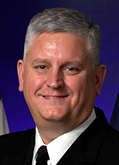
Sean Meehan: Assistant Dean and Chief Dental Officer, Penn Dental Medicine

caption: Sean Meehan

Penn Dental Medicine has named Sean Meehan, D’92, to the new role of assistant dean and chief dental officer. His appointment to this post and to a faculty position as a professor of clinical oral medicine took effect on August 1.

As chief dental officer, Dr. Meehan has joined the Penn Dental Medicine Office of Clinical Affairs to provide clinical expertise and standardization to all the school’s clinical departments.

“We are thrilled to welcome Dr. Meehan to Penn Dental Medicine,” said Mark S. Wolff, the Morton Amsterdam Dean of Penn Dental Medicine. “He brings such a depth of experience in leadership as a dental educator and clinician, along with a great commitment to student mentorship and faculty development.”

Dr. Meehan, a Penn Dental Medicine alumnus, comes to the school from the U.S. Naval Dental Corps, retiring this summer as a Captain after 29 years of uniformed service. Dr. Meehan, who earned his DMD at Penn Dental Medicine and his certificate in oral medicine at the National Institute of Dental Research, had a distinguished career with the Navy, holding a diversity of leadership roles within dental education. They included serving as associate dean and then dean of the Naval Postgraduate Dental School, the U.S. Government’s largest centralized postgraduate dental school. He also chaired the school’s department of oral diagnosis and served on its faculty. .

Over the past several years, Dr. Meehan has returned to Penn Dental Medicine regularly to support and advise Penn Dental Medicine students who are pursuing military careers.

“I am excited to provide any expertise I have developed over my Naval career to Penn Dental Medicine as well as to the University at large,” said Dr. Meehan. “I look forward to turning the page onto this next chapter of my professional career.”

Sigal Ben-Porath: Faculty Director of the Stavros Niarchos Foundation (SNF) Paideia Program

caption: Sigal Ben-Porath

President Liz Magill and Provost John L. Jackson, Jr. have announced the appointment of Sigal Ben-Porath as faculty director of the Stavros Niarchos Foundation (SNF) Paideia Program, beginning September 1, 2023.

Dr. Ben-Porath, the MRMJJ Presidential Professor of Education in the Graduate School of Education with secondary appointments in the departments of philosophy and political science in the School of Arts and Sciences, is a world-renowned scholar of democratic theory and practice, especially the role of schools and colleges as democratic institutions and hubs of free speech and civil discourse. She is the author of the widely influential Free Speech on Campus (University of Pennsylvania Press, 2017), as well as Cancel Wars: How Universities Can Foster Free Speech, Promote Inclusion, and Renew Democracy (University of Chicago Press, 2023); Making Up Our Mind: What School Choice is Really About (co-author with Michael C. Johanek, University of Chicago Press, 2019); Tough Choices: Structured Paternalism and the Landscape of Choice (Princeton University Press, 2010); and Citizenship Under Fire: Democratic Education in Times of Conflict (Princeton University Press, 2006), among many other books, presentations, and essays in scholarly journals and popular media.

A professor at Penn since 2004, Dr. Ben-Porath has served as special assistant to the President for community outreach, chair of the Committee on Open Expression, chair of the Penn Press Faculty Advisory Board, and a founding board member of the Andrea Mitchell Center for the Study of Democracy. She has also been a fellow of the Institute for Advanced Study, the University Center for Human Values at Princeton University, the Safra Center for Ethics at Harvard University, and the Safra Center for Ethics at Tel Aviv University. She earned a PhD in political philosophy and an MA in the philosophy of education from Tel Aviv University and a BA in philosophy and education from the Hebrew University of Jerusalem. She succeeds Michael Delli Carpini, the founding faculty director of the SNF Paideia Program, who retired from Penn as the Oscar H. Gandy Professor of Communication and Democracy and recently served as interim dean of the Annenberg School for Communication.

“We are so very pleased that Sigal Ben-Porath will take up the role of faculty director of the Stavros Niarchos Foundation Paideia Program at this transitional moment in the program’s growth and development,” said Penn president Liz Magill. “This is a pioneering effort that engages our undergraduate students with skills and knowledge to engage in dialogue across lines of differences, a vital skill in today’s world. There are few if any faculty scholars anywhere more qualified to lead this effort than Professor Ben-Porath, whose expertise, experience, and leadership in issues of free speech and civil discourse have earned high international regard.”

The SNF Paideia Program, founded in 2019 with a generous grant from the Stavros Niarchos Foundation (SNF), reimagines the ancient Greek ideal of paideia—“education of the whole person”—to provide Penn undergraduate students with the skills, knowledge, ethics, and experiences to integrate their civic identities with their personal and professional identities and to understand how their individual well-being is inseparable from the well-being of the communities to which they belong. In particular, the program’s courses and events encourage Penn students to lead informed and respectful dialogue on contentious issues facing the nation and the world, even across ideological, cultural, and demographic divides.

“Sigal Ben-Porath is one of the world’s most powerful and eloquent advocates for the role of Universities in sustaining free speech and civil dialogue,” said Provost Jackson. “She is the ideal scholar to take on the leadership of our pioneering SNF Paideia Program, which aims to instill these values in our students, who will go out to shape the world of the future. It will be exciting to see the impact that they all will make on our shared global communities in the critical years ahead.”

SNF—whose co-president, Andreas Dracopoulos, is a 1986 Wharton graduate—is one of the world’s leading private, international philanthropic organizations, making grants in the areas of arts and culture, education, health and sports, and social welfare. Since 1996, the foundation has committed more than $3.5 billion through more than 5,300 grants to nonprofit organizations in 134 nations around the world. Supporting civic engagement and civil discourse is a key focus of SNF’s grantmaking.

Rand Quinn: Faculty Director of Civic House and the Civic Scholars Program

caption: Rand QuinnProvost John L. Jackson, Jr. has announced the appointment of Rand Quinn as faculty director of Civic House and the Civic Scholars Program, which began August 1, 2023.

Dr. Quinn, an associate professor in the Graduate School of Education, is a widely recognized scholar of public education, especially organizing, activism, and the politics of race and class in urban school reform. A former community organizer, he is the author of Class Action: Desegregation and Diversity in San Francisco Schools (University of Minnesota Press, 2020), a landmark political history of school desegration in San Francisco after the 1954 Supreme Court decision Brown v. Board of Education, which traces the evolving relationships among judicial action, community-based activism, multiracial politics, and urban education reform.

“Rand Quinn is an ideal leader to help us chart the future of Civic House and Civic Scholars,” said Provost Jackson. “He is deeply experienced in civic engagement and community service, and he is devoted to mentoring students—both graduate and undergraduate—and bringing them together with schools and non-profit organizations across Philadelphia. His remarkable ability to unify research, policy, and practice will help shape new paths of inquiry across our campus and our wider communities.”

Dr. Quinn came to Penn in 2012 after holding a Presidential Postdoctoral Fellowship at the University of California at Berkeley. His work has been published widely across both scholarly journals and popular media, such as the Philadelphia Inquirer and Washington Post, focusing on strategies to establish and sustain partnerships between Universities and their communities. He has received the Excellence in Teaching Award and the Outstanding Service Award from the Graduate School of Education and served in a wide range of roles at Penn, including as a senior faculty mentor in the Netter Center for Community Partnerships and on the Faculty Senate Committee on the Economic Status of the Faculty, the advisory committee of the Environmental Innovations Initiative, and a self-study working group for Penn’s 2024 reaccreditation. He received his PhD in education, his MA in political science, and his BA in linguistics from Stanford University, as well as an MA in education from San Francisco State University.

Civic House is Penn’s hub for civic engagement, promoting mutually beneficial collaborations between Penn and Philadelphia community nonprofit organizations. Through social justice education, trainings and workshops, Civic House prepares students for responsible community engagement and empowers them to become advocates for social change. The Civic Scholars Program at Civic House provides undergraduate students with a sustained four-year experience in civic engagement and scholarship, including dedicated proseminars, summer internships, and a capstone senior research project.

Matthew Lane: Associate Provost for Finance and Planning

caption: Matthew LaneProvost John L. Jackson, Jr. has announced the appointment of Matthew Lane as associate provost for finance and planning, beginning September 1, 2023.  

“Matt Lane is already well-known across campus as vice dean for finance and administration in the School of Arts and Sciences,” said Provost Jackson. “He is deeply experienced in every aspect of our operations at Penn, including finances, facilities, computing, human resources and strategic planning. In nine years as vice dean, he has been an invaluable partner across the University and the varied departments and programs in SAS, helping to sustain the school’s financial resources while leading innovations across computing, administration, and building projects, including the Perelman Center, the Levin Building, and the upcoming Vagelos Lab and Physical Sciences Buildings, all of which are significantly advancing our core missions of research and education at Penn.”  

Mr. Lane has been at the School of Arts and Sciences since 2001, serving as executive director of Facilities Planning and Operations, executive director of the chemistry department, and director of the Office of Budget and Decision Support before being appointed as vice dean in 2014. He received an MPA from the Fels Institute and a BA from Earlham College.

“Topping Off” Ceremony for Amy Gutmann Hall

caption: Penn Engineering Dean Vijay Kumar, donors Harlan and Sabina Stone, and President Liz Magill. Photos by Kait PriviteraTwo years after the project ceremonially broke ground at 34th and Chestnut streets, members of the Penn community gathered on Wednesday, July 26 for the “topping off” of Amy Gutmann Hall. A time-honored tradition in construction, the signing and placement of the final wood panel signaled the completion of the new School of Engineering and Applied Science building’s frame.

A hub for data science on campus and for the Philadelphia community when it officially opens next summer, Amy Gutmann Hall will embolden interdisciplinary work in a field that is “transforming all facets of engineering education, and of course research and innovation,” said Vijay Kumar, Penn Engineering’s Nemirovsky Family Dean.

The new facility, with next-generation hybrid classrooms and laboratories, will be equipped to support exploration that advances graphics and perception, privacy and security, computational social science, data-driven medical diagnostics, scientific computing, and machine learning. It will also allow for the development of “safe, explainable, and trustworthy artificial intelligence,” said Dean Kumar.

Eighty-two truckloads of mass timber—a more sustainable and efficient product than steel or concrete—have been used to construct the 116,000-square-foot, six-story building. Philadelphia’s tallest new mass timber structure, Amy Gutmann Hall will evoke a warm, welcoming environment with its exposed wood throughout its spaces.

“The building is not so much built as it is engineered and then prefabricated with extraordinary precision,” said President Liz Magill. She noted how the techniques used to create the new building relied heavily on advanced computation and data, “which is precisely the kind of work that this building will foster when it’s completed.”

“The building reflects the use, and the use helped determine the building,” President Magill said.

Amy Gutmann Hall, designed by Lake|Flato and KSS Architects, currently under construction led by Gilbane Building Company, and named for Penn’s longest serving president, was made possible by a transformative $25 million commitment to Penn Engineering in 2019 from Harlan Stone, a University Trustee, member of Penn Engineering’s Board of Advisors, and chair of the school’s Technical Advisory Board. Mr. Stone, a School of Arts & Sciences alumnus and Penn Engineering parent, said at the gathering that he imagines the new building as a place that will “produce new ideas, methodologies, and paradigms of how data can impact humanity for good.”

After a celebratory toast, the crowd cheered as a crane erected the wooden panel, which had been signed by those “who took a very bold idea and made it a compelling reality,” said President Magill.

“We together celebrate this milestone in the creation of Amy Gutmann Hall,” President Magill said. “A testament to the belief that collaborative research and learning can solve some of the world’s most urgent problems. Within this building, may the insights that we gain through data science help us harness new knowledge and understanding to create a better world. I know we all cannot wait to see these innovations come to life.”

Adapted from a Penn Today article written by Lauren Hertzler, July 28, 2023.

caption: Eighty-two truckloads of mass timber—a more sustainable and efficient product than steel or concrete—have been used to construct the 116,000-square-foot, six-story building.

Penn Nursing: New MPN Degree Program

Penn Nursing’s new Master of Professional Nursing (MPN) degree offers students with a bachelor’s degree in another field an exciting alternative path to a career in nursing. This entry-level nursing program, offered at the graduate level, prepares students to deliver a full array of health care services to meet the demands of patients and families with increasingly complex health needs.

The MPN program uses the experience and education that candidates bring to this fast-paced, 15-month, full-time program. The four-semester plan of study builds robust skills in population health, health equity, interprofessional collaboration, care transitions, and systems thinking. Rich academic partnerships with clinical sites throughout the region assures the clinical foundation for nurses to play leading roles in meeting the nation’s need for high quality and accessible care across settings and populations.

“Patients and families seek health care in many and often unconnected settings, and the MPN program provides nurses with enhanced leadership skills to facilitate and deliver the highest quality of patient/family centered care,” said Penn Nursing Dean Antonia Villarruel. “The MPN program provides a solid base for a full array of roles in health systems and community settings.”

“Penn Nursing’s MPN program envisions highly motivated and skilled nurses ready to translate evidence into practice and to care for diverse patient populations with complex care needs across settings, from neighborhoods and community health centers to quaternary healthcare delivery systems,” said Julie Sochalski, associate dean for academic programs.

Learn more about our new program, including the MPN/MSN option, through a series of information sessions. The MPN program is for applicants who have a bachelor’s degree in a non-nursing field looking to attain an RN license and the option to pursue advanced education as a nurse practitioner or nurse midwife.

Penn Medicine and Children’s Hospital of Philadelphia’s Deeply Rooted Program Awards Over $59,000 in ‘Community Green Grants’

Nutritious meals cooked with locally grown vegetables to combat food insecurity, street cleanup groups that bring neighbors together, and programs for local youth to learn about farming and other nature-based careers are among initiatives funded by Community Green Grants from Penn Medicine as part of the Deeply Rooted Collaborative, a joint initiative from Penn Medicine and Children’s Hospital of Philadelphia (CHOP), and led by the Penn Urban Health Lab.

Community Green Grants support residents and leaders as they join together to care for, celebrate in, and appreciate nature in neighborhoods in West and Southwest Philadelphia. The grant awardees, decided by a panel of community partners, drive initiatives to support vacant lot cleanup, community space programing, job training and education, and more.

One awardee has been fighting food insecurity since March 2020. The People’s Kitchen, a collaborative of chefs, students, and community members, started serving fresh, nutritious meals to community members for free to combat the growing hunger crisis. Led by Benjamin Miller and chef Aziza Young, the organization grows their own produce in an urban farm in the Kingsessing neighborhood, and prepares and distributes over 100 free meals every day to community members in South and Southwest Philadelphia. With this grant, the People’s Kitchen will purchase much-needed processing equipment for its kitchen, and will be able to make additional hires to work on its urban farm, which grows fruits and vegetables, such as watermelon, berries, okra, lima beans, sunchokes, and even goji berries.

“The pandemic exposed a crisis of food insecurity in our community, but it existed before, and still exists,” said Mr. Miller. “While we serve more than 100 meals a day, that only scratches the surface of folks experiencing food insecurity. This grant will help us reach more of our neighbors who deserve access to fresh, nutritious meals.”

In addition to bringing fresh food to the community, the Community Green Grants will fund efforts to clean local parks through an effort launched by West Philadelphia’s Gweny (Love) Owens. Growing up in the Mantua neighborhood of West Philadelphia, Ms. Owens recalls organizing neighborhood children and bringing them to clean up local parks. After college, Ms. Owens returned to her hometown to play a similar role. Through Mantua Worldwide Community, Inc., she established “Clean, Green, and Serene,” a program that encourages neighbors to come together to clean up the streets in their respective neighborhoods. What started with Ms. Owens knocking on her neighbors’ doors and asking them to join her outside with a broom and a dustpan has expanded to eight different committees in Mantua and Powelton Village. Her grant will help the program expand to the Mill Creek neighborhood.

“We have started to create a sense of community among neighbors that didn’t exist before,” Ms. Owens said. “People who have been next door neighbors for years met for the first time while cleaning together, and not only are our streets cleaner, but our committees feel more like surrogate families.”

Deaths

Leszek Kubin, Penn Vet

caption: Leszek KubinLeszek Z. Kubin, a former research professor of animal biology in the department of biomedical sciences in Penn Vet, died on May 26. He was 70.

Dr. Kubin received an MS in biomedical engineering from Warsaw Polytechnic in Poland in 1976. He then went on to receive two PhDs in 1983, one in physiology from the Warsaw School of Medicine and one in neurophysiology from Scuola Normale Superiore in Pisa, Italy. In 1983, he joined Penn Vet’s faculty as a research associate in animal biology, a position he held on and off throughout the 1980s. In 1988, he became a research assistant professor in animal biology, and six years later, he was promoted to research professor, specializing in pulmonary and vascular sciences.

While at Penn, Dr. Kubin conducted research on respiratory, sleep and metabolic disorders associated with the obstructive sleep apnea syndrome, as well as homeostatic regulation of sleep. He received several University Research Foundation (URF) awards to use rodent models to understand the pharmacological mechanisms of REM sleep and the accompanying suppression of motoneuronal activity, and to identify the cellular basis of the response to sleep deprivation. This research was published widely, and in 2015, Dr. Kubin was awarded a $1,000,000 grant from the National Heart, Lung, and Blood Institute of the National Institutes of Health to support his project, “Premotor Control of Upper Airway and REM Sleep Atonia.” He retired from Penn in 2019.

Howard Kunreuther, Wharton OID

caption: Howard KunreutherHoward Kunreuther, the James G. Dinan Professor Emeritus of operations, information and decisions in the Wharton School and co-director emeritus of the Risk Management and Decision Processes Center, died on August 1 after a 16-month battle with glioblastoma. He was 84.  

Dr. Kunreuther was born in Forest Hills, New York. His mother was born in Harlem to Russian immigrants; his father immigrated to New York from Germany in the 1920s. He received a bachelor’s degree in economics from Bates College and a PhD in the same subject from the Massachusetts Institute of Technology. Following a destructive 1964 earthquake in Alaska, he joined the Institute for Defense Analysis.  There, he began his lifelong research centered on how society can make better decisions in the face of “low probability, high consequence events” like natural disasters, terrorism, and climate change. Referring to himself as an “irrational economist,” he sought to understand why people did not take measures to protect themselves from disasters and what society could do to help.  

Dr. Kunreuther first taught at the University of Chicago and, in 1972, moved to the Wharton School of the University of Pennsylvania, where he became the James G. Dinan Professor of Decision Sciences.  He founded the Wharton Risk Management and Decision Processes Center in 1985. Among his other professional achievements are numerous awards and recognition for his contributions to the literature on economics of natural and technological hazards, including two Elizur Wright Award, given to publications that made “the most significant contribution to the literature of insurance.” He was a member of the American Association for the Advancement of Science, the National Academies of Science and the Intergovernmental Panel on Climate Change. He co-authored nineteen books and hundreds of articles, working across disciplines with scholars, law makers, and the private sector. Throughout his career, he cherished enduring collaborations with colleagues around the world and mentored generations of students.  

He was predeceased by his first wife, Sylvia Clifford Kunreuther. He is survived by his wife, Gail Loeb; his daughter, Laura (Daniel); his son, Joel (Amy); his stepsons, David (Tricee) and Michael (Julia); and four grandchildren, Madelyn, Rafael, Sascha, Asher.  

A funeral service was held Sunday, August 6 in Bala Cynwyd, Pennsylvania. Please consider contributions to the Environmental Defense Fund in honor of Dr. Kunreuther’s life-long engagement with environmental issues.

Daniel Malamud, Penn Dental Medicine

caption: Daniel MalamudDaniel Malamud, a former professor of biochemistry in Penn’s School of Dental Medicine, died on June 23. He was 84.

Dr. Malamus was born in Detroit and attended the University of Michigan. He then continued his education at the University of Cincinnati, where he earned a PhD in biochemistry. After graduating, he began his career at Massachusetts General Hospital, then joined Penn’s faculty in 1977 as an associate professor of biochemistry. At Penn, Dr. Malamus was an engaged faculty member for three decades, serving on the Faculty Senate Executive Committee, on search committees for a Penn provost and for the dean of Penn Dental Medicine, and on various University Council committees. In 1984, he was promoted to a full professor. Dr. Malamud contributed several “Speaking Out” pieces to Almanac over the years, including a piece advocating for bicycle safety on campus after the death of a freshman (Almanac October 26, 1999). Dr. Malamus left Penn in 2006 to accept a position as a professor of basic science and craniofacial biology and director of the HIV/AIDS Research Program at the NYU College of Dentistry.

“Dan Malamud is a giant in his field,” said Charles N. Bertolami, the Herman Robert Fox Dean of NYU Dentistry, in 2021 when Dr. Malamud was named a fellow of the American Association for the Advancement of Science (AAAS). “His research responding to pressing health needs with innovative solutions has greatly improved public health at the global level. He has long been a personal mentor and role model for me dating back to the 1980s.”

Dr. Malamud’s research explored infectious diseases, including HIV, tuberculosis, malaria, and Zika; the biochemistry of saliva; and the development of new diagnostic tools to detect bacterial or viral infections. He worked towards creating novel diagnostics using oral biomarkers captured in saliva, given that saliva is more easily obtained than blood samples, and developed an anti-HIV drug and a rapid Zika test using a saliva-derived molecule. He received several University Research Foundation (URF) grants toward this research during his time at Penn (Almanac March 15, 2005). In 2021, he retired from NYU.

Dr. Malamud was predeceased by his wife, Judith Malamud (Disner). He is survived by his children, Randy Malamud (Nina Gupta) and Lisa (Paul Apostol, Jr.); his grandchildren, Jake and Ben Simonds-Malamud and Owen and Emma Apostol; his siblings, Jerry Malamud and Judy Malamud; his sister-in-law, Gail Lindenberg; and many nieces and nephews.

A memorial was held on July 7. Those who wish to further honor Dr. Malamud’s memory may contribute to the Alzheimer’s Foundation of America, http://www.alzfdn.org.

Vivian Piasecki, Former Trustee

caption: Vivian PiaseckiVivian Weyerhaeuser Piasecki, a former Trustee and a member of several advisory boards at Penn, died on July 10. She was 92.

Born in Chicago and raised in Minnesota, Ms. Piasecki graduated from Miss Porter’s School in Connecticut in 1948 and earned a bachelor’s degree in English literature from Vassar College in New York in 1952.

Ms. Piasecki was appointed chair of the Pennsylvania Historical and Museum Commission in 1980 by Pennsylvania Governor Dick Thornburgh and served as one of the first female board members at Fidelity Bank, the Potlatch Corporation, and other businesses. She was also involved in the founding and development of Gladwyne Montessori School, Montessori Genesis II, St. Malachy School, and the Margaret Roper Forum.

In 1991, Ms. Piasecki became a Penn Trustee, a role she held until 1996. She served on the Budget & Finance and Student Life committees, as well as on several other boards around Penn, including that of the Institute of Aging. She chaired the board of Penn Nursing, helped raise it to prominence, and remained a devoted member after her retirement as an emeritus member. Ms. Piasecki served as a Trustee of the University of Pennsylvania Health System. She also co-chaired Penn Nursing’s Dean’s Council, served on the Penn Nursing Campaign Committee, and led Friends of Penn Nursing in its efforts to raise scholarship funds for future nurses. Penn Nursing awarded Ms. Piasecki its Honorary Alumni Award in 1999.

“Vivian’s dedication to Penn Medicine and Penn Nursing led her to support a wide range of priorities and projects,” wrote Penn Trustees chair Scott Bok and Penn President Liz Magill in a tribute to Ms. Piasecki. “The philanthropy of Vivian and her husband, Frank, touched every corner of Penn Nursing, from annual giving and the Dean’s Fund to capital improvements and facility renovations. The couple helped create endowed professorships as well as academic scholarships for students at Penn Nursing. They also provided funding for Penn Medicine, particularly to the Institute on Aging, but also for faculty support, lectures, and research.”

Ms. Piasecki was dedicated to numerous organizations throughout the Philadelphia region and across the U.S. She served on the boards of WHYY public radio and television, the National Constitution Center, the Philadelphia Orchestra,  the Balch Institute for Immigration and Ethnic Studies, the Please Touch Museum, the Bryn Mawr Film Institute, the Museum Trustee Association, and the Franklin Institute. She served as president of the Piasecki Family Foundation, which under her leadership supported environmental causes and education.

“Vivian was a pillar of strength and integrity and made a profound impact on Penn, the Philadelphia region, and beyond,” said Mr. Bok and President Magill. “We know that the entire Penn community joins us in expressing our deepest condolences to the Piasecki family.”

Ms. Piasecki was predeceased by her husband, Frank Piasecki, ME’40, in 2008. She is survived by her children, Lynn, Nicole, WG’89, Frederick, Frank, John, Michael, and Gregory, WG’97; and many grandchildren.

A funeral mass took place on July 17, 2023. Donations in her name may be made to the National Constitution Center, Attn: Development, 525 Arch St., Philadelphia, Pennsylvania 19106; St. Malachy School of Philadelphia, P.O. Box 37012, Philadelphia, Pennsylvania 19122; and WHYY, P.O. Box 900, Greencastle, Pennsylvania 17225.

Randall Pittman, Pharmacology

Randall Neal (Randy) Pittman, an emeritus professor of pharmacology in the Perelman School of Medicine, died on May 27 from Alzheimer’s disease. He was 72.

Dr. Pittman grew up in Stantonsburg, North Carolina, then moved to Saratoga Springs, New York, where he excelled at sports during his tenure at Saratoga Central High School. He then attended the University of North Carolina Chapel Hill as a Morehead Scholar. After obtaining his BS in chemistry from North Carolina, he received a PhD in neuroscience from the University of Colorado in 1981, then held postdoctoral fellowships at Cal Tech in San Diego (UC San Diego School of Medicine) and Harvard University. In 1985, Dr. Pittman joined Penn’s faculty as an assistant professor of pharmacology. He was promoted to an associate professor in 1991 and to a full professor in 2000.

At Penn, Dr. Pittman headed an award-winning research laboratory where he specialized in neuropharmacology and researched cures for Parkinson’s disease, Creutzfeldt-Jakob disease, and more. In his lab, Dr. Pittman signaled pathways in the execution phase of apoptosis and investigated the relationship between CAG trinucleotide repeat proteins, the nuclear environment, the ubiquitin/proteasome machinery, and neuronal dysfunction/death. He performed apoptosis experiments that focused on understanding cellular events controlling signal transduction in the execution phase, and also studied kinase signaling at the interface of cell survival and cell death. He received multiple awards from the University Research Foundation (URF) to support this work.

In 1995, Dr. Pittman won the School of Medicine award for distinguished teaching (Almanac April 18, 1995). His colleagues lauded him as “an outstanding mentor to graduate students” and said that he “has played a major role in the recruitment and advising of graduate students in pharmacology, and has been particularly active in mentoring minority students. He is undoubtedly an outstanding role model for graduate students, and has had a major impact on the quality of graduate education at Penn.” A student said, “the respect with which he treats the students and his concern for them as individuals and valued colleagues is perhaps the most salient facet of his training skills.” Dr. Pittman retired from Penn and took emeritus status in 2013.

Dr. Pittman was preceded in death by his wife, Libby Voss Pittman; his parents, Martha Owens Pittman and Fred Beasley Pittman; and his brother Martin O. Pittman. He is survived by his children, Sarah Pittman-Patel (Neel) and Tom (Stephanie O’Toole); his grandsons, Ethan and Wyatt; his brother, Robert; his sister, Bethanne Matari; and his uncle, Ray; along with many cousins. Donations in remembrance of Dr. Pittman can be made to the Alzheimer’s Foundation of America.

---

To Report a Death

Almanac appreciates being informed of the deaths of current and former faculty and staff members, students and other members of the University community. Call (215) 898-5274 or email almanac@upenn.edu.

However, notices of alumni deaths should be directed to the Alumni Records Office at Suite 300, 2929 Walnut St., (215) 898-8136 or email record@ben.dev.upenn.edu.

Policies

Report of the Committee on Manufacturer Responsibility 2022-2023 Academic Year

I would like to thank Steven O. Kimbrough, professor of operations, information and decisions in the Wharton School, for his leadership this past year as chair of the Committee on Manufacturer Responsibility. I also thank all committee members for their participation and thoughtful contributions.

The committee’s report for 2022-2023 is below.

—Medha Narvekar, Vice President and University Secretary

The following report for the 2022-2023 academic year was sent to Medha Narvekar, Vice President and University Secretary, from Dr. Kimbrough, chair of the Committee on Manufacturer Responsibility (CMR), in accordance with the effectiveness of monitoring; review the state of compliance of the apparel licensees and review any alleged violations of the code.

The Code of Workplace Conduct for the Penn Licensed Product Manufacturers is attached hereto below and published of record.

Report of the Committee on Manufacturer Responsibility 2022-2023 Academic Year

It is my pleasure to report on the deliberations of the Committee on Manufacturer Responsibility during the 2022-2023 academic year. 

Code Compliance

As of June 2023, 130 of 130 licensees were reviewed and found to be in compliance with the code or are actively working on resolution of known violations. 

At the recommendation of the 2021-2022 committee, Penn Business Services sent thank you letters to licensees that indicated laudable achievements or shared details of instances where they were taking an active approach in addressing known violations.

I would like to express my appreciation to all the committee members for their work on the committee.

—Steve Kimbrough, Chair
Professor OIDD

Members of the Committee on Manufacturer Responsibility 2022-2023
Steven Kimbrough (Chair), Wharton 
Mark Stern, Social Policy & Practice
Kathleen Hall, Graduate School of Education
Jon Shaw, PPSA
Lorene Tran, Undergraduate Assembly
Faith Bochert, Undergraduate Assembly
Jaydee Edwards, GAPSA
Ex Officio members
Lizann Boyle Rode, Office of the Secretary
Christopher Bradie, Business Services
Sean Burke, Office of the General Counsel
Jessie Burns, Provost’s Office
Leah Popowich, Office of the President

Of Record: Code of Workplace Conduct for Penn Licensed Product Manufacturers

I. Introduction

With a view to stimulating economic growth and development, raising living standards, meeting staffing requirements and overcoming unemployment and underemployment, the University of Pennsylvania has adopted this Code of Workplace Conduct (the Code) to promote full, productive and freely-chosen employment.

The University of Pennsylvania expects its licensees to conduct their business in a manner consistent with this Code, and to follow workplace standards that adhere to this Code. The Code is subject to amendment to reflect any subsequently developed standards by the University.

II. Notice

This Code shall apply to all trademark licensees of the University of Pennsylvania. Throughout this Code the term “licensee” shall include all persons or entities that have entered a written licensing agreement with the University to manufacture products bearing the name, trademarks and/or images of the University. Additionally, this Code shall apply to all of the licensee’s contractors. Throughout this Code the term “contractor” shall include each contractor, subcontractor, vendor, or manufacturer that is engaged in a manufacturing process that results in a finished product for the consumer. “Manufacturing process” shall include assembly and packaging.

As a condition of being permitted to produce and/or sell licensed products bearing the name, trademarks and/or images of the University, each licensee must comply with this Code and ensure that its contractors comply with this Code. All licensees and contractors are required to adhere to this Code, however, no licensee or contractor may represent that they have been certified as being in compliance with this Code.

III. Standards

University licensees and their contractors must operate workplaces that adhere to the following minimum standards and practices:

A. Legal Compliance 

University licensees and their contractors must comply, at a minimum, with all applicable legal requirements of the country in which products are manufactured. Where this Code and the applicable laws of the country of manufacture conflict or differ, the higher standard shall prevail. Such compliance shall include compliance with all applicable environmental laws.

B. Ethical Principles 

Licensees shall commit to conducting their business according to a set of ethical standards that include, but are not limited to, honesty, integrity, trustworthiness, and respect for the unique intrinsic value of each human being.

C. Environmental Compliance 

Licensees and their subcontractors will be committed to the protection of the local environment, including their factories and their surroundings. They will protect residential areas around their factories, disposing of garbage and waste in such a way so as not to endanger the safety and health of nearby areas.

D. Employment Standards

1. Wages and Benefits 

Licensees and their contractors must provide wages and benefits which comply with all applicable laws and regulations and which match or exceed the local prevailing wages and benefits in the relevant industry, whichever provides greater wages and benefits. The University is strongly committed to the employees of licensees receiving a “living wage."

2. Hours of Work

   a. Except in extraordinary circumstances, or as required by business necessity, employees shall not be required to work (regardless of location) more than the lesser of:

       i. forty eight (48) hours per week and twelve (12) hours of overtime; or

       ii. the limits on the regular and overtime hours allowed by the law of the country

       iii. In addition to their compensation for regular hours of work, employees shall be compensated for overtime hours at such a premium rate as is legally required in that country, but not less than at a rate equal to their regular hourly compensation rate.

  b. Employees shall be entitled to at least one day off in every seven (7) day period.

3. Homework 

The employer must ensure that work not done at the place of manufacture is performed in a manner safe for the employee and any persons who may be in the surrounding vicinity. 

4. Child Labor 

Licensees and their subcontractors shall not employ any person younger than 15 (or 14 where the law of the country of manufacture allows) or younger than the age for completing compulsory education in the country of manufacture where such age is higher than 15. Young workers will not be forced to work overtime hours that would prevent them from attending school. Licensees agree to work with governmental, human rights and non-governmental organizations as determined by the University and licensee to minimize the negative impact on any child released from employment as a result of enforcement of this code.

5. Forced Labor 

Licensees and their subcontractors shall not use any forced labor, whether in the form of prison labor, indentured labor, bonded labor or otherwise.

6. Harassment or Abuse 

Licensees and their subcontractors shall treat every employee with respect and dignity. Licensees and their subcontractors will not subject any employee to any physical, sexual, psychological or verbal harassment or abuse.

7. Nondiscrimination 

Licensees and their subcontractors will not subject any person to any discrimination in employment, including hiring, salary, benefits, advancement, discipline, termination or retirement, on the basis of gender, race, religion, age, disability, sexual orientation, pregnancy, marital status, nationality, political opinion or political affiliation, union involvement, or social or ethnic origin.  Because, historically, the overwhelming majority of workers in light industry are women, assuring and safeguarding women’s rights is of particular importance for all parties.

     a. Women workers will receive equal remuneration for comparable work, including benefits, equal treatment, equal evaluation of the quality of their work, and equal opportunity to fill all positions as male workers.

     b. Pregnancy tests will not be a condition of employment, nor will they be demanded of employees. Workers will not be forced or pressured to use contraception.

     c. Women who take maternity leave will not, because of the maternity leave, face dismissal or threat of dismissal, loss of seniority or reduction of wages. Licensees must permit women returning from maternity leave to return to their prior position or comparable position at least at their prior wage rate and benefits. Local laws and regulations, or the prevailing practice in the relevant industry, whichever is greater, shall determine appropriate length of maternity leave.

     d. Licensees and their subcontractors shall provide, to the extent required by applicable law and regulations, or the local prevailing practice in the relevant industry, whichever is greater, services and accommodations to pregnant women, including but not limited to access to legally required healthcare provided by the employer, government or other provider.

8. Health and Safety 

Licensees and their contractors must provide workers with a safe and healthy work environment free from recognized hazards and must, at a minimum, comply with local and national health and safety laws. If residential facilities are provided to workers, they must be safe and healthy facilities. Workers will not be exposed to conditions that may endanger their reproductive health without their informed consent.

9. Freedom of Association 

Licensees and their contractors shall recognize freedom of association and collective bargaining with bargaining representatives of their own choice. No employee shall be subject to harassment, intimidation or retaliation as a result of his or her efforts to freely associate or bargain collectively.

IV. Compliance

Prior to the date of annual renewal of a license agreement, the licensee shall be required to provide the following to the University, as set forth in the license agreement.

     A. The Company names, owners and/or officers, and addresses, phone numbers, e-mail addresses and the nature of the business association of all the licensees’ contractors and manufacturing plants which are involved in the manufacturing process of items which bear, or will bear, the name, trademarks and/or images of the University;

     B. Written assurances that it and its contractors adhere to this Code (except that in the initial phase-in period, licensee must provide such written assurances within six months of receipt of this Code); and

     C. A summary of the steps taken, and/or difficulties encountered, during the preceding year in implementing and enforcing this Code at each site.

Licensees and/or their contractors are responsible for conducting regular inspections of each facility at which University products are manufactured to ensure workplaces are free from recognized hazards as established in consensus standards as well as hazards as defined by local law.

V. Remediation

If the University determines that any licensee or contractor has failed to remedy a violation of this Code, the University reserves the right to terminate its relationship with any licensee in accordance with the terms set forth in the licensee agreement.

VI. Public Disclosure

A. The company names, owners, and/or officers, addresses, and nature of the business association, including the steps performed in the manufacturing process, of all the licensees’ contractors and manufacturing plants which are involved in the manufacturing process of items which bear, or will bear, the name, trademarks and/or images of the University shall be made public information.

B. The Licensee shall be required to supply each year a list of all factory locations referred to in paragraph A above, and all locations Licensee anticipates will be used during the term of the License. Any additions or deletions to this list shall be reported to the University within two months of the effective date of such addition or deletion.

VII. Monitoring and Oversight

The President will establish a Committee on Manufacturer Responsibility (“the Committee”) on the implementation of the University’s Code of Conduct.

A. Composition and Selection

1. Voting Members

     a. Three members of the University faculty selected by the President in consultation with the Chair of the Faculty Senate, one of whom will chair the Committee.

     b. Four members of the student body, including two representatives chosen by the Civic House, and one undergraduate and one graduate student, to be chosen by the Undergraduate Assembly (UA) and the Graduate and Professional Student Assembly (GAPSA), respectively. 

     c. One representative of University staff selected by the Penn Professional Staff Assembly (PPSA) and the Weekly-Paid Professional Staff Assembly (WPPSA) respectively. 

2. Ex-Officio Members (non-voting)

     a. Representative of Business Services

     b. Representative of the Office of the President

     c. Representative the Office of the Provost

     d. Member of the Office of the General Counsel

     e. Representative of the Office of the University Secretary

An administrative staff person and a work-study intern will staff the Committee. The intern will be appointed by the Committee, and paid by the President’s Office. The administrative staff person will be appointed by the President’s Office.

The division of responsibilities will be as follows:

1. Staff Person 

The administrative staff person will act as a liaison between the Committee and the Office of the President to ensure timely implementation of all decisions of the Committee. The staff person will also send out notices for committee meetings to ensure maximum participation, and work closely with the intern to coordinate all committee-related administrative tasks.

2. Intern 

The intern will to the best of his/her abilities research the University’s licensees in order to recognize violations of the Code. This responsibility will include the compilation of a list of licensees and the maintenance of any relevant records necessary to enforce the Code, including information received from monitoring organizations about licensees for consideration by the Committee. The intern will also actively work on developing mechanisms with other campuses who have signed Codes of Conduct to improve the effectiveness and efficiency of the Codes.

B. Decision-Making 

A simple majority of the Committee (not including ex-officio members) must be present either by telephone or in person for a vote to take place. Only members who are present may vote, and decisions will pass by majority of members present and voting.

C. Meeting Schedule

The Committee will meet no fewer than once each semester, with additional meetings to be scheduled as necessary in the determination of the Committee chair, in the chair’s discretion.

D. Responsibilities

1. Reviewing the Code of Conduct 

The Committee will review the Code annually to evaluate its effectiveness. Amendments to the Code must be submitted to the Committee for its approval.

2. Review Effectiveness of Monitoring

The Committee will review, at least annually, the effectiveness of the organization(s) conducting monitoring to ensure compliance with this Code and take appropriate steps to ensure effective monitoring.

3. Reviewing the State of Compliance 

Licensees will be reviewed on an annual basis.

4. Reviewing Violations

The Committee will review any alleged violations of the University’s Code of Conduct including consulting with monitoring organizations, such as the Fair Labor Association (FLA), and the Workers Rights Consortium (WRC), and determine whether they constitute violations. Based on this judgment, the Committee will recommend an appropriate course of action to the Trademark Licensing Unit. At the same time, should Trademark Licensing Unit identify any alleged violations, the department will consult with the Committee on an appropriate course of action.

E. Public Accountability

     1. The University’s Code of Conduct will be published annually, and amendments as necessary in Almanac.

     2. The Trademark Licensing Unit will make available to any interested persons information regarding licensees’ working conditions, monitoring reports, and other relevant materials.

     3. The Committee will work with other schools and interested organizations to improve responsible business practices in the manufacture of licensed University products.

F. Seeking and Rewarding Responsible Business Practices

     1. The Committee will work with the Trademark Licensing Unit to seek out manufacturers that have instituted proactive measures to insure the responsible production of goods and give them preference by encouraging the University to consider doing business with them, taking into consideration competitive price, quality, and style.

     2. Through the efforts of the Committee in seeking out manufacturers with demonstrated responsible business practices, the University commits itself to giving preference to those with responsible monitoring policies, particularly manufacturers that agree to sign disclosure agreements with the University, taking into account competitive price, quality, and style. Representatives of departments responsible for purchasing University products will keep in regular contact with the Committee.


Honors

Benjamin Abella: Pennsylvania State Board of Medicine

caption: Benjamin AbellaBenjamin Abella, a professor of emergency medicine and vice chair for research in the department of emergency medicine in the Perelman School of Medicine, has been appointed to serve on the Pennsylvania State Board of Medicine. Dr. Abella was nominated by Pennsylvania Governor Josh Shapiro and unanimously confirmed by the Pennsylvania Senate on June 29, 2023. His first meeting as part of the board is on September 12, 2023.

Dr. Abella studies sudden cardiac arrest, a leading cause of death that claims over 350,000 lives each year in the United States. He and his team have led projects to evaluate and improve CPR and resuscitation performance, tested new methods to teach CPR in the community, defined prognostication approaches for neurologic outcomes after cardiac arrest, and devised new methods to improve post-arrest care and outcomes. He directs Penn’s Center for Resuscitation Science, and is also the developer and medical director of a novel training course for post-arrest care and targeted temperature management (TTM), the Penn TTM Academy, which has provided training in this lifesaving technique to more than 2,000 healthcare professionals from across the world.

“Dr. Abella is an incredibly dedicated and passionate physician-scientist,” said Pennsylvania State Senator Amanda Cappelletti (D-17).  “I was pleased to support his confirmation to serve on the state Board of Medicine. Dr. Abella has demonstrated outstanding leadership throughout his career, most notably in his efforts to educate the public about cardiac arrest and CPR. I look forward to seeing his accomplishments in this new role.”

Julia Cope: IAMCR Climate Change Communication Award

The International Association for Media and Communication Research (IAMCR) has announced that Annenberg School for Communication doctoral student Julia Cope has received an IAMCR Climate Change Communication Award for her paper “Capturing Climate Claims: A Computational Text Analysis of Energy Company Press Releases.”

Every year, IAMCR selects three outstanding papers that “develop and explore innovative approaches to climate change communication” for the award.

In the paper, Ms. Cope analyzes 22 years of press releases from the five largest U.S. energy companies—ExxonMobil, Chevron, Marathon Petroleum, Phillips 66, and Valero Energy—to trace how these corporations have discussed (or not discussed) climate change over the years, as public belief in climate change has increased.

Ms. Cope, who studies climate change discourse and policy, was selected from a competitive pool of researchers spanning different fields and career stages.

“[Ms. Cope’s] paper offers a genuinely innovative methodological approach to interrogating corporate public communication strategies,” said Graham Murdock, an emeritus professor of culture and economy at Loughborough University in London and chair of the Award Evaluation Panel.

Ms. Cope and fellow award winners were honored during a special session at the IAMCR Conference in Lyon, France.

Beverley A. Crawford: NDAF/Colgate-Palmolive Faculty Recognition Award

caption: Beverley CrawfordBeverley Crawford, a professor of clinical restorative dentistry and director of student diversity and inclusion initiatives at Penn Dental Medicine, has been recognized for her service to students and academia with the 2023 National Dental Association Foundation (NDAF)/Colgate-Palmolive Faculty Recognition Award in the category of administrative/service. The award was presented on July 20 at a luncheon held in conjunction with the 110th NDA Annual Convention in New Orleans.

The Faculty Awards Program honors individuals who have demonstrated excellence in professional development and a willingness to support and to help others in their quest for knowledge and advancement.

A member of the Penn Dental Medicine faculty since 1989, Dr. Crawford has supported and advocated for students in a diversity of roles, including as the faculty advisor of the Penn Dental Medicine chapter of the Student National Dental Association (SNDA) and the SNDA Impressions Program, which exposes underrepresented minority college students to the many facets of careers in dentistry. She also directs the Provost’s Summer Mentorship Program for high school students interested in exploring careers in dental medicine and the Introduction to Dentistry program for undergraduate predental students. In addition, Dr. Crawford has worked with the ADA Institute for Diversity in Leadership and has served on the strategic planning committee of Penn Medicine LGBTQ Health and on the LGBTQ Advisory Council at Penn. As an inaugural member of the ADEA Women in Leadership Special Interest Group, Dr. Crawford was a contributing member to the development of its leadership survey and the Mentorship and Sponsorship Module of the Women in Leadership Development Program.

This is the second time Dr. Crawford has received this award. Among her other past rewards are the SNDA Award of Appreciation, the SNDA Award for Excellence and the Women of Color Community Faculty/Staff Award.

“This is a well-deserved recognition of Dr. Crawford’s great work on behalf on our current students and in helping to build a pipeline for future students by introducing them to the opportunities within dental medicine,” said Mark Wolff, the Morton Amsterdam Dean of Penn Dental Medicine.

Martha A.Q. Curley: AAN Living Legend Award

caption: Martha Curley

The American Academy of Nursing has named Martha A.Q. Curley, a professor of nursing at the University of Pennsylvania School of Nursing and the Ruth M. Colket Endowed Chair in Pediatric Nursing at Children’s Hospital of Philadelphia, a Living Legend. This honor is bestowed upon a person who has made significant contributions to nursing and healthcare over the course of their career. The official designation will be made at the academy’s 2023 Health Policy Conference: Celebrating 50 Years of Leadership, Policy, and Partnerships, to be held October 5-7, 2023. This is the academy’s highest honor.

“Dr. Curley’s groundbreaking contributions to the advancement of pediatric critical care have substantially transformed care delivery for critically ill children and their families around the world,” said Penn Nursing dean Antonia Villarruel. “She is a tenacious leader and demonstrates every day the critical role of nurses in championing change and mentoring the next generation of clinicians, educators, researchers, and leaders to improve care for this vulnerable population. Penn Nursing is incredibly proud of her extraordinary impact. She is very well-deserving of recognition as a Living Legend.”

Dr. Curley is a pioneering leader in nursing practice transformation and a relentless force in advancing pediatric critical care throughout her distinguished career. Her accomplishments as an international leader in pediatric critical care research have transformed the delivery of care for critically ill children and forever changed and elevated the scope of pediatric nursing and nursing science on a global scale. Dr. Curley has led numerous international multisite clinical trials funded by multiple branches of the National Institutes of Health, and her findings have established first-ever pediatric-validated instruments for assessing patient status and health risk, provided evidence to support nurse-led interventions that meet essential child and family needs in the pediatric intensive care unit, and undergirded standards of care and practice guidelines for critically ill pediatric patients and their families. She is nationally and internationally recognized for instituting standards for the design and execution of clinical trials and for her prolific and seminal publications.

As the first pediatric nurse selected to chair the American Association of Critical-Care Nurses certification corporation board, Dr. Curley’s leadership was instrumental in delivering the innovative Synergy Model, which aligned nurse competencies with patient needs. Synergy’s focus on the nurse-patient-family relationship and whole person’s health demonstrated as never before the significant role of nursing in achieving optimal patient outcomes to leaders across the healthcare landscape. Dr. Curley’s landmark 2007 book, Synergy: The Unique Relationship Between Nurses and Patients, powerfully illustrated that Synergy’s tenets could be applied universally. Today, Synergy not only informs nursing standards for critical care certification programs, professional practice and advancement, and education curricula, but is also used to transform staffing models and serves as the foundation for more sustainable and adaptable care models. Dr. Curley’s pioneering work, combined with her passion for precision-based personalized interventions, calls attention to the importance of clinical nursing practice at the top of scope and expertise.  

Dr. Curley is a member of the National Academy of Medicine, a fellow of the American Academy of Nursing, a founding member of the Pediatric Acute Lung Injury and Sepsis Investigators Network, and a recipient of major awards from the Society of Critical Care Medicine for her extensive involvement in the practice and science of critical care. She earned a diploma in nursing from Springfield Hospital Medical Center (MA), a BS from the University of Massachusetts, an MSN from Yale University, and a PhD from Boston College. 

Karen Goldberg: American Chemical Society Fellow

Karen I. Goldberg, the Vagelos Professor of Energy Research and director of the Vagelos Institute of Energy Science and Technology, has been elected to this year’s class of American Chemical Society Fellows. This program was started in 2009 to recognize and honor individuals for outstanding achievements in and contributions to science, the profession, and the ACS. The full list of this year’s fellows can be seen here. Dr. Goldberg is the eighth ACS fellow in the Penn chemistry department.

Ira Harkavy: Joy Dryfoos Community School Lifetime Achievement Award

caption: Ira HarkavyIra Harkavy, founding director of the Netter Center for Community Partnerships, received the Joy Dryfoos Community School Lifetime Achievement Award at the National Community Schools and Family Engagement Conference in June 2023. The award is named for Joy G. Dryfoos (1925 – 2012), whose research and activism fueled the modern community school movement.

As director of the Netter Center since 1992, Dr. Harkavy has helped to develop academically-based community service courses and community-engaged research projects that involve creating university-assisted community schools with Penn’s community of West Philadelphia. Dr. Harkavy is chair of the International Consortium for Higher Education, Civic Responsibility and Democracy; founding chair of the Anchor Institutions Task Force; chair of the Paul Robeson House and Museum Board; a founder and former chair of the Philadelphia Higher Education Network for Neighborhood Development (PHENND); and a founder and chair emeritus of the Coalition for Community Schools.

Dr. Harkavy has written and lectured widely on university-community-school partnerships and on the democratic and civic missions of higher education. He has co-authored and co-edited twelve books. Most recently, Dr. Harkavy co-authored The Community Schools Revolution: Building Partnerships, Transforming Lives,  Advancing Democracy (2023) along with three other pioneers of the modern community school movement—Martin Blank, Jane Quinn, and Lisa Villarreal—and journalist David Goodman. 

Noam Lior: President of the ECOS International Society

caption: Noam LiorNoam Lior, a professor in the department of mechanical engineering and applied mechanics in Penn Engineering, has been elected president of the ECOS International Society, a nonprofit organization that conducts annual conferences about energy and its sustainability (environment, economics, society, and technology) worldwide.

The society provides a forum for participants to present new research results and exchange views on performance, economics, and environmental impact of energy systems, their design and possible advancements.  

At Penn, Dr. Lior is also a member of the faculty advisory board of the Institute of Environmental Science (in SAS), and was a member of the Graduate Group of International Studies, the Lauder Institute of Management and International Studies, and the Initiative for Global Environmental Leadership (IGEL) of Wharton. Dr. Lior was honored as a guest professor at the Institute of Engineering Thermophysics of the Chinese Academy of Sciences in Beijing. His work has been recognized by many national and international awards, and he has more than 350 scientific, technical, and sustainability publications.

Dr. Lior’s main research, education and consulting work are in energy/power (renewable, fossil, and nuclear, and their hybrids, and power generation in space for terrestrial use), water desalination, heat and mass transfer, fluid mechanics, and thermodynamics, with increasing focus on the scientific aspects of sustainable development. He served as director of the American section of the International Solar Energy Society and chairman of its engineering division. He has served on the editorial boards of 15 international scientific journals, including as editor-in-chief of Energy, The International Journal. He also edited the book Advances in Water Desalination.

Andrew Modzelewski and Kotaro Sasaki: Early-Career Awards

Two early-career scientists from the department of biomedical sciences at the University of Pennsylvania’s School of Veterinary Medicine (Penn Vet) have been honored with awards from the Kinship Foundation and the Endocrine Society.

Andrew Modzelewski, an assistant professor of molecular biology, has been named a 2023 Searle Scholar. The $300,000 individual award supports the research of promising young faculty in the biomedical sciences who have recently been appointed as assistant professors on the tenure track. Dr. Modzelewski is recognized for his research investigating the role of retrotransposons in preimplantation development, reproduction, and disease progression.

Searle Scholars pursue research that “advances our basic understanding of molecular processes in biology, and often leads to new opportunities for improving health and wellness in the population,” said Milan Mrksich, scientific director of the Searle Scholars Program and Henry Wade Rogers Professor of Biomedical Engineering at Northwestern University. Founded in 1980 and administered by the Kinship Foundation, the Searle Scholars Program is funded through the Searle Funds at the Chicago Community Trust.

Dr. Modzelewski has also been named a 2023 Beckman Young Investigator awardee. He will receive $600,000 in funding over four years. Founded in 1977 by scientific instrumentation pioneer Arnold O. Beckman, the Arnold and Mabel Beckman Foundation supports young scientists whose creative, interdisciplinary research will lead to innovations, and new tools and methods for scientific discovery.

Kotaro Sasaki, an assistant professor of biomedical sciences, has received a 2023 Early Investigator Award from the Endocrine Society. Early Investigator Awards support early-career investigators in endocrine-related research. Dr. Sasaki’s research investigates the molecular basis of human infertility, reproduction, and endocrinology. With more than 18,000 members, the Endocrine Society is the world’s oldest and largest organization of scientists devoted to hormone research and hormone-related conditions, including diabetes, obesity, and infertility.

“I am delighted to see Drs. Modzelewski and Sasaki recognized for their promising contributions to developmental biology,” said Ellen Puré, chair of the department of biomedical sciences and the Grace Lansing Lambert Professor of Biomedical Science. “We are benefiting from the breadth of innovations and insights that these two early-career scientists are generating. Drs. Modzelewski and Sasaki embody the culture and values of the University of Pennsylvania, and they are extraordinary role models for other young faculty and postdoctoral researchers here at Penn.” 

Penn Medicine Awards and Accolades: June 2023

Jean-Christophe Beltra and Divij Mathew, postdoctoral fellows in the lab of E. John Wherry, chair of systems pharmacology and translational therapeutics, received Parker Institute for Cancer Immunotherapy 2023 Early Career Researcher Awards to advance critical scientific pursuits in immunotherapy and making cancer a curable disease.

César de la Fuente, a Presidential Assistant Professor of Psychiatry, Microbiology, Chemical and Biomolecular Engineering, and Bioengineering, has been awarded the VI Edición Premios Nacionales de Tecnología (National Prize in Biotechnology) for developing new antibiotics through artificial intelligence. In addition, he received the 2023 Rao Makineni Lectureship Award from the American Peptide Society, which recognizes those who have made a recent contribution of unusual merit to research in the field of peptide science.

caption: Bridget HowardBridget Howard, manager of the women’s health advanced practice providers at the Hospital of the University of Pennsylvania, has been inducted into the fellowship of the American College of Nurse-Midwives (ACNM), an honor bestowed upon midwives who have demonstrated leadership within the organization as well as clinical excellence, outstanding scholarship, and professional achievement. Ms. Howard has dedicated more than 24 years of service to the ACNM and ACNM Foundation, promoting funding for awards and scholarships to aid students to complete their basic midwifery education and for midwives to further doctoral research.

caption: Kellie Ann JuradoKellie Ann Jurado, a Presidential Assistant Professor of microbiology, has received the Ann Palmenberg Junior Investigator Award from the American Society for Virology (ASV). The award honors Dr. Jurado for her significant contributions to the field of virology, including her work characterizing the immune response to emerging virus infections during early life. This work includes identifying factors that regulate the maternal-fetal immune landscape and neuronal immune defense.

Mitchell Lazar, director of the Institute for Diabetes, Obesity, and Metabolism, has received the Fred Conrad Koch Lifetime Achievement Award at ENDO 2023, the top global meeting on endocrinology research and clinical care.

caption: Mitchell LazaThe award is the Endocrine Society’s highest honor, recognizing an individual’s lifetime achievements and exceptional contributions to the field of endocrinology. Dr. Lazar has been at the forefront of several breakthroughs in his field over the years, including the discoveries of nuclear receptor-driven pathways controlling fat cell biology and circadian rhythms of metabolism. This has led to advancements in therapies in treating type 2 diabetes.

Enrique Olguín-Martínez, a postdoctoral fellow in pathology and laboratory medicine, has been named a 2023 Pew Latin American Fellow in the Biomedical Sciences. His research will explore how diet-induced inflammation promotes childhood obesity.

David Oslin, a professor of psychiatry and chief of behavioral health at the Corporal Michael J. Crescenz VA Medical Center, has been honored with the Department of Veterans Affairs Health Services Research & Development Award for Best Research Paper of the Year. The paper, “Effect of Pharmacogenomic Testing for Drug-Gene Interactions on Medication Selection and Remission of Symptoms in Major Depressive Disorder: The PRIME Care Randomized Clinical Trial,” was published in the Journal of the American Medical Association in July 2022. The award honors papers that are based on research important to veterans’ health and care and to the VA Healthcare System.

caption: Gerard SchellenbergGerard D. Schellenberg, a professor of pathology and laboratory medicine and director of the Penn Neurodegeneration Genomics Center, has been honored with the BrightFocus Scientific Impact Award for his work to further scientific understanding of the connection between genomics and Alzheimer’s.

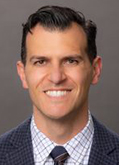
The Hospital of the University of Pennsylvania, Penn Presbyterian Medical Center, Pennsylvania Hospital, Chester County Hospital, and Lancaster General Hospital have received the American Heart Association’s Get With The Guidelines- AFib Gold Quality Achievement Award for their commitment to managing atrial fibrillation (AFib), ultimately helping to reduce patients’ stroke risk. The gold award is the highest possible nationally recognized honor from the American Heart Association’s Get With the Guidelines achievement awards.

Penn Medicine has received a 2023 CSO50 Award for its cybersecurity phishing detection and response initiative from the cybersecurity news organization CSO. The project sought to solve the challenge of relying heavily on employees to report suspicious and malicious messages with a new 24/7 phishing detection and response service. The service uses the latest intelligence on emerging phishing attacks and greatly enhances the health system’s ability to quickly and efficiently protect the organization against cyber threats. CSO distributes awards for outstanding projects and thought leadership annually.

Dorothy Roberts: American Sociological Association Honor

caption: Dorothy Roberts

Dorothy Roberts, the George A. Weiss University Professor of Law and Sociology, the Raymond Pace and Sadie Tanner Mossell Alexander Professor of Civil Rights, and a professor of Africana studies, with appointments in the School of Arts and Sciences and Penn Carey Law, has been honored by the American Sociological Association (ASA) for her book Torn Apart: How the Child Welfare System Destroys Black Families–And How Abolition Can Build a Safer World. The ASA cited the “moral urgency and agenda-setting impact of this exceptional book” in announcing the award.

An acclaimed scholar of race, gender, and the law, Professor Roberts catalogues the consequences of racial inequities for women, children, families, and communities, and counters scientific tenets about racial identity. Her work in law and public policy focuses on urgent social justice issues in policing, family regulation, science, medicine, and bioethics. Professor Roberts is the founding director of the groundbreaking Penn Program on Race, Science, and Society and is the author of several other books and more than 100 scholarly articles and book chapters, as well as a co-editor of six books on such topics as constitutional law and women and the law.

Founded in 1905, the ASA is a nonprofit membership association dedicated to serving sociologists in their work, advancing sociology as a science and profession, and promoting the contributions to and use of sociology by society. These annual awards are the highest honors the ASA confers.

Dennis Sourvanos: Photogenic Science Competition Award

caption: Dennis Sourvanos

Penn Dental Medicine postdoctoral trainee Dennis Sourvanos, GD’23, DScD’23, was recognized at the 2023 International Photodynamic Association World Congress in Tampere, Finland, receiving the Photogenic Science Competition Award for his ongoing research characterizing the optical properties of cortical bone.

Dr. Sourvanos’ participation in the event was fortified by the guidance of mentoring committee members Timothy Zhu and Theresa Busch from the department of radiation oncology at the Hospital of the University of Pennsylvania. He presented two predictive modeling platforms that he developed at Penn Dental Medicine in collaboration with Dr. Zhu’s laboratory at the Smilow Center for Translational Research: “A Novel Pre-Clinical Model to Assess Fluence Rate for Dental Oral Craniofacial Tissues” and “Three-Dimensional Printing of the Human Lung Pleural Cavity Model for PDT Malignant Mesothelioma.”

The International Photodynamic Association is an international group with a focus on photodynamic therapy and photodiagnosis. The 2023 World Congress was a forum for knowledge sharing and collaboration, offering hands-on courses and a diverse international schedule of presentations and fostering an atmosphere of global scientific dialogue across borders. 

Events

Morris Arboretum & Gardens' 90th Anniversary Events and Classes

caption: This month, the Morris Arboretum & Gardens will feature outdoor activities for the whole family. Photo by Eddie Marenco.Come celebrate our 90th anniversary at Morris Arboretum & Gardens. Enjoy the warm weeks of August and September with events and classes that are fun for everyone. Except where noted, all events listed below are free with Morris admission. Learn more about our events at morrisarboretum.org. 

Morris Arboretum & Gardens HoursWeekdays, 10 a.m.–5 p.m.; Weekends 9 a.m.–5 p.m.

Storytime at the MorrisWednesday, August 16, 10:30 a.m.
Whimsical Woods; rain location in Upper Gallery
Free with Morris admission
 
All ages are welcome. Join us for a reading of a selected book, followed by a fun activity.

Magic Railway WeekendSaturday, August 19–Sunday, August 20
Thomas, everyone’s beloved cartoon train, can always be found chugging along in his own section of our Garden Railway, but a few weekends a year he and his friends run free on all the tracks. Join us this weekend to experience the magic.

Rose GardenWeekdays 10 a.m.–5 p.m.; Weekends 9 a.m.–5 p.m.
Free with Morris admission
Take in the spectacular sights and scents of the historic Rose Garden, now with more accessibility. New bluestone walkways make it easier for visitors of all ages and abilities to experience the flowers. Created in 1888 at Compton, the summer home of John and Lydia Morris, the Rose Garden is home to more than 700 individual rose plants of 175 different varieties.

Yoga in the Treetops—Twilight HoursSeptember 12, September 22, and October 11, 5–6:30 p.m.
Members: $40 | Non-members: $45 single sessions
Members: $100 | Non-members $120 series price
Meet at Widener Welcome Center

Join experienced yoga instructor Maura Manzo for a unique yoga practice in the stunning Out on a Limb exhibit, giving you a bird’s eye view of the forest from 50 feet up while surrounding you in the beauty and wonder of the Morris’s towering trees. All are welcome, including beginners. Bring a yoga mat, bring a towel to place under your mat, and wear comfortable clothes.  

Exuberant Blooms: A Pop-Up GardenThrough Sunday, October 1, 2023
Free with Morris admission
Step into the explosion of color that is Exuberant Blooms: A Pop-Up Garden at Morris Arboretum & Gardens. Exuberant Blooms is a vibrant and immersive floral display that pays homage to the grandeur of the Victorian floral carpet while infusing it with a modern, informal design. Showcasing more than 11,000 plants of varying color, form, height, and shape, each bed contains a wide variety of annual and tropical plants known for their bold, saturated colors and their appeal to butterflies, hummingbirds, and other pollinators.

Garden Railway: Public GardensThrough Monday, October 9, 2023
Free with Morris admission 
Our beloved Garden Railway is marking 25 years with 300 feet of additional track, making it one of the largest outdoor model train displays in the country at one-third of a mile. This year, we’re celebrating the joy and importance of public gardens with miniature replicas of iconic structures at some of America’s most famous public gardens, including the Climatron at Missouri Botanical Garden, the torii gate and pavilion at Brooklyn Botanic Garden, and flamingo topiaries from the Franklin Park Conservatory & Botanical Gardens.

Bloomin’ BubblesTuesdays at 11 a.m.
Free with Morris admission
Join us every Tuesday as we transform the Whimsical Woods into a magical bubble party for kids. The second Tuesday of each month will be Bubbles & Dance, where music is added into the mix for animal dancing, slo-mo dance, freeze dance, and more. The fourth Tuesday of the month is Bubbles Surprise, with unique bubble-based activities.

Garden Highlights TourWeekdays 10:30 a.m., weekends 1 p.m.
Meet at Widener Welcome Center, weather permitting
Free with Morris admission

Our knowledgeable guides will design a tour around the interests of the attendees. Every tour is different, so come back as many times as you’d like.

For more information, contact Teri Scott, director of marketing, at teris@upenn.edu or call (215) 247-5777 x 121, cell (215) 805-5496.

—Morris Arboretum & Gardens

Penn's Institute of Contemporary Art Mounts Two New Exhibits This Fall

caption: David Antonio Cruz, nothatsummernight,theywashaway,theywashitallaway,away,theyalwaysgoaway, 2021. Courtesy of Monique Meloche Gallery.

Five Contemporary Artists Reimagine Everyday Objects Through Sculpture and Installation at ICA This Fall

This fall, the Institute of Contemporary Art at the University of Pennsylvania (ICA) presents the group exhibition Moveables, which investigates the ways in which the designed environment has the capacity to condition experience, and how artworks can propose new models of “functionality.” Moveables brings together the sculptural works of five contemporary artists—Jes Fan, Nikita Gale, Hannah Levy, Ken Lum, and Oren Pinhassi—who rethink the forms of functional design and its intimate relationship to humans through their multidisciplinary practices. Moveables opens at ICA on August 18, 2023, with an artist reception on September 8, and will remain on view through December 17, 2023.

Movables is a prescient thematic exhibition that platforms new and recent work by five distinct artistic voices who are each grappling with the frameworks of our lived environment across media and scales,” said Zoë Ryan, the Daniel W. Dietrich, II Director of the ICA. “It is gratifying to be working with two guest curators on the exhibition—Alex Klein, former ICA senior curator and currently head curator and director of curatorial affairs at The Contemporary Austin, and Cole Akers, curator and associate director of special projects at The Glass House —whose visions for this exhibition further our mission and program as a launchpad for innovative artistic experimentation.”

The word “moveables” refers to any article in a building, such as furniture, that is not fixed in place. While originally developed as a legal term to describe property, the word also implies motion and fluidity. The artworks on view—whether they take the form of a sectional sofa, a toothbrush holder, or a chandelier—probe the tension between public and private, real and imaginary, and invite viewers to consider new possibilities for the objects that shape our daily lives. Moveables is part of a lineage of ICA exhibitions—from Improbable Furniture (1977) to Ruffneck Constructivists (2014)—that challenge histories of modernist design to center questions of queer desire, race, class, gender, and ability through a reconsideration of the constructed world around us.

caption: David Antonio Cruz, Puerto Rican Pieta en la calle de la Fortaleza, 2006. Collection of EI Museo del Barrio, New York. Museum purchase through a gift from the Jacques and Natasha Gelman Foundation.

Exhibition Dedicated to Multidisciplinary Artist David Antonio Cruz On View at ICA Philadelphia this Fall

This fall, the Institute of Contemporary Art at the University of Pennsylvania (ICA) presents the first institutional solo exhibition dedicated to David Antonio Cruz, spotlighting how chosen families and queer worldbuilding have been expressed throughout the Philadelphia-born artist’s multimedia practice. Comprising more than 20 paintings and drawings, including three new works, as well as a site-specific project space replete with artist-designed wallpaper, furnishings, and other decorative elements, David Antonio Cruz: When the Children Come Home marks a key milestone for the artist and the first exhibition in his hometown. Curated by Monique Long, the exhibition will be on view from August 18 through December 17, 2023, with an artist reception and public celebration on September 8 and an experimental and interactive, bilingual performance by Cruz later this fall.

Born and raised in North Philadelphia and based in New York City, Cruz has developed a highly personal practice spanning painting, sculpture, installation, and performance. When the Children Come Home concurrently reflects how the city has shaped Cruz’s artistic perspective and explores various modalities of belonging and homecomings. The concept builds upon a decade-long conversation on issues of art and belonging between Cruz and Long, who grew up blocks from one another but only met in New York.

“David Antonio’s practice encourages audiences to question existing structures and celebrate a more inclusive future—concepts which align with ICA’s own commitment to being an incubator for experimentation, a hub for cultural change, and an affirming space for everyone,” said Zoë Ryan, Daniel W. Dietrich, II Director. “ICA is proud to collaborate with Monique Long on this major solo exhibition dedicated to shining a spotlight on an artist whose work not only reflects his deep roots within Philly, the city in which he was born, but also encourages us to explore and question universal concepts of home and family.”

caption: Hannah Levy, Crutch (installation view), 2023. Courtesy of the artist and Casey Kaplan, New York. Photo by Phoebe D’Heurle.

Update: Summer AT PENN

caption: Thomas the Tank Engine will have free run over the entire Garden Railway at Morris Arboretum & Gardens the weekend of August 19-20. See Children’s Activities.

Children’s Activities

8/18     At-Home Anthro Live: Where in the World? Artifacts From Around the Globe; students will learn about several different artifacts and try to determine where in the world they were found in an interactive virtual game show; 1 p.m.; online event; register: https://www.penn.museum/calendar/1643/at-home-anthro-live (Penn Museum).

8/19     Understanding Ancient Cuneiform Workshop; students will explore cuneiform, the complex writing system used by multiple languages across the Ancient Middle East, then make a clay tablet and carve their own message to take home; 11 a.m.; Penn Museum; included with admission (Penn Museum). Also 1:30 p.m.; August 20, 11 a.m. and 1:30 p.m.

Morris Arboretum

In-person events at Morris Arboretum. Prices and info: https://www.morrisarboretum.org/see-do/events-calendar.

8/16     August Storytime; story time in the Whimsical Woods, featuring a reading of Woodland Dreams by Karen Jameson accompanied by puppets; 10:30 a.m.

8/19     Magic Railway Weekend; Thomas the Tank Engine roams free on all the tracks of the Garden Railway; all day. Also August 20.


Exhibits

8/18     Let Me Know You Are Alright; closing reception for an exhibit that features 34 talented artists from Drexel University, Moore College of Art & Design, Pennsylvania Academy of Fine Arts, Temple University, University of the Arts, and University of Pennsylvania; 5-8 pm.; Addams Hall.

            David Antonio Cruz: When the Children Come Home; an artistic milestone and homecoming for painter and performance artist David Antonio Cruz, encompassing paintings, drawings, sculpture, and performance that center Black, brown, and queer communities; Mr. Cruz mixes art historical, literary, fashion, and pop culture references to reinterpret classical modes of figuration; Institute of Contemporary Art. Through December 17.

            Moveables; artworks by Jes Fan, Nikita Gale, Hannah Levy, Ken Lum, and Oren Pinhassi that invite us to imagine new possibilities for the objects that shape our daily lives, including who they are made for and how they might be used; many works playfully draw from common household objects like a lighting rig, toothbrush holder, or chandelier; Institute of Contemporary Art. Through December 17.

Penn Museum

In-person tours at Penn Museum. Info: https://www.penn.museum/calendar.

8/16     Highlights of the Penn Museum Tour; 2 p.m.

8/19     Rome Gallery Tour; 11 a.m.

8/20     Mexico & Central America Gallery Tour; 11 a.m.

            Global Guide Tour: Asia Galleries; 2 p.m.


Fitness & Learning

8/16     Master of Professional Nursing Information Session; learn more about Penn Nursing’s new Master of Professional Nursing (MPN) program and MPN/MSN option, including the application requirements, admissions timeline, graduate program options and more; 3 p.m.; online webinar; register: https://tinyurl.com/mpn-info-aug-16 (Penn Nursing).


Talks

8/15     Hierarchical Methods for Geometric Control of Underactuated, Free-Flying Robotic Systems; Jake Welde, mechanical engineering & applied mechanics; 10 a.m.; room 337, Towne Building (Mechanical Engineering & Applied Mechanics).

8/16     Updates on H&N Radiation and Oral Implications; Eric Sung, Childrens Hospital in Los Angeles and UCLA; 5:30 p.m.; online webinar; register: https://tinyurl.com/sung-talk-aug-16 (Penn Dental Medicine).

8/22     Photophoretic Levitating Structures Enabling Mesospheric and Martian Exploration; Tom Celenza, mechanical engineering & applied mechanics; 10 a.m.; room 337, Towne Building (Mechanical Engineering & Applied Mechanics).

--

This is an update to the Summer AT PENN calendar, which is online now. To submit an event for a future AT PENN calendar or weekly update, email almanac@upenn.edu.

Crimes

Weekly Crime Reports

University of Pennsylvania Police Department Crime Report

Below are the Crimes Against Persons, Crimes Against Society and Crimes Against Property from the campus report for July 31-August 6, 2023. View prior weeks’ reports. —Ed.

This summary is prepared by the Division of Public Safety and includes all criminal incidents reported and made known to the University Police Department for July 31-August 6, 2023. The University Police actively patrol from Market St to Baltimore and from the Schuylkill River to 43rd St in conjunction with the Philadelphia Police. In this effort to provide you with a thorough and accurate report on public safety concerns, we hope that your increased awareness will lessen the opportunity for crime. For any concerns or suggestions regarding this report, please call the Division of Public Safety at (215) 898-4482.

07/31/23

2:11 AM

3744 Spruce St

Two offenders struck the complainant and stole two cellphones

07/31/23

1:35 PM

4233 Chestnut St

Retail theft of four bottles of liquor

07/31/23

5:48 PM

4000 Locust St

Secured bike taken from bike rack

07/31/23

6:13 PM

4233 Chestnut St

A retail theft of two bottles of liquor

07/31/23

7:50 PM

4217 Chestnut St

Unknown offender defrauded complainant of $414.60

08/01/23

10:39 AM

1 Convention Ave

Known offender punched complainant in the ear

08/01/23

10:39 AM

4100 Baltimore Ave

Catalytic converter cut from vehicle

08/01/23

1:12 PM

3819 Chestnut St

Fire hose connection stolen from outside building wall

08/01/23

6:50 PM

3335 Chestnut St

Currency taken from vehicle ashtray

08/01/23

8:03 PM

3333 Walnut St

Unsecured scooter taken from location

08/01/23

9:39 PM

4233 Chestnut St

A retail theft of liquor

08/02/23

11:46 AM

3400 Civic Center Blvd

Dell computer taken from loading dock

08/02/23

1:07 PM

4012 Walnut St

iPhone taken from unattended bag

08/02/23

7:32 PM

3737 Chestnut St

Theft of a secured bicycle

08/03/23

10:20 AM

3231 Walnut St

Currency taken from unattended backpack/wallet

08/03/23

3:42 PM

4233 Chestnut St

Retail theft of alcohol

08/03/23

3:43 PM

4233 Chestnut St

Retail theft of alcohol

08/03/23

8:34 PM

4233 Chestnut St

Retail theft of alcohol

08/04/23

2:18 PM

3925 Walnut St

Retail theft of merchandise by an unknown offender

08/05/23

5:10 PM

3400 Spruce St

Assault on a police officer

08/05/23

5:43 PM

205 St Marks Sq

Package containing a camera was stolen from porch

08/05/23

10:44 PM

3900 Walnut St

A theft of an automobile that was left running

08/06/23

8:48 AM

4000 Walnut St

A bench warrant for offender/Arrest

08/06/23

12:42 PM

3900 Powelton Ave

Aggravated assault by two unknown offenders


18th District

Below are the Crimes Against Persons from the 18th District: 9 incidents (4 aggravated assaults, 3 assaults, 1 indecent assault, and 1 robbery) with 1 arrest were reported for July 31-August 6, 2023 by the 18th District, covering the Schuylkill River to 49th St & Market St to Woodland Avenue.

07/31/23

2:12 AM

3744 Spruce St

Robbery

08/01/23

11:01 AM

Convention Ave & Health Science Dr

Assault

08/01/23

9:55 PM

4542 Sansom St

Assault

08/03/23

9:47 PM

4931 Spruce St

Assault

08/03/23

10:20 PM

4721 Ludlow St

Aggravated Assault

08/04/23

3:49 AM

4742 Pine St

Aggravated Assault

08/05/23

4:19 AM

133 S 46th St

Aggravated Assault

08/05/23

5:11 AM

3400 Blk Spruce St

Aggravated Assault/Arrest

08/06/23

5:55 PM

4900 Blk Chestnut St

Indecent Assault

Bulletins

Message From Public Safety About Recent Car Thefts Near Campus

July 27, 2023

Dear Member of the Penn Community,

Penn and Philadelphia Police are investigating a series of incidents of stolen vehicles and attempts to steal vehicles on the western end of our patrol zone. Specifically, these incidents have been reported in the areas south of Walnut Street to Baltimore Avenue and west of 40th Street to 43rd Street. Many of the vehicles stolen are Kias and Hyundais.

There are several steps that you can take to help minimize the chances of falling victim to such incidents:

  1. Lock Your Car: Always ensure your car doors and windows are locked when leaving your vehicle, even if only for a few minutes.
  2. Hide Valuables: Remove or hide any valuable items from sight. It is recommended to hide items that are not valuable as well.
  3. Park in Well-Lit, Busy Areas: As much as possible, try to park in areas that are well-lit and have regular foot traffic. The potential presence of witnesses can help deter theft attempts.
  4. Use a Steering Wheel Lock: These visible devices can be an effective deterrent, making your vehicle a harder target for thieves.
  5. Keep Your Vehicle Information Handy: Keep a record of your vehicle’s make, model, color and VIN to provide to law enforcement if your car is stolen. This information will aid in the recovery process.

The Division of Public Safety is taking several steps to help prevent this kind of crime. There are increased Penn Police and Allied patrols in the affected areas as well as increased CCTV monitoring by our 24/7 PennComm Center. The Division of Public Safety is also partnering with the University City District to inform and educate our community about this recent trend.

Your safety and security are our highest priority. Thank you for your attention to this matter.

We wish to share the following safety information with our community.

Know that it is never the fault of the person impacted (victim/survivor) by crime.

The Division of Public Safety has developed a few helpful risk reduction strategies outlined below:

  • Acclimate yourself to your surroundings (location, garages, parking lots, etc.)
  • Be mindful of distractions (e.g., use of cell phones, ear buds, etc.)
  • Use our free Walking Escort program any time, 24/7. (215) 898-WALK/9255
  • If you feel that you are being followed, walk towards a well-lighted, populated area.
  • If you witness a crime, be respectful of those involved in the incident.
  • We encourage you to use the free services available to you:
  • Use Walking Escort to walk with you to any location between 30th Street and 43rd Street, from Market Street to Baltimore Avenue 24/7; as well as west to 50th Street and north into Powelton between 10 a.m.-3 a.m.
  • Use PennRides for free transportation to both the West Philadelphia and Center City areas.
  • For a medical emergency, call (215) 573-3333.
  • Call (215) 898-HELP 24/7 for members of the Penn community who are seeking time sensitive help in navigating Penn’s resources for health and wellness.
  • Request a safety presentation for your group.   

If you see something, say something. If you see someone behaving suspiciously, after you are in a safe place call Penn Police at (215) 573-3333, or 911 if outside of the Penn Patrol Zone.

—Division of Public Safety

Temporary Changes to SEPTA Regional Rail Service on the Media, Wilmington and Airport Lines

July 21, 2023

A major initiative will affect SEPTA riders who use regional rail to commute to and from the Penn campus through August 26, 2023. The 2023 Southwest Connection Improvement Program (SCIP) infrastructure projects will impact regional rail service between William H. Gray III 30th Street Station and Penn Medicine Station. Expect increased traffic and allow additional time when traveling to and from campus.

To help the Penn community plan for these necessary changes, here is an overview of these SEPTA service modifications, including links to detailed information and customer service contacts from SEPTA.

SCIP Temporary Changes to Regional Rail Service

SEPTA has provided the following details about ongoing SCIP work to rebuild the mainline infrastructure between William H. Gray III 30th Street Station and Penn Medicine Station. Special Regional Rail construction timetables will be in effect through August 26, 2023, for these regional rail lines:

  • Media/Wawa Line
  • Wilmington/Newark Line
  • Airport Line

For an overview of the temporary schedule changes, see the SCIP Adjusted Service Patterns table.

SEPTA commuter rail passengers should be prepared for significant service changes, including increased travel times, free transfers to shuttle buses, and other procedure alterations.

Commuters to the Penn Medicine Area, please be sure to review SEPTA’s Penn Medicine Area Service Shuttle table for details.

For specific schedule change bulletins and the latest project updates that will affect your commute, please review SEPTA’s SCIP pages.

Visit septa.org or call (215) 580-7800 for updates and guidance for alternate travel options.

New Commuter Benefits Portal

Dear Colleagues:

Penn Parking & Commuter Services recently announced an increased commuter benefit discount to 50% (maximum discount of $105 per month) on Philadelphia regional transit passes for full-time, benefits-eligible faculty, staff, and postdoctoral researchers and fellows who use public transportation for their commute to campus.

This discount is available for transportation options including:

  • SEPTA Monthly City TransPass+ and Monthly Regional Trail Pass (does not include SEPTA Key’s Travel Wallet)
  • PATCO FreedomCard-T
  • New Jersey Transit
  • Amtrak Monthly Pass

Should you find this discount to be an economical option for you, we encourage you to enroll. To register for a transit product:

First purchase a SEPTA Key Card, available at the SEPTA kiosk located at the Penn Bookstore or designated SEPTA locations. Then, visit the new Commuter Benefits portal and login using your PennKey credentials to begin the short enrollment process. Passes purchased between now and August 19 are effective September 1 and will auto renew until canceled.

Note: If you already have a SEPTA Key Card and use the SEPTA Travel Wallet, you will not be able to access funds in your SEPTA Travel Wallet while you have an active SEPTA Monthly pass. Therefore, before enrolling, you might want to consider spending down your Travel Wallet funds currently on your Key Card and canceling any auto-reload settings that you may have enabled.

Especially for those members of the community who have not previously participated in the commuter benefits program, or for those interested in previewing the new platform, a webinar will be offered on Monday, August 14 at 3 p.m. Advance registration is required.

The Commuter Benefits program platform is operated by the University’s transit benefit provider, Jawnt. For more information, visit the Commuter Benefits site.

—Penn Parking & Commuter Services, Division of Business Services

Giving and Volunteer Opportunities from the Netter Center for Community Partnerships

Dear Penn Community,

Thank you for your spirit of volunteerism. Many benefit from your willingness to share. We receive many expressions of gratitude from community members and agencies with which we have partnered. The Penn community continues to work towards being good neighbors in our shared community.  We thank you for your overwhelming support and for your generosity.

We are pleased to report that the Penn VIPS Change Drive collected an impressive amount of $2,004.50 for the M.K. Bogle Scholarship Program, which supports graduating high school students with a history of performing community service accepted at an accredited college or university. This sum was added to the many donations from our sponsors. We thank all our sponsors. Please view the MKB Scholarship Booklet-2023 for a full description of the event.

Please also take a look at Volunteer Opps 2023 for a list of different volunteer activities both on and off campus. Let us help you volunteer.

The following are volunteer activities available to the Penn community:

Become a Mentor in the Penn Workplace Mentoring Program

Encourage 7th graders from a local school to do well in school. Talk to them about the importance of college. Share your area of expertise in your job with them and help them to think about their futures. Make a difference in the life of a young person.

Mentors meet with students once a month from September–May.  All sessions are held on Penn’s campus. Training is held in September—volunteer today.

August 7-21: School Supplies Drive

Collect school supplies for the Annual Penn Volunteers in Public Service School Supplies Drive. Donations are shared with West and Southwest Philadelphia public schools (Sayre, Lea, Comegy’s West, for example), as well as students from Mastery Charter School. We also receive requests for items from local shelters, daycare centers, and from families.

Support school children by providing books, pens, pencils, book bags, calculators, crayons, rulers, dictionaries, elementary school story books and other items children need to help them be successful in school. The following is a complete list of suggested items for donation: agendas or planners to keep track of homework assignments; backpacks; binder dividers; small binders; feminine products; hand sanitizers; hygiene products (toothpaste/toothbrushes/deodorant); stickers; paper towels; highlighters in different colors; tissues; pencils; erasers; glue and glue sticks; lined paper/notebooks (hard and spiral); three-ring binders; three-hole punches; loose-leaf paper or spiral notebooks; subject dividers; index cards; folders; blue or black pens; mechanical pencils; pencil pouches; rulers; tape; chalk; reams of paper for duplicating; scissors; books (fiction/nonfiction for students’ personal libraries); certificates and other small items to be used as incentives.

Please feel free to email coordinators at the various locations to make arrangements to drop off your donations. See locations below:

Department

Volunteer

E-mail Address

President’s Office

Brenda Gonzalez

gonzalez@upenn.edu

Franklin Building Lobby

Chris Hyson/Eric Stewart

chyson@upenn.edu;

estew@upenn.edu

Van Pelt Library

Rachelle Nelson, 

nelsonrr@pobox.upenn.edu

Netter Center

Isabel Sampson-Mapp

sammapp@upenn.edu

Comptroller's Office

Celestine Silverman

celes@upenn.edu

Nursing

Landy Georges

lgeorges@nursing.upenn.edu

Business Services 

Kerri Strike-Stahller

kerriss@upenn.edu

Residential Services                

Linda Kromer

lkromer@upenn.edu

Physics & Astronomy

Michelle Last

michlast@sas.upenn.edu

Biology Department/Leidy Laboratories

Leah Dennis

leahd@sas.upenn.edu

Public Safety

Stacy Ritchey

sritchey@publicsafety.upenn.edu 


Teach at the Nonprofit Institute Sponsored by the Netter Center

Do you have special knowledge on advisory boards, grant writing, risk management, strategic planning, etc.? Want to teach members of the surrounding community to more effectively manage/create their nonprofits?

The Nonprofit Institute is hosting a five day program offering a variety of classes designed to help start-up nonprofit leaders gain important skills needed to create a successful organization. Classes range from 1.5 hours to three hours. The institute is held twice a year, in the fall and spring.

Teach at the University Assisted Community School (UACS Nights)

Have a special talent? Want to teach it to members of the surrounding community? Our exciting University Assisted Community Schools Nights program is always looking for volunteers.

Teach adult learners your expertise. Teach resume writing, interviewing skills, computers, professional development, dance, cooking, and/or a subject you are passionate about. Classes can be taught once a week for a one- or two-hour period for four to six weeks. We also welcome classes that can be taught in one two-hour session.

Classes are normally held from 6–8 p.m. on Tuesday and Thursday evenings at West Philadelphia High School.

Penn Adopt-a-Classroom

This is an exciting opportunity for you and your colleagues to “adopt” a Philadelphia school classroom and help teachers get needed supplies for their rooms.

Provide classroom items like reams of paper, pens, pencils, tissues, hand sanitizer, notebooks, folders, glue sticks, disinfecting wipes, calculators, index cards, scissors, backpacks, pencil sharpeners, dividers, protractors, highlighters, markers, construction paper, book socks, combination locks, personal organizers, Post-It notes, tape, staplers and staples, etc.

Work with classrooms involved in community schools operated by the Netter Center for Community Partnerships. Schools include Lea,  Sayre, West, Hamilton, Comegys, and more.  You would have the opportunity to select the age group you prefer.  A classroom would then be assigned to you with a wish-list. You and your colleagues can spend the summer collecting the supplies. Arrangements will be made in September for you to make your donations to your adopted class.

Dropsite Volunteers

Become a dropsite volunteer and participate in the various drives held throughout the course of the year.  Assist with collecting donated items that are shared with a variety of agencies in the community. 

Penn VIPS provides the collected donations to local agencies and schools which makes a huge difference to members of the surrounding community.

Drives take place as follows:

  • March—Change Drive to benefit the Scholarship Program
  • August—School Supplies Drive
  • November—Food Drive
  • December—Toy/Gift Drive
  • December—New Coat Drive

Dropsite volunteers advertise the various drives, help designate the beneficiaries of the drives, and help with the distribution of the donated items.

Leftover Conference Bags, T-Shirts, Pens, etc.?

Donate them to Penn VIPS.  We will share them with school children and members of the community.

For more information about any volunteer opportunities, contact Isabel Mapp at (215) 898-2020 or sammapp@pobox.upenn.edu.

—Isabel Sampson-Mapp, Associate Director, Netter Center for Community Partnerships

Back to Top