News

2022 Provost's Teaching Awards

Provost’s Teaching Awards Celebration: Monday, April 25, 2022 

All members of the University community are invited to a reception honoring the recipients of the 2022 Christian R. and Mary F. Lindback Foundation Awards for Distinguished Teaching, the Provost’s Award for Teaching Excellence by Non-Standing Faculty, and the Provost’s Award for Distinguished PhD Teaching and Mentoring on Monday, April 25 at 5 p.m. in the Penn Commons Tent. Light refreshments and hors d’oeuvres will follow the remarks. 

2022 Lindback Awards for Distinguished Teaching

Health Schools

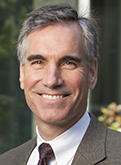
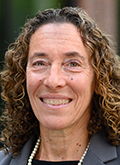
caption: Bart De Jonghe caption: Minghong Ma caption: Joseph St. Geme caption: Susan Taylor

Non-Health Schools

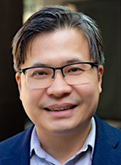
caption: Jill Fisch caption: Boon Thau Loo caption: Katherine Milkman caption: Amish Patel

2022 Provost's Awards

For Distinguished PhD Teaching and Mentoring

For Teaching Excellence by Non-Standing Faculty

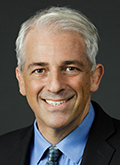
caption: Itay Goldstein caption: David Kazanjian caption: Nadia Bennett caption: Sarah Pierce

Christian R. and Mary F. Lindback Award for Distinguished Teaching: Health Schools 

  • Bart C. De Jonghe, associate professor of nutrition science, School of Nursing
  • Minghong Ma, professor, department of neuroscience, Perelman School of Medicine 
  • Joseph W. St. Geme, III, professor of pediatrics and microbiology, Perelman School of Medicine; chair of the department of pediatrics and physician-in-chief, Children’s Hospital of Philadelphia 
  • Susan C. Taylor, Bernett L. Johnson Professor; director, Skin of Color Research Fellowship; Vice Chair for Diversity, Equity and Inclusion, department of dermatology, Perelman School of Medicine 

Christian R. and Mary F. Lindback Award for Distinguished Teaching: Non-Health Schools 

  • Jill E. Fisch, Saul A. Fox Distinguished Professor of Business Law; co-director, Institute for Law and Economics, Carey Law School 
  • Boon Thau Loo, RCA Professor, department of computer and information science; Associate Dean for Graduate Programs, School of Engineering and Applied Science 
  • Katherine L. Milkman, James G. Dinan Professor of Operations, Information and Decisions, Wharton School 
  • Amish Patel, associate professor, department of chemical and biomolecular engineering, School of Engineering and Applied Science 

Provost’s Award for Distinguished PhD Teaching and Mentoring 

  • Itay Goldstein, Joel S. Ehrenkranz Family Professor; professor of finance, Wharton School; professor of economics (secondary), School of Arts & Sciences
  • David Kazanjian, professor of English and comparative literature, School of Arts & Sciences

Provost’s Award for Teaching Excellence by Non-Standing Faculty 

  • Nadia L. Bennett, associate professor of clinical medicine; Associate Dean, UME Clinical and Health Systems Sciences Curriculum, department of medicine, section of hospital medicine, Perelman School of Medicine 
  • Sarah Pierce, Esq., Denise A. Rotko Associate Dean for Legal Practice Skills; academic director, Capstone Program, Carey JD/MBA Program, Carey Law School

Graduate School Rankings 2023

Each year, U.S. News & World Report ranks graduate and professional schools in business, medicine, education, law, engineering and nursing. 

Five of Penn’s Schools are in the top 10 list. Those in the top 30 are below; for more, see U.S. News’ website: www.usnews.com.

  2022 2023
Wharton School 2 1
Finance 1 1
Real Estate 1 1
Marketing 2 2
Executive MBA 2 2
Accounting 3 2
Business Analytics 3 3
Etrepreneurship 6 6
Management 4 7
International 6 7
Productions/Operations 6 8
Information Systems 10 9
Graduate School of Education 1 1
Higher Education Administration 5 4
Education Policy 5 5
School of Nursing 3 4
Administration 1 2
Adult/Gerontology, Acute Care 2 3
Nurse Practitioner-Family 5 7
PSOM-Research 9 6
PSOM-Primary Care 24 20
Pediatrics 1 1
Ob/Gyn 3 3
Radiology 5 3
Internal Medicine 4 4
Surgery 6 4
Psychiatry 2 6
Anesthesiology 5 7
Family Medicine - 12
Most Diverse Medical Schools - 28
Law School 6 6
Criminal Law 7 3
Business/Coroprate Law 3 5
Contracts/Commercial Law 5 7
Intellectual Property Law 12 12
School of Arts & Sciences - -
Statistics - 7
Economics 9 9
Physics - 11
Psychology 8 12
Biological Sciences - 15
Mathematics 16 17
Chemistry 19 17
Engineering & Applied Science 18 18
Biomedical/Bioengineering 8 8
Computer Science - 17

Deaths

Helen Davies, Microbiology

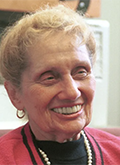
caption: Helen DaviesHelen Conrad (Rogoff) Davies, Gr’60, a trailblazing professor of microbiology and Associate Dean for Students and Housestaff Affairs in the Perelman School of Medicine, passed away on March 23 from respiratory failure. She was 96.

Dr. Davies grew up in Manhattan, where she graduated from the Hunter College High School for Intellectually Gifted Young Ladies at age 15. Afterwards, she graduated from Brooklyn College in 1944, then received an MS in biochemistry from the University of Rochester in 1950 and a PhD from Penn in 1960. She joined Penn’s faculty in 1960 as an assistant professor of physical biochemistry, a department in which she was the first female faculty member. In 1971, she was promoted to associate professor. Two years later, she chaired Penn’s Morgan State project, which saw Penn collaborate with the predominantly Black Morgan State University in Baltimore. She became a full professor of microbiology in 1982, once again the first woman to do so. From 1991 to 1995, she was the School of Medicine’s Associate Dean for Student Affairs, and in the 2000s she served as the Ombuds of the School of Medicine. 

In her academic pursuits, Dr. Davies studied the biochemistry of prokaryotic organisms, particularly focusing on bacterial energetics, electron transfer, and the cytochrome system. She studied infectious agents that did not use DNA or RNA to reproduce. Dr. Davies was named a fellow of the American Association for the Advancement of Science in 2002, acknowledging her contributions to the field of biology. At Penn, she taught the popular course Infectious Diseases, in which she drew on her experiences when she was younger singing in New York nightclubs and taught students about diseases using popular songs, like “Leprosy,” sung to the tune of the Beatles’ “Yesterday":

Leprosy,
Bits and pieces falling off of me
But it isn't the toxicity
It's just neglect of injury

Suddenly,
I'm not half the man I used to be
Can't feel anything peripherally
From swollen nerves, hypersensitivity

This course was popular with students, and Dr. Davies won Penn’s Lindback Award in 1977 and the Medical School’s Distinguished Educator Award in 1989. Beginning in the late 1980s, she won the Medical Student Government Award for Basic Science Teaching over thirty times. In addition, Dr. Davies’ “little ditties” were popular examples of excellent medical pedagogy, and they were featured in several national news stories. In 2001, she was recognized with the American Medical Student Association’s National Golden Apple for Teaching Excellence, the first woman to be so honored. 

Dr. Davies and her husband, the late Robert E. Davies, the Benjamin Franklin Professor and University Professor Emeritus of Biochemistry at Penn Vet (Almanac March 16, 1993), were active in Penn’s governing bodies and other organizations on campus, using this platform in every case to advocate for increased roles for women at Penn. She was a member of the University Council from the 1970s until the 2000s (and was a member of several of its committees) and of the Women’s Faculty Club. In 1976, she became secretary of Penn’s Faculty Senate. The next year, she served on the Task Force on Black Presence at Penn and on the Provost’s Committee for Safety and Security for Women, which later became a council committee that Dr. Davies chaired. During the 1980s, she also chaired the University Council’s Committee on Research, and a decade later, she chaired the Committee on Pluralism, which tracked Penn’s institutional response to changes recommended by the University Council. Dr. Davies and her husband, Robert, were instrumental in reducing bias in faculty appointments at Penn. 

In addition to her advocacy work for women, Dr. Davies stood up for several other groups on campus: In 1981, she founded a University Council subcommittee for women’s athletics to speak up for women athletes’ interests; four years later, she spoke out against animal experimentation on campus; and in 1999, she co-wrote a “Speaking Out” piece in Almanac protesting the dismantling of Penn’s Victim Services department (Almanac September 14, 1999). In the late 1990s, she served on the Executive Board of Penn’s chapter of the American Association of University Professors. On the tenth anniversary of the founding of Penn’s Trustees Council of Penn Women, Dr. Davies was honored as a faculty member who had paved the way for women to achieve excellence at Penn (Almanac November 4, 1997). Well into the 2000s, Dr. Davies continued her involvement at Penn, serving as faculty director of Spruce (later Ware) House in the Quadrangle, sitting on the Senate Committee for the Publication of Almanac, and continuing to win teaching awards. 

Outside of Penn, Dr. Davies became a member of the Penn State University Board of Trustees in 1973; the next year, she was named by Pennsylvania Secretary of Education John C. Pittenger to the statewide Faculty Evaluation Committee. In 1978, the Association for Women in Science named an award after Dr. Davies and her husband in honor of their contributions to advancing women in science; twenty years later, the American Association for the Advancement of Science awarded Dr. Davies its Lifetime Mentor Award (Almanac November 3, 1998). In 2006, she received the Alpha Omega Alpha Robert J. Glaser Distinguished Teacher Award from the Association of American Medical Colleges and the Helen O. Dickens Lifetime Achievement Award from Women of Color at Penn. Dr. Davies retired in 2021.

“Dr. Davies is among our most distinguished teachers, and scores of Penn medical students—past and present—count Dr. Davies as an inspirational and life-altering educator, mentor, and friend,” said Robert Doms, a colleague of Dr. Davies, in 2005. In 1996, the then Penn Medical Center and Health System CEO William Kelley said, “as a teacher, you did not merely meet a standard, you set it,” while unveiling a portrait of Dr. Davies.

She is survived by her sons, Daniel and Richard. Donations in her name may be made to the Helen Conrad Davies Memorial Fund, University of Pennsylvania, Office of the Treasurer, P.O. Box 71332, Philadelphia, PA 19176.

Victor Krupitsch, Slavic Languages

Victor Sergeyvich Krupitsch, a former lecturer in the School of Arts and Sciences’ department of Slavic languages, passed away on January 28. He was 98. 

After earning a PhD from Penn, Dr. Krupitsch served as a visiting lecturer in Penn’s department of Slavic languages (the precursor to today’s department of Russian and Eastern European studies) from 1962 to 1967. During this time, he also served as an instructor of modern languages (teaching Russian language and culture) at Villanova University; he eventually rose to the rank of department chair there. 

Dr. Krupitsch is survived by his son, Alexey; his daughter, Katja Stump; and two grandchildren. A viewing was held on February 2. 

John Senior, Medicine

John R. Senior, M’54, a former clinical professor of medicine at Penn’s School of Medicine, passed away on January 25 from complications of COVID-19. He was 94.

Born in Germantown, Philadelphia, Dr. Senior graduated at the top of his class from Philadelphia’s Central High School. After graduating, he enlisted in the Naval Reserve, where he served in the Naval Air Transport Service in the Pacific Ocean, specializing in submarine medicine and rising to the rank of two-star rear admiral. He then earned a bachelor’s degree in physics from Penn State University and, in 1954, a doctor of medicine from Penn’s School of Medicine. He completed his residency at Penn, then spent three years as a research fellow at Massachusetts General Hospital and Harvard University. 

In 1962, Dr. Senior returned to Penn, joining the department of medicine as an assistant professor. He was promoted to associate professor in 1968 and to a full clinical professor eleven years later. During his time at Penn, Dr. Senior specialized in hepatology and gastroenterology and conducted early research with computers, winning a grant in 1971 to study software techniques for assessing clinical competence. In the mid-1970s, Dr. Senior and his colleagues made groundbreaking improvements to the process of blood transfusions, a process that was first performed successfully at the now-closed Philadelphia General Hospital, where he was a senior attending physician and director of the gastrointestinal research laboratory. He also worked closely with Baruch Blumberg, who in 1976 was awarded the Nobel Prize in Physiology or Medicine for discovery of the “Australian Antigen” as a biomarker of hepatitis B. Dr. Senior implemented Dr. Blumberg’s procedures at Philadelphia General Hospital. 

Dr. Senior left Penn in 1981 to become Vice President for Worldwide Clinical Affairs at the Sterling-Winthrop Research Institute, where he consulted with pharmaceutical companies across the world. Then, from 1995 to 2009, Dr. Senior worked as the Associate Director of Science at the Food and Drug Administration (FDA). There, he took an active role in creating a set of guidelines for the safe treatment of liver disease, exposed several hitherto-unknown safety issues with pharmaceutical products, and researched conditions that made certain people particularly susceptible to liver disease. At the FDA, Dr. Senior initiated a series of two-day gatherings of research presentations and fact-finding, which became known as “John Senior meetings.” Dr. Senior also served as president of the American Association for the Study of Liver Diseases in 1974, and he received its Distinguished Service Award in 2017. 

He is survived by his wife, Sara (née Spedden); his children, John, Laura, and Lisa; six grandchildren; and five great-grandchildren. A private memorial service was held on February 24. Donations in his name may be made to the Mohonk Preserve, P.O. Box 715, New Paltz, N.Y. 12561.

---

To Report A Death

Almanac appreciates being informed of the deaths of current and former faculty and staff members, students and other members of the University community. Email almanac@upenn.edu.

However, notices of alumni deaths should be directed to the Alumni Records Office at Suite 300, 2929 Walnut St. at record@ben.dev.upenn.edu.

Governance

University Council Meeting Coverage

The University Council’s meeting on March 30 took place at Houston Hall’s Bodek Lounge. 

Lizann Boyle Rode, associate vice president in the Office of the University Secretary, began the meeting by summarizing Penn’s responses to topics that had been brought up at last month’s open forum (Almanac March 1, 2022). Most notably, meetings between the administration and Penn ASAP (Abuse and Sexual Assault Prevention) and a coalition of student-athletes have been set up to address those groups’ concerns, and litigation between the tenants of the federally subsidized housing at 40th and Market Streets and the City of Philadelphia is in progress, in efforts to resolve the eviction issue in a manner that is suitable to all parties. 

Vice President of Budget Planning & Analysis Trevor C. Lewis, from the Office of the Executive Vice President, presented on Penn’s budget for FY2022. As the pandemic wanes, Penn is planning for a very successful year, with a budgeted $92 million increase in net assets from operations, boosted by federal stimulus dollars and robust fundraising following the Power of Penn campaign. Penn remains focused on strategic priorities like wellness, COVID-19 prevention, faculty recruitment, remote work/teaching technology, student life improvements, and sustainability initiatives, he said. Penn’s biggest sources of revenue are tuition and grants, and its biggest areas of expenses are compensation and non-compensation expenses such as travel and supplies. Penn also has a $268 million financial aid budget. Mr. Lewis projected a favorable outlook for the future, despite the potential of instability in the global, political, and economic climates, and from new pandemic variants. 

Interim Provost Beth Winkelstein presented the Provost’s Report. To emphasize Penn’s recent progress in faculty diversity, she introduced GSE Centennial Presidential Professor of Education Laura Perna, who lauded Penn’s diverse faculty for building community engagement and inspiring Penn’s diverse student body. Since Penn’s initial investment in the recruitment of a diverse faculty in 2011, almost all of Penn’s schools have started to include higher percentages of women and underrepresented minority faculty. Penn’s schools have used this funding to establish offices of diversity, equity and inclusion; implement bias training; and develop professorships to nurture the professional growth of minority faculty members. Dr. Perna introduced three of Penn’s Presidential Professors, Shaun Ossei-Owusu (Carey Law), Sarah Jackson (Annenberg), and José Bauermeister (Nursing), who spoke about the inclusion and support they have experienced as Presidential Professors. 

Senior Executive Vice President Craig Carnaroli, Executive Vice President for the Health System and Dean of the Perelman School of Medicine J. Larry Jameson, and Vice President of Government and Community Affairs Jeffrey Cooper gave the third focus issue presentation of the year on the topic of Penn’s community engagement. Mr. Carnaroli emphasized Penn’s role as the largest employer in the City of Philadelphia, directly responsible for 40,000 jobs and indirectly responsible for 40,000 more (such as construction work, contractors, and vendors), which total over $9 billion yearly or $42 million daily in wages. He discussed Penn’s recent initiative to support local women- and minority-owned businesses and highlighted three such vendors.

Dr. Jameson remarked that in addition to the numbers Mr. Carnaroli had cited, Penn Medicine employs 45,000 people. He outlined the community engagement these employees have undertaken, notably Penn Medicine’s active role in distributing COVID-19 vaccines in accessible and central locations like West Philadelphia churches. He also highlighted the re-opening of HUP Cedar Avenue, a key West Philadelphia hospital that had closed during the pandemic, and the Penn Assist program, which trained local youth in construction-related trades during the building of the Penn Medicine Pavilion. Jeffrey Cooper talked about Penn’s impact on schools in Philadelphia, which ranges from tutoring programs organized by Civic House, Penn Integrates Knowledge (PIK) professorships, and the Netter Center, to Penn’s commitments to fund the Alexander School and the Lea School. He said that student teachers from the Graduate School of Education teach at 135 schools in the School District of Philadelphia, and that the Penn Museum and Penn Libraries also perform valuable outreach to young students. 

In the new business portion of the meeting, co-president of the Transfer Students Association Rebecca Nadler said she believes that Penn is not transparent in disclosing the financial aid it offers to transfer students. She urged Penn to clarify the nature of transfer students’ aid so that transfer students can make informed decisions about their class schedules. 

The next meeting of the University Council will take place on April 27 at Houston Hall’s Bodek Lounge. For more information, visit https://secretary.upenn.edu/univ-council

2022 Call for PPSA Board and Committee Nominations

Nominations are open for positions on the Penn Professional Staff Assembly (PPSA) Executive Board and University Council Committees. All monthly-paid, full-time University staff members are eligible to participate. More information is available at the PPSA website.

Committee and Executive Board service are rewarding experiences that require only a few hours per month. It is a wonderful opportunity to meet colleagues from across the University.

For Executive Committee and University Committees Nominations

To nominate, please fill out the form linked here. If self nominating, include personal statement less than 250 words.

The following positions are open for nomination:

  • PPSA Chair-Elect (1 position, three year term of service)  
  • Executive Committee Member At-Large (4 positions, two year term of service)
  • PPSA Representative to University Council Committees (7 positions, two year term of service)

Responsibilities for each position are described on the nomination form, linked above. For more information on the seven University Council Committees, visit https://secretary.upenn.edu/univ-council/committees

All monthly-paid, full-time University staff members are encouraged to self-nominate or nominate colleagues for consideration using the form below by no later than Wednesday, May 4, 2022. 

The 2022-2023 election for officers will occur after PPSA’s annual meeting. The annual meeting will be held on Thursday, May 19 at noon ET, at which we are honored to be joined by Katy Milkman, the James G. Dinan Professor at the Wharton School and co-founder and co-director of the Behavior Change for Good Initiative (registration details forthcoming).

All full-time, monthly-paid University staff members are welcome to participate in this annual meeting.

An online election will take place for the Chair-Elect and the Members At-Large in the days following the annual meeting. University Council Committee members will be appointed by the PPSA Tri-Chairs from amongst all applicants following the election. 

Questions on the nominating and election process can be directed to ppsa@lists.upenn.edu. The elections process is governed by the PPSA Bylaws, available on the PPSA website at http://ppsa.upenn.edu.

—Penn Professional Staff Assembly (PPSA)

Honors

2022 Women of Color at Penn Awards

Women of Color at Penn (WOCAP) hosted their 35th annual award ceremony on March 18, 2022 with a virtual celebration. WOCAP is based in the African American Resource Center (AARC). This year’s theme was empowering women of color in business. The organization created a resource booklet, business directory, and a series of financial literacy workshops.

The Helen O. Dickens Lifetime Achievement Award 

Isabel Sampson-Mapp was honored with the Helen O. Dickens Lifetime Achievement Award for her 35 years of leadership and service. As associate director of the Netter Center for Community Partnerships and director of Penn Volunteers in Public Service, Ms. Sampson-Mapp has used her position to give back to the community. She never imagined being honored for her work, she said. It simply felt important, and she hoped it would make a difference to others. “I want to thank those people who so kindly gave, and those people who so graciously received, and those people who gave me the space, the time, and the freedom to do good,” Ms. Sampson-Mapp said.

Joann Mitchell Legacy Award

Pamela A. Robinson, former associate director of College Houses and Academic Services, received the Joann Mitchell Legacy Award for her work to improve the lives of women and people of color at Penn. Ms. Robinson quoted one of her favorite gospel songs, saying: “We don’t feel no ways tired. We’ve come too far from where we started from. Nobody told us the road would be easy.”

Undergraduate Student Award

Junior Nicole Harrington grew up in Philadelphia. She is currently taking an Academically Based Community Service (ABCS) course through the Netter Center for Community Partnerships, which “has just absolutely been transformed my college experience,” she said. Within the course, Ms. Harrington and her classmates are mentoring local high school students, discussing social injustice in Philadelphia, and proposing solutions. “Being of service physically and intellectually has helped me mitigate those feelings of inadequacy,” she said. “This class made the connection for me that learning and action go hand in hand.”

Graduate Student Award

Shaquilla Harrigan, from Winder, Georgia, is a PhD candidate in sociology and was a 2019-2020 Perry World House Graduate Associate. Ms. Harrigan, who serves as chair of the Graduate Sociology Society and volunteers with an organization for African and Caribbean immigrants and refugees, hopes to collaborate with others in the Penn community to work for justice. “It’s really an honor to do this at Penn and to be in Philadelphia, considering the legacy of W.E.B. DuBois and so many other Black activists in this area,” she said. “I hope to carry on their legacy.”

Staff Award

Karima A. Williams, associate director of human resources at the School of Social Policy & Practice (SP2), has served on the WOCAP planning committee since 2013. She was honored for work to include and expand the participation of women of color. Ms. Williams was grateful for the collaboration at SP2 to create more opportunities, as seen in “the hiring of more women of color into new faculty roles this year,” she said, along with the expansion of SP2’s financial aid program, which help make the school “an attainable option for students of color and underrepresented populations.”

Community Award

Margaret Livingston is president of the Walnut Hill Community Association and a board member of the University City District. “Walnut Hill Community Association, along with my dedicated board, will continue to work diligently on providing information and opportunities to all,” Ms. Livingston said. “We must continue to fight for inclusion and justice for all,” she said. “I will continue advocating that it takes a village.”

Ms. Livingston has made the Walnut Hill neighborhood home, raising her children on the same block where she grew up. “Families can make good strong communities,” she said. “I wanted to ensure that my community—and beyond—would always be informed about any opportunities to live in safety and have walkable green spaces, information on affordable housing, quality education in our area, and information on proper healthcare, as a way to improve and maintain a healthy lifestyle.”

Alisa Lee, Shan Yu, Viviana Portillo, and Diya Sabrina Chandra: Delta Dental Community Scholars
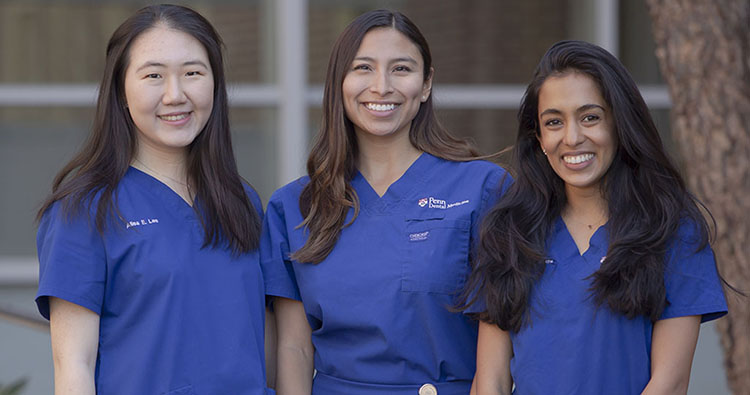
caption: Alisa Lee, Viviana Portillo, and Diya Sabrina Chandra. Not pictured: Shan Yu.

Four Penn Dental Medicine students have been named 2022 Delta Dental Community Scholars, each receiving a sizeable scholarship in recognition of their community service, academic achievement, and future plans to work with vulnerable populations after graduation. Since its launch in 2019, the program has dispersed $287,000 in support of 15 talented Penn Dental Medicine students who have expressed a commitment to helping expand access to oral healthcare for hard to reach populations. This year’s recipients are Alisa Lee, Shan Yu, Viviana Portillo, and Diya Sabrina Chandra.

Alisa Lee will graduate this May with honors in Community Oral Health and Research. She is involved in the First Five program focused on the oral health of children five years of age and under. In this program, she initiated and recruited dental students to conduct a retrospective research project studying the relationship between the age at first dental visit, caries risk and prevalence, and preventive treatments provided in the clinic. Originally a member of the Class of 2021, Ms. Lee was selected to participate in the highly competitive Medical Research Scholars Program at the National Institutes of Health, where she spent the 2019-2020 academic year studying the oral health of medically underserved patients with rare syndromes. She served as a board member of the student chapter of the American Academy of Developmental Medicine and Dentistry, and recently worked on a project to study the relationship between caries prevalence and BMI in patients with disabilities. She has also served as a mentor to high school students in West Philadelphia. Ms. Lee will be entering a pediatric dentistry residency at Boston Children’s Hospital at Harvard University after graduation.

Shan Yu plans to pursue community-based dentistry and was active in community outreach throughout her dental school experience. Among her activities, she volunteered at the United Community Clinic, a free, student-led assessment clinic in West Philadelphia, and was part of Penn Dental’s First Five Honors program, which focuses on dental care to children five years of age or under and educates parents of the importance of dental care from an early age. She is one of 10 members of the Class of 2022 in the Clinical Honors program working on sophisticated cases involving implants and other advanced procedures, and is also a member of the Community Health Honors program. As a third-year student, Ms. Yu was vice president of the school’s Implant Society, president of the Chinese Dental Student Association, and treasurer of the American Academy of Developmental Medicine and Dentistry program at Penn Dental Medicine. Ms. Yu recently matched to a postgraduate GPR program.

Viviana Portillo has excelled as a student leader at Penn Dental Medicine. She served as the chapter president of the Hispanic Student Dental Association and vice president of Alpha Omega Dental Society in her third year and has represented Penn Dental at conferences of the American Student Dental Association and the American Dental Education Association Student Diversity Leadership Program. A Community Honors candidate, she has been active in a variety of ways with the school’s community dental partner, Puentes de Salud, which provides healthcare to Philadelphia’s rapidly growing Latinx immigrant population, including dental care in the school’s care center embedded in Puentes de Salud. Ms. Portillo’s goal is a career in general dentistry, and she has already been recruited to join a clinic in a health profession shortage area after graduation.

Diya Sabrina Chandra was among a small cohort of students selected to participate in the school’s Dental Care Center for Vulnerable Populations, which provides dental care to individuals who have undergone various types of trauma, including domestic violence, violent conflict, and refugee status. She is also a Community Oral Health honors student and has created nutritional resources to help patients with chronic health conditions make informed food choices. In her essay applying to this program, Ms. Chandra voiced a passion about helping children and families make decisions regarding food choices, physical activity, and healthy lifestyle behaviors that can empower them to take control of their health. Ms. Chandra is headed to a postgraduate residency in pediatric dentistry.

Five Penn Students: Goldwater Scholars

caption: Penn’s newest Goldwater Scholars are (left to right, top to bottom) juniors Joshua Chen, Allison Chou, Shriya Karam, Laila Barakat Norford, and Andrew Sontag.

Five University of Pennsylvania undergraduates have received 2022 Goldwater Scholarships, awarded to sophomores or juniors planning research careers in mathematics, the natural sciences, or engineering.

Penn’s 2022 Goldwater Scholars are juniors Joshua Chen from Palo Alto, California; Allison Chou from Taipei, Taiwan; Shriya Karam from Nolensville, Tennessee; Laila Barakat Norford from Wayne, Pennsylvania; and Andrew Sontag from Elkridge, Maryland.

They are among the 417 students named 2022 Goldwater Scholars from the 1,242 students nominated by 433 academic institutions in the United States, according to the Barry Goldwater Scholarship & Excellence in Education Foundation. Each scholarship provides as much as $7,500 each year for as many as two years of undergraduate study.

Penn has produced 23 Goldwater Scholars in the past seven years and a total of 55 since Congress established the scholarship in 1986.

Joshua Chen is majoring in materials science and engineering in the School of Engineering and Applied Science, and entrepreneurship and innovation in the Wharton School. He is conducting research in the physics department under Marija Drndic at Penn, and with the Juejun Hu Research Group Photonic Materials Lab at the Massachusetts Institute of Technology. Mr. Chen received the 2019 Bosch Scholarship Award and Littlejohn Undergraduate Research Award. At Penn, he is a Rachleff Engineering Research Scholar, the founder of the new MatSci Makerspace, and was the software head at Penn Aerial Robotics. Outside Penn, he was a founding board member and the head of growth for Wave Learning Festival, a nonprofit started during the pandemic to offer free online courses taught by college students to middle and high schoolers. He is a co-founder of Repairylene, a startup in the prototype phase that employs electroplating technology as a metal-repair solution. Mr. Chen plans to pursue a PhD in material science and engineering with the goal of developing scientific research innovations that will change technology.

Allison Chou is majoring in neuroscience and minoring in chemistry in the College of Arts and Sciences. She works in the lab of Sigrid Veasey at Penn’s Perelman School of Medicine, focusing on the mechanisms of pre-plaque neural injuries in sleep loss and Alzheimer’s disease. She also has worked with Rebecca Robbins of Harvard Medical School and Brigham and Women’s Hospital on examining sleep beliefs and habits among elderly Chinese and Bangladeshi Americans. Ms. Chou transferred to Penn after her first year at Brandeis University. At Penn, she is a University Scholar and a teaching assistant for the course Chronobiology and Sleep, taught by David Raizen at Penn Medicine. Ms. Chou is the founder and co-president of Penn Chinese Calligraphy and the operations director at TEDxPenn. She helps organize Sleep Well at Harnwell workshops with guidance from Adriana Perez in Penn’s School of Nursing to raise awareness on the importance of sleep. She volunteers at Beyond Taiwan, mentoring high school students in Taiwan with limited resources on applying to U.S. colleges. Ms. Chou plans to pursue an MD/PhD in neuroscience to continue her research in sleep and Alzheimer’s disease.

Shriya Karam is majoring in systems engineering with a concentration in decision science and a minor in mathematics in Penn Engineering. She has been an advocate for integrating equity and inclusion in her academic work in transportation and engineering and in advocacy organizations outside the classroom. At Penn, she is a research assistant at the Center for Safe Mobility, where she is developing an equity-focused aviation accessibility model. She also is president of the Underrepresented Student Advisory Board in Engineering and is a board member of Penn’s Society of Women Engineers. Ms. Karam plans to pursue a PhD in civil engineering.

Laila Barakat Norford is majoring in bioengineering with minors in computer science and bioethics in Penn Engineering. As a Rachleff Scholar, Ms. Norford has been engaged in systems biology research since her first year. Her current research uses machine learning to predict cell types in intestinal organoids from live-cell images, enabling the mechanisms of development and disease to be characterized in detail. At Penn, she is an Orientation Peer Advisor, a volunteer with Advancing Women in Engineering and the Penn Society of Women Engineers, and a teaching assistant for introductory computer science. She is secretary of the Penn Band, where she plays the clarinet and is a member of the Fanfare Honor Society for service and leadership. Ms. Norford registers voters with Penn Leads the Vote and canvasses for state government candidates. She is also a member of Penn Aces. Ms. Norford plans to pursue a PhD in computational biology, aspiring to build computational tools to address understudied diseases and health disparities.

Andrew Sontag is a Benjamin Franklin Scholar majoring in physics and astronomy with a concentration in astrophysics and is pursuing submatriculation to earn a master’s degree in physics in the School of Arts & Sciences. He has conducted research with the Johns Hopkins University Applied Physics Laboratory concerning charged particle interactions near Saturn, which has resulted in a recent first-author publication. While working with the physics lab of Penn’s Jay Kikkawa, Mr. Sontag discovered a novel method for producing laser beams with significantly more stable angular momentum than previously attained. He serves as a site coordinator for the Penn Music Mentoring Program, a student volunteer group for music education. Mr. Sontag plans to pursue a PhD in physics to research high energy quantum interactions.

The students applied for the Goldwater Scholarship with assistance from Penn’s Center for Undergraduate Research and Fellowships.

Penn Medicine: Newsweek Best Hospitals

The Hospital of the University of Pennsylvania (HUP) and Penn Presbyterian Medical Center (PPMC) ranked #15 in the United States and #53 globally on Newsweek’s “World’s Best Hospitals 2022,” which ranks 2,200 hospitals in 27 countries based on their consistent excellence, innovation, and top talent. The combined enterprise of the Hospital of the University of Pennsylvania and Penn Presbyterian Medical Center is the highest-ranked Pennsylvania hospital on the national list and the state’s only hospital to make the global list.

“Year after year, Penn Medicine looks for new opportunities to deliver the best care to patients and our communities,” said Kevin B. Mahoney, CEO of the University of Pennsylvania Health System. “In the past few months with the opening of the Pavilion, we have again shown our strong commitment to innovation, groundbreaking research, and providing top technology to improve health and well-being. We are honored to receive this global recognition again this year.”

Additional Penn Medicine hospitals were also recognized in the new rankings: Chester County Hospital is #74 in the nation, Lancaster General Health is #173, and Pennsylvania Hospital is #277.

Penn Medicine’s workforce provides outstanding care for the communities it serves and makes a global impact, with world-class faculty and staff dedicated to superior patient care, medical education, and research that is mapping tomorrow’s treatments and cures.

“This recognition reflects the amazing dedication of all of our clinicians, researchers, and staff,” said J. Larry Jameson, Executive Vice President of the University of Pennsylvania for the Health System and Dean of the Perelman School of Medicine. “During another challenging year in the pandemic, our colleagues continually rose to the occasion to deliver outstanding care and create new discoveries that help people live better lives and keep care for the communities we serve—both near and far—at the center of our mission.”

The rankings were developed in partnership with data research firm Statista Inc. For complete results and methodology, visit https://www.newsweek.com/worlds-best-hospitals-2022

Features

2022 Penn Relays: April 28-30

caption: Relay event during the Penn Relays.

A Philadelphia staple, the Penn Relays are back this year. The 2022 Penn Relays will take place April 28-30 at the historic Franklin Field.

The Penn Relays draw many of the nation’s—and the world’s—top track athletes to Franklin Field to run in the world’s first and most recognized relay meet.

The Penn Relays feature more than 22,000 entrants annually (that’s more athletes participating than the Olympic Games), representing more than 60 countries around the world. During the past ten years, more than 100,000 young men and women from high schools, colleges, clubs, the armed services, preparatory schools, junior high schools, middle schools, parochial schools, and elementary schools have competed. The athletes range in age from under eight to over 80.

This year, during 33 hours of competition on Thursday, Friday, and Saturday, more that 425 races will be run, an average of more than one race every five minutes.

Tickets for students are free on Thursday and Friday with a PennCard, $6 in advance on Saturday, and $10 at the gate. For faculty and staff: on Thursday, bring your child to work and get two free tickets with a valid PennCard. On Friday and Saturday, faculty and staff receive 50% off race day prices with a valid PennCard. Offers are only redeemable in person at the Franklin Field Ticket Office.

COVID-19 Heath and Safety Guidelines

Spectator Policy: On Monday, April 18, 2022, the City of Philadelphia will move to “Response Level 2: Mask Precautions”, requiring all spectators to wear masks indoors.  Since the Penn Relays is held outdoors at Franklin Field and the Mondschein Throwing Complex, the only time masks will be required to be worn in the Carnival Village footprint will be in the Palestra for viewing “The Carnival: 125 Years of the Penn Relays” documentary.  Spectators are advised to bring a mask with them when attending Penn Relays as all other surrounding buildings, restaurants, and businesses, on and off campus of the University of Pennsylvania in Philadelphia, will be requiring masks to be worn indoors.  Spectators should feel welcome to wear masks outdoors as they feel comfortable.

Spectators are not required to show proof of vaccination to gain admission through designated fan entrance gates.  Spectators should continue to monitor their health symptoms daily and not attend the 2022 Penn Relays if they are sick.

Any further updates to spectator policies will be based upon the four COVID-19 response levels created by the City of Philadelphia which could fluctuate up to and during the event.

Participant Policy: All Scholastic, Special Olympics, Masters, Corporate Relay, and Racewalk participants in the 2022 Penn Relays are not required to show proof of vaccination to gain admission to the 2022 Penn Relays through the Contestant Gate. 
 
All Collegiate and Olympic Development participants should follow the health and safety recommendations of their institution, conference, or national governing body.  These participants are not required to file the University’s COVID-19 Attestation Form. 
 
On Monday, April 18, 2022, the City of Philadelphia will move to “Response Level 2: Mask Precautions”, requiring all participants to wear masks indoors.  Indoor facilities within the Penn Relay Carnival footprint are the Hecht Tennis Center (packet pick up) and the Palestra (viewing “The Carnival: 125 Years of the Penn Relays” documentary).  Participants are advised to bring a mask with them when attending Penn Relays as all other surrounding buildings, restaurants, and businesses, on and off campus of the University of Pennsylvania in Philadelphia, will be requiring masks to be worn indoors.  Participants should feel welcome to wear masks outdoors as they feel comfortable.  Participants should continue to monitor their health symptoms daily and not attend the 2022 Penn Relays if they feel sick.
 
Any further updates to health and safety guidelines for participants will be based upon the four COVID-19 response levels created by the City of Philadelphia.  These could fluctuate up to and during the event.

Penn Relays logo over a white-faded background of Franklin Field

Events

2022 David and Lyn Silfen University Forum: Ben Franklin: A Voice from the Past That Speaks to Our Day

Join Penn Interim President Wendell Pritchett, in conversation with filmmaker and 16-time Emmy Award winner Ken Burns for a free-ranging discussion of America’s most truly modern Revolutionary hero and founder of the University of Pennsylvania, with a sneak peek at clips from Mr. Burns’ new film, Benjamin Franklin. The forum will take place on Monday, April 18 at 2 p.m.

Printer’s apprentice in a provincial Puritan outpost to the toast of elite Parisian society. Penniless vagabond to wealthy entrepreneur. Reliable royalist to redoubtable revolutionary. Enslaver of human beings to preeminent abolitionist. Benjamin Franklin was all these things —and more. Wellspring of our national wit and humor, celebrity scientist, homespun sophisticate, and a self-proclaimed “mortal enemy to arbitrary government and unlimited power,” Mr. Franklin’s story is quintessentially America’s story. Its triumphs and achievements, foibles and failures, visionary principles and parochial shortcomings say as much about the challenges American society faces in the 21st century as it does of its colonial past.

Mr. Franklin once advised, “let all men know thee, but no man know thee thoroughly,” and to this day he remains an intriguing and multi-layered puzzle. Ken Burns, who has just completed a two-part, four-hour documentary, Benjamin Franklin, will bring his unique and often surprising insights into Mr. Franklin’s enduring legacy and contemporary significance with highlights from the film that is slated to premiere on PBS on April 4-5. The stakes in Ben Franklin’s day were enormous: pandemic disease versus public health; private gain versus public good; democracy versus authoritarianism. The decisions we make today carry no less risk and an equal opportunity for redemption, as Mr. Franklin’s genius, no less relevant today than in 1789, was to help birth “a republic... if you can keep it.”

Entry is limited to PennCard holders only. Learn more at http://silfenforum.upenn.edu.

Penn Public Lectures on Classical Antiquity and the Contemporary World: April 14-21

The Penn Public Lectures on Classical Antiquity and the Contemporary World, which will take place from April 14-21, aim to advance understanding of the many ways the past is put to use in building the present. The lectures will be delivered by visionary scholars of ancient Greece and Rome, who will reimagine the role those ancient cultures have played over time in the building of later cultural forms, including the discipline of Classical Studies itself.

Some elements of ancient Greek and Roman cultures find echoes, and often deliberate citation, in U.S. politics, architecture, education, and culture. Histories can be traced with greater and lesser degrees of analytical responsibility, and in ways that sometimes enable and sometimes impede both a full understanding of the past and the ongoing imperatives toward social justice in the present. A renewed engagement with antiquity will invigorate conversation on urgent topics of the day, including on questions of race, gender, freedom, empire, the uses of violence, the contours of personal and national identities, interactions between nature and culture, popular sovereignty, and the pursuit of happiness.

The Penn Public Lectures aim to bring wider publics into the dialogue between past and present, and deepen insight into the modes by which producers of culture fashion the present out of what precedes it and advance the public good in the United States through lively, rigorous, and timely engagement with the classical past.

Schedule of Lectures:

  • Public Matters: Prompts for the Study of Ancient Cultures (April 14; 5 p.m.; Widener Hall, Penn Museum)
  • The Skills of World-Making (April 19; 5 p.m.; Widener Hall, Penn Museum)
  • Collaborator, Translator, Constructor (April 21; 5 p.m.; Widener Hall, Penn Museum)

For more information and to register, visit https://www.classics.upenn.edu/events/penn-public-lectures.

Update: April AT PENN

Exhibits

6      Fighting Racism! 40 Years of Memory in Afro-Brazilian Posters; faithfully portrays actors and important moments for the so-called contemporary Brazilian Black movement, and its struggle for life, cultural heritage, and lands; 2nd floor Atrium, McNeil Building. Through May 10.


Penn Museum

Online and in-person events. Info: https://www.penn.museum/calendar.

8      Virtual Global Guide Tour: Asia Galleries; 2:30 p.m.

9      Highlights of the Penn Museum Tour; 11 a.m.

        The Stories We Wear Guided Tour; 1 p.m.

        Global Guide Tour: Africa Galleries; 2:30 p.m.

10    Asia Galleries Tour; 11 a.m.

        Global Guide Tour: Mexico & Central America Gallery; 2:30 p.m.


Films

7      The Lake and The Lake; dwells in the peripheries of Bellandur lake in Bangalore, a spectacularly toxic lake that remains a valuable resource and refuge for counterpublics; available starting at noon; virtual screening; register: https://tinyurl.com/lake-and-lake (Center for Advanced Research in Global Communication; Center on Digital Culture and Society). Through April 10.

11    As If Sand Were Stone; an essay documentary about the intersections of nature and technology along the New York City waterfront; available starting at noon; virtual screening; register: https://tinyurl.com/sand-were-stone (Center for Advanced Research in Global Communication; Center on Digital Culture and Society). Through April 15.

12    Flee; based on the life story of the director’s childhood friend, Afghan refugee Amin Nawabi, as he grapples with a painful secret; includes discussion with Fernando Chang-Muy, Carey Law and SP2 and Graeme Reid, Human Rights Watch; 4 p.m.; World Forum, Perry World House, and Zoom webinar; https://www.eventbrite.com/e/flee-registration-306592525497 (LGBT Center, Perry World House, Wolf Humanities Center).


Fitness and Learning

11    Best Practices for Supporting Faculty During COVID; featuring PFWF leading members Monisha Kumar, Carmen Guerra, and Chenoa Flippen; noon; Zoom webinar; register: https://tinyurl.com/pfwf-seminar-apr-11 (Penn Forum for Women Faculty).


Graduate School of Education (GSE)

Unless noted, online events. Info: https://www.gse.upenn.edu/news/events-calendar.

7      Literary Lunch with Juliana; for faculty and staff; noon.

        Get HEARD Presents Mothers at the Center: Culture Circles as Reclamation, Love, and Future Dreaming in Qualitative Research; 5 p.m.


Special Events

7      Take Back the Night; a rally/protest that begins on College Green, followed by a march around campus with the Penn Band, a survivor speak-out and candlelight vigil; 5:30 p.m.; College Green (Program in Gender, Sexuality and Women’s Studies; Center for Research in Feminist, Queer, and Transgender Studies).


Talks

6      Phase Separation Inside Cells; Ned Wingreen, Princeton University; 3:30 p.m.; room A4, DRL, and Zoom webinar; join: https://tinyurl.com/wingreen-talk-apr-6 (Physics & Astronomy).

        A Conversation; John Bolton, former member of the Trump administration; 7-9 p.m.; Bodek Lounge, Houston Hall; register: https://tinyurl.com/bolton-talk-apr-6 (Penn Political Union).

7      Minimally Invasive and Chronically Stable Brain-Machine Interface; Tao Zhou, Massachusetts Institute of Technology; 11 a.m.; Zoom webinar; join: https://tinyurl.com/zhou-talk-apr-7 (Electrical & Systems Engineering).

        Environmental Racism and Infrastructure Injustice in the United States and Beyond; panel of speakers; 12:30 p.m.; Zoom meeting; register: https://tinyurl.com/cargc-talk-apr-7 (Center for Advanced Research in Global Communication; Center on Digital Culture and Society).

        Reflections on National Security: Fireside Chat; Jeh Johnson, former Secretary of Homeland Security; Claire Finkelstein, Carey Law; 4 p.m.; online webinar; register: https://tinyurl.com/johnson-talk-april-7 (Perry World House, Center for Ethics and the Rule of Law, Christopher H. Browne Center).

        The Institute of Contemporary Art and the Stuart Weitzman School of Design Lecture Series; David Harper, artist; 6 p.m.; Institute of Contemporary Art and Zoom webinar; register: https://tinyurl.com/harper-talk-apr-7 (ICA, Fine Arts).

8      Disrupting Monoliths; Heryk Tomassini, artist; Wit Lopez, artist; Jæ, performer; 3 p.m.; Zoom webinar; join: https://tinyurl.com/fine-arts-talk-apr-8 (Fine Arts).

11    Why All the Pain? A Conversation on the Meaning of Suffering; Miroslav Volf, Yale Divinity School; Jake Jackson, philosophy; 8 p.m.; Penn Newman Center (Veritas Forum).

12    The Statistical Mechanics of Granular Clogging; Douglas Durian, physics & astronomy; 10 a.m.; Wu & Chen Auditorium, Levine Hall (Mechanical Engineering & Applied Mechanics).

        Urgency, Agency, and Climate Action: The Role of Communication; panel of speakers; noon; Zoom webinar; register: https://tinyurl.com/annenberg-talk-apr-12 (Annenberg School).

        The Year of the Discovery; Luis López Carrasco, filmmaker; 5:30 p.m.; room 401, Fisher-Bennett Hall (Cinema & Media Studies, Hispanic & Portuguese Studies).


60-Second Lectures

Sponsored by the School of Arts and Sciences. In-person events at Benjamin Franklin Statue, College Green.

5      Solidarity and the Center for Research in Feminist, Queer, and Transgender Studies; Melissa Sanchez, English; noon.

12    Hostility Among Friends Can Come From Surprising Places; Annette Lareau, sociology; noon.

--

More events are available in our April AT PENN calendar. To submit an event for a future calendar or weekly update, email almanac@upenn.edu. The deadline to submit events for our May AT PENN calendar is April 11.

Crimes

Weekly Crime Reports

University of Pennsylvania Police Department Crime Report

Below are the Crimes Against Persons, Crimes Against Society and Crimes Against Property from the campus report for March 21-27, 2022. View prior weeks’ reports. —Ed.

This summary is prepared by the Division of Public Safety and includes all criminal incidents reported and made known to the University Police Department for the dates of March 21-27, 2022. The University Police actively patrol from Market St to Baltimore and from the Schuylkill River to 43rd St in conjunction with the Philadelphia Police. In this effort to provide you with a thorough and accurate report on public safety concerns, we hope that your increased awareness will lessen the opportunity for crime. For any concerns or suggestions regarding this report, please call the Division of Public Safety at (215) 898-4482.

03/21/22

5:03 PM

3000 Chestnut St

Vehicle taken from highway

03/21/22

5:14 PM

3901 Locust Walk

Complainant receiving unwanted text messages

03/21/22

5:17 PM

240 S 40th St

Unsecured package stolen

03/22/22

4:41 PM

200 S 40th St

Wallet taken out of backpack

03/22/22

7:48 PM

100 S 40th St

Running and unattended automobile stolen

03/23/22

7:13 AM

3925 Walnut St

Merchandise taken without payment/Arrest

03/23/22

9:47 AM

423 Guardian Dr

Clothing taken from vehicle

03/23/22

10:45 AM

3604 Chestnut St

Merchandise taken without payment

03/24/22

2:08 AM

100 S 39th St

Complainant stabbed by unknown offender

03/24/22

10:10 AM

3900 Ludlow St

Automobile parked, unattended, and stolen

03/24/22

9:30 PM

4001 Walnut St

Merchandise removed without payment

03/26/22

9:43 PM

200 S 41st St

Automobile stolen, left running and unattended

03/27/22

5:44 PM

3925 Walnut St

Merchandise removed without payment


18th District

Below are the Crimes Against Persons from the 18th District: 5 incidents (3 aggravated assaults and 2 assaults) were reported for March 21-27, 2022, by the 18th District, covering the Schuylkill River to 49th St & Market St to Woodland Avenue.

03/22/22

4:15 AM

4618 Walnut St

Aggravated Assault

03/24/22

1:23 AM

4705 Baltimore Ave

Assault

03/24/22

2:16 AM

126 S 39th St

Aggravated Assault

03/25/22

7:13 PM

N 48th & Market Sts

Assault

03/27/22

1:10 AM

S 47th St & Chester Ave

Aggravated Assault

Bulletins

One Step Ahead: Beware of “Smishing”—Phishing via SMS Text Messages

Another tip in a series provided by the Offices of Information Security, Information Systems & Computing and Audit, Compliance & Privacy

It’s important to be cautious of not only suspicious emails, but also unusual text messages. Like phishing emails, “smishing” is an unusual text message that lures you into sharing confidential information or installing malware on your mobile device simply by clicking a link. A malicious text message may try to solicit your sensitive information as a method of verification. The fraudulent text message might impersonate your bank, claiming your account was compromised, and urge you to click on a link or respond in a text message to verify your account access information. 

In some cases, you could be asked to call a phone number (which may or may not be legitimate) to verify account information.

Protect your data and accounts from smishing theft by following best practices.

Respond carefully to text messages:

  • Banks and financial institutions will never ask for your account information in a text message, so don’t provide it! 
  • Use caution when responding to, or clicking links in, text messages.
  • Contact your financial institution directly using the contact information you have on file, not potentially bogus information provided to you via text.
  • Be on guard when a smishing message carries a sense of urgency. Some text messages implore you to act within a limited time of 24 to 72 hours or less.

Minimize vulnerabilities on your mobile devices:

  • Update your phone and browser’s software regularly.  
  • Avoid storing sensitive information on your phone.
  • Back up the information stored on your mobile device. 
  • Erase your information from old mobile devices before discarding. Contact your IT support staff on how to securely and irretrievably erase information from your mobile devices. 

Always contact your school/center IT support staff for assistance. If you cannot reach your IT support staff, contact the Information Security Office with your questions at security@isc.upenn.edu

For additional tips, see the One Step Ahead link on the Information Security website: https://www.isc.upenn.edu/security/news-alerts#One-Step-Ahead.

Bloom Syndrome Grant Program: Applications Due April 15

The Orphan Disease Center at the University of Pennsylvania has announced the Bloom Syndrome Grant Program. Bloom syndrome is an ultra-rare, multisystem disorder that substantially increases the risk of developing cancer at an early age. 

While only about 300 cases have been reported to date, Bloom syndrome is part of a group of rare DNA damage response and repair disorders. BLM pathogenic variants that cause Bloom syndrome result in DNA repair defects, which result in chromosome breaks and rearrangements. The abnormal DNA repair is responsible for the increased risk for cancer. Greater knowledge of its mechanisms will not only be beneficial for patients of Bloom syndrome but also could be translated to the clinic for cancer therapy.

We are seeking grant applications that progress the knowledge or the development of treatments and/or cures for Bloom syndrome. While the request for applications (RFA) is broad in scope, priority will be given to grants that cover the following areas:

Improve knowledge of tumor biology for Bloom syndrome

Novel therapeutic approaches for Bloom syndrome

Letters of interest are due Friday, April 15, 2022 by 5 p.m. Grant criteria, the entire RFA, and additional program details can be found at https://www.orphandiseasecenter.med.upenn.edu/grants/bloomsyndromegrant. This RFA is open to all academic scientists and commercial entities in the international research community.

—Orphan Disease Center

Back to Top