News

Welcome Back From the President: Penn’s Unsurpassed People: Building on Penn’s Momentum
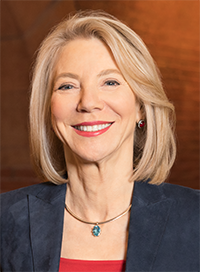
caption: Amy GutmannNot long before the Thanksgiving holiday, I was thrilled to help cut the ribbon on the newest jewel on Penn’s campus. The Ronald O. Perelman Center for Political Science and Economics brings together the Political Science and Economics programs, along with the School’s globally focused research centers, in a brilliantly renovated and expanded 1925 Art Deco bank building across from the Penn Bookstore on the corner of Walnut and 36th streets. A building designed to further advance our deep dedication to cross-disciplinary learning and research, it also underscores Penn’s commitment to open dialogue and wide-ranging exchange of ideas in pursuit of understanding.  

At the ribbon-cutting ceremony, we celebrated the great generosity of Ronald Perelman and also were honored to welcome Vicki Kennedy, widow of Senator Ted Kennedy, and Cindy McCain, widow of Senator John McCain, who was making her first public appearance since her husband passed away in August. These two American icons appeared jointly to speak to the pressing need for comity and consideration in our national and international politics and to celebrate the kind of robust, yet civil debate fostered at the Perelman Center and across Penn’s campus. “I hope from this building will come a younger generation that will talk together, honestly debate together, and do it in a civil fashion for the good of all,” said Cindy McCain, who made the fundamental observation that the life of a great university such as Penn is at its heart a matter of “working together to solve our biggest problems,” recognizing “that what unites us is stronger than what divides us.”

Countless recent Penn achievements epitomize our shared and enduring commitment to open exchange and dynamic dialogue. Among them, we celebrate Penn’s latest Rhodes Scholars, Adam Abebe and Anea Moore. We are equally proud of recent grad Theodore Caputi, who earned a Marshall Scholarship, and Adedotun Adejare, Johnathan Chen and Zhongyuan Zeng, who all earned Schwarzman Scholarships. These scholarships are not only among the most distinguished and competitive in the world. They help bring incredibly promising Penn people, ideas, and values to the world. Whether at Oxford in the UK or Tsinghua in Beijing, across geographic and ideological borders, it has never been more important for Penn people to continue championing the robust and open sharing of knowledge, ideas, and action. 

As we celebrate these and the many other accomplishments of the Penn community, I want to remind our seniors and their mentors that the deadline for both the President’s Engagement Prize and the President’s Innovation Prize is January 25. These Prizes not only publicly recognize and reward creative projects that promote the greater good. They also proclaim our most cherished values as a university: to educate and support our students for meaningful leadership and lifelong citizenship. 

Each Prize bestows a generous living allowance for one year after graduation and up to $100,000 in project expenses. All full-time undergraduates who will graduate in May, August, or December of this award year are eligible to apply. I encourage seniors with a great idea to apply, and I very much look forward to receiving them.

From our newest Rhodes Scholars to Penn’s latest interdisciplinary breakthroughs to student projects that change the world for the better, everything we achieve here can be attributed directly to Penn’s unsurpassed people. I have only the highest praise for our outstanding faculty, students, staff, volunteer leadership, and alumni. Especially as we continue to build on Penn’s momentum with The Power of Penn Campaign, I am deeply grateful for everything you do to strengthen this Penn community we all love. Here’s to an excellent new year at Penn!

$2 Million from US State Department to Penn to Preserve Cultural Heritage in Northern Iraq

When ISIS terrorists in northern Iraq destroyed cultural heritage sites in and around Mosul, they frequently targeted minority groups, including Christians, Yazidis, Shia, and Kurds, for cultural cleansing and genocide. Now, in an effort to revitalize the city and the culture of the people who live there, the US Department of State has awarded the University of Pennsylvania $2 million for a three-year, two-phase stabilization project. 

In part one, already underway, a team led by Penn archaeologist Richard L. Zettler and archaeologist Michael Danti, a Penn alumnus, will conduct assessments and implement small-scale repairs at 15 to 20 sites in the area. The second phase will involve the prioritization of sites for conservation. 

“Our goal is to rewind and repair the damage done, to address the blatant attempts to erase cultural memory and freedom of expression,” says Dr. Danti, who earned his doctoral degree from Penn in 2000 and has joined the effort as project manager. “ISIS aggressively targeted cultural heritage and cultural diversity in Mosul. Anything that didn’t conform to their narrow interpretation of Islam was fair game.” 

Penn has been active in Iraq for more than a century, and Dr. Zettler, an associate professor in the department of Near Eastern Languages and Civilizations in SAS, has had a relationship with the University of Mosul, a key partner in the new project, for the past five years. “We feel deeply connected to our colleagues in Mosul and appreciate the chance to help them rebuild their region after the Islamic State’s devastating campaign of cultural genocide,” Dr. Zettler said. 

In November, the researchers visited the area for 10 days to conduct an initial on-the-ground survey. They saw the damage inflicted on Christian churches and monasteries in east Mosul, as well as in the old city on the west side of the Tigris. They also visited the site of what had been the bent minaret of the al-Nuri mosque, an important symbol of Mosul blown up by the terrorist group as the Iraqi army closed in on the area. 

Though ISIS was driven out in July 2017, its presence is still palpable across the city. Dr. Danti describes the destruction as something akin to the hardest-hit areas in Europe in the mid-1940s, with rubble heaps and unexploded devices on block after block. “This is the worst cultural heritage crisis since the Second World War,” he said. “We’re going to be dealing with this for decades.” 

This project is an important start, Dr. Danti added. “It’s a very complicated area of cultural heritage. We look at this first three-year period as triage. It’s going to take a long time. When you back up and look at what happened, the whole of Mosul had been flattened.” 

With the help of Ali Jubbouri, former dean of the University of Mosul’s College of Archaeology, and the assistance of architects and engineers in Mosul’s College of Engineering, Dr. Zettler and colleagues will begin assessing the condition of 15 to 20 sites. They’ll undertake any immediate repairs needed and then, at the end of six months, make recommendations to the US government for feasible, longer-term projects. 

Part of the feedback will come from input from Dr. Zettler’s colleagues at Penn, such as historian Paul Cobb, who focuses on medieval history; Joseph Lowry, an expert on Islamic law and literature; and historian Heather Sharkey, who concentrates on minority religious communities in the Middle East. 

Wolf Humanities’ Call for Applications on Kinship, 2019–2020: March 20

Penn Faculty Fellowships

The Wolf Humanities Center offers fellowships each year to standing faculty at Penn in the humanities and allied departments. The fellowships are for research that relates to the Center’s theme for the year in which the award is granted. Applications are being accepted for research on the topic of Kinship, the Center’s topic for 2019-2020.

Junior scholars receive a $5,000 research fund stipend (paid in two installments). 

Senior scholars are invited to apply for either a $5,000 research fund stipend or one, possibly two, course reliefs. The Wolf Humanities Center provides course replacement money for up to two courses, to be paid to the fellow’s department at Penn’s LPS instructor rate and to be used solely for course replacement. Advance written approval of any course relief request is required from the applicant’s department chair. Scholars who have already had one semester of course relief between Fall 2016 and Spring 2019 may only apply for a $5,000 research fund stipend.

Fellows are required to attend the Center’s weekly Mellon Research Seminars (Tuesdays, noon-1:50 p.m.)* and present their research at one of the sessions during the year. In addition to Penn faculty, seminar members include Mellon Postdoctoral Fellows, regional faculty, the Center’s director and topic director, and others.

*NOTE: Interested applicants are advised to check well ahead with their department/s to avoid conflicts in scheduling classes and other obligations.

To apply: go to http://wolfhumanities.upenn.edu/forms/penn-faculty-fellowship-application and submit the following information as a single PDF, and name it: your Last name_First Name.pdf (Franklin_Ben.pdf). Please include:

  • Your name, title, and department
  • Project Title
  • Project Abstract (125 words maximum)
  • Project Proposal (approx. 1000 words)
  • Up-to-date c.v.

If you are applying for course relief, ask your department chair to email Sara Varney, the Center’s associate director by March 20, 2019 with their written approval of your application and course relief request.

Questions: Please email or call Sara Varney at (215) 746-5940, saravarney@sas.upenn.edu

Penn Graduate Student Research Fellowships

The Wolf Humanities Center is currently offering two one-year research fellowships at $2,500 each to Penn graduate students in the humanities who are ABD. Students should be conducting dissertation research related to the Center’s theme for the year in which the award is granted. Fellows are required to attend the Center’s Mellon Research Seminar, held Tuesdays noon-1:50 p.m.* during the academic year, and present their work at one of the sessions. Seminar members also include postdoctoral fellows, faculty from Penn and regional universities, and the Center’s director and topic director.

*NOTE: Interested applicants are advised to check well ahead with their department/s to avoid conflicts in scheduling classes and other obligations.

Two $2,500 fellowships are available for Penn ABD graduate students in the humanities whose dissertation research relates to Kinship, the Center’s topic for 2019-2020. To apply, please provide the following information:

  • Your name and department
  • Project Title
  • Project Abstract (125 words maximum)
  • Project Proposal (approx. 1000 words)
  • Up-to-date c.v.

Please submit all information to their secure online server as a single PDF, naming your file <your Last name_First name.pdf> (e.g., Franklin_Ben.pdf)

Also required: One confidential letter of recommendation from your dissertation advisor or graduate chair. Please ask your referee to upload their letter to the Center’s secure server no later than the application deadline.

Graduate Research Assistantship

The Wolf Humanities Center announces a Graduate Research Assistantship for the 2019-2020 academic year for a University of Pennsylvania dissertation-level (ABD) student in the humanities whose work pertains to Kinship.

The RAship provides full support for the 2019-2020 academic year (tuition plus a stipend of approx. $25,500), and carries membership in the Center’s Mellon Research Seminar on Kinship. Applicants may not be holding other positions and must be in good academic and financial standing with the Graduate School of Arts and Sciences.

The RAship is awarded competitively. Semifinalists are interviewed on campus in March/April as part of the selection process.

The half-time position requires 15–20 hours per week of service in a variety of functions:

  • Assist the administrative staff of the Wolf Humanities Center and the Price Lab for Digital Humanities in carrying out general business. Requires some evenings and, rarely, weekends to help staff events.
  • Staff and participate in the Center’s weekly Mellon Research Seminar and the bi-weekly Price Lab Mellon DH Seminar.
  • Serve as the lead organizer of a one-day conference or symposium related to the theme of Kinship.

To Apply: Complete the following information and upload to their secure server as a single PDF:

  • Cover letter expressing interest in the RAship.
  • Project title, 125-word (max.) abstract.
  • Project proposal (500 words) describing the research to be carried out during the course of the year and its relation to the Wolf Humanities Center’s 2018-2019 theme, Kinship.
  • Curriculum vitae and scan of unofficial Penn course transcript.

Also required is one confidential letter of recommendation from either your dissertation director or your graduate chair. Please ask your referee to upload that letter to the Center’s secure server no later than March 20, 2019. Letters should not be emailed.

Penn Undergraduate Research Fellowships

The Wolf Humanities Center offers fellowships each year to Penn undergraduate students from any school who are interested in conducting extracurricular research in the humanities on some aspect of the Center’s annual theme. Students must be full time, on campus for the full academic year of the award and in good academic standing.

Fellows become members of the Wolf Undergraduate Humanities Forum, a community of undergraduates who meet biweekly to discuss and present their research, pursue various cultural activities of common interest, and occasionally meet in special receptions with the Center’s distinguished speakers. The year’s program culminates in a spring conference at which students give formal presentations on the results of their research.

The Wolf Humanities Center is offering 12 fellowships for the 2019-2020 academic year for Penn undergraduates from any school who are interested in conducting research on some aspect of Kinship.

Applicants must be full time and in good academic standing. Awards are available in three categories:

Research Fellowship and Undergraduate Chair (one $2,000 award)

Research Fellowship and Member, Executive Board (two $1,750 awards)

Research Fellowships (up to nine $1,500 awards)

To Apply: What’s needed? Your completed application form, unofficial transcript and one letter of recommendation from your undergraduate chair or a faculty member in your major. Please note that the application form asks applicants to consult with and identify a faculty advisor who will work with them on their proposed research during the fellowship year.

Please upload your application form and an unofficial copy of your transcript as a single PDF the secure server no later than March 20, 2019. Please name your file: LastName_FirstName.pdf. 

Please ask your referee to upload their confidential letter of recommendation to the Center’s secure server no later than than March 20, 2019. Letters should not be emailed.

2019 RealArts@PENN Internships

Summer 2019 will be the 11th summer of this innovative project at Penn. The program is designed to support creative Penn undergraduates doing art in the realm of practice. RealArts@Penn internships and programs are open to all students in all four undergraduate schools.

This summer’s prize will be $4,000. The firm deadline for applications is 11:59 p.m. on January 21, 2019.

This year, RealArts@Penn is sponsoring 24 paid internships. The list of these internships is below. For more information about RealArts: http://writing.upenn.edu/realarts/

Internships for Summer 2019

Journalism, Publications & Print

  • Downtown Bookworks Inc. (NYC)
  • Flathead Beacon (Montana)
  • Library of Congress (Washington DC)
  • Philadelphia Media Network (Philadelphia)
  • Philadelphia Magazine (Philadelphia)
  • Pitchfork Media** (NYC)
  • McSweeney’s & the Believer (San Francisco)
  • Small Press Distribution (San Francisco)

Museums

  • The Concord Museum (Concord, MA)
  • Morgan Library and Museum (NYC)
  • The Museum of Moving Images (Astoria, NY)

Music

  • Shore Fire Media (NYC)

Television & Film

  • Artists First (LA)
  • Artists First (NYC)
  • Brooklyn Films (LA)
  • David Stern and Stuart Gibbs, Writers (LA)
  • Doug Robinson Productions (LA)
  • Genre Films (LA)
  • Grandview (LA)
  • Management 360 (LA)
  • Monami Productions (LA)
  • Tremolo Productions (LA)
  • Viacom Catalyst: Creative+Strategy*** (NYC)

Theater

  • 1812 Productions (Philadelphia)

** open to graduating seniors only

*** open to juniors and seniors only
Deaths

Seymour Cohen, Pediatrics

Seymour S. Cohen, a Nobel Prize-nominated research scientist and the first chairman of the department of therapeutic research in Penn’s School of Medicine, died December 30. He was 101.

Dr. Cohen was born in New York City. He received his BS from the City College of New York in 1936 and his PhD in biochemistry from Columbia University in 1941.

During World War II he worked with the US Army to develop an improved typhus vaccine that was an important aid to US troops in Italy and North Africa. He worked at the Rockefeller Institute in Princeton in 1942.

Dr. Cohen came to the department of pediatrics of the University of Pennsylvania and Children’s Hospital in Philadelphia in 1943. He later moved to Penn’s School of Medicine, where in 1963 he was named the first chairman of the department of therapeutic research and the Hartzell Professor in Therapeutic Research.

Dr. Cohen’s work was deep and broad. In 1947, he discovered how viral infection spread within cells by linking a radioactive isotope to a virus and observing the pattern of infection within cells. He also worked extensively on the biochemistry of bacteriophages and patterns of growth in plants.

He received numerous awards, including the Eli Lilly Prize for his work on virus and cells and the American Society for Nutrition’s Mead Johnson Award. In 1957 he was named as the first Lifetime Professor of the American Cancer Society for his role in the development of new compounds to fight cancer. Dr. Cohen was elected to the American Academy of Arts and Sciences and the US National Academy of Sciences (NAS).

He was nominated several times for the Nobel Prize and is therefore included among the group of people who hold the “Forty-First Chair” (scientists deemed worthy candidates for the Nobel Prize by the Nobel committee).

In 1970, Dr. Cohen moved to the University of Colorado Medical School in Denver as a professor of microbiology. Five years later, he was named the Albert Schweitzer Distinguished Professor at the State University of New York at Stony Brook.

Dr. Cohen’s scientific papers, including more than 250 publications, are held in the Seymour S. Cohen Papers, 1938-1990, at the Library of the American Philosophical Society (APS) in Philadelphia. He also donated his extensive library about Thomas Cooper, an English polymath and political activist who emigrated to the US in 1794, to the APS.

Dr. Cohen is survived by his children, Michael A. (Margarita Gutman) and Sara E. Cohen (James M. Kessler); five grandchildren; five great-grandchildren; and extended family. A celebration of Dr. Cohen’s life will be held in Woods Hole, Massachusetts, during the summer.

Bob Crocker, Hockey

Robert (“Bob”) Crocker, former head coach of Penn’s now-defunct hockey program, died December 22. He was 90.

Mr. Crocker, who played at Boston University in the 1950s, served as an assistant coach at Boston University, where his team won two NCAA championships (1971, 1972). He served as head coach at Penn for four seasons from 1972 to 1976. The 1972-1973 team finished fourth in the ECAC and advanced to the ECAC semifinals, which was the best finish in the program’s short history.

After leaving Penn, he became well-known for his scouting, earning the moniker the “Dean of New England Scouts.” He scouted for the New York Rangers 1992-2005, winning a Stanley Cup there. He later scouted for the Los Angeles Kings, with whom he won another pair of Cups. Mr. Crocker also won the AHL’s Calder Cup with the Hartford Wolfpack, returning to where he was an assistant general manager in the NHL with the Whalers after leaving college hockey.

Mr. Crocker was honored with the NHL’s Lester Patrick Award in 2015 for his contributions to ice hockey in the US. He was also inducted into the Massachusetts Hall of Fame.

He is survived by his wife, Anna; daughter, Patricia Sheerin (Paul) and son, Stephen (Jenny).

Nico Knauer, Classics

caption: Nico KnauerGeorg Nicolaus (“Nico”) Knauer, emeritus professor of classical studies at the University of Pennsylvania, died on October 28 in Haverford, Pennsylvania. He was 92.
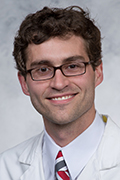
Dr. Knauer was born in Hamburg, Germany. In 1944, he was drafted into the Wehrmacht and dispatched to the Eastern front. Soon after his arrival, he was almost killed by a land mine, which destroyed most of his right leg. After the war, Dr. Knauer studied classics at the University of Hamburg with Ernst Zinn. He earned his PhD in 1952 and from 1952 to 1954 he was a fellow at the Institute for the Thesaurus Linguae Latinae in Munich. He taught at the Free University of Berlin from 1954 to 1974. During this time, he was also a British Council Scholar at the University of London, visiting professor at Yale, Nelly Wallace Lecturer at Oxford, and a member of the Institute for Advanced Study.

He is best known for the book that originated as his 1961 Habilitationsschrift on Vergil’s imitation of Homer in the Aeneid, Die Aeneis und Homer. His study of Vergil and Homer remains one of the most frequently cited books in the field of classics.

Ultimately, the volatile political situation caused Dr. Knauer to move to the US. In 1975, he joined the faculty at Penn, where he remained until his retirement in 1988. While at Penn, he also served as a visiting professor at Columbia. In 1979, he was a Guggenheim Fellow, in 1984 a Fellow of the National Endowment for the Humanities, in 1985 a Resident of the American Academy in Rome, in 1989 a Resident of the Rockefeller Foundation in Bellagio, and in 1991 and 2002 a guest researcher of the Herzog August Bibliothek in Wolfenbüttel.

According to Joseph Farrell, professor of classical studies and the Mark K. and Esther W. Watkins Professor in the Humanities, Dr. Knauer’s students were in awe of both his personal and his intellectual style, recognizing that, through him, they had some contact with scholars like Eduard Fraenkel, Bruno Snell, Otto Skutsch and other great names. Dr. Knauer felt keenly the responsibility to pass on what his teachers had given him, insisting that the entire point of our work is to serve “the next generation,” one of his favorite and most often repeated phrases.

Dr. Knauer is survived by Sabine Solf, his close companion during the years since the death of his wife, Kezia; a few family members; and many devoted students and colleagues.

Paul Messaris, Annenberg School

Paul Messaris, the Lev Kuleshov Emeritus Professor of Communication in Penn’s Annenberg School of Communication, died last month after a short illness. He was 71.

Socrates Paul Angelo Messaris was born in South Africa in 1947, and he was raised in both South Africa and Greece. He received his bachelor’s degree in economics Phi Beta Kappa from Princeton, and he earned both his master’s and doctorate degrees (1972, 1975) from the Annenberg School for Communication, where he studied under Larry Gross. Dr. Messaris was also heavily influenced by Sol Worth, who helped build the foundation of the school’s visual communication curriculum.

Dr. Messaris began his career as an assistant professor in 1975 at Queens College. Following Dr. Worth’s sudden death in 1977, Dr. Messaris was hired by Penn to join the faculty as an assistant professor. He remained at Penn until his retirement in 2017.

“Overall there was an element of precision in his thinking—he was deliberate, careful, precise—which also helped make him a good writer,” says his doctoral advisor Larry Gross, now professor of communication at the University of Southern California’s Annenberg School for Communication and Journalism. “That same skill translated into his teaching. In class, students don’t have the benefit of stopping to re-read a sentence, and Paul would conduct them through a line of argument in a clear fashion that they could readily follow.”

Dr. Messaris was one of the preeminent scholars of visual communication and how people make sense out of visual language. His books Visual “Literacy”: Image, Mind, and Reality and Visual Persuasion: The Role of Images in Advertising are classic texts in the category. His central focus was on the psychology of perception and the way meaning is constructed. He was also co-editor of two editions of Digital Media: Transformations in Human Communication. In 1998, Dr. Messaris worked with SEAS and PennDesign to develop the Digital Media Design interdisciplinary major, one of the early programs to focus on computer graphics, animation and games.

He taught numerous courses in visual communication, including the much-loved undergraduate course Visual Communication Lab. Beloved for his dynamic teaching style, he always encouraged his students to pursue their interests, no matter how seemingly unusual.

Upon his retirement in 2017, Annenberg’s media lab was renamed the Paul Messaris Media Laboratory in his honor. He is survived by his wife, Carla Sarett (ASC ’81).

Honors

Joshua Baker: Glenn Foundation Grant

caption: Joshua BakerJoshua Baker, assistant professor of rheumatology, received a $50,000 research grant from the Glenn Foundation for Medical Research and the American Federation for Aging Research to study age and obesity-related changes in skeletal muscle energy production and fat distribution, and associations with joint inflammation and cartilage break down in osteoarthritis.
Ryan Baker: CSSP Educational Research Award

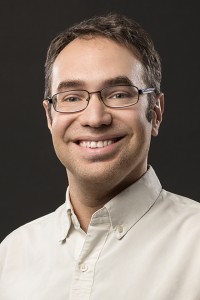
caption: Ryan BakerThe Council of Scientific Society Presidents (CSSP) recently announced Ryan Baker, associate professor in the teaching, learning, and leadership division of Penn’s Graduate School of Education and director of the Penn Center for Learning Analytics, as this year’s recipient of the society’s Educational Research Award. The Educational Research Award recognizes a leader in educational research to improve children’s learning and understanding.

Dr. Baker researches how students use and learn from educational games, intelligent tutors and other kinds of educational software. Drawing on the fields of educational data mining, learning analytics and human–computer interaction, he develops methods for mining the data that come out of the interactions between students and educational software. He then uses this information to improve the understanding of how students respond to educational software, and how these responses influence their learning.

CSSP noted in the announcement that by “using automated detectors of data, he has made real-time inferences about students’ motivational and meta-cognitive behaviors. His deep understanding of the myriad of complexities of that transition have led to models of basic discoveries about human learning and learners.”

Mathias Basner: NASA Grant

Mathias Basner, associate professor of sleep and chronobiology, and Alexander C. Stahn, an assistant professor of medical science in psychiatry, received a NASA grant to study changes in the brain during long-duration, low-Earth orbit missions. The project supports NASA’s long-term plans, including human missions to the Moon and Mars.

Justin E. Bekelman: Cancer Control Award

caption: Justin BekelmanJustin E. Bekelman, associate professor of radiation oncology and medical ethics and health policy and senior fellow in the Leonard Davis Institute for Health Economics, received the 2018 Cancer Control Award from the Philadelphia Market of the American Cancer Society. The annual honor recognizes an individual “who has made a major and unique contribution to cancer control.” Dr. Bekelman received the award at the ACS awards dinner in King of Prussia in early November.
Nelson Flores: Alatis Prize

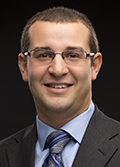
caption: Nelson FloresNelson Flores, associate professor in educational linguistics at Penn’s Graduate School of Education, with Sofia Chaparro of the University of Colorado Denver, was awarded the James E. Alatis Prize for Research on Language Policy and Planning in Educational Contexts for the paper, “What counts as language education policy? Developing a materialist anti-racist approach to language activism.” The Alatis Prize is awarded annually by TIRF—The International Research Foundation for English Language Education in recognition of an outstanding publication in the field.
Dr. Flores’ research involves the study of the historical and contemporary instantiations of raciolinguistic ideologies, where language and race are co-constructed in ways that marginalize racialized communities.

Daniel Greenstein: Penn-Made Chancellor

Daniel Greenstein (C’82) became the fifth chancellor of Pennsylvania’s State System of Higher Education on September 4, 2018. In that role, he serves as chief executive officer of the State System, which operates Pennsylvania’s 14 public universities, serving more than 100,000 students. The chancellor works with the Board of Governors to recommend and develop overall policies for the System.

Dr.  Greenstein earned his bachelor’s degree from the University of Pennsylvania in history in 1982, his master’s from Penn in history, and  then a DPhil from the University of Oxford in 1989. He began his academic career as a senior lecturer in modern history at Glasgow University in Scotland. Dr. Greenstein served as vice provost for academic planning and programs for the University of California (UC) System.

Dr. Greenstein went on to led the postsecondary success strategy at the Bill and Melinda Gates Foundation, where he worked with other higher education leaders across the country on initiatives designed to raise educational-
attainment levels and to promote economic mobility, especially among low-income and minority students. He has also created and led several internet-based academic information services in the United States and the United Kingdom, and he has served on boards and acted in strategic consulting roles for educational, cultural heritage and information organizations.

Frederick S. Kaplan: Grand Hamdan International Award

caption: Frederick KaplanFrederick S. Kaplan, the Isaac and Rose Nassau Professor of Orthopaedic Molecular Medicine in Orthopaedic Surgery at the Perelman School of Medicine, has been awarded the Grand Hamdan International Award on Musculoskeletal Disorders. The honor notes that his “investigations of the rare diseases Fibrodysplasia ossificans progressiva (FOP) and Progressive osseous heteroplasia (POH) have uncovered mechanisms so pathogenically fundamental to tissue metamorphosis that they have challenged existing dogma far outside the usual realm of musculoskeletal medicine.” Dr. Kaplan was honored in a ceremony held in Dubai, United Arab Emirates, in December.
Patrick Leahy: Penn-Made President

Patrick Leahy (GrEd ’09) was recently announced as the new president of Monmouth University, effective August 1, 2019. He was selected after a yearlong national search by a 17-member committee.

Dr. Leahy graduated from Georgetown University with a BA in English literature. He earned dual master’s degrees in business administration and labor relations from Cornell University, where he was a Fried Fellow, and earned his doctor of education degree from the University of Pennsylvania in 2009.

He is currently the president of Wilkes University in Wilkes-Barre, Pennsylvania. Previously, he was with the University of Scranton in Scranton, Pennsylvania, where he first served as vice president of university relations before becoming executive vice president. He also taught in the business leadership honors program.

L. Scott Levin: DoD Grant

caption: L. Scott LevinA team at Penn, led by L. Scott Levin, chair of orthopaedic surgery and a professor of plastic surgery, received a grant to further work in Vascularized Composite Allotransplantation (VCA), launching a study aimed at better understanding and measuring the physical, emotional, and social outcomes of upper extremity VCA recipients. The ultimate goal will be to implement more holistic quality of life outcomes evaluations and to standardize the VCA candidate screening process. This work was supported by the Assistant Secretary of Defense for Health Affairs endorsed by the Department of Defense, through the Reconstructive Transplant Research Program (RTRP) Qualitative Research Award. This support is part of a larger grant shared with researchers from Walter Reed National Military Medical Center and the University of Delaware.

Lauren Massimo: AFTD Pilot Grant

caption: Lauren MassimoThe Association for Frontotemporal Degeneration (AFTD) awarded Lauren Massimo, assistant professor at Penn Nursing and a member of the Penn Frontotemporal Degeneration Center, the inaugural AFTD Pilot Grant for Nonpharmacological Therapies and Tools.

Dr. Massimo will lead a team that includes Penn neuropsychologists and smartphone application developers who will use the grant to develop and test an app that will help persons diagnosed with FTD overcome apathy.

In her proposal, Dr. Massimo hypothesized that the app could provide a framework for symptom management in people with behavioral variant FTD, and that regular use of the app would contribute to the achievement of everyday goals and activities of daily life in the population. She further surmised that app use could result in increased functional activity, leading to beneficial returns for care partners, as well.

Dr. Massimo and her team have tested a model version of the app. “The second stage is a clinical trial, and we hope that this Pilot Grant will provide the preliminary data we need to pursue a larger grant from the National Institutes of Health,” she said.

Kiran Musunuru: Judson Deland Prize

caption: Kiran MusunuruKiran Musunuru, associate professor of cardiovascular medicine at the Perelman School of Medicine, received the Judson Daland Prize for Outstanding Achievement in Clinical Investigation from the American Philosophical Society for his work discovering and therapeutically targeting genes that contribute to cardiovascular disease. Dr. Musunuru’s award comes with $50,000 prize in recognition of his outstanding achievement in patient-oriented research.
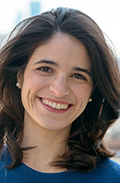

Isabel Perera: John Heinz Dissertation Award

caption: Isabel Perera. Photo by Kalind Parish

The National Academy of Social Insurance announced Isabel M. Perera (Gr’18), a post-doctoral fellow in the department of medical ethics and health policy in Penn’s Perelman School of Medicine, as the winner of the 2019 John Heinz Dissertation Award. Dr. Perera joins a prestigious and diverse network of over 40 previous Heinz Dissertation Award recipients who are scholars in social insurance and closely related fields. Dr. Perera’s dissertation, “States of Mind: A Comparative and Historical Study of the Political Economy of Mental Health” was submitted for her doctorate in political science at Penn. Dr. Perera was nominated by Julia Lynch, associate professor of political science at Penn.

Dr. Perera will receive $3,500 in prize money and travel expenses to attend the Academy’s policy conference on Regenerating Social Insurance for Millennials and the Millennium. The Heinz Dissertation Award will be presented on January 30, at the National Press Club in Washington, DC as part of the Academy’s 2019 conference.

Amy Stornaiuolo: Applebee Award for Excellence in Research on Literacy

Amy Stornaiuolo, associate professor in the literacy, culture, and international education division of Penn’s Graduate School of Education, with Anna Smith of Illinois State University and Nathan Phillips of the University of Illinois at Chicago, has been awarded the 2018 Arthur Applebee Award for Excellence in Research on Literacy for the article “Developing a Transliteracies Framework for a Connected World.” The award is presented annually by the Literacy Research Association to honor the previous year’s outstanding article in the field of literacy research.

Dr. Stornaiuolo’s research examines adolescents’ multimodal composing practices, teachers’ uses of digital technologies, and shifting relationships between authors and audiences in online, networked spaces.

University of Pennsylvania: Two Green Awards

The University of Pennsylvania is one of the most environmentally responsible colleges in the United States, according to The Princeton Review. The education services company has given Penn a Green Ranking of 94/99. The Princeton Review chose the schools for its ninth annual edition of their “Green Guide” based on data from the company’s 2017-2018 survey of hundreds of four-year colleges concerning the schools’ commitments to the environment and sustainability.

Additionally, The Sustainable Campus Index, a publication by the Association for the Advancement of Sustainability in Higher Education (AASHE), has recognized Penn as a top-performing university as measured by the Sustainability Tracking, Assessment & Rating System (STARS). The report highlights innovative and high-impact initiatives from institutions that submitted STARS reports in the most recent calendar year. The Index highlights Penn’s campus and its designation as a Level II Arbnet-Certified arboretum, and labels Penn a top performer in the Diversity & Affordability and Transportation categories.

Penn Med: CSO50 Award

Penn Medicine was named as a winner of a CSO50 award for its Just in Time Awareness (JITA) project, a platform created to deliver in-the-moment digital security education as employees access potentially risky websites. Penn Medicine was one of 50 organizations recognized by CSO—an online news outlet focused on cyber security—for security initiatives that display “outstanding business value and thought leadership.” The award will be given out during the CSO Conference in Scottsdale, Arizona, in April 2019. Seth Fogie, director of IS security, Andrea Thomas-Lloyd, director of information assurance, Dwight Hobbs, senior security engineer, Dan Costantino, chief information security officer, and Gary Davidson, senior vice president and chief information officer of Lancaster General Health, were involved with the project.

Wharton: Poets & Quants Best Undergrad Business School

The newest ranking of the best undergrad business schools by Poets & Quants for Undergrads, a social network for those interested in undergrad business school education, gave the University of Pennsylvania’s Wharton School top honors for the second year in a row. Behind Wharton was the University of Virginia’s McIntire School, Washington University’s Olin Business School, the University of Michigan’s Ross School of Business and the University of Notre Dame’s Mendoza College of Business.

The announcement noted, “Wharton is a powerhouse of opportunity. Students lucky enough to overcome the School’s high admission hurdles are awarded with one of the best undergraduate teaching experiences in the world. And when they graduate, world-class employers are waiting for the school’s graduates with open arms. Some 95% of the graduates land jobs within three months of commencement at starting base salaries and sign-on bonuses that bring [average] starting pay to a record $92,057 this year.”

Christoph Thaiss: Grand Prize for Young Scientists

caption: Christoph ThaissChristoph Thaiss, assistant professor of microbiology in Penn’s Perelman School of Medicine, has been awarded the Science & SciLife Lab Grand Prize for Young Scientists. An essay by Dr. Thaiss on his research, published in Science, is part of his recognition. His work addresses how the gut microbiome influences metabolic disease, and in turn, how a better understanding of this complex relationship can be applied to human biology, which he is actively pursuing at Penn.

Features

Penn’s Human Capital Management Transformation Initiative—An Overview

On July 1, 2019 the University of Pennsylvania will launch Workday@Penn, a major component of Penn’s Human Capital Management Transformation Initiative. The HCM project is transforming how Penn delivers services related to the broad range of human capital management, such as staff recruitment, faculty and staff personnel and benefits administration, payroll, time management, and more. It is not just a technology replacement project. Faculty, staff and student workers will enjoy simplified, efficient, modern processes that provide more access to their own information. For those who have more complex process and management responsibilities, known as HCM stakeholders, Workday@Penn will offer dramatically improved transparency, real-time information, and a platform expected by a twenty-first century workforce.

Workday harnesses powerful, cloud-based technology. Workday is different from Penn’s previous implementations of major, campus-wide software. It is a service that is configured, rather than customized. The benefit is that Penn will keep pace with improving technology and changing requirements as Workday makes periodic system updates. Guiding principles from the beginning of the Penn project ensure processes and decisions support success. These principles are:

  • Think “One Penn”—Do what is best for the University, not just one school or center. Be transparent, collaborative and inclusive.
  • Adopt, Don’t Adapt—Change the HCM process, not the software.
  • Keep It Simple—Minimize the HCM data entry and modifications of the same information and shared data fields in multiple systems. Use one HCM technology to enable efficient, uniform processes University-wide.
  • Be Accountable—Every HCM data source, process, procedure and policy requires an owner.
  • Strive for Clarity—Agree on consistent HCM terms, such as “headcount” or “employee transfers.”
  • Innovate and Improve­—Consider new approaches and ideas. Monitor and measure HCM services for quality and efficiency, and take corrective action if needed.

From vendor selection to the present day, the project involved a wide community of Penn subject matter experts and leaders. Six Executive Sponsors lead the project. They are:

  • Mark Dingfield, associate provost, finance and planning, Office of the Provost
  • Trevor Lewis, vice president, budget and management analysis
  • MaryFrances McCourt, vice president, division of finance, and treasurer
  • Jack Heuer, vice president, division of human resources
  • Chris Masotti, vice dean, finance and operations, Perelman School of Medicine
  • Tom Murphy, vice president, information systems and computing, and chief information officer

In addition, a Steering Committee of leaders from throughout the University contributes its counsel and expertise.

Penn anticipates exciting innovations from implementing Workday@Penn. It will help the University’s HCM systems perform at an optimal level and enable individuals to do their jobs better, but even positive change presents challenges. Penn supports schools, centers, and departments with communications and will provide upcoming training on the new processes and systems. Key staff members from all schools and centers participate in the HCM Change Agent Network to help ensure ongoing, two-way communication between their groups and the project.

While the change strategy engages stakeholders and leadership across the University, it also evaluates change readiness and impact, and addresses concerns and capabilities through ongoing communications that will broaden as Penn approaches “go-live” on July 1.

Change agents, in addition to key teams in the divisions of human resources, finance, information systems & computing, all the schools and centers, collaborate with project technical and functional leads who are dedicated to the transition to Workday@Penn. Long-time Penn employees Christopher Blickley, Ernie Chieffo, and Julie Shuttleworth direct the HCM Program Management Office in collaboration with experienced project managers from Deloitte, Penn’s selected system integrator. The PMO manages joint Penn and Deloitte teams of technical, functional, service delivery, and change management experts.

The project is currently in the test phase, the third of the four major phases of architect, configure & prototype, test, and deploy. End-to-end testing examines whether all of the business requirements in Workday@Penn, including the integration of all connected Penn backend systems and external vendors—more than 100 integrations—perform as designed. In early spring, parallel payroll testing and user acceptance testing will make sure Workday will handle the required tasks in real-world scenarios. Another activity during the test phase is the development of the training materials.

Training will start during the deployment phase in late April. Training will provide faculty, staff and student workers with a learning experience tailored to their future use of Workday. This blended learning approach will utilize diverse methods, tools and platforms to deliver process and role-based learning experiences, which may include in-person, hands-on training for advanced business processes; online facilitated training events; step-by-step instructions for completing key business processes; and open office hours to provide additional hands-on training assistance.

This change on July 1 will affect almost everyone in the University, including faculty, staff, postdocs and student workers. The initial implementation of Workday@Penn is the first step towards continuous improvement. It will ultimately increase access and ability to maintain and manage information, create a personalized experience, and accomplish certain HCM tasks in one system of record that currently reside in different systems. Workday@Penn is truly using its guiding principle to “Think One Penn,” to do what is best for the University, and to be transparent, collaborative and inclusive.

Events

Update: January AT PENN

Exhibits

8      Lens on Latin America; opening reception; 6 p.m.; Lightbox Film Center, IHP. Info: https://lightboxfilmcenter.org/programs/lens-on-latin-america-opening-reception

Talks

8      Hematopoiesis, Leukemia, Inflammation at Single Cell Resolution; Iannis Aifantis, New York University School of Medicine; noon; Sarah and Matthew Caplan Auditorium (Wistar).

24    Writing and Reading Rubrics in the Renaissance Decameron; Rhiannon Daniels, senior lecturer in Italian, School of Modern Languages of the University of Bristol, the inaugural fellow of the new SIMS/Italian Studies Fellowship. The fellowship is sponsored by the Center for Italian Studies, the Italian Studies section of the department of Romance languages, and the Schoenberg Institute for Manuscript Studies. The recipient spends a week at Penn working on manuscript material from the library’s collections of rare books and manuscripts, offering, in exchange, a graduate-student workshop and a talk on the research conducted while in residence; 5 p.m.; Class of 1978 Orrery Pavilion, Van Pelt-Dietrich Library.

AT PENN Deadlines

The January AT PENN calendar is now online. Today is the deadline for the Update in the January 15 issue. The deadline for the February AT PENN is Monday, January 14.

Annual PPSA Clothing Drive: Now through January 11

PPSA is collecting items to share with three Philadelphia organizations:

See https://ppsa.upenn.edu/events/annual-ppsa-clothing-drive/ for details.

The drive, now underway, will run through Friday, January 11. Clothing collection boxes will be out through Thursday, January 10.

Clothing collection locations:

  • College Hall, 1st floor, West Wing Hallway
  • Duhring Wing, 216 S. 34th St., Lobby
  • EHRS, 3160 Chestnut St, Suite 400
  • Fisher Fine Arts Library, 220 S. 34th St., Lobby
  • Franklin Building, 3451 Walnut St., Lobby
  • Meyerson Hall, 210 S. 34th St., Basement Lobby
  • School of Nursing, 418 Curie Blvd., mezzanine level
  • PCAM South Pavilion, 3400 Civic Center Blvd., 8th Floor, Ask Front Desk
  • Penn Museum, 3260 South St., Kress Entrance
  • Steinberg Conference Center, 25 S. 38th St., Lobby
  • Stouffer Commons, 3702 Spruce St.
  • Van Pelt-Dietrich Library, 3420 Walnut St., opposite the circulation desk

Penn staff members are welcome to drop clothes off at Houston Hall’s Bistro Lobby on Friday, January 11, 8:30-11:30 a.m. Breakfast and coffee will be available. If you have time to spare, PPSA would also enjoy your help in folding, sorting and packaging the donated materials.

Free Dog and Cat Vaccination Clinic

Registration is now open for Penn Vet’s Free Dog and Cat Vaccination Clinic on Monday, January 21. The free vaccinations and examinations will be available by appointment only for approximately 250 dogs and cats, 9 a.m.-1 p.m. at Penn Vet’s Ryan Hospital, 3900 Spruce St. To schedule an appointment, pet owners should call (215) 898-4680 mornings 8-10 a.m. There is a two pet per household limit. For additional questions regarding the clinic, please call (215) 898-2210.

Lunar New Year Festival at Penn Museum: January 19

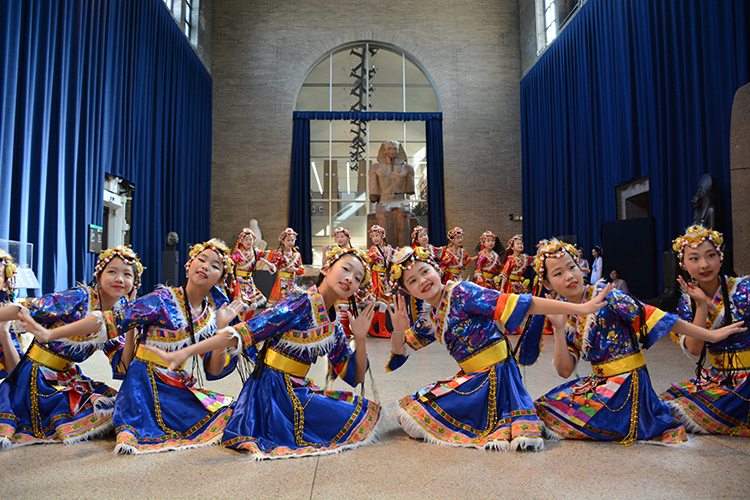
caption: Students from Cheung's Hung Gar Kung Fu Academy take part in the Lion Dance Parade.

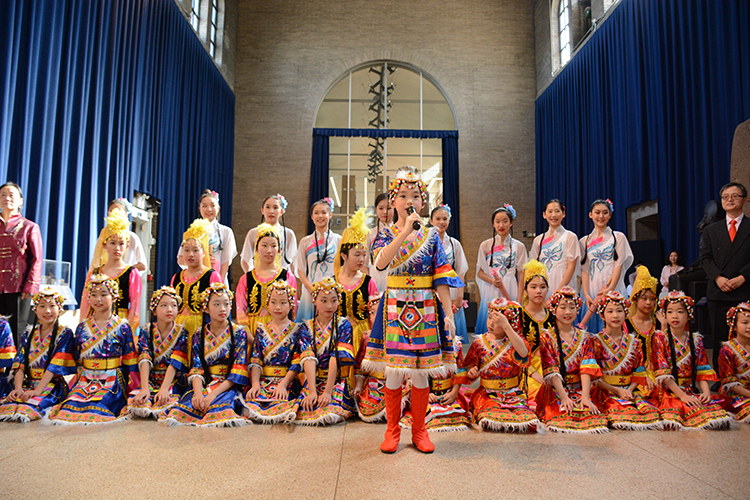
Get ready to ring in the Lunar New Year on Saturday, January 19 with a vibrant daytime festival and evening performances at the Penn Museum. In many Asian communities around the world, the Lunar New Year is among the most important and festive holidays of the year. This family-friendly day features brilliant dance performances by the Little Mulan Dance Troupe and CAGE (Cambodian American Girls Empowering) Dance Group, traditional music by Kurt Jung and Qin Qian, contemporary Asian film, tangram workshops, martial arts demonstrations, storytelling, calligraphy and art-making for all ages. Join in the traditional Lion Dance, then grab a cocktail as the festival kicks into high gear with a K-Pop dance performance and workshop by L8NITE, chamber pop music by Murayama, a comedy performance by Gary Chau, and more. Food and drink will be available for purchase.

Family-friendly activities (1-5 p.m.) are free with Museum admission. Evening festival activities (5-8 p.m.) are $15; $10 for Penn Museum members. Presented in partnership with the Asian Arts Initiative.

caption: The Little Mulan Dance Troupe from the Great Wall School will perform.

caption: The Little Mulan Dance Troupe from the Great Wall School will perform.

Photos by Tom Stanley/Penn Museum

WXPN Policy Board Meeting: January 16

The next meeting of the WXPN Policy Board will take place on Wednesday, January 16 at noon at WXPN, 3025 Walnut Street. For more information call (215) 898-0628 during business hours.

Crimes

Weekly Crime Reports

The University of Pennsylvania Police Department Community Crime Report

Below are the Crimes Against Persons, Crimes Against Society and Crimes Against Property from the campus report for December 24-30, 2018View prior weeks' reports—Ed.

This summary is prepared by the Division of Public Safety and includes all criminal incidents reported and made known to the University Police Department for the dates of December 24-30, 2018. The University Police actively patrol from Market St to Baltimore and from the Schuylkill River to 43rd St in conjunction with the Philadelphia Police. In this effort to provide you with a thorough and accurate report on public safety concerns, we hope that your increased awareness will lessen the opportunity for crime. For any concerns or suggestions regarding this report, please call the Division of Public Safety at (215) 898-4482.

12/25/2018     4:04 AM          3400 Spruce St            Cigarette and coins stolen

12/26/2018     11:15 AM        3400 Spruce St            Credit cards and ring taken from wallet

12/26/2018     3:51 PM           4224 Osage Ave          Secured bike taken

12/27/2018     2:50 PM           3700 Spruce St            Bench warrant on male/Arrest

12/28/2018     2:56 AM          3400 Spruce St            Nurse struck by patient

12/28/2018     4:08 PM           3201 Walnut St           Vehicle taken from garage

12/30/2018     6:41 PM           124-129 S 40th St       Property taken from complainant

18th District

Below are the Crimes Against Persons from the 18th District: 2 incidents (1 aggravated assault and 1 robbery) were reported between December 24-30, 2018 by the 18th District covering the Schuylkill River to 49th Street & Market Street to Woodland Avenue.

12/24/2018     1:04 PM           4600 Chestnut St        Aggravated Assault

12/24/2018     12:33 PM         3800 Sansom St          Robbery

Bulletins

Public Domain Day: Welcome to 1923

The following is from a blog posted on January 1 by John Mark Ockerbloom. See https://everybodyslibraries.com/

Early this morning, a full year’s worth of published works were welcomed into the public domain in the United States for the first time since 1998. Hundreds of thousands of works from 1923 either joined the public domain here, or achieved a much more obvious and visible public domain status.

This is not news to anyone who’s been following this blog, which has had a post per day discussing some of the many upcoming additions to the public domain. I’ve also been posting about Public Domain Day here since 2008, but as an American haven’t had a lot to celebrate here till now. I now find myself feeling much like I did when the Red Sox broke their World Series drought in 2004, or the Eagles finally won a Super Bowl last year: elation, mixed with thoughts that it’s been a long time coming, and wishes that I could celebrate now with everyone I’ve known who’s waited for it these past 21 years.

One thing I’m very happy to see today is that the public domain now has lots of friends, who are now much more numerous, aware and organized than they were in 1998, the last time copyright was extended here. They’ve helped ensure that there wasn’t another serious attempt to extend copyright terms here when the 20-year public domain freeze here ended. They’ve been spreading the word about the new arrivals to the public domain, and why that’s a good thing. (In my advent calendar series, I’ve pointed to a few of the articles written about this; Lisa Gold’s blog post today is another such article, which also points to a few others.)

Various groups have also been quick to make works that have newly joined the public domain freely readable online. HathiTrust opened access to over 40,000 works from 1923 today. Also today, Project Gutenberg released a transcription of The Prophet they had ready to go for its first day in the US public domain; they’re also releasing other 1923 transcriptions. At the Penn Libraries, where I work, a team led by Brigitte Burris is digitizing 1923 publications from our collections to share online. A story by Peter Crimmins at WHYY has more information, and pictures, from our digitization work.

While 1923 may be making the biggest splash today, there’s other work also joining the public domain today in various places. People in Europe and other countries with “life+70 years” copyright terms get works joining the public domain from authors who died in 1948. (In the US, we’re also today getting works by authors who died that year that were not published prior to 2003.) People in Canada and other countries maintaining “life+50 years” terms get works by authors who died in 1968. Some of the relevant authors whose works are joining the public domain in these countries are mentioned in the Public Domain Review’s Class of 2019 feature.

As for me, here’s what I’m giving the world:

  • A newly updated Creative Commons licensed guide for identifying public domain serial content. I discussed this guide, when it was still in draft form, in a blog post last month. Today’s update, now out of draft status, fixes some awkward sentences, says a little more about government publications, and removes references to 1923 copyrights, since they’ve now expired. I hope folks find the guide useful, and I’d love to hear what you do with it, or if you have questions about it.
  • A grant to the public domain of work I published in 2004 whose copyright is under my sole control. (I typically do this every year on Public Domain Day for copyrights more than 14 years old, in recognition of the original term of copyright available in the US).

Netter Center in New Location

The Netter Center for Community Partnerships moved its offices to a new location on December 18, 2018.

Its new address is:

Suite 120

St. Leonard’s Court

3819-33 Chestnut Street

Philadelphia, PA 19104-3171

The phone # remains (215) 898-4097.

Penn Newman Center Moved

The Penn Newman Center, the oldest Newman Center in the country—it has served the campus since 1893—has relocated temporarily to the refinished lower level of the St. Agatha-St. James Church where they will hold the majority of their programming and events for the 2018-2019 school year. It is accessible through the entryway in the back. They will then move into the new Newman Center, the three-story building on the parish property, recently vacated by the Netter Center, in the fall of 2019.

Morris Arboretum: Free Admission for Federal Employee Families

The federal government may be shut down, but Morris Arboretum is open and welcomes all federal employees and their families to visit for free through the end of the government shutdown. Simply show your ID at the kiosk.

Last Call for 2019 Summer Camps

Almanac will run the 2019 compilation of summer camps and programs at Penn in the January 29 issue. To list a camp or other summer program, send the dates, location and other details to almanac@upenn.edu Deadline for submission is Tuesday, January 15, 2019.

Planning an Event? Email Almanac

Mounting an exhibit? Orchestrating a concert? Planning a play? Showing a film? Let Almanac know so it can be included in the monthly AT PENN calendar!

Almanac’s monthly AT PENN calendar is the only all-inclusive calendar of Penn events on campus. With a readership in print and online, a free listing in the AT PENN increases visibility and attendance.

Email us at almanac@upenn.edu with your event details, including the event date, time, topic, speaker information and sponsors. For more information, visit https://almanac.upenn.edu/deadlines-for-submitting-at-penn-information

Back to Top