News

From the Interim President: Welcome Back

January 16, 2025

To the University Community,

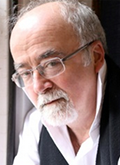
caption: J. Larry JamesonAs we embark on 2025, I’ve been reflecting on humanity’s and Penn’s immense progress over the past quarter century. We have witnessed dramatic additions to the buildings on our campus as well as Penn Park, enhanced need-blind financial aid and access, most recently through the Quaker Commitment, and emerged as a leader in innovation in multiple fields.

There have also been enormous challenges—some old and some new—and it is understandable if people feel anxious about the future. In Principle and Practice identifies grand challenges like climate and sustainability and the impact of AI on every aspect of our lives. I am optimistic that Penn will play a major role in tackling these challenges.

However, we also face a challenge closer to home: many people are questioning the value and role of higher education in society. This phenomenon did not develop overnight or in a vacuum. Globally, public confidence in all sorts of institutions has diminished. While it is tempting to be defensive, it is more constructive to listen to criticisms, be reflective, and chart a course that will restore trust and support and advance our missions.

I recently had the opportunity to address this very subject, and I maintain that the work of excellent universities like ours has never been more valuable or critical to society’s advance. Penn contributes in three important ways.

We fuel individual success. As exemplified by the Penn experience of our newest Rhodes Scholar, excellent universities help students find their purpose and prepare them for a richly fulfilled and fulfilling life. The lifelong return on investment for individuals, families, and their communities is significant and well-documented.

We drive societal progress. Excellent universities are repositories of humanity’s knowledge. We support the world’s great scholars, researchers, and clinicians. In the best tradition of Franklin, these creative minds expand the frontiers of human understanding. So often, it is the genius, breakthroughs, and Nobel-worthy leaps forward from excellent universities that transform our world.

We work to ensure that humanity and the planet thrive. The knowledge we create reaches every part of the globe. Each year, thousands of students and faculty participate in academic exchanges around the world. As noted above, in our strategic planning for the future, we have identified some of the great challenges of our age. These require solutions and knowledge that do not come from any single field, but from many. Penn is investing broadly, building innovatively, and marshaling the best of our interdisciplinary strength for broad impact.

That’s not to say we cannot do better. As we assert in our University values, we are imperfect but always self-improving. But I believe that higher education remains one of the most powerful drivers of society’s evolution and success.

As we return to campus and to class, I encourage you to see and celebrate all the essential ways you contribute to Penn’s academic missions. Never doubt that your learning, teaching, research, care, and service together compose a powerful force for good in the world.

I hope you enjoyed a restful and relaxing winter break, and I look forward to everything we will achieve in the semester ahead. Welcome to a new year at Penn.

—J. Larry Jameson, Interim President

Rebecca Popowsky: Wilks Family Director of McHarg Center

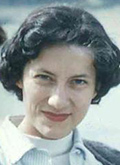
caption: Rebecca PopowskyAward-winning landscape architect, researcher, and educator Rebecca Popowsky has been named the Wilks Family Director of the Ian L. McHarg Center for Urbanism and Ecology at Weitzman School of Design.

Housed in the department of landscape architecture at Weitzman, the McHarg Center was launched in 2019 as a transdisciplinary platform for collaborative research on the occasion of the 50th anniversary of the publication of Ian McHarg’s groundbreaking book Design with Nature. The center funds and broadcasts original scholarly research, convenes students, faculty, and practitioners, and awards the annual McHarg Fellowship.

“From developing next-generation coastal infrastructure to advancing protections for biodiversity in the face of rapid urbanization, the McHarg Center has become an indispensable bridge between academia and professional practice in landscape architecture,” said Catherine Seavitt, the center’s faculty co-director, who is also the Meyerson Professor of Urbanism and chair of the department of landscape architecture. “Rebecca’s breadth of knowledge and collaborative affinities will serve the center well as we advance ecological thinking and design to address current and future challenges to life on Earth at every scale.”

With Ms. Popowsky’s appointment, which began on January 1, 2025, the Wilks Family Directorship role has been expanded to a leadership position dedicated to building and cultivating relationships, supporting faculty research initiatives, serving as an active and visible advocate for the center, and overseeing its financial well-being.

“Rebecca’s prodigious design and teaching abilities, her ability to forge meaningful and productive alliances, and her deep commitment to sustainability make her an ideal leader,” said Fritz Steiner, dean and Paley Professor at Weitzman and faculty co-director of the McHarg Center.

Ms. Popowsky most recently served as a research associate and the laboratory coordinator at the internationally renowned landscape architecture firm OLIN, where she has co-led the internal research practice since 2018. Developing innovations in waste-based material design and construction, soils engineering, and practice-based research models, she has established partnerships in the public, private, nonprofit, and academic sectors. Her work at OLIN has been funded by the U.S. Environmental Protection Agency, the U.S. Department of Agriculture, the Landscape Architecture Foundation, and the William Penn Foundation. She has collaborated with Penn’s Urban Health Lab, Temple University’s department of horticulture, the USDA Eastern Region Research Center, Philadelphia Parks and Recreation, the Philadelphia Water Department, the U.S. Biochar Initiative (USBI), and the Pennsylvania Recycling Markets Center, among others. Her research has been recognized by the American Society of Landscape Architects and the Sustainable Business Network of Greater Philadelphia. In her capacity as a landscape designer at OLIN, Ms. Popowsky contributed to a wide range of design, planning, and construction projects, including Canal Park in Washington, D.C.; Dilworth Park in Philadelphia; the University of Washington North Campus in Seattle; and a collaboration with the U.S. Army Corps of Engineers to restore the FEMA floodplain at the Potomac Park Levee on the National Mall.

Ms. Popowsky has a long history at Penn, having earned her MLA and MArch degrees from the Weitzman School in 2010. She joined the faculty in 2015 and has taught core and advanced design studios and professional practice courses in the department of landscape architecture. She has contributed essays to BIO/MATTER/TECHNO/SYNTHETICS (Actar, 2025), edited by associate professor of architecture Franca Trubiano, and The Landscape Project (Applied Research and Design Publishing, 2024), edited by professor emeritus of landscape architecture Richard Weller, among other volumes. She has taught landscape architecture at Swarthmore College and Temple University and is pursuing a PhD in practice-based research at Virginia Tech. She received her bachelor of arts in architecture and urban studies from Yale University.

Ms. Popowsky succeeds Billy Fleming, who co-edited the center’s first major publication, Design with Nature Now (Lincoln Institute of Land Policy, 2019) with Dean Steiner, Mr. Weller, and Karen M’Closkey, an associate professor of landscape architecture and editor-in-chief of the department’s interdisciplinary journal LA+. The book’s release coincided with an international conference and exhibition surveying exemplary ecological design around the world that is now on tour in East Asia.

Bryson Katona: Jeffery and Cynthia King Professor of Lynch Syndrome Research in PSOM

caption: Bryson KatonaBryson W. Katona has been named the inaugural Jeffery and Cynthia King Professor of Lynch Syndrome Research. He is an assistant professor of medicine and genetics and director of the gastrointestinal cancer genetics program and the gastrointestinal cancer risk evaluation program at the Abramson Cancer Center. As the leader of Penn Medicine’s Lynch syndrome program, he provides state-of-the-art care and proactive health management for patients and families with Lynch syndrome.

Lynch syndrome is one of the most common causes of hereditary cancer risk, affecting approximately one in every 270 people (in whom it manifests primarily as colorectal and uterine cancer). To further his work, Dr. Katona leads a lab focused on gastrointestinal cancer and hereditary gastrointestinal cancer predisposition syndromes, using the full spectrum of discovery science—from bench to bedside—to determine who may be at risk, and why, and to determine novel ways to prevent cancer development. With these answers, Dr. Katona hopes to create additional cancer prevention and risk reduction strategies for Lynch syndrome and hereditary cancers, as well as to inform diagnosis, individual risk, and management recommendations for Lynch syndrome patients. His ongoing research includes evaluating the role of beta-hydroxybutyrate (BHB)—a molecule produced in the liver in response to a ketogenic diet—in the development of colorectal cancers in people with Lynch syndrome and using machine learning to develop new blood-based biomarkers, including circulating tumor DNA, extracellular vesicles and a tumor marker known as CA-19-9, to identify pancreatic cancer at earlier stages.

Dr. Katona has published more than 100 manuscripts and spoken at the annual David K. Ginsberg Memorial Lecture, ASCO Gastrointestinal Cancers Symposium, and the American College of Gastroenterology Virtual Grand Rounds. He is past president of the Collaborative Group of the Americas on Inherited Gastrointestinal Cancer, chair of the Diversity & Membership Committee of the North American Neuroendocrine Tumor Society, and chair of the Publications Committee of the Pancreatic Cancer Early Detection (PRECEDE) Consortium. He also serves on the Committee on Colorectal Cancer Screening at the National Comprehensive Cancer Network (NCCN) and the National Cancer Institute Pancreas Task Force Gastrointestinal Steering Committee for the National Institutes of Health.

Dr. Katona’s recent honors include the Pearl and Philip Basser Innovation Research Award from the Basser Center for BRCA, the Young Investigator Award from the Basser Center for BRCA Young Leadership Council, the Jacqueline Markart-Virginia O’Connor Award for Colon Cancer Research from the Abramson Cancer Center, an American Gastroenterological Association Fellowship, the R. Robert & Sally Funderburg Research Award in Gastric Cancer, and the Most-Cited Article Published in 2020 in Cancer Prevention Research by the American Association for Cancer Research (AACR).

At Penn, Dr. Katona is a member of the Institute for Translational Medicine and Therapeutics, the cell and molecular biology graduate group’s cancer biology program and genetics and epigenetics program, and Abramson Cancer Center cancer control program. He is board certified in gastroenterology.

Dr. Katona received his BA/MS at the University of Pennsylvania, followed by an MD/PhD at Washington University in St. Louis. He completed his residency, fellowship, and postdoctoral research at the Perelman School of Medicine at Penn.

The Jeffery and Cynthia King Professorship of Lynch Syndrome Research was established in 2023 by Jeffery and Cynthia King, Julia and Jason Borrelli, and their family. The King family are dedicated advocates for Lynch syndrome research and awareness and has funded innovative research and educational programs. The King family also sponsors Penn Medicine’s annual Lynch Syndrome Symposium and provides multiple travel awards for early career healthcare providers in cancer genetics from other institutions to attend or present their own Lynch syndrome research. Through newsletters and a dedicated website, the Kings have also helped fund programs to facilitate improvements in the delivery and uptake of GI cancer genetic care and to eliminate disparities—ensuring that all individuals have access to these critical prevention services.

Daughter Julia (“Julie”) Borrelli and her husband, Jason Borrelli, have served on the Abramson Cancer Center Director’s Leadership Council (ACCDLC) since 2019. That same year, they established the Jason and Julie Borrelli Lynch Syndrome Research Fund, followed by the Julie and Jason Borrelli Lynch Syndrome Fellowship, Research and Pilot Grant Fund in 2021, both supporting novel Lynch syndrome research, education, and patient care programs under the direction of E. John Wherry and Dr. Katona, respectively. Julie Borrelli was appointed chair of the ACCDLC in November 2024.

Wanda Montalvo: Executive Director of Penn Nursing's Leonard A. Lauder Community Care Nurse Practitioner Program

caption: Wanda MontalvoWanda Montalvo has been named the new executive director of the Leonard A. Lauder Community Care Nurse Practitioner Program. Dr. Montalvo officially assumed her role on January 8.

Dr. Montalvo has dedicated her career to transforming models of care to reduce health disparities and promote health equity. She is an experienced executive nurse leader and passionate advocate for public and community health, committed to finding solutions that diminish inequities in access to healthcare services. Dr. Montalvo is also a keen collaborator, adept at building connections among local, state, and federal partners, including those in academia, philanthropy, and community-based organizations. Most recently, she served as the director of evidence-based and integration strategies at the National Association of Community Health Centers, overseeing the CDC Maternal Mortality and Perinatal Quality Collaborative Project, managed a J&J Foundation program aimed at promoting equity through nursing, and collaborated with HRSA’s Bureau of Health Workforce, Division of Nursing and Public Health to explore primary care workforce strategies.

She has been recognized nationally for serving on the U.S. Office of Public Affairs Advisory Board for Quality Family Planning, Prevent Blindness, the Social Mission Alliance, and the Rita and Alex Hillman Foundation Emergent Innovation Advisory Committee. She has been recognized with numerous awards, including Nurse Researcher of the Year from the New York National Association of Hispanic Nurses, the GLMA Global Hero Award in 2020, and, in 2019, induction into the American Academy of Nursing. Dr. Montalvo is also no stranger to Penn’s School of Nursing, as she has served on the Leonard A. Lauder External Advisory Council and has collaborated with faculty to address burn-out and stress in community-based health centers.

Dr. Montalvo brings extensive expertise in community health, health equity, and policy to her new role as executive director of the Leonard A. Lauder Community Care Nurse Practitioner Program. Her leadership is anticipated to make a significant impact on the program and the Penn Nursing community.

Deaths

James C. Coyne, Psychiatry

caption: James CoyneJames “Jim” C. Coyne, a professor emeritus of psychology in the department of psychiatry in the Perelman School of Medicine, died on November 10, 2024, in Oakland, California. He was 77.

Born in Chelsea, Massachusetts, Dr. Coyne graduated from New London High School in 1965, then went on to receive a BA from Carnegie-Mellon University in 1968 and a PhD in psychology from Indiana University Bloomington in 1975. After interning in clinical psychology at the University of Florida, Dr. Coyne began his professional career as an instructor at Miami University. After advancing to assistant professor there, Dr. Coyne joined Penn’s faculty in 1998 as an instructor in psychiatry in the School of Medicine.

The next year, Dr. Coyne became a professor clinician-educator in the departments of psychiatry and family medicine at Penn; he held these positions, both teaching and fulfilling clinical duties, until retiring from Penn in 2013 and assuming emeritus status.

While at Penn, Dr. Coyne’s work evaluating psychological assessment, depression screening, and suicide prevention programs was highly influential. Dr. Coyne also conducted research on the care of women suffering from perinatal period depression and on the combined influence of gender, marital status, and race in identifying patients with cancer at risk for poor outcomes. This work was supported by millions of dollars’ worth of grants from Penn and from national scholarly organizations.

In addition to his work at Penn, Dr. Coyne held faculty positions at the University of California, Berkeley, and the University of Michigan, as well as visiting professorships at universities around the United States and in the Netherlands, Scotland, and Australia. He wrote five books and over 400 peer-reviewed articles and was ranked the 200th most influential psychologist of the second half of the 20th century in a 2014 list published in the Archives of Scientific Psychology.

“Jim was a brilliant, controversial, irreverent and socially conscious individual who was passionate about promoting robust debate, and debunking ‘hype and pseudoscience,’” said his family. “He will be remembered for his remarkable contributions to the psychology world and as a defender of expression without undue fear of reprisal. To his family, he was a beloved husband, brother and uncle, who will be greatly missed.”

Dr. Coyne is survived by his wife, Melany Hoffman; her son, Aaron Black; his sister, Pati Macrino (Don); their children, Joseph (Sarah Macrino), Olivia Macrino, and Marceline (Brian Dillon); and his five great-nephews and nieces, Elvis, Coral, Ozzy, Tallulah and Jack.

Irma Feldman, Lippincott Library

caption: Irma FeldmanIrma “Immie” Feldman, a former librarian at the Lippincott Library of the Wharton School, died on December 11, 2024, She was 97.

Born in 1927 in South Philadelphia to the Ciancaglini family, Ms. Feldman graduated from the South Philadelphia High School for Girls in 1945. She joined the staff of Penn’s Lippincott Library in 1950 as a clerk, then rose through the ranks for the next four decades. She eventually became the head series librarian in 1978, overseeing the Wharton School’s expansive international periodical collections.

Ms. Feldman helped bring the Lippincott Library into the digital era, spearheading the early use of CD-ROMs to store digital files. She retired from Penn in 1991.

After retiring from Penn, Ms. Feldman worked with Sylvia Glickman at Hildegard Publishing and later co-founded 1521 Cafe Gallery in Center City Philadelphia, an Italian café/art gallery that later evolved into a full-service restaurant. Later still, she volunteered as a librarian at her grandchildren’s elementary school. Ms. Feldman was a devout advocate for progressive causes for her entire life, attending the 1963 March on Washington and protesting the Vietnam War.

Ms. Feldman is survived by her son, Vincent David; her daughter-in-law, Kaori Ikeuchi; her stepdaughter, Dorothy Miller; and her grandchildren, Kai Vincent Feldman, Yuma Nicole Feldman, Ethan Hart Feldman-Anmuth, and Noah Miller.

William Labov, Linguistics

caption: William LabovWilliam David Labov, a former professor of linguistics in the School of Arts & Sciences and a widely recognized pioneer in the field of sociolinguistics, died on December 17, 2024 from complications of Parkinson’s Disease. He was 97.

Dr. Labov was born in Passaic, New Jersey, and grew up in Rutherford and Fort Lee, New Jersey. He attended Harvard University, where he majored in English and philosophy and studied chemistry; he graduated in 1948. After graduating from Harvard, Dr. Labov worked as an industrial chemist in his family’s business from 1949 to 1961 before turning to linguistics and pursuing an MA at Columbia University. His master’s thesis (1962), now considered a founding document of sociolinguistics, examined the regional dialect of Martha’s Vineyard, Massachusetts, and the social status it conferred. He earned a PhD from Columbia in 1964, studying under renowned Jewish-American linguist Uriel Weinreich, and spent the rest of the 1960s as an assistant professor of linguistics at Columbia.

In 1969, Dr. Labov joined Penn’s faculty as a professor of linguistics in the School of Arts & Sciences, a position he would hold until his retirement in 2014. Beginning with his book The Social Stratification of English in New York City (1966), which contained the first serious study of Puerto Rican speech patterns in New York, Dr. Labov argued that regional and urban English dialects, even ones considered uncouth, were valid accents that merited study. In the early 1970s, he was one of the first academic researchers to study African American Vernacular English (AAVE), and he taught classes at Penn wherein students tutored young children in West Philadelphia schools and churches, simultaneously learning about the dialects these children spoke. In 1972, Dr. Labov published the book Language in the Inner City: Studies in Black English Vernacular about this work. In 1979, Dr. Labov testified in favor of Black students in Ann Arbor, Michigan, in a federal lawsuit they brought against their elementary school alleging a language barrier between teachers and students.

Dr. Labov was also a technological innovator: His early research involved the then-innovative approach of recording his subjects and analyzing their speech on a computer, a technique that was taken up by other researchers during the 1970s. He was also an early adopter of the Python programming language, using it to decode speech patterns. During the 1980s, he worked on overcoming dialect barriers by co-writing graphic novels that were written in standard English but discussed themes relevant to urban children. Later, Dr. Labov studied vowel chain shifts, eventually writing Principles of Linguistic Change (1994) and co-authoring the Atlas of North American English (2006) about regional variations in vowel sounds.

Dr. Labov mentored several students who went on to become renowned linguists themselves. “His unfailing patience, kindness, and generosity provided a model for the generations of linguists he trained here, many of whom have gone on to become highly influential linguists in their own right,” said his former student Meredith Tamminga, an associate professor and graduate chair of linguistics at Penn. The Franklin Institute awarded Dr. Labov the 2013 Benjamin Franklin Medal in Computer and Cognitive Science. In 2020, he received the Talcott Parsons Prize from the American Academy of Arts and Sciences. He continued to conduct and publish research after his retirement from Penn.

Dr. Labov is survived by his wife, Gillian Sankoff; his seven children, Susannah Page, Sarah Labov, Simon Labov, Joanna Labov, Jessie Labov, Alice Goffman, and Rebecca Labov; and nine grandchildren. He was previously married to the late Teresa Gnasso.

Albert J. Sims, Jr., Student Registration & Financial Services

Albert J. “Chippy” Sims, Jr., W’78, a longtime employee in Student Registration & Financial Services, died on November 7, 2024. He was 68.

Raised in Haddon Township, New Jersey, Mr. Sims graduated as valedictorian from St. Joseph’s High School in Camden, New Jersey. He then earned a BS in economics with a major in accounting from Penn’s Wharton School in 1978, then earned a law degree from Rutgers University. In 1980, he joined Penn’s staff in the department of student information and systems. He continued to advance through the ranks there, and in 2001, his position was moved to Penn’s Office of Student Registration & Financial Services. In 2006, he became a senior record assistant in that department, a position he held until retiring from Penn at the end of 2023.  

Mr. Sims is survived by his siblings, Benjamin (Linda), Patricia, and Betty (Clifford) Barr; and his nieces, Amanda and Christina.

Peter Steiner, Russian & East European Studies

caption: Peter SteinerPeter Steiner, a professor emeritus of Russian & East European studies in the School of Arts & Sciences, died on November 26, 2024. He was 78.

Born in Prague, Czechoslovakia, Dr. Steiner immigrated to the U.S. in 1968, in the aftermath of the Prague Spring. He first settled in New York, where he took up a variety of odd jobs, from stevedore to handyman. Awarded a fellowship to study literature at Yale University, he earned a doctorate in Slavic languages and literatures there in 1976. After graduating from Yale, Dr. Steiner taught at the University of Michigan and Harvard University. In 1978, he came to Penn as an assistant professor in the department of Slavic languages and literatures. He became an associate professor in 1985, and in 2000, a full professor; during the 1990s, he also chaired the department. In 2000, the department was renamed Russian & East European studies. Dr. Steiner also taught in the master of science in organizational dynamics program in the College of General Studies (precursor to today’s College of Liberal & Professional Studies). He retired from Penn in 2015 and took emeritus status.

Dr. Steiner was widely published, authoring peer-reviewed articles and the books Russian Formalism: A Metapoetics (1984) and The Deserts of Bohemia: Czech Fiction and its Social Context (2000). While at Penn, Dr. Steiner served for 15 years as a faculty college house fellow in the Modern Languages College House, which later became part of Gregory College House, and also served on the Faculty Senate Executive Committee.

“In mourning his loss and celebrating his life, we remember his generous and incisive intellect, his dedication to his students, his warm laughter, and his witty mastery of the art of conversation,” said the department of Russian & East European studies in an online tribute. In Dr. Steiner’s honor, the department has established the Peter Steiner Prize for Czech and Central European Studies.

Donations to that prize are welcome at https://rees.sas.upenn.edu/donate.

--

To Report A Death

Almanac appreciates being informed of the deaths of current and former faculty and staff members, students and other members of the University community. Call (215) 898-5274 or email almanac@upenn.edu.

However, notices of alumni deaths should be directed to the Alumni Records Office at Suite 300, 2929 Walnut St., (215) 898-8136 or email record@ben.dev.upenn.edu.

Honors

Sally Nijim: Synchrony 2024 Best Research Presentation Award

caption: Sally NijimSally Nijim, an MD/MBA candidate at the Perelman School of Medicine and the Wharton School and 2024 CDCN Biomedical Leadership Fellow at PSOM, was recognized with the Synchrony 2024 Best Research Presentation award for a podium presentation delivered at the BRAIN Foundation titled “Clinical Characterization of TCF7L2-Related Neurodevelopmental Disorder (TRND) in 75 Patients, the Largest Cohort Reported to Date.” The award included a cash prize of $5,000.

Ms. Nijim is the chief of staff and a biomedical leadership fellow for the team of David Fajgenbaum, an assistant professor of translational medicine & human genetics, at the Castleman Disease Collaborative Network (CDCN), the Center for Cytokine Storm Treatment & Laboratory (CSTL), and Every Cure. She also serves as a researcher in the Babushok lab at Penn.

Synchrony is an annual, international symposium on breakthrough medical research for the development of FDA-approved treatments for health conditions and core impairments found most commonly in people with autism and developmental disabilities. The goal of the BRAIN Foundation and Synchrony Symposia is to catalyze scientific research that can improve the quality of life for those with neurological disorders and developmental disabilities through safe and evidence-based medicine.

Lisa Servon: 2024 Provost/Netter Center Faculty-Community Partnership Award

caption: Lisa ServonLisa Servon, the Kevin and Erica Penn Presidential Professor in the Stuart Weitzman School of Design, and the Kensington Corridor Trust (KCT) were awarded the 2024 Provost/Netter Center Faculty-Community Partnership Award. Presented by Provost John L. Jackson Jr. and Ira Harkavy, the Barbara and Edward Netter Director of the Netter Center for Community Partnerships, the award recognizes Dr. Servon’s commitment to and leadership in community-engaged scholarship and the trusted, sustained relationships she has built with community-based organizations.

KCT is working to rebuild this neighborhood anchor and has partnered with Dr. Servon through an academically based community service (ABCS) course: Housing, Community and Economic Development Practicum. Through this capstone course, students earning a master of city planning degree work with community members on projects identified by KCT.

“Partnering with Penn students on design projects brings fresh perspectives, innovative approaches, and valuable technical skills to an organization’s work,” Provost Jackson said. “Students apply classroom knowledge to real-world challenges, with data analysis, mapping, and policy insights that help inform strategic decisions. This collaborative effort not only enhances the organization’s capacity to execute its mission but also helps build a future pipeline of leaders who understand and prioritize community-driven development.”

“This annual award recognizes collaborative, democratic, mutually beneficial partnerships that simultaneously improve the quality of life in the community and the research, teaching and learning at the University,” said Dr. Harkavy. “Lisa’s partnership with Adriana and the team at Kensington Corridor Trust is an inspiring example of a successful partnership developed through an innovative ABCS course.”

“The Penn/KCT partnership and capstone ABCS course integrates the University’s educational mission to enrich student training with the goal of creating tangible and lasting community impact in the Kensington neighborhood,” said the award selection committee.

“I’m very grateful to the Netter Center and to the provost for recognizing and supporting this work,” said Dr. Servon. “KCT is a tremendous partner and the students learn a ton—not least of which is the importance of giving back to Philadelphia’s communities.”

Adriana Abizadeh, KCT’s executive director, said that the partnership added capacity and expertise to the organization’s data-led work and supported students in gaining exposure to supporting disinvested neighborhoods. “We hope that through this collaboration, a few more urban planners will root their practice in equitable, community-centered development,” she said.

The Provost/Netter Center Faculty-Community Partnership Award is an annual award that recognizes sustained and productive faculty-community partnership projects. The award includes $10,000 to further develop the projects, shared between the faculty member and community partner.

Daniel Heist, Ram Cnaan, Megan Farwell: ARNOVA Editors’ Prize for Best Scholarly Paper in Nonprofit Management & Leadership

An analysis of philanthropic decision making has earned the Nonprofit Management & Leadership journal’s 2024 Editors’ Prize for Best Scholarly Paper for three authors affiliated with Penn’s School of Social Policy & Practice (SP2). The first author of the paper is H. Daniel Heist, a graduate of SP2’s PhD in social welfare program. He is joined by SP2 professor Ram Cnaan and fellow SP2 PhD graduate Megan M. Farwell. 

The award-winning paper was published in volume 33, issue 4 of the Nonprofit Management and Leadership journal, whose mission is to publish “the field’s best conceptual advances in understanding management, leadership, or governance of private nonprofit organizations.” The award is given on behalf of the journal and publisher Wiley and is sponsored by the School of Public Affairs at American University. The coauthors were recently recognized as 2024 award recipients at the annual conference of ARNOVA, the Association for Research on Nonprofit Organizations and Voluntary Action, in Washington, D.C.

The paper responds to an increase in the use of donor-advised funds (DAFs) for philanthropy.  Established by a donor at a sponsoring organization, a DAF allows a donor to disburse charitable gifts over time. Seeking to understand the factors that donors consider when making such gifts, the paper’s authors conducted 48 in-depth interviews with DAF donors. This qualitative research allowed them to create three models to account for different strategies of giving—tubs, tanks, and towers.

“Some donors use the DAF almost immediately after funding it and then repeat regularly, like filling and draining a bathtub,” the authors wrote. “Some DAF donors add lump-sum amounts that are larger than what they can immediately use and then grant out the funds over a period of years, like a water tank supplying multiple uses of water. Some donors put large amounts into the DAF and then regulate the flow of money so that the DAF can sustain long-term philanthropy, like a water tower that exists to sustain long-term needs of a community.”

In addition to his role as a professor, Dr. Cnaan also serves as director of the program for religion and social policy research at GSE. In addition, he is a global eminent scholar at Kyung Hee University Graduate Institute of Peace Studies in South Korea.

During their time in SP2’s PhD program, Dr. Heist and Dr. Farwell were advised by Dr. Cnaan and professor Femida Handy respectively.  Dr. Heist is an assistant professor of nonprofit management and social impact at the George W. Romney Institute of Public Service and Ethics at Brigham Young University. Dr. Farwell is a researcher on Meta’s Central Social Impact team and was previously a researcher at Stanford University’s Effective Philanthropy Learning Initiative. The paper’s coauthors also include Benjamin F. Cummings, an associate professor and faculty director of the master of financial planning & analytics program at Utah Valley University, and Erinn Andrews, vice president and incoming president of the national board of Advisors in Philanthropy and the founder and CEO of GiveTeam.

The authors hope that their framework will help nonprofit managers, fundraisers, fund managers, donors, and policymakers. “Those who work with or interact with DAF donors may find that customized approaches may be needed for fundraising, managing, or regulating this increasingly popular way to give,” they wrote.

Chuanyuan Liu and Habib Salim: 2025-2026 Schwarzman Scholars

caption: Chuanyuan LiuRecent Penn alumni Chuanyuan (Suzanne) Liu and Habib Salim have each received a Schwarzman Scholarship, which funds a one-year master’s degree in global affairs at Tsinghua University in Beijing. They are part of the 10th class of Schwarzman Scholars and will enroll at Tsinghua in August.

Ms. Liu and Ms. Salim, both members of Penn’s Class of 2023, are among 150 Scholars accepted this year from 38 countries and 105 universities. The fellows in the Schwarzman Class of 2025-2026 were selected from nearly 5,000 applicants worldwide.

The Schwarzman program core curriculum focuses on leadership, China, and global affairs. The coursework, cultural immersion, and personal and professional development opportunities are designed to prepare students with an understanding of China’s changing role in the world.

Ms. Liu, who is from Beijing, graduated with a bachelor’s degree in finance and business analytics from the Wharton School and minors in international relations and comparative literature in the College of Arts & Sciences. She is an associate with the Alvarez & Marsal Consumer and Retail Group in New York City. She previously completed a summer internship with Morgan Stanley’s investment banking division in Hong Kong. At Penn, she was involved in several student groups, including the Penn Dance Company, Wharton Asia Exchange Journal, and Penn Wharton China Summit. As a Schwarzman Scholar, she aims to foster a fashion and retail ecosystem in China that promotes local artistic traditions and environmental sustainability.

caption: Habib SalimMs. Salim, from Mombasa, Kenya, graduated with a bachelor’s degree in international relations from the College of Arts & Sciences. She is currently a business analyst at McKinsey & Co. in Nairobi, after a year in the McKinsey Atlanta office. She previously held summer internships with Twitter, now known as X, as a software engineer, in New York City and Philadelphia. On campus she was a Penn World Scholar through Penn Global’s International Student & Scholar Services, and president of the Society for African Internationals at Penn.

Ms. Liu and Ms. Salim are among the 27 Penn students and alumni who have accepted places in the Schwarzman Scholars program since it launched in 2016. Penn’s Center for Undergraduate Research and Fellowships provides information, support, and guidance on this and other nationally competitive fellowships and research opportunities and prizes.

Events

Update: January AT PENN

Films

28        Rough Magic: Exit Shakespeare; a desperate Shakespeare attempts to come to terms with the loss of his powers and the process of aging; features conversation with director Andy Wolk; 7 p.m.; Zoom webinar; register: https://tinyurl.com/wolk-screening-jan-28 (Cinema & Media Studies).


Exhibits

Now

            Vanitas: The S.ll Life Photographs of Audrey Flack; collection of works by an American visual artist who worked in a variety of mediums and was considered a pioneer in the genre of Photorealism, rendering fastidious still-life paintings based on the color photographs she took; 5th floor alcove, Van Pelt Library. Through May 19.

            “My Soul is Anchored in the Lord”: A Story of Marian Anderson and Florence Price; view correspondence from longtime collaborators and friends, world-renowned contralto Marian Anderson and symphonic composer Florence Price, who had the shared experience of developing their careers in music while facing racial and gender discrimination; Ormandy Music Gallery, Van Pelt Library. Through December 15.


Fitness & Learning

24        Summer Humanities Internship Program (SHIP) Information Session; learn about a 10-week funded program in which students intern in arts, cultural, or historic organizations throughout Philadelphia; 3 p.m.; room 102, 3539 Locust Walk (Center for Undergraduate Research & Fellowships).

26        Sunday Reset with Craig; a herbal tea-making workshop where you’ll explore the art of blending herbs, learn about the properties of each ingredient, and create your own personalized tea blend, followed by a grounding yoga meditation; 2 p.m.; ICA; register: https://tinyurl.com/ica-reset-jan-26 (Institute of Contemporary Art).

28        Penn Undergraduate Research Mentoring Program (PURM) Info Session; learn about a program that allows students to spend a summer conducting cutting-edge research under the guidance of a standing Penn faculty member; 1:30 p.m.; first floor, 3539 Locust Walk (Center for Undergraduate Research & Fellowships).


Penn Libraries

Info and to register: https://www.library.upenn.edu/events.

22        An Intro to Web Scraping; learn how to extract data from websites and build a functioning web scraper program from start to finish; 1 p.m.; Research Data and Digital Scholarship Exchange, Van Pelt Library.

23        Introduction to Bookbinding: Saddle Stitch, Accordions and Single-Page Books; explore the fundamentals of hand bookbinding, including basic sewing and paper-folding skills, vocabulary, and the use of bookbinding tools; noon; Common Press, Fisher Fine Arts Library.

28        An Introduction to LaTeX and Overleaf; learn the basics of a program that will help you format equations, make a sweet-looking resume, or write a thesis or dissertation; noon; Research Data and Digital Scholarship Exchange, Van Pelt Library.


Readings & Signings

23        Mise-en-Scène: The Lives and Afterlives of Urban Landscapes; Chris Reed, Harvard University; Mike Belleme, photographer; 6:30 p.m.; Upper Gallery, Meyerson Hall (Landscape Architecutre, McHarg Center).


Talks

22        Towards Improving the Reliability of AI: Perspectives from Uncertainty Quantification and Fairness; Edgar Dobriban, statistics & data science; noon; room 414, Amy Gutmann Hall, and Zoom webinar; join: https://upenn.zoom.us/j/97670810812 (SEAS ASSET Center).

            Who Gets to be an “Artist” in the Seventh Art? Karen Fang, University of Houston; noon; room 330, Fisher-Bennett Hall (Cinema & Media Studies).

            Unlocking New Therapeutic Strategies by Reconstructing Cell Signaling Networks from the Ground Up; Mohamad Abedi, University of Washington, Seattle; Mohamad Abedi, Jane Coffin Childs Fund; 3:30 p.m.; Wu & Chen Auditorium, Levine Hall (Chemical & Biomolecular Engineering).

23        A Changing Grid Powered by the New Generations of Power Conversion, Control, and Energy Management; Adel Nasiri, University of South Carolina; 11 a.m.; room 225, Towne Building (Electrical & Systems Engineering).

            Growing Up in Gang Territory: Evidence from a Large Urban School District; noon; Jesse Bruhn, noon; room 403, McNeil Building (Criminology).

            Preservation Challenges: Interpretation and Replication of Historic Paint Finishes; Dorothy Krotzer, Building Conservation Associates; noon; Plaza Gallery, Meyerson Hall; register: https://tinyurl.com/krotzer-talk-jan-23 (Historic Preservation).

            Women Wellness Influencers and Illiberal Religions; Ayala Fader, Fordham University; noon; Zoom webinar; register: https://tinyurl.com/fader-talk-jan-23 (Katz Center for Advanced Judaic Studies).

            The Neurobiology of Mistakes; Becket Ebitz, Université de Montréal; 3:30 p.m.; Berger Auditorium, Skirkanich Hall, and Zoom webinar; register: https://upenn.zoom.us/j/92192304656 (Bioengineering).

            Novel Insights into the Pathogenesis of Pleural Fibrosis; Torry Tucker, University of Texas at Tyler; 4 p.m.; room 11-146, Smilow Center (Penn-CHOP Lung Biology Institute).

27        Expanding Our Vision of Glasses: Physical Vapor Deposition Prepares Ultrastable and Anisotropic Materials; Mark Ediger, University of Wisconsin–Madison; 10:30 a.m.; Glandt Forum, Singh Center for Nanotechnology (LRSM).

            Contribution of Gut Microbiota Towards Malaria in African Children: New Points of Intervention? Nathan Schmidt, Indiana University School of Medicine; noon; room 132, Hill Pavilion, and Zoom webinar; join: https://upenn.zoom.us/j/91485597704 (Penn Vet).

            Measuring and Modeling the Impact of Partisanship Differences in Health Behaviors on COVID-19 Disease Spread; Audrey Dorélien, University of Washington; noon; room 403, McNeil Building (Population Studies Center).

            Henri Bergson’s Turing Test for Humans; Carolyn Biltoft, Geneva Graduate Institute; 12:15 p.m.; room 300, Annenberg School; register: https://tinyurl.com/biltoft-talk-jan-27 (Center on Digital Culture & Society).

            Designing Brighter Fluorophores for Advanced Bioimaging; Luke Lavis, Howard Hughes Medical Institute; 3 p.m.; Austrian Auditorium, CRB (Pennsylvania Muscle Institute).

28        Robots That Evolve on Demand; Rebecca Kramer-Bottiglio, Yale University; 10:15 a.m.; Wu & Chen Auditorium, Levine Hall (Mechanical Engineering & Applied Mechanics).

            Asian American Across the Disciplines; Elise Dudley, Penn Dining; noon; room 337, Cohen Hall (Asian American Studies).

            Living Deliberately Through Existential Despair; Justin McDaniel, religious studies; noon; Café 58, Irvine Auditorium (Knowledge By the Slice).

            What Does Diversity Mean in Biomedicine? Catherine Lee, Rutgers University; noon; Zoom webinar; join: https://tinyurl.com/lee-talk-jan-28 (Medical Ethics & Health Policy).

            AI and Machine Learning in Law Libraries; Sarah Ryan, University of North Texas; Cas Laskowski, University of Arizona; 3 p.m.; online webinar; join; https://tinyurl.com/ryan-talk-jan-28 (Carey Law School Biddle Speaker Series).

30        Higher Education and the State: How Politics are Reshaping America’s Great Universities; Irene Mulvey, American Association of University Professors; Michael Roth, Wesleyan University; John Sexton, New York University; 4 p.m.; Kleinman Energy Forum, Fisher Fine Arts Library, and Zoom webinar; register: https://tinyurl.com/senate-talk-jan-30 (Faculty Senate).


Biology

Info: https://www.bio.upenn.edu/events.

23        Generative Neural Network Methods for Evolutionary Inference; Sara Mathieson, Haverford College; noon; room 109, Leidy Lab, and Zoom webinar.

28        Integrative Models of 3D Nuclear DNA Organization; Anupama Jha, University of Washington; noon; room 116, Fagin Hall, and Zoom webinar.


Chemistry

In-person events at Carolyn Hoff Lynch Lecture Hall, Chemistry 1973 Building. Info: https://www.chem.upenn.edu/events.

22        Phase Separation and Emergent Properties of Condensates; Tanja Mittag, St. Jude Children's Research Hospital; noon.


Economics

In-person events. Info: https://economics.sas.upenn.edu/events.

22        Endogenous Interference in Randomized Experiments; Mengsi Gao, University of California, Berkeley; 4 p.m.; room 101, PCPSE.

23        Synthetic IV Estimation in Panels; Jaume Vives-i-Bastida, Massachusetts Institute of Technology; 4 p.m.; room 100, PCPSE.

24        Identification of Long-Term Treatment Effects via Temporal Links, Observational, and Experimental Data; Filip Obradovic, Northwestern University; 4 p.m.; room 200, PCPSE.

27        Inference with Many Weak Instruments and Heterogeneity; Luther Yap, Princeton University; 4 p.m.; room 101, PCPSE.

28        Nonparametric Network Bootstrap; Kamila Nowakowicz, London School of Economics; 4 p.m.; room 100, PCPSE.


Physics & Astronomy

Info: https://www.physics.upenn.edu/events/.

22        Energetic Optimization During Cell Division; Michael Murrell, Yale University; 3:30 p.m.; room A8, DRL.

27        CMB Limits on Decaying Dark Matter: Going Beyond the Ionization Threshold; Wenzer Qin, New York University; 3:30 p.m.; room 3W2, DRL.

            Of the Surface of Things: Ice, Drops, Bubbles, Singularities; Saurabh Nath, Massachusetts Institute of Technology; 3:30 p.m.; room TBA, DRL.


This is an update to the January AT PENN calendar. To submit events for an upcoming AT PENN calendar or weekly update, email almanac@upenn.edu.
Crimes

Weekly Crime Reports

Division of Public Safety
University of Pennsylvania Police Department Crime Report

About the Crime Report: Below are the Crimes Against Persons and/or Crimes Against Property from the campus report for January 6-12, 2025. The Crime Reports are available at: https://almanac.upenn.edu/sections/crimes. Prior weeks’ reports are also online. –Eds.

This summary is prepared by the Division of Public Safety (DPS) and contains all criminal incidents reported and made known to the Penn Police, including those reported to the Philadelphia Police Department (PPD) that occurred within our patrol zone, for the dates of January 6-12, 2025. The Penn Police actively patrol from Market Street to Baltimore Avenue and from 30th Street to 43rd Street in conjunction with the Philadelphia Police.

In this effort to provide you with a thorough and accurate report on public safety concerns, we hope that your increased awareness will lessen the opportunity for crime. For any concerns or suggestions regarding this report, please call DPS at (215) 898-7297. You may view the daily crime log on the DPS website.

Penn Police Patrol Zone
Market Street to Baltimore Avenue and from 30th Street to 43rd Street

Crime Category

Date

Time

Location

Description

Assault

01/06/25

8:28 PM

1 Convention Ave

Known offender spit on complainant during altercation


01/09/25

8:16 PM

3900 Delancey St

Offender made threatening remarks toward complainant

Auto Theft

01/08/25

10:37 AM

3220 South St

Steering column damaged in an auto theft attempt of a parked vehicle; vehicle documents and parking pass taken


01/12/25

10:00 AM

3600 Civic Center Blvd

Theft of a secured scooter from scaffolding


01/12/25

4:06 PM

211 S 40th St

Theft of a secured scooter from bike racks

Burglary

01/06/25

9:31 AM

4247 Locust St

Offender broke the lock to a basement storage unit and took appliance parts

Other Offense

01/09/25

3:53 PM

3900 Market St

Offender matched description from a Penn crime alert, active warrant/Arrest

Retail Theft

01/07/25

10:16 AM

3400 Civic Center Blvd

Retail theft of food and other items from food court


01/08/25

2:29 PM

3250 Chestnut St

Report of retail theft


01/08/25

9:12 PM

4233 Chestnut St

Retail theft of alcohol


01/08/25

8:51 PM

4233 Chestnut St

Retail theft of alcohol


01/09/25

5:13 PM

4233 Chestnut St

Retail theft of alcohol

Retail Robbery-Gun

01/10/25

10:04 AM

3550 Market St

Bank robbery by implied gun; offender was detained, positively identified by a witness/Arrest

Theft Other

01/07/25

5:41 PM

413 S 42nd St

Package taken from location


01/09/25

8:04 PM

4233 Chestnut St

Retail theft of alcohol


Philadelphia Police 18th District
Schuylkill River to 49th Street & Market Street to Woodland Avenue

Below are the Crimes Against Persons from the 18th District: 6 incidents were reported for January 6-12, 2025 by the 18th District, covering the Schuylkill River to 49th Street & Market Street to Woodland Avenue.

Crime Category

Date

Time

Location

Assault

01/06/25

8:35 PM

4725 Chester Ave


01/06/25

9:06 PM

1 Convention Ave


01/08/25

1:31 PM

4800 Locust St


01/09/25

8:26 PM

3800 Spruce St


01/11/25

6:53 PM

31 S 45th St

Robbery

01/10/25

9:58 PM

3550 Market St

The Division of Public Safety offers resources and support to the Penn community. DPS developed a few helpful risk reduction strategies outlined below. Know that it is never the fault of the person impacted (victim/survivor) by crime.

  • See something concerning? Connect with Penn Public Safety 24/7 at (215) -573-3333.
  • Worried about a friend’s or colleague’s mental or physical health? Get 24/7 connection to appropriate resources at (215) 898-HELP (4357).
  • Seeking support after experiencing a crime? Call Special Services - Support and Advocacy resources at (215) 898-4481 or email an advocate at specialservices@publicsafety.upenn.edu
  • Use the Walking Escort and Riding services available to you free of charge.
  • Take a moment to update your cellphone information for the UPennAlert Emergency Notification System
  • Download the Penn Guardian App which can help Police better find your location when you call in an emergency.
  • Access free self-empowerment and defense courses through Penn DPS.
  • Stay alert and reduce distractions; using cellphones, ear buds, etc. may limit your awareness.
  • Orient yourself to your surroundings. (Identify your location, nearby exits, etc.)
  • Keep your valuables out of sight and only carry necessary documents.

Bulletins

From the Office of the Provost: Call for Nominations for Penn Fellows

The Office of the Provost requests nominations for the seventeenth cohort of Penn Fellows.

Penn Fellows Program: The Penn Fellows program provides select mid-career faculty members (associate professors to recently appointed full professors in the standing faculty) with opportunities to develop their leadership skills, build networks, think strategically, and interact with campus leaders. Previous Penn Fellows have subsequently served in roles such as provost, vice provost, dean, vice dean, and department chair.

Expectations: Participants are expected to participate in leadership development sessions that will be scheduled over the course of the 2025-2026 academic year. Participants will also be invited to participate in the Provost’s Leadership Academy.

Qualifications: Candidates should be mid-career faculty members (associate professors to recently appointed full professors in the standing faculty) with a demonstrated record of academic excellence, administrative leadership potential, and interest in higher education leadership. Of particular interest are faculty who have not yet held senior higher education leadership positions, faculty from groups that are historically underrepresented in higher education leadership, and faculty who can further contribute to the excellence and diversity of campus leadership.

Request for Nominations: Nominations should be submitted to provost-fac@upenn.edu by February 28, 2025.

Nominations should include a letter of support from the dean or department chair and the candidate’s curriculum vitae. Previously nominated candidates may be re-nominated. Please direct questions to Kristen Barnes at kabarnes@upenn.edu

Abramson Cancer Center Requests Grant Proposals Funded by an American Cancer Society Institutional Research Grant

The Abramson Cancer Center of the University of Pennsylvania will provide research project grants to initiate promising new cancer research projects. Support for these pilot grants comes from an American Cancer Society institutional research grant (ACS IRG). Projects that have relevance across multiple types of cancer are encouraged. Proposals that span basic, translational, clinical, or population science research are welcome. The objective of these grants is to facilitate the collection of preliminary data, which will enable the successful competition for national, peer-reviewed research grants.

Four ACS IRG pilots will be awarded in the amount of $60,000 each to junior faculty members (within six years of their initial faculty appointment). All ACS IRG pilot applicants must identify a mentor at the time the application is submitted and provide the mentor’s NIH biosketch and a brief statement describing the mentor’s supervisory experience.

Covered costs include direct costs only, such as laboratory personnel costs (non-faculty), data management or research nursing support, laboratory supplies, animals, and small equipment; no travel or patient costs are allowed. The project period is from July 1, 2025-June 30, 2026.

Eligibility

  • Junior-level faculty members (assistant professor or equivalent within six years of initial faculty appointment) who do not currently hold nationally peer-reviewed funding are eligible
    • Career development/mentored grants, such as NIH K awards, are allowed
    • Smaller foundation grants are allowed as long as they are not a result of a national peer-reviewed competition and do not have overlapping aims with the proposed pilot
  • Citizens, non-citizen nationals, and permanent residents of the United States and its possessions or territories are eligible
  • CHOP-based faculty members are eligible
  • Faculty on tenure, clinician-educator, and research tracks are eligible
  • Non-faculty (e.g., residents, fellows, instructors) are not eligible
  • Past recipients of an ACS IRG pilot project grant are not eligible
  • The ACS reserves one of the four pilots for junior faculty who identify as being part of a group that is under-represented in science. Per the ACS, it is to be awarded to:
    • “Specific populations that are underrepresented in science, including grant funding, such as certain racial and ethnic groups, first generation college graduates, or those from socio-economically disadvantaged backgrounds.”

Applicants are asked to review these ACS criteria, which are quite broad, and let us know if they fall into the group as defined. The application deadline is April 1, 2025 at 11 p.m. To submit online, visit https://www.med.upenn.edu/apps/pgacc/users/sign_in.   

Call for Applications for the 2025 Annual Milken-Penn GSE Education Business Plan Competition

The 16th annual Milken-Penn GSE Education Business Plan Competition (EBPC) is now accepting applications. Education and edtech innovators from across the globe are invited to apply through February 19, 2025 for the chance to receive expert mentorship, compete for over $200,000 in cash and prizes, and join a vibrant ecosystem of changemakers.

Since its founding in 2010 at the University of Pennsylvania’s Graduate School of Education (Penn GSE), the EBPC has become a cornerstone for education innovation, awarding over $2 million in funding and supporting ventures that address pressing challenges in education. Past winners have launched groundbreaking solutions in areas such as AI-powered digital learning, high-impact tutoring, and student well-being, making a lasting impact on learners worldwide.

“The 2025 edtech marketspace is full of vibrant possibilities, but also demands innovation, strategic thinking, and resilience from education entrepreneurs,” said John Gamba, Penn GSE’s entrepreneur-in-residence and director of the competition. “The Milken-Penn GSE EBPC serves as a critical platform in this evolving landscape, providing entrepreneurs with the resources, mentorship, and networks they need to navigate challenges and capitalize on opportunities to make a lasting impact on education as we know it.”

Michael Golden, vice dean of innovative programs and partnerships, at Catalyst @ Penn GSE, emphasized the competition’s enduring significance. “The EBPC has cultivated a legacy of fostering ideas that address systemic inequities in education. Through this platform, we empower entrepreneurs to expand their research-driven, scalable solutions and create lasting change in the field.”

Entrepreneurs worldwide are eligible to apply. Competitors are selected by a diverse cohort of education experts and industry leaders who evaluate submissions based on innovation, scalability, equity, and potential impact on learning outcomes.

Semifinalists, who will be announced on May 1, join the Penn GSE Catapult virtual accelerator to grow their ventures through self-paced learning and mentorship from industry experts. Finalists will be announced on August 20 and will make their final pitches on September 11, 2025 at the HolonIQ Back to School Summit in New York City.

“I would not have looked at my edtech product with so much potential if not for this experience. I’m very grateful for that,” said Manasi Mehan, founder of Saturday Art Class, a 2024 Milken-Penn GSE Education Business Plan Competition winner.

The Milken family, several of whom are Penn graduates, embody the Ben Franklin spirit. Through successful educational entrepreneurship—from pre-K services through college education for working adults—as well as investments in educational enterprises, they have demonstrated a commitment to the leaders of tomorrow. In their four decades of philanthropic activities, the Milken family has made innovation in education—as exemplified by the Milken Educator Awards and National Institute for Excellence in Teaching—a cornerstone of their work.

To learn more and apply, click here.

Back to Top