News

Wharton School Receives $5 Million Gift for Pincus Artificial Intelligence Lab for Organizational Innovation

caption: Mark J. PincusThe Wharton School has announced a $5 million gift from Mark J. Pincus, W’88, the founder of social gaming company Zynga and a pioneer in generative AI applications. This visionary gift supports the launch of the Pincus Artificial Intelligence Lab for Organizational Innovation. As the largest contribution to the Generative AI Labs (GAIL) in their history, this gift will position the school at the forefront of using AI to transform modern organizational practices.

Led by co-directors Ethan Mollick and Lilach Mollick, GAIL explores innovative AI applications for business and education by combining research and prototyping in ways that help humans thrive and succeed, while mitigating risks and dangers. This research and practical focus support Wharton’s mission to lead in generative AI education and empower the next generation of business leaders to thrive in a rapidly evolving digital landscape.

“Mark Pincus’ generous support allows Wharton to push the boundaries of AI as a tool for organizational innovation,” said Wharton School dean Erika H. James. “His insights and experience are instrumental to our goal of developing AI solutions that address complex business challenges and make transformative impacts in the lives of students, entrepreneurs, and leaders worldwide.”

The Pincus Artificial Intelligence Lab for Organizational Innovation will focus on the challenge of incorporating AI into organizational structures. The lab will design AI-driven approaches that help outline new ways to organize and foster productive human-AI interactions. By focusing on how AI can assist key roles like product management, the lab aims to provide near-term and practical tools to help people succeed.

“Wharton is the ideal setting for realizing AI’s potential to revolutionize product management and organizational design,” said Mr. Pincus. “As an alumnus, I’ve always hoped to see the school integrate digital product creation. Ethan’s vision for an AI lab goes beyond what I ever imagined. He is pioneering the next chapter in business, one centered on building and inventing. My hope is that the lab becomes a center for experimentation and practical AI applications that enhance how businesses operate and help leaders address real-world challenges. Through collaboration with faculty and students, we can create tools that have a lasting impact.”

Mr. Pincus was inspired to make this gift through his own extensive experience in product management and his commitment to advancing innovative approaches that redefine the product development mindset. In pursuing this mission, Mr. Pincus recognizes the benefits and unrivaled potential of AI, not only in product development but in many other fields. This gift is intended to support the synergies between Mr. Pincus’ business insights and the Mollicks’ innovative, entrepreneurial ideas generated at GAIL.

The support from Mr. Pincus recognizes and amplifies the work being undertaken by GAIL under the Wharton AI & Analytics Initiative. The AI & Analytics Initiative brings together research and development of AI technologies and extrapolates findings across disciplines and sectors. Its mission is to enrich educational and professional experiences through practical AI applications, preparing individuals to succeed in an increasingly complex digital era. The partnership between GAIL, the initiative, the Wharton School, and Mr. Pincus will help bring this vision to fruition.

Office of Religious and Ethnic Inclusion (Title VI) Now Open

Following months of listening to feedback from the Penn community, the University of Pennsylvania formally opened the Office of Religious and Ethnic Inclusion (Title VI), or OREI, on December 17. The office is housed in room 216 of the Franklin Building.

“This office adds critically important structure to support Title VI of the Civil Rights Act of 1964, in pursuit of eliminating discrimination in all its forms,” said Interim Penn President J. Larry Jameson. “I’m proud that Penn has been a leader in establishing this office and have the utmost confidence in interim co-directors Majid Alsayegh and Steve Ginsburg, who have worked steadfastly and conscientiously to learn from and listen to Penn’s community.”

Concurrent with the opening of the office, Deborah Frey has been hired as chief investigator and an associate general counsel in the Office of the General Counsel. She was previously an assistant United States attorney in the U.S. Attorney’s Office in the Eastern District of Pennsylvania, where she worked to resolve complaints of discrimination based on race, age, disability, and other federally protected classes.

“Deborah is a talented lawyer, with very valuable experience as an investigator and government attorney,” said Majid Alsayegh, interim co-director of the Office of Religious and Ethnic Inclusion (Title VI).

“She cares deeply about the issues and concerns to be addressed by our Title VI office,” added Steve Ginsburg, interim co-director.

Penn announced the creation of OREI in September (Almanac September 10, 2024). The office is the first of its kind nationally and was formed in response to recommendations from Penn’s Action Plan to Combat Antisemitism, as well as the reports of the University Task Force on Antisemitism and the Presidential Commission on Countering Hate and Building Community. The office will investigate and attempt to resolve reports from any current Penn student, faculty member, staff member, or post-doctoral trainee with a valid PennKey alleging discrimination (including harassment) based on a person’s actual or perceived (i) shared ancestry or ethnic characteristics or (ii) citizenship or residency in a country with a dominant religion or distinct religious identity.  

Creating OREI

Mr. Ginsburg and Mr. Alsayegh were chosen as interim co-directors in part because of their deep commitment to combatting bias and hate while supporting diversity.

Mr. Ginsburg, a lawyer by training, previously worked for the Anti-Defamation League, and brings to the table expertise in anti-bias education and decades of hands-on experience in responding to reports of discrimination, harassment, and hate. His recent work, he said, has been in advising leaders and institutions on how to “adapt to new challenges and some age-old problems that are presenting in new ways.”

Mr. Alsayegh has spent most of his adult life cultivating interfaith and intercultural dialogue, as well as conducting conflict de-escalation work. He previously cofounded the West Philadelphia-based nonprofit Intercultural Journeys and is the current chair of the board of the Dialogue Institute. In addition, Mr. Alsayegh is a principal at Alta Management, where he has delegated responsibilities temporarily to work on OREI full-time. “For me, it’s something I care deeply about,” he said. “It’s a calling.”

Mr. Ginsburg said that the team has been ambitious in thinking about how to design the office, describing the endeavor as “new and necessary.” “We want to make sure that this is innovative and achieving a multipronged mission, but also that it feels like Penn,” Mr. Ginsburg added. “That it focuses on the Penn community and fits in with other structures at Penn.”

The team has worked collaboratively with the Office of the Chaplain, the Division of Public Safety, the Office of the Provost, the Office of the President, the Division of Human Resources, and Restorative Practices @ Penn, among others, to develop a process that fits the needs of a Title VI office. They have also met with student leaders representing a range of backgrounds and opinions. OREI is working closely with the AVP & Title IX Office and the Office of Affirmative Action and Equal Opportunity Programs, who will continue to handle race-based reports and complaints.

Mr. Ginsburg and Mr. Alsayegh emphasized that the office exists for all ethnic and religious backgrounds. “We are both trained and really focused on trying to understand the perspectives of different groups, and when we don’t understand them, we just need to listen and try to learn,” Mr. Ginsburg said. “And that’s how we’re approaching this.”

OREI’s Four Cornerstones

OREI has established four foundational cornerstone: Educate, Investigate, Mediate, and Evaluate.

The office will bring speakers to campus to model how to work effectively across differences. The office will also collaborate with faculty and staff to develop and deliver educational programming and trainings on Title VI-related topics, including antisemitism, Islamophobia, and xenophobia which will begin in the spring.

OREI will investigate reports across Penn related to incidents that arose after the office opened. Reports issued through the Bias Incident Reporting Form may be passed along to OREI, though those who want to submit a report directly to OREI may do so. Reports to OREI require a PennKey.

Mediation will take place in partnership with Restorative Practices @ Penn, as well as bring in some of OREI’s own techniques informed by the work and experiences of Mr. Ginsburg and Mr. Alsayegh. The office will offer informal consultations and work to resolve disputes whenever possible.

Ultimately, Mr. Ginsburg and Mr. Alsayegh want to assure the Penn community that there is “dignity in this process,” said Mr. Ginsburg, and that they are hopeful that the Penn community can serve as a model for others grappling with divisions on campus. They chiefly aim to support Penn’s mission to create a healthy environment where people can learn, study, research, and teach.

“Because of our own lived experiences as targets of bigotry, we know this work is not going to be easy,” said Mr. Ginsburg. “These issues are complex and require deep thought and sensitivity for those who are impacted.”

Adapted from a Penn Today article by Brandon Baker, December 17, 2024.

Ad Hoc Consultative Committee for the Selection of the Daniel W. Dietrich, II Director of the Institute of Contemporary Art

Provost John L. Jackson, Jr. has announced an Ad Hoc Consultative Committee to advise him on the appointment of the next Daniel W. Dietrich, II Director of the Institute of Contemporary Art (ICA). Zoë Ryan, who was appointed as the Daniel W. Dietrich, II Director of ICA in 2020, became director of the Hammer Museum at UCLA on January 1, 2025. Hallie Ringle, the Daniel and Brett Sundheim Chief Curator at ICA, will serve as interim director of ICA until a new director begins their appointment.

The members of the committee are:

Chair

  • Timothy Rommen, Vice Provost for the Arts; Martin Meyerson Professor of Interdisciplinary Studies; and Professor of Music and Africana Studies, School of Arts & Sciences

Faculty

  • Julie Nelson Davis, Professor and Chair of History of Art, School of Arts & Sciences
  • Lynn Dolby, Director, Penn Art Collection
  • Hannah Feldman, Keith L. and Katherine Sachs Associate Professor of Contemporary Art, School of Arts & Sciences
  • Christopher Gruits, Executive and Artistic Director, Penn Live Arts
  • David Hartt, Associate Professor of Fine Arts, Weitzman School of Design
  • Sharon Hayes, Professor and Chair of Fine Arts, Weitzman School of Design

Staff and ICA Board of Advisors

  • John McInerney, Executive Director, Sachs Program for Arts Innovation
  • Katherine Sachs, Emerita Member, Penn Board of Trustees and ICA Board of Advisors
  • Mark Strong, Member and Chair-Designate, ICA Board of Advisors

Nominations and inquiries from any member of the Penn community can be sent by February 28, 2025 to Sarah James and Benjamin Tobin, who are supporting the search at the global search firm Isaacson, Miller.

Bozza Family Penn First Plus Faculty Directorship and Co-Directors

Anthony Bozza, W’98, and Rita Roure, C’98, have made a gift to Penn First Plus (P1P) to endow the Bozza Family Penn First Plus Faculty Directorship.

The Bozza Family Penn First Plus Faculty Directorship is held by co-directors Russell Composto, a professor of materials science and engineering and the Howell Family Faculty Fellow in the School of Engineering & Applied Science, and Fayyaz Vellani, a lecturer in critical writing in the Marks Family Center for Excellence in Writing.

In addition to this gift, the Bozza family’s long-standing commitment to educational access has been reflected in their philanthropy to Penn and their volunteer leadership as part of the Undergraduate Financial Aid Leadership Council.

“Supporting Penn First Plus has been an important priority for us,” said Mr. Bozza, who was a first-generation college student at Penn before P1P existed. “We hope to ensure that students have advocates in the faculty co-directors and the resources they need to help them succeed in every aspect of their Penn experience.”

The program aims to ensure that every student, regardless of financial or family circumstances, can experience the full range of opportunities Penn offers—from accepting a summer internship in their chosen field to finding a faculty mentor who can advise them on academic and professional aspirations. For students, P1P has provided financial assistance; academic resources like advising, tutoring, and workshops; and a strong community of faculty, staff, alumni, and fellow students that champions their success.

As the program’s faculty co-directors, Drs. Composto and Vellani serve as a vital bridge between Penn First Plus and the academic departments across campus. They engage directly with faculty and staff through workshops, course design, community building, and consultations to ensure that classrooms and spaces are inclusive for all Penn students.

Alongside the Bozza Family Directorship, P1P’s offerings include a wide range of academic, financial, social, and programmatic resources. Students can access specialized academic and career counseling; attend workshops on topics like financial wellness and career advice; build community with supportive mentors and fellow students; and seek increased financial support for summer and emergency funding. These experiences add up to helping students make the most of their time on campus.

“The Penn students I’ve met are an impressive and driven group,” added Dr. Roure. “The community support they are receiving through Penn First Plus is making a big difference in enabling students to experience the full breadth of all that Penn has to offer.”

Since its launch in 2018, Penn First Plus has provided transformative, holistic support to students who are the first in their families to pursue a four-year baccalaureate degree or who come from modest financial backgrounds. Through the generosity and commitment of donors like the Bozza family, Penn First Plus is primed to continue this mission for generations of Quakers to come.

Deaths

Richard De Gennaro, Penn Libraries

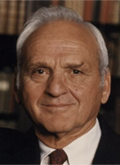
caption: Richard De GennaroRichard (Dick) De Gennaro, the director of libraries at Penn from 1970 to 1986, died on October 11, 2024, from natural causes. He was 98.

Born in New Haven, Connecticut, Mr. De Gennaro joined the U.S. Navy at age 16. He served four years in the Pacific Theater during World War II as a radioman and rose to the rank of Petty Officer First Class. After the war, Mr. De Gennaro earned a BA and MBA at Wesleyan University, then studied in Paris, Poitiers, Barcelona, Madrid, and Perugia from 1951 to 1955. After returning to the U.S., he earned a master of library science at Columbia University.

Mr. De Gennaro started his career in 1956 as a reference librarian in the New York Public Library. Two years later, he joined the staff at Harvard University, where he attended the advanced management program at Harvard Business School and rose through the ranks in Harvard’s library system. From 1967 to 1968, he was also a visiting professor at the University of Southern California. He then returned to the east coast; from 1970 to 1986, he served as the director of libraries at the University of Pennsylvania. During his time at Penn, Mr. De Gennaro played a pivotal role in bringing computers to Penn’s library systems, served on Penn’s Faculty Senate Committee on Education, and was an active and genial member of Penn’s community.

After leaving Penn, Mr. De Gennaro served as director of the New York Public Library for four years before returning to Harvard in 1991 as the Roy E. Larsen Librarian of Harvard College. During his career at Harvard, he became an internationally recognized authority on library management and information technology, publishing numerous peer-reviewed articles and the book Libraries, Technology, and the Information Marketplace. He was recognized as a leader in his field with the American Library Association’s Melvil Dewey Medal (1986), Academic Librarian of the Year Award (1991), and Hugh Atkinson Memorial Award (1993). Mr. De Gennaro also held roles in several professional organizations, including as chair of the Research Libraries Group and as president of the Association of Research Libraries.

“Richard De Gennaro left a lasting imprint on the field of library and information science, and more importantly, on the people who were his friends, colleagues, and students,” said his family. “He was a man of vision, a person who had an enormous supply of patience but who also would not suffer foolishness gladly. He was able to convey new and unusual ideas in a way that stirred the imagination and enthusiasm of others.”

He is survived by his wife, Barbara; his children, Rafael and Christina; and many nieces and nephews.

Rhea Menin Mandell, College of General Studies

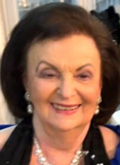
caption: Rhea MandellRhea Menin Mandell, CW’58, CGS’07, a former coordinator in the College of General Studies (the precursor to today’s College of Liberal & Professional Studies), died on October 12, 2024. She was 87.

Born in the Strawberry Mansion neighborhood of Philadelphia, Ms. Mandell was a lifelong Philadelphian. She graduated from Penn in 1958 with a degree in American civilization. She later received a master’s degree in community counseling from Villanova University and, in 1987, joined the staff of Penn’s College of General Studies, counseling and advising students. She also ran the Bread Upon the Waters scholarship fund, which allowed low-income women to attend Penn. She worked at Penn until 2002.

She is survived by her husband, Morton; her children, Robin Green (David), Jonathan Mandell (Monica), and Andrew Mandell (Barbara); her grandchildren, Ian Mandell (Ariel), Andrea Boyer (Austin), Corey Green, Jacob Mandell, Olivia Mandell, Reid Mandell, and Arden Mandell; and one great-grandchild, Winston Boyer.

Contributions in her memory may be made to Temple Adath Israel of the Main Line in Merion, Pennsylvania.

Edward Murray Peters, Jr., History and Penn Libraries

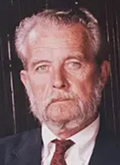
caption: Edward PetersEdward Murray Peters, Jr., the Henry Charles Lea Professor Emeritus in the School of Arts & Sciences and curator of the Penn Libraries’ Henry Charles Lea Library, died on November 6, 2024. He was 88.

Born in 1936, Dr. Peters received his bachelor’s and master’s degrees from Yale University, then went on to earn the first PhD in medieval studies in Yale’s history. Dr. Peters came to Penn in 1968 as the Henry C. Lea Assistant Professor of Medieval History. He was promoted to associate professor two years later and became a full professor in 1981. Beginning in 1976, he served as graduate chair of the history department, and he also taught in Penn’s College of General Studies (the precursor to today’s College of Liberal & Professional Studies), in the Master of Science in Organizational Dynamics program, and in the Wharton School’s Lauder Institute. He also curated Penn’s Henry Charles Lea Library and edited the Penn Press’s book series on the Middle Ages for 25 years. He retired from his teaching duties at Penn in 1999, taking emeritus status, but continued his work at the Penn Libraries until 2009.

Dr. Peters’ research focused on the early history of Europe, from the second to the seventeenth centuries. His chief interests included political and constitutional history, including church history, intellectual and legal history, and historiography. He wrote about various aspects of crime and punishment, juxtaposing the ideas of curiosity and the limits of intellectual inquiry. He wrote over a hundred peer-reviewed articles and books, including The Magician, The Witch, & The Law (1978), Torture (1985), Inquisition (1989), The First Crusade: “The Chronicle of Fulcher of Chartres” and Other Source Materials (1998), Witchcraft in Europe, 400-1700: A Documentary History (2000), and Europe and the Middle Ages (2003). He was widely recognized as a pioneer in his field, receiving fellowships from the American Council of Learned Societies, the American Philosophical Society, the John Simon Guggenheim Foundation, and the Medieval Academy of America.

“Simply put, he is one of the great medievalists of his generation,” said E. Ann Matter, Dr. Peters’ colleague and the former chair of Penn’s department of religious studies. “He is such a learned and urbane person that it is actually rather odd to think of him as an expert on torture (the subject of one of his books) and Inquisitorial politics.”

Dr. Peters is survived by his children and their spouses, Greg and Nicole Kane, Moira and Dave Pakulniewicz, and Clare and Edward M. Peters, III; grandchildren, Caroline, Charles, Timothy, Mary Elizabeth and Peter; his sisters, Teri Ciaburro and MaryEllen DelVecchio; his sister-in-law, Ann Peters; and his brother, John.

Robert M. Toborowsky, Psychiatry

caption: Robert ToborowskyRobert (Bob) M. Toborowsky, M’64, FEL’68, a former clinical associate professor of psychiatry in the Perelman School of Medicine, died on October 17, 2024. He was 85.

Dr. Toborowsky graduated from Perth Amboy High School, where he was valedictorian, then attended Rutgers University, where he graduated summa cum laude. He earned his medical degree from Penn’s School of Medicine in 1964 and completed his internship in internal medicine at Mount Sinai Medical Center in New York City. He then returned to Penn, where he completed his residency in psychiatry and served an additional year as chief resident.

Subsequently, he served in the United States Air Force as the chief of psychiatry at a Strategic Air Command Base in Chicopee Falls, Massachusetts.

Dr. Toborowsky was recruited to Penn in 1970 to serve as medical director of the Hall Mercer Community Mental Health Center, as vice chair of psychiatry at Pennsylvania Hospital, and as an instructor of psychology at the hospital. During the 1970s, he became an assistant and then associate professor at the hospital, and in 1976, he also joined the associate faculty of the School of Medicine as an assistant clinical professor of psychiatry. From 1997 until his retirement in 2017, he served as a clinical associate professor of psychology in the Perelman School of Medicine.

During his time at Penn, Dr. Toborowsky taught and supervised medical students, residents and psychology graduate students for many years.

Outside of his duties at Penn, Dr. Toboroswky provided forensic consultation and expert testimony for law firms, insurance companies and other businesses and corporations in a wide variety of civil matters involving a variety of neurological disorders. In that capacity, he testified in local, state and federal courts on numerous occasions, on behalf of both defendants and plaintiffs. He was a member of the ethics committees of the American Academy of Psychiatry and the Law and the Psychiatric Physicians of Pennsylvania, and served as a senior examiner of the American Board of Psychiatry and Neurology. He was named one of the American Health Council’s Best Doctors in America for eighteen consecutive years and was honored as one of America’s top psychiatrists by the Consumers’ Research Council of America and by Philadelphia Magazine.

Dr. Toborowsky is survived by his wife, Patricia Hastie; his children, Brad Toborowsky (Sara), Elizabeth Pollard (Mark), and Carl Toborowsky (Lisa Bazzle); his step-children, Rebecca Lane and Mason Lane (Robert Domenick); his sister, Elaine Schneiderman; his grandchildren, Matthew, Ryan, Olivia, and Jake; Joan Toborowsky; nieces and nephews; and friends.

Contributions in his memory may be made to Cystic Fibrosis Foundation (www.cff.org/chapters/delaware-valley-chapter-philadelphia-office) or the National Alliance on Mental Illness (www.nami.org).

---

To Report A Death

Almanac appreciates being informed of the deaths of current and former faculty and staff members, students and other members of the University community. Call (215) 898-5274 or email almanac@upenn.edu.

However, notices of alumni deaths should be directed to the Alumni Records Office at Room 545, Franklin Building, (215) 898-8136 or e-mail record@ben.dev.upenn.edu.

Governance

From the Faculty Senate Office: Faculty Senate Executive Committee Agenda

The following agenda is published in accordance with the Faculty Senate Rules. Any member of the standing faculty may attend SEC meetings and observe by contacting Patrick Walsh, executive assistant to the Senate, either by telephone at (215) 898-6943 or by email at senate@pobox.upenn.edu.

Faculty Senate Executive Committee Agenda
Wednesday, January 22, 2025, 3-5 p.m. ET

  1. Finalize the Minutes of December 11, 2024
  2. Tri-Chairs’ Report
  3. Proposal from the School of Veterinary Medicine to increase the cap on clinician educators in the school from 50% to 60% of its standing faculty
  4. Discussion of the Challenges Facing Higher Education and How to Respond
  5. New Business

Honors

Philip T. Gressman: 2025 American Mathematical Society Fellow

caption: Philip GressmanPhilip T. Gressman, a professor of mathematics in the School of Arts & Sciences, has been named a 2025 fellow of the American Mathematical Society, an honor given to those who have made “outstanding contributions to the creation, exposition, advancement, and communication of mathematics.” Dr. Gressman joins 40 other mathematicians who became 2025 fellows of the program, now in its 13th year. He is the 22nd mathematician from Penn to receive the honor.

The goals of the fellowship program include creating an “enlarged class of mathematicians recognized by their peers as distinguished for their contributions to the profession,” as well as to “lift the morale of the profession; make mathematicians more competitive for awards, promotion, and honors; and support the advancement of more mathematicians in leadership positions in their own institutions and in the broader society.”

Dr. Gressman’s research interests lie at the intersection of harmonic analysis and geometry, including the study of geometric averaging operators (generalizing the Radon transform), oscillatory integral operators, sublevel set estimates, Fourier restriction, and related objects. He has been a Penn faculty member since 2008.

Cherie Kagan: Heilmeier Award

caption: Cherie KaganCherie Kagan, the Stephen J. Angello Professor in Electrical and Systems Engineering, has received the 2024-2025 George H. Heilmeier Faculty Award for Excellence in Research, which recognizes “fundamental contributions to colloidal nanocrystal materials and their use in electronic and optical devices.”

The Heilmeier Award honors a Penn Engineering faculty member whose work is scientifically meritorious and has high technological impact and visibility. It is named for the late George H. Heilmeier, a Penn Engineering alumnus and member of the school’s Board of Advisors, whose technological contributions include the development of liquid crystal displays and whose honors include the National Medal of Science and the Kyoto Prize.

Dr. Kagan, who also holds secondary appointments in the department of materials science and engineering in Penn Engineering and in chemistry in the School of Arts & Sciences, is widely known for her groundbreaking research on the synthesis, assembly, and properties of nanostructured materials and in their integration in devices with applications in electronics, photonics, and sensing.

Dr. Kagan will deliver the 2024-2025 Heilmeier Lecture at Penn Engineering during the spring 2025 semester.

Arnav Lal: 2024 Samvid Scholar

Arnav Lal, C’23, G’23, has been named a 2024 Samvid Scholar, joining a program that aims to support “future leaders with exceptional potential and commitment to drive change for society at scale.”

The fellowship includes two years of leadership development, opportunities to network with a community of like-minded scholars, and up to $100,000 in funding to be put toward tuition and fees for graduate school. The program was created by Samvid Ventures in 2021 to invest in the graduate education of future leaders.

Mr. Lal, who is currently a medical student at Harvard University, majored in biophysics, biology, and philosophy at Penn. He was also a University Scholar, a Dean’s Scholar, and a member of Phi Beta Kappa. As an undergraduate, he received the Roy and Diana Vagelos Science Challenge Award and was a Churchill Scholar, which enabled him to attend the University of Cambridge for a master’s degree in biological sciences before attending medical school.

Currently, he is studying infectious disease through genomics and computational biology.

Andrea J. Liu: APS’s 2025 Leo P. Kadanoff Prize

caption: Andrea LiuAndrea J. Liu, the Hepburn Professor in the department of physics & astronomy and a professor of chemistry in the School of Arts & Sciences, has been awarded the 2025 Leo P. Kadanoff Prize from the American Physical Society. The Kadanoff Prize recognizes scientists whose theoretical, experimental, or computational achievements have opened new vistas for statistical and/or nonlinear physics.

Dr. Liu, who has been a Penn faculty member since 2004, was cited for “broad contributions to the statistical mechanics of disordered systems and biological matter, including the theory of jamming.” Her research uses a combination of analytical theory and computation to study soft and living matter.

In the field of living matter, the Liu Group is interested in the ways that new and general collective phenomena, often beyond those typically observed in inanimate soft matter, can emerge at the subcellular, cellular, and tissue levels. In soft matter, the group focuses on the glass problem, the learning problem, and on using data science methods to understand the microscopic origins of collective many-body behavior in strongly correlated systems.

Dr. Liu and her collaborators have worked for several years on the problem of jamming, showing that jamming produces solids at an opposite pole from perfect crystals, providing a new way of thinking about the nature of rigidity in disordered solids.

Heather Love: 2024 David R. Kessler Award

caption: Heather LoveHeather Love, a professor of English in the School of Arts & Sciences, has received the 2024 David R. Kessler Award from CLAGS: the Center for LGBTQ Studies at the City University of New York. The honor goes to a scholar who has produced a “substantive body of work that has had a significant influence on the field of LGBTQ studies.”

“Love’s engagements with comparative social stigma, compulsory happiness, transgender fiction, spinster aesthetics, and reading methods in literary studies, as well as her current work on the queer real, exemplify a range and depth of scholarship that CLAGS is proud to honor,” the committee wrote.

Dr. Love is the 32nd recipient of the award.At a ceremony in her honor, she gave a lecture called “Intimacy and Infrastructure.” David Eng, the Richard L. Fisher Professor in English at Penn, was honored in 2021, and he gave a talk called “(Gay) Panic Attack.”

Tej Patel and Sridatta Teerdhala: Marshall Scholars

Tej Patel, C’25, W’25, and Sridatta Teerdhala, C’25, W’25, both students in the Roy and Diana Vagelos Program in Life Sciences and Management, have been selected as 2025 Marshall Scholars, two of three dozen people representing 26 institutions in the United States selected from nearly 1,000 applicants.

The Marshall Scholarship, established by the British government, provides funding for up to three years of graduate study in any field at any institution in the United Kingdom. It is awarded based on academic merit, leadership, and ambassadorial potential.

At Penn, Mr. Patel is studying molecular biology, healthcare management and policy, and statistics. With the Marshall Scholarship, he plans to pursue two master’s degrees at the University of Oxford, one in global health science and epidemiology, the other in applied digital health. His goal is to become a physician-policymaker.

Mr. Teerdhala is studying biology and economics with concentrations in healthcare management and finance. With the Marshall Scholarship, he plans to pursue a master’s degree in medical sciences at the University of Cambridge, followed by a master’s degree in health policy, planning, and financing at the London School of Economics and Political Science and the London School of Hygiene & Tropical Medicine.

Heath Schmidt: Fellow of the College of Physicians of Philadelphia

caption: Heath SchmidtPenn Nursing’s Heath D. Schmidt, the Killebrew-Censits Chair of Undergraduate Education and a professor of neuroscience & pharmacology in the department of biobehavioral health sciences, has been named a fellow of the College of Physicians of Philadelphia. This honor recognizes Dr. Schmidt’s groundbreaking research on addiction and public health, including NIH-funded studies that uncover novel treatments for nicotine and cocaine dependence. Dr. Schmidt’s dedication to education, mentorship, and cross-disciplinary collaboration embodies the college’s mission to advance health and science while improving patient care and community health.

Three Penn Faculty: Named Members of the Institute for Advanced Study

caption: Ada Kuskowskicaption: C. Brian Rosecaption: Robert StrainAda Kuskowski, an associate professor of history in the School of Arts & Sciences; C. Brian Rose, the James B. Pritchard Professor of Archaeology and a professor of classical studies in the School of Arts & Sciences; and Robert Strain, a professor of mathematics in the School of Arts & Sciences, have been selected as members of the Institute for Advanced Study (IAS) for the 2024–2025 academic year. Membership in IAS allows for focused research and the free and open exchange of ideas among an international community of scholars at one of the foremost centers for intellectual inquiry.

Dr. Kuskowski is a medieval and legal historian. Her work has focused on the construction of legal knowledge, especially customary law. While at IAS, she will explore law in the long aftermath of conquest and the formation of colonial legal imaginaries. Through this work, she aims to rethink the broad contours of medieval law.

Dr. Rose, who has supervised excavations at Troy in northwest Turkey, will complete a monograph on Troy’s West Sanctuary, which became tied to the Romans when they began promoting their Trojan ancestry. It also discusses architectural conservation strategies at Troy, and considers how an archaeologist can mishandle the staging of history.

Dr. Strain’s research focuses on the mathematical analysis of non-linear partial differential equations that arise in physical contexts. He has proven results on partial differential equations from diverse areas, including fluid dynamics, kinetic theory, mathematical biology, and materials science.

Each year, IAS welcomes more than 250 postdoctoral researchers and distinguished scholars from around the world to advance fundamental discovery as part of an interdisciplinary and collaborative environment. Visiting scholars are selected through a highly competitive process that recognizes bold ideas, innovative methods, and deep research questions by the permanent faculty—each of whom are preeminent leaders in their fields. Today, research at IAS happens across four schools—Historical Studies, Mathematics, Natural Sciences, and Social Science.

Asja Towns: Skadden Fellowship

caption: Asja TownsAsja Towns, L’25, has been awarded a Skadden Fellowship. Established in 1988, the highly competitive program provides two-year fellowships to recent law graduates to pursue the practice of public interest law on a full-time basis, particularly improving the legal services for the poor and encouraging economic independence. The 2025 class includes 28 fellows from 18 law schools across the United States.

Ms. Towns, a Toll Public Interest Scholar, will work with the NAACP Legal Defense and Educational Fund (LDF) in Washington, D.C. Her project aims to engage in multidisciplinary advocacy, combining policy, public education, litigation, communications, and organizing, to safeguard and lawfully expand targeted programs so that low-income students of color can access higher education and employment opportunities.

“Low-income students of color often experience systemic inequities in K-12 education and beyond that, through no fault of their own, persist and hinder their opportunities at every stage of their academic and professional journeys,” she said. “I aim to bridge this gap by defending programs that dismantle barriers and create pathways to connect these talented students with the opportunities they need.”

Ms. Towns’ project, housed in LDF’s Equal Protection Initiative, addresses the urgent challenges posed by the chronic underfunding of public school districts, the resulting generations of students deprived of pathways to higher education and employment, and recent legal and policy assaults on programs designed to support these students. Underfunded public schools and disinvested communities create significant barriers for low-income students of color.

Christopher Murray: NAI Fellow

caption: Christopher MurrayChristopher B. Murray, the Richard Perry University Professor in materials science and engineering in Penn Engineering and in chemistry in the School of Arts & Sciences, has been elected to the 2024 class of National Academy of Inventors (NAI) Fellows, one of the highest honors that can be bestowed upon academic inventors. The NAI Fellow designation recognizes individuals whose groundbreaking contributions have significantly advanced innovation, economic development, and societal welfare. Dr. Murray joins a distinguished group of inventors who are celebrated for their exceptional achievements and ongoing commitment to transforming research into real-world applications.

Dr. Murray works at the intersection of chemistry, materials science, electrical, and chemical engineering. His research explores novel ways to improve energy and environmental sustainability, information processing and human health. He works across scientific boundaries to develop new chemical methods to create building blocks at the 1- to 100-nanometer scale for materials to address these challenges. 

Dr. Murray holds 26 current and four pending patents for inventions at the nanoscale, a domain 100,000 times smaller than the width of a sheet of paper. At the nanoscale, unusual quantum mechanical properties emerge, yielding new electrical, optical, magnetic and catalytic behavior. Using Penn’s Singh Center for Nanotechnology as a crucible for discovery, he commercializes and educates across academic disciplines and maintains research partnerships with innovators in information technology, sustainable energy, aerospace, specialty chemicals, and life sciences companies. His work has not only contributed to scientific advancement but also directly improved the quality of life for individuals around the world.

Founded in 2010, the National Academy of Inventors includes over 4,600 members worldwide, including inventors, academic researchers and leaders in innovation from more than 260 institutions. The academy recognizes individuals who have demonstrated a prolific spirit of innovation through their inventions and who have contributed to economic growth and public welfare through their work. With over 1,800 fellows currently, the NAI Fellowship is considered the highest professional distinction for academic inventors.

Dr. Murray will officially be recognized during the NAI Fellows Induction Ceremony at the NAI Annual Conference in June 2025.

Events

2025 Dr. Martin Luther King, Jr. Commemorative Symposium on Social Change: Penn’s Commitment to the Legacy
MLK logo 2025

Please visit https://aarc.upenn.edu for current event information, including additional registration links. Symposium events are sponsored by the African-American Resource Center and the MLK Executive Planning Committee with additional sponsors listed in parentheses.

Penn Reads Book Donation Project; help a young child develop a love of reading by purchasing books from a curated list of short multicultural, anti-bias children’s books; full list available at https://tinyurl.com/PennReadsBookList2025; your donation supports a local bookstore; please ship books to the African American Resource Center, 3643 Locust Walk, Philadelphia, PA 19104. Through February 3.

1/16     Paint Along Social; 5-7 p.m.; Hall of Flags, Houston Hall; $10 fee and limited registration; register: https://tinyurl.com/MLKPaintAlong2025 (Office of Social Equity & Community, Penn Professional Staff Assembly).

1/18     Young Quakers MLK Sports & Wellness Event; 11 a.m.-1 p.m.; Pottruck Health & Fitness Center.

1/20     Day of Service Kick-Off Breakfast; features guest speaker Andrea Lawful-Sanders; 8 a.m.; program starts at 9 a.m.; Hall of Flags, Houston Hall; register: https://bit.ly/MLKDayofServiceKickOffBreakfast2025.  

            Free Dog and Cat Wellness and Vaccination Clinic; call the Penn Ryan Veterinary Hospital’s appointment desk at (215) 898-4680 to schedule a visit (clinic will be run by appointment only); clinic is limited to two pets per household; owners can receive a free flu vaccine; 9 a.m.-1 p.m.; Ryan Veterinary Hospital.

            Community Beautification Service Project; volunteers will help clean up/spruce up Comegys and Marian Anderson Schools and Laura Sims Skate House by removing trash and debris; dress appropriately; light refreshments and water will be provided; 10 a.m.-2 p.m.; meet at 9:45 a.m. at Hall of Flags, Houston Hall, for transportation to locations; register: https://bit.ly/MLKDBeautificationProject2025.

            Class of ‘80/Sayre Mentoring Program; members of the class of 1980 and Sayre High School students will make no-sew blankets and write letters to seniors that will be donated to local hospitals and senior centers; they will also participate in a youth-driven anti-violence program; 10 a.m.-1:30 p.m.; Hall of Flags balcony, Houston Hall.

            A Pocketbook Full of Toiletries Project; volunteers will fill t-shirt bags with personal hygiene items that will be donated to area shelters; 10 a.m.-1 p.m.; Bodek Lounge, Houston Hall; register: https://bit.ly/MLKPocketbookFullOfToiletries2025.

            Sock Stuffing Project; volunteers will stuff socks with personal items and assemble no-sew blankets that will be donated to area shelters; 10 a.m.-1 p.m.; Bodek Lounge, Houston Hall; register: https://bit.ly/HelpingHandsSockStuffing2025.

            Penn Reads Literacy & Children’s Art Project—“Imagine A World...!”; children ages 3-8 are invited to participate in a theatrical story time experience; attendees will learn about Dr. Martin Luther King, Jr.’s vision, explore a University library, and create a book to take home; pizza and snacks will be provided; 11 a.m.-2 p.m.; Class of 1978 Orrery Pavilion, 6th floor, Van Pelt Library; register: https://bit.ly/PennReads2025Registration.

            So You Want to Go to College?; this workshop will help you better understand the college admissions and financial aid process; 1-2:30 p.m.; Zoom event; register: https://bit.ly/SoYouWantToGoToCollege2025.  

            No-Sew Lap Blanket Making Project; create cozy no-sew lap blankets for individuals in need and do a hands-on activity that combines creativity and compassion; 2:30-3:30 p.m.; room TBA, Houston Hall; register: https://bit.ly/NoSewLapProject2025.  

            No-Sew Dog Blanket Making Project; create cozy no-sew lap blankets for dogs in need and do a hands-on activity that combines creativity and compassion; 3:30-4:30 p.m.; room TBA, Houston Hall; register: https://bit.ly/NoSewDogBlanketmaking2025.  

            MLK 101: The Man and His Legacy; learn about the life and legacy of Dr. Martin Luther King, Jr. in a virtual program and discussion facilitated by Herman Beavers, English and Africana Studies, and view a documentary about Dr. King’s life; 5:30-7 p.m.; Zoom event; register: https://bit.ly/MLK101Legacy2025.

            Dr. Martin Luther King, Jr. Candlelight Vigil; join the Alpha Phi Alpha fraternity and Alpha Kappa Alpha Sorority for an annual Candlelight Vigil; will begin at Du Bois College House and proceed to the compass at 37th and Locust Walk with songs, stories, and quotes from Dr. King; ends with refreshments at Penn Women’s Center; 7-8:30 p.m.; register: https://bit.ly/MLKCandlightVigil2025.

1/21     University-Community Partnerships for Equitable Landscapes and Environmental Justice; a virtual panel spotlighting faculty and community collaborators advancing equity and environmental justice in Philadelphia; 10 a.m.; Zoom event; register: https://tinyurl.com/MLKPanel2025 (Penn Sustainability Office, Environmental Innovations Initiative, Netter Center for Community Partnerships).

            Virtual #citeNLM Wikipedia Edit-a-thon; in honor of the symposium, Penn Libraries is participating in the Network of the National Library of Medicine’s (NNLM) #citeNLM Wikipedia Edit-a-thon initiative to edit health-related Wikipedia pages; learn how to edit Wikipedia pages using information found on MedlinePlus, PubMed, and other credible health websites; ongoing virtual event; info and register: https://tinyurl.com/MLKeditathon2025 (Penn Libraries). Through February 7.

            King the Preacher; Dr. Martin Luther King, Jr., was a pastor and preacher; his work for justice was grounded in his faith; hear and discuss one of his sermons; noon-1:30 p.m.; Penn Women’s Center (Christian Association). Also January 28, noon-1:30 p.m.

            24th Annual MLK Social Justice Lecture & Award; the honoree, Harvard University’s Orlando Patterson, will deliver a keynote address on Slavery and Genocide: The U.S., Jamaica, and the Historical Sociology of Evil; 5:30-7 p.m.; Zellerbach Theater, Annenberg Center, Penn Live Arts (Center for Africana Studies, Annenberg School for Communication).

1/22     MLK Nursing Program; will feature speaker Sheldon Fields, president of the Black Nursing Association; 2-4 p.m.; location TBD.

            Threads of Resistance: Fashion, Identity, and the Legacy of the Civil Rights Movement; will highlight the role of fashion in the civil rights movement, exploring how clothing choices served as statements of defiance, solidarity, and cultural pride, connecting historical threads to modern day activism in fashion; 5-7 p.m.; 1st floor, Multipurpose Room, Amy Gutmann College House (Global Citizens 365).

1/23     Black Penn Round Table Conversation; panel-led program uplifting DEI amidst the backlash and discussing what the future holds; noon-2 p.m.; location TBD (Makuu).

            Gender Equity in Action: Laws, Advocacy, and Civic Engagement; 3-4:30 p.m.; Penn Women’s Center (PWC).

            The Annual Rev. Dr. Martin Luther King, Jr. Interfaith and Awards Commemoration; this annual event commemorates the life and work of Dr. Martin Luther King, Jr., emphasizes common humanity, and acknowledges individuals whose active service exemplifies Dr. King’s vision; this year’s guest speaker is Eddie S. Glaude, Jr., Princeton University; 6-8 p.m.; Bodek Lounge, Houston Hall (Office of the Chaplain, Office of the President).

1/24     AARC Work-Study Movie Night; 4-6 p.m.; Penn Women’s Center.

1/27     What Would Dr. Martin Luther King, Jr. Do? Understanding the Past, Examining the Present, Exploring the Future; in a changing world with some new and some old issues; this panel discussion asks “what would Dr. Martin Luther King, Jr., do if he were living today?”; 5:30-7:30 p.m.; Du Bois College House; register: http://bit.ly/4a5AD8w (Netter Center for Community Partnerships).

1/28     “In the Life”: Queer Activists & the Civil Rights Movement; first part of a two-part program that will explore Bayard Rustin’s legacy as MLK’s advisor and a queer man who greatly contributed to the Civil Rights Movement; part one consists of a screening of the film Rustin (2023) followed by a discussion;food/refreshments provided; 5-8 p.m.; multipurpose room, Du Bois College House (COLOURS, QBlack, CFAR CAB, Office of Social Justice Education and Inclusion Initiatives).

1/29     Scam Savvy: Protecting Yourself and Your Money; learn how to manage your money and protect yourself from scams and fraud; lunch provided; noon-1:30 p.m.; Lynne B Harrison Library (2nd floor), Penn Hillel; register: https://tinyurl.com/ScamSavvy2025 (Financial Wellness @ Penn).

            “For There is Always Light”; 3-4:30 p.m.; location TBD (Office of Vice Provost for Student Engagement).

            “In the Life”: Queer Activists & the Civil Rights Movement; part two will feature a panel of four queer-identifying Black scholars and organizers who will discuss Rustin’s life and career as a civil rights organizer; food/refreshments provided; 4-6 p.m.; room 108, ARCH building  (COLOURS, QBlack, CFAR CAB, University Life’s Office of Social Justice Education and Inclusion Initiatives).

1/30     Jazz for King: Building the Beloved Community; enjoy the music of Glenn Bryan & Friends and MC Darin Toliver; 6-9:30 p.m.; Philadelphia Clef Club of Jazz and Performing Arts; 736 S Broad Street.

1/31     Minty Fresh Circus; named in tribute to Harriet Tubman (childhood nickname was Minty), this world premiere co-commission is a raucous, playful reimagination of circus and dance that infuses African performance rituals, ceremonies and cultural traditions; the Afrofuturistic show celebrates the healing power of Black music and movement and explores themes of freedom and survival in the early Black American experience; 8 p.m.; Zellerbach Theater, Annenberg Center; tickets: https://pennlivearts.org/event/MintyFresh (Penn Live Arts). Also February 1, 2 p.m.

2/2       Driving Miss Daisy; a play about the transformative power of friendship; 2 p.m.; Walnut Street Theatre, 825 Walnut Street; $60; contact Diane Leslie at (267) 342-3396 for tickets (Diane Travels).

2/7       The Light of Creative Altruism: Art Exhibit and Reception; features high school students enrolled in the Educational Talent Search Program; 4:30-6:30 p.m.; Irvine Auditorium (VPSE Educational Talent Search Program and the Office of Affirmative Action and Equal Opportunities Programs).

Penn Museum Presents CultureFest! Lunar New Year

caption: A Lion Dance performance on the Harrison Auditorium stage at Penn Museum.

Ring in the Year of the Snake at the Penn Museum’s 44th annual Lunar New Year celebration on Saturday, January 25 from 10 a.m.-4 p.m. Bring the whole family to experience vibrant Asian traditions during a full day of festivities, including storytelling, art-making, live music and dance performances, and a traditional Lion Dance finale.

Lunar New Year is observed by various Asian communities, including those of Chinese, Vietnamese, Korean, and Tibetan descent. The festivities traditionally commence with the first new moon of the lunar calendar and conclude 15 days later on the first full moon. Originating as a time for respite from agricultural work and togetherness with loved ones, Lunar New Year incorporates customs such as feasts, gift exchanges, lantern lighting, and offerings to deities and ancestors.

The 44th annual Lunar New Year celebration is presented in collaboration with the American Center for Asian Students and the Center for East Asian Studies at the University of Pennsylvania.

For tickets, visit https://www.penn.museum/calendar/398/culturefest. Admission is free for members, PennCard holders, and Penn Medicine patients and staff.

caption: The traditional Lion Dance will close this year’s CultureFest! Lunar New Year celebration at the Penn Museum.

WXPN Policy Board Meeting: January 29

An open session of the WXPN Policy Board will meet Wednesday, January 29 at 4 p.m. at WXPN. For more information, email abby@xpn.org or call (215) 898-0628 during business hours.

Update: January AT PENN

Fitness & Learning

16        Pre-Prods Spring 2025: Show Production, Group Communications, & Space Shares; student performing arts groups are welcome to learn the basics of putting on performances at Penn; 6 p.m.; Zoom webinar; info: https://tinyurl.com/platt-house-events (Platt Performing Arts House). Also January 17, 1 p.m.


College of Liberal & Professional Studies

Online webinars. Info and to register: https://www.lps.upenn.edu/about/events.

16        Master of Applied Positive Psychology Virtual Alumni Panel; 5:30 p.m.


Graduate School of Education

Online webinars. Info and to register: https://www.gse.upenn.edu/news/events-calendar?date=2024-12.

14        Education Entrepreneurship Virtual Information Session; 9 a.m.

16        Penn Chief Learning Officer Virtual Information Session; noon.

20        Urban Education (Online) Virtual Information Session; 7 p.m.

            Urban Teaching Residency Virtual Information Session; 7 p.m.

21        Executive Doctorate in Higher Education Management Virtual Information Session; 4 p.m.


Penn Libraries

Unless noted, online webinars. Info and to register: https://www.library.upenn.edu/events.

16        An Introduction to LaTeX and Overleaf; learn the basics of a program that will help you format equations, make a sweet-looking resume, or write a thesis or dissertation; 11 a.m.; Research Data and Digital Scholarship Exchange, Van Pelt Library.

21        Research Data Management for Teams; will teach the importance of data management principles, such as file naming, file organization, and metadata, as they apply to teams; 11 a.m.


On Stage

17        Penn Masti Presents “Best of Bollywood”; an annual celebration of South Asian and fusion dance, featuring electrifying performances that blend hip-hop, lyrical, bhangra, classical, and tolly styles of dance; 7 p.m.; Iron Gate Theater; tickets: $10-$12 (Platt Performing Arts House). Also January 18, 7 p.m.


Talks

15        2025 Martin Luther King Jr. Health Equity Symposium; Ala Stanford, Penn Institute for mRNA Innovation; noon; Smilow Center; register: https://tinyurl.com/stanford-talk-jan-15 (Inclusion, Diversity, and Equity).

            Enhancing Adoptive T Cell Therapy Against Solid Tumor: In Situ T Cell Activation With Diacylglycerol Kinase Inhibitor; Phurin Areesawangkit, pulmonary, allergy & critical care; noon; room 213, Stemmler Hall (Penn-CHOP Lung Biology Institute).

            Locoregional Flap Reconstruction; Kanvar Panesar, University of Alabama at Birmingham; noon; William W.M. Cheung Auditorium, Penn Dental Medicine, and Zoom webinar; register: https://cde.dental.upenn.edu/Course/1578-Locoregional-flap-reconstruction (Penn Dental Medicine).

            Poison and Cure: Non-Convex Optimization Techniques for Private Synthetic Data and Reconstruction Attacks; Michael Kearns, computer & information science; noon; room 414, Amy Gutmann Hall, and Zoom webinar; join: https://upenn.zoom.us/j/97716959173 (SEAS ASSET Center).

16        Large Language Models (LLMs) and Their Transformative Possibilities; Chris Callison-Burch, computer & information science; noon; William W.M. Cheung Auditorium, Penn Dental Medicine, and Zoom webinar; register: https://cde.dental.upenn.edu/Course/1575-LunchLearn-AI (Penn Dental Medicine).

            The Fifty Daughters of Selene and the Aitolian Politics of Kinship; Hanna Golab, Columbia University; 4:45 p.m.; room 402, Cohen Hall (Classical Studies).

18        Art of Art Collecting; Allison Zuckerman, artist; Susie Kravets, gallerist; 2 p.m.; Arthur Ross Gallery, Fisher Fine Arts Library (Arthur Ross Gallery).

            In Conversation; Carl Cheng, artist; Alex Klein, Contemporary Austin; 2 p.m.; Institute of Contemporary Art and virtual livestream; register: https://tinyurl.com/cheng-klein-jan-18 (Institute of Contemporary Art).

21        Machine Learning for Aging and Spatial Omics; Eric D. Sun, Stanford University; 3:30 p.m.; room 701, Blockley Hall, and Zoom webinar; join: https://tinyurl.com/sun-talk-jan-21 (Biostatistics, Epidemiology & Informatics).


Biology

Unless noted, hybrid events at room 109, Leidy Laboratory, and Zoom webinar. Info: https://www.bio.upenn.edu/events.

16        Eco-Evolutionary Dynamics in Human-altered Environments: Insights Across Scales of Organization; Mattheau Comerford, University of Massachusetts, Boston; noon.

21        Probabilistic Machine Learning for Therapeutic Discovery; Eli Weinstein, Columbia University; noon; room 116, Fagin Hall.


Chemistry

In-person events at Carolyn Hoff Lynch Lecture Hall, Chemistry 1973 Building. Info: https://www.chem.upenn.edu/events.

16        Solving Hard Chemistry Problems by Throwing Dice; David R. Reichman, Columbia University; noon.

21        Chemical Approaches to Decipher Molecular Codes of Biomolecular Condensates; Xiao Xie, Princeton University; 10:30 a.m.


Economics

In-person events. Info: https://economics.sas.upenn.edu/events.

21        On the Asymptotic Properties of Debiased Machine Learning Estimators; Amilcar Velez, Northwestern University; 4 p.m.; room 100, PCPSE.


Microbiology

In-person events at Austrian Auditorium, CRB. Info: https://www.med.upenn.edu/micro/seminars-and-events.html.

15        γδ Intraepithelial Lymphocyte Regulation of the Intestinal Barrier; Karen Edelblum, Icahn School of Medicine; noon.


This is an update to the January AT PENN calendar. To submit events for an upcoming AT PENN calendar or weekly update, email almanac@upenn.edu.

Crimes

Weekly Crime Reports

Division of Public Safety
University of Pennsylvania Police Department Crime Report

About the Crime Report: Below are the Crimes Against Persons and/or Crimes Against Property from the campus report for December 30, 2024-January 5, 2025. The Crime Reports are available at: https://almanac.upenn.edu/sections/crimes. Prior weeks’ reports are also online. –Eds.

This summary is prepared by the Division of Public Safety (DPS) and contains all criminal incidents reported and made known to the Penn Police, including those reported to the Philadelphia Police Department (PPD) that occurred within our patrol zone, for the dates of December 30, 2024-January 5, 2025. The Penn Police actively patrol from Market Street to Baltimore Avenue and from 30th Street to 43rd Street in conjunction with the Philadelphia Police.

In this effort to provide you with a thorough and accurate report on public safety concerns, we hope that your increased awareness will lessen the opportunity for crime. For any concerns or suggestions regarding this report, please call DPS at (215) 898-7297. You may view the daily crime log on the DPS website.


Penn Police Patrol Zone
Market Street to Baltimore Avenue and from 30th Street to 43rd Street

Crime Category

Date

Time

Location

Description

Assault

01/01/25

8:38 AM

125-129 S 40th St

Complainant threatened by unknown offender; offender wanted on warrant/Arrest

Auto Theft

12/30/24

2:25 PM

3400 Spruce St

Theft of a secured electric scooter from bike racks by the Gates entrance


12/31/24

7:19 PM

4100 Ludlow St

Theft of a parked motor vehicle from highway


01/04/25

7:55 PM

1 Convention Ave

Secured scooter taken from bike rack

Bike Theft

01/05/25

12:38 PM

300 University Ave

Report of a bike theft

Burglary

01/02/25

9:34 AM

3707 Chestnut St

Complainant reported that approximately $12,000 worth of copper pipe and fittings were missing from the construction site

Fraud

01/01/25

9:50 AM

3900 Chestnut St

Complainant was defrauded of currency by unknown offender


01/03/25

6:55 PM

4001 Chestnut St

Credit card used without authorization

Other Offense

01/03/25

12:29 AM

4012 Spruce St

Pedestrian stop for suspicious behavior; warrant for offender/Arrest

Retail Theft

12/31/24

12:04 PM

4233 Chestnut St

Retail theft of alcohol

Theft from Building

01/02/25

3:33 PM

3816 Chestnut St

Known offender took currency from bulletin board


01/03/25

3:14 PM

3600 Chestnut St

Package taken from common area in apartment building

Theft from Vehicle

12/30/24

6:08 PM

4232 Pine St

Offender gained entry into a parked vehicle and stole $3 in change

Theft Other

12/31/24

8:04 PM

3816 Chestnut St

Package containing sneakers taken from mailroom


01/04/25

11:20 PM

3601 Market St

Report of theft from a purse


Philadelphia Police 18th District
Schuylkill River to 49th Street & Market Street to Woodland Avenue

Below are the Crimes Against Persons from the 18th District: 7 incidents were reported for December 30, 2024-January 5, 2025 by the 18th District, covering the Schuylkill River to 49th Street & Market Street to Woodland Avenue.

Crime Category

Date

Time

Location

Aggravated Assault

01/04/25

1:22 PM

4640 Walnut St

Assault

12/30/24

1:30 PM

541 S 49th St


01/01/25

9:25 AM

125 S 40th St


01/03/25

9:19 PM

4832 Walnut St

Robbery

12/31/24

12:49 PM

S 43rd St & Woodland Ave


01/01/25

5:32 PM

135 S 52nd St


01/04/25

6:22 PM

4600 Woodland Ave


The Division of Public Safety offers resources and support to the Penn community. DPS developed a few helpful risk reduction strategies outlined below. Know that it is never the fault of the person impacted (victim/survivor) by crime.

  • See something concerning? Connect with Penn Public Safety 24/7 at (215) -573-3333.
  • Worried about a friend’s or colleague’s mental or physical health? Get 24/7 connection to appropriate resources at (215) 898-HELP (4357).
  • Seeking support after experiencing a crime? Call Special Services - Support and Advocacy resources at (215) 898-4481 or email an advocate at specialservices@publicsafety.upenn.edu
  • Use the Walking Escort and Riding services available to you free of charge.
  • Take a moment to update your cellphone information for the UPennAlert Emergency Notification System
  • Download the Penn Guardian App which can help Police better find your location when you call in an emergency.
  • Access free self-empowerment and defense courses through Penn DPS.
  • Stay alert and reduce distractions; using cellphones, ear buds, etc. may limit your awareness.
  • Orient yourself to your surroundings. (Identify your location, nearby exits, etc.)
  • Keep your valuables out of sight and only carry necessary documents.

Bulletins

Penn’s Center for Molecular Studies in Digestive and Liver Diseases Pilot and Feasibility Grant Program: Call for Applications

Purpose and Research Focus 

The purpose of Penn’s Center for Molecular Studies in Digestive and Liver Diseases (CMSDLD) is to unite investigators with interests in digestive and liver physiology and disease and to stimulate others in the biomedical community to enter this area of research. One of the most important parts of this effort is the funding of pilot and feasibility projects. 

The proposed pilot and feasibility project should be related to the focus of the center, which encompasses molecular studies on the biology or disease of the alimentary tract, pancreas, and liver. Relevant investigations include those in developmental biology, nutrition, regulation of gene expression, growth, differentiation, the biology of stem cells, molecular genetics, bioengineering approaches to digestive diseases, gene therapy, and immunology, including growth factors and cytokines. Please note that preference is given to junior investigators and to proposals studying areas other than cancer, although applications from senior investigators and on cancer-related topics will be considered. Pilot project awards are for $40,000 for one year with a second year possible through a competitive renewal. Candidates will be notified by the end of April 2025. The funding start date is June 1, 2025.

Eligibility 

All faculty members of the University scientific community (at the rank of instructor and above) who meet the eligibility requirements below are invited to submit proposals. Applicants must be U.S. Citizens or hold permanent resident visas. There are three categories of applications: 

1. New investigators who have never held extramural support at the level of a NIH R01. 

2. Established investigators in other areas of biomedical research who wish to apply their expertise to a problem in digestive and liver diseases. 

3. Established digestive and liver investigators who wish to study an area that represents a significant departure from currently funded work. 

Proposal Preparation 

1. Submit documents outlined below by sending them directly to Kristi Taverno at Kristi.Taverno@Pennmedicine.upenn.edu. Complete proposals are due by Tuesday, January 21, 2025. 

2. Format (Submit as a single PDF, in this order)

     a. Cover page: must include an abstract of up to 250 words and a list of approved or pending IACUC/IRB protocols. If embryonic cell lines will be used, they must be from the NIH Embryonic Stem Cell Registry, and you must provide a list within your cover page. Finally, if your pilot grant will include human subject research involving more than minimal risk, that will need to be included in the letter as well. NIH has to approve these studies in advance of an award.

*If you are not currently a faculty member but will be by the project start date of June 1, 2025, please state that explicitly in the cover letter.

     b. NIH biosketch

     c. NIH other support

     d. Budget and justification: one year, $40,000, one page only. No PI salary allowed.

     e. Background, preliminary results, estimated core usage, research plan including statistical analyses, and future directions; up to three pages total

     f. Senior investigators should indicate how this project represents a new direction in their research

     g. References: one page only

     h. Appendix: tables or high-resolution images pertaining to preliminary data that is already reported in the research section only, no reprints 

Please note: The top applicants will be asked to present a five-minute summary of their proposal to the center’s external advisory board on Friday, March 21, 2025. Applications from top candidates identified by the EAB will be reviewed further by center leadership and members of the center’s community advisory board.

For additional information, please contact the Center for Molecular Studies in Digestive and Liver Diseases at Kristi.Taverno@Pennmedicine.upenn.edu.

One Step Ahead: Making Duo Push Verification More Secure

Another tip in a series provided by the Offices of Information Security, Information Systems & Computing and Audit, Compliance & Privacy

One Step Ahead Security and Privacy Made Simple logo

Duo Mobile is Penn’s supported application for two-factor verification. Penn recommends using the Duo Push method for verification.

Verified Duo Push was implemented in October  2024 for all PennKey-protected websites to provide additional security. 

Now, when you access a PennKey-secured resource with Verified Duo Push, you will be required to enter a three-digit code from your computer or tablet into Duo Mobile instead of selecting “Deny” or “Approve.” Requiring the code helps prevent “push fatigue” or “push harassment,” which are cyberattacks where hackers attempt to compromise resources by repeatedly sending verification pushes when you have not initiated the verification. 

By sending pushes repeatedly, hackers hope you will become confused or frustrated by repeated pushes, which will trick you into approving illegitimate access. Adding the three-digit code helps to ensure that the push is a legitimate verification request you made. Only approve pushes for requests that you have initiated, and do not provide the three-digit code to anyone.

For more information on two-step verification: https://www.isc.upenn.edu/two-step-quick-start.

--

For additional tips, see the One Step Ahead link on the Information Security website: https://www.isc.upenn.edu/security/news-alerts#One-Step-Ahead.

Call for Information on Penn Summer Camps and Programs

Almanac publishes a supplement early each year featuring the camps and programs that will take place at Penn over the summer. It lists camps for children, teens, and young adults, representing an array of activities, from academic enrichment—including anthropology, business, law, veterinary medicine, and music—to recreation and sports camps. To submit information about a camp, email almanac@upenn.edu with the following information:

  • Name of camp
  • Dates held
  • Age range for participants
  • Short summary of the program
  • Cost (note any scholarships, financial aid, or discounts available)
  • URL for enrollment/application forms
  • Deadline to apply/enroll (if applicable)
  • An email, link, and/or phone number to obtain more information

If possible, please submit information by Monday, January 20, 2025. If additional time is needed to gather submission details, please email almanac@upenn.edu.

Back to Top