2024 Perelman School of Medicine Awards of Excellence
I take great pride in announcing this year’s recipients of the Penn Medicine Awards of Excellence, each of whom was chosen by a committee of distinguished faculty from the Perelman School of Medicine. The awardees exemplify our profession’s highest values and epitomize the preeminence we all strive to achieve. Please join me in extending our sincere congratulations to the following award recipients.
—Jonathan A. Epstein, Interim Executive Vice President of the University of Pennsylvania for the Health System & Dean of the Perelman School of Medicine
Clinical Awards
 The Louis Duhring Outstanding Clinical Specialist Award goes to Ellen J. Kim, a professor of dermatology. The Duhring Award recognizes a clinical specialist physician who blends biomedical science, recent advances in clinical research, and insight to provide cutting-edge services to patients and colleagues. The awardee should be able to apply clinical knowledge innovatively and creatively and maintain a commitment to patients that goes beyond the norm and exemplifies Penn Medicine’s goal for clinical care and professionalism.
Dr. Kim is a distinguished expert in complex medical dermatology, internationally recognized for her mastery in cutaneous lymphoma, innovative research, and academic leadership. As director of the Penn Cutaneous Lymphoma Program and Photopheresis Service, she has advanced clinical care through groundbreaking studies on novel therapies. As a leader within the Penn Medicine community, she demonstrates an unwavering commitment to education, mentorship, patient well-being, and collaborative excellence across the field.
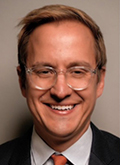 The Sylvan Eisman Outstanding Primary Care Physician Award goes to Andrew Maier, an associate professor of medicine (general internal medicine). The Eisman Award recognizes a physician in family or general internal medicine, general pediatrics, or obstetrics/gynecology who strives for continuous improvement and the highest quality of practice, while maintaining a commitment to patients that goes beyond the norm and exemplifies the Penn Medicine goals for clinical care, professionalism, and standards for excellence.
Dr. Maier, the medical director at the Edward S. Cooper Clinic, is recognized for his unwavering commitment to continuous improvement and the highest standards of patient care. His exceptional leadership and clinical acumen have driven innovative initiatives like the physician home-visiting program to provide comprehensive care to residents of West Philadelphia and neighboring communities. Dr. Maier’s dedicated approach fosters a supportive environment across his team, has a transformative impact on healthcare delivery, and exemplifies Penn Medicine’s goals for excellence, compassionate care, and community.
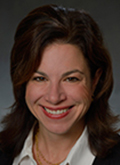 The Luigi Mastroianni, Jr. Clinical Innovator Award goes to Courtney Schreiber, the Stuart and Emily B.H. Mudd Professor of Human Behavior and Reproduction in the department of obstetrics and gynecology. The Mastroianni Award recognizes a physician who has made significant contributions toward the invention and development of new techniques, approaches, procedures, or devices that change medical practice and are of major benefit to patient care.
Dr. Schreiber is a pioneering leader in pregnancy care and family planning, having founded the Pregnancy Early Access Center (PEACE) program, which integrates timely, patient-centered healthcare for individuals facing complications during early pregnancy with clinical research. In the spirit of true collaboration, she fosters interdisciplinary partnerships across fields and disciplines. Her groundbreaking contributions in clinical innovation and research have not only changed guidelines and clinical practice, but also resulted in a novel healthcare delivery model that has inspired over 100 similar programs nationwide, promoting health equity, access, and improving outcomes for all.


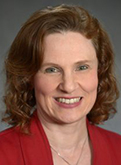 The Alfred Stengel Health System Champion Award goes to Laurel J. Glaser, an associate professor of pathology & laboratory medicine; Kyle G. Rodino, an assistant professor of pathology & laboratory medicine; and Vivianna M. Van Deerlin, a professor of pathology & laboratory medicine. The Stengel Award recognizes a physician who has made significant contributions toward the clinical integration and efficiency of the University of Pennsylvania Health System and demonstrated commitment to the improvement of quality care.
Dr. Glaser is a highly respected physician scientist who leads Penn’s clinical microbiology laboratory; her extensive expertise in virology significantly enhanced Penn’s response to COVID-19 pandemic through innovative testing approaches, outreach, data sharing, and clinician support.
Dr. Rodino is the director of the Rittenhouse Molecular Laboratory and demonstrated exceptional leadership in COVID testing and public health during the pandemic, notably developing a validated SARS-CoV-2 viral genome sequencing assay in collaboration with the department of microbiology that monitors virus evolution in Philadelphia and informed critical outbreak investigations and mitigation strategies.
Dr. Van Deerlin is a highly accomplished physician-scientist with extensive experience in molecular diagnostic testing. As the director of Penn Medicine’s molecular pathology laboratory and the Penn-wide COVID-19 Saliva Testing Laboratory, she drove remarkable accomplishments in SARS-CoV-2 RNA assay validation and laboratory operations, while also fostering staff development and ensuring rapid, high-quality testing during the COVID-19 pandemic.
Together, Dr. Glaser’s, Dr. Rodino’s, and Dr. Van Deerlin’s selfless leadership and tireless efforts during the COVID-19 pandemic resulted in the establishment of a comprehensive testing program that conducted over 800,000 tests at Penn and sequenced more than 7,500 SARS-CoV-2 genomes to monitor viral variants. Through innovative project management, outreach, and a steadfast commitment to quality care, they not only enhanced patient management and community health in real time but also laid the groundwork for system-wide improvements that will benefit the health system for years to come.
Mentoring/Professionalism Awards
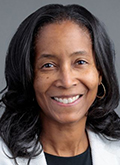 The Arthur K. Asbury Outstanding Faculty Mentor Award goes to Raina M. Merchant, a professor of emergency medicine. The Asbury Award recognizes a faculty member who has fostered the professional development of other faculty by providing inspiring and effective counsel in a manner that enables professional growth and development.
Dr. Merchant is a distinguished leader in digital health and a passionate advocate for mentorship. Having mentored over 100 individuals, she exemplifies an unwavering commitment to the professional development of her colleagues and trainees. As the VP and chief transformation officer for Penn Medicine and executive director of the Penn Center for Healthcare Transformation and Innovation, among a number of other leadership roles, she has enriched countless careers through her inspiring counsel, dedication to fostering diversity, and innovative approaches to mentorship that empower the next generation of health services researchers.
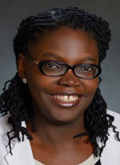 The Duncan Van Dusen Professionalism Award for Faculty goes to Abike T. James, a professor of clinical obstetrics & gynecology. The Van Dusen Award recognizes a faculty member whose respectful approach, integrity, self-awareness, and personal accountability are exemplary of the ongoing elevation of the culture at Penn and the promotion of exceptional patient care experiences.
In her inaugural role as vice chair of diversity, equity, and inclusion for the department of obstetrics and gynecology, Dr. James has had a transformative impact on the culture of Penn Medicine, fostering a strong commitment to equity and belonging that resonates throughout the community. Through her leadership of innovative programs and initiatives like the first pipeline program in the department of OBGYN and the multi-disciplinary health equity work group, among others, she exemplifies the qualities of respect, integrity, and personal accountability, ultimately enhancing the patient care experience for all.
Research Awards
 The Marjorie A. Bowman New Investigator Research Award goes to Michael Harhay, an assistant professor of epidemiology, medicine (pulmonary & critical care) and statistics & data science. The Bowman Award recognizes achievements in the health evaluation sciences, with a particular emphasis on patient-oriented research that addresses fundamental clinical problems as well as the organization and delivery of healthcare.
Dr. Harhay is a trailblazing epidemiologist whose innovative research in clinical trial methodology has profoundly advanced patient-oriented outcomes research in critical care, pulmonary arterial hypertension, and organ transplantation. His exceptional ability to develop and implement cutting-edge statistical frameworks, coupled with his dedication as an educator and collaborator, has positioned him as a leading figure in the health evaluation sciences, significantly transforming approaches to care for critically and seriously ill patients.
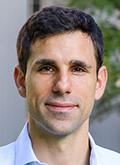 The Michael S. Brown New Investigator Research Award goes to César de la Fuente, Presidential Associate Professor in the departments of psychiatry, microbiology, bioengineering, chemical & biomolecular engineering, and chemistry. Established in honor of Nobel Laureate Michael S. Brown, a 1966 Penn School of Medicine alumnus, the Brown Award recognizes emerging faculty investigators engaged in innovative discoveries.
Dr. de la Fuente has emerged as a bold innovator in the field of antibiotic discovery, pioneering the use of artificial intelligence to reveal novel antimicrobial sequences from diverse sources, including extinct organisms, the gut microbiome, and wasp venom. His groundbreaking work bridges biology, engineering, and computer science, accelerating the search for new antibiotics and advancing scientific understanding of host immunity, positioning him as a leader in addressing the pressing challenges of drug-resistant infections.
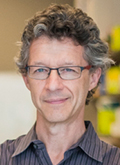 The Stanley N. Cohen Biomedical Research Award goes to Zoltan P. Arany, Samuel Bellet Professor of Cardiology. The Cohen Award was established in honor of Stanley N. Cohen, a 1960 Penn School of Medicine alumnus whose contributions launched a new era in biological research technology. The award recognizes achievement in the broad field of biomedical research.
Dr. Arany, a renowned physician-scientist, is recognized internationally for his transformative research in cardiovascular metabolism, which has profoundly advanced scientific understanding of diseases ranging from peripartum cardiomyopathy to insulin resistance. His innovative approach, combining basic mechanistic studies with cutting-edge methodologies, has not only unveiled paradigm-shifting insights into cardiometabolic physiology but also established him as a leader in the field with significant implications for novel diagnostics and therapeutics.
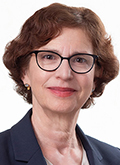 The Samuel Martin Health Evaluation Sciences Research Award goes to Marilyn M. Schapira, a professor of medicine (general internal medicine). Established in 1996 to honor the late Dr. Samuel P. Martin, III, executive director of the Leonard Davis Institute of Health Economics and chair of the healthcare systems unit of the Wharton School, the Martin Award is granted to a member of the School of Medicine faculty for a body of work with an emphasis on health services research.
Dr. Schapira is a nationally and internationally recognized leader in medical decision-making whose innovative research has advanced the methods and practices essential to support patients in making informed and value-aligned medical decisions. Through her development of a validated measure of health numeracy and decision aids designed for use in the clinical setting, she has made substantial contributions to health services research and the improvement of evidence-based and patient-centered care.
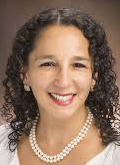 The William Osler Patient Oriented Research Award goes to Yaël P. Mossé, professor of pediatrics (oncology). Established in 1996 to honor Dr. Osler, the “Father of Clinical Medicine” who, in the 1880s, revolutionized clinical teaching research at the School of Medicine, the Martin Award recognizes achievement for research in which an investigator directly interacts with human subjects.
Dr. Mossé is a distinguished physician-scientist whose groundbreaking research on ALK oncogene mutations has transformed the landscape of pediatric oncology, directly enhancing the treatment and outcomes for children with neuroblastoma and other solid tumors. Her work harnessing targeted protein degradation approaches will directly target five essential oncoproteins that drive the growth of childhood solid tumors. As the leader of the neuroblastoma developmental therapeutics program at CHOP, she fosters collaboration across disciplines to translate genomic discoveries into clinical practice, providing hope and innovative therapies for vulnerable patients from around the world.
Teaching Awards
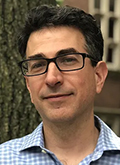 The Leonard Berwick Memorial Teaching Award goes to Daniel H. Wolf, an associate professor of psychiatry. The Berwick Award was established in 1981 as a memorial to Leonard Berwick by his family and the department of pathology. It recognizes “a member of the medical faculty who in his or her teaching effectively fuses basic science and clinical medicine.” This award recognizes outstanding teachers, particularly younger faculty.
Dr. Wolf is dedicated to teaching and mentoring trainees in the care of individuals with psychotic disorders. As director of the clinical neurosciences training program, head of the laboratory for motivation in psychiatry, and associate director of the psychosis T32 training program, he expertly integrates basic neuroscience research with clinical practice, fostering the development of future leaders in the field.
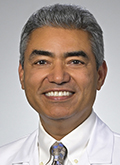 The Robert Dunning Dripps Memorial Award for Excellence in Graduate Medical Education goes to Zubair W. Baloch, a professor of pathology & laboratory medicine. The Dunning Dripps Award was established by the department of anesthesia in 1984. As a pioneer in the specialty of anesthesia and chair of the department from 1943 to 1972, Dunning Dripps was instrumental in the training of more than 300 residents and fellows, many of whom went on to chair other departments. This award recognizes excellence as an educator of residents and fellows in clinical care, research, teaching, or administration.
Dr. Baloch has made remarkable contributions to the fields of endocrine and head and neck pathology, authoring over 300 peer-reviewed publications and serving in a variety of editorial roles. His dedication to education is exemplified by his recent induction into Penn’s Academy of Master Clinicians and numerous accolades, including service as president of the American Society for Clinical Pathology, which has awarded him its Best Educator Award, Arthur Purdy Stout Lectureship Award, and ASCP President’s Service Award.
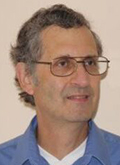 The Jane M. Glick Graduate Student Teaching Award goes to Jeffrey Field, a professor of pharmacology. The Glick Award was established in 2009 by the Glick family in remembrance of Jane Glick and her dedication to the biomedical graduate studies (BGS) programs.
Dr. Field’s leadership in the Fundamentals of Pharmacology course has been essential in ensuring that students benefit from the latest advancements in therapeutics, demonstrating his commitment to educational excellence. His innovative teaching style and dedication are routinely lauded by his students and reflect the values that Jane Glick embodied and championed.
 The Michael P. Nusbaum Graduate Student Mentoring Award goes to Crystal S. Conn, an assistant professor of radiation oncology. The Nusbaum Award was established in 2017 to honor Mikey Nusbaum as he stepped down from his role of BGS director. Mentors embody the skills, experience, and wisdom essential to success in science; they serve as models for how one conducts his or her life in balance with a demanding career; and certain faculty—such as Dr. Nusbaum—play pivotal roles in guiding students in reaching their scholarly potential. All BGS faculty are eligible for this award, which recognizes excellence in graduate (PhD) mentoring.
Dr. Conn has made substantial contributions to mentoring that have made a great impact on their students since they have been at Penn. Dr. Conn’s dedication to being a role model for training advocacy, inclusivity, and mentoring students to reach their scholarly potential exemplifies the type of scientist and mentor that Mikey Nusbaum represents.
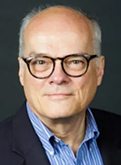
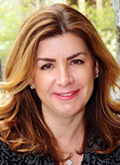 The Christian R. and Mary F. Lindback Award for Distinguished Teaching goes to John H. Holmes, a professor of medical informatics in epidemiology; and Ilene M. Rosen, an associate professor of medicine (sleep medicine). The Lindback Award was established in 1961 with the help of the Christian R. and Mary F. Lindback Foundation to recognize excellence in teaching. Awards are granted each year for distinguished teaching in health and non-health areas.
Drs. Holmes and Rosen’s Lindback Awards highlight their extraordinary commitment to education and the transformative impact they have had on the intellectual and personal development of their students. This honor reflects not only their exceptional teaching prowess but also their inspiring dedication to nurturing a dynamic and engaging learning community at Penn-

 Frederick “Fritz” Steiner’s tenure as dean of the Stuart Weitzman School of Design at the University of Pennsylvania is being extended an additional two years, through June 30, 2027.
 Mariana Valdes-Fauli will join Penn as the next associate vice president of Student Registration & Financial Services (SRFS) on December 1, 2024. She emerged as the top candidate after a competitive national search and brings a tremendous amount of experience in leading large, interconnected teams with a focus on delivering excellent student service and financial oversight, said Mark Dingfield, vice president for finance & treasurer.
 Gloria Ann Hagopian, a former associate professor of nursing in Penn Nursing, died on October 3, 2024. She was 85.
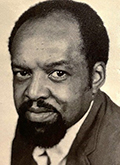 Joseph Washington, Jr., a professor emeritus of religious studies in the School of Arts & Sciences, died on October 7, 2024. He was 93.
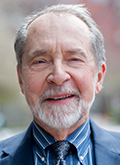 Guy Welbon, an associate professor emeritus of religious studies and South Asia studies in the School of Arts & Sciences, died on September 26, 2024. He was 87.