News

Suzanne McGraw Foundation: $5 Million to Penn GSE for Early Childhood Ed and Family Studies

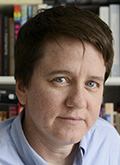
caption: Suzanne McGraw

The Suzanne McGraw Foundation has made a $5 million commitment in support of the University of Pennsylvania Graduate School of Education (GSE).

The gift, one of the largest ever to the school, builds on Penn GSE’s strengths in early childhood education and family studies. The funding will support student scholarships, a cross-university graduate concentration, and interdisciplinary programming aimed at cultivating a new generation of highly skilled educators, leaders, researchers, and policymakers who are optimally positioned to serve our youngest children and those who care for them.

“Suzanne McGraw’s unwavering commitment to education is an inspiration,” said Penn President Liz Magill. “This important gift will allow our students to become early childhood educators without the burden of overwhelming debt and will capitalize on Penn’s interdisciplinary strengths to enhance early childhood development and management. We are most grateful for Suzanne’s generosity and her dedication to GSE’s mission.”

“The need for more highly skilled early childhood education professionals has never been greater,” said Suzanne McGraw, an educator and philanthropist. “I’m delighted to partner with Penn GSE to create an innovative curriculum in early childhood and family studies and to provide scholarships that will encourage students to enter the field. Hopefully, this gift will help educators, policymakers, counselors, and others learn best practices and work effectively with young children and their families to create the foundation necessary for future success.”

The commitment provides funding for two key initiatives focused on early childhood education:

  • Suzanne McGraw Scholars: The commitment directs $2.5 million to endow scholarships for Penn GSE master’s students who are passionate about early childhood education. The endowment will be used to recruit outstanding students from across the country and world to become leaders in the field.
  • New Cross-Disciplinary Concentration in Early Childhood Education and Family Studies: $2.5 million in funding will be dedicated to seed funding and an endowment for ongoing early childhood program development and management, creating both a University-wide graduate concentration and new opportunities for students interested in early childhood. The concentration will be open to graduate students from across Penn to provide preparation for a holistic approach to early childhood education.

“Suzanne McGraw is a passionate advocate for our youngest children and understands the impact that strong early childhood education has on a child’s future,” said Pam Grossman, dean of Penn GSE and the George and Diane Weiss Professor of Education. “We are tremendously grateful for her lifelong dedication to the field. Her gift helps us create bold solutions that build on our legacy of providing well-prepared early childhood experts focused on creating transformational opportunities for children with a lasting impact.”

Penn GSE currently provides significant research and support for early childhood education, with a renowned faculty including Vivian Gadsden, Sharon Wolf, A. Brooks Bowden, and María Cioè-Peña. Initiatives affiliated with the school include the Penn Child Research Center, the Center for Benefit-Cost Studies of Education, the RIPPLE Lab, and Actionable Intelligence in Social Policy (housed at Penn’s School of Social Policy & Practice).

The gift follows the landmark $16.25 million commitment to Penn GSE from the Harold W. McGraw Jr. Family Foundation, of which Suzanne McGraw is an officer, to fund the Harold W. McGraw Jr. Prize in Education and launch the McGraw Center for Educational Leadership (Almanac November 15, 2002).

The Suzanne McGraw Foundation supports organizations that advance educational opportunities, self-sufficiency, and health and wellness, especially for the most vulnerable communities. The foundation also supports organizations that promote environmental conservation and the delicate balance between nature and its species.

Penn School of Social Policy & Practice: Randi and Brian Schwartz Social Innovation Scholarship

caption: Brian and Randi SchwartzThe University of Pennsylvania School of Social Policy & Practice (SP2) has named the Randi and Brian Schwartz Social Innovation Scholarship to provide full-tuition support for students seeking to make a difference through innovation. This scholarship will provide dedicated financial aid to graduate students seeking to innovate and generate impact in areas like economic security, immigration, and global conflict.

The scholarship will cover tuition for a select cohort of master’s degree students at SP2, known as the Schwartz Scholars. The scholarship will be awarded to a student in the Master of Science in Nonprofit Leadership Program first, beginning in the fall of 2024. As the program grows, the Schwartz Scholars will expand to include students in SP2’s other master’s degree programs.

The funding has been made possible by Brian Schwartz, W’89, a Trustee and vice chair of the SP2 Board of Advisors, and his wife, Randi. It is part of a $12.5 million commitment to provide graduate student financial aid and to support the Social Justice Scholars Program.

“We appreciate the vision and leadership Randi and Brian Schwartz have demonstrated by making this extraordinary commitment with such lasting impact,” said President Liz Magill. “Supporting these students and the careers they will be able to pursue in nonprofit leadership and social justice is particularly important to our University and society.”

“SP2 is known for educating students who go on to become changemakers,” said Sara S. Bachman, dean of SP2. “They graduate poised to make the world a better place through their fields of social work, social policy, and nonprofit leadership. We are grateful to Randi and Brian for their years of service to SP2, and for their generosity in helping more students grow meaningful careers. It will now be possible for SP2 to produce more leaders who can make an impact and to bring fresh approaches for public good.”

SP2 master’s degree programs incorporate a global focus, and international students comprise 20% of the student body. Classes often travel abroad for field work. One such course, Energy, Innovation, and Impact in the Global South, teaches the nuances of operating social ventures and provides a business toolkit for designing and launching a venture in developing countries.

“If we want to make an impactful difference, we have to focus beyond any single organization, or sector, or even country to address the pressing issues of our time,” said Adam Roth-Saks, administrative director of the nonprofit leadership program. “It takes an international approach and a cross cultural exchange of ideas, and here at SP2, the Schwartz Scholars will benefit from an incredible global perspective.”

“I don’t think there is a graduate program that has as big a focus on social innovation as SP2,” said Chao Guo, faculty director of the nonprofit leadership program. “Every one of our faculty members is involved in some aspect of confronting deep-rooted public problems. We are thrilled that the Schwartz Social Innovation Scholarship will provide resources and experiential learning opportunities for students. The Schwartz Scholars will work alongside our top-notch faculty members and pioneer new ways to confront the world’s most serious challenges.”

Brian Schwartz is co-president of H.I.G. Capital, a global alternative investment firm. He is the past board chair of the Joe DiMaggio Children’s Hospital Foundation and past chair of the Investment Committee for Pine Crest School (Fort Lauderdale, Florida), where he also served on the Board of Trustees. Before joining H.I.G., he held various positions at PepsiCo and Dillon, Read & Co.

Randi Schwartz is a holistic health and wellness coach who owns and operates Soulful Being. She holds a master’s degree in physical therapy from the University of Miami and a graduate level certification in nutrition and building healthy communities from Tufts University. She is a graduate of the Institute for Integrative Nutrition.

In addition to their philanthropic support of students, the Schwartzes have contributed to Penn in other capacities. They were members of the Parent Leadership Committee from 2018 to 2022, including years of service to the Power of Penn Campaign. In 2017, they established the Brian and Randi Schwartz University Professorship, a Penn Integrates Knowledge Professorship created to foster interdisciplinary scholarship by granting faculty appointments in more than one school.

Hari Kumar and Sonia Nayaham: Fund VLEST Laboratories, Support CASI, and Scholarships for International Students

Hari Kumar, ENG’95, W’95, and Sonia Nayaham have made a gift to the School of Arts and Sciences that funds the construction of laboratory spaces in the Vagelos Laboratory for Energy Science and Technology (VLEST), supports research and scholarship at the Center for the Advanced Study of India (CASI), and endows a scholarship fund that furthers the school’s goal of expanding need-blind undergraduate financial aid to international students.

“This gift will facilitate innovative research in energy science and provide CASI vital funds to support unique learning opportunities,” said Steven J. Fluharty, dean and Thomas S. Gates, Jr. Professor of Psychology, Pharmacology, and Neuroscience. “It will also allow us to offset the cost of tuition for our exceptional international students.”

“We are excited to support the school in critical areas like climate change research and undergraduate scholarship, and to provide assistance to prospective international students in need of aid,” said Ms. Nayaham and Mr. Kumar, who serves on the College External Advisory Board of the School of Arts and Sciences, the Penn Asia Leadership Committee, and the CASI International Advisory Board. He is also founder and CEO of Lionrock Capital in Singapore. “We believe that the school is positioned to foster the kind of collaborative research required to tackle big global challenges, and we can’t wait to see what the future brings.”

Karen Goldberg, the Vagelos Professor of Energy Research, noted that the construction of the state-of-the-art laboratory spaces in VLEST, Penn’s new hub for energy research and education, will have a huge impact on energy research moving forward. “The specific lab space that Kumar’s gift supports has been uniquely designed to allow scientists to carry out highly sensitive experiments that aren’t possible in existing buildings on campus. Expect to see exciting new advances in energy research from the students and postdocs who will be working in this space.”

The gift also supports CASI’s mission to provide students the tools they need to engage in policy-relevant research focused on the challenges facing contemporary India.

“Hari Kumar and Sonia Nayaham’s gift represents especially thoughtful and welcome support for centers like CASI, because it is provided without restrictions, preserving maximum flexibility for the center to use to its best advantage,” said Tariq Thachil, a professor of political science, the Madan Lal Sobti Professor for the Study of Contemporary India, and director of the Center for the Advanced Study of India. “Such gifts are vital for supporting the core everyday activities that make spaces like CASI tick: from initiating new research to supporting staff and students.”

Benefits Open Enrollment Ends on Friday, May 5

Penn Benefits Open Enrollment will end this Friday, May 5. If you haven’t reviewed your medical, prescription, dental, vision, and life insurance benefits elections for the 2023–2024 plan year, now is the time to do so.

If you are regular full-time faculty and staff or regular part-time and ACA-eligible faculty and staff, visit the Open Enrollment webpage for detailed information about your benefits options. You can also find details in the Benefits Enrollment Guide and Part-Time & ACA Eligible Benefits Enrollment Guide.

Postdoctoral researchers and fellows, who have new benefits options available through the Penn Postdoc Benefit Plan, can find details by visiting the Postdoctoral Researchers and Fellows webpage. Postdocs can also review the Postdoctoral Researchers and Fellows Benefits Enrollment Guide for more information.

Changes made during Open Enrollment will be effective as of July 1, 2023. If you don’t make changes during Open Enrollment, your current elections will roll over when the new plan year starts on July 1, 2023. You can update your benefits coverage 24 hours a day, 7 days a week in Workday. For complete step-by-step instructions, read the Self-Service: Manage, View and Change Your Benefits tip sheet. Please remember to print a confirmation statement for your records.

Even if you don’t make changes to your elections, please review and update your life insurance beneficiary information while you are logged into Workday@Penn. If you have questions, please contact Health Advocate at answers@HealthAdvocate.com or call 1 (866) 799-2329, Monday-Friday, 8 a.m. to 10 p.m.  

—Division of Human Resources

Deaths

Peter Arger, Radiology

caption: Peter ArgerPeter H. Arger, an emeritus professor of radiology in the Perelman School of Medicine, died on December 28, 2022. He was 89.

Dr. Arger received his MD from the University of Illinois in 1961. He joined the faculty of Penn’s School of Medicine in 1972 as an assistant professor of medicine, and was promoted to associate professor five years later. He was a beloved and innovative member of Penn’s faculty, contributing expertise to an experimental in vitro fertilization in 1983, two years after his promotion to full professor. “Peter H. Arger was an exceptional human being, a very caring radiologist and also a true gentleman and my mentor,” said his student, Beverly Coleman , a board-certified radiologist at CHOP. “I was his very first abdominal imaging fellow at the University of Pennsylvania.” “Peter was a standout in the world of clinical ultrasound and was a major reason for my coming to Penn,” said Steven Horii, an emeritus professor of radiology at PSOM. “But he was more than a mentor. When he discovered that my wife and I had a fondness for modern dance and ballet, he would always share stories about performances he had seen and recommendations (‘must see’) for live and recorded performances. Those conversations and his enthusiasm that went with them are favorite memories of mine.”

Dr. Arger retired and took emeritus status in 2000. In his retirement, he was an active member of the School of Medicine’s Association of Senior and Emeritus Faculty, chairing its committee on data collection in 2004. He was influential in his field, inspiring the Peter H. Arger, MD Excellence in Medical Student Education Award of the American Institute of Ultrasound in Medicine.

Dr. Arger is survived by his siblings, Anastasia and Euginia Arger; and by many nieces and nephews. A funeral was held on January 4. In lieu of flowers, contributions may be made to St. Luke Greek Orthodox Church, 35 N. Malin Road, Broomall, Pennsylvania 19008.

Harold Bershady, Sociology

caption: Harold BershadyHarold Bershady, a professor emeritus of sociology in the School of Arts and Sciences, died on February 18 after a brief illness. He was 93.

Born in Toronto, Canada, Dr. Bershady moved to Buffalo, New York, when he was six years old. His family had left Ukraine, and he grew up speaking English and Yiddish. As a child, he was captivated by his father’s stories about Moses, Egypt, and the promised land. He earned bachelor’s and master’s degrees at the University at Buffalo and a doctorate in sociology and philosophy at the University of Wisconsin in 1966.

He began teaching classes at Penn as early as 1962. After earning his doctorate, he joined Penn’s faculty as an assistant professor of sociology in 1968, and in 1973, he was promoted to associate professor. While at Penn, Dr. Bershady was an active member of the faculty community, serving on the University Council, the Faculty Grievance Committee, and the Faculty Senate Executive Committee (as well as the Senate committee on the publication of Almanac). In 1987, he spoke out in favor of a Black cultural center on campus. Within his department, he served as both undergraduate and graduate chair, and taught courses in sociological theory, urban studies, and the dynamics of organization. Dr. Bershady became a beloved professor at Penn, eliciting a letter of protest in The Daily Pennsylvanian in 1992 when he was not selected for a Lindback Award for Distinguished Teaching that year. He received a Lindback award the following year (Almanac April 20, 1993), and his citation quoted glowing reviews from students: “I do not hesitate to say that Professor Bershady played an extremely important role in my intellectual development and my later academic and professional development,” one said. A faculty member added, “When I recommend that my extremely bright undergraduates consider Penn for graduate work, it is with the prospect of working with Harold that I do so.” It is estimated that he taught nearly 10,000 students during his tenure at Penn. He was influential as a teacher of sociological theory, dealing with classical and contemporary works.

“Bershady conducted his classes in a somewhat unique style,” wrote his former colleagues Victor Lidz, Elijah Anderson, and Jerry Jacobs. “He generally arrived in the classroom with a copy of the assigned book but without notes or a specific plan for just what class discussion should cover. He opened the class with a series of questions for the students. His intent was not to establish a Socratic dialogue, but to ‘diagnose’ what the students had understood and especially what they had not adequately understood from the assigned reading. When he had made a first diagnosis, he would give a ten-minute or so ‘mini-lecture’ addressing the essential matter. He would then return to asking diagnostic questions in order to discern a next topic for a mini-lecture. And so the class would proceed. When he co-taught a class, his colleague might join the questioning and mini-lecturing. But after a mini-lecture, the colleague would sometimes find Bershady asking, ‘Do you really believe that?,’ a probe intended to turn discussion to deeper foundations of the points at issue.”

Dr. Bershady was promoted to a full professor in 1991. He retired eleven years later, but continued to teach graduate-level courses at Penn and engage with the sociology department until 2005.

Dr. Bershady’s interests in sociological theory included the integration of theory and qualitative methods of research. He published his first book in 1973—Ideology and Social Knowledge, an attempt to overcome the relativism and subjectivism of the social sciences. The book stirred departmental debate through its assessment of the basic concepts in Talcott Parsons’ theory of social action from the perspective of Kantian philosophy. Dr. Bershady later collaborated with Dr. Parsons during his stint as a visiting professor at Penn.

Dr. Bershady continued to turn out chapters, peer-reviewed articles, and edited volumes for his entire career. Along with Elijah Anderson, the first African American sociologist appointed to be a member of the Penn’s standing faculty, Dr. Bershady sponsored a series of discussions on the works of Georg Simmel and W.E.B. Du Bois. Dr. Bershady’s last book, When Marx Mattered: An Intellectual Odyssey (2014), was an “erudite, poignant, and historically insightful” (in the words of a reviewer) memoir that described how his fear of persecution for his Jewish faith as a child led him towards his academic studies. His son, Matthew, noted that the sociology department at Penn was the center of Dr. Bershady’s intellectual life for 40 years.

He is survived by his wife, Suzanne Kottek Bershady; his son, Matthew Bershady; his daughter-in-law, Amy Stambach; and his grandson, Isaac Henry Stambach Bershady.

Lincoln Parkes, Penn Vet

caption: Lincoln ParkesLincoln John “Nick” Parkes, GV’68, a former faculty member at Penn’s School of Veterinary Medicine, died on February 7 after a short illness. He was 94.

Dr. Parkes was born in Gloucester, Massachusetts. He enlisted in the U.S. Naval Air Corps at the end of World War II, then served after his return as a ski instructor at Mittersill Alpine Resort in Franconia, New Hampshire. Through a scholarship from the Mellon family, he received his undergraduate education at Dartmouth College before earning a DVM at Colorado A&M (now Colorado State University), funded by the Servicemen’s Readjustment Act. He then became an intern at the University of Pennsylvania Veterinary School, where he obtained advance training in surgery.  

After a brief stint in Boulder, Colorado, as a solo practitioner, Dr. Parkes worked at the Animal Medical Center in New York. He then returned to Penn Vet, where he served as a faculty member and, in 1968, received a certificate of veterinary medicine. At Penn, Dr. Parkes did research in small animal surgery, specifically in bone healing and collagen (research he conducted in collaboration with doctors at the School of Medicine). He mentored many vet students, interns, and residents. In 1971, Dr. Parkes left Penn and started the first veterinary orthopedic referral private practice on Philadelphia’s Main Line. This practice thrived and came to encompass many veterinary specialties. Dr. Parkes was a member of the American Veterinary Medical Association, the Eastern Veterinary Orthopedic Society, and the Veterinary Orthopedic Society.

While treating pets for orthopedic and neurological problems, Dr. Parkes developed the concept of wheelchairs for dogs to aid pets who became paralyzed in the hindlimbs after spinal cord injuries. He ultimately obtained two patents for the K-9 Cart wheelchair, which is still sold. In 1991, he retired from private practice and moved to Oxford, Maryland, where he continued to sell pet wheelchairs.

Dr. Parkes is survived by his wife and fellow veterinarian, Dara Kraitchman; his daughter, Anne Thomas; his grandson, Tristan Parkes; and many nieces and nephews. A celebration of his life was held on March 11.

In lieu of flowers, memorial contributions can be sent to the DVM Class of 1957 Scholarship, Colorado State University Foundation, PO Box 1870, Fort Collins, Colorado 80522.

---

To Report A Death

Almanac appreciates being informed of the deaths of current and former faculty and staff members, students and other members of the University community. Call (215) 898-5274 or email almanac@upenn.edu.

Governance

Trustees Meeting Agenda: May 11

On Thursday, May 11, there will be meetings of the Trustees of the University of Pennsylvania. A meeting of the Budget & Finance Committee and a meeting of the Executive Committee will be held at the University Meeting and Guest House, 3808 Walnut Street. 

Due to capacity limitations, in-person attendance is limited to 20 observers. Individuals who are not directly involved in the presentation are encouraged to use the dial-in option, which will be posted on May 8, 2023 on the website.

The meetings are:

Thursday, May 11

  • Budget and Finance Committee, 9:30-11 a.m.
  • Executive Committee, 1:45-2 p.m.

Agendas for both meetings will be available on May 8, 2023 at https://secretary.upenn.edu/trustees-governance/open-trustee-meeting.

Please contact the Office of the University Secretary at (215) 898-7005 or ofcsec@pobox.upenn.edu with questions regarding Trustee meetings or your attendance plans.

Honors

School of Arts & Sciences: Three 2023 Guggenheim Fellows

caption: Heather Lovecaption: Jennifer Mortoncaption: Projit MukharjiBased on “prior achievement and exceptional promise,” three Penn Arts and Sciences faculty have been awarded the prestigious 2023 Guggenheim Fellowship, awarded by the John Simon Guggenheim Memorial Foundation. They are Heather K. Love, a professor of English; Jennifer M. Morton, the Presidential Penn Compact Associate Professor of Philosophy; and Projit Bihari Mukharji, a professor of the history and sociology of science.

They were among 171 chosen in the United States and Canada from nearly 2,500 applicants for awards in 48 scholarly disciplines in this 98th annual competition for funding. Created and initially funded in 1925 by Simon and Olga Guggenheim in memory of their son, the foundation seeks “to further the development of scholars and artists by assisting them to engage in research in any field of knowledge and creation in any of the arts, under the freest possible conditions.”

Dr. Love, one of three fellows in the category of literary criticism, is the graduate chair of the English department. Her research interests include gender and sexuality studies, 20th century literature and culture, affect studies, sociology and literature, disability studies, film and visual culture, and critical theory. She is the author of Underdogs: Social Deviance and Queer Theory, a genealogy of queer theory, and Feeling Backward: Loss and the Politics of Queer History, which weighs the costs of the contemporary move to the mainstream in lesbian and gay culture. She has written on comparative social stigma, compulsory happiness, transgender fiction, spinster aesthetics, and reading methods in literary studies. She is currently at work on a project on the uses of the personal in academic criticism.

Dr. Morton, one of three fellows in the category of philosophy, researches the philosophy of action, moral philosophy, the philosophy of education, and political philosophy. She is interested in how “poverty and class shape our agency.” She is the author of Moving Up Without Losing Your Way: The Ethical Costs of Upward Mobility, which focuses on the ethical costs that first-generation and low-income students pay to take advantage of opportunities for socioeconomic mobility through education. During the 2023-2024 academic year, she will be a fellow at the Center for Advanced Study in the Behavioral Sciences at Stanford University.

Dr. Mukharji, one of three fellows in the category of history of science, technology, & economics, is interested in issues of marginality and marginalization both within and through science, focusing on people who are disempowered. His ambition is “to write histories of science that are anti-colonial without being nationalist or identitarian.” He is the author of Nationalizing the Body, about South Asian doctors and medical subordinates employed in the lower echelons of the colonial medical establishment in British India; Doctoring Traditions, about how Ayurveda, ancient Indian medicine, modernized under colonialism; and Brown Skins, White Coats, about race science in India from 1920-1966. His current project, Psychic Socialism, explores Cold War-era scientific efforts in India to tap into the psychic powers of individuals to build a new science.

Antoine Haywood and John Jackson, Jr.: Philadelphia Association of Black Journalists Honors

The Philadelphia Association of Black Journalists (PABJ), the oldest association of journalists of color in the United States, has announced that Provost-designate and Walter H. Annenberg Dean John L. Jackson, Jr. and doctoral candidate Antoine Haywood are recipients of 2023 PABJ Media Professional Awards.

Each year, PABJ honors extraordinary work in journalism, communications, and community activism in Philadelphia.

caption: John L. Jackson, Jr. Dr. Jackson will receive the PABJ President’s Award of Excellence for his leadership in media and academia. Dr. Jackson, a member of the Annenberg faculty since 2006, has been dean of the Annenberg School since 2019, having previously spent four years as dean of Penn’s School of Social Policy & Practice.

Dr. Jackson has long been a champion of multimodal scholarship, supporting academic work expressed through film, audio, art, dance, and other media. He is a founder and advisor of the student group CAMRA, which fosters interdisciplinary collaborations among scholars, sensory ethnographers, artists, and educators within and beyond the University of Pennsylvania to explore, practice, evaluate, and teach about multimedia research and representation.

Dr. Jackson’s most recent films include Bad Friday: Rastafari After Coral Gardens, co-directed with Deborah A. Thomas, and Making Sweet Tea: The Lives and Loves of Southern Black Gay Men, co-directed with Nora Gross and co-executive produced with E. Patrick Johnson.

caption: Antoine HaywoodMr. Haywood, who studies communication infrastructures within communities of color, has received the PABJ Impact Award for his extensive community engagement work in Philadelphia, which included eight years at PhillyCAM, Philadelphia’s community TV and radio station, serving as its membership and outreach director. Before PhillyCAM, Mr. Haywood spent eight years as director of community development at the community media station PeopleTV in Atlanta.

PABJ called Mr. Haywood “a compassionate scholar who has transformed his love of public access media into thought-provoking research that inspires” and praised Dr. Jackson for his outstanding leadership at Penn and in the greater Philadelphia area.

Mr. Haywood and Dr. Jackson will be honored during a ceremony on May 19, hosted by PABJ media professional awards chair Sharron Cooks and PABJ president Ernest Owens.

Jianghong Liu and Matthew McHugh: Sigma Theta Tau International Nurse Researcher Hall of Fame

Penn Nursing’s Jianghong Liu, a professor of nursing, the Marjorie O. Rendell Endowed Professor in Healthy Transitions, and faculty director of the global health minor, and Matthew D. McHugh, a professor of nursing, the Independence Chair for Nursing Education, and director of Penn Nursing’s Center for Health Outcomes and Policy Research, will be honored by Sigma Theta Tau International for their contributions to the nursing profession during the organization’s 34th International Nursing Research Congress in Abu Dhabi, United Arab Emirates, in July 2023.

caption: Jianghong Liu“I am both thrilled and profoundly honored to receive recognition for my research, which I believe has had a positive impact on the lives of children and families,” said Dr. Liu. “Being nominated by my peers to join a distinguished group of global nurse scientists is humbling and exciting. This recognition holds special significance for me at this point in my career because it also honors my mentors, mentees, and collaborators, who have all supported me so much throughout this journey. I am incredibly grateful to both them and my colleagues in Penn Nursing for this remarkable recognition.”

“Dr. Liu’s work and accomplishments speak volumes about the impact of her research in promoting healthy environments for children,” said Penn Nursing dean Antonia M. Villarruel. “As a member of our faculty at Penn Nursing, we are all very proud to see her inducted into the Hall of Fame and to see her recognized in this meaningful way.”

Dr. Liu is an internationally recognized scholar. Her interdisciplinary research program works to understand how early health risk and protective factors influence emotional and behavioral development in children and adolescents, and how brain mechanisms account for these links. Factors include prenatal factors, environmental exposures, nutrition, and sleep. She has received funding from the National Institute of Health (NIH) since she started her research career 20 years ago. Her research has important policy implications. For example, her findings on the effect of lead exposure on children’s behavior were highlighted in the NIH’s “Research Matters” and add more evidence that there is no safe lead level, a finding that has contributed to environmental regulation of lead.

Dr. Liu leads teams on several projects, both in the U.S. and internationally. As director of the NIH-funded China Jintan Child Cohort Study, she is following more than 1,000 children in Jintan from pre-school into adolescenceto understand the influence of environmental lead exposure, nutrition, and various psychosocial influences on their behavioral outcomes. Dr. Liu also led Penn’s Healthy Brains and Behavior Study, which, in 2010, studied 450 Philadelphia-area children in order to examine early biological, environmental, and social influences on adolescents’ behavior development and health outcomes. Her current research, funded by the National Institute of Child Health and Human Development, investigates the effect of omega-3 fatty acid supplemental on child behavior problems.

caption: Matthew McHugh“It is an honor for our work at Penn Nursing and the Center for Health Outcomes and Policy Research to be recognized for its contribution to nursing science,” said Dr. McHugh. “Our team of investigators, students, and staff aim to conduct high-impact studies that translate into evidence-based policy and practice reforms that can reinvent care environments so that patients experience high quality, equitable care, and the best possible outcomes. This work derives in large part from the generous participation in large scale surveys by practicing nurses around the world. This vital information allows us to tell the story of the many challenges nurses face every day as they provide patient care, as well as the opportunities to invest in and create healthy work environments where nurses and patients can thrive.”

“We are all proud of Dr. McHugh’s extraordinary accomplishments,” said Dean Villarruel. “His induction into the International Nurse Researcher Hall of Fame is well deserved. His impactful research has led to important practice and policy changes locally, nationally, and internationally to support the ability of nurses to positively drive good patient outcomes.”

Dr. McHugh’s research has demonstrated in large-scale studies that almost all policy-mandated healthcare quality performance measures are associated with nursing care and nurse resources. His work with multiple populations and health systems shows that a broad range of patient outcomes is more possible in institutions where nurses care for fewer patients, where a higher proportion of nurses have bachelor’s degrees, and where the quality of the nurse work environment is supportive of professional nursing practice. His research shows that nursing care is a major driver in improving patient satisfaction; reducing hospital mortality and failure-to-rescue rates, readmissions, poor glycemic control and other adverse outcomes; and eliminating high cost-low value care, including excessive ICU use.

Cumulative knowledge from Dr. McHugh’s research makes a convincing case that treating nursing as a soft target for cost reductions actually increases rather than decreases costs due to expensive adverse outcomes. Dr. McHugh’s research on Magnet-recognized hospitals has increased adoption of Magnet best practices in U.S. and abroad. His research evaluating outcomes of health system redesign shows that replicating the structure of successful integrated systems often fails to translate into better outcomes if not accompanied by investments in nurses and nurse-led interventions. Dr. McHugh has demonstrated causal linkages between improvements in nurse staffing (using natural experiments like legislation mandating safe nurse staffing levels) and improved patient outcomes, and this work has been a catalyst for more recent legislation around nurse staffing.

Dr. McHugh’s many honors include election as a fellow of the National Academy of Medicine (2020) and the American Academy of Nursing (2012), a Fulbright Scholarship (2001), and a Robert Wood Johnson Nurse Faculty Scholarship (2011-14). He has received top awards and recognition for his publications and has led six and co-led four NIH-funded R01 grants in the last decade. He has been funded in excess of $70 million for his research and published over 100 papers in high-profile, peer reviewed journals such as Health Affairs, The Lancet, The Lancet Global Health, Medical Care, and JAMA Surgery.

Fatemeh Shams: Summer 2022 Chapbook Competition Winner

caption: Fatemeh Shams

Poetry International has announced that Berlin, a collection of Fatemeh Shams’ poetry translated from Persian to English by Armen Davoudian, is a winner of the summer 2022 Chapbook Competition. Dr. Shams is an assistant professor of Persian languages in Penn’s School of Arts and Sciences and is an affiliated faculty member with the Middle East Center.

Armen Davoudian is a PhD candidate at Stanford University who comes from Isfahan, Iran. “His translations of  Iranian poet Fatemeh Shams’s Berlin capture the haunting voice of one woman pulling a suitcase across the streets of the world,” said Sandra Alcosser, Poetry International’s editor-in-chief.

Poetry International is one of the oldest and most respected literary journals dedicated to publishing poetry from around the globe,” Dr. Shams said. “Each issue of the print journal brings together poems, portfolios, and prose representing a rich diversity of countries and languages. I am thrilled that poems that I wrote during my stay in Berlin have found a permanent home now.”

Poetry International features chapbooks (or “portfolios”) both in English and in translation. Berlin will be published in issue 29 of Poetry International.

Dirk Trauner: Honorary Skou Professor at Aarhus University in Denmark

caption: Dirk TraunerDirk Trauner, the George A. Weiss University Professor of Chemistry and Pharmacology in the School of Arts and Sciences and the Perelman School of Medicine, has been named an Honorary Skou Professor of Pharmacology and Biomedicine at Aarhus University in Denmark. Honorary Skou Professors are a group of special adjunct professors who introduce new perspectives to teaching, strengthen relations with leading research units abroad, and establish joint research projects and funding applications.

Dr. Trauner holds joint appointments in the department of chemistry in Penn Arts and Sciences and the department of systems pharmacology and translational therapeutics in the Perelman School of Medicine. He is a global leader in synthetic chemistry and physiology. His pioneering research in photopharmacology focuses on the use of light to control biological pathways, including the possibilities of restoring vision to the blind, targeting the delivery of drug therapies, and developing new directions in precision medicine. This work brings together synthetic chemistry with biology and neuroscience to innovate not only new scientific methods but also new therapies that can tangibly improve people’s lives around the world. Along similar lines, his lab employs advanced techniques of chemical synthesis to learn more about the origin, structure, and biological meaning of natural products.

Dr. Trauner has been recognized with the Otto Bayer Award, the Arthur C. Cope Scholar Award of the American Chemical Society, the Emil Fischer Medal of the German Chemical Society, the Kitasato Microbial Chemistry Medal, and a National Science Foundation Career Award, among numerous other honors.

Features

University City District: 2023 State of University City Report

University City

On Wednesday, April 26, University City District held its annual State of University City event at World Café Live. Key partners and stakeholders gathered for a celebration of 25 years of University City District as its new State of University City 2023 publication was released. UCD president Matt Bergheiser described key development and innovation stories from the past three years and outlined the contributions of the University City District over the last 25 years.

The State of University City 2023 documents the district’s status as a regional leader in innovation and development, and provides an in-depth guide to 50 development projects—academic, commercial, public and residential space, and more—that continue to transform University City, and other economic development indicators. Below is a report summary.

Spotlight on University City

With world-class universities and hospitals, many regional leaders in science and innovation; millions of square feet of real estate development, and cherished small businesses and cultural organizations, University City sets the pace for development and scientific discoveries in the region. It also functions as a major employment hub, is a transportation nucleus with some of the city’s best options for walking and biking, and is a destination for food lovers and culture seekers. With luxury apartments and historic Victorian homes, family-run restaurants and anchor institutions, and a tight-knit community of residents, University City is a neighborhood of growth and possibility for those who live, study, or work within its boundaries.

Real Estate Development

Permits, groundbreakings, and cranes—development in University City continues to transform Philadelphia’s skyline. Since mid-2022, 50 major real estate projects were completed, made significant progress, or moved closer to breaking ground, representing new inventory for residential, institutional, public space, medical, commercial, and mixed-use projects. Significant progress continues at three major long-term developments—City Square, Schuylkill Yards, and CHOP’s expanding campus. Other key developments, including the new headquarters for Spark Therapeutics, the reimagining of the Provident Building campus at 4601 Market, and additions to Pennovation, have made significant strides in the last year. Together, these investments, totaling nearly 33 million square feet in planned space, further cement University City’s status as a major regional hub for employment, research, and places to live.

Amtrak’s 30th Street Station

Amtrak ushered in a new era of rail in 2022, with increased service and ridership along with a renewed focus on enhancing the customer experience both on board trains and in its stations. At William H. Gray III 30th Street Station, Amtrak marked the first full year of its master development partnership with Plenary Infrastructure Philadelphia (PIP). A true public-private partnership, PIP is leading the effort to design, build, finance, operate, and maintain the station.

To date, PIP has proposed designs for the station renovation, started construction of office swing space, and developed program requirements for corporate office space. In addition, two new, local, Black-owned retailers are now open in the food court area of the station—Dillonades and Sweet T’s Bakery. Dillonades offers fresh squeezed lemonade infused with real fruit, and Sweet T’s Bakery specializes in sweet potato pies and sweet potato desserts.

When complete, the master development partnership will restore and highlight the historic fabric of the majestic station while heightening the level of customer experience by introducing new amenities, reinvigorating the structure’s retail and commercial potential, improving and expanding existing office space, and enhancing transit and pedestrian traffic flows.

This large-scale redevelopment is the first significant phase of Amtrak’s ongoing efforts toward implementing the William H. Gray III 30th Street Station District Plan, which includes nearly 500,000 square feet of renovation and modernization.

Employment

New development and institutional expansions and disruption-resistant industries contribute to University City’s continued status as a top regional employment hub. Over 20,000 job postings for positions within University City were listed in 2022, and nearly 70% of University City’s 80,000+ jobs within the neighborhood pay over $40,000 per year. University City accounts for almost 12% of all jobs within Philadelphia, despite representing only 1.69% of the city’s total footprint. The district’s local economy is dominated by positions at local hospitals and universities, but its growing innovation sector adds more positions in biotech, nascent technologies, and commercialization of research each year as more labs, offices, and commercial spaces are added to the inventory.

Office Space

University City is home to approximately five million square feet of office space, with nearly 800,000 square feet of additional space currently under construction at major development projects throughout the neighborhood. After years of below-market rent for office space, a fall 2022 report from CBRE ranked University City’s 18% increase in office rent to $49.26 per square foot per year as #1 out of 30 tech submarkets. The current asking rent per square foot represents an 18% increase since 2020, but remains more affordable than similar hubs in Boston or Vancouver. When coupled with a vacancy rate of just 9.8%, it is clear that University City’s ascendant life sciences and technology sector is spurring continued growth that sends ripple effects throughout the entire region.

Higher Education

University City is renowned worldwide for its exceptional colleges and universities. Whether they come from around the block, country, or world, over 54,000 undergraduate, graduate, and postgraduate students enrolled in programs at five institutions of higher learning: the University of Pennsylvania, Drexel University, the Community College of Philadelphia West Regional Center, the Restaurant School at Walnut Hill College, and Saint Joseph’s new University City campus.

Both the University of Pennsylvania and Drexel University fared well in recent U.S. News & World Report rankings, with Penn ranked the 7th best national university, 10th in biomedical schools, and 18th for best value, while Drexel excelled in similar lists for most innovative schools (#19) and best undergraduate engineering programs (#54), and finished #2 for its co-ops internships. Students at major local institutions of higher learning continue to be drawn to University City’s global dining scene, beautiful campuses, and prime location in a city on the eastern seaboard.

Healthcare

The four hospitals located within University City—Children’s Hospital of Philadelphia (CHOP), Hospital of the University of Pennsylvania (HUP), Penn Presbyterian Medical Center, and Philadelphia Veterans Affairs Medical Center—serve as a vital part of the district’s economy, employing a combined total of over 36,000 doctors, nurses, techs, and other hospital positions. Each year, Penn Medicine and CHOP fare well in both regional and national rankings: U.S. News and World Report listed CHOP as a top performer in 10 children’s specialties and ranks it at #5 overall in the list of best children’s hospitals nationally. This year, the Hospital of the University of Pennsylvania-Penn Presbyterian was not only #13 among all hospitals in the country, but also the 8th best rated hospital for cancer treatment and the 30th-best large employer in the country, according to Forbes’ 2023 rankings. University City’s hospital systems are developing cutting-edge treatment options and cures for both global and local challenges, while providing premier care for the residents living in their backyards. With the 2021 addition of the Pavilion from Penn Medicine and further expansions forthcoming from both HUP and CHOP, University City remains poised to be a national leader for years to come.

Transportation

University City’s streets, sidewalks, and transit stations combine to offer excellent options for traveling within the neighborhood or to points beyond. University City boasts scores of 90 for walking, 95 for public transportation, and 92 for biking from walkscore.com, all three of which constitute “paradise” status. Severe dips in public transit ridership occurred due to COVID-19 lockdowns and restrictions and are slowly rising again, while neighborhood foot traffic, in contrast, is up by 20% over pre-pandemic figures. In 2022, the Streets Department and PennDOT completed a major project to repave Chestnut Street from 34th to 63rd Streets to increase road safety conditions and improve traffic patterns for pedestrians, cyclists, and motor vehicles, and plans are underway for a similar effort on Walnut Street in 2023.

People

The over 53,000 residents of University City are a mix of students, families, young professionals, and residents who have called University City home for decades.

The population, which consists of a large number of university students, skews young, educated, and ethnically diverse, with 19% of residents born outside of the United States and 25% of households speaking a primary language other than English. The confluence of students also led to 12% of University City residents having moved to the neighborhood from another state in 2021, compared to just 3% citywide. The current population is up by over 9% over 2010 figures, and additional housing options currently under construction will likely lead to further increases.

Life in the Neighborhood

As a place to live, University City offers something for everyone. Over 100 acres of public space and parks provide escape from the city streets and places for people to relax, recharge, and spread out. An eclectic dining scene features a blend of longstanding mom-and-pop restaurants, cuisine from around the globe, and outposts for local and national chains. Options for housing are as varied as the residents, with historic homes, walk-up apartments, stylish high-rises, dormitories, and more inventory on the way. University City boasts a robust arts and culture scene, including theaters, art galleries, and local dance and performance groups. Active neighborhood associations and community groups inject unique character and civic pride in smaller sub-neighborhoods, and serve as a valuable resource for the community.

Innovation

The 2.4 square mile neighborhood is a bustling center for innovation and is a nationally recognized hub for advances in science, research, and medicine. Cutting-edge discoveries originate out of 1.89 million square feet of lab space in research hubs including Schuylkill Yards, City Square, Pennovation, the University City Science Center, and Drexel’s ic@3401. University City’s confluence of labs, benches, and clinics contributes to Philadelphia’s ranking as the #8 cluster for life sciences research talent according to a June 2022 report from CBRE, who also ranked University City as the top North American tech submarket for rent growth from 2020-2022. Discoveries initiated in University City spark billions of dollars in economic growth and attract international attention in fields like biotech, robotics, and medicine. In 2022, 127 patents were issued to University City businesses and institutions, who also accounted for $930 million in NIH funding and have generated over $23 billion in cumulative R&D spending. With lab spaces occupied at a rate of 95.1% and much more inventory on the way, University City is positioned to continue being a regional leader in innovation for years to come.

About University City District

University City District (UCD) is a partnership of world-renowned anchor institutions, small businesses, and residents that creates opportunities and improves economic vitality and quality of life in the University City section of West Philadelphia. UCD works within a place-based, data-driven framework to invest in public spaces, address crime and public safety, support commercial corridors, connect low-income residents to career opportunities, and promote job growth and innovation.

University City District Events

UCD plans events to bring neighbors, visitors, small businesses, and local cultural organizations together through safe, vibrant, and family-friendly activities. UCD’s wide portfolio of community offerings includes arts, music, and pop-up events like performances at the Porch, movies in Clark Park, and events at Trolley Portal Gardens; popular collaborations with local businesses, including the Baltimore Avenue Dollar Stroll and University City Dining Days; and small business networking events. After a tentative approach to event curation in 2021, UCD approached 2022 with a commitment to a full slate of outdoor programming, and helped the community come together and have fun.

To read the full report, click here.

UCD by the numbers

Events

2023 Commencement Events

Ben Franklin

As the undergraduate and graduate classes of 2023 graduate from Penn, there are a wide array of events to celebrate their accomplishments. Listed below is the date, time, and location of each school’s individual graduation ceremony, a link to more information about each ceremony, and the names of each ceremony’s guest speaker (if applicable).

This information is subject to change. For more information, visit https://commencement.upenn.edu/ceremonies/school-ceremonies


School/Program

Date/Time

Location

Link

Speaker(s)

University of Pennsylvania 267th Commencement

May 15, 10:15 a.m.

Franklin Field

https://commencement.upenn.edu/

Idina Menzel, singer, actor of stage and screen

School of Arts and Sciences


College of Arts and Sciences

May 14, 6:30 p.m.

Franklin Field

https://www.college.upenn.edu/graduation-ceremony

Joshua Bennett, C'10, poet, spoken word artist, and author

Graduate Division, School of Arts and Sciences

May 12, 3 p.m.

Zellerbach Theater, Annenberg Center

https://www.sas.upenn.edu/graduate/

Herman Beavers, English

Liberal and Professional Studies

May 14, 4 p.m.

Zellerbach Theater, Annenberg Center

https://www.lps.upenn.edu/students/graduation

Brighid Dwyer, SAS Vice Dean for Diversity, Equity, and Inclusion

Fels Institute of Government

May 14, 6:30 p.m.

National Constitution Center, 525 Arch Street

https://www.fels.upenn.edu/


The Wharton School


Wharton Undergraduate Program

May 14, 9 a.m.

The Palestra

https://graduation.wharton.upenn.edu/

Brandon Copeland, W’13, NFL veteran, educator

Wharton MBA Program

May 14, 1 p.m.

The Palestra

https://graduation.wharton.upenn.edu/

Thasunda Brown Duckett, president and CEO, TIAA

Wharton Doctoral Program

May 12, 9:30 a.m.

Zellerbach Theater, Annenberg Center

https://graduation.wharton.upenn.edu/


Wharton MBA for Executives (West Coast)

May 6, 10 a.m. (PDT)

Herbst Theatre, 401 Van Ness Ave, San Francisco 

https://graduation.wharton.upenn.edu/

Ravi Ahuja, W’92, WG’97, chairman of Sony Pictures Television

Wharton MBA for Executives (East Coast)

May 13, 3 p.m.

Zellerbach Theater, Annenberg Center

https://graduation.wharton.upenn.edu/

Lara Abrash, chair and CEO, Deloitte & Touche LLP

Annenberg School for Communication


Communications Major Ceremony

May 14, 10:30 a.m.

Zellerbach Theater, Annenberg Center

https://www.asc.upenn.edu/news-events/events/2023
-communication-major-graduation-ceremony

Lauren Hitt, C’13, communications director for Rep. Alexandria Ocasio-Cortez

PhD Ceremony

May 15, 1:30 p.m.

Room 110, Annenberg School

https://www.asc.upenn.edu/news-events/events/2023
-annenberg-doctoral-program-graduation


School of Dental Medicine

May 15, 1 p.m.

Irvine Auditorium

https://www.dental.upenn.edu/about-us/
commencement/commencement-ceremony-information/

David Kochman, vice-president of corporate affairs, Henry Schein, Inc.

Stuart Weitzman School of Design

May 13, 6 p.m.

Irvine Auditorium

https://www.design.upenn.edu/events/2023-weitzman-commencement

Michael Kimmelman, The New York Times

Graduate School of Education

May 13, 9 a.m.

The Palestra

https://www.gse.upenn.edu

Quinta Brunson, actress, writer, producer, comedian

School of Engineering and Applied Science


Undergraduate Ceremony

May 13, 2 p.m.

The Palestra

https://events.seas.upenn.edu/commencement/undergraduate-2023/

Nancy Wang, director of engineering and general manager, Amazon Web Services

Master’s Ceremony

May 12, 2 p.m.

The Palestra

https://events.seas.upenn.edu/commencement/masters-2023/

David Quattrone, co-founder and chief technology officer, Cvent

Doctoral Ceremony

May 11, 3:30 p.m.

Irvine Auditorium

https://events.seas.upenn.edu/commencement/doctoral-2023/

Lance R. Collins, vice president and executive director, Virginia Tech Innovation Campus

Penn Carey Law School

May 15, 3 p.m.

Academy of Music, 240 S. Broad St

https://www.law.upenn.edu/students/graduation.php

Gloria Allred, CW’63, Allred, Maroko & Goldberg 

Perelman School of Medicine

May 14, 9 a.m.

Kimmel Center, 300 S. Broad St.

https://www.med.upenn.edu/student/psom-graduation.html

Holly J. Humphrey, president, Josiah Macy Jr. Foundation

Biomedical Graduate Studies

May 15, 12:30 p.m.

Commons Area and auditorium, Smilow Center 

https://www.med.upenn.edu/bgs/bgs-graduation-2023


School of Nursing

May 15, 3 p.m.

Verizon Hall, Kimmel Center


https://www.nursing.upenn.edu/news-events/annual-events/commencement/

*tickets required


Richard Besser, president and CEO, Robert Wood Johnson Foundation

School of Social Policy & Practice May 13, 6:30 p.m. The Palestra

https://www.sp2.upenn.edu/academic-resources/

Amber Hikes, MSW’08, deputy executive director for strategy & culture, ACLU

School of Veterinary Medicine May 15, 2:30 p.m. Zellerbach Theater, Annenberg Center

https://www.vet.upenn.edu/about/penn-vet-events-calendar/commencement-2023

Justine Lee, founder and director of medicine, VetGirl 

Penn Live Arts Announces 2023-2024 Season

Penn Live Arts (PLA) has announced its 2023-2024 season, curated by executive and artistic director Christopher A. Gruits. Following its highly successful 50th anniversary celebration, PLA steps forward into its next 50 years, presenting the world’s best artists and multidisciplinary performing arts for audiences at the University of Pennsylvania and across the greater Philadelphia region. 

In its 2023-2024 season, Penn Live Arts broadens its perspective, connecting with artists from across the world and illuminating critical issues, globally and locally. A special focus, Ukraine: The Edge of Freedom, features artists urgently raising awareness about the country’s challenges while honoring the resounding spirit and resilience of its people. In Toll the Bell, ongoing artist residencies with Rennie Harris Puremovement and the Negro Ensemble Company explore the gun violence epidemic affecting Philadelphia and the country as a whole. PLA will expand its artistic repertory with five commissioned works and 21 world and local premieres, while also offering its programs in new venues. PLA will also showcase a powerhouse lineup of dance favorites, including Ballets Jazz Montréal, MOMIX, and Mark Morris Dance Group as well as the biggest names in jazz, including Philadelphia natives Christian McBride and Ruth Naomi Floyd, pioneering new music, cutting-edge theatre, early and popular music, cirque, and extensive curricular and community collaborations.

“Our 2023-2024 season is exceptionally broad and diverse, in artistry, innovative ideas and visionary perspectives,” said Penn Live Arts executive and artistic director Christopher A. Gruits. “We will have numerous opportunities to address issues of vital social importance and provide platforms for thoughtful engagement and action, employing the arts as a force for positive change. At the same time, we will continue to bring our audiences performances that spark the full range of human emotions, reinforcing our shared humanity.”

To learn more about the 2023-2024 season, visit https://pennlivearts.org/events/23-24season.php. Subscriptions are on sale now at PennLiveArts.org or (215) 898-3900.

Update: May AT PENN

Conferences

9          New Faces in Chinese Politics; will encourage young scholars conducting cutting-edge research by offering them an opportunity to workshop their research and job talk on Chinese politics with peers, conference co-organizers, and invited senior scholars; 9 a.m.-4 p.m.; room 418, PCPSE; info: https://cscc.sas.upenn.edu/events/ (Center for the Study of Contemporary China). Also May 10, 9 a.m.-4 p.m.


Exhibits

4          The Multispecies Metropolis; will feature work from undergraduate students in a variety of Penn programs; results of their work conducting ethnographic fieldwork around the city of Philadelphia to understand how the built environment shapes human and animal relationships; Dean’s Alley, Meyerson Hall. Reception: 4-7 p.m.


Penn Museum

In-person tours. Info: https://www.penn.museum/calendar.

6          Native America Voices Tour; 11 a.m.

            Global Guide Tour: Africa Galleries; 2 p.m.

7          Rome Gallery Tour; 11 a.m.

            Global Guide Tour: Asia Galleries; 2 p.m.


Special Events

3          Lavender Graduation; celebrate Penn’s LGBTQ+ graduates, featuring a keynote speech from Alex Gino, C’99, author of Melissa; 4 p.m.; Perry World House and Zoom webinar; register: www.bit.ly/lavgrad23 (LGBT Center).


Talks

2          Dynamic Modelling of Horizontal Gene Transfer in Microbial Populations; Brian Ingalls, University of Waterloo; 4 p.m.; Zoom webinar; join: https://upenn.zoom.us/j/99792332298 (Mathematics).

3          Neurosymbolic Programming for Science; Swarat Chaudhuri, University of Texas at Austin; noon; room 307, Levine Hall (Computer & Information Science).

            Using Murine Models of Beta-Coronavirus Infection to Study the Role of Epithelial Cell Dysfunction in Lung Injury; Aditi Murthy, PSOM; noon; room 213, Stemmler Hall (Penn-CHOP Lung Biology Institute).

            The Original Platform: The East India Company; Elisha Lim, Provost Postdoctoral Fellow; 3:30 p.m.; Zoom webinar; info: elishal@upenn.edu (SP2).

4          Functional and Molecular Heterogeneity of Fibroblasts in the Oral Cavity; Kang I. Ko, periodontics; noon; Zoom webinar; info: https://www.dental.upenn.edu/news-events/events/ (Penn Dental).

            The COVID Origins Debate: What Is at Stake for U.S. National Security?; panel of speakers; 4 p.m.; Annenberg Public Policy Center; register: https://www.eventbrite.com/e/the-covid-origins-debate-what-is-at-stake-for-us-national-security-tickets-619962042157 (Center for Ethics and the Rule of Law).

8          2023 Heilmeier Award Lecture; Dani Bassett, electrical & systems engineering; 1 p.m.; Glandt Forum, Singh Center for Nanotechnology (Penn Engineering).


This is an update to the May AT PENN calendar, which is online now. To submit an event for a future AT PENN calendar or weekly update, email almanac@upenn.edu.

Crimes

Weekly Crime Reports

University of Pennsylvania Police Department Crime Report

Below are the Crimes Against Persons, Crimes Against Society and Crimes Against Property from the campus report for April 17-23, 2023. View prior weeks’ reports. —Ed.

This summary is prepared by the Division of Public Safety and includes all criminal incidents reported and made known to the University Police Department for April 17-23, 2023. The University Police actively patrol from Market St to Baltimore and from the Schuylkill River to 43rd St in conjunction with the Philadelphia Police. In this effort to provide you with a thorough and accurate report on public safety concerns, we hope that your increased awareness will lessen the opportunity for crime. For any concerns or suggestions regarding this report, please call the Division of Public Safety at (215) 898-4482.

04/17/23

8:01 AM

3901 Chestnut St

Retail theft

04/17/23

6:00 PM

4039 Chestnut St

Package stolen from lobby

04/18/23

6:36 AM

202 S 42nd St

Parked vehicle reported stolen to PPD

04/18/23

2:23 PM

4233 Chestnut St

Retail theft of alcohol reported to PPD

04/18/23

5:20 PM

101 S 39th St

Theft of packages from apartment building reported to PPD

04/18/23

5:57 PM

3400 Spruce St

Theft of jewelry from hospital room

04/18/23

7:32 PM

4233 Chestnut St

Retail theft of alcohol reported to PPD

04/18/23

7:34 PM

4030 Locust St

Package theft from residence     

04/18/23

8:12 PM

3809 Locust Walk

Unsecured scooter taken from bike rack

04/18/23

9:30 PM

4233 Chestnut St

Retail theft of alcohol reported to PPD

04/18/23

9:35 PM

4000 Market St

Complainant struck with a yellow sign on highway by an unknown offender reported to PPD

04/19/23

9:30 AM

3609 Chestnut St

Theft of an iPad from inside building reported to PPD

04/19/23

10:46 AM

219 S 33rd St

Items taken from basketball office

04/19/23

2:17 PM

3730 Walnut St

Secured scooter taken from bike rack

04/19/23

3:58 PM

3800 Locust Walk

Concert ticket scam through Venmo purchase

04/19/23

4:42 PM

4233 Chestnut St

Retail theft of alcohol reported to PPD

04/19/23

6:05 PM

318 S 40th St

Catalytic converter theft reported to PPD

04/20/23

8:45 AM

3744 Spruce St

Retail theft reported to UPPD

04/20/23

3:45 PM

4233 Chestnut St

Retail theft of alcohol reported to PPD

04/20/23

7:40 PM

4029 Walnut St

Secured bicycle taken from inside building

04/20/23

11:05 PM

3300 Chestnut St

Vehicle reported stolen

04/21/23

1:54 PM

3611 Walnut St

Cellphone stolen from bar top

04/22/23

5:53 AM

3600 Walnut St

Unknown offenders pulled complainant into a vehicle and stole his keys and wallet

04/23/23

3:13 PM

3900 Chestnut St

Unknown offender used a chair to crack automobile’s windshield

04/23/23

4:18 PM

3600 Walnut St

Unsecured wallet stolen from a bench near the trolley station


18th District

Below are the Crimes Against Persons from the 18th District: 4 incidents (2 assaults and 2 aggravated assaults) were reported for April 17-23, 2023 by the 18th District, covering the Schuylkill River to 49th St & Market St to Woodland Avenue.

04/18/23

3:33 PM

4900 Springfield Ave

Assault

04/18/23

9:35 PM

S 40th & Market Sts

Assault

04/19/23

8:34 AM

1255 S 49th St

Aggravated Assault

04/20/23

12:09 AM

906 S 49th St

Aggravated Assault

Bulletins

Call for Nominations for 2023 Green Purchasing Awards

Nominations are now being accepted for Penn’s Green Purchasing Awards. Now in its ninth year, the program is held in conjunction with Penn Procurement Services and Penn Sustainability. This award recognizes the leading actions of any individual or team that advances the development of sustainable purchasing practices at Penn. This award program is a chance to spotlight those who are championing sustainability across campus, as well as to celebrate projects that are contributing to a more sustainable future. Click here to view the past recipients of the award—some of these achievements may inspire you to submit your or your colleagues’ work for consideration.

Visit the Green Purchasing Award web page to review the nomination guidelines and information about the submittal process. Nominations will remain open until Monday, July 31, 2023.

Back to Top