
Perelman School of Medicine 2023 Faculty Awards
The Leonard Berwick Memorial Teaching Award
This award was established in 1981 as a memorial to Leonard Berwick by his family and the department of pathology. It recognizes “a member of the medical faculty who in his or her teaching effectively fuses basic science and clinical medicine.” It is intended that this award recognize outstanding teachers, particularly among younger faculty.
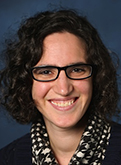 Rebecca Ganetzky is an assistant professor of pediatrics in the division of human genetics and a physician scientist studying improved biochemical approaches to make the diagnosis of inherited mitochondrial and metabolic diseases. She is the fellowship director of the medical and clinical biochemical genetics fellowships. She is passionate about teaching genetics and biochemistry at all levels, from undergraduate students through biochemical genetics fellows, in a way that is accessible for learners of all backgrounds.
The Robert Dunning Dripps Memorial Award for Excellence in Graduate Medical Education
This award was established by the department of anesthesia in 1984. As a pioneer in the specialty of anesthesia and chair of the department from 1943 to 1972, Dr. Dripps was instrumental in the training of more than 300 residents and fellows, many of whom went on to chair other departments. This award recognizes excellence as an educator of residents and fellows in clinical care, research, teaching, or administration.
 Catherine “Trina” Salva is an associate professor of clinical obstetrics and gynecology at the Hospital of the University of Pennsylvania. After graduating from Harvard College in 1994, she attended medical school at Columbia College of Physicians and Surgeons and completed her residency training at New York-Presbyterian Hospital. She came to Penn in 2006 after three years in private practice and immediately became involved in residency education. She has served as the residency program director since 2010, successfully expanding the residency from 24 to 32 trainees during her tenure. In the ambulatory setting, she served as medical director of Penn’s Helen O. Dickens Center for Women’s Health for more than 10 years. She is clinically active in labor and delivery and inpatient gynecology services. Dr. Salva currently leads a surgical coaching initiative for residents and faculty. She is a past recipient of the Penn Pearl, the CREOG National Faculty Award, and Penn’s Faculty Teaching Award. With a commitment to lifelong learning, Dr. Salva completed a master’s degree in medical education at Penn in 2022. “Dr. Catherine Salva is not only an outstanding individual teacher for our residents, but her example and encouragement resonate throughout our faculty,” wrote a student. “Our department is inspired by her leadership in resident education, and we all become better teachers through her influence.”
Blockley-Osler Award
Created in 1987 by the Blockley Section of the Philadelphia College of Physicians, this award is given annually to a member of the faculty at an affiliated hospital for excellence in teaching modern clinical medicine at the bedside in the tradition of William Osler and others who taught at Philadelphia General Hospital.
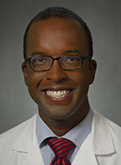 Howard M. Julien is a cardiology specialist and an assistant professor of clinical medicine. He specializes in nuclear cardiac imaging, echocardiography, and non-invasive cardiology. Dr. Julien is a part of the Penn Consultative Cardiology group and is the director of inpatient cardiology at the Corporal Michael J. Crescenz VA Medical Center. Dr. Julien received his BS in biomedical education from the City College of New York. He then attended medical school at Albany Medical College and graduated with his MD and MPH in 2009. He completed an internal medicine residency at New York-Presbyterian Hospital, a general cardiology fellowship at Thomas Jefferson University Hospital, and an advanced nuclear cardiac imaging fellowship at New York-Presbyterian Hospital Columbia University Medical Center campus. More recently, Dr. Julien completed a master’s degree in law at the University of Pennsylvania Carey Law School in 2020. He recently served as chair of the Medical Faculty Senate Steering Committee and currently serves as vice-chief for diversity, inclusion, and health equity as well as associate fellowship program director in the division of cardiology. His professional passions include identifying health disparities in large data sets, cardiac imaging, and career development of underrepresented minorities. Dr. Julien is an avid traveler, baker, gardener, and knitter.
 Tara Bamat is an assistant professor of clinical pediatrics at the Children’s Hospital of Philadelphia (CHOP) and an attending physician in the division of general pediatrics and CHOP’s Justin Michael Ingerman Center for Palliative Care. She has a clinical focus of caring for children with medical complexity and life-limiting illnesses and their families. Dr. Bamat graduated from Columbia University with a BA in neuroscience and behavior, attended the Perelman School of Medicine, and completed her residency, chief residency, and fellowship training in hospice and palliative medicine at CHOP. She has served as an associate program director of the pediatric residency program since 2015. In this role, Dr. Bamat re-designed and scaled the program’s well-being initiatives by building a program to identify systems drivers of burnout and creating a longitudinal curriculum for residents focused on trauma-informed and emotional intelligence-based leadership development. She is also a lead facilitator for CHOP’s VitalTalk communication program, teaching sub-interns, residents, fellows, APPs, and faculty throughout the hospital foundational communication skills in delivering serious news, mapping goals of care, and addressing microaggressions. She has been recognized as a humanistic and effective teacher with multiple awards including, four David Cornfeld Bedside Teaching Awards, the Joanne Decker Memorial Work/Life Mentor Award, and the Pediatric Hospital Medicine Award for Humanism. The purpose that fuels her passion is grounded in helping others navigate difficult situations and hard transitions to not feel so alone during the process, and to ultimately lead more value-aligned lives. A trainee wrote, “Dr. Bamat’s enthusiasm for resident professional growth is palpable. What I appreciate most about her is that she allows each resident to cultivate the practice style that makes the most sense for them, given their preferences and unique strengths. With Dr. Bamat, you feel like you can just be the best version of yourself without pressure to pretend to be something you’re not. I am a better person and physician for having worked with her.”
The Scott Mackler Award for Excellence in Substance Abuse Teaching
This award was established in 2000 by the Penn/VA Center for Studies of Addiction and the department of psychiatry. Scott Mackler is remembered for his excellence in teaching medical students, residents, postdoctoral fellows, nurses, and other Penn faculty in many different departments in the area of substance abuse.
 Brian Jenssen is an assistant professor in the department of pediatrics at Penn, a practicing primary care pediatrician at Children’s Hospital of Philadelphia (CHOP), associate director of clinical impact for clinical futures at CHOP, and the medical director of value-based care for CHOP’s Care Network (a primary care network for pediatric patients in Pennsylvania and New Jersey). Dr. Jenssen’s research uses clinical decision support systems and population health management techniques to protect children from secondhand smoke exposure and tobacco use. His current efforts include helping parents quit smoking in clinical settings and clinical and policy research to protect adolescents and youth from e-cigarettes/vaping. More broadly, he focuses on using health information technology to engineer and implement novel approaches and products to improve care for children and their parents.
Dean’s Award for Excellence in Clinical Teaching (at an Affiliated Hospital)
The Dean’s Award for Excellence in Clinical Teaching was established in 1989 to recognize clinical teaching excellence and commitment to medical education by outstanding faculty members from affiliated hospitals. One or more Dean’s Awards are given annually, the recipients being selected on the advice of a committee of faculty and students.
 Tingfang (Tina) Chen is an assistant professor of clinical psychiatry in the department of psychiatry at the Perelman School of Medicine and an attending physician in the department of child and adolescent psychiatry & behavioral sciences at the Children’s Hospital of Philadelphia (CHOP). Dr. Chen received her medical degree from the New York University Grossman School of Medicine, completed her residency training in psychiatry at Thomas Jefferson University Hospital, then completed her fellowship in child & adolescent psychiatry at CHOP. She currently also serves as the director of medical student education for the department of psychiatry at PSOM, and, within that role, as the psychiatry clerkship director and course director of the psychiatry block of the Brain & Behavior course. She is also the medical director of the behavioral health integrated program consultation-liaison service at CHOP. She has been involved in numerous curriculum development initiatives, both at CHOP and at Penn, including leading the psychiatry curriculum design for undergraduate medical education for VinUniversity in Vietnam through the PSOM Center for Global Health. Dr. Chen is recognized for her outstanding skills as a clinician, educator and collaborator in clinical care and education at CHOP and Penn and has been a prominent leader in furthering educational experiences for medical students and psychiatry trainees. She is passionate about medical student education and training, both in the classroom and at the bedside, and is dedicated to the growth of students and trainees at various levels, both personally and professionally, through mentorship and fostering a lifelong love of humanistic and holistic experiences and learning as well as career development.
 Grace Chen Kimbaris is an assistant professor in the department of neurology. She graduated from Boston University School of Medicine and then completed her neurology residency and neuromuscular fellowship at the Hospital of the University of Pennsylvania. She joined Penn’s faculty in 2016 and has a busy clinical practice based at Pennsylvania Hospital.
For several years, she has served as the course director for the preclinical course Brain and Behavior. Dr. Kimbaris is active in medical education and thoughtful mentorship at both the medical student and resident levels, and continues to shape and provide a model for the careers of countless young physicians.
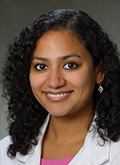 Farah Hussain is an assistant professor of clinical medicine in the department of medicine’s section of hospital medicine. She received her medical degree from SUNY Downstate Health Sciences University and completed her internal medicine residency at New York-Presbyterian Hospital. Dr. Hussain joined the Penn faculty in 2016 and has served as a hospital medicine attending at both the Hospital of the University of Pennsylvania and Penn Presbyterian Medical Center, where she teaches both medical students and residents. In addition to her clinical practice, Dr. Hussain is passionate about a diverse range of medical education topics, including trainee well-being and the intersection of climate change and health. She currently is co-director of the emotional intelligence curriculum for the internal medicine residency, where she teaches evidence-based practices for improving resilience and strategic self-care. She also serves as the Perelman School of Medicine’s first director of planetary health curricula. In this role, she creates educational material that is integrated into the medical school curriculum to ensure that PSOM’s students are educated in the health implications of climate change, which will inevitably affect their future clinical practice.
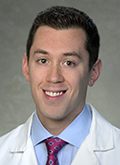 Andrew Orr is an assistant professor of clinical medicine in the division of general internal medicine. He graduated from Rutgers University’s Robert Wood Johnson Medical School and completed his residency training at Penn before joining the faculty in 2018. Dr. Orr then earned his master’s degree in medical education at Penn’s Graduate School of Education in 2022 and currently practices as a hospitalist at both HUP and the Corporal Michael J. Crescenz VA Medical Center. He serves as co-director of the internal medicine sub-internship for PSOM and created an annual museum-based educational session for the internal medicine residency program. He is passionate about innovative approaches to medical education, designing transformative educational curricula, and incorporating the medical humanities into clinical practice.
Dean’s Award for Excellence in Medical Student Teaching by an Allied Health Professional
This award was established in 1997 to recognize outstanding teaching by allied health professionals (e.g. nurses, physician’s assistants, emergency medical technicians). The recipient is selected on the advice of a committee composed of faculty and students.
 Erika "Anaya" Kellogg is the director and educational supervisor of dialectical behavioral therapy (DBT) training in the residency psychotherapy practice in the department of psychiatry. She earned her MSW from the School of Social Policy and Practice at Penn and is a psychotherapist in the Outpatient Behavioral Health Clinic and the Charles O’Brien Center for Addiction Treatment. She is a certified clinician through the DBT-Linehan Board of Certification and is the team leader of comprehensive and skills-only DBT treatment at the outpatient department of psychiatry at Penn Medicine. In 2022, she was recognized with the CPUP Penn Medicine Experience Advocacy Award for expanding DBT programming and enhancing commitment to delivering DBT with fidelity to diverse populations. In the department of psychiatry, she teaches post-graduate year 3 and year 4 students in delivering DBT skills groups to patients experiencing suicidal ideation, non-suicidal self-injury, and other high-risk behaviors. She is dedicated to mentoring and teaching clinicians as they build competency and willingness to work with difficult-to-treat psychiatry patients.
Dean’s Award for Excellence in Basic Science Teaching
The Dean’s Award for Excellence in Basic Science Teaching was established in 1988 to recognize teaching excellence and commitment to medical student teaching in the basic sciences. One or more Dean’s Awards are given annually, the recipients being selected on the advice of a committee of faculty and students.
 Mariella De Biasi is a professor in the department of psychiatry, where she directs the program on cholinergic mechanisms in addiction and mental illness. Dr. De Biasi received a PhD in pharmacology and toxicology from the University of Padua in Italy and did her postdoctoral training in biophysics and molecular biology at Baylor College of Medicine. Dr. De Biasi works at the intersection of neuroscience, pharmacology, and genetics, and her most important contributions have been to elucidate the molecular basis of nicotine dependence and withdrawal. Her lab also contributes to scientific understanding of how nicotinic receptor gene variants influence nicotine and alcohol addiction. Other work in her lab focuses on nicotine and alcohol co-dependence, nicotine’s interactions with stress, and cholinergic involvement in mental illness. Dr. De Biasi is dedicated to the mission of training the next generation of scientists. Her teaching impacts students at various stages of education, from undergraduates to those in graduate and medical school and those in the psychiatry residency research track. She is the director of the undergraduate course The Neuroscience Behind the Addiction to Chocolate, Wine, Coffee, and Tobacco, and the director of the graduate level course Topics in Translational Neuroscience. She also teaches in Brain and Behavior, one of the preclinical courses offered to medical students by the department of psychiatry. As co-leader of the research track in the psychiatry residency program, Dr. De Biasi also mentors and participates in the education of residents committed to a career in academic medicine. Dr. De Biasi’s research awards and honors include a distinguished lectureship from the American Society for Peripheral Nerve, the Curtis Hankamer Award for Basic Research, and the Lyndon B. Johnson Research Award. Her teaching skills have been recognized with the Barbara and Corbin J. Robertson Jr. Presidential Award for Excellence in Education from Baylor College of Medicine.
Dean’s Award for Excellence in Clinical Teaching by Housestaff
This award was established in 2015 to recognize clinical teaching excellence and commitment to medical education by outstanding housestaff. One award is given annually. The recipient is selected on the advice of a committee of faculty and students.
 Zachary Reese is chief fellow and a third-year pulmonary and critical care fellow at the University of Pennsylvania. After graduating from Georgetown University, he obtained his medical degree from Thomas Jefferson University. He then completed his internal medicine residency at Beth Israel Deaconess Medical Center in Boston, where he also served as a chief medical resident. He is passionate about medical education, completing the clinician educator track in residency and the Measey Medical Education Fellowship while at Penn. After he finishes his fellowship, he will join the division of pulmonary and critical care medicine at Lankenau Medical Center. He enjoys teaching medical students immensely and looks forward to teaching students and trainees throughout his career.
Special Dean’s Award
The Special Dean’s Award was established in 1990 to recognize outstanding achievements in medical education by faculty members, particularly in the development of new, innovative educational programs. The senior vice dean for medical education, in consultation with the Teaching Awards Selection Committee, identifies unique contributions by faculty and recognizes exceptional support and innovative planning for all educational programs during COVID-19, resulting in their receipt of this special honor.
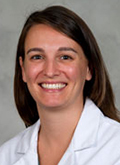 Suzana Tsao is an associate professor of clinical emergency medicine, vice-chair of education in the department of emergency medicine, and co-director of the Measey Learning in a Virtual Environment (LiVE) program at the Perelman School of Medicine. Dr. Tsao began her career in 2009 at Penn Presbyterian Medicine Center, where she served as clerkship director of the emergency medicine core clerkship before becoming the inaugural vice chair of education in emergency medicine. She has been involved in leadership roles in national organizations, including member-at-large of the Society for Academic Emergency Medicine’s (SAEM) Clerkship Directors in Emergency Medicine (CDEM) Executive Committee and subcommittee chair of CDEM’s Assessment Committee. Her primary educational interests include using technology to create innovative methods for teaching and coaching medical students. Her published work and speaking engagements focus on simulation and virtual reality in medical education.
 Mira Mamtani is an associate professor of cliical emergency medicine at the Hospital of the University of Pennsylvania. Dr. Mamtani received a BS in psychology at Stony Brook University, where she studied the role of bias in decision-making. She then earned an MD at Stony Brook Medical School and a master’s in medical education at the Penn Graduate School of Education, where she acquired advanced training in adult learning theory and organizational change. Dr. Mamtani completed a residency in emergency medicine at Penn Medicine, where she served as chief resident. Since 2013, Dr. Mamtani has been the associate residency program director fof the department of emergency medicine, and since 2020 has served as associate director of FOCUS on Health & Leadership for Women. Her educational and research mission centers around identifying and mitigating bias to optimize the learning environment.
The Michael P. Nusbaum Graduate Student Mentoring Award
The Michael (Mikey) P. Nusbaum Graduate Student Mentoring Award was established in 2017 to honor Dr. Nusbaum as he stepped down from his role as associate dean for graduate education and director of biomedical graduate studies.
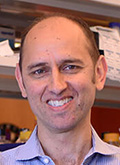 This year's recipient of the Michael P. Nusbaum Graduate Student Mentoring Award is Igor Brodsky, professor of pathobiology, School of Veterinary Medicine. Dr. Brodsky was praised by his mentees and colleagues for his personalized mentorship that is supportive and encouraging while providing a balance between intellectual freedom and guidance. Dr. Brodsky’s dedication to mentoring students and guiding them in reaching their scholarly potential perpetuate the mentoring values of Dr. Nusbaum within BGS.
The Jane M. Glick Graduate Student Teaching Award
The Jane M. Glick Graduate Student Teaching Award was established in 2009 by the Glick family in remembrance of Jane Glick, PhD, and her dedication to the Biomedical Graduate Studies (BGS) programs.
 The recipient of the Jane M. Glick Graduate Student Teaching Award is Kiran Musunuru, a professor of medicine in the Perelman School of Medicine. Dr. Musunuru’s leadership role in running CAMB 6100, Molecular Basis of Gene Therapy and Genome Editing, and his initiative to overhaul this course has significantly improved BGS graduate student curriculum, particularly in the Cell and Molecular Biology program. Students also praised Dr. Musunuru’s style and efficacy in teaching critical thinking in this content area. BGS is grateful to continue to have faculty like Dr. Musunru who continue in the traditions of Jane Glick.

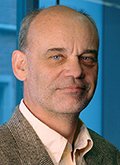


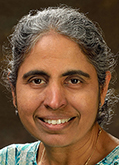
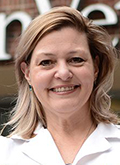 Andrew M. Hoffman, Gilbert S. Kahn Dean of the School of Veterinary Medicine at Penn, has named Susan W. Volk, a renowned veterinary surgeon-scientist, the Corinne R. and Henry Bower Professor of Surgery.
.jpg) Peter Brower Bloom, M’62, a former clinical professor of psychiatry at Penn’s School of Medicine and Pennsylvania Hospital, died on September 10, 2022, in Media, Pennsylvania. He was 86.
Peter Brower Bloom, M’62, a former clinical professor of psychiatry at Penn’s School of Medicine and Pennsylvania Hospital, died on September 10, 2022, in Media, Pennsylvania. He was 86.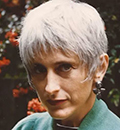 Joan Wadleigh Curran, a former senior lecturer of painting and drawing in the Weitzman School of Design, died on March 29 of complications from metastatic cancer. She was 72.
.jpg) Peter Maron Joseph, GM’78, a professor emeritus of radiology in the Perelman School of Medicine, died on February 25. He was 83.
Peter Maron Joseph, GM’78, a professor emeritus of radiology in the Perelman School of Medicine, died on February 25. He was 83.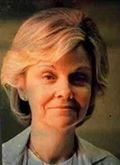 Mary Needham Moore, GNu’79, GRN’87, a faculty member at Penn Nursing, died on January 4 in Boston. She was 88.
.jpg) Richard L. Nemiroff, a clinical professor of obstetrics/gynecology in the Perelman School of Medicine, died on January 29. He was 80.
Richard L. Nemiroff, a clinical professor of obstetrics/gynecology in the Perelman School of Medicine, died on January 29. He was 80. Roger David Soloway, a former professor in the department of internal medicine in the Perelman School of Medicine, died on January 29. He was 87.