
News

$2.5 Million Grant From BMS Foundation to Support Geriatric Oncology at Penn Medicine Princeton Health

The Penn Medicine Princeton Cancer Center has received a $2.5 million grant from the Bristol Myers Squibb Foundation to help fund an innovative program to ensure holistic, patient-centered care for older adults with cancer.

The new geriatric oncology program will transform cancer treatment and supportive care for older adults by expanding research opportunities, enhancing professionals’ expertise in geriatrics, and increasing outreach to seniors in the central New Jersey community.

“We serve a dynamic population that is aging and experiences higher cancer rates than the national average, and all of them deserve the very best, most personalized care we can offer,” said James Demetriades, CEO of Penn Medicine Princeton Health. “We see a significant and growing need for specialized cancer care for older adults. Today, 70 percent of our patients with cancer are 65 or older, and 18 percent are at least 80 years old. Every one of those individuals faces unique challenges, and we are committed to working with them to develop care plans that meet their unique needs.”

The geriatric oncology program at Princeton Health will be led by Ramy Sedhom, a clinical assistant professor of hematology-oncology in the Perelman School of Medicine at University of Pennsylvania. Dr. Sedhom is co-leader of the geriatric oncology service line across the Penn Medicine system, a faculty member at the Penn Center for Cancer Care Innovation (PC3I) of the Abramson Cancer Center, and a representative on the National Comprehensive Cancer Network (NCCN) Clinical Practice Guideline Committee for Older Adult Oncology.

“Our program is rooted in the proposition of caring for the whole patient, not their disease,” Dr. Sedhom said. “There is a core tenet in geriatrics — you don’t know what you don’t know. Older adults are a distinct group with unique personal and caregiver needs. We are fortunate to receive support from the Bristol Myers Squibb Foundation to transform the cancer care of older adults in our community.”

As part of the program, patients aged 80 and older will undergo a geriatric assessment to evaluate their health condition, as well as social, cultural, spiritual, financial, and emotional factors.

Historically, older adults have not been well-represented in clinical trials, which poses a challenge for oncologists attempting to match the latest treatments with this population and results in health equity gaps in geriatric oncology care. Initiatives driven by the new geriatric oncology program aim to change this.

“The Bristol Myers Squibb Foundation’s focus on heath equity has a goal to empower and scale new ideas with the potential to improve and flourish,” said John Damonti, president of the Bristol Myers Squibb Foundation. “In that spirit, we are proud to support the creation of a geriatric oncology program at Penn Medicine Princeton Health. This new program will provide comprehensive, personalized care to people over 65, who face particular needs that can often be overlooked. It will also fund innovative research, infrastructure development, education and outreach to expand the reach and impact of this work.”

The grant will support the geriatric oncology program’s efforts to build a research infrastructure to design and implement clinical trials to improve the care of older adults with cancer. It will also bolster an array of other crucial activities, such as:

  • Recruiting multidisciplinary teams of professionals with expertise in geriatrics, including clinicians, supportive care staff, and community health navigators.
  • Testing new treatments and care delivery models by bringing new research from Penn Medicine’s Abramson Cancer Center to patients in central New Jersey.
  • Expanding geriatric competencies of Princeton Health staff through education and increasing outreach to seniors through community health navigators.

Gregory Bowman: Penn Integrates Knowledge University Professor

caption: Gregory BowmanGregory R. Bowman, a pioneer of biophysics and data science, has been named a Penn Integrates Knowledge University Professor at the University of Pennsylvania.

Dr. Bowman holds the Louis Heyman University Professorship, with joint appointments in the department of biochemistry and biophysics in the Perelman School of Medicine and the department of bioengineering in the School of Engineering and Applied Science.

His research aims to combat global health threats like COVID-19 and Alzheimer’s disease by better understanding how proteins function and malfunction, especially through new computational and experimental methods that map protein structures. This understanding of protein dynamics can lead to effective new treatments for even the most seemingly resistant diseases.

“Delivering the right treatment to the right person at the right time is vital to sustaining—and saving—lives,” Penn President Liz Magill said. “Greg Bowman’s novel work holds enormous promise and potential to advance new forms of personalized medicine, an area of considerable strength for Penn. A gifted researcher and consummate collaborator, we are delighted to count him among our distinguished PIK University Professors.”

Dr. Bowman comes to Penn from the Washington University School of Medicine’s department of biochemistry and molecular biophysics, where he has served on the faculty since 2014. He previously completed a three-year postdoctoral fellowship at the University of California, Berkeley.

Dr. Bowman’s research uses high-performance supercomputers for simulations that can better explain how mutations and disease change a protein’s functions. These simulations are enabled in part through the innovative Folding@home project, which Dr. Bowman directs. Folding@home empowers anyone with a computer to run simulations alongside a consortium of universities, with more than 200,000 participants worldwide.

“Greg Bowman’s highly innovative work exemplifies the power of our interdisciplinary mission at Penn,” Interim Provost Beth A. Winkelstein said. “He brings together supercomputers, biophysics, and biochemistry to make a vital impact on public health. This brilliant fusion of methods—in the service of improving people’s lives around the world—will be a tremendous model for the research of our faculty, students, and postdocs in the years ahead.”

The Penn Integrates Knowledge program is a University-wide initiative to recruit exceptional faculty members whose research and teaching exemplify the integration of knowledge across disciplines. Penn Integrates Knowledge professors are appointed in at least two schools at Penn.

The Louis Heyman University Professorship is a gift of Stephen J. Heyman, a 1959 graduate of the Wharton School, and his wife, Barbara Heyman, in honor of Stephen Heyman’s uncle. Stephen Heyman is a University Emeritus Trustee and member of the School of Nursing Board of Advisors. He is a managing partner at Nadel and Gussman LLC in Tulsa, Oklahoma.

Report of the Ad Hoc Consultative Committee for the Selection of a Provost

The Ad Hoc Consultative Committee for the Selection of a Provost was convened by President M. Elizabeth Magill on September 1, 2022. During its four months of work, the full committee met on 10 occasions and reported its recommendations to the President in December 2022. The committee members were:

Chair

  • J. Larry Jameson, Executive Vice President of the University of Pennsylvania for the Health System, dean of the Perelman School of Medicine, and Robert G. Dunlop Professor, PSOM

Faculty

  • José A. Bauermeister, Albert M. Greenfield Professor of Human Relations and chair, department of family & community health, School of Nursing; professor of psychiatry, Perelman School of Medicine
  • Emily B. Falk, professor of communication and Associate Dean for Research, Annenberg School for Communication
  • Tulia G. Falleti, Class of 1965 Endowed Term Professor of Political Science and director of the Latin American and Latinx Studies Program, School of Arts and Sciences
  • Claire O. Finkelstein, Algernon Biddle Professor of Law and professor of philosophy, Penn Carey Law School
  • Lance M. Freeman, James W. Effron University Professor and Penn Integrates Knowledge University Professor, department of city and regional planning, Weitzman School of Design; department of sociology, School of Arts and Sciences
  • Nancy J. Hirschmann, Geraldine R. Segal Professor in American Social Thought, department of political science, School of Arts and Sciences
  • Cherie R. Kagan, Stephen J. Angello Professor of Electrical and Systems Engineering and Associate Dean for Research, department of material sciences and engineering, School of Engineering and Applied Science; professor of chemistry, School of Arts and Sciences
  • Katherine L. Milkman, James G. Dinan Endowed Professor and professor of operations, information and decisions, Wharton School
  • Michael L. Platt, James S. Riepe University Professor, department of neuroscience, Perelman School of Medicine; department of psychology, School of Arts and Sciences; department of marketing, Wharton School
  • Melissa J. Wilde, professor and chair of the department of sociology, School of Arts and Sciences
  • Heather A. Williams, Geraldine R. Segal Professor in American Social Thought and professor of Africana studies, department of Africana studies, School of Arts and Sciences

Students

  • Lena Hansen, C’23, chair external, Student Committee on Undergraduate Education
  • Michael Krone, JD/MBA candidate, Professional Council chair of the Graduate and Professional Student Assembly
  • Carson Sheumaker, W’23 C’23, chair of the Undergraduate Assembly
  • Robert B. Watson, JD/MSEd candidate, president of the Graduate and Professional Student Assembly

The search was supported by Pierce Buller, associate vice president and advisor to the President, and Joann Mitchell, senior vice president for institutional affairs and chief diversity officer, in the President’s Office, and by John Muckle, Keight Tucker Kennedy, Peter Lange, and Kelly McLaughlin of the executive search firm Isaacson, Miller.

The committee and its consultants conducted informational and consultative meetings with individuals and groups throughout the Penn community and made many informal contacts to better understand the scope, expectations, and challenges of the Provost’s position and the opportunities facing the University. These consultative activities included full committee meetings with former Interim President and former Provost Wendell Pritchett; senior executive vice president Craig Carnaroli; Interim Provost and Deputy Provost Beth A. Winkelstein; vice president for budget planning and analysis Trevor Lewis; Vice Provosts Dawn Bonnell, Constantia Constantinou, Karen Detlefsen, Ezekiel Emanuel, Laura Perna, and Whitney Soule; and director of the Division of Recreation and Intercollegiate Athletics Alanna Shanahan. In addition, the chair and the committee members held open meetings for students, faculty and staff. The consultants interviewed administrators throughout the Provost’s Center and numerous individuals and groups across the Penn community. They also sought nominations from presidents, provosts, and deans across the nation and around the world as well as from leaders in government, foundations, academic societies and other organizations. Finally, members of the committee engaged in extensive networking with Penn faculty and students, as well as colleagues at other institutions. The committee also solicited advice and nominations from all Penn faculty, deans, and senior administrators via email, and reviewed a variety of relevant documents.

Based upon the committee’s charge from President Magill, the committee’s own discussions, and consultations, a comprehensive document was prepared outlining the scope of the position, the likely challenges a new Provost will face, and the qualities sought in a new Provost. The vacancy and membership of the Consultative Committee were announced on September 13, 2022 and input was invited from the entire Penn community (Almanac From the President: Consultative Committee for the Selection of a Provost).

The committee sought candidates with proven strategic and collaborative leadership skills, an uncompromising commitment to academic excellence, impeccable academic judgment, distinguished academic credentials and experience, and a steadfast and unwavering ethical compass. Candidates were asked to demonstrate a record of achievement that evinced the capacity to lead Penn’s academic enterprise in pursuit of the University’s highest priorities. The committee also sought evidence of candidates’ commitment to diversity in its broadest sense (e.g., racial, gender, socioeconomic, intellectual, methodological, disciplinary, etc.). The committee also sought candidates with a record of successfully advancing interdisciplinarity that could help realize Penn’s unique opportunities to leverage the strengths of its 12 schools and centers by crossing traditional disciplinary and institutional boundaries. Other key criteria included being a visionary and entrepreneurial leader with a proven ability to advance innovative understanding and discovery; a global outlook, with a strong commitment to leading efforts to strengthen Penn’s strategic engagement with local, national, and international communities; an articulate, enthusiastic, and effective communicator with the highest aspirations for Penn’s standing and reputation; and a commitment, ability, and desire to broadly engage the University community, collaborate with the President, the deans, and the faculty, staff, students, and alumni; and function as a key member of the University’s senior management team.

Over the course of its four-month search process, the committee and its consultants contacted and considered more than 200 individuals for the position. The committee selected 13 individuals for semi-finalist interviews with the entire committee. Based on voluntary self-identifications and other sources, we believe the initial pool of 56 applicants, candidates, and nominees included 23 women, 33 men, and 26 people of color, of whom 13 were African American, 9 were Asian, and 3 were Latinx. The committee briefed the President on the search process and recommended finalists.

On January 25, 2023, President Magill announced the selection of Dean John L. Jackson, Jr., as Penn’s next Provost. Currently the dean of the Annenberg School for Communication, he was the University’s first Penn Integrates Knowledge Professor and previously served as the dean of the School of Social Policy and Practice. Dean Jackson, a celebrated teacher and scholar, is an urban researcher, media ethnographer, anthropologist of religion, and theorist of race/ethnicity. He is an accomplished leader and administrator and a passionate advocate for academic excellence and civic engagement. Dean Jackson’s appointment was ratified by the University’s Trustees at their March meeting and he assumes office on June 1, 2023.

—J. Larry Jameson, Chair of the Ad Hoc Consultative Committee for the Selection of a Provost

Search for a Faculty Director of the SNF Paideia Program

Interim Provost Beth A. Winkelstein and Provost-designate John L. Jackson, Jr. invite nominations and expressions of interest from standing faculty members to be the next faculty director of the SNF Paideia Program. The faculty director is a senior member of the standing faculty who provides intellectual and programmatic leadership and vision for the SNF Paideia Program, identifying and communicating the program’s mission and priorities to the campus and external communities, including the Stavros Niarchos Foundation, Penn administration, and faculty, staff, and student leaders. The faculty director guides the work of the program’s executive director and five-person staff and ideally teaches Paideia-designated courses.

Funded by a grant from the Stavros Niarchos Foundation (SNF), the SNF Paideia Program aims to provide Penn undergraduates with the skills, knowledge, ethics, and experiences to facilitate robust, informed, and respectful dialogue on the many contentious issues facing the nation and the globe, across the ideological, cultural, and demographic divides that too often keep us from effectively addressing these issues. The underlying logic of the program is to “educate the whole person” by integrating the development of students’ civic identities into their personal and professional ones – i.e., to help them understand how their individual well-being is inseparable from the well-being of the communities to which they belong. Now in its fourth year and with a yearly budget of approximately $2.5 million, the program is built around four core components: an undergraduate fellowship program, a set of SNF Paideia-designated courses, public events, and cross-campus collaborations.

Inquiries and nominations can be sent to Associate Provost Lynne Hunter at lynneh@upenn.edu by May 15, 2023.

Search for a Faculty Director of Civic House and the Civic Scholars Program

Interim Provost Beth A. Winkelstein and Provost-designate John L. Jackson, Jr. invite nominations and expressions of interest from standing faculty members to be the next faculty director of Civic House and the Civic Scholars program. Civic House is Penn’s hub for civic engagement, promoting mutually beneficial collaborations between Penn and Philadelphia community nonprofit organizations. Through social justice education, trainings, and workshops, Civic House prepares students for responsible community engagement and empowers them to become advocates for social change. The Civic Scholars program at Civic House provides undergraduate students with a sustained four-year experience integrating community engagement and scholarship, including dedicated seminars, summer internships, civic engagement experiences with community partners, and a capstone senior research project.

Inquiries and nominations can be sent to Associate Provost Lynne Hunter at lynneh@upenn.edu by May 15, 2023.

Deaths

Christopher “Casey” Brown, Genetics

caption: Casey BrownChristopher “Casey” Brown, an associate professor of genetics in the Perelman School of Medicine, died on March 18 from complications of liver disease. He was 44.

Dr. Brown was raised in Omaha, Nebraska and did his undergraduate studies at the University of Nebraska, followed by a PhD in genetics at Stanford University and a postdoctoral research fellowship in human genetics at the University of Chicago. After graduating from Chicago, Dr. Brown was recruited to Penn in 2013, becoming an associate professor of medicine in the division of genetics. He shortly became enmeshed in life in Philadelphia and the Penn community. “Over the course of his decade at Penn, Dr. Brown trained a remarkable cadre of postdoctoral fellows, who have minted their own careers as independent investigators and teachers in academic centers across the world,” said the department of genetics in a tribute to Dr. Brown. “He also mentored a set of highly talented graduate students who were stimulated to take on challenging and provocative theses under his guidance. His leadership role in the genomics and computational biology graduate group at Penn served to attract, retain, and stimulate many of our finest graduate students. He was a gifted, deeply informed, and highly charismatic teacher who was beloved by students and trainees.”

Dr. Brown was an incisive scientist whose work centered on approaches to understanding how human genetic variation controls gene expression. He developed and integrated cutting-edge informatic approaches and benchtop experimental designs to identify and characterize DNA sequence polymorphisms, epigenetic elements, and regions of accessible chromatin that determined variability in transcription expression and underlay consequent phenotypic alterations. While he intitially focused on expression in the liver, these studies quickly expanded to a wide array of cell types and tissues. His expertise, open-mindedness, and collegial approach fostered multiple productive research collaborations, leading to several peer-reviewed publications and substantial NIH funding. Dr. Brown was a pivotal member of the Genotype-Tissue Expression (GTEx) Consortium, a nationwide multicenter effort that explored the basis for gene regulatory pathways in a wide array of tissue by integrative modeling of eQTLs and cis-regulatory elements and the dissection of complex trait mechanisms.

In his free time, Dr. Brown loved music, cooking, vegetable gardening, Manchester City football, and craft beer.

Dr. Brown is survived by his daughters, Corinne and Lilah Brown; their mother, Katherine Brown; his father, David Brown; stepmother Leigh Officer; his sisters, Claire Inbody (Curt) and Colleen Cooley (Tim); his niece, Delaney Cooley; and nephews, Elliott Inbody and Brooks Cooley. A celebration of Dr. Brown’s life was held on March 25 in Omaha, Nebraska.

Governance

University Council March Meeting Coverage

At the University Council meeting on Wednesday, March 29, Lizann Boyle Rode, associate vice president in the Office of the University Secretary, addressed topics that had been raised during the open forum portion of the February Council meeting. These topics included:

  • Affordability of graduate programs at Penn
  • Penn’s COVID vaccine mandate
  • Adjustments to financial aid packages of students with outside scholarships
  • Financial aid and health benefits for postdoctoral trainees
  • Promoting diversity among the teaching assistants at Penn Engineering
  • Creating more cultural spaces on campus
  • Graduate student representation on University Council
  • Increased access to disability services for international students
  • Orientation specifically for international students
  • Availability of free menstrual products on campus

A focus issue presentation on University-Supported Education Initiatives in Philadelphia was given by Jeffrey Cooper, vice president for government and community affairs, and Caroline Watts, director of school and community engagement at the Graduate School of Education (GSE).

Mr. Cooper discussed Penn’s engagement efforts in the School District of Philadelphia (SDP). He first described Penn’s involvement with the Penn Alexander School, located at 43rd and Locust Streets (Almanac October 15, 2002). The University, SDP, and Philadelphia Federation of Teachers signed an initial 10-year memorandum of understanding (MOU) in 1999 and the school opened in 2001. Penn initially provided $1,000 per student (increased to $1,330 in 2007), which supported reduced class sizes and curricular support, and allowed Penn to have a role in the selection of the school’s principal. In recent years, Penn Alexander has consistently been listed as one of the top K-8 schools in the City.  The MOU was renewed in 2011 and 2021. Penn formalized its support of the Henry C. Lea Elementary School located at 47th and Locust Streets (Almanac April 19, 2022) in 2021 with a 5-year MOU.  In addition, Penn made a $100 million commitment to the SDP, payable in $10 million annual increments (Almanac November 24, 2020).

Dr. Watts provided an overview of  Penn GSE’s work in schools around the city, which occurs in partnership with the schools and other partners. She elaborated on Penn’s relationship with the Lea School, which includes professional development for teachers, curriculum development, and social and behavioral supports for students, teachers, and families. Dr. Watts highlighted several programs including the Lea School Tutoring Initiative, which matches elementary school students with Penn undergraduate and graduate students; the Summer Learning Program, which aims to help re-engage and support children returning to after COVID and to mitigate learning losses from the pandemic; and a burgeoning initiative to assist teachers, students and families with mental health issues, particularly as they relate to Philadelphia’s rising gun violence and other stressors.

President Liz Magill introduced Trevor Lewis, vice president of budget and management analysis, who reported on Penn’s FY2023 operating budget. Mr. Lewis stated that Penn remains financially sound despite concerns about inflation and geopolitical instability. This year, Penn had a total revenue of $4.965 billion, with 28% deriving from net tuition. Penn also incurred $4.017 billion in expenses, of which 59% was related to compensation. This year, total undergraduate charges increased 2.9% to $81,340, but the financial aid budget, which reached $278 million this year, is growing at a faster rate than tuition, and is entirely grant-based. Penn had 3,506 PhD students in FY2022, all of whom were fully funded for five years with stipends and health benefits.

For the Provost’s Report, Interim Provost Beth A. Winkelstein introduced Laura Perna, Centennial Presidential Professor of Education in GSE, who discussed Penn’s efforts to recruit and retain a higher diversity of faculty. Dr. Perna highlighted the new Diversity Dashboard, which provides snapshots of Penn’s faculty, students and staff. Since 2011 when the Action Plan for Faculty Diversity and Excellence was launched (Almanac September 6, 2011), there have been upward trends in female, Asian, Black, Hispanic and Indigenous representation on the faculty. In addition, steps are being taken to mitigate bias at every stage of the faculty recruitment process. In the broader community, Ivy Plus Provost Leadership Fellows  (Almanac November 11, 2022), a program of the Faculty Advancement Network, are working with colleagues at 12 other schools to increase the diversity of the professoriate.

During the new business portion of the meet- ing, motions were passed to add agenda items to the April Council meeting to discuss the impact on Chiatown of the proposed relocation of the 76ers’ arena and the student financial (food, housing, etc.) insecurity. Commenters suggested that Penn create a fund to assist displaced residents of the University City Townhomes and that Penn remain neutral regarding the RA unionization effort.

The next University Council meeting will take place on Wednesday, April 19, at 4 p.m. at the Hall of Flags in Houston Hall.

Policies

Of Record: Salary Guidelines for 2023–2024

The University’s merit increase program is designed to recognize and reward the valuable contributions of faculty and staff to the University’s commitment to the highest levels of excellence in teaching, research, and administration by paying market-competitive salaries in a fiscally responsible manner. 

Presented below are the merit increase guidelines for July 1, 2023. 

Faculty Increase Guidelines

Below are the standards for faculty increases that the deans are asked to follow. The deans will give the department chairs their guidelines at the school level regarding available resources.

  • The minimum academic salary for new assistant professors will be $85,700.
  • Merit increases for faculty should be based solely on performance as evidenced by scholarship, research, teaching, and service to the University and the profession. 
  • The aggregated merit increase pool for faculty will be 4.25 percent. Some schools and centers may have financial constraints that can only support budget growth of less than 4.25 percent. Salary increase recommendations that are below 1.0 percent for non-meritorious performance, as contrasted with general limits applied to an entire class of faculty, must be made in consultation with the Provost. Likewise, salary increases that exceed 6.0 percent must also be made in consultation with the Provost. Deans may wish to give careful consideration to salary adjustments for faculty who have a strong performance record but whose salaries may have lagged behind the market.

Staff Increase Guidelines

  • The aggregated merit increase pool for staff will be 4.25 percent. The merit increase range is zero to 6.0 percent. 
  • Monthly, weekly, and hourly paid staff members are eligible for a merit increase if they are regular full-time, regular part-time or limited-service employees and were employed by the University on or before February 28, 2023. The following groups are not covered under these guidelines: student workers, contingent workers, interns, residents, temporary workers, staff on unpaid leave of absence, staff on long-term disability, and staff who are covered by collective bargaining agreements.
  • The merit increase program is designed to recognize and reward performance. The foundation of this program is the Workday Performance Review. Salary increases should be based on performance contributions within the parameters of the merit increase budget. Workday Performance documents each staff member’s performance and contributions and establishes performance goals for the new fiscal year. All staff members must receive a Workday Performance Review for the next review cycle whether or not they receive merit increases. Schools and centers are requested to submit performance reviews by June 16, 2023. The Division of Human Resources Staff and Labor Relations team is available to discuss performance management issues.
  • Merit increases should average no more than 4.25 percent for staff and may average less if a school or center establishes a lower percentage merit pool based on financial considerations. Individual merit increases may not exceed 6.0 percent regardless of a staff member’s performance rating. Performance expectations should be raised each year as staff grow in experience and job mastery. Performance ratings and merit increases should reflect a normal distribution for all staff. Staff members with unacceptable performance are not eligible for a merit increase.
  • The merit increase program does not include bonuses, the same as in prior years.

Within the Division of Human Resources, the compensation team is available to discuss specific merit increase parameters with schools and centers and the Staff and Labor Relations team is available to discuss performance management issues.

—Beth A. Winkelstein, Interim Provost
—Craig Carnaroli, Senior Executive Vice President

Honors

Kathleen Hall Jamieson: AAAS Board of Directors

caption: Kathleen Hall JamiesonKathleen Hall Jamieson, director of the University of Pennsylvania’s Annenberg Public Policy Center and the Elizabeth Ware Packard Professor of Communication at the University’s Annenberg School for Communication, has been elected to a four-year term on the board of directors of the American Association for the Advancement of Science (AAAS).

Dr. Jamieson is one of two scholars elected to join the board of directors by the members of the AAAS, the world’s largest general scientific society and the publisher of the Science family of journals. Dr. Jamieson, founding director of the Annenberg Public Policy Center (APPC) and cofounder of its project FactCheck.org and subsidiary site SciCheck, employs rhetorical analysis, surveys, and experiments to understand campaign communication, the science of science communication, and ways to prevent misinformation and conspiracy theories.

“Understanding how communication functions in society is pivotal to the scientific enterprise and the future of the STEMM workforce,” said Dr. Jamieson, who was recently elected a fellow of AAAS (Almanac Febraury 8, 2022). “As long as science and scientists retain their commitment to the norms of transparency and self-critique, science will remain our most reliable source of knowledge and innovation. And I find that fact inspiring.”

Florence Zivaishe Madenga: George Gerbner Postdoctoral Fellow

caption: Florence MadengaFlorence Zivaishe Madenga has been named the George Gerbner Postdoctoral Fellow at the Annenberg School for Communication.

Ms. Madenga, who studies journalism, globalization, and state-sponsored media, will defend her dissertation titled, “Taking Satire Journalism Seriously: Living and Laughing to Bring the State Down?” in July. The George Gerbner Fellowship, named in honor of the school’s second dean, is awarded in alternate years to a graduate of Penn’s Annenberg School for Communication or USC’s Annenberg School for Communication and Journalism. The faculty of the opposite school selects the recipient from the group of applicants, who is then in residence at Penn for the duration of the fellowship.

While the Gerbner Fellowship normally lasts for two years, Ms. Madenga will leave in fall 2024 to start a tenure track position at Boston College as an assistant professor of race and communication. As a Gerbner Fellow, she will build upon her dissertation research, continuing to investigate the concept of “satire journalism” as a means to analyze journalism under a military dictatorship in Zimbabwe and on the internet.

In addition to her research, Ms. Madenga is at work on an oral history project that she started with Olivia Haynie, an undergraduate student at Penn, on the Philadelphia Association of Black Journalists (PABJ), the nation’s oldest professional association of journalists of color. Ms. Madenga also plans to work with organizations at Penn to facilitate partnerships between Black undergraduate students interested in journalism and local organizations like PABJ.

Before beginning her doctoral work at Annenberg, Ms. Madenga completed a master’s degree in humanities and social thought at New York University. She also holds a bachelor’s degree in journalism and politics from New York University. Currently, she is a research fellow at the Center for Advanced Research in Global Communication and a graduate fellow at the Center for Media at Risk.

Pranjal Nautiyal: Two Scholarly Honors

caption: Pranjal NautiyalPranjal Nautiyal, a postdoctoral associate in the Carpick Research Group in the department of mechanical engineering and applied mechanics in Penn Engineering, has been honored with an Early Career Award from the Society of Tribologists and Lubrication Engineers (STLE), and has been named to the 2023 class of senior members of the National Academy of Inventors (NAI).
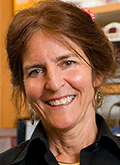

Both accolades acknowledge not only the technical achievements of the published author and patent recipient, but also their impact on society at large. As an STLE member, Dr. Nautiyal is one of many experts who research, develop and market the methods and products that make industry more successful and that enhance the well-being of people worldwide. As an NAI senior member, Dr. Nautiyal has demonstrated success in patents, licensing and commercialization, and has produced technologies that have caused, or aspire to cause, real impact on the welfare of society.

“Pranjal has been an outstanding postdoc, working on multiple projects and producing exciting and novel results, mentoring students, helping write proposals that we have successfully secured, and contributing to teaching and creating laboratory experiences for courses,” said Robert W. Carpick, the John Henry Towne Professor in Mechanical Engineering and Applied Mechanics. “He has a bright future, and I’m delighted to see his hard work and creativity be recognized by these two awards.”

Before starting at the University of Pennsylvania, Dr. Nautiyal studied materials science and engineering at Florida International University, receiving a doctorate in 2020. Soon after, he decided to switch his area of concentration; his work currently focuses on tribology, or the study of friction, wear and reactions at sliding and rolling interfaces.

Penn Medicine Awards & Accolades: February 2023

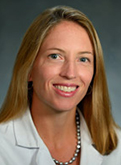
caption: Jean Bennettcaption: Albert Maguirecaption: Kathryn DavisJean Bennett, the F.M. Kirby Emeritus Professor of Ophthalmology and Cell and Developmental Biology, and Albert M. Maguire, the F.M. Kirby Professor of Molecular Ophthalmology, have been awarded the tenth annual Harrington Prize for Innovation in Medicine. The $20,000 award recognizes the team’s groundbreaking translational research to restore sight in inherited genetic diseases.


Kathryn Adamiak Davis, an associate professor of neurology and director of the Penn Epilepsy Center, has received the Charley & Peggy Roach Founders’ Award and the Eric Burton Osberg Award from the Epilepsy Foundation Eastern Pennsylvania (EFEPA). She is recognized for her volunteer work, which has made strides in the epilepsy community. Throughout her career, she has been a dedicated volunteer to the epilepsy community, educating patients and caregivers. She serves on the EFEPA professional advisory board and board of directors and is the chair of the Epilepsy Foundation of America’s Research and New Therapeutics Committee.

caption: Lola Fayanjucaption: Emmanuel GibonOluwadamilola “Lola” Fayanju, chief of breast surgery and surgical director of the Rena Rowan Breast Center, has received an $800,000 collaborative research agreement with Gilead Sciences, Inc. for a project to optimize collection of social and behavioral determinants of health (SBDoH) for patients receiving breast cancer care at Penn Medicine. The project will bring together community, institutional, and industry stakeholders to develop systems-focused interventions for collecting and acting on SBDoH. These factors can greatly impact a patient’s successful completion of treatment, but currently are not routinely addressed in cancer care.
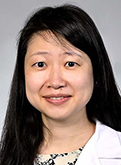
Emmanuel Gibon, an assistant professor of clinical orthopaedic surgery and a member of the Penn joint replacement program, has been named the recipient of this year’s John Insall Award from the Knee Society, an American institution that seeks to advance education and research in the field of knee replacement. Each year, the society presents three awards for studies submitted from practicing orthopaedic surgeons across the world. Dr. Gibon’s winning piece focused on a randomized clinical trial that found that cementless tibial components—the artificial platform at the bottom of the joint in a total knee replacement—were as effective and durable as their cemented-in counterparts a decade after being applied.

caption: Maayan Levycaption: Jennifer ZhangMaayan Levy, an assistant professor of microbiology, has been awarded the Stohlman Family Grant in memory of Richard Stohlman and Margaret Weigand from the Prevent Cancer Foundation. With this grant, Dr. Levy will study the occurrence of colorectal cancer in patients with Lynch syndrome, the most common cause of hereditary colon cancer. This study will be a steppingstone to larger follow-up trials in individuals with Lynch syndrome and beyond. It is the hope that this study will establish a new, low-cost, and widely accessible prevention method for colorectal cancer.



Jennifer Zhang, an assistant professor of breast surgery, has been named to the 2023 cohort of the National Cancer Institute’s Early-Stage Surgeon Scientist Program (ESSP). The ESSP is designed to train surgeon-scientists and retain them in cancer research by supporting a program focused on cancer-related disease and basic/translational research. Dr. Zhang will receive a $375,000 grant award over three years.

Three Perelman School of Medicine Faculty Members: Hastings Center Fellows

caption: Emily Largentcaption: Peter Reesecaption: Dominic SistiThree faculty from the Perelman School of Medicine at the University of Pennsylvania have been named 2023 Hastings Center fellows. Emily Largent, an assistant professor of medical ethics and health policy; Peter Reese, a professor of medicine in the division of renal-electrolyte and hypertension; and Dominic Sisti, an associate professor of medical ethics and health policy; are among 12 new fellows joining an elected group of over 200. The fellows are recognized for their work towards informing scholarship and public understanding of complex ethical issues in health, health care, life sciences research, and the environment.
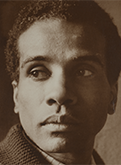
In addition to her position with Penn’s department of medical ethics and health policy, Dr. Largent holds a secondary appointment at University of Pennsylvania Carey Law School. Dr. Largent’s research examines ethical and regulatory issues arising in human subjects research, with a particular focus on Alzheimer’s disease research, as well as the experience of patients and caregivers on the Alzheimer’s continuum. A focus of her work is medical decision-making when the patient is cognitively impaired. Her work is supported by grant awards from the National Institute on Aging. She is a member of the Greenwall Faculty Scholars Program class of 2023 and the 2023 recipient of the Baruch A. Brody Award and Lecture in Bioethics.

Dr. Reese is a transplant nephrologist, bioethicist, clinical trialist, and advocate for equitable health care. He is a leader in research on transplantation, in empirical and conceptual work on the applied ethics of transplantation, and in mentoring trainees and junior faculty working on the ethical dimensions of transplantation. In 2012, he received the Presidential Early Career Award for Scientists and Engineers, the highest honor given by the U.S. government to early-stage scientists. More recently, he was elected to the American Society of Clinical Investigation. He is past chair of the Ethics Committee of the United Network for Organ Sharing, the organization that oversees organ allocation policy in the US. His research combines ethics and epidemiology to demonstrate that, with a robust informed consent process, many patients can benefit from transplantation using organs that were previously discarded, such as organs from donors with hepatitis C virus infection.

In addition to his position with Penn’s department of medical ethics and health policy, Dr. Sisti is the director of Penn’s Scattergood Program for Applied Ethics of Behavioral Health Care and holds secondary appointments in the departments of philosophy and psychiatry, where he directs the ethics curriculum in the residency program. He examines ethical and policy challenges in mental health care, including long-term psychiatric care for individuals with serious mental illness and clinical ethics issues in correctional settings. Dr. Sisti’s research also explores ethical issues in psychedelic research and clinical application.

The Hastings Center is a nonpartisan, nonprofit organization created from multiple disciplines, including philosophy, law, political science, and education. The Hastings Center was critical in establishing the field of bioethics in 1969 and has been evolving ever since. Founded by philosopher Daniel Callahan and psychoanalyst Willard Gaylin, the Hastings Center is the oldest independent, nonpartisan, interdisciplinary research institute of its kind in the world.

Penn Nursing: #1 QS World University Ranking

The University of Pennsylvania School of Nursing has once again been ranked the #1 nursing school in the world by QS World University. The 2023 QS World University Rankings by Subject is based on academic reputation, employer reputation, and research impact, and aims to help prospective students identify the world’s leading schools in their chosen field in response to high demand for subject-level comparisons. This is the eighth consecutive year that Penn Nursing has taken the top spot.

The rankings highlight the world’s top universities in 54 different subject areas, the largest yet, featuring more than 15,700 different academic programs from 1,594 institutions, 103 of which are new. Since 2016, Penn Nursing has consistently led the field.

Sophia Rosenfeld and Peter Struck: PROSE Award

The six-volume A Cultural History of Ideas, co-edited by Sophia Rosenfeld, the Walter H. Annenberg Professor of History, and Peter Struck, a professor of classical studies (both in the School of Arts and Sciences), has been given the 2023 Association of American Publishers Awards for Professional and Scholarly Excellence (PROSE Awards) for best work in the category of reference and textbooks in the humanities. The work was also one of three finalists in the world history category.

The series explores the nature of ideas over 2,800 years. Expert contributors examine themes including knowledge, the human self, ethics, politics, economics, nature, religion, and the arts.

Since 1976, the PROSE Awards have recognized the very best in professional and scholarly publishing by celebrating the authors, editors, and publishers whose landmark works have made significant advancements in their respective fields of study each year.

Features

New Exhibition in Celebration of Renowned Author and Illustrator Ashley Bryan

caption: Ashley BryanA new exhibition at the University of Pennsylvania Libraries celebrates the life and legacy of the renowned artist, author, and humanitarian Ashley Bryan (1923-2022) during his centenary year. Beautiful Blackbird: The Creative Spirit of Ashley Bryan, on exhibit from April 6 to July 21, 2023, is free, open to the public, and appropriate for all ages.

The exhibition explores Mr. Bryan’s century-long story, the story of a man seeking his place in a world that did not always welcome him, finding himself through observation and expression, and using his creative gifts to make sense of his life and to help others to do the same.

Beautiful Blackbird will be the first exhibition to tell the story of Ashley Bryan’s life through the decades, tracing a path weaving back and forth through all the places where he lived and worked,” said curator Lynne Farrington, director of programs and senior curator at the Kislak Center for Special Collections, Rare Books and Manuscripts at the Penn Libraries. 

The path is one that spans eras and continents. Mr. Bryan spent his childhood in New York City, served in a segregated Army unit in Europe during the Second World War, and later returned to Germany as a Fulbright scholar. For the last fifty years of his life, he made his home on Little Cranberry Island, just off the coast of Maine.

All aspects of Ashley Bryan’s artistic life will be on display in this exhibition, Ms. Farrington notes. Best known as a writer and illustrator of children’s books, Mr. Bryan was also a musician and poet, painter and printmaker, storyteller and performer, maker of puppets and sea-glass panels, and creator of drawings and collages.

Visitors will see Mr. Bryan’s paintings, illustrations, handmade puppets, and other art, including some of his earliest work, in addition to items that inspired his artwork and books. “If you’re already familiar with Ashley Bryan, you’ll have the opportunity to learn a lot more about his life—and if you’re not, you’ll get to experience his amazing artwork in the context of his long and productive life,” Ms. Farrington explains.

caption: Ashley Bryan painting in his home studio on Islesford, Maine, original archival color ink print, January 2010. Photo by Peter Ralston/Ralston Gallery.

Ashley Bryan became a prolific author and illustrator of children’s books in the second half of his long life and was celebrated as one of the pioneers who introduced characters of color—whether African, Caribbean, or African American—into the genre. Mr. Bryan won numerous book awards, including a Newberry Honor for Freedom Over Me and multiple Coretta Scott King Awards, as well as the Coretta Scott King—Virginia Hamilton Lifetime Achievement Award and the Laura Ingalls Wilder Award in 2009 for his contribution to American children’s literature. He was named a 2008 New York Public Library Literary Lion, along with Edward Albee, Nora Ephron, and Salman Rushdie. He mentored many younger authors and artists over the years, freely sharing his support for their work.

Beautiful Blackbird draws heavily from Mr. Bryan’s extensive and culturally rich archive, which contains hundreds of original works documenting his career. In 2019, the Ashley Bryan Center donated Mr. Bryan’s archive to the Kislak Center, and after nearly 19 months of careful processing, the archive is now available to the public.

The Life and Legacy of Ashley Bryan: A Symposium will open the exhibition on April 6 and 7, 2023, beginning with a tour of the exhibition by curator Lynne Farrington. This will be followed by a welcome from Constantia Constantinou, the H. Carton Rogers III Vice Provost and director of Penn Libraries, and a keynote presentation by Javaka Steptoe, the award-winning illustrator, artist, and author.

The symposium will continue on Friday, April 7, with a range of speakers, including:

  • Kirsten Cappy (executive director, I’m Your Neighbor Books)
  • Lynne Farrington (exhibition curator; director of programs and senior curator, Kislak Center)
  • Jan Spivey Gilchrist (artist, author, and illustrator)
  • Jennifer Gross (curator, Colby College exhibition Ashley Bryan / Paula Wilson: Take the World Into Your Arms)
  • E.B. Lewis (artistrator and visual mentor)
  • Vanesse Lloyd-Sgambati (founder, African American Children’s Book Project)
  • Daniel Minter (artist and illustrator; co-founder, Indigo Arts Alliance)
  • Alison Morris (senior director of title selection, First Book)
  • Karyn Parsons (founder and president, Sweet Blackberry Foundation)
  • Sibylla Shekerdjiska-Benatova (founder and executive director, A Book a Day)
  • Ebony Elizabeth Thomas (associate professor in the joint program in English and education at the University of Michigan’s School of Education)
  • Ashley Valentine (art manager, Pippin Properties)

For more information about the exhibition and opening symposium, visit the Penn Libraries website

caption: Ashley Bryan holding a copy of his memoir, Infinite Hope, during a December 2019 visit to the University of Pennsylvania. Photo by Eric Sucar.

Events

Don’t Miss the Live 2023 Models of Excellence Celebration

The entire Penn community is invited to celebrate University of Pennsylvania staff achievements at the 2023 Models of Excellence Awards Program Ceremony on April 26, from 4 p.m. to 5 p.m. in Irvine Auditorium. This year’s staff recognition event is open to the Penn community for the first time since 2019. At this in-person celebration, President Liz Magill will join senior executive vice president Craig Carnaroli, Interim Provost Beth A. Winkelstein, and senior vice president for human resources Jack Heuer on the Irvine Auditorium stage to present the Models of Excellence Awards and express Penn’s gratitude for each staff member’s remarkable work. Musical guests the Penny Loafers will provide live entertainment. The program will be immediately followed by a cocktail reception at 5 p.m. in the Irvine lobby, where colleagues and guests can continue the festivities.

Don’t miss the return of Penn’s premiere campus-wide staff recognition event. Register for the Models of Excellence ceremony and reception today.

This year, four teams and 11 individuals were chosen from a pool of over 200 nominees from schools and centers across the University to receive 2023 Models of Excellence honors. These staff members represent the best of Penn.

Honors are presented in three award categories:

  • Models of Excellence
  • Pillars of Excellence
  • Model Supervisor

Each Models of Excellence, Pillars of Excellence, and Model Supervisor award-winning staff member will receive $500 and a symbolic award. Staff members who have earned Honorable Mentions will receive $250 and a symbolic award.

You can learn more about the awardees’ amazing work at www.hr.upenn.edu/models. Better yet, see them in person, hear their inspiring stories, and share your appreciation for fellow coworkers at the April 26 ceremony.

30x30 Outdoor Challenge

The 30x30 Outdoor Challenge is a month-long wellness event starting on April 1 and ending on April 30. Each day during April, you’ll be challenged to spend at least 30 minutes outside. Achieve the April 30x30 Outdoor Challenge for 21 out of 30 days to earn 750 points for the 2022-2023 Be in the Know wellness campaign!

Did you know, according to the EPA, that Americans spend approximately 90% of their time indoors? Over the last decade, researchers have been documenting what many of us know intuitively - that nature is good for our health and well-being. Regularly immersing yourself in a natural setting like a park, forest, or field, can reduce stress while boosting immunity, energy levels, and creativity.

Learn more and participate in weekly challenges on the Penn Sustainability website.

—Penn Sustainability

Update: April AT PENN

Films

6          Journey to Somewhere; includes discussion with filmmaker Helena de Llanos; presents a highly personal and experimental documentary on the weight of inheriting her grandparents’ house in which she is forced to confront the vestiges and artifacts associated with two highly celebrated Spanish playwrights; 5:30 p.m.; room 401, Fisher-Bennett Hall (Cinema & Media Studies).


Fitness & Learning

Graduate School of Education

Online events. Info: https://www.gse.upenn.edu/news/events-calendar.

11        Virtual Information Session: Global Higher Education Management (Online) MSEd; 8 a.m.


Morris Arboretum

Unless noted, in-person classes at Morris Arboretum. Info and to register: https://experience.morrisarboretum.org/Info.aspx.

8          90 Years of Hidden Gems; 11 a.m.


Music

Penn Live Arts

In-person events. Info and tickets: https://pennlivearts.org/events/.

7          The Inspiration: Daydreaming; spring show by an a cappella group at Penn dedicated to music written and performed by members of the African diaspora; 8 p.m.; Harold Prince Theater, Annenberg Center. Also April 8, 6 p.m.


Onstage

Penn Live Arts

In-person events. Info and tickets: https://pennlivearts.org/events/.

7          Penn Singers: A Gentleman's Guide to Love and Murder; a witty, whacky musical comedy that follows Monty Navarro as he slaughters his way to the top; 8 p.m.; Zellerbach Theater, Annenberg Center. Also April 8, 2 p.m. and 8 p.m.


Readings & Signings

7          Five Bay Landscapes Book Release Reception; Sean Burkholder, McHarg Center; Karen Lutsky, University of Minnesota; 6-9 p.m.; Kleinman Forum, Fisher Fine Arts Library (Landscape Architecture).


Special Events

6          Take Back the Night at Penn 2023; part of an international campaign designed to take a stand against interpersonal and sexual violence, including a speaker on College Green, a rally and a march around campus with the Penn Band, and a survivor speak-out and candlelight vigil; meet at 5 p.m.; College Green (Abuse & Sexual Assault Prevention).

7          Orgullo Latino Fashion Association: Exodus & Metamorphosis; the first Latinx centered fashion show at Penn; focusing on the motifs of transformation, migration, and adaptation common to Carnival festivities; 6-8 p.m.; Institute of Contemporary Art; register: https://tinyurl.com/ica-fashion-show-apr-7 (La Casa Latina, ICA).


Talks

5          Risk Projection for Time-to-Event Outcome Leveraging Summary Statistics With Source Individual-Level Data; Jiayin Zheng, Fred Hutchinson Cancer Center; 11 a.m.; room 701, Blockley Hall; (Biostatistics, Epidemiology & Informatics).

            60-Second Lectures: Genetic Ancestry Testing and Race; Wendy Roth, sociology; noon; Benjamin Franklin Statue, College Hall (School of Arts & Sciences).

            Air Pollution Sensitivity in Pediatric Asthma; Jelte Kelchtermans, Children’s Hospital of Philadelphia; noon; room 213, Stemmler Hall (Penn-CHOP Lung Biology Institute).

            Robotics Education and Research at a Liberal Arts College; Matt Zucker, Swarthmore College; 3 p.m.; room 307, Levine Hall (GRASP Lab).

            Reparameterization Invariant Tools in Time Series Analysis; Yuliy Baryshnikov, University of Illinois Urbana-Champaign; 3:45 p.m.; room A2, DRL (Mathematics).

6          Designing Quantum Properties and Functionalities in Heterostructures; Kenji Yasuda, Massachusetts Institute of Technology; 10:30 a.m.; room 101, Levine Hall (Materials Science & Engineering).

            Oral Cancer: Nervous Tales; Nisha D’Silva, University of Michigan; noon; Zoom webinar; info: https://www.dental.upenn.edu/news-events/events/ (Penn Dental).

7          Deep Anomaly Detection Using Coincident Learning; Eric Darve, Stanford University; 2 p.m.; Zoom webinar; info: jnespos@seas.upenn.edu (Penn Institute for Computational Science).

            Life Beneath the Seafloor; Steven D'Hondt, University of Rhode Island; 3 p.m.; room 358, Hayden Hall (Earth & Environmental Science).

10        Crafting the Science Goal: An Analysis of Scientific Formations Through Astrobiology; Dana Burton, George Washington University; noon; room 345, Penn Museum (Anthropology).

11        Self-Assembled Cages and Assemblies Using CTV-Type Ligands: Self-Sorting, Shape-Changing and More; Michaele Hardie, University of Leeds; noon; Carolyn Hoff Lynch Lecture Hall, Chemistry Complex (Chemistry).


Economics

Info: https://economics.sas.upenn.edu/events.

4          Advertisements as Entry Deterrents: Evidence from the Confectionary Industry; Chinmay Lohani, economics; 12:30 p.m.; room 101, PCPSE.

5          Technological Transitions and Labor Market Institutions: Who Makes the Transition? Leon Huetsch, economics; noon; room 100, PCPSE.


This is an update to the April AT PENN calendar, which is online now. To submit an event for a future AT PENN calendar or weekly update, email almanac@upenn.edu.

Crimes

Weekly Crime Reports

University of Pennsylvania Police Department Crime Report

Below are the Crimes Against Persons, Crimes Against Society and Crimes Against Property from the campus report for March 20-26, 2023. View prior weeks’ reports. —Ed.

This summary is prepared by the Division of Public Safety and includes all criminal incidents reported and made known to the University Police Department for the dates of March 20-26, 2023. The University Police actively patrol from Market St to Baltimore and from the Schuylkill River to 43rd St in conjunction with the Philadelphia Police. In this effort to provide you with a thorough and accurate report on public safety concerns, we hope that your increased awareness will lessen the opportunity for crime. For any concerns or suggestions regarding this report, please call the Division of Public Safety at (215) 898-4482.

03/20/23

6:25 AM

3330 Market St

Retail theft reported to DPD

03/20/23

8:32 AM

3333 Walnut St

Wallet taken

03/20/23

8:39 AM

3400 Spruce St

Unwanted messages received

03/20/23

12:59 PM

3409 Walnut St

Theft of a wallet/credit card used at CVS

03/20/23

2:25 PM

100 S 40th St

Cellphone theft from backpack

03/20/23

3:16 PM

3701 Walnut St

Theft of a jacket from 4th floor

03/20/23

4:31 PM

4045 Baltimore Ave

Package theft reported to PPD

03/21/23

9:41 AM

123 S 39th St

Beats headphones taken

03/21/23

1:35 PM

4125 Ludlow St

Known offender punched and kicked complainant

03/21/23

5:17 PM

4001 Walnut St

Retail theft/Arrest

03/21/23

10:35 PM

3600 Filbert St

Parked automobile stolen

03/22/23

1:34 AM

3700 Spruce St

Attempted catalytic converter theft

03/22/23

1:24 PM

3411 Chestnut St

Miter saw taken from highway

03/22/23

2:30 PM

4001 Walnut St

Retail theft/Arrest

03/22/23

3:25 PM

3730 Walnut St

Secured scooter taken from bike rack

03/22/23

4:10 PM

20 S 36th St

Complainant raped by known offender/reported to PPD

03/22/23

7:22 PM

3741 Walnut St

Retail theft reported to PPD

03/23/23

6:51 PM

3330 Market St

Retail theft reported to DPD

03/23/23

9:37 PM

4233 Chestnut St

Retail theft reported to PPD

03/24/23

12:55 PM

4233 Chestnut St

Retail theft reported to PPD

03/24/23

5:20 PM

4233 Chestnut St

Retail theft reported to PPD

03/25/23

9:19 AM

4233 Chestnut St

Retail theft reported to PPD

03/25/23

6:10 PM

3744 Spruce St

Retail theft

03/26/23

2:55 PM

200 St Marks St

Car door window smashed, ignition wiring damaged

03/26/23

4:58 PM

4233 Chestnut St

Retail theft reported to PPD

03/26/23

4:58 PM

3820 Locust Walk

Secured scooter stolen from rack


18th District

Below are the Crimes Against Persons from the 18th District: 5 incidents (3 assaults, 1 aggravated assault, and 1 rape) with 2 arrests were reported for March 20-26, 2023 by the 18th District, covering the Schuylkill River to 49th St & Market St to Woodland Avenue.

03/21/23

12:47 AM

4804 Baltimore Ave

Assault

03/21/23

1:35 PM

4125 Ludlow St

Assault

03/22/23

4:10 PM

Unit Blk S. 36th St

Rape

03/24/23

11:22 PM

4600 Blk Walnut St

Assault/Arrest

03/25/23

8:22 PM

4500 Blk Walnut St

Aggravated Assault/Arrest

Bulletins

Take the 2023 Penn Bookstore Survey

The Penn Bookstore invites you to participate in its 2023 survey. Provide feedback on the bookstore’s services and offerings and enter to win one of three $100 Penn Bookstore gift certificates. 

Click here to respond to the survey.

Back to Top