Penn Medicine: $9 Million to Advance Study of Technology that Illuminates Lung Cancer Tumors
Building on Penn Medicine’s years of research and use of imaging technology that illuminates tumor tissue—helping clinicians more easily detect and remove it—the Perelman School of Medicine at the University of Pennsylvania has received a five-year, $9 million research grant from the National Cancer Institute (NCI) to push the field forward, particularly for lung cancer patients.
This technology, intraoperative molecular imaging (IMI), is based on fluorescent beacon molecules that target and bind themselves to tumor cells, essentially making them glow—and allowing doctors to more easily distinguish cancer from healthy tissue. Penn researchers with the Center for Precision Surgery in the Abramson Cancer Center, along with colleagues at other institutions, will use the research grant to study and improve IMI technology for non-small-cell lung cancers (NSCLC). Often related to smoking, NSCLCs are the most common form of lung cancer; they are diagnosed in more than 200,000 people in the United States every year and can be life threatening.
“This funding gives us a tremendous opportunity to further evaluate this important technology and with the goal being to improve outcomes for patients,” said principal investigator Sunil Singhal, the William Maul Measey Professor in Surgical Research and chief of thoracic surgery, and director of the Center for Precision Surgery in the Abramson Cancer Center. “We aim to develop this technology even further and to study it in additional clinical trials to help improve surgical identification and removal of tumors.”
Dr. Singhal has helped pioneer the research and development of IMI use in lung cancer surgery. Among other achievements, he led the first large, multi-institutional randomized clinical trial of the technology for lung cancer. To date, studies have shown that IMI can significantly improve surgeons’ ability to remove tumors, while sparing other healthy tissue. The fluorescent beacon molecules used in IMI are normally infused into the patient hours or days before surgery. They bind to cell-surface receptors, such as folate receptors, which are particularly abundant on cancer cells. The light the beacons emit is typically in the near-infared range, allowing for visualization detection of tumor cells up to about two centimeters below the tissue surface, depending on the tissue type. Tissue tagged with these fluorescing beacons can be imaged in real-time, during surgery, with relatively inexpensive and portable equipment. Data from additional clinical trials have shown it also has the potential to help doctors detect tumors—for example, following a positive or ambiguous X-ray finding—during non-surgical inspections of patients’ lungs via bronchoscopy, when doctors use a scope to investigate the passages in a person’s lungs.
The new grant-funded research project aims to develop improved beacon molecules for NSCLC and imaging equipment to go with it, then test them in clinical trials. Collaborating researchers include Purdue University’s Philip Low, professor of chemistry and biochemistry, who will help develop new beacon molecules; the University of Illinois Urbana-Champaign’s Shuming Nie, a professor of bioengineering; and Viktor Gruev, a professor of electrical and computer engineering, who will develop sensitive near-infrared cameras. Johnson & Johnson’s Bruce Rosengard will also help develop miniaturized chips for bronchoscopic detection of the light emitted from the tumor-homing beacons. The clinical trials of the new technology will be conducted at Penn Medicine, led by Dr. Singhal and Edward Delikatny, a professor of radiology and director of translational research at the Center for Precision Surgery.
“Complete resection is the best outcome for patients, and the goal in this program is to improve the chances of achieving that without unnecessary tissue removal,” said Ronald DeMatteo, the John Rhea Barton Professor of Surgery and chair of the department of surgery at Penn.
Penn Vet: Nearly $1 Million U.S. Department of Agriculture Grant to Enhance Dairy Herd Sustainability and Reduce Methane Emissions
 Associate professor of ruminant nutrition Dipti Pitta at the University of Pennsylvania’s School of Veterinary Medicine (Penn Vet) has received a $995,000 grant from the U.S. Department of Agriculture’s National Institute of Food and Agriculture to lead an interdisciplinary team of animal and data scientists to establish a precision data network, with the long-term goal of identifying high-productivity dairy cows with low methane emissions, to enhance dairy herd sustainability and moderate environmental impacts.
“This funding gives us a tremendous opportunity to further evaluate microbial associations in the rumen that are essential for methane mitigation,” said Dr. Pitta. “Our team of researchers will be evaluating the behavioral activities, milk production, and feed-consumption profiles, as well as sequencing of the microbiomes and host genomes across multiple dairy herds to identify potential predictors of methane production. This comprehensive integration of very dense data sets will not only identify phenotypic responses that could reduce methane output—it could positively impact the economic health of farms and the agriculture sector. It’s a win-win.”
The study’s co-investigators are Penn Vet’s Darko Stefanovski, Linda Baker, and Joseph Bender; Cedar-Sinai’s Ryan Urbanowicz; North Carolina State University’s Stephanie Ward; and Pennsylvania State University’s Kevin Harvatine and Rob Goodling.
The grant is awarded through the National Institute of Food and Agriculture’s Inter-Disciplinary Engagement in Animal Systems (IDEAS) Agriculture and Food Research Initiative (AFRI). The IDEAS AFRI program funds applied science approaches, integrating knowledge from diverse disciplines, that address challenges facing the United States’ food and agriculture sector.
Penn Medicine: Center for Health Care Innovation Awarded Three Independence Blue Cross Grants
For the second year in a row, a trio of projects from the Center for Health Care Innovation were chosen to receive Clinical Care Innovation Grants from Independence Blue Cross. Each project will receive up to $200,000 toward expanding its work.
“Independence Blue Cross looks for novel interventions with strong early evidence and high potential to improve value-based care, so winning three awards is meaningful validation of Penn innovation programs,” said Roy Rosin, chief innovation officer of the University of Pennsylvania Health System and interim executive director of the Center for Health Care Innovation. “Our teams have shown they can make a difference in areas of care and patient populations that could benefit most from change, and with Independence’s partnership, we can advance and scale this work.”
This year, the three Penn Medicine projects receiving grants are:
Healing at Home—A system that uses an artificial intelligence-guided chatbot to provide 24/7 assistance to new mothers with questions about infant care or their own needs during the “fourth trimester” after delivery. The project seeks to expand access to evidence-based guidance, including for mental health support, and evaluate measurable benefits. It is led by Kirstin Leitner, an assistant professor of clinical obstetrics and gynecology; Lori Christ, an associate professor of pediatrics; Laura Scalise, a nurse manager; and Emily Seltzer, a senior innovation manager at the Center for Digital Health.
Pregnancy Early Access Center (PEACE)—A model for providing care for early pregnancy, including miscarriages, which take place in one in every five pregnancies. A special focus is placed on equitable follow-up care for those who experience a miscarriage, especially to offer an alternative for those who seek care at emergency departments, which many patients do. Currently, 95 percent of these patients do not receive any continuing care following their initial urgent miscarriage visit. This project is led by Courtney Schreiber, a professor of obstetrics and gynecology and chief of family planning.
Increasing access to buprenorphine and other substance use treatment services for people of color—A team formed to decrease barriers to rapid access to buprenorphine (a medication that soothes cravings for opioids in the brain) for communities in Philadelphia made up of a majority of people of color, building on earlier pilots that successfully connected more people to appropriate care. This includes a telemedicine-based outreach and navigation service that guides people through various aspects of substance use treatment. This effort is led by Jeanmarie Perrone, a professor of emergency medicine and director of the Penn Medicine Center for Addiction Medicine and Policy.
“The funded projects this year also address areas in which some of our most vulnerable patients may see the greatest benefits,” said Elissa Klinger, director of health equity at Penn Medicine’s Center for Digital Health. “For example, Black women in Philadelphia experience higher rates of severe pregnancy related health problems, particularly in the postpartum period, so programs like Healing at Home can enhance critical postpartum support that may ultimately help drive down rates of maternal morbidity. PEACE provides urgent and timely pregnancy care while promoting health equity. And increasing access to buprenorphine and other substance use treatment services targets the burdens of substance use and overdose striking in communities of color in Philadelphia.”
Last year, the three Penn Medicine projects chosen for these grants focused on engaging patients in remote cardiac rehabilitation, helping patients with at-home chemotherapy regimens through a text messaging “chatbot” (Penny), and improving image-based cancer screenings (LiveAware) (Almanac July 13, 2021).
Since then, the cardiac rehabilitation project began a study comparing telemedicine-based cardiac rehabilitation to a traditional model, along with creating a dashboard to identify eligible patients across Penn Medicine for potential enrollment. Penny, the at-home chemotherapy chatbot program, has expanded to help more new patients with gastrointestinal cancers. And LiveAware has started its expansion to primary care services across Penn Medicine so that patients with hepatocellular carincoma—the most common type of liver cancer—receive improved care through earlier identification and higher rates of follow up.
Aswin Punathambekar: Director of the Center for Advanced Research in Global Communication (CARGC)
 Aswin Punathambekar has been appointed Annenberg’s newest professor of communication as well as director of its Center for Advanced Research in Global Communication (CARGC), effective June 1, 2022. When Dr. Punathambekar moved from India to the U.S. in 1999 to pursue a master’s degree in media studies, anyone who wanted to access film and television from the subcontinent often turned to an unlikely place: the grocery store, where renting a VHS of “Dilwale Dulhania Le Jayenge” might provide a connection to home.
Within a few years, however, South Asian media could be found on satellite and cable TV bundles, in video stores and urban multiplex cinemas, and being shared via peer-to-peer online networks. As a student in the comparative media studies program at MIT, Dr. Punathambekar began to reflect on these momentous technological and cultural shifts. Looking at how Indian media diffuses into the diaspora opened up bigger questions about globalization and audiences’ identities. Thinking through the answers to these and other questions has formed the basis of Dr. Punathambekar’s research and teaching, which now have a new home in Philadelphia.
For his doctoral dissertation at the University of Wisconsin-Madison, Dr. Punathambekar conducted ethnographic fieldwork in India and the U.S. to understand the expansion of the Bombay film scene into the globally-influential juggernaut now known worldwide as “Bollywood.” This research formed the basis for his first two books, the edited volume Global Bollywood (NYU Press, 2008) and From Bombay to Bollywood: The Making of a Global Media Industry (NYU Press, 2013).
As social media and streaming platforms ushered in a new era of globalized media, Dr. Punathambekar and his students at the University of Michigan’s department of communication studies unraveled the new multi-polar media world in the contexts of Morocco, the Caribbean, Ghana, Kenya, and Uganda, as well as India and the Indian-American diaspora. Together they considered the impact of digitalization, but also the histories of media and communication technologies.
During this time, Dr. Punathambekar also joined a project funded by the Social Science Research Council that nudged him toward a more comparative focus by reading and drawing on scholarship that spans South Asia, East Asia, and the Middle East and North Africa regions. Working with scholars with deep expertise across these world regions further shaped his work and informed two other books - Television at Large in South Asia (Routledge, 2015) and Global Digital Cultures: Perspectives from South Asia (University of Michigan Press, 2019). In 2015, he founded the Global Media Studies Initiative (GMSI) at the University of Michigan, forming one of the few centers in the United States to foster rich collaboration among faculty, students, and postdoctoral fellows interested in global communication.
Over the last three years, which he spent as an associate professor at the University of Virginia’s department of media studies, Dr. Punathambekar has been working on a British Academy Global Professorship grant to study how digitalization has opened opportunities for migrant women in the U.K., notably those from South Asia and the Caribbean, to shape their own sense of storytelling and cultural identity. In addition, Dr. Punathambekar co-edits the Critical Cultural Communication series for NYU Press, where he works closely with scholars to develop book proposals, workshop manuscripts, and shepherd projects to publication.
“Professor Punathambekar’s work covers critical themes in global communication, theorizes the infrastructural and political economic impact of media industries, and provides the Annenberg School with a senior scholar who has demonstrated a sophisticated and nuanced understanding of how enhanced attentiveness to theorizing processes of globalization can help to redefine what communication studies looks like,” said Dean John L. Jackson, Jr.
As CARGC director, Dr. Punathambekar said that many of the established research themes will continue, including a focus on popular culture and geopolitics, media infrastructures and mobilities induced by climate change and global conflicts. In addition, CARGC will launch a series of critical conversations called “Turning Points in Global Media History” that explore key moments in media history that marked technological, political, and/or economic shifts. In the rush to study all things digital, Dr. Punathambekar said, the field may not have the most robust historical foundation for understanding where the digital comes from in a global context.
“I want to make sure that when we talk about the digital, we don’t replicate the mistakes other fields have made where we first theorize from the West, and then we go and explore other parts of the world,” he said. “The rest of the world has too often been a blank canvas for case studies, but never theorization.”
Long Kwan Metthew Lam: Inaugural Postdoctoral Fellow at Penn Vet’s Institute for Infectious and Zoonotic Diseases
 Long Kwan Metthew Lam has been awarded a two-year inaugural postdoctoral fellowship through the newly established Institute for Infectious and Zoonotic Diseases (IIZD) at the University of Pennsylvania’s School of Veterinary Medicine (Penn Vet). Dr. Lam was selected for his innovative approach to salient scientific questions regarding mammalian immune response within the context of disease transmission.
Under the mentorship of Nilam S. Mangalmurti, a physician-scientist at the University of Pennsylvania’s Perelman School of Medicine, Dr. Lam will use comparative immunology to decipher the nucleic acid-sensing functions of bat, human, and mouse red blood cells to understand vector-borne viruses. The long-term goal is to identify novel methods to reduce cross-species disease transmission.
Awarded his PhD in molecular virology and microbiology from the University of Pittsburgh’s School of Medicine in 2018, Dr. Lam studied the molecular mechanisms of attenuation for the yellow fever virus vaccine strain 17D. He is currently a postdoctoral researcher in Mangalmurti’s lab studying red blood cells and their role in inflammatory responses.
“This postdoctoral fellowship is just one of several efforts to sustain emerging science talent and their careers,” said De’Broski R. Herbert, Presidential Associate Professor, an associate professor of pathobiology, and the associate director of global affairs and education at Penn Vet’s Institute for Infectious and Zoonotic Diseases. “We are so pleased to select Metthew and support him as he advances vital public health initiatives related to infectious diseases.”
The IIZD postdoctoral fellowship is a new initiative to support basic research while immersing early-career scientists in key aspects of infectious disease research, particularly in the areas of immunology and host-pathogen interactions. Funding supports collaborative, mentored research projects to develop diagnostics, treatments, and vaccines for diseases that can be passed from animals to humans.
Penn Association of Senior and Emeritus Faculty (PASEF) 2021–2022 Annual Report
Overview
Founded in 2004, the Penn Association of Senior and Emeritus Faculty (PASEF) advocates for and supports the interests of members, organizes programs and activities for them, encourages them to be active in the intellectual and social life of the University and provides service to the University and the community. In order to accomplish these goals, PASEF educates and advocates for faculty throughout retirement; organizes intellectual and social events such as lectures and excursions to cultural attractions for its members; and creates opportunities for PASEF members to continue to make contributions to the University, community, and their professions. As stated in the bylaws, PASEF’s membership includes senior (faculty aged 55 or above) and emeritus members (for the purpose of PASEF, are former members of the faculty of the University who have officially retired from active service) in the following categories: standing faculty, and associate professors and professors in the associated faculty who are research faculty, full-time academic clinicians, and full-time practice professors. Current membership numbers 1,262 senior faculty and 780 emeritus faculty.
PASEF is a member organization of AROHE, the Association of Retirement Organizations in Higher Education. The Association of Senior and Emeritus Faculty (ASEF–PSOM) is an analogous organization at the Perelman School of Medicine; its senior and emeritus faculty are also PASEF members. The two organizations regularly cooperate in planning joint programs and activities.
The PASEF website is provost.upenn.edu/pasef/.
Administration
Governance and administration. PASEF operates under a set of bylaws and is governed by a council which meets monthly during the academic year. The President, President Elect, and Past President form the Steering Committee. Council members for 2021–2022 are listed in the Appendix. PASEF receives an annual budget from the Provost and reports to the Vice Provost for Faculty, Professor Laura Perna.
Facilities and support. PASEF has an office and an adjacent lounge on the first floor of Duhring Wing in the Furness Building, next to the office of the Faculty Senate. Both the office and the adjacent lounge can accommodate meetings of small groups. Staff support is provided with exceptional care and diligence by Sarah Barr, PASEF’s full-time coordinator. During the past year able assistance has also been given by Arberetta W. Bowles, executive director, Office of Academic Affairs, Perelman School of Medicine, and her staff. We are grateful for the intellectual, collegial, and financial support of Vice Provost Laura Perna. Personally, I thank the PASEF Steering Committee and Council and our ASEF-PSOM colleagues for their support, guidance, and collaboration.
Retirement
PASEF provides resources to aid senior faculty in planning the transition to retirement, as well as support for managing retirement. The continued closing of most in-person activities on campus due to COVID-19 created challenges. While we successfully held in-person events later in the spring, those events were more challenging because of their hybrid nature (live-streaming, in-person, and video). Our work this year included our involvement in attaining the hearing aid benefit, outsourcing retirement benefits, communicating our message throughout the Penn community, acknowledging and understanding needs of members newly included in PASEF and ASEF, expanding retirement programs, continuing to update our guide to retirement planning, hosting the reception for newly emeritus faculty, and continuing semi-annual meetings with Human Resources.
Hearing Aid Benefit. Because many PASEF members had questions about the new hearing aid benefit, we pursued exchanges and meetings with HR and Health Advocate about how the benefit was being implemented. We followed up with articles in our newsletter and additions to our website. Changes are ongoing and will be addressed in a timely manner in our communications.
Outsourcing Retirement Benefits. Last year, Peter Kuriloff, Marshall Meyer and the late Joel Bennett formed a team for the Senate Committee on the Administration (SCOA) charged with looking into the outsourcing of benefits administration. With the full support and necessary aid of PASEF, the team surveyed retiring and retired faculty and produced a report that was circulated to the faculty via Almanac and to Human Resources. The report showed that a substantial group of responding faculty had significant issues with WageWorks. This year SCOA was charged with furthering its inquiry into outsourcing. As SCOA did not have the resources to pursue the charge, it delegated this work to PASEF and the University Council on Personnel Benefits. Janice Bellace and Peter Kuriloff, representatives on both committees, along with PASEF leadership, examined the issues relevant to PASEF since PASEF was already concerned about the services provided by some outside vendors based on comments received from some retirees.
Drs. Kuriloff and Bellace and PASEF submitted their report to SCOA’s Annual Report to share progress made on these issues. They recommended the following which will guide PASEF during the upcoming year:
- PASEF will focus on the administration of retiree benefits.
- Insofar as outsourcing of benefits administration remains on the agenda of the Faculty Senate or other bodies, PASEF will join the conversation but not lead the conversation.
- PASEF will continue to interface with HR, faculty affairs coordinators in the various schools, and the Provost’s Staff Committee Subcommittee concerning the administration of retiree benefits.
Communicating our message throughout the Penn community. We established meetings with key stakeholder groups. With the support of Vice Provost Perna, we established the practice of meeting yearly (and as needed) with the faculty affairs coordinators throughout the 12 schools of the University and with the Provost Staff Conference Subcommittee. Last year, the meetings were held in January and February, although earlier in the school year may be advantageous. The faculty affairs coordinators were added to our mailing list at their suggestion.
We redesigned our newsletter, with special thanks to Sarah Barr and Carolyn Marvin (council member). The new design uses a more engaging format. We publish the newsletter each month except July and August.
Acknowledging and understanding needs of members newly included in PASEF and ASEF. We worked with ASEF to incorporate associate professors and professors in the associated faculty who are research faculty, full-time academic clinicians, and full-time practice professors. Many ASEF members who are retired associated faculty are not eligible for the emeritus title and therefore not granted the rights and privileges outlined in the Faculty Handbook section II.E.9.C., Rights and Privileges of Retired Faculty Members. Of particular concern are access to the Penn Libraries and email, especially for researchers and other associated faculty who have pursued distinguished academic careers at Penn over several decades and wish to remain active after retirement. PASEF and ASEF are working with the Provost’s Office to gain greater access to these key University and school resources for retired associated faculty, starting with email, Penn cards, and library access.
Expanding retirement programs. PASEF expanded programing about retirement from three to five programs this academic year.
|
Nov 9
|
Medicare and Social Security: Concerns of Retiring and Retired Faculty
|
92 attended on Zoom
|
231 have accessed video as of June 1, 2022
|
|
Dec 8
|
Financial Security Panel
|
35
|
183
|
|
Feb 10
|
Negotiating the Retirement Transition: What’s Next?
|
89
|
167
|
|
Mar 22
|
Exploring Living Options in Retirement
|
48
|
146
|
|
Apr 5
|
Nuts & Bolts of Retirement
|
74
|
9
|
Continuing to update our guide to retirement planning. The 15th edition of PASEF’s publication Hitchhiker’s Guide to Faculty Retirement, under the editorship of Martin Pring and Janet Deatrick, was published in January. Sections on financial planning for retirement, transition to emeritus status, and retiree relations with the University are included, and the publication is available on the PASEF and ASEF–PSOM websites. Both websites also house a guide to continuing care retirement communities (CCRCs) in the Philadelphia area which is currently being updated.
Our website is updated on an ongoing basis and continues to be visited frequently. The landing page of the website got over 1,000 views and the other pages each got hundreds of views between June 1, 2021, and May 31, 2022.
Hosting reception for newly emeritus faculty. This year’s Newly Retired & Emeritus Faculty event with ASEF was held on May 19, 2022. The event honored 50 retirees and was held in person and live-streamed.
Continuing semi-annual meetings with Human Resources. PASEF leadership is continuing the practice started last year of regularly scheduled meetings with the Vice President for Human Resources to discuss policies that affect emeritus faculty. PASEF’s advocacy regarding issues pertaining to WageWorks/HealthEquity yielded an announcement that the University will be transitioning to BRi in October 2022.
Activities and Events
Lectures. PASEF sponsors lectures throughout the academic year. These are open to all members of the University community and span a wide range of topics which are of general interest. Historically there were monthly lunchtime lectures at the University Club and featured fall and spring lectures. Due to COVID-19 requirements, most lectures for this year were live streamed and all are also available for viewing on the PASEF website.
Noontime lectures. We held 7 lunchtime lectures.
- John L. Jackson Jr., Walter H. Annenberg Dean of the Annenberg School for Communication and Richard Perry University Professor, spoke on Race, Religion, and the African Hebrew Israelites in Jerusalem (October 20)
- Dorothy Roberts, George A. Weiss University Professor of Law and Sociology and the Raymond Pace and Sadie Tanner Mossell Alexander Professor of Civil Rights, spoke on Fatal Invention: Recreating Race in the Genomic Era (November 16)
- Jacques deLisle, Stephen A. Cozen Professor of Law and Professor of Political Science; director, Center for East Asian Studies spoke on The Path of the Law in the People’s Republic of China (November 30)
- Ian Lustick, Bess W. Heyman Chair in Political Science, spoke on Israelis and Palestinians: The Problem of “Solutionism” (January 19)
- Martha J. Farah, Annenberg Professor of Natural Sciences, spoke on Brave Neuro World (February 9)
- Kathleen M. Brown, the David Boies Professor of History, spoke on the Penn & Slavery Project (March 9)
- Kent Smetters, the Boettner Professor of Business Economics and Public Policy, spoke on PWBM Public Policy Metric (May 31)
Fall and Spring lectures.
- Governor Edward G. Rendell spoke on Politics 2021-Can the American Democracy Survive? (October 14)
- Duncan Watts, Stevens University Professor, spoke on How Common is Common Sense? (April 26)
Fall outing. Each year PASEF and ASEF–PSOM jointly plan fall and spring outings to locations of cultural or historical interest in the Philadelphia area. These events were not held this year due to COVID-19 requirements.
Speakers Bureau. With encouragement and funding from then Vice Provost Anita Allen, PASEF launched its Speakers Bureau in the spring of 2016. This work was spearheaded by Jack Nagel as chair of the Speakers Bureau Committee. The bureau enables community groups, including retirement communities, civic, social, and religious organizations, and high schools, to identify and invite PASEF members to speak to audiences in the Philadelphia area. The current roster of speakers number 19 and includes both senior and retired Penn faculty from schools across the University. Information about the bureau and the speakers and their topics is on the PASEF website. Opportunities were limited this year due to COVID-19. Nonetheless, four speaking engagements from the bureau were held virtually this year. We are currently updating and enlarging the roster of speakers and topics. We have so far added six speakers. We will next be canvassing community groups to garner engagement.
Communications with members. (See above re: newsletter). PASEF published a newsletter monthly during the academic year.
Volunteers to help Penn. For the third year, PASEF volunteers assisted the Penn Global Engagement Fund by evaluating proposals submitted as part of a competitive grant program. We also have a Community Involvement Committee that is planning for unique volunteer opportunities for our members in the Free Library of Philadelphia and/or school libraries.
Faculty Senate and University Council
PASEF sends non-voting representatives to the Senate Executive Committee, four Senate committees, and the University Council Committee on Personnel Benefits. The Senate committees are the Senate Committee on Faculty and the Administration, the Senate Committee on Faculty and the Academic Mission, the Senate Committee on Students and Educational Policy, and the Senate Committee on Faculty Development, Diversity, and Equity.
PASEF Annual Election
Janice Bellace is the President-Elect, Brian Salzberg is the Secretary, David Manning is the SEC representative, and Janice Bellace is the representative to University Council Committee on Personnel Benefits. Newly elected at-large council members who will serve three-year terms are Andrew N. Binns (SAS), Edward I. George (Wharton), and Peter J. Kuriloff (GSE)
In Memoriam-PASEF Council
John C. Keene served as a member of PASEF Council as a member at-large from 2016–2020 and as the Secretary from 2020 to the time of his death.
In addition, two PASEF past presidents died this year. Benjamin Shen was President from 2005–2006. Rob Roy MacGregor was President from 2013–2014.
Submitted by
Janet A. Deatrick, President (2021-2022)
Appendix
PASEF Council Members, 2021–2022
- Sherrill L. Adams–Dental Medicine (Biochemistry)–at-large member of Council; Faculty Development, Diversity & Equity (SCFDDE) representative
- Roger M. A. Allen–Arts & Sciences (Near Eastern Languages and Civilizations)–representative to Faculty and the Academic Mission (SCOF)
- David P. Balamuth–Arts & Sciences (Physics & Astronomy)–at-large member of Council
- Janice Bellace–Wharton (Legal Studies & Business Ethics)– representative to University Council Committee on Personnel Benefits (PBC); chair, Nominating Committee
- Peter Conn–Arts & Sciences (English)–at-large member of Council; chair, Program Committee
- Janet Deatrick–Nursing (Family & Community Health)–President, chair of Steering Committee, Co-editor of The Hitchhiker’s Guide to Faculty Retirement
- John C. Keene–City and Regional Planning (Design)–Secretary
- Peter Kuriloff–Graduate School of Education–Faculty and the Administration (SCOA) representative
- Janice Madden–School of Arts & Sciences (Sociology)–Past President, archivist
- David R. Manning–Penn Medicine (Pharmacology)–at-large member of Council; representative to Senate Executive Committee (SEC)
- Mitch Marcus–Engineering & Applied Science (Computer and Information Science)–at-large member of Council; co-chair, Community Involvement Committee
- Carolyn Marvin–Annenberg School for Communication–at-large member of Council; website and communications liaison
- Ann Mayer–Wharton (Legal Studies & Business Ethics)–at-large member of Council, library liaison
- Marshall W. Meyer–Wharton (Management)–President-Elect
- Jack H. Nagel–Arts & Sciences (Political Science)–chair, Ad Hoc Speakers Bureau
- Ana Lía Obaid–Penn Medicine (Neuroscience)–at-large member of Council; co-chair, Community Involvement Committee
- Martin Pring–Penn Medicine (Physiology)–co-editor of The Hitchhiker’s Guide to Faculty Retirement
- Brian M. Salzberg–Penn Medicine (Neuroscience)–at-large member of Council; Secretary
- Anita A. Summers–Wharton (Business Economics and Public Policy)–Students & Educational Policy representative (SCSEP); Penn Retirement Community Committee representative; chair, Membership Committee
- Former Presidents: Benjamin S. P. Shen, Gerald J. Porter, Neville E. Strumpf, Vivian C. Seltzer, Roger M. A. Allen, Ross A. Webber, Rob Roy MacGregor, Jack H. Nagel, Anita A. Summers, Paul Shaman, Lois K. Evans

 Kimberly Strauch has been appointed the inaugural executive director of the Leonard A. Lauder Community Care Nurse Practitioner Program (LLCCNPP) at Penn Nursing. This program was announced in February 2022 as a first-of-its-kind, tuition-free program dedicated to building a nurse practitioner workforce committed to working in and with underserved communities, both rural and urban. LLCCNPP was borne of a $125 million gift—the largest ever to an American nursing school—by Penn alumnus Leonard A. Lauder, chairman emeritus of the Estee Lauder Companies (
.jpg) Alfred Franklin Beers, a former administrator at Penn who served in a variety of positions, including business manager of the School of Medicine, university comptroller, and associate vice president for finance, passed away peacefully on July 8 from complications of Alzheimer’s disease. He was 87.
Alfred Franklin Beers, a former administrator at Penn who served in a variety of positions, including business manager of the School of Medicine, university comptroller, and associate vice president for finance, passed away peacefully on July 8 from complications of Alzheimer’s disease. He was 87.  Ronald Charles Gulezian, a former lecturer in the department of statistics in the Wharton School, passed away on January 14. He was 81.
 Brett Bruce Gutsche, an emeritus professor of anesthesia in the department of obstetrics and gynecology in the Perelman School of Medicine, passed away from complications of Alzheimer’s disease on April 13. He was 87.
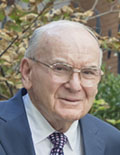 Donald (Don) M. Jacobs, the former director of dining services at Penn, passed away peacefully on June 20. He was 88.
 Mary Claire Lomax, C’84, a member of Penn’s Board of Trustees and a beloved community member, passed away on May 31. She was 59.
 Suzanne M. Shepherd, an emeritus clinician-educator in the Perelman School of Medicine, passed away on June 28 after being struck by a police vehicle. She was 69.
 Nathan Sivin, an eminent scholar of Chinese medicine and science and a professor emeritus of Chinese Culture in the department of history and sociology of science in Penn’s School of Arts and Sciences, passed away on June 24. He was 91.
 Diana C. Mutz, the Samuel A. Stouffer Professor of Political Science and Communication in the School of Arts and Sciences and the Annenberg School for Communication, is co-winner of the 2022 Best Book Award from the American Political Science Association (APSA) for her book, Winners and Losers: The Psychology of Foreign Trade. The annual APSA award recognizes the best new book on government, politics, or international affairs.
 Joshua D. Brandstadter, a program scholar in hematology-oncology, has received the Doris Duke Physician-Scientist Fellowship Award. The $220,000 prize is granted to physician scientists at the subspecialty fellowship level who are seeking to conduct additional years of research with the goal to aid in the transition into a research faculty appointment.
 Jennifer R. Eads, an associate professor of clinical medicine and physician lead for GI Clinical Research, has received the ECOG-ACRIN Cancer Research Group Young Investigator of the Year Award.
 Alexander C. Huang, an assistant professor of hematology-oncology, has received the 2022 Melanoma Research Foundation Breakthrough Consortium (MRFBC) Young Investigator Research Team Award, a two-year award with a total prize of $300,000, funded by a grant from Bristol Myers Squibb, to advance the field of translational immuno-oncology.
 Steven Kawut, a professor of medicine and epidemiology and director of the Pulmonary Hypertension (PH)/Pulmonary Vascular Disease program, has received the Outstanding Physician Award from the Pulmonary Hypertension Association (PHA) at the PHA 2022 International PH Conference and Scientific Sessions. The award recognizes Dr. Kawut as a leader in promoting excellent clinical care, research, education, and advocacy on behalf of PH patients.
 Bonnie Ky, an associate professor of cardiovascular medicine and epidemiology and director of the Penn Cardio-Oncology Translational Center of Excellence, has been included by Cancer Health magazine in the Cancer Health 25, an annual list that honors individuals who have made a difference in the lives of people with cancer. Dr. Ky has been a leading force in the development of cardio-oncology, which focuses on the detection, monitoring, and treatment of cardiovascular disease before, during, and after cancer treatment.
 Sarah Skuli, a third-year fellow in hematology-oncology, has been selected by the American Society of Hematology (ASH) as one of 16 outstanding fellows to receive the 2022 ASH Research Training Award for Fellows (RTAF), a year-long program to encourage careers in academic hematology by providing protected research time during training. Each RTAF awardee will receive $70,000 to support a hematology research project throughout the program’s duration. Dr. Skuli’s area of interest is the highly aggressive and rapidly fatal subtype of acute myeloid leukemia (AML) that harbors inactivating mutations in a key suppressor of leukemic cell growth, TP53. Dr. Skuli is working to understand the role that cellular metabolism and cholesterol synthesis play in allowing this AML subtype to resist current chemotherapeutics in order to identify novel therapies to treat patients suffering from this blood cancer.
 Hongjun Song, a professor of neuroscience, and Brian Litt, a professor of neurology and bioengineering and director of the Penn Epilepsy Center, received the 2022 Landis Award for Outstanding Mentorship from the National Institute of Neurological Disorders and Stroke (NINDS). The award honors Drs. Song and Litt for their dedication to superior mentorship and training in neuroscience research. They will each receive $100,000 in the form of a supplement to an existing NINDS grant to support their efforts to foster the career advancement of additional trainees.
 “It was a totally new way of marketing artwork, meant to be shipped to wherever people were across the country,” said Lynn Dolby, University Art Collection manager and exhibition curator. “These prints were not necessarily meant for a museum audience; they were meant for the home and are very intimate in scale.”