Spotted Lanternflies at Penn
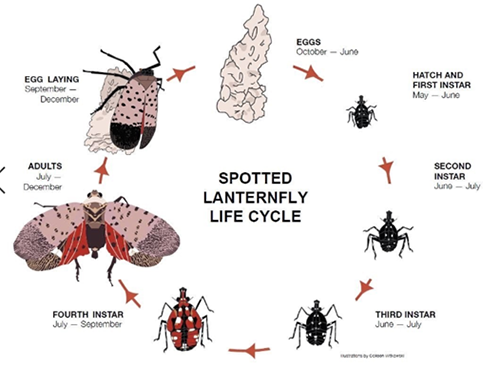
This year, our region is experiencing a significant population increase of Spotted Lanternfly (SLF), an invasive insect.
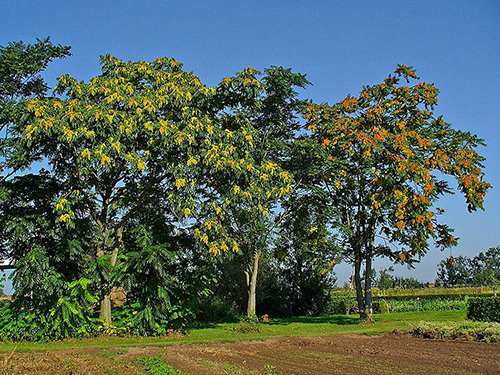
Spotted lanternflies generally do not kill healthy trees, though they can cause significant damage on certain plants, particularly if they are already weakened. Its favored host tree is the Tree of heaven (Ailanthus altissima). SLFs feeding on tree sap results in large amounts of honeydew (partially digested tree sap containing sugars), which allows sooty molds to grow under heavily infested trees, which can damage plants and result in cosmetic damage to infrastructure like cars, benches, etc. Furthermore, honeydew attracts stinging/biting insects, e.g., wasps and ants.
If you want to take action, the egg cases can be carefully scraped off in the winter, and killing the instars or adults by hand is challenging, but can slightly reduce local populations. Visit the Penn State Extension website at https://extension.psu.edu/spotted-lanternfly for more general information on spotted lantern flies.
On the Penn campus, Facilities and Real Estate Services, with Morris Arboretum, has developed a strategy to address this nuisance pest that has the potential to negatively impact over 70 different plant species. FRES is working to remove and/or treat (when appropriate) any Tree of heaven on campus. Penn is following expert recommendations that suggest limiting the use of toxic chemicals that are ecologically damaging and would not greatly reduce SLF populations.
If you are among those on campus, email FRES if you see honeydew and it is creating an issue with hardscape usability because of stickiness, or an overabundance of wasps/ants at FREStrees@upenn.edu Include the date and exact location of the problem. Your information will help FRES to craft a custom treatment program.