
News

From the Interim President and Provost: Consultative Committee for the Selection of the Dean of the School of Arts & Sciences

We are pleased to announce the formation of an ad hoc Consultative Committee to advise us on the selection of the next dean of the School of Arts & Sciences. The members of the Consultative Committee are listed below.  The committee welcomes—and will keep in the strictest confidence—nominations and input from all members of the University community. For fullest consideration, communications should be received, preferably in electronic form, no later than October 31, 2024, and may be sent to SASDeanSearch@upenn.edu.

— J. Larry Jameson, Interim President
— John L. Jackson, Jr., Provost

The members of the Ad Hoc Consultative Committee are:

Chair

  • Vijay Kumar, Dean, Penn Engineering

Faculty

  • Marlyse Baptista, President’s Distinguished Professor of Linguistics (SAS)
  • Karen Goldberg, Vagelos Professor of Energy Research (SAS)
  • Junhyong Kim, Christopher H. Browne Distinguished Professor of Biology (SAS)
  • Emilio Parrado, Dorothy Swaine Thomas Professor of Sociology and Director, Population Studies Center (SAS)
  • Megan Ryerson, UPS Foundation Chair of Transportation and Professor of City and Regional Planning and Electrical & Systems Engineering (Weitzman School of Design/SEAS)
  • Paul Saint-Amour, Walter H. and Leonore C. Annenberg Professor in the Humanities (SAS)
  • Christopher Woods, Avalon Professor in the Humanities (SAS), Williams Director of Penn Museum

Students

  • Dan Premauden, GR’27
  • Shreeya Gogia, C’28, W’28

Alumni

  • Julie Breier Seaman, C’86, chair of the Board of Advisors, School of Arts & Sciences

Ex Officio

  • Joann Mitchell, Senior Vice President for Institutional Affairs and Chief Diversity Officer

Staff to the Committee

  • Pierce Buller, Office of the President
  • Karyn Koos, Office of the President

Consultants to the Committee

  • Jackie Gallagher Zavitz, Heidrick & Struggles
  • Meghan Ashbrock, Heidrick & Struggles

From the Interim President and Provost: Consultative Committee for the Selection of a Dean for the Perelman School of Medicine and Executive Vice President of the University for the Health System

We are pleased to announce the formation of an ad hoc Consultative Committee to advise us on the selection of the next dean of the Perelman School of Medicine and Executive Vice President of the University for the Health System.  The members of the Consultative Committee are listed below.  The committee welcomes—and will keep in the strictest confidence—nominations and input from all members of the University community. For fullest consideration, communications should be received, preferably in electronic form, no later than October 31, 2024, and may be sent to PennMedEVPDeanSearch@upenn.edu.

— J. Larry Jameson, Interim President
— John L. Jackson, Jr., Provost

The members of the Ad Hoc Consultative Committee are:

Chair

  • John L. Jackson, Jr., Provost

Faculty

  • Julie Blendy, Professor of Pharmacology (PSOM)
  • Eric Bradlow, K.P. Chao Professor, Professor of Marketing, Statistics, Education and Economics (Wharton)
  • Chris Feudtner, Professor of Pediatrics, Medical Ethics and Health Policy (PSOM/CHOP)
  • Ellie Kelepouris, Professor of Clinical Medicine (PSOM)
  • Major Kenneth Lee, IV, Associate Professor of Clinical Surgery (PSOM)
  • Meghan Lane-Fall, Professor, Anesthesiology and Critical Care, Professor, Biostatistics, Epidemiology, and Informatics (PSOM)
  • David F. Meaney, Solomon R. Pollack Professor, Bioengineering (SEAS)

Students

  • Gabrielle Blizard, Biomedical Graduate Studies
  • Alex Chen, Medical Education

Alumni

  • Dhananjay (Dhan) M. Pai, W’83 (Chair of Penn Medicine Board)

Ex Officio

  • Joann Mitchell, Senior Vice President for Institutional Affairs and Chief Diversity Officer

Staff to the Committee

  • Laura Nickrosz, Office of the President
  • Karyn Koos, Office of the President

Consultants to the Committee

  • Philip Jaeger, Spencer Stuart
  • Alexis Stiles, Spencer Stuart
  • Gregory Vaughn, Spencer Stuart
  • Sanna Bryant, Spencer Stuart

Derek Griffith: Risa Lavizzo-Mourey University Professor

caption: Derek GriffithInterim President J. Larry Jameson and Provost John L. Jackson, Jr. announce the appointment of Derek Griffith as the Risa Lavizzo-Mourey Population Health and Health Equity University Professor in the School of Nursing and the Perelman School of Medicine, effective September 1, 2024.

Dr. Griffith is an innovator in the study of health equity, especially the social, economic, and political factors that impact the health of Black and Latino men. He develops new policy strategies to promote better health outcomes and health equity, especially through community-based, individually tailored, and precision lifestyle interventions that aim to prevent and control obesity and chronic diseases in middle-aged Black men. His research focuses in particular on the links between health and conceptions of masculinity among men of color, the influence of stress and coping processes on health disparities, and the intersections of gender, race, ethnicity, socio-economic status, and other variables in shaping men’s health behaviors and outcomes. 

“Through In Principle and Practice, Penn’s strategic framework, we have targeted health as one of the great challenges and opportunities of our time,” said Interim President Jameson. “There can be no better time for an interdisciplinary scholar of Professor Griffith’s stature to join our pioneering efforts. His singular focus on translating fresh scholarship to meaningful policy aligns perfectly with Penn’s inventive and engaged ethos.”

Dr. Griffith is an author of almost 200 articles and book chapters and a co-editor of Health Promotion With Adolescent Boys and Young Men of Colour (Springer, 2023); Racism: Science & Tools for the Public Health Professional (American Public Health Association Press, 2019); and Men’s Health Equity: A Handbook (Routledge, 2019). He serves as chair of Global Action on Men’s Health, which advances education, advocacy, and research on men’s health around the world, and his research has been supported by the National Institutes of Health, the American Cancer Society, and the Robert Wood Johnson Foundation, among numerous others. He comes to Penn from Georgetown University—where he was a professor of health management and policy in the School of Health, founder and director of the Center for Men’s Health Equity, and co-director of the Racial Justice Institute—following earlier faculty appointments at Vanderbilt University and the University of Michigan and a postdoctoral fellowship at the University of North Carolina at Chapel Hill. He received a PhD and MA in clinical psychology from DePaul University and a BA in psychology and Afro-American studies from the University of Maryland at College Park.

“Our strongest shared commitment at Penn,” said Provost Jackson, “is to make people’s lives better through the impact of innovative research. Derek Griffith’s work embodies this mission, improving health and advancing health equity for communities across the country and around the world. We are deeply grateful to the Robert Wood Johnson Foundation for supporting this transformational research and honoring the pioneering legacy of Risa Lavizzo-Mourey at both of our institutions.”

The Penn Integrates Knowledge program is a University-wide initiative to recruit exceptional faculty members whose research and teaching exemplify the integration of knowledge across disciplines and who are appointed in at least two schools at Penn.

The Risa Lavizzo-Mourey Population Health and Health Equity Professorship is supported by the Robert Wood Johnson Foundation in honor of Risa Lavizzo-Mourey, who served as president and CEO of the foundation from 2003-2017 and then as the Robert Wood Johnson Foundation Population Health and Health Equity University Professor at Penn from 2018 until her retirement in 2021.

“Professor Griffith’s trailblazing health equity research illuminates persistent structural barriers to health for Black and Latino men,” said Richard Besser, President and CEO of the Robert Wood Johnson Foundation. “His community-driven policy strategies and steadfast leadership at Penn will help chart a path forward to a future where health is no longer a privilege for some, but a right for all.”

Provost’s Office Announces Penn AI Council

Provost John L. Jackson, Jr. and Senior Vice Provost for Research Dawn Bonnell announce the establishment of the Penn AI Council. This initiative, designed to propel the University’s research in artificial intelligence (AI) and data science to new frontiers, embodies the goals of Penn’s new strategic framework, In Principle and Practice, to lead on the great challenges of our time by harnessing interdisciplinary innovation to achieve the most impactful research outcomes.

The council will provide strategic input, coordinate cross-disciplinary research, and catalyze new initiatives for Penn’s expanding leadership in AI. Its work will include engaging all twelve Penn schools, enhancing the visibility and impact of Penn AI research, facilitating networking and connections across all disciplines, and developing new programs, workshops, and other events across campus.

To kick off the initiative, the council has launched a campus-wide online platform, Exploring New Frontiers in AI at Penn, that brings together all Penn AI research while providing a central hub to expand the visibility of that research and catalyze new cross-disciplinary collaborations.

The council consists of senior faculty members who are leaders in AI research at Penn and around the world. They will partner with all twelve Penn schools, work closely with the Office of the Vice Provost for Research, and report regularly to the Provost’s Council on Research. The inaugural council members are:

  • Eric Bradlow, K.P. Chao Professor, vice dean of AI and analytics; professor and chair of marketing, Wharton School
  • Bhuvnesh Jain, Walter H. and Leonore C. Annenberg Professor, department of physics and astronomy, School of Arts & Sciences; co-director, Penn Center for Particle Cosmology; co-director, Data Driven Discovery Initiative
  • Marylyn Ritchie, Edward Rose, MD and Elizabeth Kirk Rose, MD Professor and vice dean of artificial intelligence and computing, Perelman School of Medicine; vice president for research informatics, University of Pennsylvania Health System
  • Rene Vidal, Rachleff University Professor, department of radiology, Perelman School of Medicine; department of electrical and systems engineering, School of Engineering and Applied Science; director, Innovation in Data Engineering and Science (IDEAS) Initiative
  • Duncan Watts, Stevens University Professor, department of computer and information science, School of Engineering and Applied Science; Annenberg School for Communication; and department of operations, information, and decisions, Wharton School

Penn Nursing Leads $5.8 Million NIA Research Grant for EMBRACE Center to Study Dementia Care Interventions

Nearly seven million people in the U.S. are living with Alzheimer’s and related diseases (ADRD), according to the Alzheimer’s Association—a number that has more than doubled in the last 20 years. While funding and support to advance the science of dementia care has increased substantially, care innovations still need to be successfully implemented outside of healthcare organizations and test cases that are difficult to replicate. To address this issue, a unique partnership between Penn Nursing, the University of Minnesota School of Public Health, the University of Wisconsin, and Drexel University College of Nursing and Health Professions, is launching the Establishing Mechanisms of Benefit to Reinforce the Alzheimer’s Care Experience (EMBRACE) AD/ADRD Roybal Center.

The EMBRACE center is supported by a five-year, $5.8 million grant from the National Institute on Aging. It will consist of at least six trials that will rigorously evaluate why dementia care interventions are effective. The center’s goal is to advance research capacity for “mechanism driven” dementia care interventions—an approach to testing interventions that specifically identifies why dementia care interventions work. This information is critical to scale interventions into home and community settings.

The center will guide progress in scaling dementia care by focusing on a specific action, benefit, or behavioral change that is the key to its success. Once this crucial factor is identified, the intervention will be tailored and tested to work within different settings or communities. Penn Nursing’s Nancy Hodgson, the Claire M. Fagin Leadership Professor in Nursing and chair of the department of biobehavioral health sciences, will co-lead EMBRACE’s Behavioral Intervention Development Core. This core will provide the scientific infrastructure, including mentorship and academic, scientific, and educational resources to investigators conducting non-pharmacological supporting interventions for people living with dementia and their caregivers.

“A clear understanding of how and why a supportive care program works is critical to moving a dementia care intervention from a clinical trial in the lab into the homes and communities of families affected by dementia,” said Dr. Hodgson.

The EMBRACE center will provide consultation and support to investigators who wish to progress towards larger scale and more rigorous testing of their trials. The center will also offer educational resources, workshops, and opportunities for researchers to advance the science of dementia care to close the gap between academic research and real-world, scalable interventions to support the millions of Americans living with ADRD and those who care for them.

Academic Year 2023-2024 Newly Retired Faculty

The following faculty were accorded emeritus status during the 2023-2024 academic year, unless otherwise noted. Those marked with an asterisk (*) have elected not to use the emeritus title modifier. The year each one joined the Penn faculty ranks is noted in parentheses.

  • Vincent Arlet, Professor Emeritus, Orthopaedic Surgery, Perelman School of Medicine (’11)
  • Richard Assoian, Professor, Pharmacology, Perelman School of Medicine (’98)*
  • Regina Austin, Professor Emeritus, Law, Law School (’77)
  • Paul Axelsen, Professor, Pharmacology, Perelman School of Medicine (’93)*
  • Joseph Bavaria, Professor Emeritus, Clinician-Educator, Surgery, Perelman School of Medicine (’84)
  • Joseph Berger, Professor Emeritus C-E, Neurology, Perelman School of Medicine (’14)
  • Wade Berrettini, Professor Emeritus, PS-Psychiatry, Perelman School of Medicine (’97)
  • Donald Berry, Professor Emeritus, Chemistry, School of Arts and Sciences (’85)
  • Margaret Bruchac, Associate Professor Emeritus, Anthropology, School of Arts and Sciences (’13)
  • Peter Davies, Professor, Materials Science and Engineering, School of Engineering and Applied Science (’83)*
  • Robert DeRubeis, Professor Emeritus, Psychology, School of Arts and Sciences (’83)
  • Benoit Desjardins, Professor, Clinician Educator, Radiology, Perelman School of Medicine (’08)*
  • Arthur Dunham, Professor Emeritus, Biology, School of Arts and Sciences (’79)
  • Ricardo Eiraldi, Professor, Clinician Educator, PE-Pediatrics, Perelman School of Medicine (’95)*
  • Gary Falk, Professor Emeritus C-E, Medicine, Perelman School of Medicine (’10)
  • Kevin Fox, Professor Emeritus, Clinician-Educator, Medicine, Perelman School of Medicine (’84)
  • Yale Goldman, Professor Emeritus, Physiology, Perelman School of Medicine (’79)
  • Avery Goldstein, Professor Emeritus, Political Science, School of Arts and Sciences (’85)
  • Sally Gordon, Professor Emeritus, Law, Law School (’94)
  • Robert Gorman, Professor Emeritus, Surgery, Perelman School of Medicine (’65)
  • Michael Grady, Professor Emeritus, Neurosurgery, Perelman School of Medicine (’99)
  • Mark Helfaer, Professor Emeritus, Clinician-Educator, Anesthesiology and Critical Care, Perelman School of Medicine (’97)
  • Paula Henthorn, Professor, Clinical Studies & Advanced Medicine, School of Veterinary Medicine (’84)*
  • Eve Higginbotham, Professor, Ophthalmology, Perelman School of Medicine (’13)*
  • Richard Ingersoll, Professor Emeritus, Policy, Organizations, Leadership, and Systems Division, Graduate School of Education (’00)
  • William James, Professor Emeritus, Clinician-Educator, Dermatology, Perelman School of Medicine (’94)
  • Daniel Janzen, Professor Emeritus, Biology, School of Arts and Sciences (’76)
  • Marcelo Kazanietz, Professor Emeritus, Pharmacology, Perelman School of Medicine (’95)
  • Ian Krantz, Professor Emeritus, Clinician-Educator, Pediatrics, Perelman School of Medicine (’94)
  • Terri Laufer, Associate Professor Emeritus, Medicine-Rheumatology, Perelman School of Medicine (’98)
  • Daniel Licht, Professor Emeritus, Clinician-Educator, Neurology-CHOP, Perelman School of Medicine (’97)
  • James McKay, Professor Emeritus, Psychiatry, Perelman School of Medicine (’90)
  • Jonathan Moreno, Professor, Medical Ethics, Perelman School of Medicine (’07)*
  • Mark Morgan, Professor, Clinician Educator, Obstetrics and Gynecology, Perelman School of Medicine (’83)*
  • Una O’Doherty, Professor Emeritus, Clinician-Educator, PA-Pathology & Laboratory Medicine, Perelman School of Medicine (’96)
  • Adrian Raine, Professor Emeritus, Criminology, School of Arts and Sciences (’07)
  • Steven Raper, Associate Professor, Surgery, Perelman School of Medicine (’93)*
  • Michael Robinson, Professor Emeritus, PE-Pediatrics, Perelman School of Medicine (’88)
  • David Roth, Professor Emeritus, PA-Pathology & Laboratory Medicine, Perelman School of Medicine (’11)
  • Eduardo Ruchelli, Associate Professor Emeritus C-E, Pathology and Laboratory Medicine, Perelman School of Medicine (’96)
  • J Eric Russell, Associate Professor, Medicine, Perelman School of Medicine (’85)*
  • Steven Scherer, Professor Emeritus, Neurology, Perelman School of Medicine (’89)
  • Judy Shea, Professor Emeritus, C-E, Medicine, Perelman School of Medicine (’91)  (Deceased; Almanac April 2, 2024)
  • Jeffrey Silber, Professor Emeritus, Pediatrics, Perelman School of Medicine (’83)
  • Marilyn Taylor, Professor Emeritus, City Planning, Weitzman School of Design (’08)
  • Arthur Waldron, Professor Emeritus, History, School of Arts and Sciences (’98)
  • Richard Weller, Professor Emeritus, Landscape Architecture, Weitzman School of Design (’13)
  • Irene Wong, Professor Emeritus, Social Policy & Practice, School of Social Policy and Practice (’95)

Deaths

Ernest J. Gentchos, Orthopedic Surgery

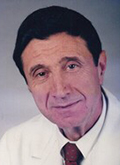
caption: Ernest GentchosErnest J. Gentchos, a former clinical associate and clinician in orthopedic surgery in the Perelman School of medicine, died on March 27. He was 86.

Dr. Gentchos was born in Greece in 1937, and as a child, endured the Battle of Greece and the Greek Civil War. Dr. Gentchos and his mother emigrated to the U.S. in 1948. After graduating from Camden High School, he attended Benedictine University in Illinois. He then received his MD from St. Louis University and interned at Albert Einstein Hospital in Philadelphia. He took a hiatus from his medical career to serve in the U.S. Army with the First Air Cavalry Division in Vietnam, where he spent 13 months.

Upon his return, Dr. Gentchos came to Penn to complete his general surgery and orthopedic residency. He then did a fellowship in spine surgery at the Beth Israel Hospital in Boston. After launching a private practice in New Jersey, Dr. Gentchos returned to Penn in 1986 as a clinical associate in the orthopedic surgery department at the Perelman School of Medicine, teaching students and focusing on shoulder and elbow surgery. In 1998, he became a full-time faculty member at Penn, serving as a health systems physician in the orthopedic surgery department. As part of his duties, he staffed the nonoperative clinic in the shoulder and elbow service and staffed HUP’s general nonoperative clinic. During his time at Penn, Dr. Gentchos continued to serve the veteran community in Philadelphia, working part-time at the Veterans Hospital in Philadelphia. Dr. Gentchos retired in 2013.

“Dr. Gentchos’s commitment to education and lifelong learning is matched only by his generosity,” wrote his colleagues upon his retirement. “Fifteen years ago, he began endowing scholarships to medical students, undergraduates, and high school students. Currently, he funds scholarships for four medical students at two medical schools, two undergraduates, and one high school student. Over the years, Dr. Gentchos has enabled dozens of students to pursue their dreams. Scholarship recipients have gone into numerous fields, and they have given back as well. And many of them continue to keep in touch with the man whose generosity knows no bounds.”

Dr. Gentchos is survived by his wife; four children; six grandchildren; his extended family; and his colleagues and friends.

Susan Cotts Watkins, Sociology

caption: Susan WatkinsSusan Cotts Watkins, an emeritus professor of sociology and demography in the School of Arts and Sciences, died on August 26. She was 85.

Dr. Watkins attended Swarthmore College in 1956 and earned her PhD from Princeton University in 1980, with a dissertation titled Variation and Persistence in Age Patterns of Marriage in Europe, 1870-1960. While there, she was awarded the Porter Ogden Jacobus Fellowship, the highest honor of the Graduate School at Princeton University. After three years as an assistant professor at Yale University, Dr. Watkins joined the University of Pennsylvania’s department of sociology as an assistant professor in 1982; she also became a faculty member of Penn’s Population Studies Center. She became an associate professor in 1989 and a full professor in 1998. She also held a joint appointment as a lecturer in the English Language Programs. Dr. Watkins retired from Penn in 2007 and took emeritus status.

Dr. Watkins’s research focused on demographic and social change driven by local social networks, with significant work in reducing fertility rates and combating the AIDS epidemic in Africa. In 1994, she began the Kenya Diffusion and Ideational Change Project, which studied social networks, family size, and sexual behavior in Kenya. Five years later, she launched the Malawi Journals Project, a survey that explored sexual trends in Malawi with the aim of informing AIDS mitigation. In 2017, she co-wrote with Ann Swidler the book A Fraught Embrace, which detailed these and other projects and postulated that altruists in Africa should not try to impose Western ideas on African populations, but should rather help Africans accomplish their own goals. Dr. Watkins also widely published her research in peer-reviewed journals.

Throughout her career, Dr. Watkins received several accolades, including two University Research Foundation awards from Penn in 1989 and 1991, the Otis Dudley Duncan Award in 1992 from the Sociology of Population Section of the American Sociological Association (for her book From Provinces to Nations: The Demographic Integration of Western Europe, 1870-1960), the Irene Taeuber Award in 2005, and a John Simon Guggenheim Memorial Foundation Fellowship in 2009. After retiring from Penn, she served as a visiting scholar at the California Center for Population Research at the University of California, Los Angeles.

---

To Report A Death

Almanac appreciates being informed of the deaths of current and former faculty and staff members, students and other members of the Penn community. Email almanac@upenn.edu.

Governance

September Meeting of Board of Trustees Executive Committee

The Executive Committee of the Board of Trustees met on Thursday, September 26. Trust- ees Board chair Ramanan Raghavendran introduced two resolutions—one to elect Ryan D. Limaye to the Investment Board, and the second to amend the bylaws of Penn Medicine to include Doylestown Hospital as a Penn Medicine constituent and increase the threshold for capital expenditures requiring Trustees approval. Both resolutions were approved.

During the President’s report, Interim Pres- ident J. Larry Jameson highlighted milestones and initiatives since the start of the academic year, including Convocation and the opening of Amy Gutmann Hall on September 27. Interim President Jameson stated that Penn is establishing an Office of Religious and Ethnic Inclusion (Title VI)—the first of its kind in the nation (Almanac September 10, 2024). He also presented two resolutions: to reappoint Andrew M. Hoffman as dean of the School of Veterinary Medicine, and to reappoint Mark S. Wolff as dean of the School of Dental Medicine. Both resolutions were approved.

During the academic report, Provost John Jackson, Jr., briefly described the new Draw Down the Lightning grants initiative (Almanac September 17, 2024). The grants, which advance Penn’s strategic framework, In Principle and Practice, will support projects that investigate the biggest challenges of our time. Provost Jackson then presented a resolution on faculty appointments and promotions, which was approved.

Senior Executive Vice President Craig Carnaroli presented the financial report for the fiscal year that ended on June 30, 2024. Total net assets for the consolidated University were $31 billion as of June 30, 2024, an increase of $1.2 billion, or 4.0%, over June 30, 2023. For the academic component, the change in net assets from operations for the University reflected a $306 million increase versus a $851 million increase last year. Total revenue of $4.8 billion was $140 million, or 2.8%, below last year. Expenses of $4.5 billion were $405 million, or 9.8%, above last year. Capital expenditures totaled $605 million, $262 million, or 76.1%, above last year. For the health system, the change in net assets from operations reflected an increase of $279 million. Operating revenue increased $924 mil- lion, or 9.3%, from $10.0 billion as of June 30, 2023 to $10.9 billion as of June 30, 2024. Expenses increased $884 million, or 9.1%, from $9.7 billion as of June 30, 2023 to $10.6 billion as of June 30, 2024.

During the audit & compliance committee report, a resolution to approve the audited financial statements for FY24 was approved. Three resolutions were approved during the budget & finance committee report, which were approved:

  • To authorize up to $18,500,000 to construct and develop cancer-related services at Penn Medicine Bucks County from health system fiscal year 2025 capital funds, and associated lease with net present value of $9,200,000.
  • To authorize a lease for Penn Presbyterian Medical Center at 3750 Market Street, Philadelphia, with a total lease obligation up to $7,200,000.
  • To authorize Harnwell and Harrison College Houses elevator replacement in the amount of $13,800,000.

Mr. Raghavendran presented a resolution to reappoint Dhananjay M. Pai to the Penn Medicine Board as a term member, which was approved.

The next meetings of the Board of Trustees are scheduled for November 14-15, 2024.

Honors

Rebecca Clark: PA MMRC

Rebecca Clark, an assistant professor of perinatal nursing, midwifery, and women’s health in the department of family and community health at Penn Nursing; a core faculty member in the Center for Health Outcomes and Policy Research; a senior fellow of the Leonard Davis Institute of Health Economics; and a nurse scientist at Pennsylvania Hospital, has been appointed to the Pennsylvania Department of Health’s Maternal Mortality Review Committee (MMRC) as a registered nurse representing maternal healthcare.

The MMRC’s goal is to systematically review all maternal deaths, identify root causes of these deaths, and develop strategies to reduce preventable morbidity, mortality and racial disparities related to pregnancy in Pennsylvania.

“I have been interested in joining the PA MMRC since I first heard of the committee and read the reports of findings from nine MMRCs in 2018,” said Dr. Clark. “The work of reducing maternal mortality and morbidity across the commonwealth is a complex one requiring a diversity of experience, expertise, and perspectives. I am honored to have the opportunity to serve my state and bring my expertise as a registered nurse, midwife, and maternal health equity researcher to the table.”

AAN Designates Penn Nursing’s THRIVE Program an Edge Runner

Penn Nursing has announced that the THRIVE: Equity-Focused Transitional Care Model has been designated as an Edge Runner by the American Academy of Nursing. Edge Runners are evidence-based, nurse-designed models that demonstrate significant clinical, financial, community, and policy outcomes with proven sustainability and replicability. Each of these programs highlights nurses’ ingenuity and collaboration in developing new methods to provide care and promote health equity. THRIVE is one of six innovative programs to be given this designation this year.

“Thrives designation as an academy edge runner is a testament to our team’s dedication to transforming healthcare delivery to ensure that it works for the most underserved,” said J. Margo Brooks Carthon, the Tyson Family Endowed Term Chair for Gerontological Research; a professor of nursing in the department of family and community health; associate director of the Center for Health Outcomes and Policy Research; and a fellow of the Leonard Davis Institute of Health Economics.

The THRIVE model is an interdisciplinary, 30-day intervention that includes intensive wrap around services, home care, virtual case management and extended engagement of hospital-based providers following hospitalization. It aims to support Medicaid-insured adults through personalized care, addressing both health and social needs, and ensuring a smooth transition from hospital to home. Nurses are integrated throughout the THRIVE clinical pathway at every stage from nurse case manager referrals during hospitalization, to nurse-led home care, and weekly case management throughout the 30-day intervention.

“The academy is proud to designate these solution-oriented initiatives as Edge Runners,” said academy president Linda D. Scott. “The diverse focus of these models highlights the wide range of services, vital support, and innovative team-based approaches that the nursing profession provides. Each Edge Runner model demonstrates how nurses are pioneers in addressing important healthcare challenges.”

The Edge Runner program leads for each of these innovative models of care will be honored at the 2024 Health Policy Conference, taking place October 31-November 2, 2024, in Washington, DC.

Research contributors to the development and evaluation of THRIVE include Penn Nursing’s Heather Brom, research assistant professor; Pam Cacchione, professor; and Rebecca Clark, assistant professor. Longstanding clinical partners include Penn Medicine associate director of community and diversity Marsha Grantham-Murillo, and Jovan Bennett from Penn Center for Community Health Workers.

Katalin Karikó: Distinguished Daughters of Pennsylvania

caption: Katalin KarikóCo-Nobel Prize winner and mRNA vaccine pioneer Katalin Karikó, an adjunct professor of neurosurgery at the Perelman School of Medicine, was inducted to the Distinguished Daughters of Pennsylvania Class of 2024 Thursday by Governor Josh Shapiro at a formal ceremony at the Governor’s Mansion. This recognition commemorates Dr. Karikó for years of foundational basic science research that laid the path for mRNA vaccines and therapeutics, transforming the landscape of medicine, moving the world through an unprecedented pandemic, and saving millions of lives.

Distinguished Daughters of Pennsylvania, a program of the Foundation for Enhancing Communities, recognizes women who have made significant contributions to society in a plethora of fields, including science, education, the arts, and public service. Dr. Karikó joins an esteemed group of women whose legacies have shaped the commonwealth and beyond.

Apart from her Nobel Prize, Dr. Karikó’s tireless research pursuits and a do-it-yourself spirit have earned her a spot in Time Magazine’s People of the Year list, meetings with world leaders and royalty, and a collection of murals celebrating her in bustling cities around the globe.

A native of Hungary, Dr. Karikó received her PhD in biochemistry from the University of Szeged before leaving the country to pursue new research and opportunities in Philadelphia in 1985. Since Hungarians were restricted from bringing large amounts of their money out of Hungary, she and her husband sewed much of their life savings into their daughter’s teddy bear and successfully snuck it out of the USSR. Dr. Karikó still resides in Pennsylvania today, in the suburbs of Philadelphia.

Starting at the Perelman School of Medicine in the 1989, Dr. Karikó investigated the therapeutic potential of RNA and mRNA at a time when many considered the field to be fruitless. A now famous chance-encounter at a copy machine launched Dr. Karikó into a friendship and research partnership with Drew Weissman, the Roberts Family Professor of Vaccine Research at Penn. The pair’s different areas of medical expertise proved monumentally powerful when, together, they discovered how to modify mRNA to make it able to properly trigger protective immune responses. These breakthroughs in the lab led to a new and extremely effective vaccine platform, which was the foundation for BioNTech/Pfizer’s and Moderna’s mRNA COVID vaccines.

Today, scientists worldwide, including Dr. Weissman and colleagues at Penn, use the platform to design vaccines to prevent a host of hard-treat infectious diseases and even to treat sickle cell disease, food allergies, and cancers.

Dr. Karikó is the ninth Distinguished Daugher of Pennsylvania to come from Penn. Others include Penn Presidents emerita Judith Rodin and Amy Gutmann, who also recently completed her tenure as the U.S. Ambassador to Germany; journalist Andrea Mitchell; communications scholar Kathleen Hall Jamieson; emeritus trustee Susan Catherwood; former state representative Connie Williams; philanthropic leader Janet Haas; and nursing professor Neville Strumpf.

Along with her appointment at Penn, Dr. Karikó also serves as a professor at her alma mater, the University of Szeged.

Michelle Lopez and Tyshawn Sorey: Pew Fellowships in the Arts

Artist Michelle Lopez, an associate professor of fine arts in the Weitzman School of Design, and musician Tyshawn Sorey, a Presidential Assistant Professor of Music in the School of Arts & Sciences, have been awarded Pew Fellowships in the Arts by the Pew Center for Arts & Heritage in Philadelphia.

Pew announced $10.2 million awarded this year through 39 grants to Philadelphia-area cultural institutions and artists.

The Pew Fellowship in the Arts program supports regional artistic talent through 12 annual grants. Each artist receives $85,000 in unrestricted funds, as well as professional-advancement resources such as financial counseling, workshops, and opportunities to participate in artist residency programs. 

Ms. Lopez creates immersive, large-scale installations from industrial materials and debris like glass, wood, steel rope, and street rubble. Influenced by her own cultural experiences, her research-driven work explores cultural phenomena and draws from the aesthetic languages and histories of industrialization, art movements and from the built environment. A 2019 exhibition at Penn’s Institute of Contemporary Art featured her installation Ballast & Barricades. Ms. Lopez said, “As a maker, I believe the manipulation of objects and space is a wondrous alchemy, one that can transform perception.”

Dr. Sorey’s compositions, performances, and recordings range from solo percussion and jazz ensembles to pieces for chamber music and opera settings. He describes his style as a “world aesthetic,” bridging a multitude of cultural and musical traditions found in contemporary classical music, Black American music, and African and European forms of improvised music. Funded by a 2020 Pew Arts & Heritage project grant, Dr. Sorey was the composer in a three-year collaboration with Brooke O’Harra of SAS that resulted in the 2023 premier performance of “Be Holding” at Girard College in Philadelphia. Dr. Sorey said: “My work concerns itself with developing a creative model that altogether obliterates musical boundaries, expands consciousness by going inward, and facilitates emotional transcendence.”

Features

Penn's Way: Going the Distance for Our Community

Penn's Way A Workplace Charitable Campaign

Dear colleagues,

The work of the University of Pennsylvania and Penn Medicine stands as a powerful reminder of the progress that’s possible when we come together. Penn’s Way, the annual employee giving drive, extends this momentum beyond our campus footprint and clinic walls to neighborhoods across the region. 

Beginning Tuesday, October 1, we’re again launching “Going the Distance for Our Community,” which encourages us to give with our hearts and invest in the causes that benefit the places where we work and call home. Donate to any local participating charity, and Penn and Penn Medicine will 100 percent match your gift. 

Use the secure, quick, and convenient Penn’s Way website to record and double your contribution until the end of the drive on Friday, November 22. Be sure to share why you give by posting your personal story to social media using #OurWayPennsWay.

We are grateful to campaign co-chairs Maureen Rush and Patricia Sullivan, as well as our many coordinators, department captains, and other staff volunteers, for their hard work to make Penn’s Way a continued success. 

Last year, employees donated more than $2.2 million. The dollar-for-dollar match totaled over $4.4 million in support of after-school meals for children, food pantries, literacy resources, green initiatives, and much more. 

Thank you for helping us go the distance to create positive change and make a lasting impact on our communities.

—J. Larry Jameson, Interim President, University of Pennsylvania
—Kevin B. Mahoney, Chief Executive Officer, University of Pennsylvania Health System


Penn’s Way Impact by the Numbers

The funds raised through Penn’s Way allow charities to provide services such as:

  • Over 4,000 after-school meals and summer camp lunches to children in after school care, shelters, and schools of special education
  • 975 children with summer literacy kits to prevent summer learning loss
  • Over 250 planted trees, offsetting over 5,000 tons of carbon emissions
  • Over 116,000 pounds of fresh produce to food pantries and
  • local families in need
  • Over 2,000 meals for rescued shelter animals  
  • A year of permanent supportive housing to five individuals
  • experiencing homelessness
  • Thanksgiving and holiday meals for 2,000 individuals living in supportive residential housing facilities 

Give from the heart with a 100% match on every dollar

Events

Fall Retirement Readiness Information Sessions

Are you considering retirement soon? To help you prepare for the next phase of your life, Penn will host a series of live Thinking About Retirement webinars on October 10, 15, and 31 from noon to 1:30 p.m. ET. To register for the presentations, click on session titles below or visit www.hr.upenn.edu/thinkretirement.

The three different Thinking About Retirement sessions are specially designed for Penn staff and faculty. Each 90-minute presentation covers an important aspect of retirement benefits:

At the Penn Retiree Benefits & Medicare session, representatives from the Health Advocate and Benefits specialists from Human Resources will explain the Rule of 75, retiree healthcare options, and how they integrate with Medicare.

During the 5 Steps to Creating your Retirement Income Plan session, a TIAA retirement plan counselor will discuss such topics as budgeting in retirement, income options, and investments to help you get the most out of your 403(b) plan.

The Social Security Benefits Planning session, led by a TIAA representative, provides valuable details about how this program impacts your plans for retirement. You will also get an overview of Social Security benefits, eligibility rules, how to apply, benefits for your spouse, and more.

Each session will include time for Q&A, and benefits specialists will be available via chat to answer general questions.

For more information about retirement, visit the Retiree Benefits webpage.

—Division of Human Resources

Flu Clinic: October 16-18

Join Wellness at Penn at its annual Flu Clinic. This year’s clinic will take place over three days: Wednesday, October 16, from 10 a.m.-6 p.m.; Thursday, October 17, from 10 a.m.-6 p.m.; and Friday, October 18, from 10 a.m.-4 p.m. It will be held at Pottruck Health and Fitness Center (3701 Walnut Street).

The flu clinic is free and open to the University community, including students, faculty, postdocs, and staff. PennCards are required. Learn more at https://wellness.upenn.edu/flu-clinic-2024.

Services Offered During PPSA’s October 1 Employee Resource Fair

The Employee Resource Fair at Pottruck Health & Fitness Center, taking place today, October 1, will include paper-shredding & electronic records/equipment disposal services during fair hours.

The event will provide access to information on the vast resources and services avail- able to Penn employees. In addition, the University Archives and Records Center has arranged for DocuVault and GigaBiter to be onsite to offer services free of charge for Penn employees during the fair. DocuVault is a shredding service, and GigaBiter handles electronic records and equipment. Both vendors will be parked on Walnut Street outside Pottruck.

Visit the PPSA Employee Resource Fair at Pottruck from noon-1:30 p.m. The event is free for staff and faculty with Penn ID. For more information, visit https://ppsa.upenn.edu/2024-employee-resource-fair/.

Update: October AT PENN

Conferences

3          PhilaDelic: Conference on the Transdisciplinary Frontiers of Psychedelic Studies; will invite scholars, researchers, and practitioners with diverse backgrounds to explore psychedelic compounds, which are long revered for their unique capacity to expand consciousness and illuminate insight, informing and inspiring new frameworks of understanding; all day; Meyerson Hall; register: https://tinyurl.com/philadelic-oct-3 (Fine Arts). Through October 6.

5          Teaching, Learning, and Doing in the Age of AI: A Celebration of Writing and Literacy 2024; an annual conference presented by and for Philadelphia educators, with the theme “Teaching, Learning, and Doing in the Age of AI”; 8 a.m.-4 p.m.; east entrance, Penn Museum; register: https://tinyurl.com/gse-conf-oct-5 (Graduate School of Education).


Exhibits

7          The Mobile Community Brick Factory & Monument; displays bricks made by the Mobile Community Brick Factory, which produces handmade bricks using local hand-processed clay and historic water-struck methods; Dean’s Alley, Meyerson Hall. Through October 15.


Fitness & Learning

7          University of Cambridge Information Session; Nathan Lamb from Cambridge’s Office of Admissions will give a presentation on all things Cambridge; 11 a.m.; room 102, 3539 Locust Walk (Center for Undergraduate Research & Fellowships).


Morris Arboretum & Gardens

Unless noted, in-person events at Morris Arboretum & Gardens. Info and to register: https://experience.morrisarboretum.org/Info.aspx?EventID=35#bts.

6          Botanical Tarot Card Workshop; 2 p.m.; tickets: $30/general, $25/members.


Talks

1          Overcoming the Challenge of Youth Unemployment in South Africa; panel of speakers; 6 p.m.; room 206, Huntsman Hall; register: https://tinyurl.com/africana-wharton-oct-1 (Africana Studies, Wharton School).

2          A Conversation; Walter Shaub, former director of U.S. Office of Government Ethics; noon; room 213, Gittis Hall; register: https://tinyurl.com/shaub-talk-oct-2 (Carey Law School).

            Towards Pluralistic Alignment: Foundations for Learning from Diverse Human Preferences; Ramya Korlakai Vinayak, University of Wisconsin, Madison; noon; room 225, Towne Building (ASSET Center).

            Building the Drone Show Industry; Tony Samaritano, Verge Aero; 3 p.m.; room 307, Levine Hall, and Zoom webinar; join: https://upenn.zoom.us/j/98087582668 (GRASP Lab).

            Healthcare Advocacy for People with Intellectual and Developmental Disabilities; Shane Janick, Arc of Philadelphia; 5:30 p.m.; online webinar; register: https://tinyurl.com/janick-talk-oct-2 (Penn Dental Medicine).

3          Fire Pit Chat; Billy Easley, Reddit; 6 p.m.; online webinar; register: https://tinyurl.com/easley-talk-oct-3 (Paideia Program).

4          Learning About Development From Educational Interventions; Drew Bailey, University of California at Irvine; noon; room 355-357, Stiteler Hall; info: cdye@upenn.edu (Graduate School of Education).

7          Advancing Racial Equity in U.S. Faculty Careers; Damani White-Lewis, higher education; 1:30 p.m.; room 356, Stiteler Hall (Graduate School of Education).

            Statistics for a Decolonizing World; Tiago Saraiva, Drexel University; 3:30 p.m.; room 392, Cohen Hall (History & Sociology of Science).

            Does Raising a Daughter Affect Parents’ Attitudes Toward Mathematics? The South Korean Context With a Significant Underrepresentation of Women in STEM; Abby Lim, sociology; 4 p.m.; room 367, McNeil Building (Population Studies Center).

8          Doctor, Will You Pray for Me? Medicine, Chaplains and Healing the Whole Person; Robert Klitzman, Columbia University; noon; room 1402, Blockley Hall, and Zoom webinar; register: https://tinyurl.com/klitzman-talk-oct-8 (Medical Ethics & Health Policy).

            Documenting October 7: Collecting for the Sake of History; Ari Y. Kelman, Stanford University; Raquel Ukeles, National Library of Israel; noon; Zoom webinar; register: https://tinyurl.com/kelman-ukeles-oct-8 (Katz Center for Advanced Judaic Studies).


Asian American Studies

Info and to register: https://asam.sas.upenn.edu/events.

2          Asian American Cultural Impact & Leadership: A Fireside Chat; Bing Chen, Gold House; 4:30 p.m.; room 208, ARCH.


Economics

Info: https://economics.sas.upenn.edu/events.  

1          Intra-Household Time Allocation and Minimum Wage; Javiera Garcia, economics; 12:30 p.m.; room 101, PCPSE.

2          When Skill Meets Money: Facts on Private Limited Company Owners in Norway; Yu Zheng, Queen Mary University of London; noon; room 625, PCPSE.

            Exclusive Contracts in the Video Streaming Market; Yihao Yuan, economics; 3:30 p.m.; room 100, PCPSE.


Leonard Davis Institute of Health Economics

Info and to register: https://ldi.upenn.edu/events/.

7          How Do We Increase Adoptions of Accountable Care in the U.S.? Farzad Mostashari, Aledade; noon; room 1201, Steinberg Hall-Dietrich Hall.


Physics & Astronomy

Info: https://www.physics.upenn.edu/events/.

2          Light, Quantum and Energy; Liang Wu, physics & astronomy; 3:30 p.m.; room A8, DRL.

7          Gravitational Atoms and Black Hole Binaries; G.M. Tomaselli, University of Amsterdam; 2 p.m.; room 3W2, DRL.


This is an update to the October AT PENN calendar. To submit events for future AT PENN calendars and weekly updates, email the salient details to almanac@upenn.edu.

Crimes

Weekly Crime Reports

Division of Public Safety

University of Pennsylvania Police Department Crime Report

About the Crime Report: Below are the Crimes Against Persons and/or Crimes Against Property from the campus report for September 16-22, 2024. The Crime Reports are available at: https://almanac.upenn.edu/sections/crimes. Prior weeks’ reports are also online. –Eds.

This summary is prepared by the Division of Public Safety (DPS) and contains all criminal incidents reported and made known to the Penn Police, including those reported to the Philadelphia Police Department (PPD) that occurred within our patrol zone, for the dates of September 16-22, 2024. The Penn Police actively patrol from Market Street to Baltimore Avenue and from 30th Street to 43rd Street in conjunction with the Philadelphia Police.

In this effort to provide you with a thorough and accurate report on public safety concerns, we hope that your increased awareness will lessen the opportunity for crime. For any concerns or suggestions regarding this report, please call DPS at (215) 898-7297. You may view the daily crime log on the DPS website.

Penn Police Patrol Zone
Market Street to Baltimore Avenue and from 30th Street to 43rd Street

Crime Category

Date

Time

Location

Description

Aggravated Assault

9/16/24

11:33 PM

300 S 43rd St

Offender attacked the complainant during an altercation/Arrest

Assault

9/19/24

7:15 AM

3100 Market St

Report of a simple assault


9/22/24

11:38 PM

3440 Market St

Complaint was assaulted during a dispute over cigarettes

Auto Theft

9/16/24

11:06 AM

250 S 36th St

Unsecured motorized scooter taken from side of building


9/18/24

2:16 PM

313 S 41st St

Unsecured motorized scooter taken from side of building.

Bike Theft

9/19/24

8:10 PM

3000 South St

Secured bike taken


9/20/24

2:53 PM

3601 Market St

Secured bike taken from bike rack

Burglary

9/20/24

12:56 AM

4113 Pine St

Secured bicycle taken from living room area; no signs of forced entry

Disorderly Conduct

9/17/24

12:16 AM

3711 Market St

Offender cited for disorderly conduct

Fraud

9/17/24

7:22 PM

3333 Walnut St

Unknown offender attempted to sell a laptop to complainant who was defrauded of $50

Other Assault

9/17/24

4:34 AM

1 Convention Ave

Complainant verbally threatened by offender

Retail Theft

9/20/24

11:47 AM

3603 Walnut St

Retail theft of perfume and curling iron


9/20/24

4:41 PM

3621 Walnut St

Retail theft of clothing


9/21/24

8:41 PM

4233 Chestnut St

Retail theft of alcohol

Robbery

9/16/24

8:00 PM

3409 Walnut St

Offender jumped over the counter and took cash from the register, which was recovered by an employee; offender assaulted police/Arrest


9/22/24

6:39 PM

3600 Chestnut St

Two offenders removed headphones from complainant on the highway and fled the area


9/22/24

8:07 PM

3300 Market St

Report of a robbery from highway

Robbery - Gun

9/19/24

12:53 AM

3600 Chestnut St

A group of offenders on mopeds displayed a handgun in a robbery attempt of a motorized scooter

Theft from Building

9/16/24

11:35 AM

4035 Chestnut St

Secured scooter taken from apartment lobby


9/16/24

12:15 PM

3701 Walnut St


Wallet taken from locker


9/16/24

5:44 PM

3200 Chestnut St

Theft of a firearm from purse left in a common area


9/17/24

12:08 PM

219 S 33rd St

Two fire sprinkler caps taken from rear of location


9/17/24

5:12 PM

3609 Chestnut St

Report of theft


9/18/24

10:01 AM

51 N 39th St

Backpack left unattended; wallet taken


9/18/24

1:36 PM

3720 Walnut St

Bass guitar and amplifier taken from secured room


9/18/24

8:36 PM

3816 Chestnut St

Package taken from location


9/19/24

3:24 PM

101 S 39th St

Package taken from delivery area


9/19/24

5:44 PM

3816 Chestnut St

Package taken from lobby of location


9/19/24

1:58 PM

3609 Chestnut St

Report of theft from a building


9/22/24

4:04 PM

3408 Sansom St

Wallet taken from backpack/credit card used without authorization

Theft Other

9/18/2024

4:31 PM

4010 Spruce St

Package taken from porch


9/19/2024

11:45 AM

4107 Locust St

Two offenders took packages from location/Arrest


Philadelphia Police 18th District
Schuylkill River to 49th Street & Market Street to Woodland Avenue

Below are the Crimes Against Persons from the 18th District: 10 incidents were reported for September 16-22, 2024 by the 18th District, covering the Schuylkill River to 49th Street & Market Street to Woodland Avenue.

Crime Category

Date

Time

Location

Assault

9/16/24

8:35 PM

3409 Walnut St


9/22/24

4:38 AM

3440 Market St

Assault/Arrest

9/17/24

12:19 AM

4300 Spruce St

Robbery/Arrest

9/16/24

8:34 AM

3409 Walnut St

Robbery

9/18/24

11:12 AM

907 S 47th St


9/22/24

4:45 PM

3300 Market St


9/22/24

7:06 PM

3600 Chestnut St

Terroristic Threats

9/16/24

9:42 PM

4723 Walnut St


9/17/24

5:09 AM

1 Convention Ave


9/21/24

5:06 PM

199 S 36th St


The Division of Public Safety offers resources and support to the Penn community. DPS developed a few helpful risk reduction strategies outlined below. Know that it is never the fault of the person impacted (victim/survivor) by crime.

  • See something concerning? Connect with Penn Public Safety 24/7 at (215) -573-3333.
  • Worried about a friend’s or colleague’s mental or physical health? Get 24/7 connection to appropriate resources at (215) 898-HELP (4357).
  • Seeking support after experiencing a crime? Call Special Services - Support and Advocacy resources at (215) 898-4481 or email an advocate at specialservices@publicsafety.upenn.edu
  • Use the Walking Escort and Riding services available to you free of charge.
  • Take a moment to update your cellphone information for the UPennAlert Emergency Notification System
  • Download the Penn Guardian App which can help Police better find your location when you call in an emergency.
  • Access free self-empowerment and defense courses through Penn DPS.
  • Stay alert and reduce distractions; using cellphones, ear buds, etc. may limit your awareness.
  • Orient yourself to your surroundings. (Identify your location, nearby exits, etc.)
  • Keep your valuables out of sight and only carry necessary documents.

Bulletins

Nominations for University-Wide Teaching Awards: December 6 Deadline

Nominations for Penn’s University-wide teaching awards are now being accepted by the Office of the Provost. Any member of the University community—past or present—may nominate a teacher for these awards. There are three awards:

  • The Lindback Award for Distinguished Teaching honors eight members of the standing faculty: four in the non-health schools (Annenberg, Weitzman, SEAS, GSE, Carey Law, SAS, SP2, Wharton) and four in the health schools (Dental Medicine, PSOM, Nursing, Veterinary Medicine).
  • The Provost’s Award for Distinguished PhD Teaching and Mentoring honors two faculty members for their teaching and mentoring of PhD students. Standing and associated faculty in any school offering the PhD are eligible for the award.
  • The Provost’s Award for Teaching Excellence by Non-Standing Faculty honors two members of the associated faculty or academic support staff who teach at Penn, one in the non-health schools and one in the health schools.

The nomination forms are available at the teaching awards website. The deadline for nominations is Friday, December 6, 2024. Full nominations with complete dossiers prepared by the nominees’ department chairs are due Friday, February 7, 2025. For more information, please email Deputy-Provost@upenn.edu.

Criteria and Guidelines

The Lindback and Provost’s Awards are given in recognition of distinguished teaching. “Distinguished teaching” is teaching that is intellectually demanding, unusually coherent, and permanent in its effect. The distinguished teacher has the capability of changing the way in which students view the subject they are studying. The distinguished teacher provides the basis for students to look with critical and informed perception at the fundamentals of a discipline and relates that discipline to other disciplines and to the world view of the student. The distinguished teacher is accessible to students and open to new ideas, but also expresses their own views with an articulate and informed understanding of an academic field.

The distinguished teacher is fair, free from prejudice and single-minded in the pursuit of truth.

Skillful direction of dissertation students, effective supervision of student researchers, ability to organize a large course of many sections, skill in leading seminars, special talent with large classes, ability to handle discussions or structure lectures—these are all attributes of distinguished teaching, although it is unlikely that anyone will excel in all of them. At the same time, distinguished teaching means different things in different fields. While the distinguished teacher should be versatile, as much at home in large groups as in small, in beginning classes as in advanced, they may have skills of special importance in their area of specialization. The primary criteria for the Provost’s Award for Distinguished PhD Teaching and Mentoring are a record of successful doctoral student mentoring and placement, success in collaborating on doctoral committees and graduate groups, and distinguished research.

Since distinguished teaching is recognized and recorded in different ways, evaluation must also take several forms. It is not enough to look solely at letters of recommendation from students or to consider “objective” evaluations of classes in tabulated form. A faculty member’s influence extends beyond the classroom and individual classes. Nor is it enough to look only at a candidate’s most recent semester or opinions expressed immediately after a course is over; the influence of the best teachers lasts, while that of others may be great at first but lessen over time. It is not enough merely to gauge student adulation, for its basis is superficial; but neither should such feelings be discounted as unworthy of investigation. Rather, all these factors and more should enter into the identification and assessment of distinguished teaching.

The Lindback and Provost’s Awards have a symbolic importance that transcends the recognition of individual merit. They should be used to advance effective teaching by serving as reminders to the University community of the expectations for the quality of its mission.

Distinguished teaching occurs in all parts of the University.  Therefore, faculty members from all schools are eligible for consideration. An excellent teacher who does not receive an award in a given year may be re-nominated in some future year and receive the award then.

The Lindback and Provost’s Awards may recognize faculty members with many years of distinguished service or many years of service remaining. The teaching activities for which the awards are granted must be components of the degree programs of the University of Pennsylvania.

Penn Transit Announces Important Updates for FMC Tower and Pennovation Works Riders

Effective October 1, changes have been made to Penn Transit’s FMC Tower and Pennovation Works routes. Based on ridership data, these updates will lead to more efficient service for Penn constituents who travel to these campus-adjacent locations.

The FMC Tower fixed shuttle route has switched to an on-demand service. Riders can now schedule shuttle trips as needed using the On Demand feature of the PennTransit Mobile app.  

The Pennovation Works on-demand shuttle service has switched to a fixed Penn Bus route that runs on a continuous loop. Trackable in real time on PennTransit Mobile, this route adheres to a time schedule and picks up/drops off riders at dedicated Penn Transit stops.

Service to both locations will continue to run Monday through Friday from 8 a.m. to 6 p.m. As always, Penn Transit trips are free of charge to PennCard and Pennovation Works cardholders.

Click here for further details. Download PennTransit Mobile via the App Store and Google Play.

Be in the Know On-Campus Biometric Screenings Begin October 8

Invest in your health and well-being with on-campus biometric screenings and Penn’s annual Be in the Know wellness campaign!

The Penn Healthy You team is pleased to offer free biometric screenings at convenient campus locations from October 8 through November 26. Complete a screening to earn $75 in Pulse cash rewards.

Sign up for your appointment online at the Health Advocate website using your PennKey and password. Click the Health tab at the top, then Health Screenings. Look for Schedule an Onsite Health Screening and click Schedule Now. Select your preferred location and follow the steps to schedule your appointment. You will receive an email from Health Advocate confirming your appointment.

What You’ll Learn at the Biometric Screening

Quick, convenient, and confidential biometric screenings provide key indicators about your health status. Your privacy is strictly protected. Penn will never know your individual screening results, health assessment answers, or personal health goals.

At these non-fasting, on-campus biometric screenings, Health Advocate personnel will measure your:

  • Blood pressure
  • Lipids, including total, HDL, and LDL cholesterol and triglycerides
  • Blood sugar/glucose

Be in the Know Rewards Start with Your Biometric Screening

A biometric screening is the perfect kickoff to Be in the Know and the only required activity to receive any earned Pulse Cash rewards for the 2024-2025 campaign year. Once your on-campus screening has been completed, Health Advocate will automatically send credit to the Virgin Pulse wellness platform–and you’ll earn $75 in Pulse Cash rewards. Please allow a few weeks for screening credit and Pulse Cash rewards to appear on Virgin Pulse.

Penn’s annual Be in the Know wellness campaign is available to all benefits-eligible faculty, staff, and postdoctoral researchers and fellows eligible for the Penn Postdoc Benefits Plan. It provides an array of wellness tools, programs, resources, and rewards to support your health and feel your best–including options for a biometric screening. The campaign year runs from July 1, 2024 to June 30, 2025.

Beyond a biometric screening, complete other qualifying “Ways to Earn 2024-2025” wellness activities to earn up to an additional $225 Pulse Cash rewards­—for a total of $300 Pulse Cash rewards this year.  Redeem your earned Pulse Cash on the Virgin Pulse platform Rewards page, choosing from gift cards, wellness items, and charitable donations.

Not enrolled on the Virgin Pulse platform? Get started at https://join.virginpulse.com/penn.

More Biometric Screening Options

If you are unable to attend an on-campus biometric screening, there are additional no-cost, convenient options available to learn valuable health information and earn biometric screening credit. Review the Biometric Screening Options 2024-2025 flyer for details.

For complete details about the 2024-2025 Be in the Know wellness campaign, visit www.hr.upenn.edu/beintheknow.

—Division of Human Resources

Women of Color Day 2025 Awards Call for Nominations: Deadline October 25

To Members of the University and Surrounding Community:

The National Institute for Women of Color (NIWC) has proclaimed March 1 National Women of Color Day. Penn, UPHS, Presbyterian and Pennsylvania Hospital seek to increase our awareness of the talents and achievements of women of color by recognizing those who support women of color, regardless of their gender, race, or other status, with the Women of Color Award.

The Women of Color Awards are given in recognition of individuals who have conscientiously endeavored to increase respect for women of color at Penn, University of Pennsylvania Health Systems, Presbyterian and Pennsylvania Hospitals, and the Delaware Valley community. Annual awards are given in up to six categories:

  • Helen O. Dickens Lifetime Achievement Award: must have over 25 years of previously recognized service
  • Joann Mitchell Outstanding Legacy Award
  • Faculty/Staff Award
  • Graduate or Professional Student Award
  • Undergraduate Student Award
  • Community Member Award

Nominees must be affiliated with Penn, UPHS, Penn Presbyterian Medical Center or Pennsylvania Hospital, and/or the local Philadelphia area and have demonstrated:

  • Outstanding leadership
  • Distinguished service
  • Positive impact on the community
  • Commitment to enhancing quality of life and/or serving as a role model for women of color
  • Joann Mitchell Outstanding Legacy Award nominees must have worked with the Women of Color Executive Planning Committee or have proven support through donations, event involvement and active advocacy for the WOCAP mission.

Nominations must be submitted on or before October 25, 2024.

Click here to nominate a person today.

Learn more about the 2025 WOCAP Day Awards Program, to be held on March 21, 2025 at https://aarc.upenn.edu/women-color/women-color-awards

—Women of Color Executive Planning Committee

Back to Top