News

A Message From President Magill

October 15, 2023

Dear members of the Penn community,

In the past days and weeks, I have heard from and spoken with many of you, with gratitude for your openness and candor. The University has made public statements denouncing acts of antisemitism on our campus and the terrorist attacks in Israel. Today, as Penn’s President, I want to speak directly and personally to all of you, to share my thoughts and to offer what I hope is some measure of clarity and comfort in this difficult time.

I want to leave no doubt about where I stand. I, and this University, are horrified by and condemn Hamas’s terrorist assault on Israel and their violent atrocities against civilians. There is no justification—none—for these heinous attacks, which have consumed the region and are inciting violence in other parts of the world.

I am heartbroken by the suffering of families and communities being ripped apart. Hostages are in peril. Thousands of lives have been taken, each a world lost. The war will take many more, with no end in sight.

Here on campus and across our Penn community, people are hurting. They are angry and scared. They are thinking of loved ones and friends—constantly checking email and texts for news, terrified for those threatened by violence. These events, and the anxiety and uncertainty of the unknown that lies ahead, weigh heavily on us all.

Penn will continue monitoring threats of violence here, in our city, and in other parts of the world. As part of our planning, Penn’s Division of Public Safety has further increased security and support for centers of Jewish life on and near campus. We will continue our outreach and support for faculty, students, and staff and will keep our entire community updated.

At Penn, we are confronting these events in the wake of recent antisemitic acts on campus and individuals, with a public history of speaking out viciously against the Jewish people, appearing on campus as part of the Palestine Writes Literature Festival.

Many have voiced their anger and frustration about this event. Please know that I hear you. I know how painful the presence of these speakers on Penn’s campus was for the Jewish community, especially during the holiest time of the Jewish year, and at a University deeply proud of its long history of being a welcoming place for Jewish people. The University did not, and emphatically does not, endorse these speakers or their views. While we did communicate, we should have moved faster to share our position strongly and more broadly with the Penn community.

I stand, and Penn stands, emphatically against antisemitism. We have a moral responsibility—as an academic institution and a campus community—to combat antisemitism and to educate our community to recognize and reject hate. I look forward to continuing to work with Jewish leaders, faculty, students, and staff at Penn and elsewhere to ensure we are fostering a safe and inclusive environment.

This is a hard moment in the world. Recent events on Penn’s campus make it that much harder. But at vigils held in front of the LOVE statue and across campus to honor and mourn innocent lives lost, I have seen people connecting and comforting one another. In all this anguish, there is hope.

Wherever you are, I hope you find comfort in this community we share. You are not alone. I stand with you. Penn stands with you. We will continue to work for meaningful and enduring change, together.

—Liz Magill, President

From the President and Provost: Supporting Our Community

October 10, 2023

Dear members of the Penn community,

We are devastated by the horrific assault on Israel by Hamas that targeted civilians and the taking of hostages over the weekend. These abhorrent attacks have resulted in the tragic loss of life and escalating violence and unrest in the region. Many members of our community are hurting right now. Our thoughts are especially with those grieving the loss of loved ones or facing grave uncertainty about the safety of their families and friends.

The University continues to focus first and foremost on supporting the Penn community—both abroad and on campus. We are heartened by the leaders and administrators who quickly and thoughtfully mobilized, identifying and reaching out to students, faculty, and staff with connections to the region to offer assistance and resources.

Penn Global is in touch with all known Penn students and scholars currently visiting or studying in Israel. We will continue to check in with them and provide support for as long as it is needed. At this time, all Penn-affiliated travel to Israel and Palestine should be deferred until further notice (for updated guidance and resources, visit the Penn Global website). Here on campus, the Division of University Life, the Office of the University Chaplain, Wellness at Penn, and the Division of Public Safety, as well as administrators across Penn’s schools, are engaging with impacted students and student groups, guided by their needs. Please be mindful of your classmates and colleagues who are processing these terrible events in real time and offer your support—whether it be an ear, a shoulder, or some space.

Penn is a global community with a long history of being a place for people from all backgrounds. In moments like these, we are strengthened by our connections to one another and to this community—no one is alone. Please take care of yourselves and each other during this challenging time.

—Liz Magill, President
—John L. Jackson, Jr., Provost

Penn and CHOP Researchers: $50 Million NIH Grant to Study Impact of Environmental Factors on Pregnancy and Children’s Health

A multidisciplinary group of researchers from the Perelman School of Medicine at the University of Pennsylvania and Children’s Hospital of Philadelphia (CHOP) and Penn Medicine have received a $50 million grant from the National Institutes of Health (NIH) to study the impact of environmental influences on pregnancy and children’s health. The research program is part of the NIH’s Environmental influences on Child Health Outcomes (ECHO) Program, which funds research to uncover how environmental exposures during preconception, pregnancy and early life affect children’s long-term health.

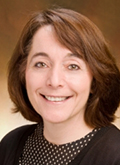
“At Penn and CHOP, we serve a diverse population, including a group of patients who are underrepresented in other pregnancy and pediatric cohorts in the United States: Patients who are Black and insured by Medicaid,” said co-lead investigator Sunni L. Mumford, co-director of the Women’s Health Clinical Research Center and deputy director of epidemiology in the Perelman School of Medicine at the University of Pennsylvania. “It is so important to understand how environmental toxicants and beneficial exposures shape the health of Philadelphia’s children. By contributing to the national ECHO cohort, our research will benefit not only our institutional and neighborhood communities but also communities across the country.”

Patients will be enrolled at Penn Medicine while pregnant, then the infants will be followed into childhood via teams at CHOP.

“We are thrilled to have been chosen as an ECHO cohort study site and for the opportunity to contribute to this important project, which will improve our understanding of the ways the local environment affects our children’s health,” said Heather Burris, an attending neonatologist at CHOP and co-lead investigator of the Penn-CHOP study site. “We know that communities are not equally exposed to environmental toxicants, and we also know that health inequities and disparities are an ongoing public health problem. This project will help us shed light on the extent to which the health inequities we see in our patient population are related to neighborhood environmental exposures.”

Prior research has shown that Black infants are twice as likely to die compared to white infants, primarily due to adverse pregnancy outcomes like preterm birth. Although extensive efforts have been taken to prevent preterm birth and improve child health, inequities across the population persist, and researchers still do not fully understand how and to what extent specific factors in the environment—both at the neighborhood level and the individual level—contribute to these ongoing problems.

To fill this gap, the CHOP and Penn researchers will recruit up to 2,500 pregnant people, partners, and offspring over a period of three years into the ECHO cohort, a nationwide pool of research subjects managed by institutions across the country. The aim across the ECHO cohort is to establish a group of pregnant people and children from different types of neighborhoods and communities, which will allow investigators to explore questions about the impact of early environmental exposures on child health at a large and diverse scale.

Over the seven-year period of the grant, the researchers plan to evaluate the impact on maternal-child health of specific “macroenvironmental” factors—that is, factors related to the neighborhood environment, from those that promote health, like green space and walkability, to those that detract from health, like pollution, neighborhood violence, and extreme temperatures. Their aim is to identify modifiable factors that influence the risks of abnormal fetal growth, preterm birth, obesity, asthma, and neurodevelopmental delays, as well as whether modifying these factors may reduce overall racial health disparities.

The researchers also plan to identify beneficial “microenvironmental” factors—the individual behaviors of a pregnant person, such as diet, physical activity, and sleep, which could potentially close the gap in child health outcomes. Although prior research has looked at the health impacts of macro- and microenvironmental factors individually, no studies have explored the interplay between the two and the impact they could have on maternal-child health.

“The culture of clinical research, excellent scientific environment, and diverse population makes Penn and CHOP the ideal place to innovate in the field of maternal-child health equity,” said Sara B. DeMauro, an attending neonatologist at CHOP and co-lead investigator of the Penn-CHOP study site.

Penn Nursing: $1 Million NIH Grant

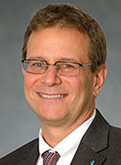
caption: Jiyoun SongTo improve the quality of care and reduce healthcare expenditures, heart failure patients in the U.S. are increasingly being treated in community-based programs like managed long-term care. Although early identification of patients’ risks of negative outcomes, including hospitalizations or emergency department visits, has been shown to prevent these adverse outcomes in settings including hospitals and nursing homes, it has not been studied in managed long-term care.

The University of Pennsylvania School of Nursing has been granted a five-year, $1 million, K99/R00 Pathway to Independence Award from the National Heart, Lung, and Blood Institute of the National Institutes of Health to support a groundbreaking study. This study aims to develop and test risk prediction models using audio processing and speech recognition technology to detect early signs of deterioration in heart failure patients in long-term care, ultimately improving their outcomes.  

The “HEAR-HEARTFELT (identifying the risk of Hospitalizations or Emergency depARtment visits for patients with HEART Failure in managed long-term care through vErbaL communicaTion)” study, led by Jiyoun Song, a lecturer in the department of biobehavioral health sciences, who previously held an NRSA postdoctoral research fellowship at the NewCourtland Center for Transitions and Health at Penn Nursing, aims to incorporate patient verbal communication and resulting data into clinical decision support systems. By using the potential of data science, the study will explore the untapped resource of verbal communication between care coordinators, such as nurses or social workers and heart failure patients, which contains valuable information.

“From the linguistic perspective, verbal communication between patients and healthcare providers is a form of information-seeking and sharing,” explained Dr. Song. “From an acoustic perspective, the characteristics of vocal waves are affected by symptoms of heart failure, including fluid retention or laryngeal nerve compression due to cardiac enlargement.”

To collect the data, investigators will first analyze approximately 30,000 phone call recordings from more than 3,600 racially/ethnically diverse patients with heart failure. This data will then be used to develop machine-learning risk-prediction models.

Annual Selection Period for Retirees and Long-Term Disability Recipients

The 2024 Annual Selection Period for retirees and long-term disability recipients will run from Monday, October 23 to Friday, November 3, 2023. This annual event allows participants to review their current benefits and make changes for the upcoming calendar year. The selections you make will be effective as of January 1, 2024. If you do not make changes, your current elections will roll over to the next year.

There will be a slight increase in rates, but no other plan changes will take place.  

Personalized enrollment packets have been mailed to each participant’s home. You’ll receive a 2024 Annual Selection Guide which includes current enrollment information, costs, medical plan comparison charts, and more. Visit the Annual Benefits Selection webpage for complete details.

The Annual Selection Information Fair will be held October 24 from 10 a.m. to 2 p.m. in Houston Hall, Golkin Room.

How to Enroll or Make Changes to Your Benefits

There are two ways to enroll or make changes to your benefits for the 2024 Annual Selection period. You can call the University of Pennsylvania Benefits Solution Center at Health Advocate at (866) 799-2329, or use the Workday@Penn enrollment system and complete the following steps online:

  1. With your PennKey and password log in to Workday at www.myworkday.com/upenn/login.html.
  2. From your home page, select the inbox icon in the upper right corner or click “Go to Inbox.”
  3. Select “Annual Selection” in your inbox.
  4. Click “Let’s Get Started.” Select manage under each benefit offering, then click “Select” or “Waive” next to the corresponding benefit plan (your current coverage will be displayed for each benefits election).
  5. Click confirm and continue and save after each election.
  6. When you have completed all your elections, click “Review and Sign and then Submit.”

All elections or changes must be made by Friday, November 3, 2023 at 5 p.m. ET.

If you have questions about this year’s Annual Selection Period, please contact the University of Pennsylvania Benefits Solution Center at Health Advocate at (866) 799-2329, Monday-Friday, 8 a.m. to 10 p.m., ET.

Governance

From the Senate Office: Faculty Senate Executive Committee Actions

The following is published in accordance with the Faculty Senate Rules. Among other purposes, the publication of SEC actions is intended to stimulate discussion among the constituencies and their representatives. Please communicate your comments to Patrick Walsh, executive assistant to the Senate, either by telephone at (215) 898-6943 or by email at senate@pobox.upenn.edu.

Faculty Senate Executive Committee Actions

Wednesday, October 11, 2023

Report from the Tri-Chairs. Faculty Senate Chair-Elect Eric Feldman informed SEC members that further revisions have been made to the Faculty Income Allowance Policy (FIAP) effective October 3, 2023, following policy revisions that were originally announced on September 5, 2023. A summary of those changes is available on the website of the Vice Provost for Faculty.

Update from the Office of the President. President Liz Magill summarized the strategic planning process she undertook during the previous year in collaboration with the Red and Blue Advisory Committee, previewed the contents of the forthcoming plan, and dialogued with SEC members about how to implement and prioritize certain areas of focus.

Penn Global Resources and Opportunities to Support Faculty Global Engagement. Leaders from Penn Global, including Zeke Emanuel, Vice Provost for Global Initiatives; Kristyn Palmiotto, executive director of Penn Abroad; Michael Weisberg, interim director of Perry World House; Chris Klaniecki, Global Initiatives program manager; and Scott Moore, director of China Programs and Strategic Initiatives, spoke about their mission to bring “the world to Penn and Penn to the world.”

Its three “pillars” for global engagement are to (1) ensure every Penn student has a meaningful global experience, (2) produce research for global impact, and (3) advocate for global engagement, [thereby] rebuilding and strengthening [Penn’s] global networks.

The Research and Engagement Grant Program aims to develop new insights on key questions, issues, and challenges facing focus countries, regions, and the world at-large and position Penn to contribute knowledge that helps to address and respond to them, to promote collaboration and the integration of knowledge across Penn schools and disciplines, and to strengthen equitable partnerships, promote intellectual exchange, and foster the co-production of knowledge and ideas between Penn and foreign partner scholars, organizations, and institutions. During 2022-2023, Penn Global awarded $1.7 million across 19 research and engagement projects involving faculty from all of Penn’s 12 schools, with projects focusing on climate resilience, early childhood interventions serving refugees, and preserving World Heritage Sites amidst war and conflict.

The At-Risk Scholars Program was launched in fall 2021 as a response to the crises in Afghanistan and Ukraine. The program has awarded two fellowships to at-risk scholars so far with additional awards expected soon. The first at-risk scholar, from Venezuela, arrived in Philadelphia during summer 2023.

Opportunities for faculty to engage with Penn Abroad include:

Opportunities for faculty to engage with the Perry World House include:

  • Visiting fellows engagements
  • Programming engagements
  • Faculty fellow and affiliate opportunities
  • International course and visitor grants
  • Research initiatives

From the Senate Office: Faculty Senate Executive Committee Agenda

The following agenda is published in accordance with the Faculty Senate Rules. Any member of the standing faculty may attend SEC meetings and observe by contacting Patrick Walsh, executive assistant to the Senate, either by telephone at (215) 898-6943 or by email at senate@pobox.upenn.edu.

Faculty Senate Executive Committee Agenda

Wednesday, November 1, 2023
3-5 p.m. EDT

  1. Finalize SEC meeting minutes of October 11, 2023
  2. Tri-Chairs’ Report
  3. Update from the Office of the Provost
    Discussion with Provost John L. Jackson, Jr.
  4. Moderated Internal Discussion
  5. New Business

From the Office of the Secretary: Trustees Agenda: November Meetings

Meetings of the Trustees of the University of Pennsylvania will be held in-person on Thursday and Friday, November 2 and 3. All meetings will be held at the Inn at Penn.

Thursday, November 2

  • 8:30-10 a.m.— Local, National, & Global Engagement Committee
  • 10:15-11:45 a.m.— Facilities & Campus Planning Committee
  • 1:45-3:15 p.m.— Student Life Committee
  • 3:30-5 p.m.—Academic Policy Committee
  • 3:30-5 p.m.—Budget & Finance Committee

Friday, November 3

  • 11:30 a.m.-12:30 p.m.—Stated Meeting of the Trustees

The agenda will be posted at https://secretary.upenn.edu/trustees-governance/open-trustee-meeting. Please contact the Office of the University Secretary at (215) 898-7005 or ofcsec@pobox.upenn.edu with questions regarding Trustee meetings. 

Honors

Five Penn Faculty Members: National Academy of Medicine

Five experts from the University of Pennsylvania have been elected to the National Academy of Medicine (NAM), one of the nation’s highest honors in the fields of health and medicine. Penn Integrates Knowledge University Professor Desmond Upton Patton, along with Kurt T. Barnhart, Christopher B. Forrest, Susan L. Furth, and Robert H. Vonderheide from the Perelman School of Medicine are among the 100 new members, elected by current NAM members. They join 83 other Penn members who are a part of the prestigious group of healthcare thought leaders, clinicians, and researchers.

Election to the academy recognizes individuals who have made major contributions to the advancement of the medical sciences, healthcare, and public health.

This year’s new Penn members are:

caption: Kurt BarnhartKurt T. Barnhart specializes in the clinical and epidemiologic aspects of reproduction, including ectopic pregnancy, miscarriage, and infertility. He is the William Shippen, Jr. Professor of Obstetrics and Gynecology and a professor of epidemiology in biostatistics and epidemiology at the Perelman School of Medicine at Penn. He also is the director of the Women’s Health Clinical Research Center and the vice chair of research within the department of obstetrics and gynecology. Dr. Barnhart’s research focuses on the novel preparation of biomarkers for disease processes, for use as predictors or diagnostic aids, as well as on efficacy and safety outcomes after clinical interventions. Through his research and clinical care focused on evidence-based medicine, Dr. Barnhart has helped to set the standard of OB/GYN and fertility care worldwide.

caption: Susan FurthSusan L. Furth is the principal investigator of the Chronic Kidney Disease in Children Study, a National Institutes of Health funded effort that is the largest study of children with chronic kidney disease ever conducted in North America, designed to study the effect of kidney function decline on child development. Dr. Furth is the chief scientific officer and an executive vice president of Children’s Hospital of Philadelphia (CHOP), as well as a professor of pediatrics and epidemiology in the Perelman School of Medicine. She is also the Edmond F. Notebaert Endowed Chair in Pediatric Research at CHOP. She has served as president of the Society for Pediatric Research and was named to the Johns Hopkins Society of Scholars. Dr. Furth is also the principal investigator of the Pediatric Center of Excellence in Nephrology.

caption: Desmond PattonDesmond Upton Patton is a pioneer in the interdisciplinary fusion of social work, communications, and data science. A Penn Integrates Knowledge University Professor, Dr. Patton is the Brian and Randi Schwartz University Professor with joint appointments in the School of Social Policy & Practice (SP2) and the Annenberg School for Communication and holds a secondary appointment in the Perelman School of Medicine. Dr. Patton is also the founding director of SAFELab, a research initiative affiliated with Annenberg and SP2 that examines how to support youth of color in navigating grief and violence in social media environments and researches innovative methods to promote joy and healing in digital contexts. At SP2, he is also chief strategy officer and the director of the Penn Center for Inclusive Innovation and Technology.

caption: Robert VonderheideRobert H. Vonderheide is a distinguished scientist and clinician who has deciphered mechanisms of cancer immune surveillance and is well recognized for developing novel cancer therapeutics, particularly in pancreatic and breast cancer. Dr. Vonderheide is the director of the Abramson Cancer Center and the John H. Glick, MD, Abramson Cancer Center’s Director Professor in the Perelman School of Medicine at the University of Pennsylvania. He is also vice dean and vice president for Cancer Programs at Penn Medicine. Dr. Vonderheide is well-recognized for driving the development of cancer immunotherapies, including agonist CD40 antibodies and for discovering telomerase as a universal tumor antigen. He is leading efforts to develop telomerase vaccination for both cancer therapy and prevention, as well as work to improve access to clinical trials.

caption: Christopher ForrestChristopher B. Forrest is a professor of pediatrics and the director of the Applied Clinical Research Center at Children’s Hospital of Philadelphia (CHOP). He is also the executive director of PEDSnet, a national pediatric learning health system. Dr. Forrest was instrumental in advancing the PROMIS Pediatric Global Health measure, which provides a system for children to report on their own health and experiences. Another area of focus for Dr. Forrest is the new field of life course health science (LCHS), which will seek to include children more often in lifespan research with the goal of facilitating better understanding of chronic disease.

2023 Presidential PhD Fellows

President Liz Magill, Provost John L. Jackson Jr., and Vice Provost for Education Karen Detlefsen have announced the 2023 Presidential PhD Fellows.

Drawn from the incoming class of PhD students, this year’s fifteen Presidential Fellows come from all nine schools at Penn that offer PhD programs. Each fellow receives a three-year fellowship, including a 12-month stipend, tuition, fees, Penn Student Insurance coverage, and research funds.

“Presidential PhD Fellows show exceptional promise in research and teaching that make a difference,” said President Magill. “We are excited to welcome and proud to support this year’s cohort. They, and all Presidential PhD Fellows, make Penn and our community that much more insightful, dynamic, and broadly excellent.”

The 2023 Presidential PhD Fellows are:

  • Kallahan Brown, Annenberg School for Communication
  • Júlio César de Melo do Nascimento, School of Arts and Sciences
  • Rance Graham-Bailey, Weitzman School of Design
  • Kamryn Griffith, School of Arts and Sciences
  • Moses Hinton, Perelman School of Medicine
  • Sandhya Rani Jha, School of Social Policy and Practice
  • Wesley Mark Lincoln, School of Arts and Sciences
  • Ivana Marshall, Graduate School of Education
  • Alex Martinez Lopez, Perelman School of Medicine
  • Saiido Noor, Perelman School of Medicine
  • Oreva Hanniel Omodior, School of Engineering and Applied Science
  • Levia Sutton, School of Nursing
  • Robel Tesfay, Wharton School
  • De’Vonte Tinsley, School of Arts and Sciences
  • Ian Yannuzzi, Perelman School of Medicine

Sanya Carley: Resources for the Future Fellow

caption: Sanya CarleySanya Carley, co-director of the Kleinman Center for Energy Policy at the University of Pennsylvania, has been named a Resources for the Future (RFF) university fellow—joining more than 30 RFF university fellows who hold positions at well-regarded institutions around the world.

The program is “designed to establish close working relationships between RFF and outstanding scholars in the academic community,” stated the RFF announcement.

“I have long admired the work of RFF scholars and their impact on important policy and research challenges, and am particularly honored to have the opportunity to work more closely with them on such pursuits,” said Dr. Carley.

In addition to her leadership role at the Kleinman Center, Dr. Carley is also the Presidential Distinguished Professor of Energy Policy and City Planning at the Stuart Weitzman School of Design, with a secondary appointment in the Wharton School. Her work focuses on energy justice, the energy transition, energy insecurity, electricity and transportation markets, and public perceptions of energy infrastructure. Before coming to the University of Pennsylvania, she was a professor and Associate Vice Provost at Indiana University.

Liang Feng: DARPA Director’s Fellowship

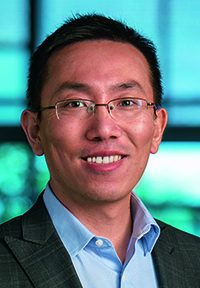
caption: Liang FengLiang Feng, a professor in the departments of materials science and engineering (MSE) and electrical and systems engineering (ESE) in Penn Engineering, is the recipient of a Director’s Fellowship from the U.S. Defense Advanced Research Projects Agency (DARPA). The highly competitive fellowship award extends Dr. Feng’s 2021 award for Programmable Lithography-Free Integrated Photonics for Signal Control and Networking for an additional year.

Dr. Feng’s research in this space is dedicated to ushering in a groundbreaking era in light control for information processing, with the ultimate goal of providing a highly reconfigurable platform to enable high-speed, programmable optical computing and photonic neural networks for artificial intelligence at the speed of light.

The funding through the DARPA Director’s Fellowship is given to a select group of DARPA Young Faculty Award recipients who have demonstrated exceptional technical achievement and leadership at the end of their initial two-year base award period.

“I am deeply appreciative of the invaluable support provided by DARPA, with which we have successfully achieved the groundbreaking milestone of creating the world’s first chip capable of in-situ optical learning,” said Dr. Feng. “With the sustained backing of the Director’s Fellowship, we are poised to propel this technology even further, enabling it to tackle myriad intricate, real-world tasks.”

Features

An Inauspicious Arrival for the Ambitious Benjamin Franklin

caption: The “Young Benjamin Franklin” statue in front of Weightman Hall on 33rd street depicts Penn’s founder as the 17-year-old who arrived in Philadelphia 300 years ago.

The future founder of the University of Pennsylvania arrived in Philadelphia 300 years ago—on Oct. 6, 1723—as a hungry, exhausted 17-year-old, on his own and seeking a job as a printer.

Benjamin Franklin had survived a harrowing journey from New York City that included walking through northern New Jersey and rowing a boat down the Delaware River before stepping into Philadelphia on a Sunday morning.

With just a few coins left in his pocket, Franklin knew not a soul in the small city, and yet he found his way.

“This moment of arrival, when all the possibility is before him, is the launch point for Franklin to becoming the famous individual who made himself into something out of nothing,” said Emma Hart, a professor of history in the School of Arts & Sciences. “In that respect it is a critical chapter in his story of success.”

It was in his autobiography, written in stages much later in his long life, that Franklin described his first encounter with Philadelphia in great detail. “It was obviously an important moment for Franklin, important to him that he nail down exactly when he arrived,” said Dr. Hart, also the director of the McNeil Center for Early American Studies.

Penn marked that moment on October 6 with “The Benjamin Franklin 300th Anniversary Celebration,” at the Perry World House, with a lunch and speakers, including Dr. Hart and Ezekiel Emanuel, Penn’s vice provost for global initiatives. Vice Provost Emanuel, who organized the celebration, created a Penn course on Franklin, and adapted that to create Benjamin Franklin and His World, a free online Coursera course.

“It’s important to note that he arrived at age 17, like our undergraduates. They come here at basically at the same age that Ben Franklin came here, obviously in very different circumstances,” said Vice Provost Emanuel, who is also a Penn Integrates Knowledge Professor at the Perelman School of Medicine and the Wharton School, adding that Franklin “is the most brilliant person born in North America,” in his estimation.

Unlike Penn undergrads, Vice Provost Emanuel points out, Franklin “could not call Mom and Dad” for help. “He was on his own in a city. He knew literally no one. And that didn’t daunt him,” said Vice Provost Emanuel. “And I think that’s part of his message to undergraduates: Be curious, take risks, and you’ll learn and grow a lot.”

Franklin’s Journey

Franklin took an enormous risk when he surreptitiously left Boston, breaking his indenture as an apprentice to his older brother. He first went to New York City, with very little money in his pocket, and offered his service to a printer. William Bradford did not hire Franklin but suggested that his son in Philadelphia might be looking for a new hire, as his principal pressman had recently died.

As Franklin described in his autobiography, he took passage on a boat from New York, but a squall tore the sails, threatening to drown him and his shipmates. After they endured a wet, miserable night anchored off the coast of Long Island, with no food or fresh water, they made it to Perth Amboy, New Jersey, the next afternoon.

Franklin spent a feverish night and got up the next day to set out on foot, in the rain, walking 50 miles to Burlington, New Jersey. There he caught a boat on the Delaware River, helping to row the entire way, landing at midnight at Cooper’s Creek, a bit north of Philadelphia.

It was a Sunday morning, around 8 or 9 o’clock, when Franklin stepped onto Philadelphia’s Market Street Wharf. “I have been the more particular in this Description of my Journey & shall be so of my first Entry into that City, that you may in your Mind compare such unlikely Beginning with the Figure I have since made there,” Franklin wrote.

John Pollack, curator of research services at the Kislak Center for Special Collections, Rare Books and Manuscripts in the Penn Libraries, includes Franklin’s arrival to Philadelphia in the English course he is co-teaching this semester, American Books/Books in America, with Jim Green of the Library Company of Philadelphia, another institution Franklin founded.

Dressed in his working clothes, dirty from the journey, pockets “stuff’d out with Shirts & Stockings,” Franklin wrote that was very tired and very hungry, with only a “Dutch Dollar” remaining, as he had given his last copper shilling for the passage down the river.

He saw a boy with bread, asked where he got it, and headed to the baker. He encountered confusion about the names of the baked goods, first asking for a biscuit and then a threepenny loaf, neither recognized by the baker. So he asked for three pennyworth of anything: “He gave me accordingly three great Puffy Rolls,” Franklin wrote in the autobiography.

“The three puffy rolls are famous,” Dr. Pollack said. Franklin wrote that he then walked up Market Street to 4th Street “with a roll under each Arm & eating the other.”

Quite aware of his “awkward and ridiculous appearance,” he locked eyes with a young woman, Deborah Read, in the doorway of her father’s house; she would later become his wife. Following a flow of well-dressed people, Franklin went to the Quaker Meeting House, sat down for the service, and promptly dozed off, making it, as he quipped, “the first house I was in or slept in, in Philadelphia.”

Finding food and lodging at the Crooked Billet on Water Street, the next day he set out for the printer Andrew Bradford, who gave him breakfast, but not a job. Bradford took Franklin to meet another printer, Samuel Keimer, who at that moment was composing the elegy to his pressman, named Aquila Rose. A few days later, he hired Franklin to print it.

Significant Franklin Collection

The Kislak Center has the only known copy of “An Elegy on the Death of Aquila Rose,” the first work printed by Franklin in Philadelphia during that October of 1723. “The elegy relates directly to Franklin’s arrival,” Dr. Pollack said. “There’s only one copy known to survive, and that’s the one that we have.”  Presumed lost for generations, the broadside was found in a scrapbook by an antiquarian bookseller who offered it to Penn, which acquired it in 2015.

The libraries have a plethora of Franklin-related items, including letters written in his hand. The mahogany partners desk he purchased from a London cabinetmaker is located outside of the historic Lea Library on the sixth floor of the Van Pelt-Dietrich Library Center. On top are his china teapot and plate, silver spoon, cane, and set of cufflinks. 

caption: The University Archives collection contains many documents signed by founder Benjamin Franklin. The Penn Libraries holds one of the most important collections in the world of items that Franklin printed including books, pamphlets, and periodicals, such as his own newspaper, The Pennsylvania Gazette. The Libraries has the only known surviving copy of the first work Franklin printed upon arrival to Philadelphia in October 1723, “An Elegy on the Death of Aquila Rose.”

The libraries also hold nearly a third of the estimated 900 surviving works printed by Franklin, including forms, pamphlets, and currency, as well as newspapers and books, all rare and some, like the “Elegy,” unique.

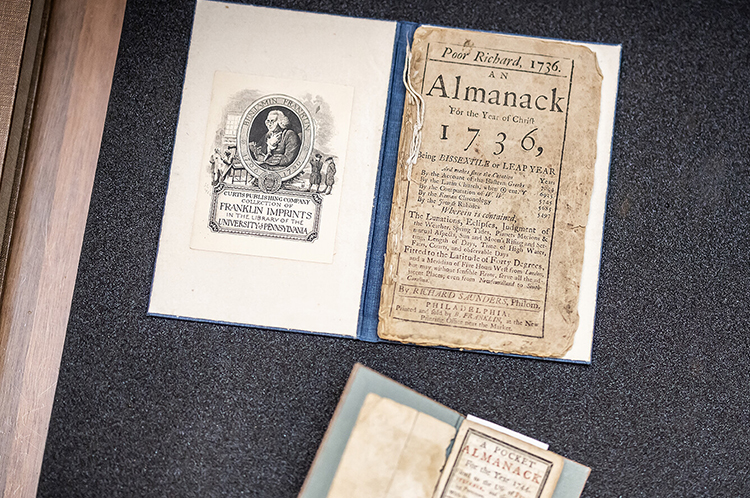
In the collection are copies he printed of his Pennsylvania Gazette newspaper, as well as his Poor Richard’s Almanack, including small pocket-size versions. A book on the history of the Quakers dated 1728 is significant, Dr. Pollack said, because Franklin took over the printing from Keimer about halfway through, and scholars have detailed the difference in the quality of the work, showing Franklin’s skill.

“When he arrived, it was at a time when the city was growing very fast, and there were lots of opportunities,” Dr. Hart said, noting a population then of only a few thousand people. “This is a particular moment in the history of the colonies when Philadelphia needs a good printer and businessman.”

Franklin, of course, went on to become not only a well-known printer, but also an author, inventor, scientist, diplomat, and statesman, as well as founder of many important institutions in Philadelphia, including what became the University of Pennsylvania.

And part of that legacy is that he kept an open mind and changed his viewpoints based on his own thinking and observations. “He knows he’s not perfect,” Vice Provost Emanuel said. “He often writes about his prejudices, and mistakes he’s made. But what makes him so powerful and valuable I think is that he’s constantly trying to improve.”

Regarding his position on slavery, Franklin once owned enslaved people, but came to view Black people as the equals of white people and wrote articles urging against slavery, Vice Provost Emanuel said. Indeed, Franklin became president of the Pennsylvania Abolition Society, and wrote the first letter petitioning Congress to end slavery and the slave trade. “He found that his conscience did not agree with owning enslaved people, and so he was a thoughtful individual who changed his behavior accordingly,” Dr. Hart said.

The University Archives holds several important documents with Franklin’s signature, including the founding documents of the University, said J.M. Duffin, assistant university archivist. These include the original bylaws, the original deed of trust, the account books, and several documents related to the Board of Trustees.

“I think that the importance of Franklin to Penn really is that he was a joiner and a community builder, and a founder of things, and having his presence in Philadelphia meant that all sorts of learned institutions exist,” Dr. Hart said. “I think Penn is really lucky to be counted amongst that select group.”

caption:  The Libraries collection has several copies of Franklin’s Poor Richard’s Almanack, which he wrote and printed, including pocket-sized versions. Franklin’s mahogany partner desk is on the sixth floor of the Van Pelt Dietrich-Library Center.

The American Philosophical Society, also founded by Franklin, was among the hosts of the “300 Years of Franklin in Philadelphia” celebration on October 6, with a young Benjamin Franklin re-enactor arriving on the Delaware River waterfront. A procession from the Independence Seaport Museum through Old City went to the Second Bank of the United States for a commemoration ceremony, with proclamations from the offices of the mayor and governor, and a chance to taste puffy rolls.

Adapted from a Penn Today story by Louisa Shepard, October 5, 2023.  

Events

Update: October AT PENN

Children’s Activities

Morris Arboretum & Gardens

In-person events at Morris Arboretum & Gardens. Info and to register: https://www.morrisarboretum.org/see-do/events-calendar.

24        ArBOO-Bubbles Dance Party; a fall bubble dance party with kid-friendly spooky music—come in costume and ready to dance; 11 a.m.


Films

19        Stranger by the Lake; showing as part of a monthly queer night event; 7 p.m.; Heyer Sky Lounge, Harrison College House; (French & Francophone Studies; Italian Studies; Germanic Languages & Literatures).


Fitness & Learning

18        Penn English Program in London at King’s College Fall 2024 Information Session; 9 a.m.; room 135, Fisher-Bennett Hall (English).

            Awake & Engaged: Making Lectures More Interactive; will consider ways to increase student attention and interaction to promote deeper learning; noon; room 108, Towne Hall; register: https://tinyurl.com/ctl-workshop-oct-18 (Center for Teaching and Learning, Penn Engineering).

            Truman Scholarship Panel: Applying for the Truman Scholarship; in-person panel of Truman Scholars will share their perspectives on the application process, experiences as a scholar, and useful tips; noon; room 242, Van Pelt Library; register: https://tinyurl.com/curf-truman-oct-18 (Center for Undergraduate Research & Fellowships).

19        Bringing Insight from Allied Disciplines into the Religious Studies Classroom; the wide range of both research methodology and subject matter in religious studies means that it is an inherently interdisciplinary field; this workshop will talk about strategies for bridging these disciplinary boundaries; 3:30 p.m.; room 204, Cohen Hall (Center for Teaching & Learning, Religious Studies).

21        2023 Master of Fine Arts Open Studio; mingle with MFA students and see current work; noon-6 p.m.; Weitzman Hall and Franklin Annex (Fine Arts).

23        Careers with a Religious Studies Degree; Marie Harf, Fox News, will speak about how her religious studies degree has influenced and enhanced her work for the State Department, the CIA, and Fox News; 5:15 p.m.; lounge, Cohen Hall (Religious Studies).

24        Connecting Conversations: LGBTQ+ Youth and the Power of Belonging; a virtual panel on fostering belonging for LGBTQ+ youth with moderator Jessica Halem and experts in research, design, and community organizing; noon; Zoom webinar; register: https://tinyurl.com/nursing-workshop-oct-24 (Penn Nursing).


Graduate School of Education

Unless noted, online webinars. Info and to register: https://www.gse.upenn.edu/news/events-calendar?date=2023-10.

17        Literacy Studies Doctoral Virtual Information Session; 5 p.m.

18        Urban Teaching Apprenticeship Virtual Information Session; 7 p.m.

            Education, Culture, and Society MSEd Virtual Information Session; 7 p.m.

19        Mastering Your Dissertation: Uncovering All the Steps in the Process; 11 a.m.

20        Learning Analytics (Online) Virtual Information Session; 9 a.m.

21        Fall 2023 Open House; 9:30 a.m.-1 p.m.; 3700 Walnut St.

23        Mid-Career Doctoral Program in Educational Development Virtual Information Session; 7 p.m.

24        Global Higher Education Management (Online) Virtual Information Session; 7 p.m.


LGBT Center

In-person events. Info and to register: https://lgbtcenter.universitylife.upenn.edu/.

17        Let's Talk Drop-In Hours; 2-5 p.m. Also October 24.

18        SPARC Drop-In Space; 10 a.m.-noon.

19        NeuroQueer at Penn (NQP) Bi-Weekly Meeting; 7 p.m.

20        Penn Queer&Asian Spooky Social; 3-5 p.m.

21        Black Queer Dinner; 5:30 p.m.


School of Social Policy & Practice

Unless noted, online webinars. Info: https://sp2.upenn.edu/sp2-events/.

17        Information Session, Alumni Panel – Executive Program in Social Impact Strategy; 4 p.m.

18        Information Session, Alumni Panel – Executive Program in Digital Media for Social Impact; 4 p.m.

21        Master’s Information Session; 10 a.m.

24        Information Session, Master Class with Dr. Emily Hund – Executive Program in Digital Media for Social Impact; noon.


On Stage

22        green,howiwantyougreen: A Performance; an experimental operatic performance piece based on Sonnets of Dark Love, the last eleven poems by Spanish poet Federico Garcia Lorca, which were banned for 50 years following his assassination in 1936; 4 p.m.; Institute of Contemporary Art; register: https://tinyurl.com/ica-prf-oct-22 (Institute of Contemporary Art).


Readings & Signings

24        Our Fragile Moment: How Lessons from Earth's Past Can Help Us Survive the Climate Crisis; Michael Mann, Earth & environmental science; 12:15 p.m.; World Forum, Perry World House; register: https://tinyurl.com/mann-reading-oct-24 (Perry World House).

            Maghreb Noir: Pan-Africanism and the Militant-Artists of North Africa; Paraska Tolan, Cornell University; 5:30 p.m.; room 401, Fisher-Bennett Hall (Middle East Center).


Kelly Writers House

Unless noted, hybrid events at Arts Café, Kelly Writers House, and YouTube livestream. Info and to RSVP: https://writing.upenn.edu/wh/calendar/1023.php.

18        The Little Magazine; Jess Bergman, Mark Krotov, Matthew Shen Goodman, and Sarah Leonard, editors from The Baffler, n+1 and Lux; 6 p.m.

24        Dance and the Poetics of Home; Emilio Martinez Poppe, MR Stine, and Dahlia Li, artists; 6 p.m.


Special Events

23        Weitzman School Awards 2023; celebrate the award recipients, KoningEizenberg Architecture and Khang Ngoc Truing; 5:30 p.m.; Kleinman Energy Forum, Fisher Fine Arts Library; register: https://tinyurl.com/weitzman-awards-2023 (Weitzman School of Design).


Talks

17        Reliable Quantum Computing Needs Intelligent Software and Hardware; Moinuddin Qureshi, Georgia Institute of Technology; 3:30 p.m.; Wu & Chen Auditorium, Levine Hall, and Zoom webinar; join: https://tinyurl.com/qureshi-talk-oct-17 (Computer & Information Science).

18        Lifelong Learning for Autonomous Systems: Progress and Challenges; Eric Eaton, computer & information science; noon; room 307, Levine Hall (ASSET Center).

            Researching Extreme Communities Online: Methods, Ethics and Challenges; Debbie Ging, Dublin City University; Catherine Baker, DCU Anti-Bullying Centre; noon; room 300, Annenberg School (Annenberg School for Communication).

            Democracy in the Digital Age: Revisiting the Dewey-Lippmann Debate; Sean Illing, Vox Media; 5 p.m.; room 402, Cohen Hall (Graduate School of Education).

            Nothing About Us Without Us: The Liminal Space Between Obscurity and the Limelight; Octavian Robinson, Gallaudet University; 5:30 p.m.; room B1, Meyerson Hall; register: https://tinyurl.com/robinson-talk-oct-18-23 (American Sign Language Program).

19        Special Briefing: Rolling Out the $1.2 Trillion Infrastructure Investment & Jobs Act—What’s Being Built and What’s in the Pipeline; panel of speakers; 11 a.m.; Zoom webinar; register: https://tinyurl.com/iur-talk-oct-19 (Penn Institute for Urban Research).

            Rethinking Electoral Maps; Phillip Gressman, mathematics; Daniel Hopkins, political science; noon; room 218, Houston Hall (Knowledge by the Slice).

            Climate Refugees: The Implications of our Changing Environment; R. Jisung Park, Alice Xu, and Ben Jealous, SP2; 1 p.m.; Zoom webinar; register: https://tinyurl.com/sp2-talk-oct-19 (School of Social Policy & Practice).

            Harnessing Nucleic Acid Sensing for Cancer Immunotherapy; John Tanner Wilson, Vanderbilt University; 3 p.m.; auditorium, BRB (Penn Institute for RNA Innovation).

            Kindling the Song of Humanism: How One Translation of Homer's Iliad Changed Intellectual Life in Turkey; Arsen Nisanyan, Harvard University; 4:45 p.m.; room 402, Cohen Hall (Classical Studies).

            The Afghan Political Sublime: Race and Sovereignty in Pre-Victorian Travel Writing; Zarena Aslami, Michigan State University; 5 p.m.; room 330, Fisher-Bennett Hall (English).

20        Co-Optimizing Imaging, Computer Systems, and Biological Perception for Next-Generation Visual Computing Platforms; Yuhao Zhu, University of Rochester; 10 a.m.; room 307, Levine Hall (PRECISE Center).

            Nanoscale Iron Oxyhydroxide Aggregation and Corresponding Effects on Metal Ion Uptake, Retention, and Speciation; Christopher Kim, Chapman University; 2:30 p.m.; room 358, Hayden Hall (Earth & Environmental Science).

21        Chinese Lacquer Screens at the Smithsonian and Penn Museum; Jan Stuart, National Museum of Asian Art; Zhang Mo, history of art; 1 p.m.; Penn Museum (Penn Museum).

23        Mitochondrial Metabolic Remodeling During Trypanosoma Brucei Differentiation: When ROS is Not SOS; Alena Zikova, Biology Centre ASCR; noon; Zoom webinar; register: https://upenn.zoom.us/j/91485597704 (Penn Vet).

            Multidisciplinary Studies in the Reconstruction of the Social Dynamics and Economic Interactions of the Chimu Empire, North Coast of Peru; Gabriel Prieto, University of Florida; noon; room 345, Penn Museum (Anthropology).

24        Leadership in a Time of Crisis; Mike DiBerardinis, Fels Institute of Government; Jane Golden, Mural Arts Philadelphia; 9 a.m.; location TBA; info: https://tinyurl.com/golden-talk-oct-24 (Fels Institute of Government).

            Figural Shadows: On Being Inside when Outside on the Streets of Saigon; Erik Harms, Yale University; 5:15 p.m.; room 200, PCPSE; register: https://tinyurl.com/harms-talk-oct-24 (Center for East Asian Studies).

            Rethinking the Circuits of Cold War Culture: International Dance Exchanges in Mao-Era China; Emily Wilcox, College of William & Mary; 5:15 p.m.; room A4, DRL (East Asian Languages & Civilizations).


Economics

In-person events. Info: https://economics.sas.upenn.edu/events.

23        Similarity-Based Learning and Similarity Equilibria; George Mailath, economics; noon; room 101, PCPSE.

            Estimating Intra-Day Integrated Volatility with a Markov Switching Multifractal Model; Lorenzo Braccini, Bank of Italy; noon; room 202, PCPSE.


Mathematics

Info: https://www.math.upenn.edu/events.

19        The Algebraic K-Theory Spectrum of Varieties, and Compactly Supported Cohomology Theories; Josefien Kuijper, Stockholm University; 3:30 p.m.; room 4C8, DRL.

20        Six-Functor Formalisms Are Compactly Supported; Josefien Kuijper, Stockholm University; 3:30 p.m.; room 4N30, DRL.

23        Mathematical Models of Polymerization in Physiology; Anna C. Nelson, Duke University; 4 p.m.; room 4C4, DRL, and Zoom webinar.


Physics & Astronomy

Unless noted, in-person events at room A4, DRL. Info: https://live-sas-physics.pantheon.sas.upenn.edu/events.

18        Self-Organization of Wave-Matter Composite Systems; David Grier, New York University; 3 p.m.

            Defying 4D Gravity: Novel Searches for Signatures of String Theory via Scalar Cascades, Noncommutative Black Holes, Non-Minimal Dark Sectors, and Deep Learning; Elena Villhauer, University of Edinburgh; 3:30 p.m.; room 2C8, DRL.


This is an update to the October AT PENN calendar, which is online now. The November AT PENN calendar will be published on October 31.


Crimes

Weekly Crime Reports

Division of Public Safety University of Pennsylvania Police Department Crime Report

About the Crime Report: Below are the Crimes Against Persons and/or Crimes Against Property from the campus report for October 2-8, 2023. The Crime Reports are available at: https://almanac.upenn.edu/sections/crimes. Prior weeks’ reports are also online. –Eds.

This summary is prepared by the Division of Public Safety (DPS) and contains all criminal incidents reported and made known to the Penn Police, including those reported to the Philadelphia Police Department (PPD) that occurred within our patrol zone, for the dates of October 2-8, 2023. The Penn Police actively patrol from Market Street to Baltimore Avenue and from 30th Street to 43rd Street in conjunction with the Philadelphia Police.

In this effort to provide you with a thorough and accurate report on public safety concerns, we hope that your increased awareness will lessen the opportunity for crime. For any concerns or suggestions regarding this report, please call DPS at (215) 898-7297. You may view the daily crime log on the DPS website.

Penn Police Patrol Zone
Market Street to Baltimore Avenue and from 30th Street to 43rd Street

Assault

10/04/23

2:30 PM

3400 Civic Center Blvd

Complainant assaulted by ex-boyfriend


10/05/23

12:31 PM

3900 Chestnut St

Complainant struck in the head and neck with closed fist


10/05/23

2:03 PM

3300 Ludlow St

Complainant struck in face with closed fist

Aggravated Assault

10/04/23

10:02 AM

4249 Walnut St

Offender struck complainant with a rock/Arrest

Auto Theft

10/05/23

6:34 AM

3900 Chestnut St

Unlocked vehicle taken from highway

Bike Theft

10/03/23

5:15 PM

210 S 34th St

Secured bike taken from bike rack

Burglary

10/04/23

9:21 PM

101 S 39th St

Offender entered their apartment and fled when confronted


10/04/23

9:34 PM

101 S 39th St

Offender forcibly entered the apartment and left after being confronted by the complainant

Fraud

10/02/23

10:32 AM

3131 Walnut St

Fraudulent check deposited into account

Other Offense

10/04/23

7:59 PM

208 S 37th St

Other offense


10/07/23

7:39 AM

4000 Sansom St

FTA warrant/Arrest

Retail Theft

10/03/23

12:56 PM

3741 Walnut St

iPhone taken from location


10/03/23

3:01 PM

4233 Chestnut St

Retail theft of alcohol


10/04/23

9:16 AM

3744 Spruce St

Retail theft


10/08/23

2:08 PM

3621 Walnut St

Retail theft of clothing

Robbery-Gun

10/03/23

5:04 AM

4045 Baltimore Ave

Gunpoint robbery on the highway

Robbery

10/04/23

9:22 PM

234 S 41st St

Folding table taken by force from porch

Sex Offense

10/04/23

7:40 PM

3420 Walnut St

Confidential investigation


10/04/23

10:21 PM

3800 Chestnut St

Confidential sex offense


10/04/23

11:41 PM

3800 Chestnut St

Offender exposed himself

Theft from Building

10/03/23

8:04 PM

400 S 40th St

Package taken from mail room


10/04/23

7:43 AM

3401 Grays Ferry

Plastic pipe encasing copper wire taken


10/04/23

5:17 PM

2930 Chestnut St

AirPods taken from apartment


10/05/23

10:07 AM

3820 Locust Walk

Package taken from mail roo


10/05/23

12:09 PM

205 S 34th St

Projector taken from location

Theft Other

10/02/23

1:45 PM

250 S 33rd St

Secured scooter taken from bike rack


10/03/23

8:09 PM

3335 Woodland Walk

Theft of secured scooter from bike rack outside of location


10/04/23

8:47 AM

3400 Spruce St

Purse stolen along street


10/07/23

4:56 PM

3420 Walnut St

Unattended computer stolen from outside library


10/07/23

6:20 PM

115 S 40th St

Cable secured scooter stolen from outside building


10/08/23

5:16 PM

3420 Walnut St

Cable seured scooter stolen from outside library


Philadelphia Police 18th District
Schuylkill River to 49th Street & Market Street to Woodland Avenue

Below are the Crimes Against Persons from the 18th District: 13 incidents were reported for October 2-8, 2023 by the 18th District, covering the Schuylkill River to 49th Street & Market Street to Woodland Avenue.

Aggravated Assault/Arrest

10/04/23

10:29 AM

4249 Walnut St

Aggravated Assault

10/04/23

8:41 PM

14 S 46th St


10/07/23

3:58 PM

4936 Locust St

Assault

10/03/23

4:51 PM

S 45th & Pine Sts


10/05/23

1:09 PM

3900 Chestnut St


10/05/23

2:57 PM

3300 Ludlow St


10/06/23

2:55 AM

220 S 47th St

Domestic Assault

10/04/23

2:43 PM

3400 Civic Center Blvd

Robbery

10/03/23

5:04 AM

4045 Baltimore Ave


10/04/23

8:28 PM

S 46th & Chestnut Sts


10/04/23

11:26 PM

234 S 41st St

Rape

10/04/23

11:40 PM

3800 Chestnut St


10/05/23

12:28 PM

4600 Chester Ave


The Division of Public Safety offers resources and support to the Penn community. DPS developed a few helpful risk reduction strategies outlined below. Know that it is never the fault of the person impacted (victim/survivor) by crime.

  • See something concerning? Connect with Penn Public Safety 24/7 at (215) 573-3333.
  • Worried about a friend’s or colleague’s mental or physical health? Get 24/7 connection to appropriate resources at (215) 898-HELP (4357).
  • Seeking support after experiencing a crime? Call Special Services (support and advocacy resources) at (215) 898-4481 or email an advocate at specialservices@publicsafety.upenn.edu
  • Use the Walking Escort and Riding services available to you free of charge.
  • Take a moment to update your cellphone information for the UPennAlert Emergency Notification System
  • Download the Penn Guardian App which can help Police better find your location when you call in an emergency.
  • Access free self-empowerment and defense courses through Penn DPS.
  • Stay alert and reduce distractions. (Using cellphones, ear buds, etc. may limit your awareness.)
  • Orient yourself to your surroundings. (Identify your location, nearby exits, etc.)
  • Keep your valuables out of sight and only carry necessary documents.

Bulletins

A Drug-Free Workplace

National Drug-Free Work Week is October 16 through October 22. For the health and safety of the Penn community, the University of Pennsylvania is committed to maintaining a drug-free workplace. Drug and alcohol abuse endangers individual users, as well as their family, friends, and coworkers. The use of any substance that impairs your workplace judgement or abilities puts you, your colleagues, and Penn students at risk. 

Please take the time to review the University’s drug and alcohol policies. 

Penn’s Drug and Alcohol Policies

Penn prohibits the unlawful manufacture, distribution, dispensation, sale, possession, or use of any drug by its employees in its workplace. Complete policy details are available online:

Understanding Addiction

Addiction is a serious disease, but many effective treatments are available. Visit Penn’s Health Advocate website for facts about addiction, recovery, and support services for faculty and staff. 

Help Is Here

If you or a family member has a substance abuse problem, we encourage you to seek help. Penn provides free, confidential counseling services for you and your immediate family members through the Employee Assistance Program (EAP). The EAP will assist you with challenges that may interfere with your personal or professional life, including substance abuse.

For more information about the EAP’s counseling and referral services, visit the Employee Assistance Program webpage, contact the EAP 24 hours a day, 7 days a week at (866) 799-2329, or schedule an EAP appointment through Penn Cobalt. 

You can also refer to the Concerned About Opioid Abuse flyer for details about what you need to know regarding this epidemic and how to protect against opioid abuse.

Diabetes Research Center’s Pilot & Feasibility Grant Program Call for Proposals: December 11

The Diabetes Research Center (DRC) of the University of Pennsylvania is now accepting applications for support to perform pilot and feasibility (P&F) studies in diabetes and related endocrine and metabolic disorders.

The application deadline is Monday, December 11, 2023, by 5 p.m.

The P&F program is intended to support new investigators and established investigators new to diabetes research. Established diabetes investigators pursing high-impact/high risk projects or projects that are a significant departure from their usual work are also eligible for support under the DRC P&F program. Applications are welcome from basic, clinical and translational investigators.

Grants will be reviewed by the DRC Pilot and Feasibility Review Committee, as well as internal and external reviewers. The maximum funding level is $50,000.

For detailed information and instructions, visit https://www.med.upenn.edu/idom/drc/pilots.html

Investigators who are currently in the first year of support through this P&F Program may reapply for an additional year of funding. Continuation requests need to be carefully justified and will be considered as competing renewals.

For more information please contact Lisa Henry at henryli@mail.med.upenn.edu, Patrick Seale, director, DRC Pilot & Feasibility Grants Program, at sealep@pennmedicine.upenn.edu, or Doris Stoffers, associate director, DRC Pilot & Feasibility Grants Program, at stoffers@mail.med.upenn.edu.

Penn’s Way Raffle Prize Drawings

Visit https://pennsway.upenn.edu for more information. Online participation must be completed by midnight on Sunday for inclusion in a given week’s drawing that Monday morning. Note: list subject to change.

Week Two–Drawing October 16

Neta Scientific: Amazon Gift Card, $25 value: Ashley Johnson, Penn Medicine CPUP

Maximum Graphics: Starbucks Gift Card, $25 value: Leatreace White, Penn Medicine Corporate

EMSCO: Barnes & Noble Gift Card, $25 value: Carl DeBaun, Pennsylvania Hospital

Cintas Corporation: Penn-Branded Carhartt Lunch Bag, $30 value: Nicholas Cookson, Facilities & Real Estate Services

McKesson: Gift Card—Dunkin, $25 value: Therese Marmion, Development and Alumni Relations

Penn Museum: Admission Passes (two), $36 value: Digna Patel, Hospital of the University of Pennsylvania

Philadelphia Flyers: Puck signed by Travis Konecny, $55 value: Julie Sloan, Annenberg School for Communication

Week Three–Drawing October 23

Cintas Corporation: Penn-branded Under Armour backpack, $60 value

Penn Live Arts: Two tickets for 23/24 season, $100 value

EMSCO: Barnes & Noble gift card, $25 value

McKesson: Starbacks gift card, $25 value

Winterthur: Admission passes (two), $50 value

Neta Scientific: Amazon gift card, $25 value

Back to Top