
News

Penn Medicine and CHOP: $25 Million Gift to Establish Center for Epilepsy and Neurodevelopmental Disorders
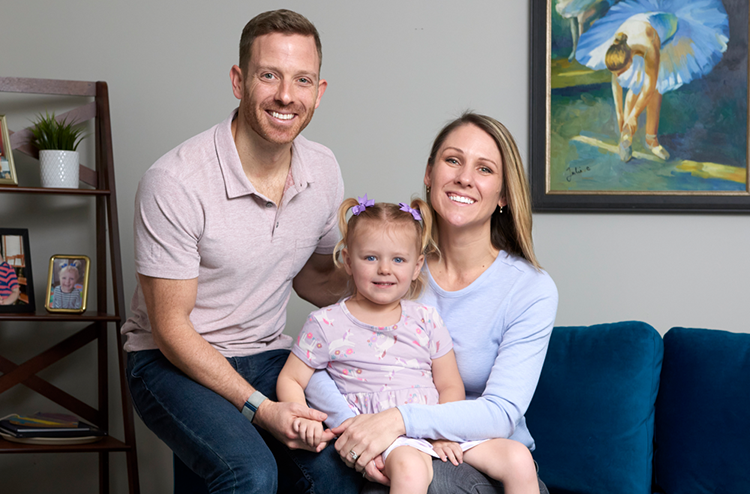
caption: Benjamin Prosser, director of the new Center for Epilepsy and Neurodevelopmental Disorders, with his daughter, Lucy, and wife, Erin.

A $25 million gift from an anonymous donor to Penn Medicine and Children’s Hospital of Philadelphia (CHOP) will establish the Center for Epilepsy and Neurodevelopmental Disorders (ENDD), accelerating collaborative research in genetic therapies for neurodevelopmental disorders. This gift will bolster the efforts of an interdisciplinary group of clinicians and scientists at Penn and CHOP, led by director Benjamin Prosser and co-directors Beverly Davidson and Ingo Helbig. Dr. Prosser is an associate professor of physiology at the University of Pennsylvania’s Perelman School of Medicine. He adjusted the focus of his research career when his daughter, Lucy, was diagnosed shortly after birth in 2018 with a rare genetic neurodevelopmental disorder.

“ENDD offers hope to patients and families living with the many challenges of rare, genetic neurodevelopmental disorders,” said J. Larry Jameson, executive vice president of the University of Pennsylvania for the health system and dean of the Perelman School of Medicine. “This important gift will accelerate the progress of an extraordinary partnership between Penn and CHOP that demonstrates the power of collaboration and a commitment to finding cures. We are incredibly grateful to this donor, whose dedication to the advancement of research in this area is sure to create the launch pad for a new outlook for those diagnosed with these conditions.”

The gift was made in honor of the late television executive Daniel B. Burke, whose son Stephen B. Burke served on the board of trustees at CHOP.

“We are extremely grateful for this visionary gift that supports our efforts to solve the unsolvable when it comes to rare diseases, improving our ability to translate new discoveries about potential therapies into clinical practice,” said Madeline Bell, president and CEO of Children’s Hospital of Philadelphia. “CHOP and Penn have systematically invested in integrated care programs for genetic epilepsies and neurodevelopmental disorders. This new center will fill the gap between the tremendous advances in early diagnosis and comprehensive clinical care and the development of new treatments for these patients.”

ENDD will initially focus on developing therapies for disorders related to mutations of the STXBP1 and SYNGAP1 genes—which are linked to abnormal brain function, intellectual disability, epilepsy, and motor and behavioral impairments—with the goal of expanding its efforts to other genetic neurodevelopmental disorders over time. ENDD strengthens an existing partnership between Dr. Prosser and Dr. Davidson, the director of the Raymond G. Perelman Center for Cellular and Molecular Therapeutics, chief scientific strategy officer at CHOP, and a professor of pathology and lab medicine at Penn, and Dr. Helbig, a pediatric neurologist in the department of neurology at Penn and in the division of neurology at CHOP and the director of genomic science at CHOP’s Epilepsy Neurogenetics Initiative (ENGIN). Their joint work in the center will target the development of antisense oligonucleotide (ASO), gene therapy, and CRISPR-based strategies for the treatment of NDD.

Dr. Prosser’s daughter Lucy was diagnosed with a rare, genetic neurodevelopmental disorder caused by a mutation of the STXBP1 gene. STXBP1-related disorders cause a range of symptoms, including seizures, developmental delays, intellectual disabilities, and movement disorders. There is no known cure or effective treatment.

Driven by a desire to help his daughter and the more than 5,000 children with STXBP1 disorders born each year worldwide, Dr. Prosser, an expert in cardiac molecular biology, launched a separate research arm in his lab focused on developing new therapies for STXBP1 and related disorders. He began collaborating with Drs. Davidson and Helbig, as well as other researchers and clinicians across Penn and CHOP, forming the ENDD Therapeutics Team.

“As a scientist and as a parent, I am incredibly grateful for this gift, which will propel our work forward with the hope of changing the course of these disorders,” Dr. Prosser said. “We have a rare opportunity with such a brilliant and dedicated team of scientists and clinicians at Penn and CHOP, who are motivated each day to make a difference for Lucy and children like her.”

Dr. Davidson, a world-renowned expert on gene therapy in neurological disorders, works to understand the molecular basis of childhood onset neurodegenerative diseases and the development of gene and small molecule therapies for treatment. Dr. Helbig, who serves as one of the directors of the Epilepsy Neurogenetics Initiative at CHOP, has particular expertise in SYNGAP1 and STXBP1 and treats many children with these disorders, including Lucy Prosser. This unique combination of clinical knowledge, innovation in gene therapy, and the drive of a parent-scientist will accelerate the development of new therapies for neurodevelopmental disorders.
Gutmann College House Naming Celebration

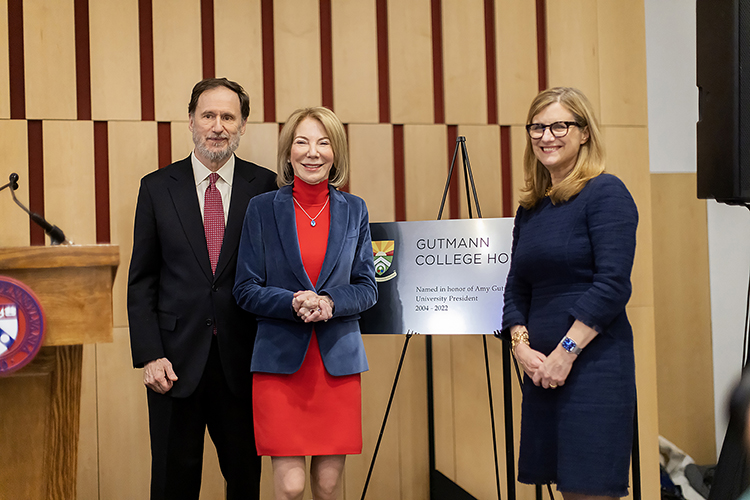
caption: Dr. Michael Doyle, Penn President Emerita Amy Gutmann, and Penn President Liz Magill  commemorate the naming of Gutmann College House. Photos by Eric Sucar and Eddy Marenco.

In 2018, it was announced that beginning with the Class of 2024, Penn would operate a two-year college house system, officially offering every first-year and second-year undergraduate student the opportunity to live on campus. Under the leadership of President Emerita Amy Gutmann, who served the University for nearly 18 years and is now the U.S. Ambassador to Germany, the initiative spearheaded the speedy development of new living and learning spaces on campus to guarantee such housing—one of which now dons Dr. Gutmann’s name.

To help commemorate her dedication to the project, the Board of Trustees announced in July 2022 that the New College House West—which opened in 2021—would officially be named Gutmann College House. A special celebration of the naming took place on Thursday, February 2 in the window-lined lobby of the house with Dr. Gutmann, President Liz Magill, and dozens of administrators, deans, faculty, staff, students, and friends of Penn. 

“This is really an out-of-body experience to see this,” Dr. Gutmann said, eyeing a memento presented to her with the name of the building. “It’s just amazing.”

In her remarks, Dr. Gutmann—who has often talked of her time as a first-generation college student—noted her own story finding a “home away from home” for the first time during her sophomore year as an undergraduate.

“I was an outsider, and I distinctively felt that way when I went to college,” Dr. Gutmann said. But at her college house, she said she “really felt welcomed.”

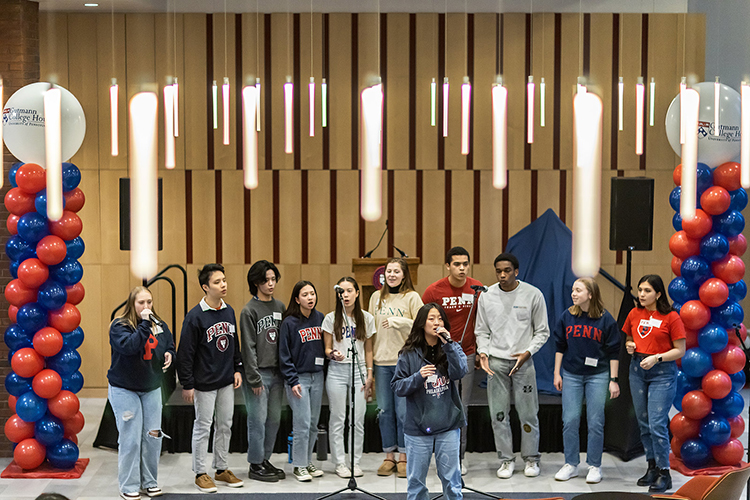
caption: The naming ceremony for Gutmann College House featured a  performance by a cappella group Penny Loafers.

“That’s what I hope Gutmann College House can provide everyone: A sense of belonging, a place to come in from the cold, a home away from home,” Dr. Gutmann said.

With a nod to her scholarship as well as her everyday work as an ambassador, Dr. Gutmann added that she also hopes the new college house can provide a space for even more inclusivity—“more understanding and appreciation across divides.”

“That is what diplomacy is about,” she said, “and that is what this college house and college houses are about.”

College houses launched in earnest on Penn’s campus about 25 years ago, and today, the University boasts a total of 13. The college house system brings undergraduate and graduate students, faculty, and staff together in dynamic, shared living-learning communities. The idea is to focus on academic vibrancy, collaboration, diversity, and wellness. The second year experience program, which led to the recent, expanded on-campus living offerings, was a concept that grew from several student wellness task force recommendations while Dr. Gutmann was president.

caption: New College House West was re-named in honor of Penn President Emerita Amy Gutmann in a ceremony on February 2.

Describing college houses today as something regarded as so intentionally “useful and important to the Penn experience,” President Magill explained how the system “introduces our students to this academic community, and sets the course for all that is to follow.”

President Magill continued: “Gutmann College House recognizes and commemorates a signal achievement in the life of this University, and a wonderful fulfillment in the lives of our students.”

Gutmann College House, situated on the western edge of campus near 40th and Walnut Streets, houses about 430 sophomores, juniors, and seniors, and is led by faculty director Amy Stornaiuolo, college house fellow David Amponsah, house director Kathryn McDonald, house coordinator Kida Thomas, and 12 student resident advisors. The space has been built to include state-of-the-art amenities, with communal study areas, common living and social spaces, seminar and music practice rooms, as well as a coffee bar, meditation room, fitness space, tinker space, and six club rooms with kitchens (including the Quaker Kitchen).

Dr. Stornaiuolo, also an associate professor at the Graduate School of Education, said she and her team have worked to establish Gutmann College House as a warm, welcoming, and open spirit, similar, she said, to that of Dr. Gutmann’s tenure as president.

“From the many open and bright community spaces for people to gather, including our very own Quaker Kitchen and multiple community kitchens all through the house, the Gutmann College House is visibly oriented toward nurturing community, both internally but also at Penn and in West Philadelphia more broadly,” Dr. Stornaiuolo said.

Just before a reception featuring food from the various kitchens, Dr. Gutmann presented custom Patagonia jackets to all residents.

“I hope you will wear yours with pride, and a warm reminder of your college house and your home away from home at Penn,” Dr. Gutmann said. “Remember when you are wearing these jackets that part of our DNA at Penn is to help everybody feel that they can come in from the cold.”

Adapted from a Penn Today article by Lauren Hertzler, February 3, 2023. 

caption: New College House West was re-named in honor of Penn President Emerita Amy Gutmann in a ceremony on February 2.

Penn Dental Medicine: Cochrane Oral Health Collaborating Center

Penn Dental Medicine’s Center for Integrative Global Oral Health (CIGOH) has partnered with Cochrane Oral Health to form the Cochrane Oral Health Collaborating Center at Penn Dental Medicine, the first oral-health-oriented Cochrane collaborative group in the world. The new center marks a significant step in helping to expand evidence-based knowledge to inform practice and oral health policy worldwide.

Cochrane Oral Health, headquartered at the University of Manchester in the U.K., is one of the groups within Cochrane, a global independent not-for-profit network that produces systematic reviews across all areas of medicine. Cochrane has more than 37,000 contributors from over 190 countries working together to produce up-to-date, accessible health information that is free from commercial sponsorship and other conflicts of interest to help inform decisions about health care. Since its inception, Cochrane has defined the methodological standards for conducting systematic reviews around the world. Cochrane’s work is recognized as an international gold standard for high quality, trusted information, and methods.

“This international partnership will enhance the impact of the oral health reviews and build on the effective and long-term contribution made by the group in this area,” said Karla Soares-Weiser, Cochrane’s editor-in-chief.

“We are thrilled to be joining Cochrane Oral Health and our colleagues at the University of Manchester to help move oral health care practice and policy forward through this new center,” added Michael Glick, the executive director of CIGOH, Penn Dental Medicine’s first policy center, which launched in 2021 and where the collaborating center is based.

The Cochrane Oral Health Collaborating Center at Penn Dental Medicine will build upon the work of Cochrane Oral Health, engaging researchers from around the globe in systematic reviews summarizing the best available evidence on oral health topics to help clinicians, policymakers, patients, and caregivers make well-informed decisions. So far, Cochrane Oral Health has curated a collection of more than 200 systematic reviews and meta-analyses of over 34 clinical areas of dentistry. Cochrane Oral Health publishes its reviews, updates, and protocols in the Cochrane Library and those produced through the collaborating center at Penn Dental Medicine will become part of the Cochrane Library as well.

caption: Alonso Carrasco-Labra“This new partnership places Penn Dental Medicine at the center of the oral health-evidence-synthesis field globally and aligns with the school’s mission to transform global oral health and well-being through exceptional clinical care, innovation, education, and research,” said Alonso Carrasco-Labra, director of the Cochrane Oral Health Collaborating Center and an associate professor in the department of preventive & restorative sciences at Penn Dental Medicine.

“We believe this partnership will make a difference in improving health care decisions worldwide and is an exciting development after almost 30 years of contributing to the global oral health evidence base,” said Jan Clarkson, Anne-Marie Glenny, and Tanya Walsh of Cochrane Oral Health at the University of Manchester in a joint statement.

The Cochrane Oral Health Collaborating Center also adds to Penn’s affiliation with Cochrane. In 2019, Penn Medicine’s Center for Evidence-Based Practice was one of 11 institutions nationwide to join the Cochrane U.S. Network, which was created to expand Cochrane’s national impact.

Penn Dental Medicine: MOU with Schools in South Africa and Tanzania

Penn Dental Medicine is continuing to build upon its international engagement with the signing of a new memorandum of understanding (MOU) with the University of the Witwatersrand, Johannesburg. The signing took place as part of a recent visit by Penn Dental Medicine’s Morton Amsterdam Dean, Mark S. Wolff, to South Africa and Tanzania.

“We are eager to be building a working relationship with the University of the Witwatersrand through this MOU,” said Dean Wolff, who signed the MOU with Shabir Madhi, dean of the Faculty of Health Sciences at Witwatersrand. “We look forward to future research, collaboration, and exchanges between our faculty and students and to collaborate with schools in southern and eastern Africa. Building upon the strengths of the three institutions, we can improve the health of individuals with limited access to oral healthcare.”

On the trip, Dean Wolff also visited Dar es Salaam, Tanzania, meeting at Muhimbili University of Health and Allied Sciences (MUHAS) with MUHAS vice chancellor Andrea Pembe, with whom an MOU was also recently executed, and leadership of the MUHAS Dental School. While in Tanzania, Dean Wolff also met with Ministry of Health officials, exploring how Penn Dental Medicine may be able to collaborate on child and maternal health and oral health, including bringing Penn’s research and training experiences in disability and community health to collaborate with the faculty of MUHAS.

The meetings in South Africa and Tanzania were organized and facilitated by the leadership of the Henry Schein Cares Foundation and MCW Global. MCW Global is a nonprofit organization with a vision for communities around the world to achieve greater levels of education, improved health, and increased economic security. MCW Global’s work in Tanzania is centered on promoting improved oral health across the country, including underserved communities.

“Connecting Wits, home to Africa’s first dental school and present provider of postgraduate education in all fields for the continent, with MUHAS, which shares MCW Global’s vision of improving access to oral health, UPenn is positioned to energize these two anchor schools to continue to train dental faculty for institutions across Africa,” said Marion Bergman, director of health care projects at MCW Global.

With the signing of the memorandums of understanding with the University of the Witwatersrand, Johannesburg and MUHAS in Tanzania, Penn Dental Medicine now has a total of 34 international MOU agreements for exchange with schools around the globe.

Vagelos Laboratory for Energy Science and Technology: Final Beam Installed

caption: The final steel beam was hoisted atop the Vagelos Laboratory for Energy Science and Technology. The moment was one that signals “Penn’s rise as a global leader in energy science,” said President Liz Magill, who was joined for the celebration by donor P. Roy Vagelos and deans Steven Fluharty and Vijay Kumar, as well as students, faculty, and staff from across the University. Photo by Eric Sucar.

Deaths

Jane Birmingham, Development

Jane Guernsey Birmingham, C’80, a former development officer at Penn, died on December 5, 2022.

Ms. Birmingham “chose a degree in economics over a career in ballet and was an exquisite writer as well as dancer,” wrote her husband, Charles. She graduated from Penn in 1980 with a bachelor’s degree in economics and joined Penn’s staff as a development officer, where she conducted fundraising during the 1980s. After leaving Penn, she joined Ocean Institute in Dana Point, California, where she raised over $20 million over two decades to introduce Title I students to STEM and the environment. After retiring, Ms. Birmingham divided her time between the coasts of southern California and Normandy, France, where she co-founded D-Day 2044, a non-profit organization dedicated to raising awareness of the generation of young Americans who stormed Normandy Beach on June 6, 1944.

Ms. Birmingham is survived by her husband, Charles. Donations in her memory may be made to D-Day 2044, P.O. Box 5214, Laguna Beach, California 92652.

Geraldine Paier, Penn Museum and Nursing Board Member

caption: Geraldine PaierGeraldine (Gerri) Shnakis Paier, Nu’68, GNu’85, GrN’94, a member of the boards of the Penn Museum and of Penn’s School of Nursing, died on December 24, 2022, from complications of a stroke. She was 79.
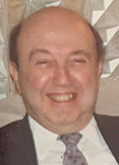
Dr. Paier grew up outside of Shenandoah, Pennsylvania. After graduating from high school, she earned a diploma in nursing from the Hospital of the University of Pennsylvania, then obtained a BS in nursing from Penn in 1968. She worked as a public health nurse in Philadelphia for several years and was active in her community, volunteering with the League of Women Voters and other local organizations. While raising three children, Dr. Paier returned to Penn to earn a master’s degree in nursing in 1985, and later earned a PhD in 1994, also from Penn Nursing. While working toward her PhD, she worked as a geriatric nurse practitioner at the senior community Foulkeways in Gwynedd, Pennsylvania. She then joined the nursing faculty at the University of Arizona in Tucson. As a member of the clinical faculty there, she taught in the nurse practitioner program for several years.

In her retirement, Dr. Paier returned to the Philadelphia region, where she and her husband Adolf (who passed away recently; Almanac January 23, 2023) were patrons of local museums and the Philadelphia Orchestra. She served on the boards of Penn’s School of Nursing and Penn Museum. She was a vocal advocate for civil justice, protesting the Vietnam War and fighting for women’s rights.

She is survived by her children, Nate (Elin) and Andrew (Barbara); and her grandchildren, Gabriel, Penleigh, Joseph, and Caitlin. Services were private. In lieu of flowers, memorial donations may be made to the University of the Arts, Attn: Andrew Pack, 320 S. Broad Street, Philadelphia, Pennsylvania 19102 or online at www.uarts.edu/donate.

Stanley Schor, Statistics

caption: Stanley SchorStanley Sidney Schor, C’43, G’50, PhD’52, a former associate professor of statistics, economics, and public health and preventive medicine in Penn’s School of Arts and Sciences, died on December 26, 2022 of vascular dementia. He was 100.

Born in the Swampoodle neighborhood of North Philadelphia in 1922, Dr. Schor served in the U.S. Army during World War II. He then earned bachelor’s, master’s, and doctoral degrees at Penn in 1943, 1950, and 1952, respectively. In 1950, while working towards his PhD, he joined the faculty of Penn’s School of Arts and Sciences as an instructor. He rose through the ranks at Penn, becoming an assistant professor in 1953 and an associate professor in 1958, with appointments in the departments of statistics, economics, and public health and preventive medicine. At Penn, he taught statistics and research methodology and contributed expertise to several national conferences. After leaving Penn in 1964, Dr. Schor joined the faculty at Temple, where he taught biometrics until 1975 and served as onetime department chair. In 1975, began a distinguished tenure at Merck. He became executive director of clinical biostatistics and research data systems, retiring in 1991.

Dr. Schor conducted pioneering research in biostatistics. His examinations and evaluations of medical research and protocols and his follow-up recommendations significantly improved care for heart attacks, diabetes, cancer, and other critical health conditions. Dr. Schor served as the director of biostatistics at the American Medical Association in Chicago in the 1960s, a clinical professor at Hahnemann Medical School, a visiting professor at medical schools in Chicago and Israel, and a guest faculty member at the Mayo Clinic and the National Institutes of Health. He served as president of the Philadelphia chapter of the American Statistical Association, on national and international committees and advisory boards, and as a statistical consultant to government and private agencies. He wrote or cowrote more than 50 scientific papers and two books, including 1968’s influential Fundamentals of Biostatistics.

Dr. Schor is survived by his son, Mark; his daughters, Robin and Randi; and two granddaughters and other relatives. A memorial service was held on December 29.

To Report A Death

Almanac appreciates being informed of the deaths of current and former faculty and staff members, students and other members of the University community. Call (215) 898-5274 or email almanac@upenn.edu.

Governance

From the Office of the University Secretary: University Council Meeting Agenda

University Council Meeting Agenda

Wednesday February 22, 2023, 4 p.m.
Hall of Flags, Houston Hall


I.    Welcome.
II.    Approval of the Minutes of February 1, 2023.
III.   Follow-up Questions on Status Reports. 
IV.   Responses to New Business Topics from February 1, 2023. 
V.    Focus Issue Presentation: Penn Global in its 10th Year. 
VI.   Open Forum. 
VII.  New Business. 
VIII. Adjournment.

Honors

Annenberg Researchers: Medical Communication Grants

The Penn Medical Communication Research Institute (PMCRI), a collaboration between the Perelman School of Medicine and the Annenberg School for Communication, researches how medical information is communicated via publications, press releases, and the media.

Each year, PMCRI awards one-year multidisciplinary pilot grants of $50,000 each. Proposals focus on communication of medical information, with priority given to studies with experimental designs. This year’s recipients of those grants are:

Online Health Information Seeking: Capturing Naturalistic Search Strategies and Test Strategies to Restrict Encounters with Misinformation

Health organizations make health information available online, but the public have autonomy to explore the vast web of the internet when searching for health information. As a result, individuals may encounter health information that deviates from medical consensus. Depending on exposure to, and engagement with, misinformation, individuals seeking health information may be at risk of developing beliefs that undermine health-promoting behavior change and that promote contentious interactions with healthcare providers. In this proposal, participants will be randomized into a naturalistic search or an experimental search group.

For this study, participants will be provided with five medical topics to search and randomized to a naturalistic search group or an experimental search group in which curated websites endorsed by the medical community will be provided. Online search behavior will be recorded to determine which websites participants visit, how long participants spend searching before coming to an answer, and to quantify the diversity of viewpoints encountered during their searches.

Co-Principal Investigators

  • David Lydon-Staley, assistant professor of communication, Annenberg School for Communication
  • Melissa Mercincavage, research assistant professor of psychiatry, Perelman School of Medicine

Project CARE: Evaluating Community-Based Augmented Reality Education Posters to Promote Pediatric Influenza Vaccination

Augmented reality (AR) is a mobile-focused technology that allows users to see interactive web content overlaid onto real-world settings. AR can boost user engagement while providing valuable contextual information, but it remains a largely untested communication medium for the dissemination of public medical messaging and specifically, vaccine hesitancy campaigns.
This proposal, in collaboration with community members, assesses the development, feasibility, and acceptability of an AR poster campaign promoting the pediatric influenza (flu) vaccine amongst marginalized communities of color—those with the lowest uptake—in Philadelphia.

In collaboration with parents and community partners, the researchers will create a set of interactive AR video posters that “come to life” when scanned by a camera phone. The posters will feature local parents and will be strategically placed in pharmacies, grocery stores, etc., to deliver short video messages about the importance of the pediatric flu vaccine and direct viewers to nearby vaccination clinics.

Co-Principal Investigators

  • Katerina Girginova, co-director of Annenberg Virtual Reality ColLABorative, Annenberg School for Communication
  • Andy Tan, associate professor of communication, Annenberg School for Communication
  • Melanie Kornides, assistant professor of nursing and pediatrics, Penn School of Nursing
  • Jeffrey Vadala, director of the Penn Neurology VR Lab, Perelman School of Medicine
  • Terri Lipman, professor emerita, Penn School of Nursing

Kimberly Bowes: McCann Award

caption: Kimberly BowesKimberly Bowes, a professor of classical studies in the School of Arts and Sciences, has won the 2023 Anna Marguerite McCann Award for Fieldwork Reports from the Archaeological Institute of America for her two-volume work, The Roman Peasant Project 2009-2014: Excavating the Roman Rural Poor. The Anna Marguerite McCann Award recognizes an outstanding monograph presenting results from an archaeological field project.



The Roman Peasant Project was a six-year systematic study examining the spaces, architecture, diet, agriculture, market interactions, and movement of rural dwellers in a region of southern Tuscany during the Roman period. It reflects Dr. Bowes’s study of non-elites, an integration of archaeological and scientific data, anthropological theory, and historical economics. Dr. Bowes served as co-director of the project and editor of the report, working with European scholars as well as colleagues from Penn, including Cam Grey, an associate professor of classical studies.

One of the report’s key findings was that Roman farmers had base dwellings, but moved around the landscape performing specific agricultural tasks in different places and were an integral part of the monetized economy of the Roman world.

In 2022, Dr. Bowes received a Guggenheim Fellowship and a National Endowment for the Humanities Fellowship.

Joseph Farrell: McKay Book Prize

caption: Joseph Farrell

Joseph Farrell, the Mark K. and Esther W. Watkins Professor in the Humanities and a professor of classical studies in the School of Arts and Sciences, has won the Alexander G. McKay Book Prize from the Vergilian Society for his book Juno’s Aeneid: A Battle for Heroic Identity. The prize is awarded for the best book in studies of the ancient Roman poet Vergil, who lived in the Augustan period and composed three of the most famous poems in Latin literature: the Eclogues, the Georgics, and the epic Aeneid.

The citation called the book “the work of one of the most insightful interpreters of Vergilian and Augustan poetry,” and said, “Juno’s Aeneid will remain a landmark study in Vergilian scholarship for generations to come.”

Dr. Farrell is an internationally recognized Latinist whose research spans genres and historical epochs. A scholar of Latin literature and poetry as well as the culture of the Republican and Augustan periods, he has published a number of groundbreaking studies that encompass both traditional and innovative topics and approaches. He has translated important and highly challenging texts and has edited and co-edited influential compilations, namely on Augustan poetry and the works of Vergil.

The Vergilian Society promotes more effective teaching of Latin and Greek literature, ancient history, and Roman life, with the conviction that informed and enthusiastic teachers are the key to student interest in classical studies.

Feride Hatiboglu: National Council of Less Commonly Taught Languages

caption: Feride Hatiboglu

Feride Hatiboglu, a lecturer in Near Eastern languages and civilizations in the School of Arts and Sciences, has been elected to the board of the National Council of Less Commonly Taught Languages (NCOLCTL) for a two-year term. In her capacity as current president of the American Association of Teachers of Turkic Languages (AATT), Dr. Hatiboglu was also a member of the team that developed and published the new Curricular Framework for College-Level Turkish Instruction.

Born in Ankara, Turkey, Dr. Hatiboglu began teaching Turkish at Penn in 2005, and in a few years, the Turkish language program became a successful multi-level language program with elementary, intermediate, advanced, and Ottoman Turkish programs under Near Eastern languages and civilizations (NELC) and a Turkish Cinema class in the Penn Language Center. Dr. Hatiboglu is an active member of the American Research Institute in Turkey.

Perelman School of Medicine Awards and Accolades–January 2023

caption: Cesar de la Fuentecaption: Carl JuneCésar de la Fuente, the Presidential Assistant Professor of psychiatry, microbiology, chemical and biomolecular engineering, and bioengineering, has been selected to receive the American Peptide Society’s 2023 Rao Makineni Lectureship Award. This award was established in 2003 and recognizes an individual who has made a recent contribution of unusual merit to research in the field of peptide science. This award will be presented in June during the 28th American Peptide Society Symposium in Scottsdale, Arizona, where Dr. de la Fuente will present a special lecture.


Carl June, the Richard W. Vague Professor in Immunotherapy, has received the inaugural Phacilitate Lifetime Achievement Award for his pioneering work in the field of immunotherapy and CAR T cell therapy. The award was presented at Advanced Therapies Week in Miami on January 19, 2023.

caption: Paul Mathercaption: Nuala MeyerPaul J. Mather, a professor of clinical medicine and the physician leader of heart failure disease management, has been honored with the American Heart Association’s (AHA) 2023 Edward S. Cooper, MD Award. Dr. Mather has been a dedicated volunteer for the AHA, serving in leadership roles as local board president in Greater Philadelphia and regional board president for the former Great Rivers Affiliate. His passion and commitment to the AHA are exemplified through his previous awards, including the Dr. Lynn A. Smaha Memorial Award of Excellence in 2019 and the AHA National Physician of the Year Award in 2020.


Nuala J. Meyer, an associate professor of pulmonary, allergy and critical care, has been elected a fellow of the American Thoracic Society (ATS). The goal of ATS is to “help the world breathe,” meaning clean air, outstanding care for patients with respiratory infections or diseases, innovative treatments or care delivery paradigms, and advocacy to improve global lung health. Dr. Meyer noted that being recognized as an ATS fellow highlights the role that the American Thoracic Society has played in her own career. Dr. Meyer’s research focuses on acute respiratory distress syndrome (ARDS), in which she helps develop clinical trials used to test new treatments for ARDS.

caption: Jessica Morgancaption: Anna SchoenbaumJessica I. W. Morgan, an associate professor of ophthalmology, has received the 2023 Pfizer Ophthalmics Carl Camras Translational Research Award of the Association for Research in Vision and Ophthalmology. The $12,000 award is granted to early career investigators working in areas of translational research whose work has promise of leading to clinical application. Dr. Morgan applies high-resolution retinal imaging techniques to study the structure and function of the retina at the cellular level, enabling researchers to investigate the pathogenesis and treatment of retinal disease.


Anna E. Schoenbaum, vice president of applications and digital health, has received the HIMSS-ANI Nursing Informatics Changemaker Award from the Healthcare Information and Management Systems Society (HIMSS). The award celebrates healthcare leaders who improve care via information technology. Dr. Schoenbaum was selected for her work bringing healthcare information technology together with clinical practice. In particular, HIMSS recognized Dr. Schoenbaum for her latest work in precision medicine and the opening of the HUP Pavilion.

caption: John Wierzbowskicaption: Roseann WuJohn Wierzbowski, corporate manager of enterprise business continuity and emergency operations, has received the COVID-19 Pandemic Civilian Service Medal for exemplary service to the nation as part of the federal medical response to the pandemic. Mr. Wierzbowski serves as a member of the Incident Management Team (IMT) in the U.S. Department of Health and Human Services’ Administration for Strategic Preparedness and Response. Mr. Wierzbowski is one of approximately 90 IMT responders to receive the award for civilians who deployed for 30 consecutive or 60 cumulative days to provide medical care to state, territory, tribal, and local partners. He also serves as the chair of the Southeast Regional (Pennsylvania) Healthcare Coalition and as a member of the federal healthcare and public health sector coordinating council.

Roseann I. Wu, an associate professor of pathology and laboratory medicine, has been named to the American Board of Pathology’s Test Development and Advisory Committee for Cytopathology for 2023. The committee is responsible for developing and reviewing the ABPath certification exam questions that assess and certify a physician’s education, knowledge, experience, and skills in order to provide high-quality care in the pathology profession.

Events

Update: February AT PENN

Conferences

17        Digital Assets and Cryptocurrency; topics will include FTX and other crypto exchange bankruptcies, crypto regulation and the SEC’s crypto division, cross-border VC transactions, and central bank digital asset projects; 9:30 a.m.-4 p.m.; room 100, Golkin Hall; register: https://penncareylaw.cventevents.com/d/flqrh4 (Carey Law School).

19        Penn Carey Law Lambda Symposium; will explore recent and upcoming Supreme Court cases, such as Masterpiece Cakeshop and 303 Creative LLC v. Elenis, which cast doubt on the strength of antidiscrimination and public accommodations laws protecting LGBTQ+ people; 1-7 p.m.; room TBA, Carey Law School, and Zoom webinar; register: https://forms.gle/CD9m8s8VmyiGoXYNA (Carey Law School).


Films

16        TikTok, Boom; explores some of the controversy surrounding the popular social media app, including privacy issues, mental health ramifications, and lack of transparency around content moderation; features conversation with director Shalini Kantayya; 6 p.m.; rooftop lounge, Harrison College House (Cinema & Media Studies, SNF Paideia, Asian American Studies, Fine Arts).


Fitness & Learning

20        Black Health + Wellness; come take a pause for wellness; 1 p.m.; room 208, ARCH; RSVP: sarcraig@upenn.edu (Makuu: The Black Cultural Center).


Center for Undergraduate Research & Fellowships

In-person events. Info: https://curf.upenn.edu/events.

15        Summer Humanities Internship Program (SHIP) Info Session; 4 p.m.; 1st floor, 3539 Locust Walk.

            Careers in Cancer Research; 7 p.m.; Zoom webinar and multipurpose room, Gutmann College House.

17        Relax into Research; 1 p.m.; multipurpose room, Gutmann College House.

            Meet Recent Penn Rhodes, Marshall, and Fulbright Scholars as They Discuss "Learning from Failure"; 3 p.m.; room 242, Van Pelt Library.


On Stage

20        Step Afrika: Honoring Our Roots; Black History Month theater production featuring Penn performing arts groups; 6:30 p.m.; Irvine Auditorium; register: https://bit.ly/step-afrika-upenn (Makuu: The Black Cultural Center, Platt House).


Readings & Signings

16        Vernacular Law: Writing and the Reinvention of Customary Law in Medieval France; Ada Kuskowski, history; noon; room 209, College Hall (History).

17        Abolish the Family: A Manifesto for Care and Liberation; Sophie Lewis, GSWS; 3 p.m.; Zoom webinar; register: https://tinyurl.com/lewis-reading-feb-17 (Gender, Sexuality & Women’s Studies).


Special Events

15        Plaintain Party; Black History Month event celebrating a favorite food of the African diaspora; 12:30 p.m.; fireside lounge, ARCH; RSVP: sarcraig@upenn.edu (Makuu: The Black Cultural Center).


Talks

14        The Noomechanics of Theater: Brecht and Tret’iakov; Devin Fore, Princeton University; 5 p.m.; room 543, Williams Hall (Germanic Languages & Literatures).

15        GSWS Graduate Research Colloquium; Grading Progress: Secondary Schoolboys’ Perspectives on Gender and Inequalities in Sierra Leone by Christiana Kallon Kelly, GSE, and  “It Said the Quiet Part Out Loud”: Gendered Shame-As-Discipline in the Teaching Hospital by Penelope Lusk, GSE; noon; room 345, Fisher-Bennett Hall (Gender, Sexuality & Women’s Studies).

            Spaghetti Westerns and Soundsystems: Black and Chinese Reggae Media Infrastructures in Rural Jamaica; Tao Leigh Goffe, Cornell University; noon; room 330, Fisher-Bennett Hall (Cinema & Media Studies).

            A New Phase of Biological Controls: A Design Framework for Programmable Synthetic Biomolecular Condensates and the Mechanisms of a Functional Liquid-Liquid Interface; Yifan Dai, Duke University; 3:30 p.m.; Wu and Chen Auditorium, Levine Hall (Chemical and Biomolecular Engineering).

            The Latest Insurrection: Brazilian Right-Wing Populism and its Implications; Mariana Felix de Quadros, Federal University of Rio Grande do Sul and John French, Duke University; 4 p.m.; World Forum, Perry World House; register: https://tinyurl.com/quadros-french-feb-15 (Perry World House).

16        Asian Urbanism; Eugenie Birch, urban studies; Randall Mason, historic preservation; Nancy Steinhardt, Penn Museum; noon; room B4, Meyerson Hall; register: https://tinyurl.com/mason-steinhardt-feb-16 (Historic Preservation).

            Dopamine Levels Induced by Substances of Misuse Enhance HIV Infection in Macrophages; Peter Gaskill, Drexel University; noon; Zoom webinar; info: https://www.dental.upenn.edu/news-events/events/ (Penn Dental).

            Epigenetic Regulation of Lung Morphogenesis; Derek Liberti, Children’s Hospital of Philadelphia; noon; room 213, Stemmler Hall (Penn-CHOP Lung Biology Institute).

            Dance as History in the Roman Provinces; Felipe Rojas, Brown University; 4:45 p.m.; room 402, Cohen Hall (Classical Studies).

            The Aesthetics of Being; Sara Zewde, Studio Zewde; 6 p.m.; room B3, Meyerson Hall (Landscape Architecture).

17        Understanding the Utility of Haptic Feedback in Telerobotic Devices; Jeremy Brown, Johns Hopkins University; 10:30 a.m.; Wu and Chen Auditorium, Levine Hall (GRASP Lab).

            Doing High-Quality Qualitative Research: A Practical Guide; Annette Lareau, sociology; 12:30 p.m.; Spady Room, Fox-Fels Hall, and Zoom webinar; info: bbowden@upenn.edu (Graduate School of Education).

            Walking the (Respondentia) Walk: Instruments for Trade Finance in the Early Modern Global Economy; Alejandra Irigoin, London School of Economics; 2 p.m.; room 209, College Hall (History).

            Our Evolving Understanding of the Flow, Deformation, and Fracture of Glacier Ice; Brent Minchew, Massachusetts Institute of Technology; 3 p.m.; room 358, Hayden Hall (Earth & Environmental Science).

            Black Like Me: A Case for Nigerian Collegians; Ifeyinwa Anugom, Delta Air Lines; 7 p.m.; multipurpose room, DuBois College House (Makuu: The Black Cultural Center).

18        A Fireside Chat: Culture, Career, and Family: A Daughter of Nigerian Immigrants’ Perspective; Amalia Dache, Graduate School of Education; Ifeyinwa Anugom, Delta Air Lines; 11 a.m.; multipurpose room, DuBois College House (Makuu: The Black Cultural Center).

20        Engineered CRISPR Systems for Disease Treatment and Diagnostics; Xue Sherry Gao, Rice University; 1 p.m.; Glandt Forum, Singh Center for Nanotechnology (Chemical and Biomolecular Engineering).

21        Leveraging Unsteady Flows for Enhanced Performance in Wind-Energy Systems; Nathaniel Wei, California Institute of Technology; 10 a.m.; Wu and Chen Auditorium, Levine Hall (Mechanical Engineering and Applied Mechanics).

            Japan’s New Geopolitics in a Post-Abe World; Mikio Mori, Consulate General of Japan in New York; Nobukatsu Kanehara, former chief cabinet secretary to Prime Minister Abe; Frederick Dickinson, history; 4 p.m.; World Forum, Perry World House; register: https://tinyurl.com/pwh-talk-feb-21 (Perry World House).


Asian American Studies

In-person events. Info: https://asam.sas.upenn.edu/events.

20        Asian America Across the Disciplines; Sam Mihara, University of California, Los Angeles; 6 p.m.; room 208, ARCH.


Computer & Information Science

Unless noted, in-person events in Wu & Chen Auditorium, Levine Hall. Info: https://www.cis.upenn.edu/events/.

14        Rethinking System Design for Expressive Cryptography; Sam Kumar, University of California, Berkeley; 3:30 p.m.

15        Methods of Data Lookup with Hashing; Ethan Ordentlich, University of California, Berkeley; 1:30 p.m.; room 307, Levine Hall.

16        Birds of a Feather Flock Together: How Homophily Leads to Segregation, Inequality, and Inefficiency and What We Can Do About It; Nicole Immorlica, Microsoft; 3:30 p.m.

21        Secure Computation with Minimal Interaction; Akshayaram Srinivasan, Tata Institute of Fundamental Research, Mumbai; 3:30 p.m.


Economics

Unless noted, in-person events at room 101, PCPSE. Info: https://economics.sas.upenn.edu/events.

17        Adam Smith and Sympathetic Individualism; Maria Pia Paganelli, Trinity University; 4 p.m.

20        How Can I Know How Much I Like You? Valuation and V-stability for Matching Markets with Incomplete Information; Laure Goursat, Paris School of Economics; noon; room 203, PCPSE.

21        Dynamic Price Competition: Theory and Evidence from Airline Markets; Aniko Öry, Yale University; 4 p.m.


Sociology

Unless noted, in-person events at room 367, McNeil Building. Info: https://sociology.sas.upenn.edu/events.

15        The Role of Organizational Policies and Practices in Hiring Discrimination; David Pedulla, Harvard University; noon; room 150, McNeil Building.

20        Varieties of Capitalism and Income Inequality; Masoud Movahed, sociology; 10 a.m.

            Causal Mediation Analysis; Nick Graetz, Princeton University; 2 p.m.


This is an update to the February AT PENN calendar, which is online now. Submit events for future AT PENN calendars and weekly updates to almanac@upenn.edu.

Crimes

Weekly Crime Reports

University of Pennsylvania Police Department Crime Report

Below are the Crimes Against Persons, Crimes Against Society and Crimes Against Property from the campus report for January 30-February 5, 2023. View prior weeks’ reports. —Ed.

This summary is prepared by the Division of Public Safety and includes all criminal incidents reported and made known to the University Police Department for the dates of January 30-February 5, 2023. The University Police actively patrol from Market St to Baltimore and from the Schuylkill River to 43rd St in conjunction with the Philadelphia Police. In this effort to provide you with a thorough and accurate report on public safety concerns, we hope that your increased awareness will lessen the opportunity for crime. For any concerns or suggestions regarding this report, please call the Division of Public Safety at (215) 898-4482.

01/30/23

11:23 AM

3820 Locust Walk

Theft of a laptop from mailroom

01/30/23

9:47 PM

1 Convention Ave

Theft of a check from a purse

01/31/23

2:07 PM

220 S 33rd St

Secured scooter taken from bike rack

01/31/23

3:52 PM

3621 Walnut St

Merchandise removed without payment

01/31/23

5:12 PM

3730 Walnut St

Unattended backpack stolen from conference room

02/01/23

4:22 PM

3900 Delancey St

Multiple obscene phone calls received

02/01/23

5:49 PM

3700 Locust Walk

Confidential sex offense

02/03/23

2:24 PM

3409 Walnut St

Wallet stolen from bag, credit cards used

02/03/23

9:27 PM

4004 Market St

Complainant shot fatally inside store

02/04/23

8:42 AM

3730 Spruce St

Store broken into and cash stolen

02/04/23

11:49 AM

4001 Walnut St

Catalytic converter stolen

02/04/23

8:34 PM

4000 Spruce St

Offender failed to pay for food

02/05/23

11:39 PM

4000 Chestnut St

Offender struck complainant in the head with a handgun/Arrest


18th District

Below are the Crimes Against Persons from the 18th District: 7 incidents (2 aggravated assaults, 1 domestic assault, 1 homicide, 1 indecent assault, 1 robbery, and 1 rape) were reported for January 30-February 5, 2023 by the 18th District, covering the Schuylkill River to 49th St & Market St to Woodland Avenue.

02/01/23

5:49 PM

3700 Blk Locust Walk

Rape

02/02/23

12:19 PM

3400 Blk Civic Center Blvd

Indecent Assault

02/02/23

8:40 PM

505 S 42nd St

Aggravated Assault

02/03/23

3:00 PM

4630 Baltimore Ave

Robbery

02/03/23

9:29 PM

4004 Market St

Homicide

02/05/23

3:49 PM

3952 Market St

Domestic Assault

02/05/23

11:40 PM

S 40th & Chestnut Sts

Aggravated Assault

Bulletins

One Step Ahead: Securing Collaboration Tools

One Step Ahead logo

Another tip in a series provided by the Offices of Information Security, Information Systems & Computing and Audit, Compliance & Privacy

The University of Pennsylvania provides several collaboration tools for video conferencing, classes, texting, calling, and file sharing. These tools include Microsoft Teams, Zoom, BlueJeans, Slack, and OneDrive. Faculty and staff can use a University-supported collaboration tool based on their business or educational needs.

Before selecting a collaboration tool, learning how to protect the privacy and information shared through these systems is essential.

  • First, know your data: learn what type of data you can (or cannot) store in a file-sharing system, or share with University vs. non-University employees.
    • Consider using Secure Share to share data classified as a high- or moderate-risk in the Penn Data Risk Classification.
  • Use your PennKey and password to access collaboration tools.
  • Add collaborators to a file-sharing system only after carefully determining what degree of access or “privileges” they should have for a document or folder.
    • On Microsoft Teams, under the Privacy option, select “Private – Only team owners can add members” to prevent uninvited individuals from joining a Teams chat, files, or video conferencing.
    • On a OneDrive document or folder settings, choose the “Share” option, then select “Specific People” option to limit access to individuals you want to share documents with.
    • For MS SharePoint, go to privacy settings and select “Private – only members can access this site” to only grant access to individuals with a PennKey.
  • Protect the Zoom sessions you host by disabling the “File Transfer” and “Join before host” options.
  • Make sure your mobile device is up to date with the latest security settings when using mobile collaboration tools’ apps.

Please contact your IT support staff if you have questions about securing a collaboration tool supported by Penn. You can also visit the following resources for detailed information:

Excellence Through Diversity Fund: Proposals Due April 15

Interim Provost Beth Winkelstein and Vice Provost for Faculty Laura Perna have announced this year’s call for proposals for the Excellence Through Diversity Fund. The fund provides resources for innovative projects by Penn faculty that advance diversity and inclusion. This year’s awards will prioritize proposals that seek to improve recruitment, retention, promotion, and leadership development of faculty from underrepresented groups and/or improve mentorship and other support for junior and mid-career faculty from underrepresented groups. Penn faculty with the rank of assistant, associate, or full professor in any track are eligible to apply. Projects may include cross-school research, conferences and events, large-scale faculty development work, and projects that assess the climate of diversity and inclusion at Penn.

Priority will be given to proposals that:

  • Seek to improve recruitment, retention, promotion, and leadership development of faculty from underrepresented groups and/or improve mentorship and other support for junior and mid-career faculty from underrepresented groups 
  • Promise to advance faculty diversity, equity and inclusion
  • Promote collaboration across disciplines, departments, and/or schools
  • Foster new understandings of the structures, policies, and programs that advance faculty diversity, equity, and inclusion

Proposals must include a one-to-one match between the school and the Office of the Provost. The maximum grant that will be provided by the fund will be $10,000.

Proposals are due April 15, 2023 by 11:59 p.m.

Please see the complete Call for Proposals for more information. For questions, please contact Connie Chang at conniech@upenn.edu.

Back to Top