Mark Wolff: Dean of Penn Dental Medicine
 Mark Wolff will become the next Morton Amsterdam Dean of Dental Medicine at Penn Dental Medicine, effective July 1, 2018. Penn President Amy Gutmann and Provost Wendell Pritchett announced the appointment last Thursday. They described Dr. Wolff as “a celebrated teacher, a globally engaged scholar and deeply experienced clinician.” He is now professor and chair of cariology and comprehensive care at the College of Dentistry at New York University and also the College’s senior associate dean for development and alumni relations. “Among his many notable successes, he has demonstrated the many ways in which integrating patient care, educational experiences and research programs advance core strategic goals, strengthen faculty and student culture and better link the mission of dental schools with local and global partners and communities,” President Gutmann added.
Dr. Wolff’s career “is notable for his commitment to superb clinical practice as well as excellence in scholarship, education, and community engagement. Since joining NYU in 2005, he has brought bold and innovative thinking to the world’s largest dental school,” added Provost Pritchett.
As chair of comprehensive care, Dr. Wolff has led a diverse group of more than 400 faculty and staff with outstanding results: student pass rates on national boards are at near perfect levels and more than $20 million in research programs have been completed under his leadership. He designed and implemented the world’s largest electronic dental health record and fully-digital imaging system. He has also increased inter-professional educational opportunities for NYU dental students by creating an integrated case seminar series that brings dental students together with students in dental hygiene, social work, nutrition science and nursing. He led a school-wide initiative to emphasize duty, altruism and community service as foundational components of the educational program. Also notable is his commitment to local and global engagement: He developed a community-based educational program that assures each dental student an opportunity to work in under-served communities throughout New York and has also served the world’s most vulnerable patients with specially designed clinical programs for survivors of torture and other crimes against humanity.
As a faculty member at Stony Brook University for more than two decades before moving to NYU, he revolutionized that institution’s dental education program by pioneering a disease-based curriculum for first-year students that focused on prevention and wellness alongside interventions and procedures. Dr. Wolff also streamlined and strengthened patient care, including the design and adoption of the first 100% paperless clinical record at any dental school in the nation.
A Fellow of the Academy of General Dentistry, Dr. Wolff has authored or co-authored 80 original articles as well as 20 books and chapters. Since beginning his career, he has also mentored more than 100 dental students in research who have presented 75 papers at the American Association and/or International Association of Dental Research. He has delivered invited lectures across the U.S. and the world and has received significant, long-term support for his scholarly activities, including from the National Institutes of Health, the Health Resources and Services Administration (HRSA) and corporate and industry partners. He served as chair of the American Dental Education Association’s Council of Sections, as president of the American Association of Oral Biologists and as both secretary and councilor of the American Association of Dental Schools’ Oral Biology and Cariology sections.
The selection of Dr. Wolff as the next Dean of Penn Dental Medicine successfully concludes a global search to identify a successor to Interim Dean Dana Graves, who has served since January 1, 2018. The president and provost expressed their great appreciation to Dr. Graves for his service in this vitally important role. He succeeded Denis Kinane, whose dedicated leadership of Penn Dental Medicine from 2009-2017 contributed invaluably to the School’s eminence and sustainability in education, research and clinical service.
Dr. Wolff has always loved his work and believed in dental medicine because dentists help make people smile.
William P. Lauder’s $4 Million Gift to the William P. Lauder Wharton Leadership Fellows Program
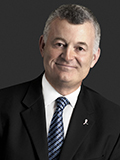 The Wharton School of the University of Pennsylvania is pleased to announce that William P. Lauder, W’83, has committed $4 million to endow the William P. Lauder Wharton Leadership Fellows Program. Mr. Lauder is a member of the University of Pennsylvania Board of Trustees, the Lauder Institute Board of Governors, the Wharton Leadership Advisory Board and a lecturer in the Wharton School.
Wharton Leadership Fellows are a community of second-year MBA students who mentor, coach and support first-year students in developing their potential and strengthening their performance as learning teams. Over the course of 15 months, the fellows receive intensive leadership development opportunities that first focus on enhancing their own abilities and then transition to hands-on experience building those skills in others. Fellows play a critical role in strengthening team dynamics, providing feedback, addressing conflict and coaching individual growth and development.
“I have always believed that great leaders are also great teachers, coaches and mentors,” said Mr. Lauder, who serves as executive chairman of The Estée Lauder Companies. “That’s what I expect of leaders at The Estée Lauder Companies, and what I hope to model for MBA students. I’ve been fortunate to have many extraordinary mentors in my career—my father Leonard A. Lauder, W’54, chief among them—and I’ve been consistently impressed by the ways in which Wharton Leadership Fellows enhance and contribute to the learning culture at Wharton. I am thrilled to support this outstanding program’s continued growth and evolution.”
This gift continues the Lauder family’s longstanding commitment to supporting education and the Penn community—from the Lauder Institute, to student fellowships, to numerous capital projects, including the recently completed New College House at 3335 Woodland Walk—and enriching the Penn experience for future generations of students.
“William Lauder’s contributions to the Penn community extend far beyond his generous financial support,” said Penn President Amy Gutmann. “William is an active presence on campus, sharing his time and insight with our students enrolled in his popular MBA course and providing exceptional advice and guidance to University leadership as a member of the Penn Board of Trustees. William’s investment in the Wharton community is a deeply personal one, and he has been an extraordinary asset to our students over the years as a teacher, mentor and role model. I look forward to watching the William P. Lauder Wharton Leadership Fellows Program flourish under his stewardship.”
Income from the endowment will provide sustainable resources to select, train and support the Wharton Leadership Fellows in their work with first-year MBA students. Mr. Lauder’s gift will also bring a new one-day leadership symposium to the William P. Lauder Wharton Leadership Fellows Program dedicated to exploring leadership principles in action.
“William embodies the core Wharton value of empowering leaders to change the world and we are deeply honored by his decision to endow the William P. Lauder Wharton Leadership Fellows Program,” said Wharton Dean Geoff Garrett. “The Leadership Fellows Program is a jewel in the Wharton MBA crown providing life-changing experiences for countless students. With William’s partnership, the program’s reach and impact will grow exponentially.”
Mr. Lauder is already known as an innovator among the Wharton faculty. The course he created and teaches, MGMT 892: Decision Making in the Leadership Chair, now in its sixth year, brings renowned business and civic leaders into the classroom each week to share lessons from their careers with second-year MBA students. In 2014, Mr. Lauder was recognized by his fellow faculty members with the Teaching Commitment and Curricular Innovation Award for the by-application course, which consistently ranks among the school’s most popular electives.
“I have had the privilege of working with William for the past decade on various programs for senior leaders through our Executive Education partnership, and on his outstanding course, Decision Making in the Leadership Chair,” said Michael Useem, director of the Center for Leadership and Change Management and the William and Jacalyn Egan Professor of Management at Wharton. “William’s passion for teaching and love of learning are second to none, and his insight and experience as a leader of a global company make him the ideal sponsor for the Wharton Leadership Fellows Program. I am pleased to partner with him to continue building this signature program for future generations of leaders.”
“I am grateful to Professor Mike Useem, McNulty Leadership Program Executive Director Jeff Klein and their teams for their tremendous work launching and nurturing this program over the past 19 years,” said Mr. Lauder. “I look forward to continuing to work with them and with the fellows to bring new ideas, insights and opportunities to the program, and to supporting exceptional leadership at Wharton and beyond.”
Mr. Lauder, son of Leonard and Evelyn Lauder and grandson of Estée and Joseph Lauder, has served as Executive Chairman and Chairman of the Board of Directors at The Estée Lauder Companies since 2009. He previously served as CEO, expanding the Company’s international presence and distribution channels and greatly strengthening its brand portfolio. He also serves as chairman of the board for the Fresh Air Fund and as co-chairman of the board of the Breast Cancer Research Foundation, among other board memberships.
Perelman School of Medicine 2018 Teaching Awards
The Perelman School of Medicine announces this year’s teaching awards as follows:
The Leonard Berwick Memorial Teaching Award
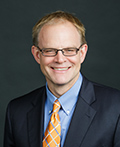 Ebbing Lautenbach is the Robert Austrian Professor of Medicine, professor of epidemiology and a senior scholar in the Center for Clinical Epidemiology and Biostatistics (CCEB). He is also the chief of the division of infectious diseases within the department of medicine and an attending physician at HUP. In this role, he teaches medical students, residents and clinical fellows in infectious diseases. Dr. Lautenbach also serves as the associate director of the clinical epidemiology unit within the CCEB, a role in which he provides primary oversight of the center’s graduate educational programs. For more than 10 years, he was course director and primary instructor for Critical Appraisal of the Medical Literature. He created and directed the advanced course Epidemiological Research Methods in Infectious Diseases. His unique ability to engage and inspire students at all stages of training has been consistently remarkable. His skill at integrating the basic science of epidemiology with clinical medicine, with a particular focus on the field of infectious diseases, has been extraordinary. His clear passion for teaching and mentoring has made him a role model for countless trainees. One of his fellows stated, “Dr. Lautenbach has in just three years been instrumental in shaping my career and I am incredibly grateful for his mentorship.”
This award was established in 1980-1981 as a memorial to Leonard Berwick by his family and the department of pathology to recognize “a member of the medical faculty who in his or her teaching effectively fuses basic science and clinical medicine.” It is intended that this award recognize persons who are outstanding teachers, particularly among the School’s younger faculty.
Dean’s Award for Excellence in Clinical Teaching (at an Affiliated Hospital)
This year, there are five recipients of this award.
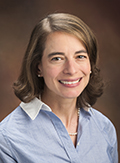
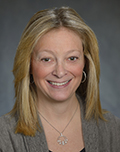
Katherine Lord is an assistant professor of clinical pediatrics and the inpatient medical director of the endocrinology service at CHOP. After completing her pediatric endocrinology fellowship at CHOP, she took a faculty position at the hospital. As inpatient medical director and endocrine hospitalist, Dr. Lord works closely with fellows, residents and medical students, and her teaching consistently receives high marks from trainees. A resident wrote: “Dr. Lord is first and foremost a gracious and approachable teacher. She is a passionate teacher who truly wants residents to learn and to get the most out of a rotation. I believe that Dr. Lord stands out among physicians at CHOP for her ability to teach as well as her investment in the residents’ education.”
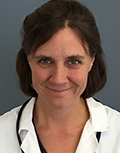
Lauren Elman is an associate professor of neurology who specializes in neuromuscular medicine. She completed her neurology residency and neuromuscular fellowship at Penn. Dr. Elman is active in both pre-clinical and clinical teaching. She served as the neurology block director for “Brain and Behavior” for eight years and continues to take an active role in the course. A former student stated, “The example she sets has strongly influenced my development as a physician, as it has for countless of my peers.”
Kirstin Knox is an assistant professor of clinical medicine at HUP and the VA. Dr. Knox served as an intern and resident in internal medicine at Penn before joining the division of general internal medicine as a hospitalist in 2012. Dr. Knox enjoys teaching students and residents at HUP and the VA, and is especially interested in teaching history taking,physical exam and communication skills. In addition to her passion for clinical teaching, Dr. Knox is committed to care of vulnerable and high-risk patient populations. She developed and now serves as medical director of the HUP Hospitalist High Utilizer Program, a multidisciplinary program working to increase continuity, streamline care and address underlying drivers of readmission for the most frequently admitted patients on the hospitalist service. A former trainee stated that, “Dr. Knox is a phenomenal educator and clinician and was by far the best attending that I worked with as a medical student….There is not another physician at Penn that I feel more deserving of this teaching award.”
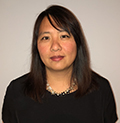
Moyna H. Ng came to Penn and joined the faculty in the department of general internal medicine in the section of hospital medicine in 2014. She is an assistant professor of clinical medicine, specializing in medical consultation at Good Shepherd Penn Partners—The Penn Institute for Rehabilitation Medicine. A former trainee described her as “a truly amazing educator. She motivates us to improve and always provides real-time constructive feedback. She is knowledgeable, approachable and honest—a true gem.” Another trainee noted, “Her teaching style is energetic and versatile.She excels at bedside teaching as well as ‘chalk and talk’ and more formal conference lectures. Her passion for teaching is evident in her daily interactions, from routine patient rounds to complex consultations—she always manages to get a teaching point across.”
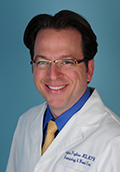
Douglas Pugliese finished his dermatology residency training at Penn in 2012 and stayed on as a faculty member. Dr. Pugliese teaches medical students, family medicine residents and internal medicine residents in the outpatient general dermatology clinic. He is very involved in teaching dermatology residents on the inpatient dermatology service and at the Penn Wound Center at PPMC, where he has a specialty clinic diagnosing and treating lower extremity ulcers. He participates yearly in the DERM 200 medical student course and the introductory to clinical medicine course and coordinates several recurring lecture series to medical students and primary care residents. One former trainee stated that “Dr. Pugliese is an exemplary teacher who exhibits endless enthusiasm for learning. His lectures are comprehensive, cutting edge and accessible at the same time.”
Established in 1987, this award recognizes clinical teaching excellence and commitment to medical education by outstanding faculty members from affiliated hospitals. One or more Dean’s Awards are made annually, the recipients being selected on the advice of a committee composed of faculty and students.
The Robert Dunning Dripps Memorial Award for Excellence in Graduate Medical Education
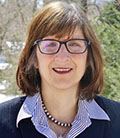 Claudia Baldassano is a PSOM assistant professor of psychiatry and director of the Bipolar Resident Outpatient Program. Dr. Baldassano is an integral part of the residency and clinical program. As a quintessential clinician, she is known for her compassion and dedication to patients, students, residents and other trainees. According to one resident, “Dr. Baldassano showcases the nuanced knowledge we should have as specialists. Furthermore, she goes beyond rote repetition of facts and spends the time to teach residents how to read and interpret the literature as they go forward in their careers.” Another resident noted, “During patient emergencies or unexpected disruptive behavior from patients in clinic, she has been unflappable. She is a model of professionalism, and provides a calm, supportive presence for all residents in the clinic. She is personable and concerned for the well-being of every patient under her care and every resident under her mentorship.”
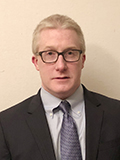 James M. Schuster is associate professor of neurosurgery, neurosurgery residency program director and chief of the neurosurgery service at PPMC. He has been a faculty member in the department of neurosurgery since 2001. His areas of emphasis include spinal oncology, spinal and cranial trauma and fly tying/fishing. A former trainee stated, “He is an exemplar of humanistic care, which is sadly uncommon among surgeons.”
This award was established by the department of anesthesia in 1983-1984. As a pioneer in the specialty of anesthesia and chair of the department from 1943 to 1972, Dr. Dripps was instrumental in the training of more than 300 residents and fellows, many of whom went on to chair other departments. This award is to recognize excellence as an educator of residents and fellows in clinical care, research, teaching or administration.
Blockley-Osler Award
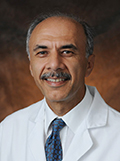 Sami Khella is clinical professor of neurology at Penn. After graduating from Penn Medicine and training in neurology and neuromuscular diseases at HUP, Dr. Khella joined the medical staff at PPMC, where he is currently chief of neurology and director of clinical electrophysiology. A former resident stated, “At each stage of my training and career as a neurologist, Dr. Khella has been a role model as a physician, teacher and scientist. He has strongly influenced my own practice of clinical neurology.”
Created in 1987 by the Blockley Section of the Philadelphia College of Physicians, this award is given annually to a member of the faculty at an affiliated hospital for excellence in teaching modern clinical medicine at the bedside in the tradition of Dr. William Osler and others who taught at Philadelphia General Hospital.
The Scott Mackler Award for Excellence in Substance Abuse Teaching
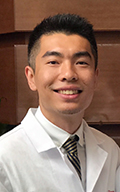 Yu-Heng Guo is a clinical assistant professor in the department of psychiatry at PSOM. He provides the core inpatient psychiatry experience in addiction training as an attending psychiatrist at the VA, where he trains medical students, nursing students, psychiatry residents and addiction psychiatry fellows. Dr. Guo emphasizes understanding the patient’s culture, developmental history, family history and upbringing in order to “treat the patient, not the illness.” His teaching style involves supervision not only in the psychopharmacology, but also in psychological interventions. He has a very hands-on approach and often models collaboration with different departments and disciplines. He also tries to include families as much as possible. A medical student stated, “It is this kind of dedication to teaching both medicine and humanism that made Dr. Guo stand out among faculty members.”
This award was established in 2000 by the Penn/VA Center for Studies of Addiction and the department of psychiatry. Dr. Mackler was known for his excellence in teaching medical students, residents, post-doctoral fellows, nurses and other Penn faculty in many different departments in the area of substance abuse.
Dean’s Award for Excellence in Basic Science Teaching
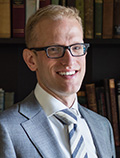 Theodore (Ted) D. Satterthwaite is an assistant professor in the department of psychiatry at PSOM. Dr. Satterthwaite completed his residency training in adult psychiatry and a neuropsychiatry fellowship at PSOM, where he joined the faculty in 2014. His laboratory uses multi-modal imaging techniques in concert with machine learning and network science tools to understand both normal patterns of brain development and how abnormalities of brain development are associated with diverse forms of psychopathology. One of his medical students stated that, “Dr. Satterthwaite possesses an unparalleled passion for teaching and is able to share knowledge in a manner that is accessible, clear and high-energy.”
This award was established in 1987 to recognize teaching excellence and commitment to medical student teaching in the basic sciences. One or more Dean’s Awards are made annually, the recipients being selected on the advice of a committee composed of faculty and students.
Dean’s Award for Excellence in Medical Student Teaching by an Allied Health Professional
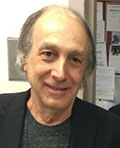 Robert Broudy has been an outpatient psychotherapist both via community mental health centers and in private practice, and is a psychiatric social worker at Pennsylvania Hospital’s Inpatient Psychiatric Unit. His duties have been social work assessments of inpatients; contact and psychoeducation with patient families; collaboration with outpatient clinicians, case managers and residential counselors; and referrals to outpatient and residential providers if those services are not in place. A large part of his teaching approach is informal sharing with psychiatry residents and medical students of his experience-related observations and knowledge of the mental health system; as well as family interventions and the range of disposition issues and options provided by the Behavioral Health Systems. A former resident stated, “I can personally attest that Bob has been an irreplaceable figure in my education and development as a physician.”
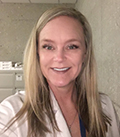 Christy Moore is a sonographer educator in the department of emergency medicine at HUP and has been on staff there since October 2016, where she works under Dr. Wilma Chan, the PSOM director of ultrasound education. Her passion is working with medical students, residents and fellows teaching clinician-performed ultrasound. She has been recognized year after year for her excellence in medical education in point-of-care sonography. Ms. Moore is interested in evidence-based medical education and is an active researcher in the field. She is a published researcher and is currently coauthoring a textbook for medical education on clinician-performed ultrasound. A medical student stated that “Christy is an extraordinary teacher. Her teaching style is approachable, encouraging and inquisitive. Her ability to teach complex anatomy, pathology and mechanics to any level of learner is unparalleled.”
This award was established in 1996-1997 to recognize outstanding teaching by allied health professionals (e.g., nurses, physician’s assistants, emergency medical technicians). The recipients are selected on the advice of a committee composed of faculty and students.
Dean’s Award for Excellence in Clinical Teaching by Housestaff
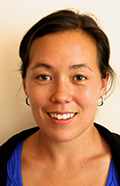 Ashley Un is a fourth-year resident in psychiatry. She has enjoyed working with medical students throughout her residency. Dr. Un is a collaborative and thoughtful educator who is invested in the growth and development of medical students. She has been described as “enthusiastic, warm, and welcoming,” “an excellent instructor,” and “great at incorporating medical students into the team.” During her time as chief resident for medical student education, she has been actively involved in teaching medical students during their psychiatry clerkship rotation. She has participated in and assisted with the planning and implementation of small groups for the preclinical courses “Doctor-Patient”
and “Brain and Behavior;” contributed to the elective “Art, Observation, and Mental Illness;” and serves as a liaison for the medical student interest group PsychSIGN. She promotes active engagement of fellow residents in medical student education through recruitment, training and support. One of her colleagues stated, “I feel that the medical students are lucky to have exposure to such a talented educator and clinician.”
This award was established in 2015 to recognize clinical teaching excellence and commitment to medical education by outstanding housestaff. One award is made annually. The recipient is selected on the advice of a committee composed of faculty and students.
The Special Dean’s Award
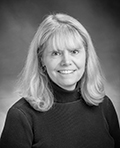 Mary Catherine (Mary Cay) Harris is a professor of pediatrics in the clinician-educator track at PSOM. She is a senior attending physician in the newborn intensive care unit at CHOP. In addition to her clinical and research roles, Dr. Harris has a passion for medical education and mentoring of medical students, residents and faculty. She was an advisory dean in the office of student affairs 2004-2017, where she advised and mentored numerous medical students. She also served as the chairman of the residency selection committee at CHOP. She has received considerable praise and appreciation for her dedication and commitment to her student advisees as well as her colleagues. One of her former advisees stated, “Thanks so much for your warmth, wisdom and kind words” and another said, “She is a wonderful mentor, advocate and friend…medical school is difficult, which makes people like you so crucial for students.”
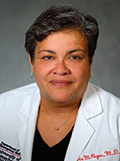 Iris Reyes, professor of clinical emergency medicine at HUP, is also honored with this award. Dr. Reyes has served as an attending physician in the emergency department at HUP and PPMC since finishing her fellowship in 1990. Dr. Reyes is involved in the bedside and didactic teaching of emergency medicine residents and medical students. For more than a decade, she served as advisory dean for the office of student affairs. Currently, Dr. Reyes is the PSOM ombudsman. Dr. Reyes is a past-chair of the Medical Faculty Senate, past director of the sub-internship in emergency Medicine and is a board member of the Academy for Diversity and Inclusion in Emergency medicine of the Society for Academic Emergency Medicine. Dr. Reyes’s passion for improving diversity in medical training and the need to improve the pipeline for under-represented minority faculty led to her founding the Alliance of Minority Physicians (AMP). Dr. Reyes is the faculty preceptor for the Minority Mentoring Sessions, the Medical Spanish Elective, Alianza Cubana and the Latino Medical Student Association of PSOM. One medical student stated that “Dr. Reyes does so much for students. She is always a thoughtful and patient teacher.”
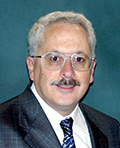 Marc S. Levine is professor of radiology and chief of gastrointestinal radiology at PSOM. The education of Penn medical students has been one of the major focuses of Dr. Levine’s career since joining the faculty as a gastrointestinal radiologist in 1982. He has not only served as one of the primary lecturers in the “Radiology 300” course, but also has supervised an elective in GI radiology for senior medical students interested in radiology and has served as a mentor for students applying for residencies in diagnostic radiology for more than 30 years.
Dr. Levine has been particularly interested in teaching Penn medical students the art and science of clinical research and has collaborated with nearly 100 students on research projects published as original articles in scientific literature over the past 35 years. The Marc S. Levine, M.D., Award for Research in Radiologic Imaging was established in 2006. Dr. Levine was the PSOM Advisory Dean 2003-2017. He will be retiring from clinical practice in July but expects to continue his long relationship with Penn as professor emeritus of radiology. One former resident stated, “I can’t say enough good things about Dr. Levine. He is a pleasure to work with and a fantastic teacher.”
This award was established in 1989-1990 to recognize outstanding achievements in medical education by faculty members, particularly in the development of new, innovative educational programs. The Senior Vice Dean for Education, in consultation with the Teaching Awards Selection Committee, identifies unique contributions by the faculty, resulting in their receipt of this special honor.
Jane M. Glick Graduate Student Teaching Award
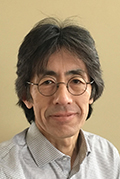
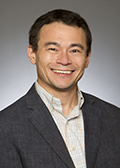 Toshinori Hoshi, professor of physiology, joined Penn in 2002. “It was obvious that Toshi had dedicated a lot of time and effort to prepare for his lectures and that meant a lot for us as learners; we always felt that he took his role very seriously,” said one student. And another: “I respect Dr. Hoshi for always encouraging me to delve deeper and showing me the importance of exploring further ideas to strengthen the investigation.”
E. James Petersson, associate professor of chemistry, joined Penn in 2008. From some of his students: “Dr. Petersson really impacted my life and has opened my eyes to the type of research I would like to do.” “Furthermore, it was through some of Dr. Petersson’s lectures that I became quite fond of the field of ion channels, which determined my third laboratory rotation choice and subsequently my thesis choice.”
This award was established in 2010 by the Glick family in remembrance of Dr. Jane Glick and her dedication to the Biomedical Graduate Studies (BGS) programs. This year’s recipients have demonstrated a commitment to educating and training the next generation of scientists that exemplifies the type of scientist and educator Jane Glick represented.
Michael P. Nusbaum Graduate Student Mentoring Award
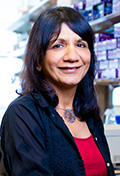 Amita Sehgal, John Herr Musser Professor in the department of neuroscience, has demonstrated dedication to mentoring students and guiding them in reaching their scholarly potential. One medical student stated that, “In short, Amita has created an environment where I have been able to develop on the path to being an independent scientist.”
Another noted, “Amita is not only a talented scientist but also a supportive mentor who clearly sees the success of her trainees as a top priority–and who is able to see ‘success’ not just as climbing the academic ladder, but as finding a balanced and personally fulfilling career.”
This award was established in 2017 to honor Michael “Mikey” Nusbaum as he stepped down from his role as associate dean for graduate education and director of biomedical graduate studies.
Medical Student Government Awards
Each year the graduating class honors one clinician and one basic scientist in recognition of their excellence in teaching. These awards are determined by a vote of the class.
MSG Clinical Teaching Award
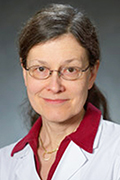 Amy Pruitt is a professor of neurology and director of Medical Student Education for Neurology. She is described as “a treasure” and “a fantastic teacher and physician who is loved by all trainees at all levels.” She is known to include clinical anecdotes related to case studies, making the material more tangible. As one student said, “Dr. Pruitt is quite possibly the smartest person I have ever met. She is an incredible student educator and an expert at her craft.” Another said, “She has a unique ability to impart information in a way that makes it impossible to forget.” A third student said, “Fantastic, phenomenal, amazing, awesome—these are just a few adjectives that come to mind when describing Dr. Pruitt.” This is the fourth time Dr. Pruitt has received the MSG Clinical Teaching Award.
MSG Basic Science Teaching Award
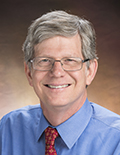 Robert Doms is the pathologist-in-chief at CHOP and a professor of pathology and laboratory medicine. Dr. Doms directs the Microbiology/Infectious Diseases course taught to the first-year medical students and gives most of the lectures in the class. He developed an innovative small-group teaching format in which hyperlinked slide decks are used to construct learning-trees. After being presented with a clinical case, students are faced with several options, each of which takes them down a different path. Referred to by the students as “Choose Your Own Adventure,” this teaching format stresses decision-making and has now been adopted by many of the other pre-clinical courses at the School.
Penn Benefits Open Enrollment: April 23-May 4
Benefits Open Enrollment is your annual opportunity to make changes to your healthcare elections. This year, Open Enrollment is Monday, April 23 through Friday, May 4. Penn Benefits provides you with a valuable range of options to help meet your particular needs. Now is a great time to begin considering if you want to make changes to your current healthcare coverage and which options will work best for you and your family in the coming plan year. Please note that this information applies to active full-time or part-time benefits-eligible faculty and staff only.
Plan Changes as of July 1, 2018
No Increase in Medical Rates
Medical rates for the 2018-2019 plan year will remain the same. The University of Pennsylvania’s medical health plans have seen favorable claims experience over the past year, which has enabled Penn to hold the medical rates flat for the upcoming year. Although the health care market in general has experienced approximately 6% medical cost inflation over the past few years, Penn’s plan costs have been much lower than the industry trend. Plan design changes, favorable claims experience, enhanced prescription drug management, wellness initiatives and better employee consumerism have resulted in this positive trend in cost. Faculty and staff enrolled in a medical plan will not see an increase in the 2018-2019 plan year.
Fertility Benefits
Under the current benefit, candidates for in-vitro fertilization must have a proven history of their inability to conceive. Effective July 1, 2018, this benefit will put more emphasis on fertility rather than infertility, and candidates will no longer have to present a proven history of not being able to conceive.
A candidate for advanced reproductive benefits will have to exhaust less costly methods of conception such as artificial insemination, prior to their attempts with in-vitro fertilization. The new in-vitro fertilization process will benefit same sex couples as well as women without partners. They can receive two cycles per lifetime, per family, and at HUP only.
Penn Dental Changes Name
Penn Dental Plan is now Penn Family Plan. The dental provider has changed its name and their Bryn Mawr office will be moving to Berwyn in the summer 2018. The other offices are on Locust Walk and at 3737 Market Street.
2018-2019 Flexible Spending Account Limit
The IRS has increased the limit from $2,600 to $2,650. A flexible spending account is a special account where you set aside pre-tax dollars into an account to use for certain IRS eligible out-of-pocket healthcare costs.
Health Savings Account (HSA) Changes
For calendar year 2018, the IRS has announced a decrease in the HSA family maximum contribution by $50. The single contribution limit is not changing. For calendar year 2018, the annual limitation on deductions for family coverage will be $6,850. An HSA is a tax savings account that you can contribute to via payroll deductions and then use the money to offset the cost of care. An HSA requires enrollment in a High Deductible Health Plan.
Part-time Healthcare Benefits
Effective July 1, 2018, regular part-time faculty and staff will be eligible for Penn’s Aetna POS II Standard Plan (formerly called the ACA plan). The cost for single coverage will be subsidized by the University. This plan doesn’t require a primary care provider or referral and it has in-network or out-of-network coverage. The individual deductible is $900 and the family deductible is $2,000.
In addition, part-time faculty and staff will be eligible for a $50,000 Basic Life Insurance policy paid by the University, and Supplemental Life Insurance up to two times their benefits base salary.
This year part-time faculty and staff can also select Penn Family Plan and MetLife dental plans. Employees pay the full cost of coverage. Davis and VSP vision plans will continue to be offered.
ACA Eligible Benefits
Effective July 1, 2018, ACA-eligible faculty and staff can select the Aetna POS II Standard Plan (formerly called the ACA plan). The cost for single coverage will be subsidized by the University. ACA-eligible faculty and staff are also eligible for a $50,000 Basic Life Insurance policy paid by the University, and Supplemental Life Insurance up to two times their benefits base salary.
ACA-eligible faculty and staff can also select Penn Family Plan and MetLife dental plans. Employees pay the full cost of coverage. Davis and VSP vision plans are also offered, with employees paying the full cost for coverage.
When Are Changes Effective?
Changes made during Open Enrollment will be effective as of July 1, 2018. New rates for all plans will be reflected in your July 2018 paycheck.
Attend a Presentation
Learn details and ask questions at one of the upcoming presentations. Presentations will run for 45 minutes, followed by a Q&A session. The sessions will include detailed information about family-friendly benefits such as the advanced reproductive benefit.
Date Time Location
Tuesday, April 3 11a.m.-1 p.m. Ben Franklin Room, Houston Hall
Wednesday, April 4 11a.m.-1 p.m Ben Franklin Room, Houston Hall
Tuesday, April 10 11a.m.-1 p.m. Terrace Room, Cohen Hall
Wednesday, April 11 noon-2 p.m. Reunion Auditorium, John Morgan Building
Wednesday, April 11 noon-2 p.m. Ben Franklin Room, Houston Hall
Attend a Fair
At the Wellness Fairs, representatives from Penn’s healthcare providers and administrators will be onsite to share information. Learn about medical plans, prescription drug coverage, dental plans, vision coverage, flexible spending accounts and the Penn Benefits Center. You can also take advantage of free health screenings and other wellness activities.
Date Time Location
Tuesday, April 24 10 a.m.–2 p.m. Hall of Flags, Houston Hall
Thursday, April 26 10 a.m.–2 p.m. New Bolton Center, Kennett Square
Penn Pharmacies
Did you know that you can use the Penn Medicine Pharmacies to obtain your specialty medications? A variety of delivery options are available. Penn Medicine Pharmacies have nine locations:
- Hospital of University of Pennsylvania Pharmacy, 3400 Spruce Street
- Penn Presbyterian Medical Center, 51 N. 39th Street, Medical Office Building
- Pennsylvania Hospital Outpatient Pharmacy, 800 Spruce Street
- Penn Medicine Radnor Outpatient Pharmacy, Radnor, PA
- Penn Presbyterian Apothecary, 3910 Powelton Ave., Basement CUPP
- Penn Medicine at University City, Apothecary, 3737 Market Street, Ground Floor
- Penn Home Infusion Therapy, King of Prussia, PA
- Perelman Center for Advanced Medicine Pharmacy, 3400 Civic Center Blvd., 101W
- Penn Medicine Valley Forge, Berwyn, PA
You can also continue to use CVS specialty medication programs.
| |
Full-time
Weekly Paid |
|
|
|
Full-time
Monthly Paid
|
|
|
|
| |
Single Coverage
|
Emp. & Spouse
|
Emp. & Child(ren) |
Emp. & Family |
Single Coverage
|
Emp. & Spouse
|
Emp. & Child(ren)
|
Emp. & Family
|
| MEDICAL |
|
|
|
|
|
|
|
|
| PennCare |
$ 47.08
|
$ 117.46
|
$ 79.15
|
$ 146.08
|
$ 204.00
|
$ 509.00
|
$ 343.00
|
$ 633.00
|
| Aetna Choice POS II |
$ 32.31
|
$ 83.08
|
$ 54.69
|
$ 103.15
|
$ 140.00
|
$ 360.00
|
$ 237.00
|
$ 447.00
|
| Aetna HDHP |
$ 21.00
|
$ 54.92
|
$ 35.31
|
$ 68.77
|
$ 91.00
|
$ 238.00
|
$ 153.00
|
$ 298.00
|
| Keystone HMO |
$ 22.15
|
$ 59.31
|
$ 37.38
|
$ 73.38
|
$ 96.00
|
$ 257.00
|
$ 162.00
|
$ 318.00
|
| DENTAL |
|
|
|
|
|
|
|
|
| Penn Family Plan |
$ 8.77
|
$ 17.21
|
$ 19.41
|
$ 27.38
|
$ 38.02
|
$ 74.59
|
$ 84.10
|
$ 118.63
|
| METLIFE |
$ 6.31
|
$ 12.60
|
$ 13.89
|
$ 18.93
|
$ 27.34
|
$ 54.62
|
$ 60.18
|
$ 82.03
|
| VISION |
|
|
|
|
|
|
|
|
| Davis Vision |
$ 1.09
|
$ 2.36
|
$ 1.77
|
$ 3.00
|
$ 4.73
|
$ 10.22
|
$ 7.65
|
$ 13.01
|
| VSP |
$ 1.57
|
$ 3.40
|
$ 2.56
|
$ 4.34
|
$ 6.82
|
$ 14.74
|
$ 11.09
|
$ 18.79
|

 Benjamin Francis Rivell, a staff member of the Computing and Educational Technology Services (CETS) at Penn’s School of Engineering and Applied Science since July 2014 and a student in the computer science masters program, died Tuesday, March 20 of an accidental drug overdose in Kensington. He was 28 years old.