
Giulio D’Angio, CHOP and PSOM
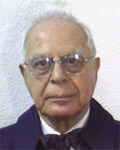 Giulio John (Dan) D’Angio, emeritus professor of radiation oncology at Penn’s School of Medicine and a pioneer in the treatment of children’s cancers, died September 14 at his residence in Rittenhouse Square in Philadelphia. He was 96.
Dr. D’Angio grew up in Brooklyn and Westchester County, New York. He attended Columbia University for his undergraduate degree and then Harvard Medical School, graduating in 1945. He spent a year at Boston Children’s Hospital before serving with the US Army Corps in Japan. After returning in 1948 to the US, he worked at the VA Hospital in West Roxbury, Massachusetts, and then began his radiology training at Boston City Hospital. In Boston, he worked in a lab with Sidney Farber, founder of the Children’s Cancer Research Foundation, the precursor to the Dana-Farber Cancer Institute. He held various teaching positions and was an associate research radiologist at Donner Lab at UC-Berkeley before coming to Penn as a professor of radiology. His primary appointment later changed to radiation therapy; he held secondary appointments in pediatrics and radiology. He was president of the Medical Faculty Senate, and he earned tenure in 1977 and received emeritus status in 1997.
At CHOP, Dr. D’Angio served as director of the Children’s Cancer Center, where he built the foundation for the current “bench-to-bedside and back” research efforts used across the campus today. He was named a fellow of the American Society for Therapeutic Radiology and Oncology (ASTRO) (Almanac September 26, 2006). He served as the president of the International Society of Pediatric Oncology and chair of the National Wilms Tumor Study. He was the founder of the Late Effects Study Group, which ultimately led to the Office of Cancer Survivorship at the National Institutes of Health, as well as the Histiocyte Society, the Society for Pediatric Radiology, and the Paediatric Radiation Oncology Society. Dr. D’Angio wrote more than 500 articles, books, book chapters, editorials and commentaries. The Giulio D’Angio Chair in Neuroblastoma Research at CHOP was established in his honor.
He was among the first to think of combining different cancer treatments. He changed how Wilms’ tumor, a cancer of the kidneys, was treated, and the survival rate during his career rose from 40 to 90 percent. He also recognized the harmful effects of radiation therapy on young children and organized the first randomized clinical trial that eliminated this curative but harmful modality. Working with Dr. C. Everett Koop, they described the remarkable spontaneous regression of an identifiable subset of neuroblastoma in infants and together developed a staging system that is largely the one used today. His work has helped children with leukemia, medulloblastoma and neuroblastoma. He was an early champion of total care, or looking out for a child’s overall needs.
Dr. D’Angio’s first wife, Jean Terhune D’Angio, died in 2004. In 2005, he married his long-time colleague, Audrey Evans. Dr. D’Angio is survived by his wife; brother, Carl J.; sons, Carl (Donna) and Peter (Greg); grandchildren, Sara D’Angio White (Andrew) and Rachel; and great-grandchildren, Margaret and Charles D’Angio White.