
Ben Franklin: Inventor and Innovator
Benjamin Franklin’s birthday has been celebrated on January 17 for centuries (he was actually born on January 6, 1705, under the Julian calendar. When the colonies switched to the Gregorian calendar in 1752, his birthday moved to January 17, 1706). In addition to being a founding father, publisher and, of course, the recognized founder of the University of Pennsylvania, he was also a prolific inventor and innovator. Consider the following (not comprehensive) list of his accomplishments as Almanac salutes Ben Franklin’s 314th birthday.
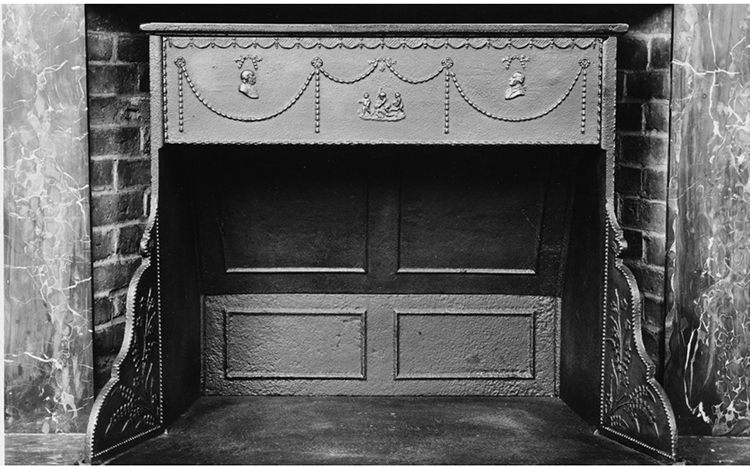
Ben Franklin, Inventor



Ben Franklin, Founder

In addition to founding the University of Pennsylvania (“Pennsylvania Academy and College” at the time of its 1749 founding), Ben Franklin also founded:
- America’s first circulating library, The Library Company of Philadelphia (1731)
The Library Company is America’s first successful lending library and oldest cultural institution. It was founded in 1731 by Benjamin Franklin as a subscription library supported by its shareholders, as it is to this day.
During the early years of the United States, books were not widely available. Standard English reference works were expensive and difficult to find: they had to be shipped to the colonies from Europe, and the average person could not afford to purchase the books that well-rounded intellectuals thought worth reading.
In 1731, Benjamin Franklin convinced members of the Junto, his “society of mutual improvement,” to pool their resources and purchase a collection of books none could have afforded individually. Articles of Agreement were drafted on July 1, 1731, and the Library Company of Philadelphia was established when 50 founding shareholders signed on. Each contributed 40 shillings and agreed to pay ten shillings per year thereafter. As the Library Company’s collection grew, the book capital of each shareholder expanded as well.
The collections grew with the nation and reflect the country’s many faces and varied interests. From the Revolutionary War to 1800, when the national government was in Philadelphia, the Library Company also served as the Library of Congress. Until the 1850s it was the largest public library in America. All of the books the Library Company acquired year by year over more than two and a half centuries are still on its shelves, along with many others added since it was transformed into a research library in the 1950s. In the 21st century, the Library Company serves as a resource for a variety of readers, from high school students to senior scholars, from novelists to film producers, and anyone else with an interest in the collections.

- America’s first volunteer fire department, Union Fire Co. (1736)
- America’s first learned society (with John Bartram), American Philosophical Society (1743)
- America’s first public hospital, Pennsylvania Hospital (1751)
- America’s first mutual insurance company, The Philadelphia Contributorship (1752)
Ben Franklin, Forward Thinker
Our University’s founder was also the first to:
- Label electric charges (1752)
- Create a political cartoon in America (1754)
- Map the Gulf Stream (1769)